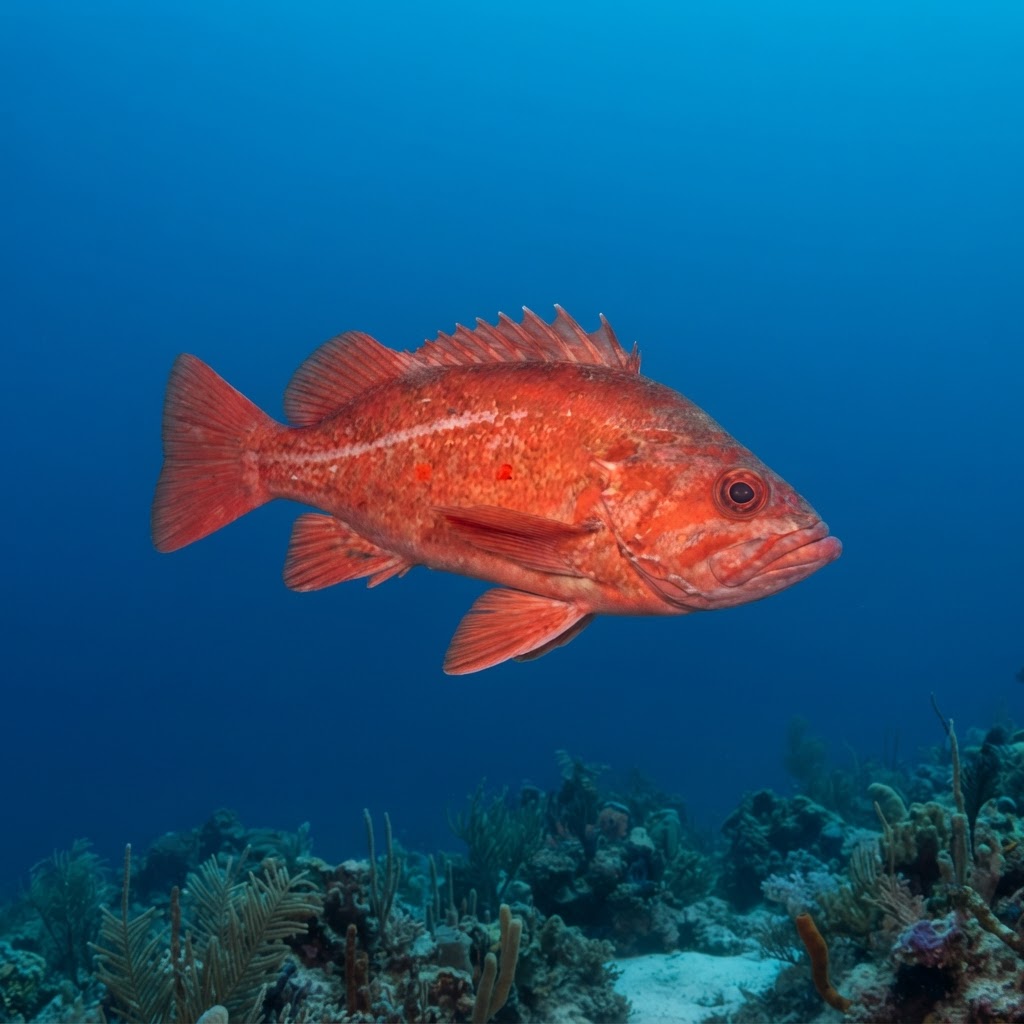
Sebastes miniatus
Rusty-red rockfish found on cool California reefs, often deep and mostly seen solo; here's how to spot one and where divers log it.
Safety warning
Its dorsal, anal and pelvic fin spines carry venom glands, so a hand brushing against a resting fish on a ledge can result in a painful sting. Keep hands off rock crevices and ledges where you can't see what's tucked into them, and give any rockfish you spot enough space to stay still rather than bolting.
If you're stung
Venomous spinesGeneral first-aid guidance, not a substitute for professional medical care. In an emergency, call your local emergency number.
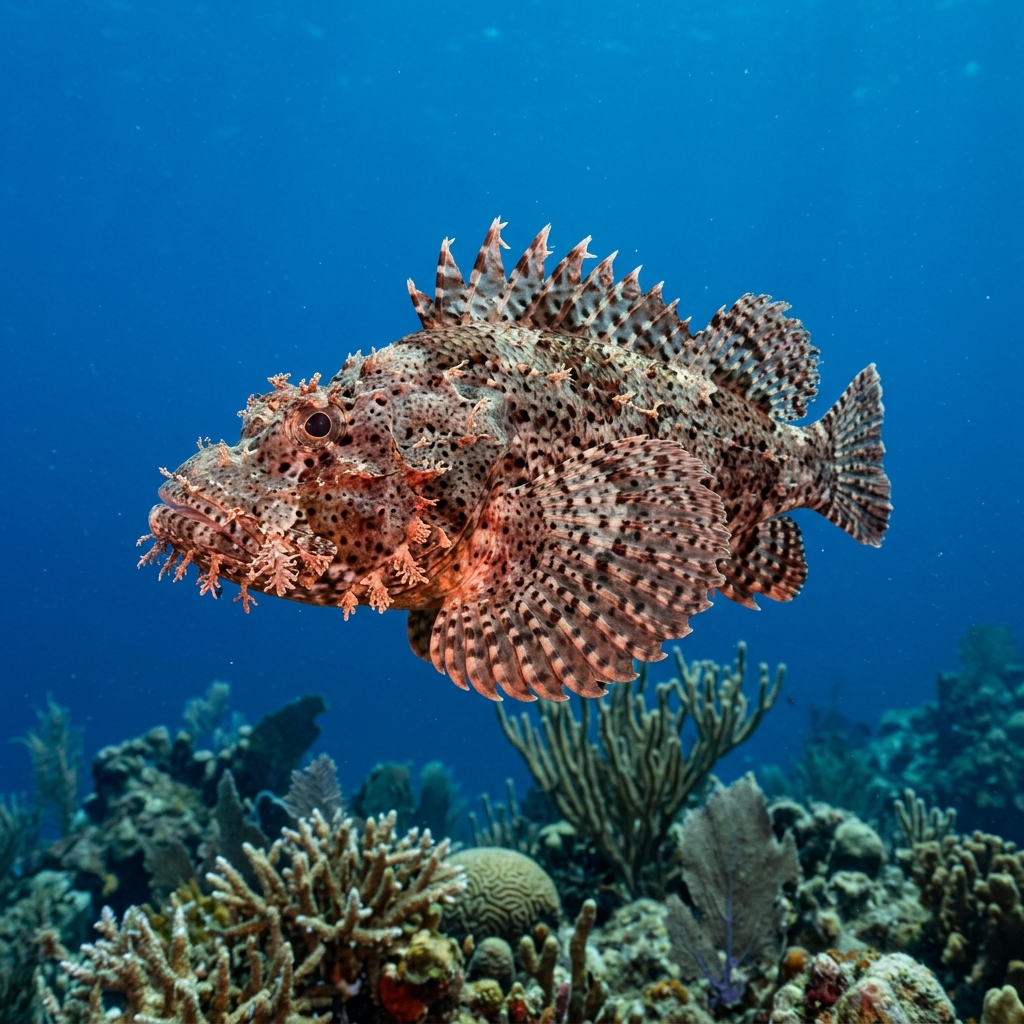
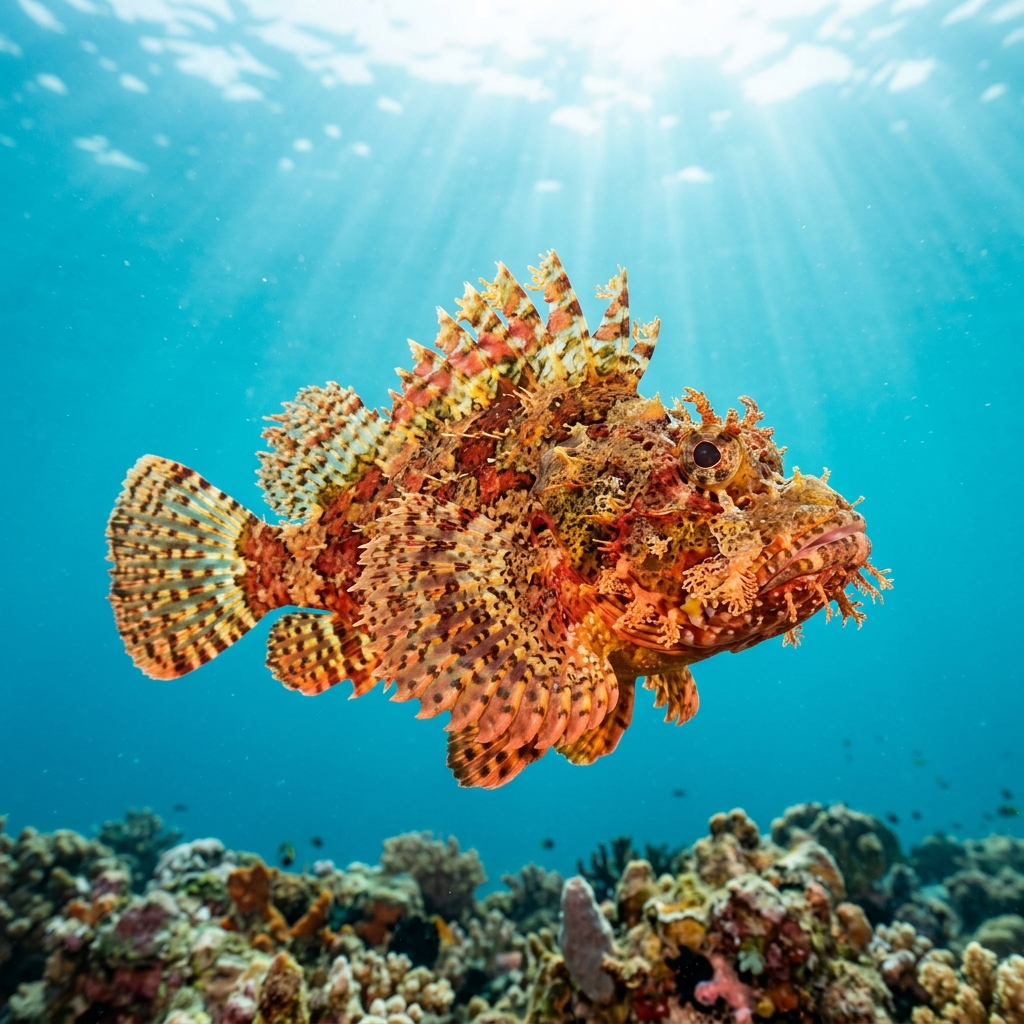
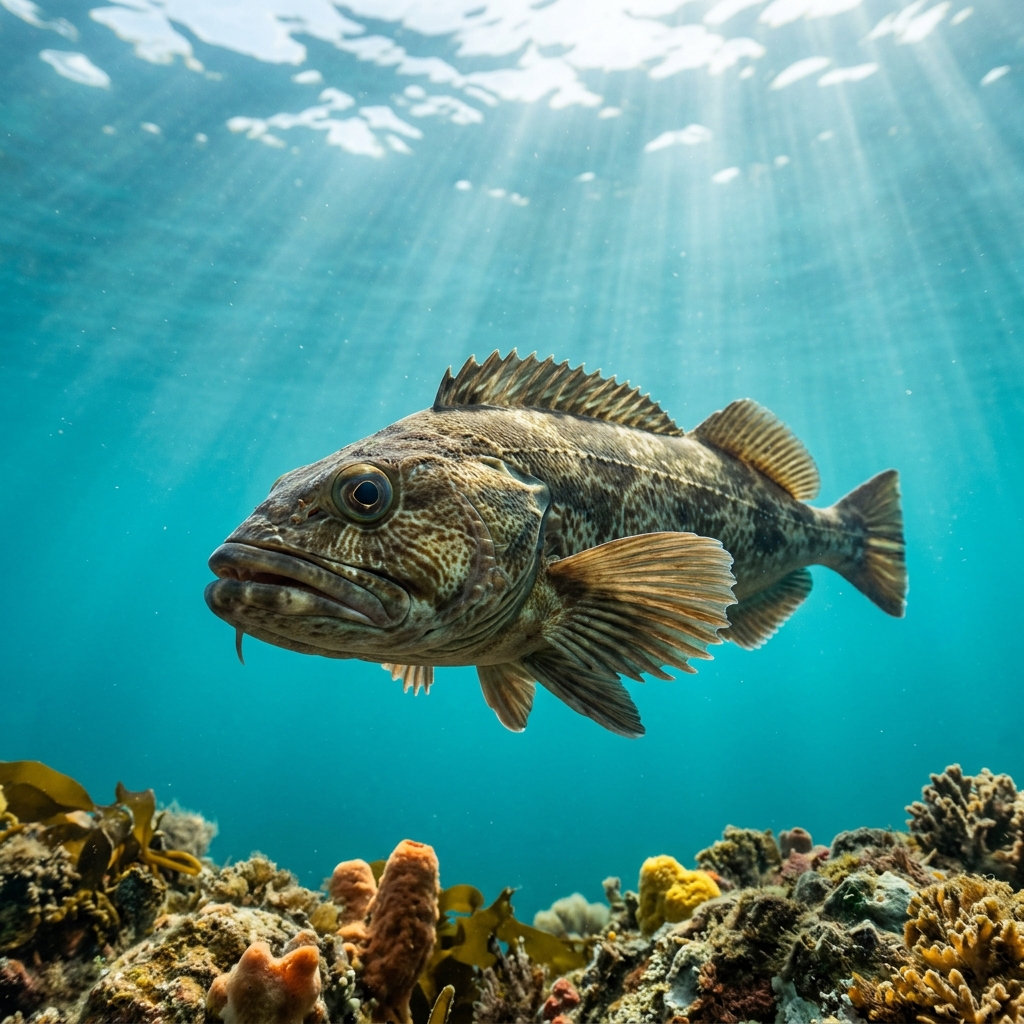
Rusty red to orange body with mottled darker blotches along the back, growing to around 63 cm in the water. Look for the spiny dorsal fin, a fairly deep-bodied build, and a pinkish tinge to the fins and belly that separates it from plainer red rockfish. It often sits motionless against rock or reef structure, using its blotchy pattern to blend into the substrate rather than swimming out in the open.
Divers typically find this one alone, tucked against rock ledges or reef structure rather than out swimming in open water. It tends to hold still and rely on its blotchy camouflage when a diver approaches, which combined with its generally low sighting frequency makes it more of a spot-if-you're-looking fish than a guaranteed encounter. Most logs describe it as rare at the site level, with only a handful of locations reporting it as uncommon or common.
Like other rockfish in the Sebastes genus, it gives birth to live larvae rather than laying eggs, an unusual reproductive strategy for a reef fish.
There's no clear seasonal pattern in the sightings, and with a water niche of roughly 6.4 to 9.9°C it's present on these cool reefs year-round rather than tied to a warm-season window.
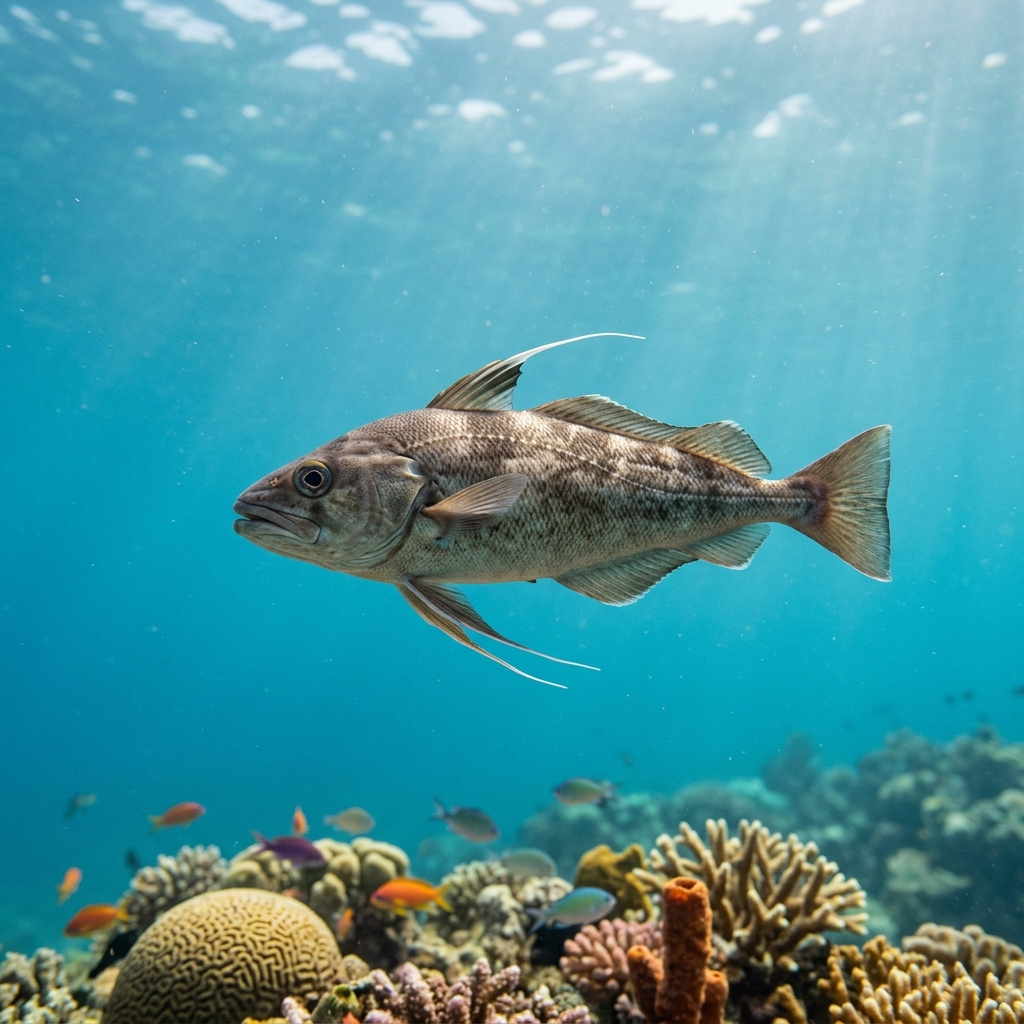
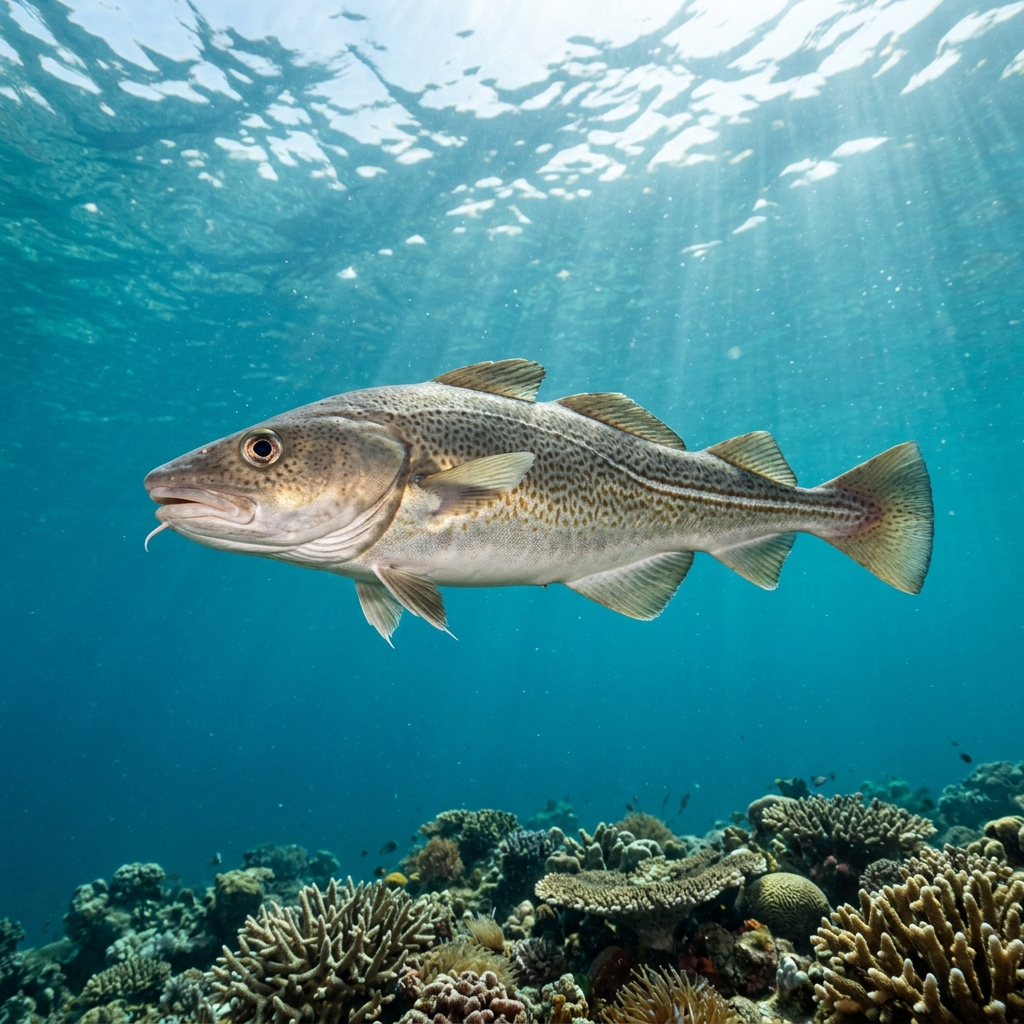
Reef neighbours a diver could mistake it for. Use the identification notes above to tell them apart.
Almost all logged sightings come from California, USA, where divers find it scattered across cool-water reef and rock sites along the coast. A smaller number of sightings come from British Columbia, Canada, making the US West Coast the far more reliable place to look.
Mapping where Vermilion Rockfish is logged…
California is by far the most reliable place, with sightings logged along its coastal reef and rock sites. A smaller number of sightings also come from British Columbia, Canada.
There's no strong seasonal signal in the data, and given its cool-water niche of roughly 6.4 to 9.9°C, it's considered present on these reefs year-round.
Yes, its fin spines are venomous and can deliver a painful sting if handled or brushed against. It isn't aggressive, so the real risk is accidentally touching one tucked into a rocky crevice.
Look for a deep-bodied, spiny-finned fish in rusty red to orange with mottled darker blotches, usually holding still against rock or reef structure. It grows to around 63 cm and rarely swims far from cover.
They typically reach around 63 cm in length, making them a fairly substantial rockfish compared to many reef-associated species sharing the same habitat.
Rather than laying eggs, they give birth to live larvae, a reproductive strategy shared across the Sebastes rockfish genus.
Site and sighting data is aggregated from diver logs, iNaturalist and GBIF. For taxonomy and conservation status:
Pollack
282 sites