Verconia romeri
A rare find for muck divers: Verconia Romeri turns up uncommonly across Luzon's dive sites in warm Philippine waters year-round.
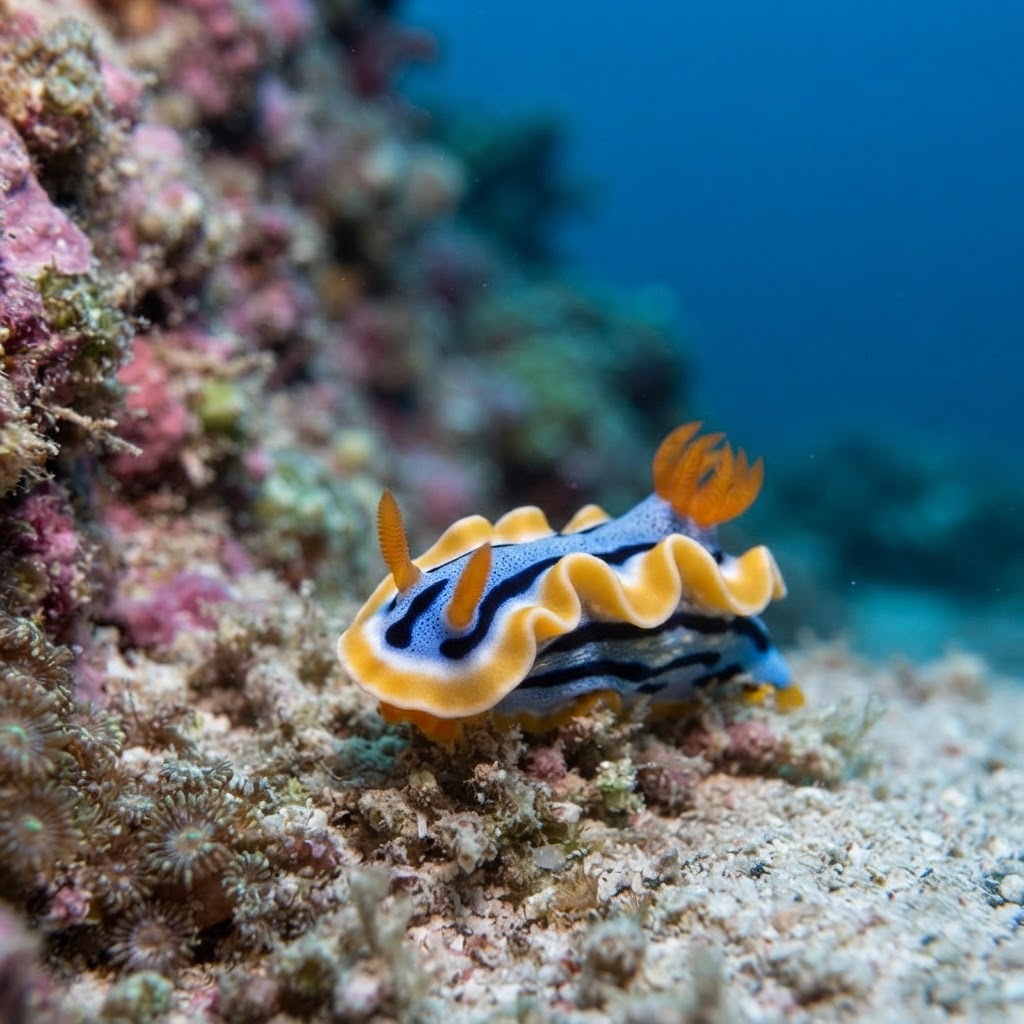
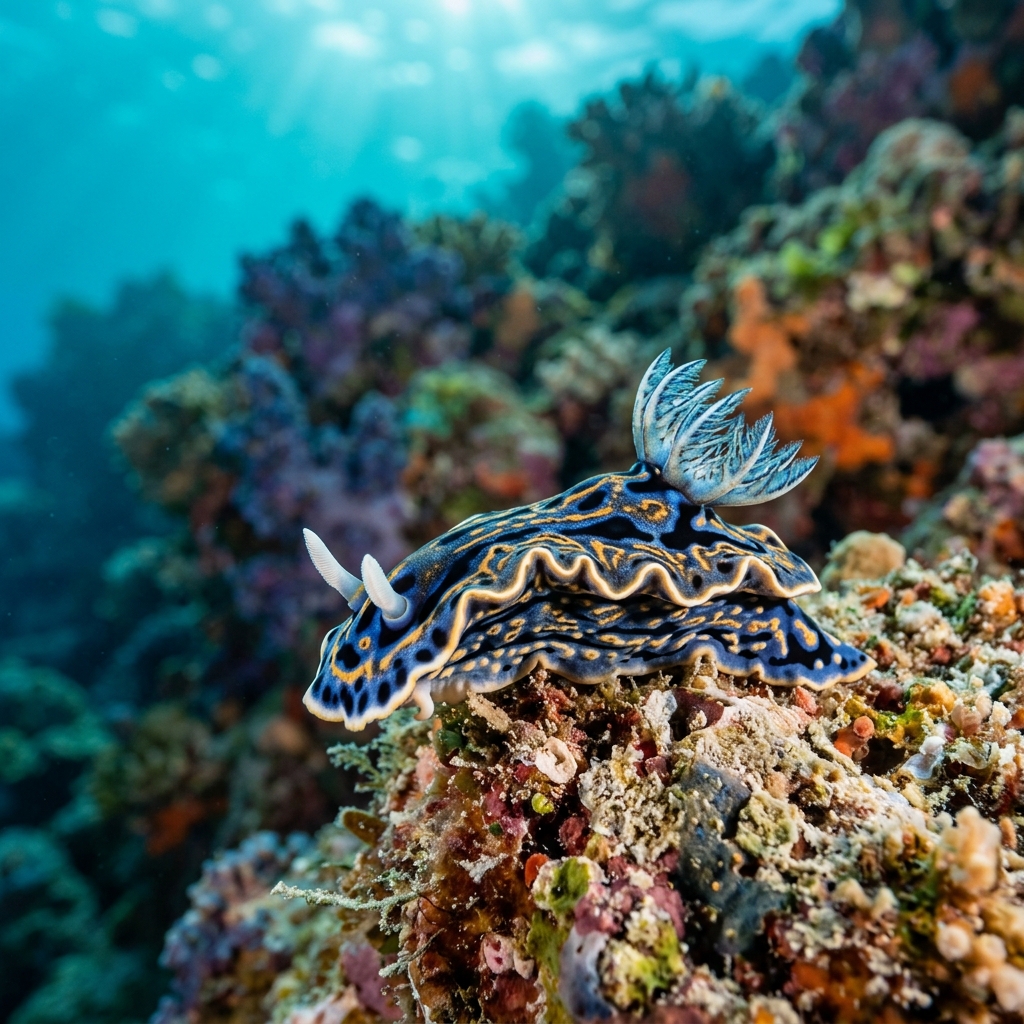
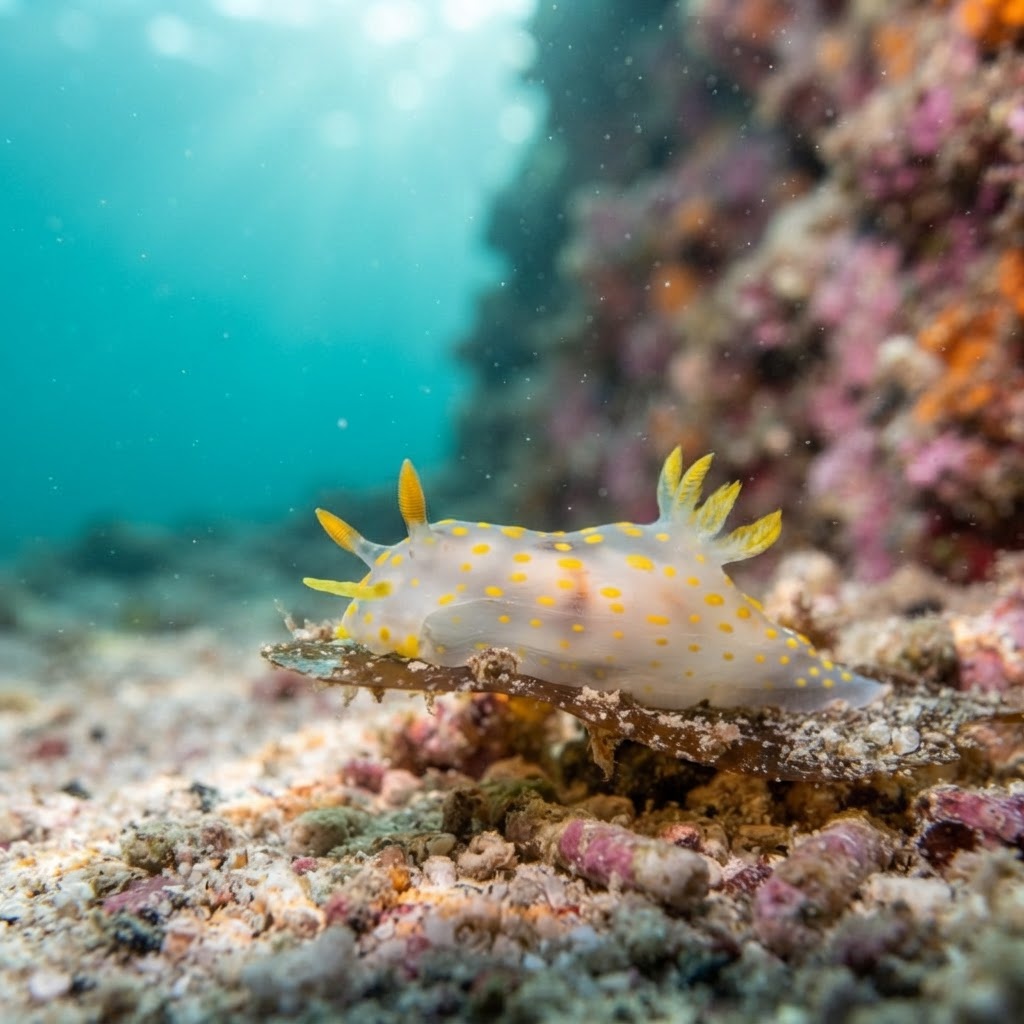
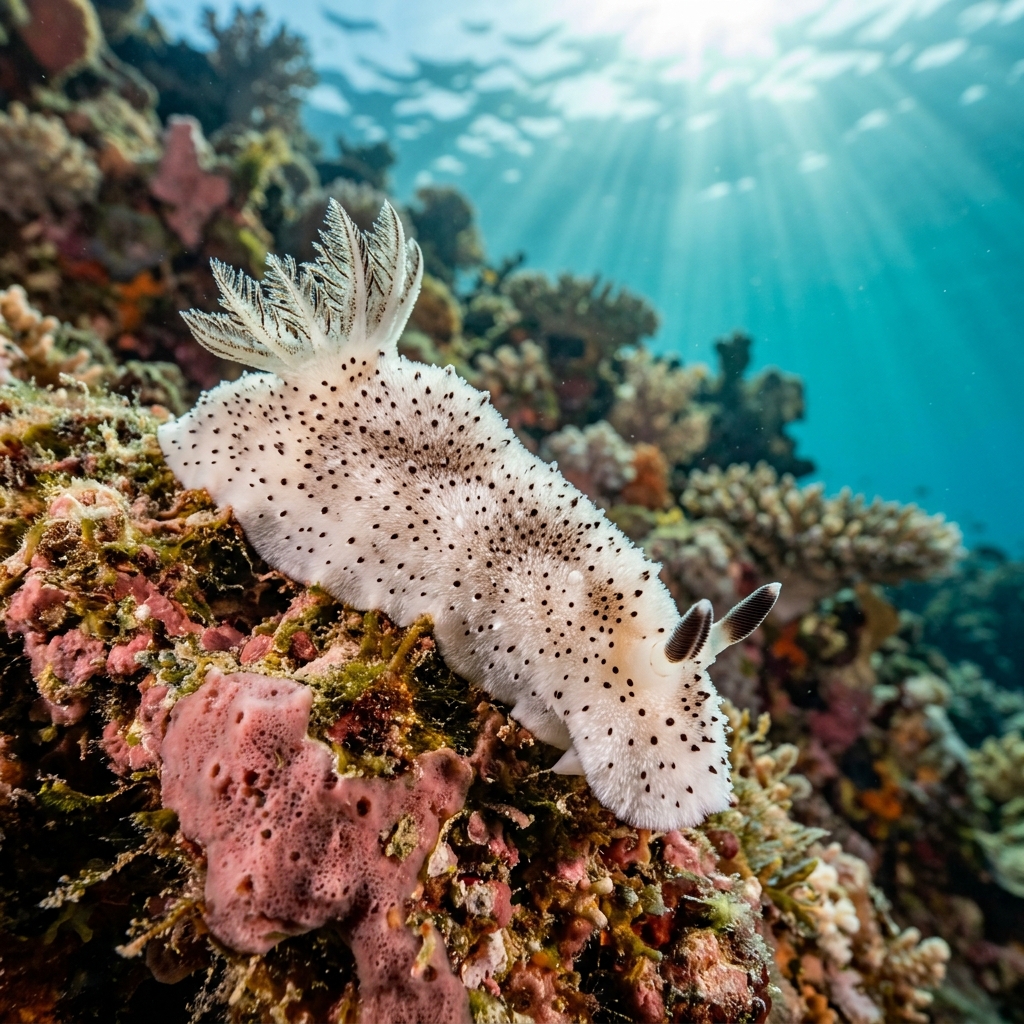
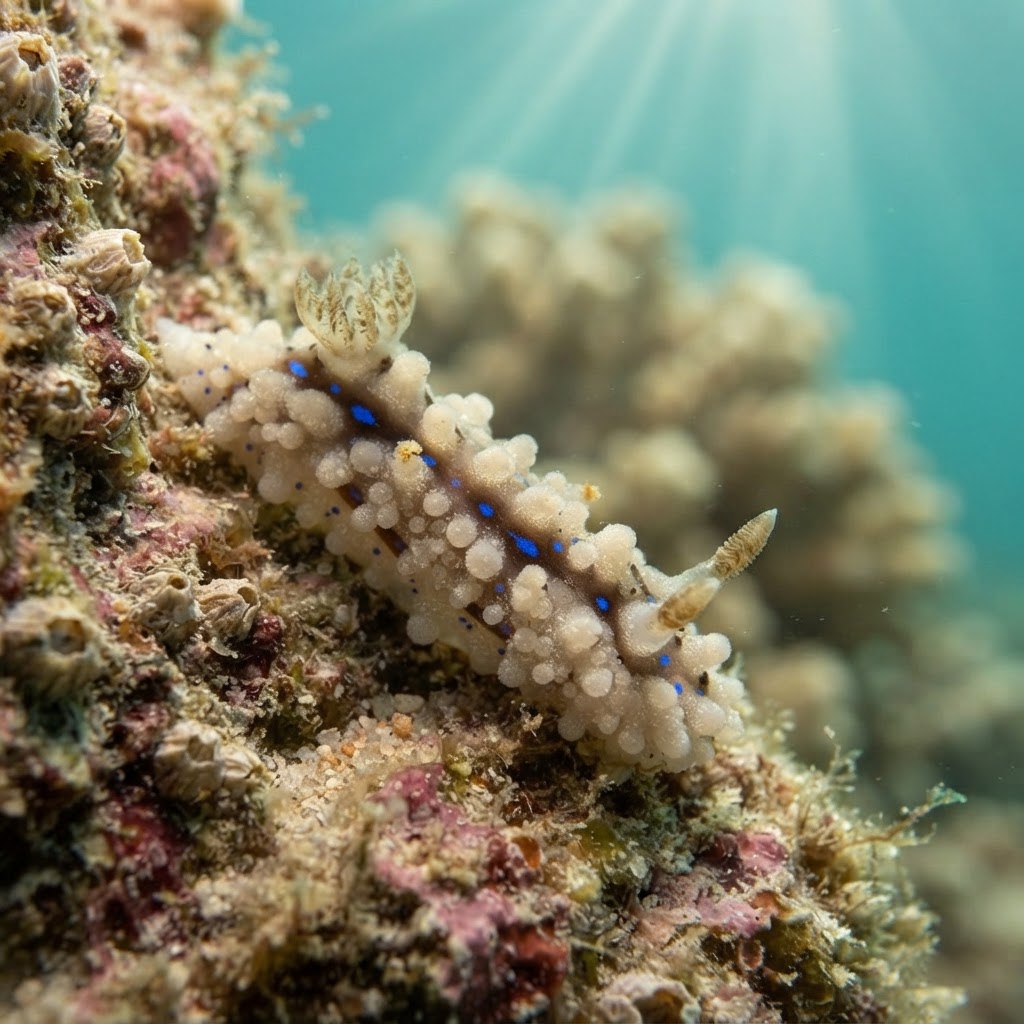
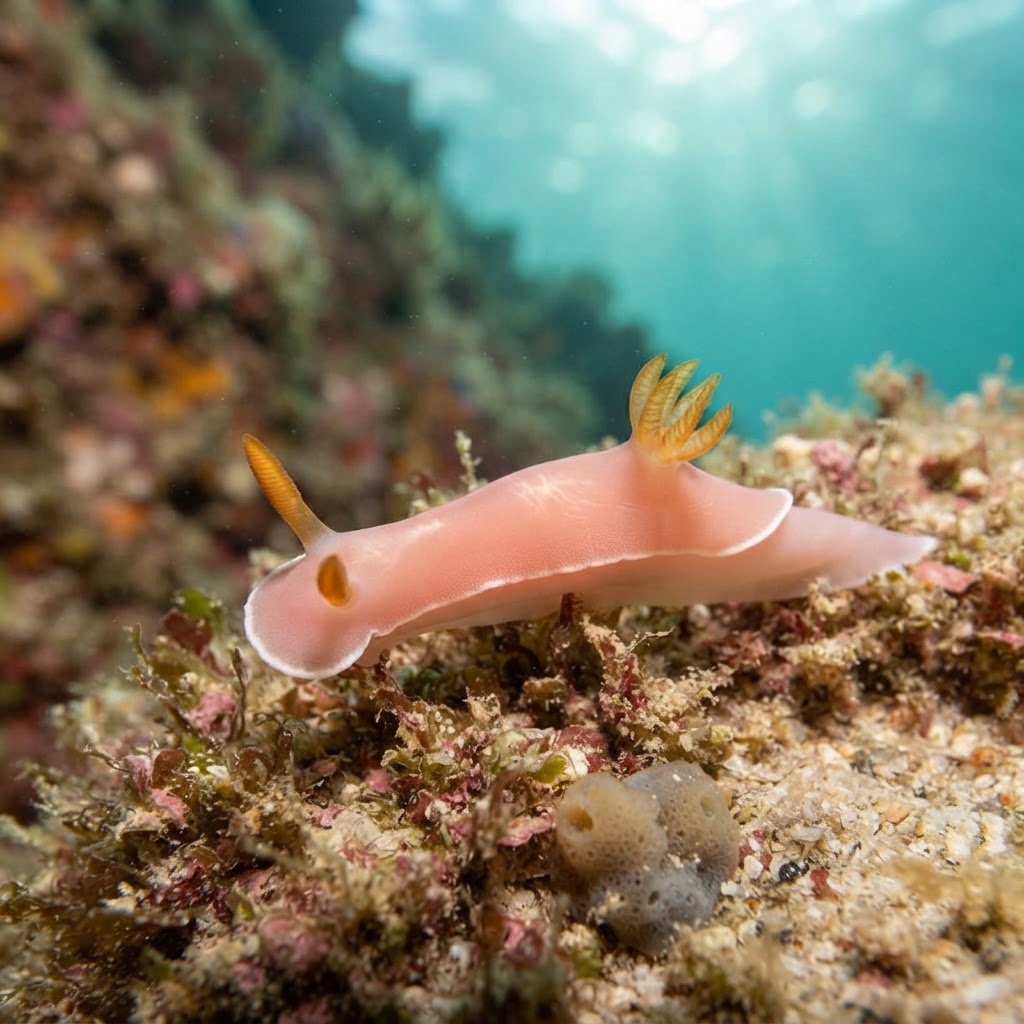
A small sea slug best picked out by patient reef scanning rather than a distant glance, since exact size and colour pattern details aren't well documented for this species. Like other chromodorid nudibranchs, look for a soft, flattened body with a distinct mantle edge, a pair of feathery gills near the rear, and rhinophores (the small sensory horns on the head) that it will retract if disturbed. Divers typically spot it moving slowly across hard substrate rather than swimming.
Divers encounter it moving slowly across the reef surface, grazing in the unhurried way typical of chromodorid nudibranchs. It shows no reaction to divers beyond retracting its gills and rhinophores if touched or bumped, and it's usually found during the day on hard bottom rather than in open water.
Like other members of the Chromodorididae family, it almost certainly feeds on sponges and may store or modify sponge chemical compounds in its tissue as a defence against predators, a trait common across the group.
No clear seasonal pattern shows up in the sighting data, and with water temperatures logged between 23.4 and 29.4C, conditions stay within a comfortable range for it across the year. Treat this as a year-round species rather than one tied to a particular month.
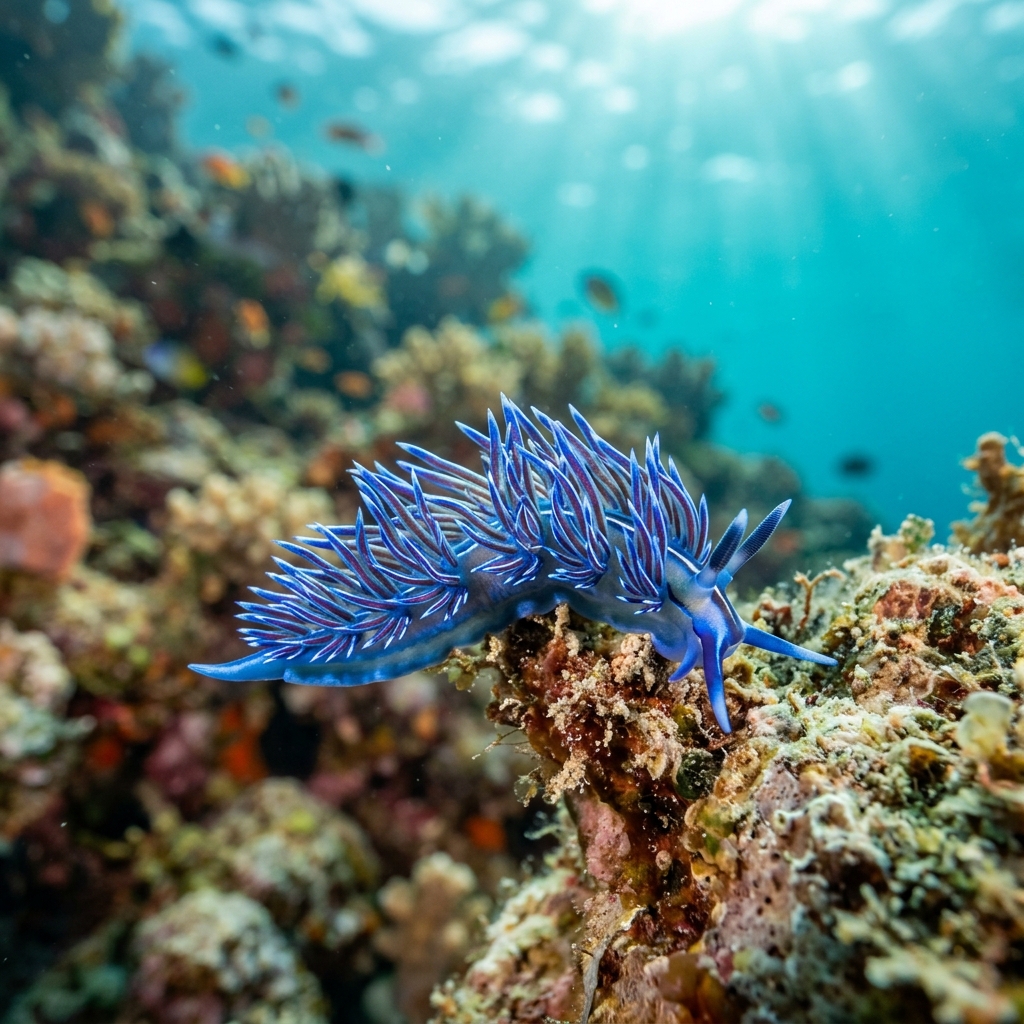
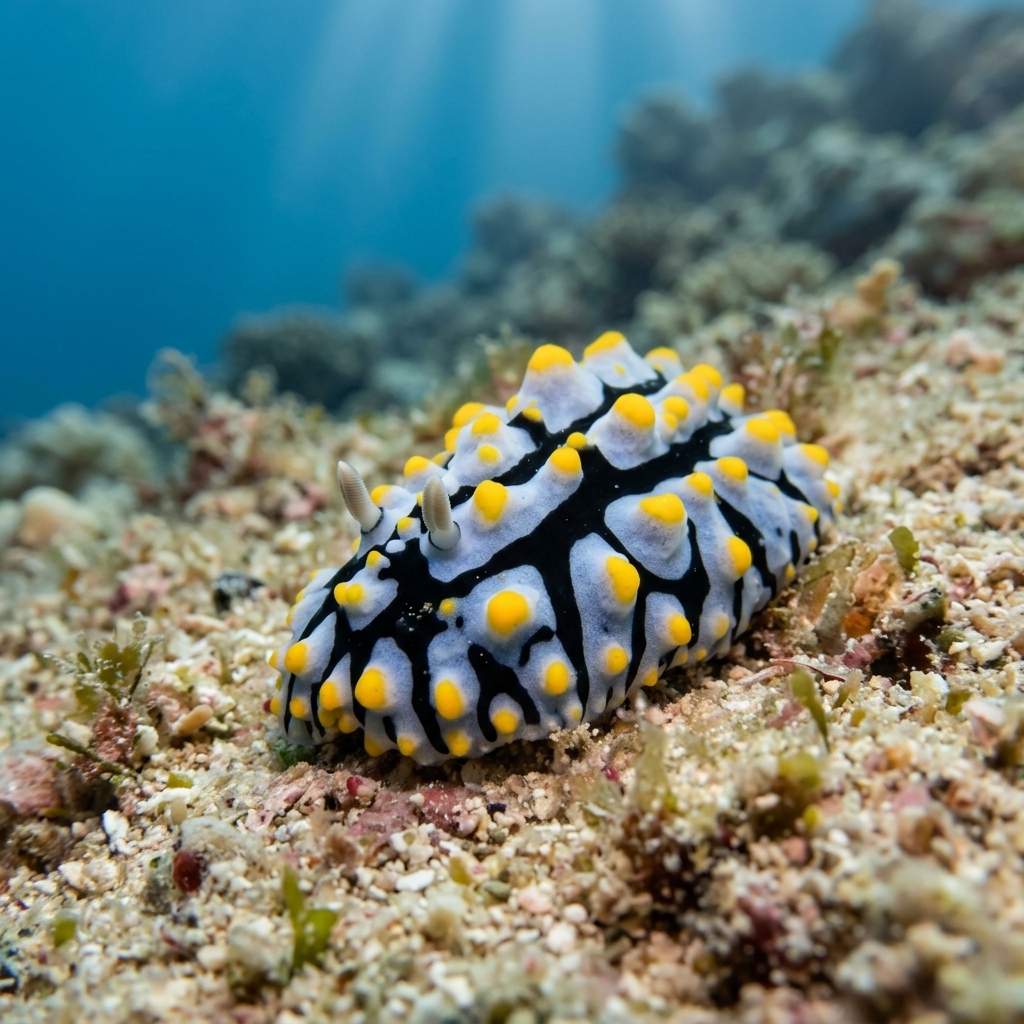
Reef neighbours a diver could mistake it for. Use the identification notes above to tell them apart.
Every logged sighting of this species comes from the Philippines, with Luzon standing out as the region where divers have found it. If you're searching specifically for this nudibranch, Luzon's dive sites are currently the only known reliable area to look.
Mapping where Verconia Romeri is logged…
All confirmed sightings come from the Philippines, specifically the Luzon region. It's currently the only area divers reliably report finding this nudibranch.
There's no detected seasonal pattern, and it's been observed in water from 23.4 to 29.4C, a range typical of Philippine reefs year-round. It's best treated as a species you might encounter on any dive rather than during a specific season.
Look for a small, slow-moving sea slug on hard reef substrate with the typical chromodorid shape: a soft flattened body, a mantle edge running around it, and feathery gills near the tail end. Confirming the exact species usually requires a close photo, since it can resemble several other chromodorid nudibranchs.
No, it poses no danger to divers. Like most nudibranchs, it has no means of harming a diver and simply retracts its gills if disturbed.
It's logged as uncommon even at the handful of Luzon sites where it's known to occur, so spotting one takes a bit of luck and a slow, careful eye on the reef. It isn't a species you'd expect to see on every dive.
Site and sighting data is aggregated from diver logs, iNaturalist and GBIF. For taxonomy and conservation status:
Blue Dragon
3,163 sites