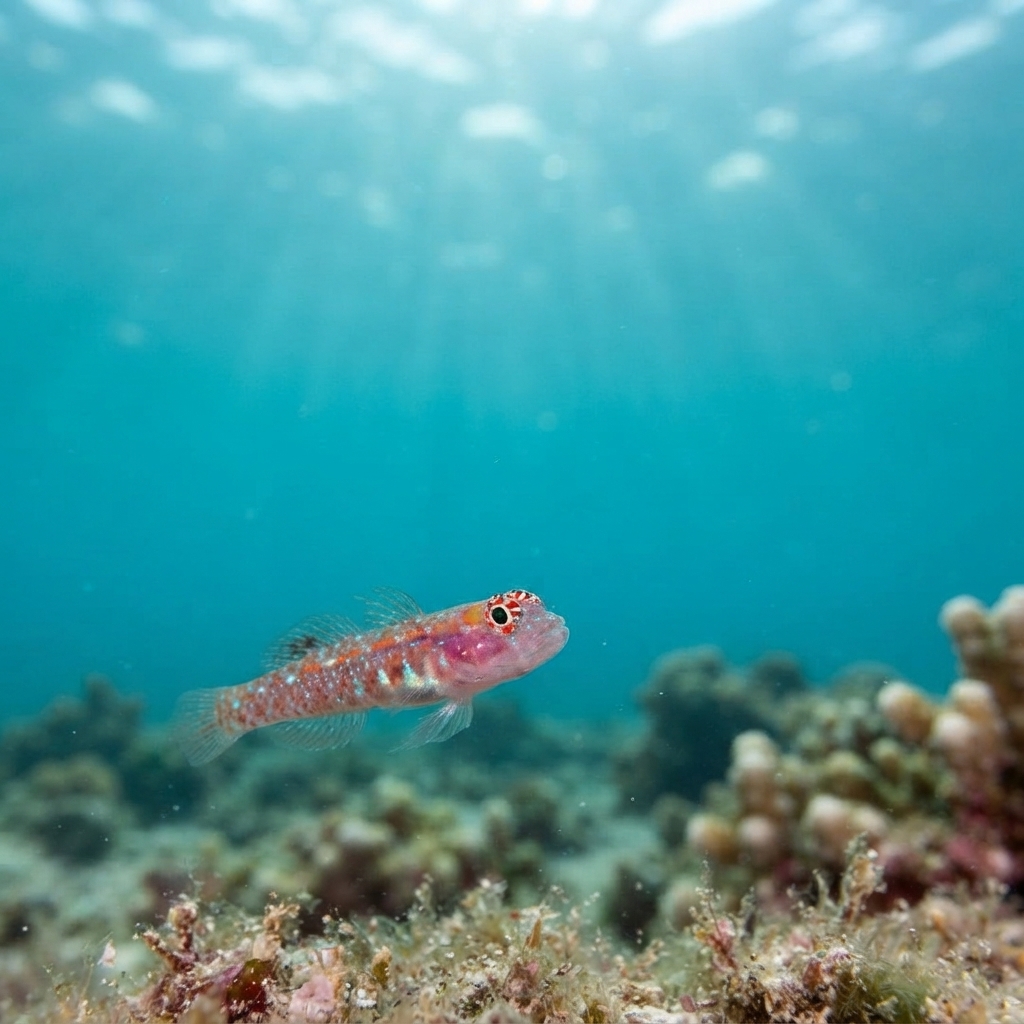
Eviota fallax
A 1cm goby most reliably found perched on rubble and coral in Sulawesi, Indonesia, in warm 27-29C water year-round.
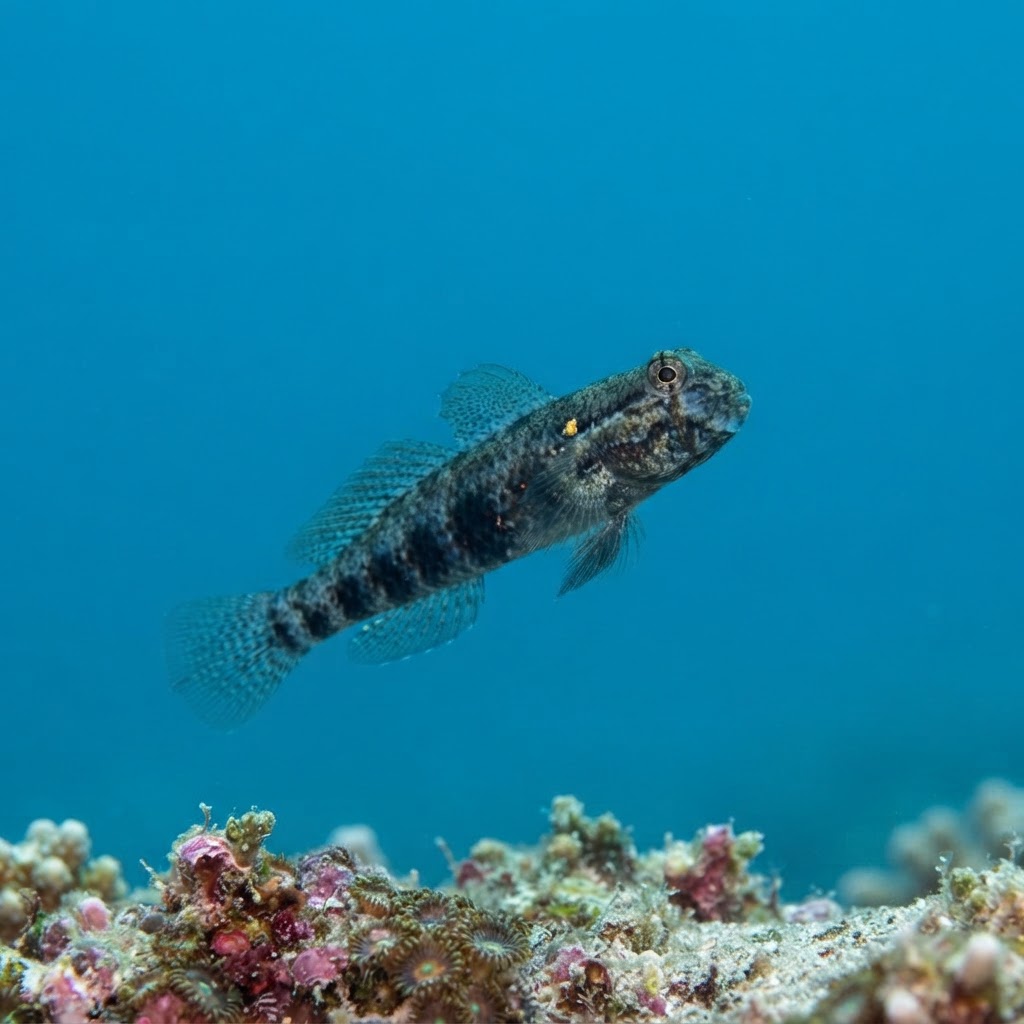
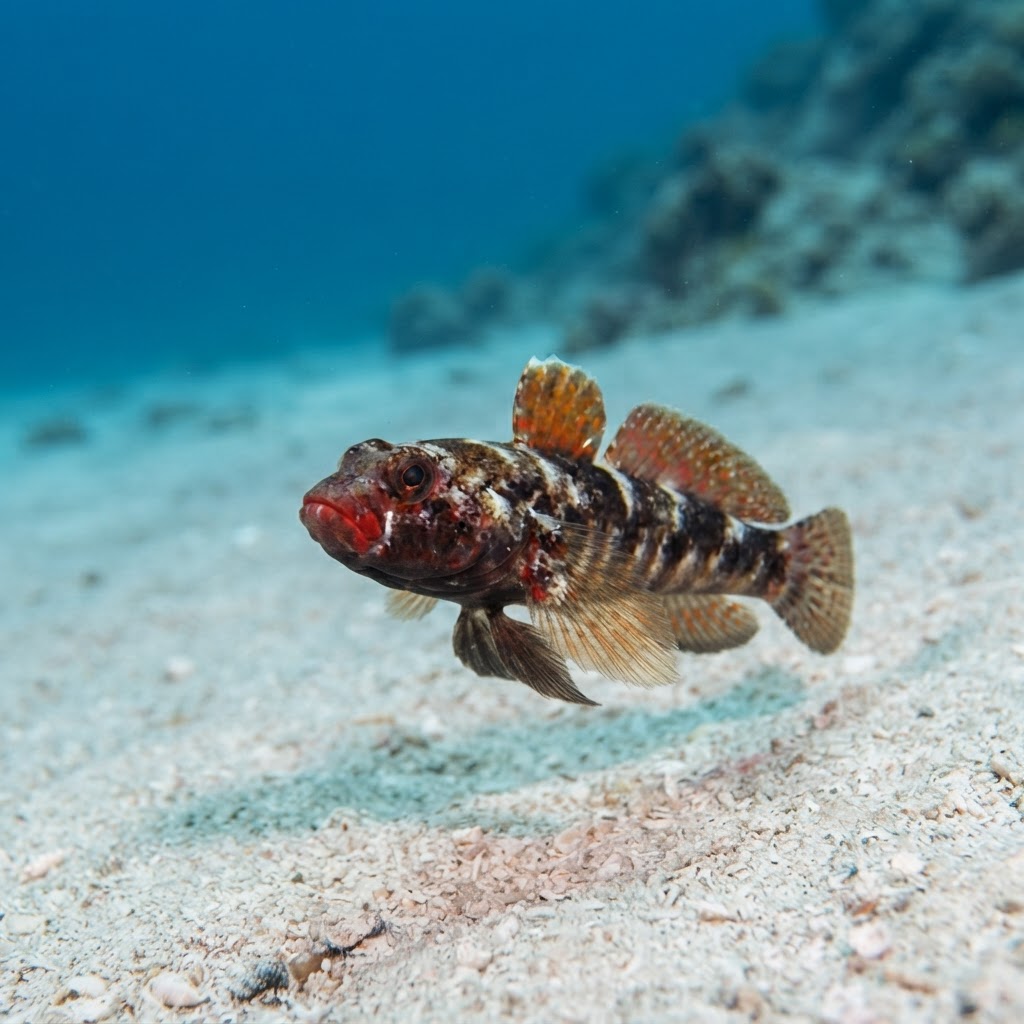
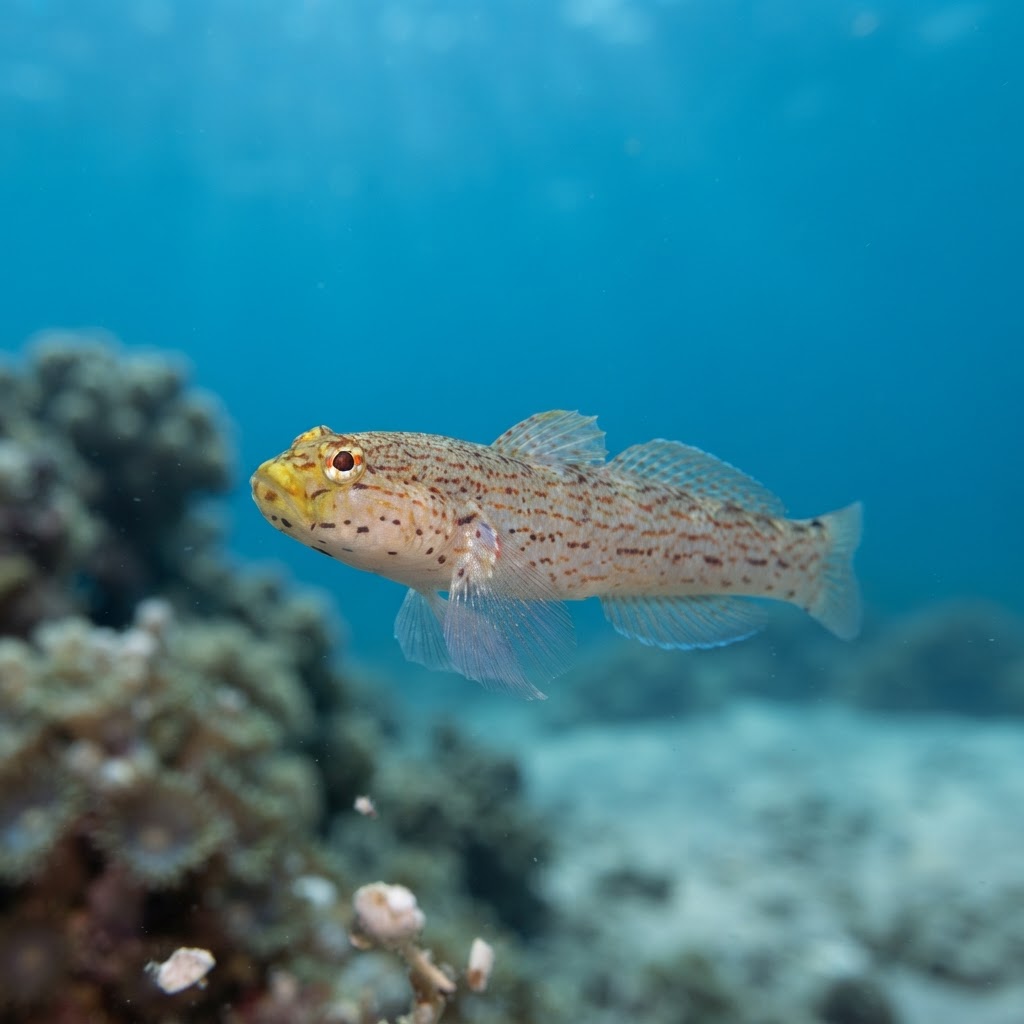
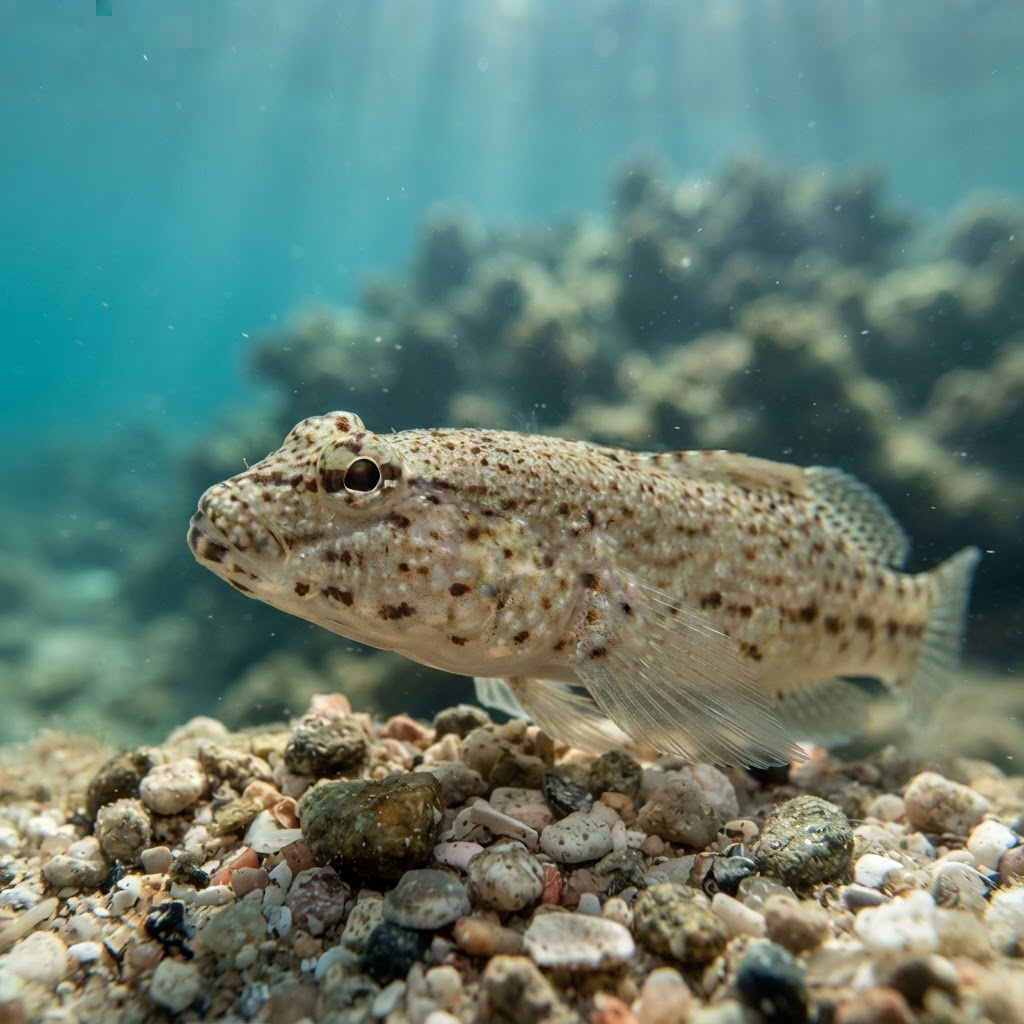
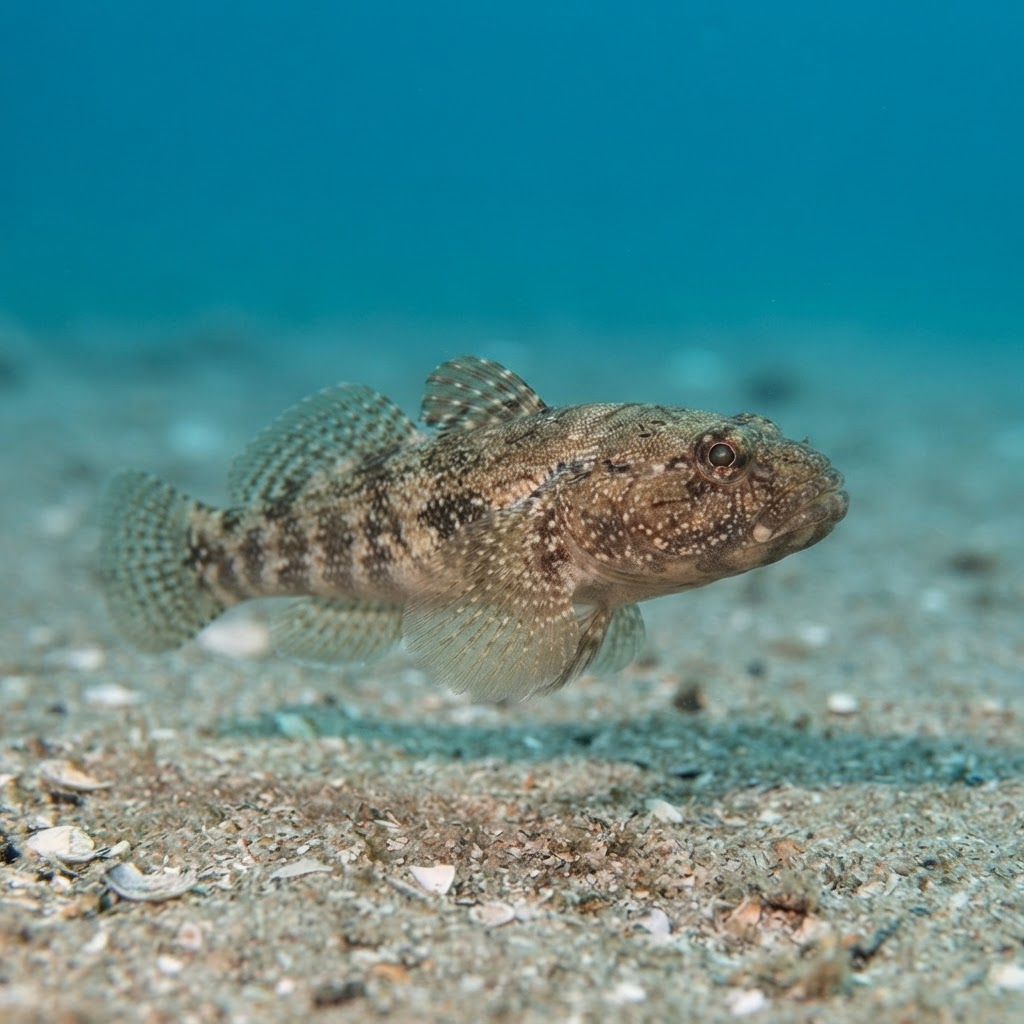
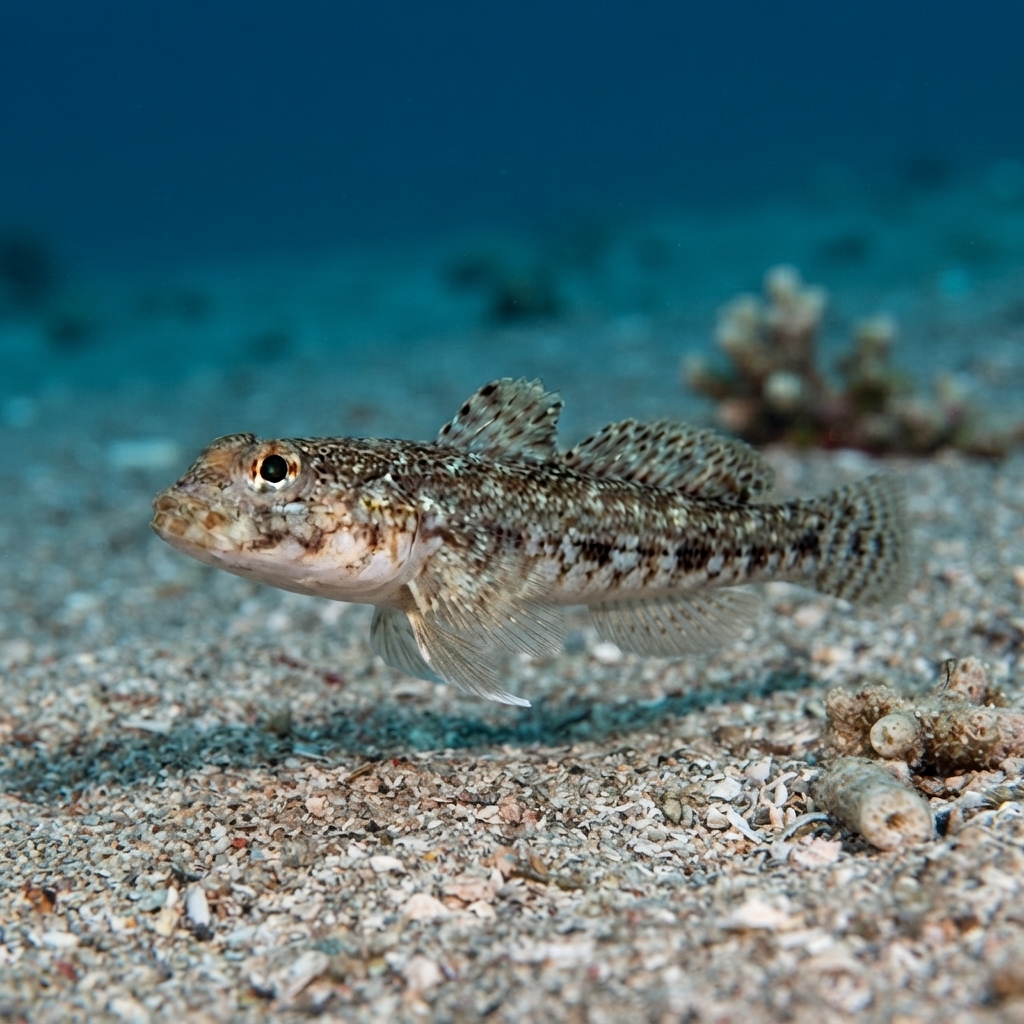
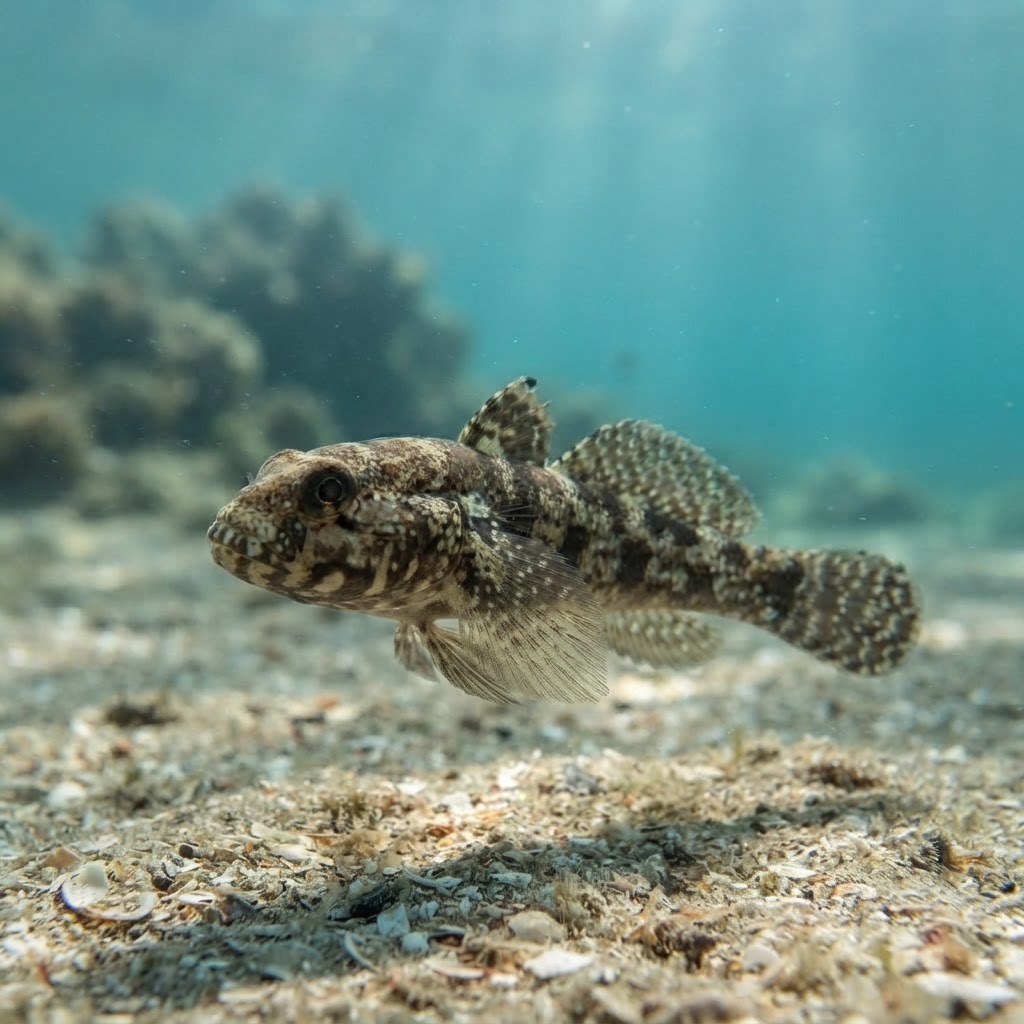
Barely a centimetre long, this goby is easy to swim straight past unless you know to check bare coral heads and rubble patches closely. Body is slim and semi-translucent with faint paired markings along the back, which is where the common name comes from. It sits propped on its pelvic fins rather than swimming freely, tail slightly cocked, blending into the substrate colour beneath it.
Expect it perched motionless on rubble or low coral structure, using its fused pelvic fins as a prop rather than finning about in open water. It holds still when divers approach rather than darting off, which helps once you have your eye trained on the size and shape, but it also means you need to slow right down and scan patch by patch to find one in the first place. Most sightings come from divers working reef rubble and coral bases rather than open sand or blue water.
Gobies in the Eviota genus are among the shortest-lived vertebrates known, with many species completing their entire life cycle from hatching to death in a matter of weeks to a few months, which is worth remembering next time you spot one holding its ground on a coral head.
Sightings show no seasonal pattern, and with a comfortable range of 26.7 to 29.2C year-round in Sulawesi, there is no particular month to plan around. Any time you are doing slow macro dives in the region gives you a fair shot.
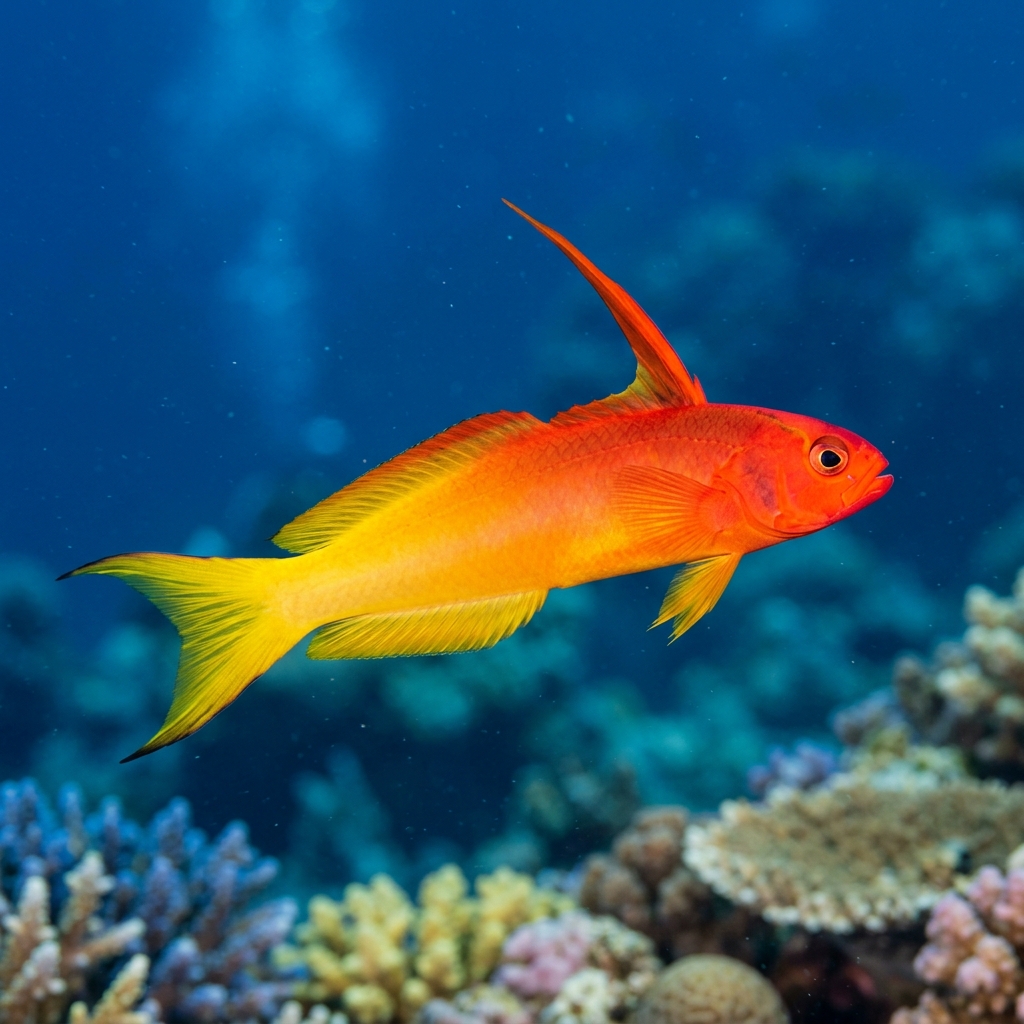
Reef neighbours a diver could mistake it for. Use the identification notes above to tell them apart.
Every logged sighting so far comes from Sulawesi, Indonesia, making it the only confirmed region for this species on Fin. Within Sulawesi's reefs it turns up on close macro-focused dives rather than being a species you stumble on from mid-water.
Mapping where Twin Dwarfgoby is logged…
All confirmed sightings so far are from Sulawesi, Indonesia, where it has been logged across several dive sites at uncommon to common frequency. It has not yet been documented diving elsewhere.
There is no detected season for this species. It sits in warm water between roughly 27 and 29C year-round in Sulawesi, so any month works for macro-focused dives there.
Around 1cm, making it one of the smallest reef fish you are likely to try spotting underwater. A slow eye and a macro lens help far more than depth or timing.
Look for a translucent, centimetre-long goby perched still on rubble or coral rather than swimming in open water, with faint paired markings along its back. Its tiny size and habit of staying put on the substrate are the biggest clues.
No. It poses no risk to divers and is far too small to be anything other than a curiosity for macro photographers.
It belongs to the Eviota genus, a group of gobies known for extremely short lifespans, some completing their whole life cycle in just a few weeks to months. That fast turnover is part of why they are seen in such small, easily overlooked numbers.
Site and sighting data is aggregated from diver logs, iNaturalist and GBIF. For taxonomy and conservation status:
Slender Goby
806 sites