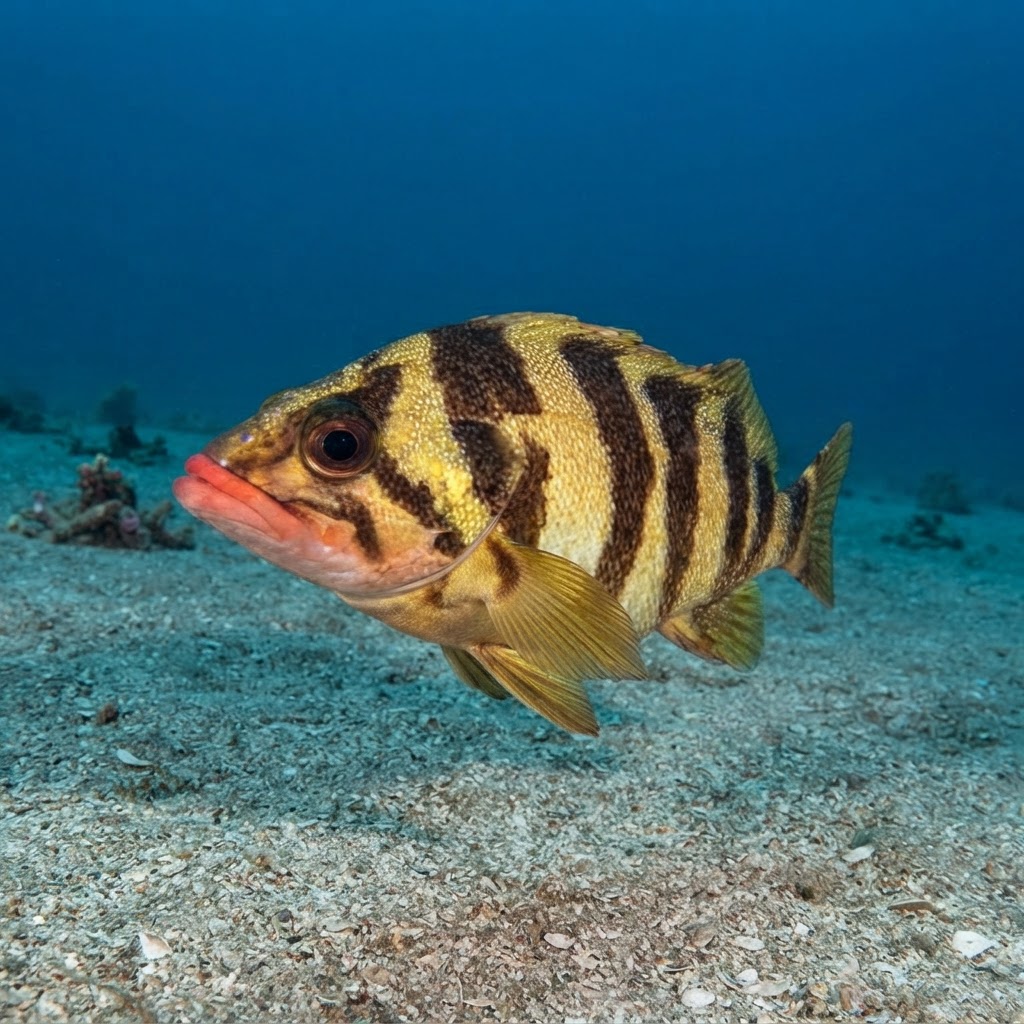
Sebastes serriceps
Dark red-brown rockfish with bold stripes, uncommon but reliable on California and Baja rocky reefs in cool 11-19°C water.
Safety warning
Carries venomous spines along its dorsal fin, in keeping with its scorpionfish family, so a careless hand on the reef near one can result in a painful sting. It won't come after you; the risk is entirely from divers reaching into crevices or resting a hand on rock without checking first.
If you're stung
Venomous spinesGeneral first-aid guidance, not a substitute for professional medical care. In an emergency, call your local emergency number.
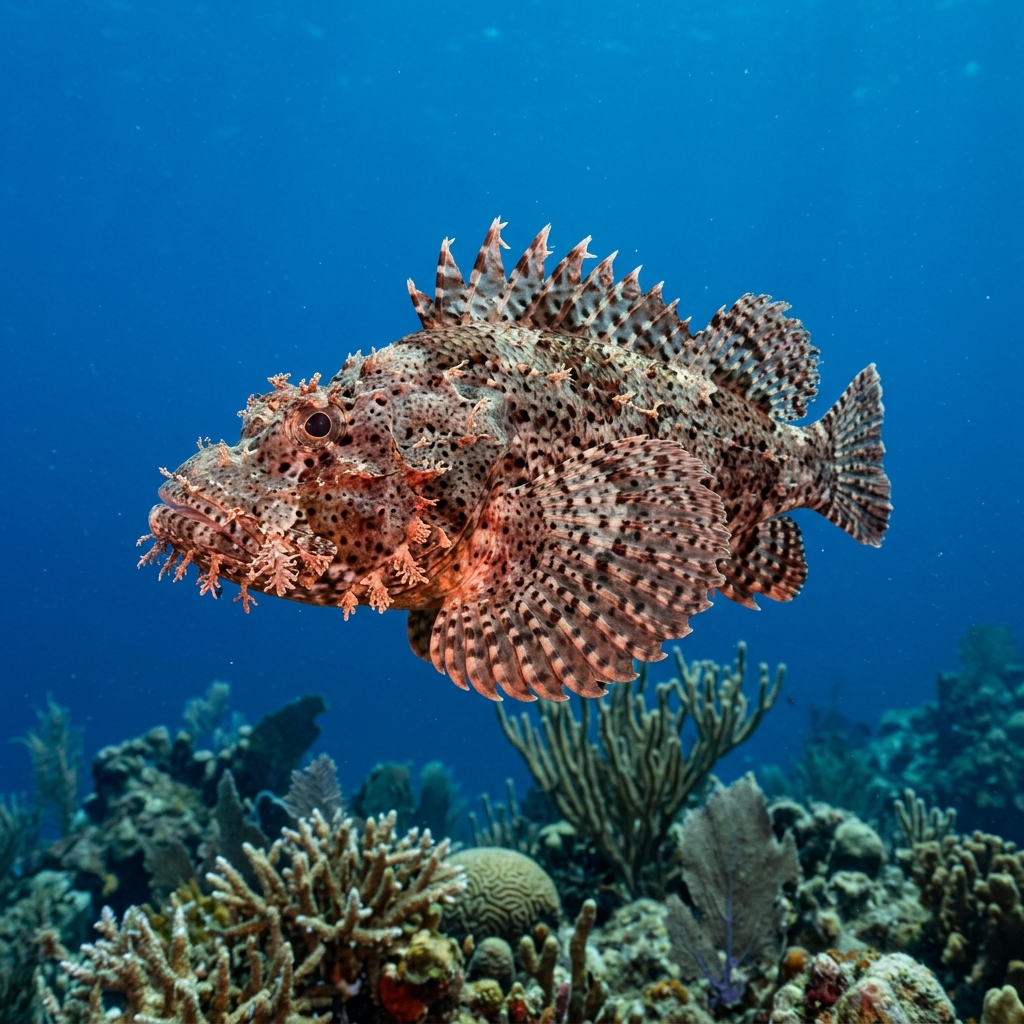
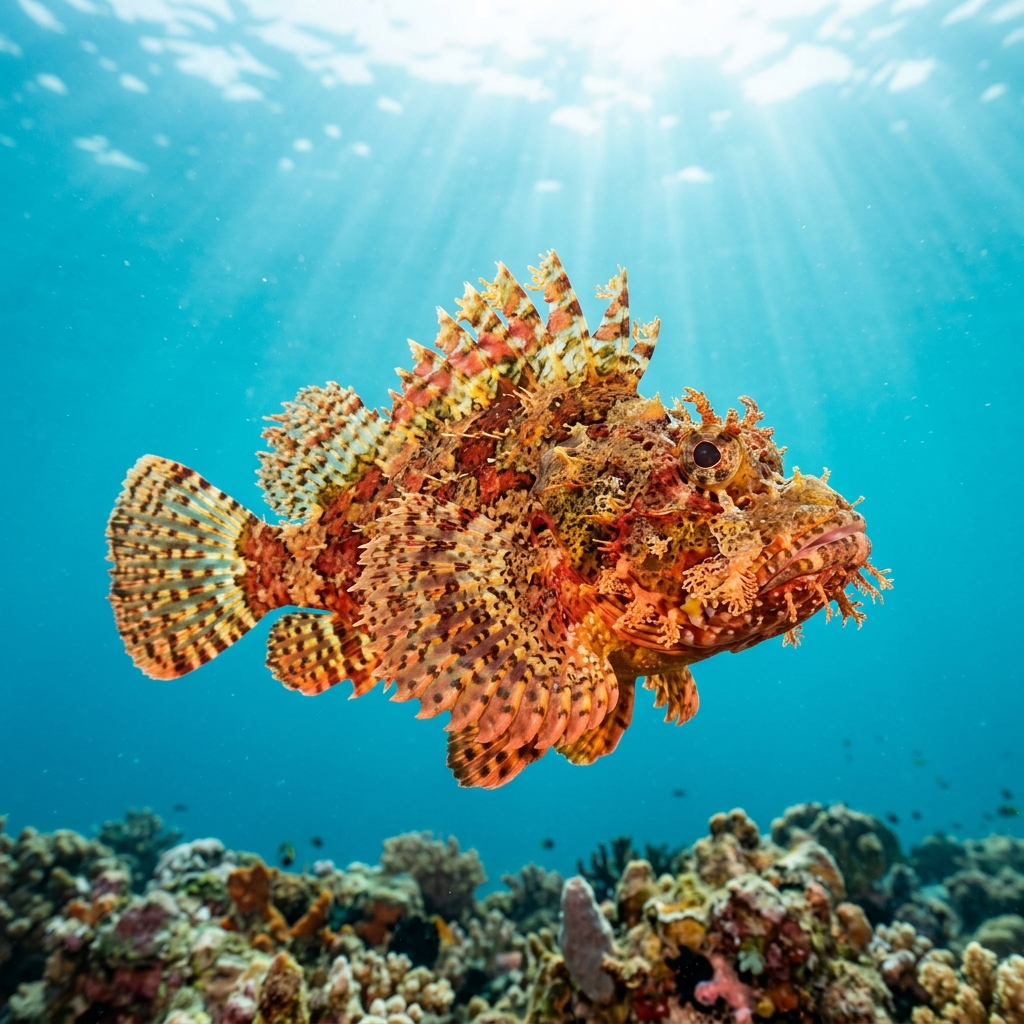
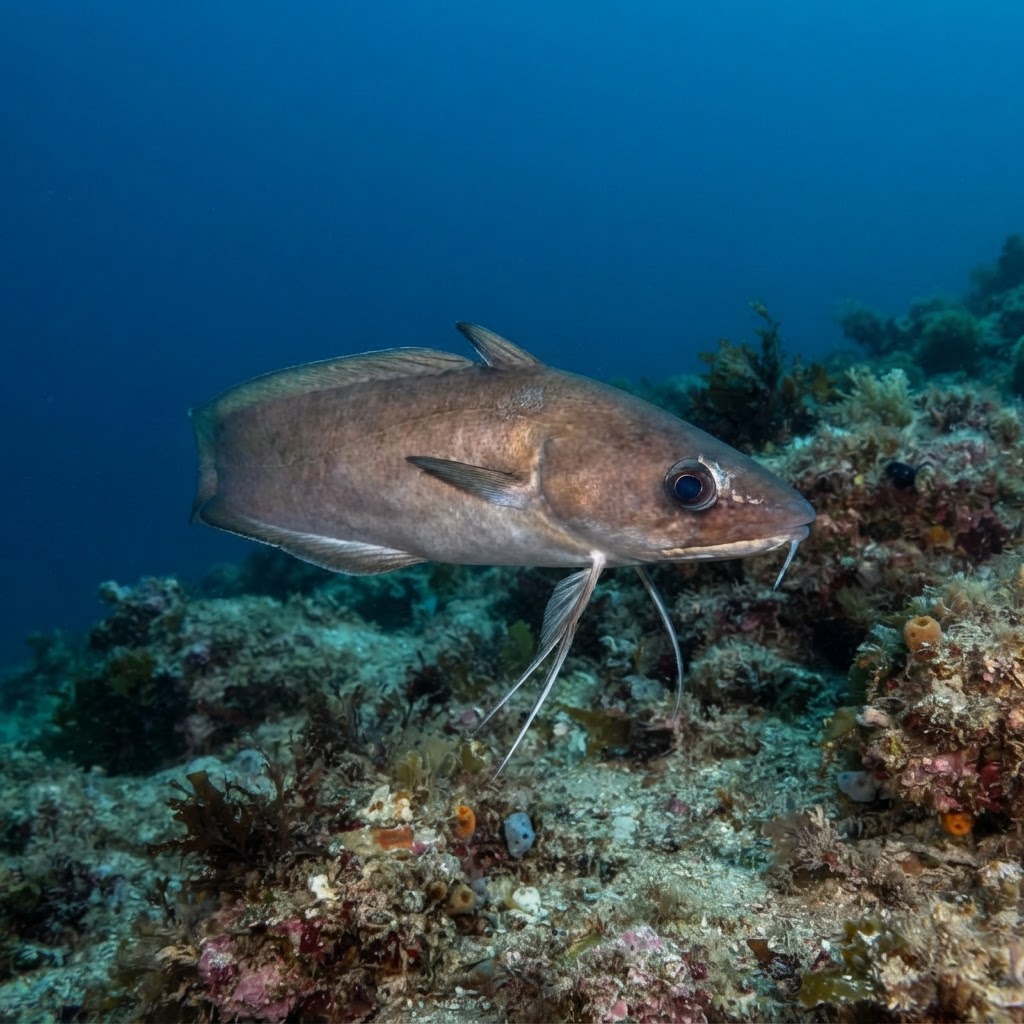
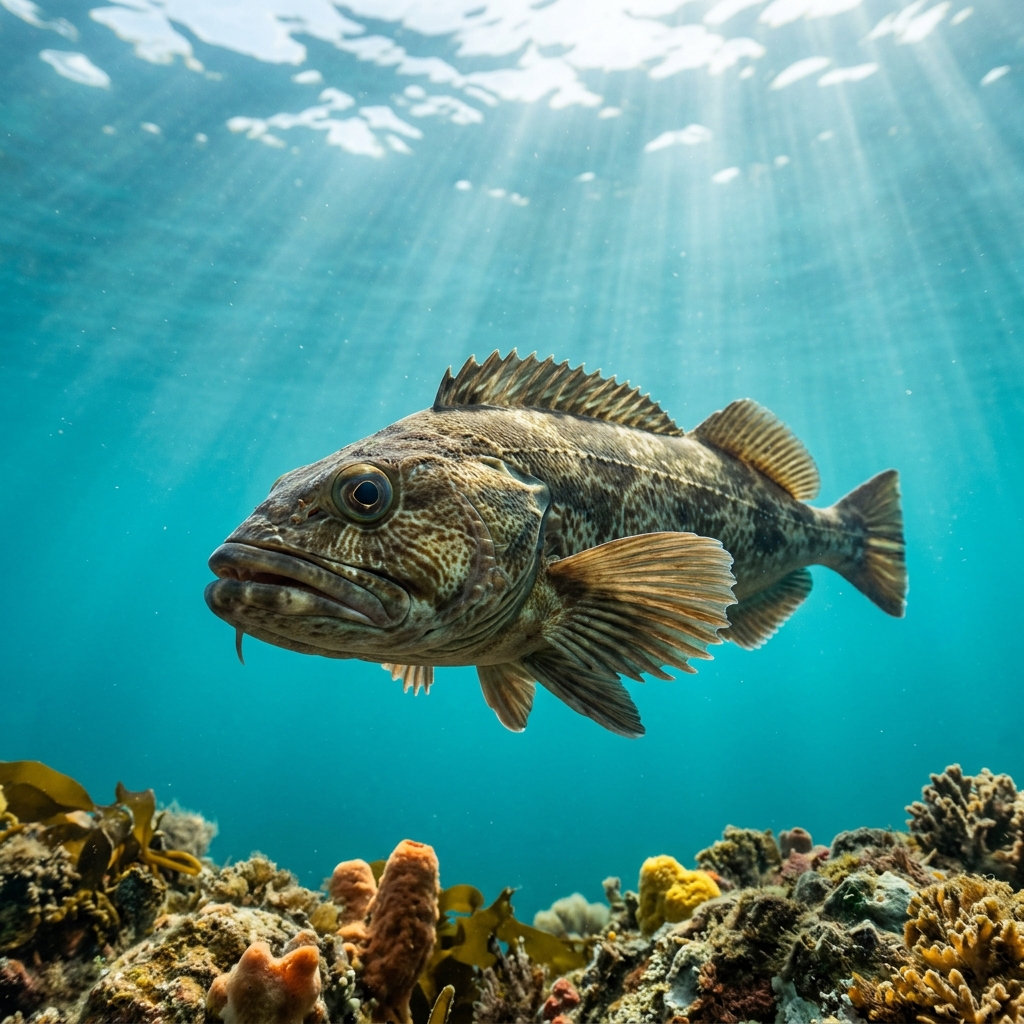
Chunky, deep-bodied rockfish around 28 cm with a dark brown to almost black body and a distinctive pattern of pale yellow to cream stripes running across the head and down the back, giving a striped, almost painted look. It has the heavy-browed, spiny-headed profile typical of scorpionfish, with fins that look slightly ragged rather than smooth. You'll usually find it wedged into a crevice or sitting still on a rocky ledge rather than swimming in open water.
Look for it tucked into a rocky crevice, under a ledge, or sitting motionless among boulders and kelp holdfasts, relying on its dark blotchy colouring to disappear against the rock. It's a sit-and-wait predator that barely moves when divers approach, more likely to hold its ground than dart off, which makes for an easy but attentive spot rather than a chase. Most sightings come from close-focus looks along the reef structure rather than mid-water encounters.
Like other rockfish in the scorpionfish family, it's ovoviviparous: females release fully formed live larvae rather than laying eggs, an unusual strategy among reef fish that helps its young survive in cool, current-swept temperate water.
Sightings show no clear seasonal pattern, so treat it as a year-round resident wherever cool temperate reefs sit in its 10.6 to 19.4°C comfort range. California's kelp forest diving runs through the year, and treefish are logged across the calendar rather than in any one season.
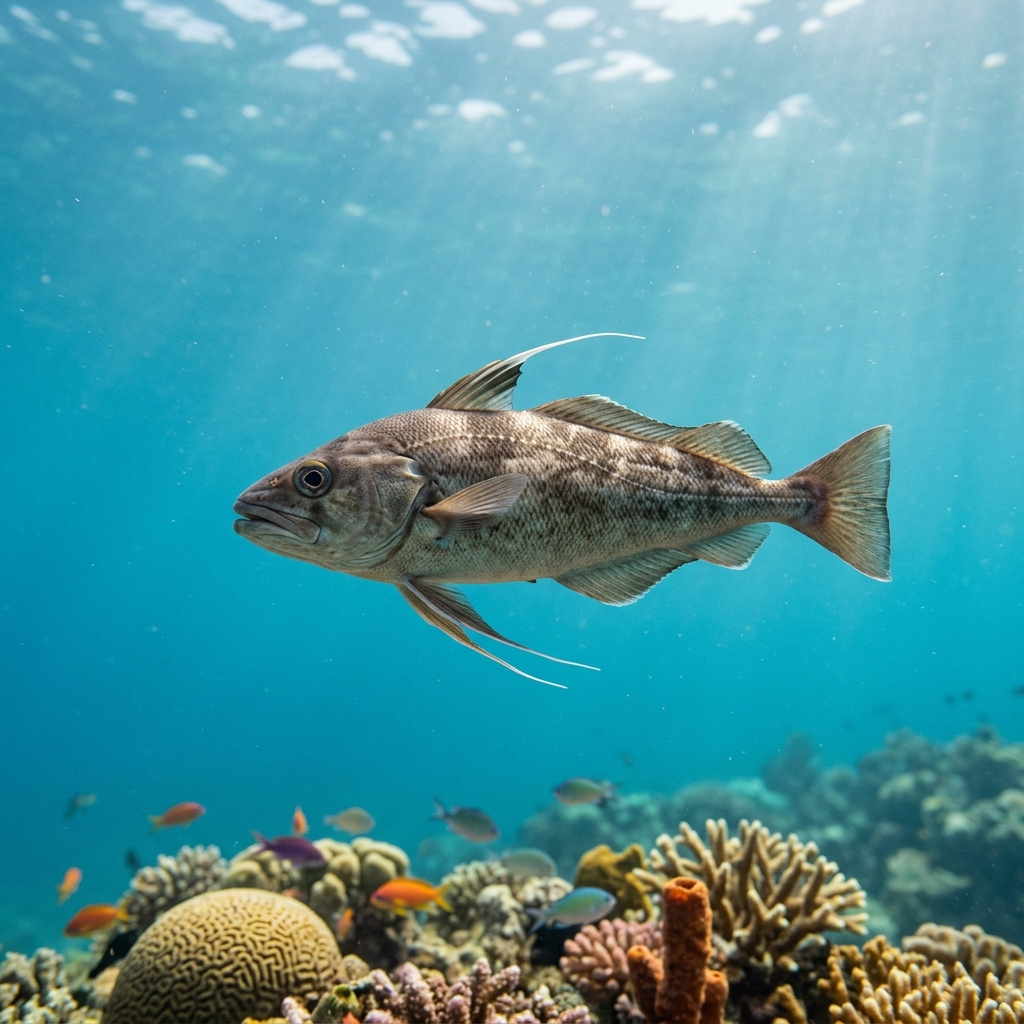
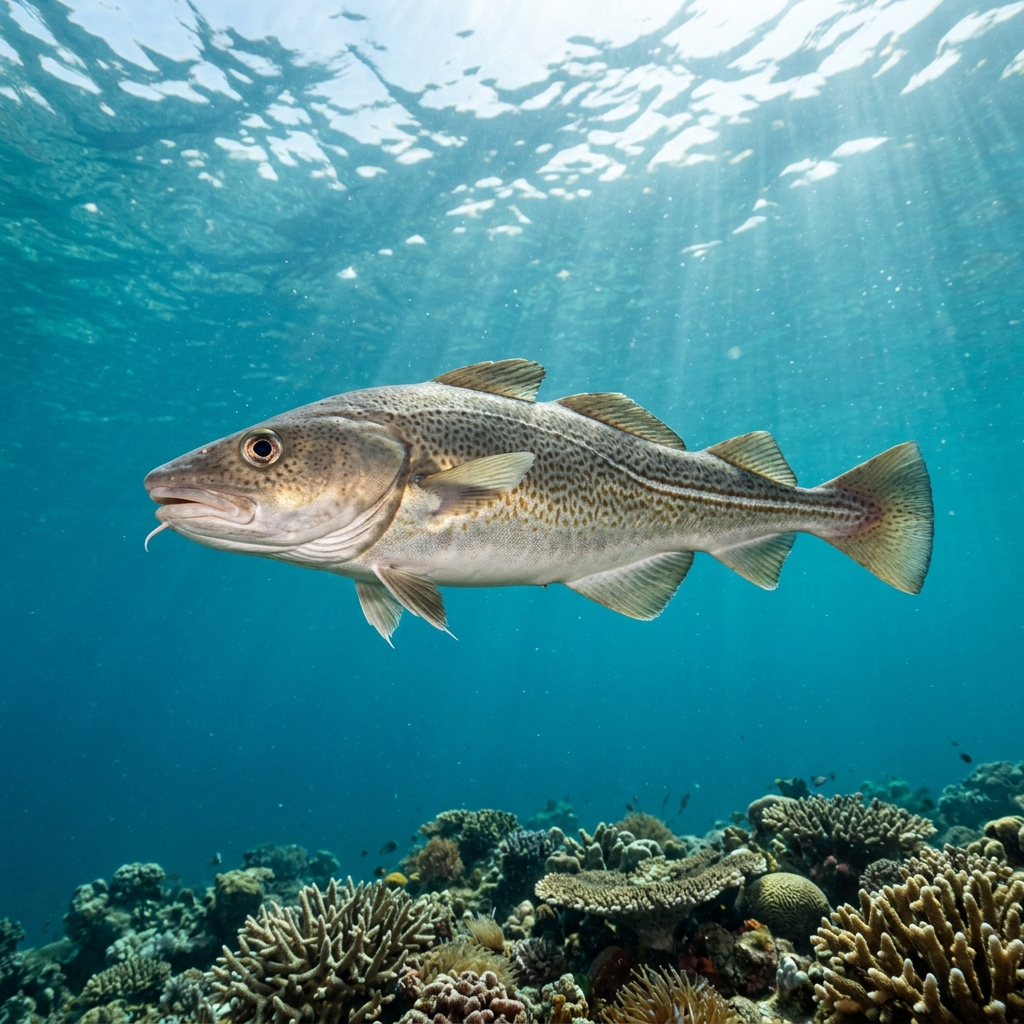
Reef neighbours a diver could mistake it for. Use the identification notes above to tell them apart.
Most reliably logged on California's rocky reefs and kelp forests, with sites across the state accounting for the large majority of records, particularly in the coastal and channel island reefs. It also turns up on rocky reefs in Baja California, Mexico, though in smaller numbers than California.
Mapping where Treefish is logged…
California's rocky reefs and kelp forests are the stronghold, with additional sightings on rocky reefs in Baja California, Mexico. It's an uncommon but regular find rather than a guaranteed one at most of these sites.
There's no strong season in the data, so it's considered a year-round sighting on California and Baja rocky reefs, which sit within its 10.6 to 19.4°C temperature range throughout the year.
They carry venomous dorsal spines typical of scorpionfish, capable of a painful sting if touched or grabbed. They're not aggressive and pose no risk if you keep your hands off the reef and give crevice-dwellers space.
Look for a dark brown to blackish, deep-bodied rockfish around 28 cm with pale cream to yellow stripes across the head and back, usually sitting still in a rocky crevice or under a ledge rather than swimming freely.
They typically reach around 28 cm, a stocky mid-sized rockfish rather than a giant, and are usually seen resting on or near rocky structure at that size.
Females give birth to live larvae instead of laying eggs, a reproductive strategy called ovoviviparity that's shared across many rockfish species and helps offspring cope with cool, temperate water conditions.
Site and sighting data is aggregated from diver logs, iNaturalist and GBIF. For taxonomy and conservation status:
Pollack
282 sites