Exocoetidae spp.
Spot flying fish across tropical reefs from the Maldives to Florida. Active in warm water between 21-29 °C, they're logged year-round at sites worldwide.
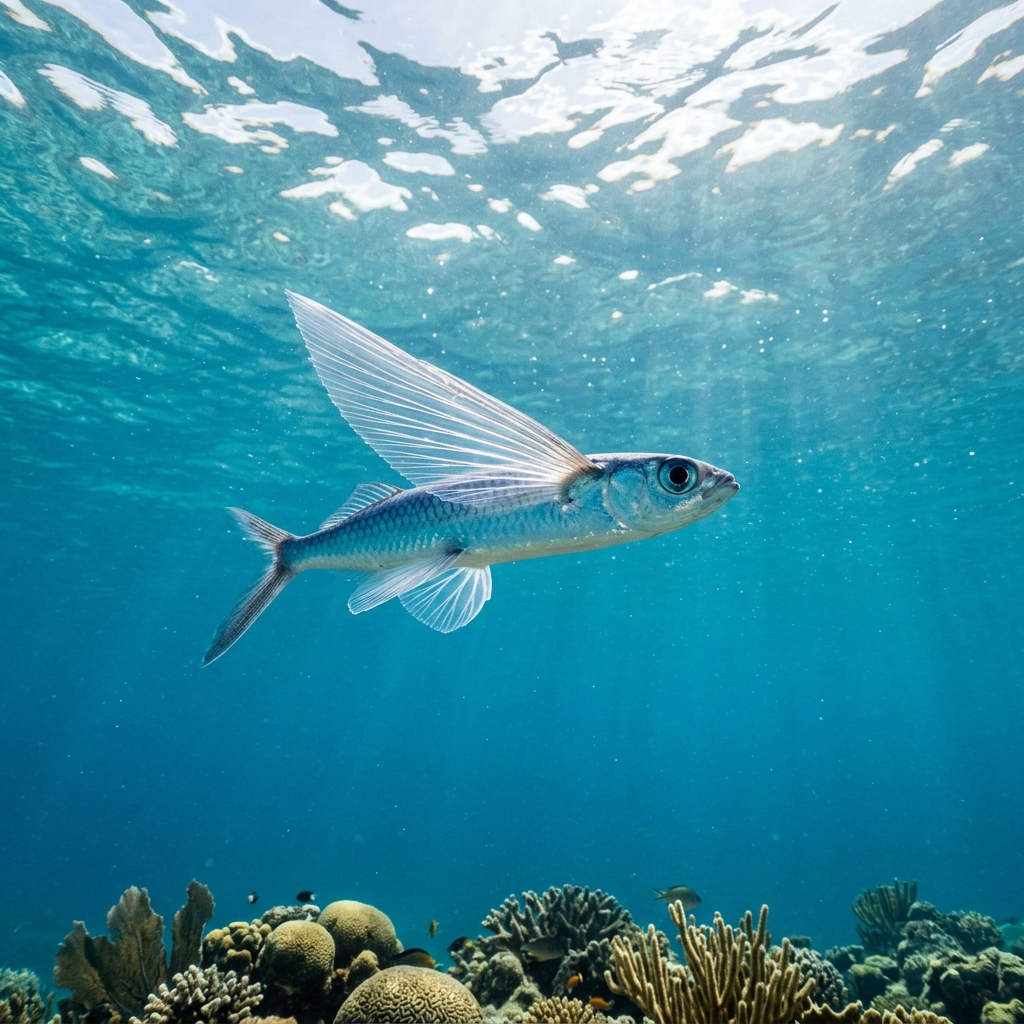
What you notice first is the wings: enormously enlarged pectoral fins (the paired fins just behind the gills) that fold flat against the body underwater but flare wide the moment a fish breaks the surface. The body is slender, silvery-blue on the back and pale beneath, shaped like a small torpedo rarely exceeding 30-40 cm in most species. The lower lobe of the tail fin is longer than the upper, acting as a launchpad that beats rapidly before the fish becomes airborne. Underwater, look for a slim, fast-moving silver streak near the surface; it is almost always gone before you get a second look.
Flying fish are pelagic animals, meaning they live in open water rather than on the reef, so sightings happen at or just below the surface rather than at depth. When startled by a boat or diver, they accelerate, burst through the surface, and glide on their outspread pectoral fins for distances of up to 50 metres before re-entering. Underwater you are far more likely to catch a fleeting glimpse of one darting away near the surface than to watch it hover: they are fast, skittish, and rarely slow down for an audience.
Their gliding flights are not random panic; the fish steer by dipping the elongated lower tail lobe back into the water and sculling to extend or redirect a glide, effectively using the ocean as a runway for multiple consecutive flights.
No clear seasonal peak emerges from available data, so encounters can happen year-round wherever water temperatures sit in the 21-29 °C range typical of tropical and warm-temperate seas. Targeting open-water passages between reef systems, or night dives where light attracts prey near the surface, gives the best chance.
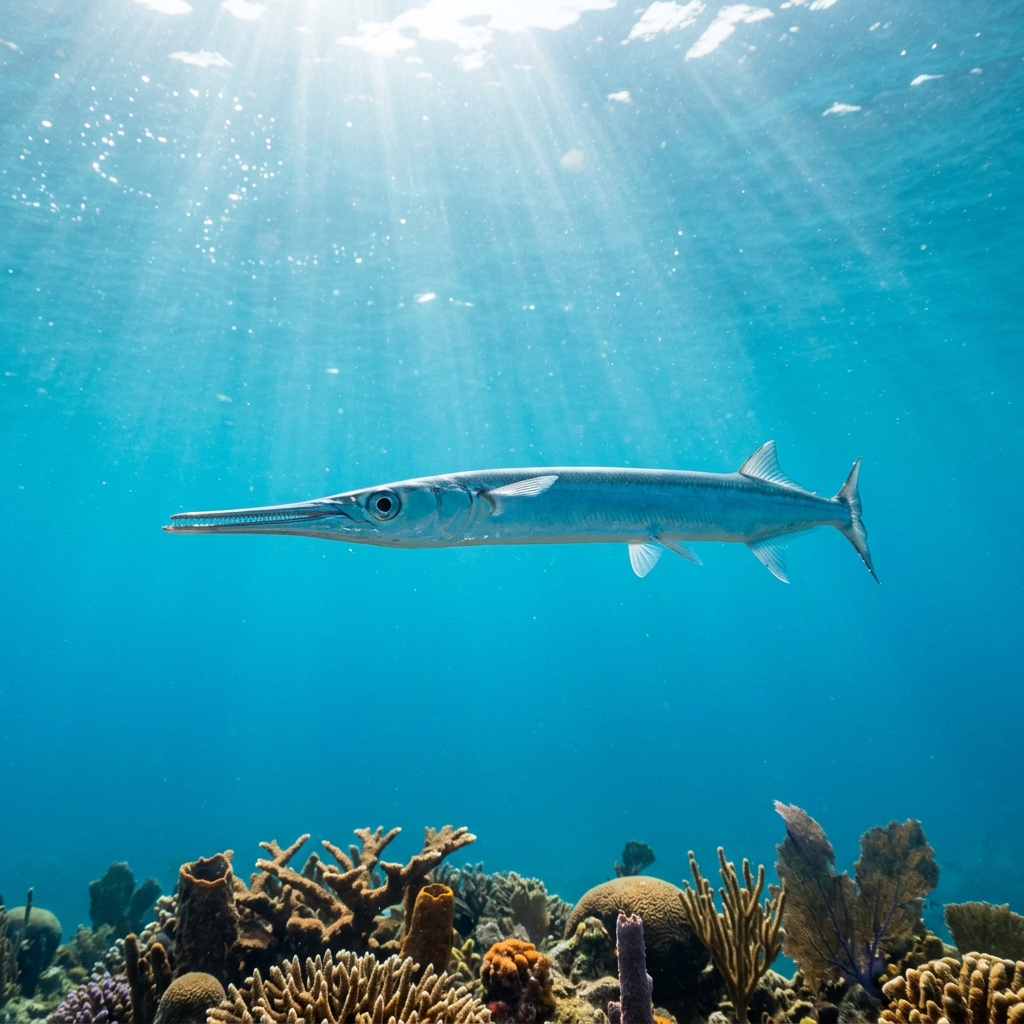
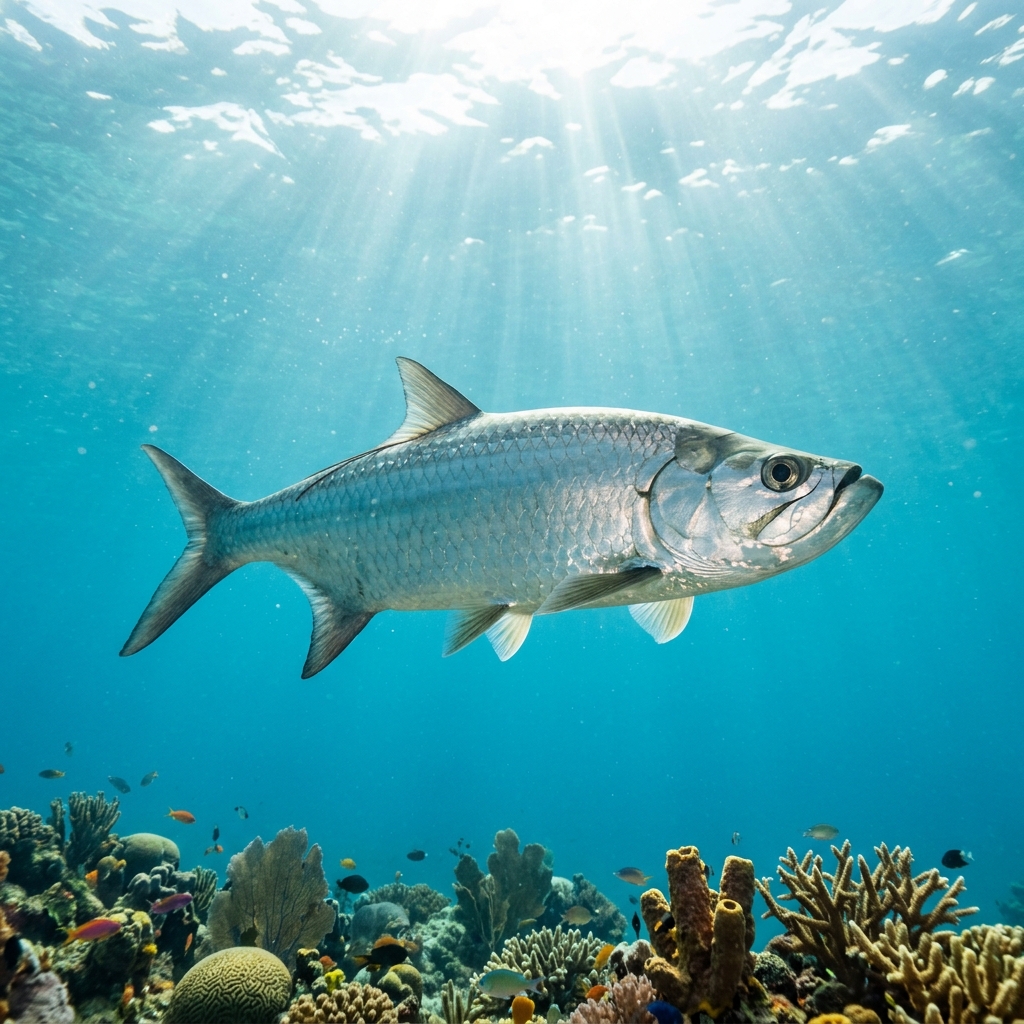
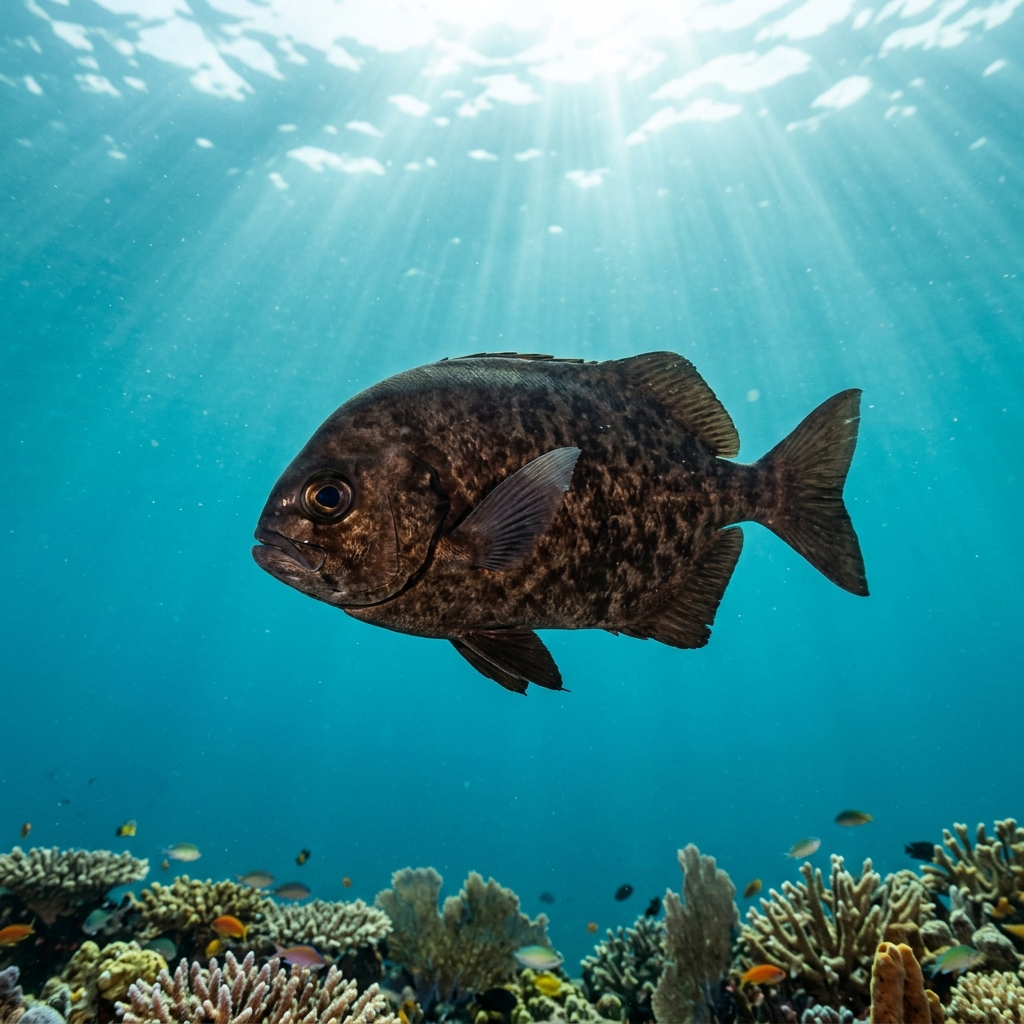
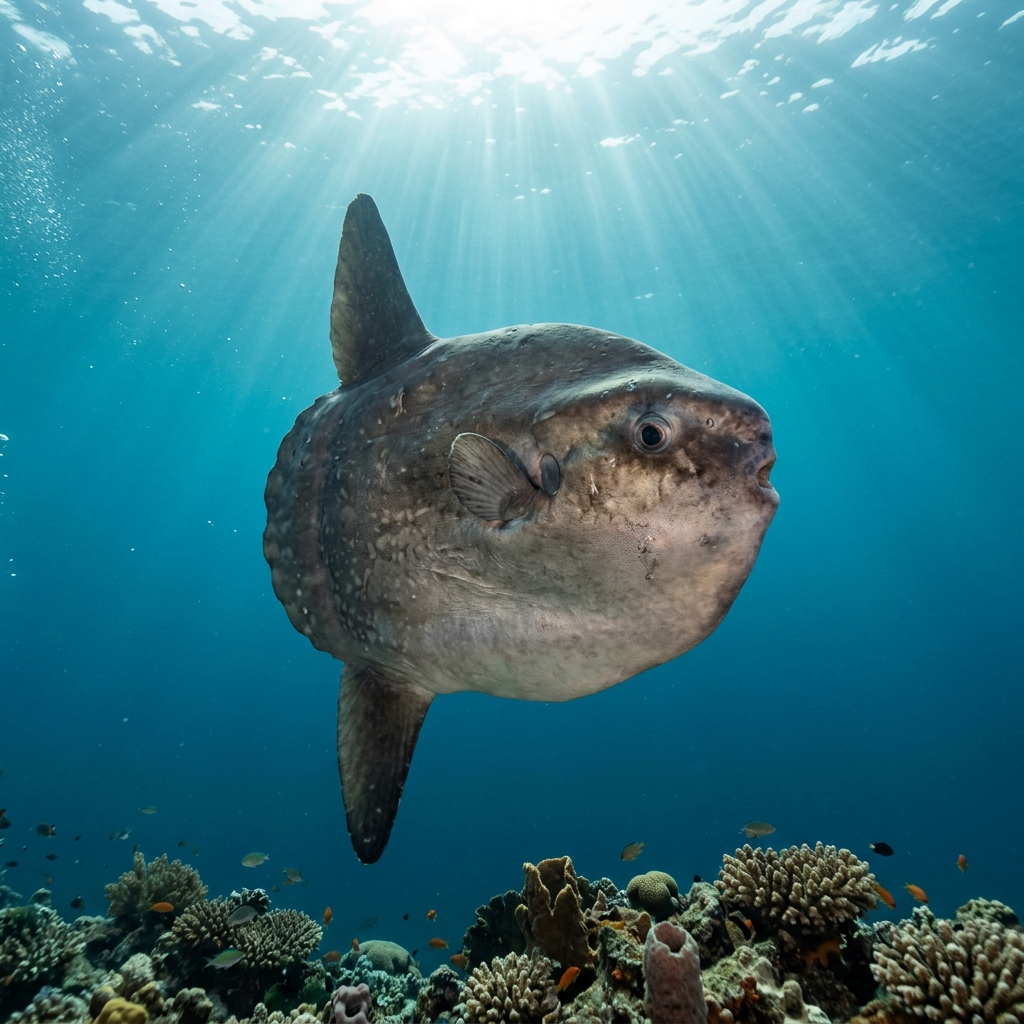
Reef neighbours a diver could mistake it for. Use the identification notes above to tell them apart.
Flying fish are most commonly logged in the Maldives and across Indonesia and the Philippines, with strong records also from Florida and the broader US Southeast coast. Australia's Queensland and Western Australian waters, Thailand, and Brazil's Northeast Coast all feature regularly in sighting logs, reflecting the family's preference for warm, open tropical and subtropical seas.
Mapping where Flying Fish is logged…
Flying fish are logged across tropical and warm-temperate dive destinations worldwide. The Maldives leads in sheer site coverage, followed closely by Indonesia, the Philippines, and Florida's Southeast coast. Australia's Queensland and Western Australia, Thailand, and Brazil's Northeast Coast are also well-represented. Look for them on open-water crossings rather than on the reef itself.
There is no strong seasonal signal in current sighting data, so encounters are effectively year-round at sites within their warm-water range. They favour water between 21 and 29 °C, which describes tropical destinations in every month of the year. Calm, glassy surface conditions make spotting their characteristic gliding flights much easier from the boat or surface.
Look for a slender, silvery fish near the very surface with disproportionately large, wing-like pectoral fins. The body is blue-green on top and silver below, and the tail has a distinctly longer lower lobe. They move very fast and typically exit the water before you can study them, so the aerial glide is often the clearest identification cue.
Size varies across the roughly 70 species in the family, but most encountered by divers fall in the 20-40 cm range. A few larger species can approach 45 cm. They look smaller in the water than on paper because they are slender and move quickly, making precise size estimation difficult.
They do not flap their fins like a bird; instead they beat their elongated lower tail lobe rapidly in the water to build speed, then launch into a glide on outstretched pectoral fins. A single glide can cover 50 metres or more, and they can extend the flight by briefly dipping the tail back into the water to gain more thrust without fully landing. It is a predator-escape strategy rather than true powered flight.
Site and sighting data is aggregated from diver logs, iNaturalist and GBIF. For taxonomy and conservation status:
Ocean Sunfish
1,394 sites