Pomatomus saltatrix
Spot tailor from Florida to the Aegean, a fast, fork-tailed predator logged across dozens of countries. Here's where, when, and what to look for.
Safety warning
Tailor have strong, sharp teeth and a well-documented willingness to bite when feeding is stimulated or when they are cornered. The risk rises sharply around feeding frenzies, avoid placing hands or feet near a school engaged in active hunting. Do not handle them in the water, and keep a respectful distance if you encounter one up close. Wounds can be significant relative to the fish's size.
If you're bitten
BiteGeneral first-aid guidance, not a substitute for professional medical care. In an emergency, call your local emergency number.
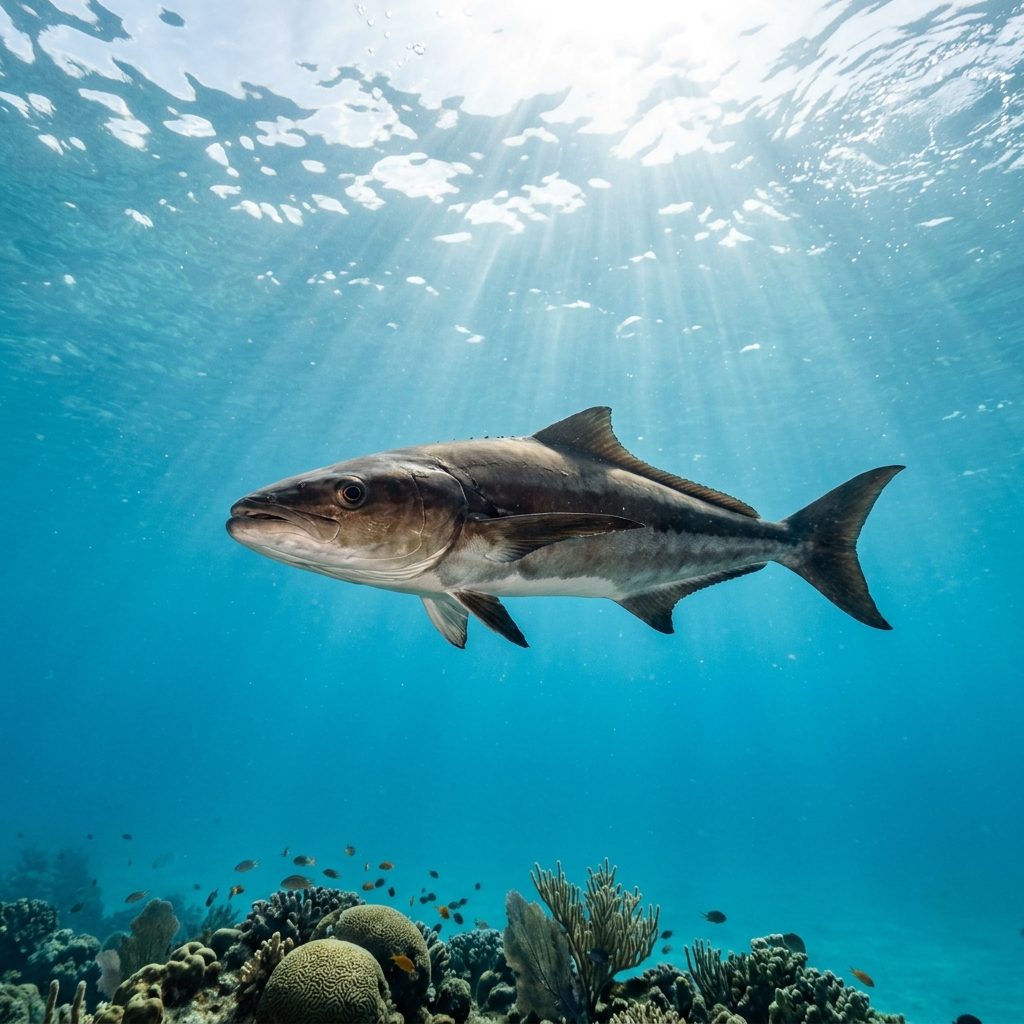
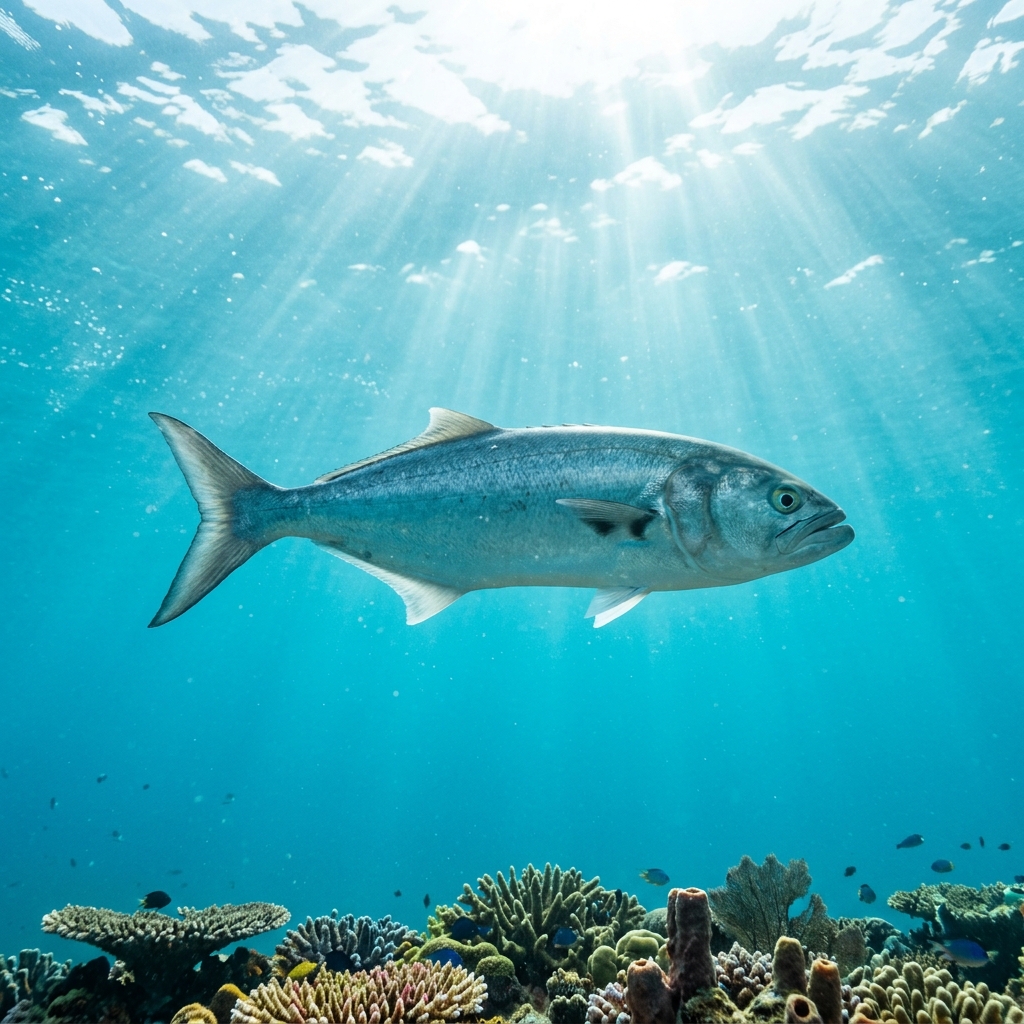
Built for speed, tailor are elongated, laterally compressed fish reaching close to a metre in length, with a distinctly forked tail and a streamlined silver-blue body that catches the light as they turn. The lower jaw projects slightly beyond the upper, and the mouth is lined with notably sharp, uniform teeth. Two dorsal fins, the first low and spiny, the second long and soft, help distinguish them from more uniformly finned pelagics. In the water they read as a fast-moving, medium-to-large silver fish hunting near the surface or mid-water rather than hugging structure.
Tailor are active, aggressive pursuit hunters typically encountered in open water or just below the surface, often moving fast enough to be a fleeting sighting rather than a lingering one. They sometimes appear in loose aggregations when chasing bait, and their rapid directional changes make them easy to lose sight of quickly. They are not reef-associated animals, so most encounters happen mid-water or at the surface during drift or pelagic dives rather than on the bottom.
Tailor are one of the few fish that bite through their prey rather than swallowing it whole, their razor-edged, uniform teeth can shear cleanly through flesh, which is part of why their bites on divers and swimmers are taken seriously.
In the Southern Hemisphere, sightings concentrate between February and June. Northern Hemisphere seasonality data is thinner, but the species' broad temperature tolerance, observed from around 8 to 28 °C, means it can be encountered across much of the year wherever conditions suit local populations.
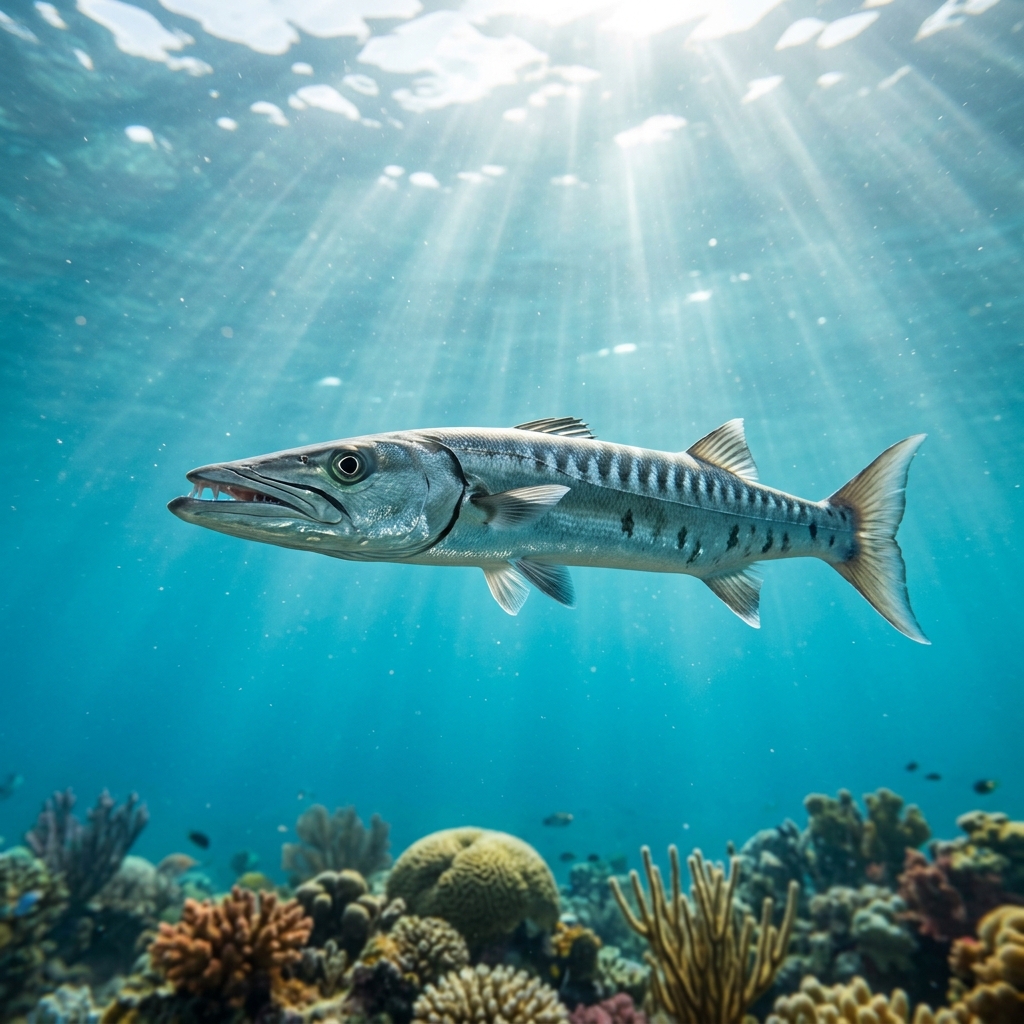
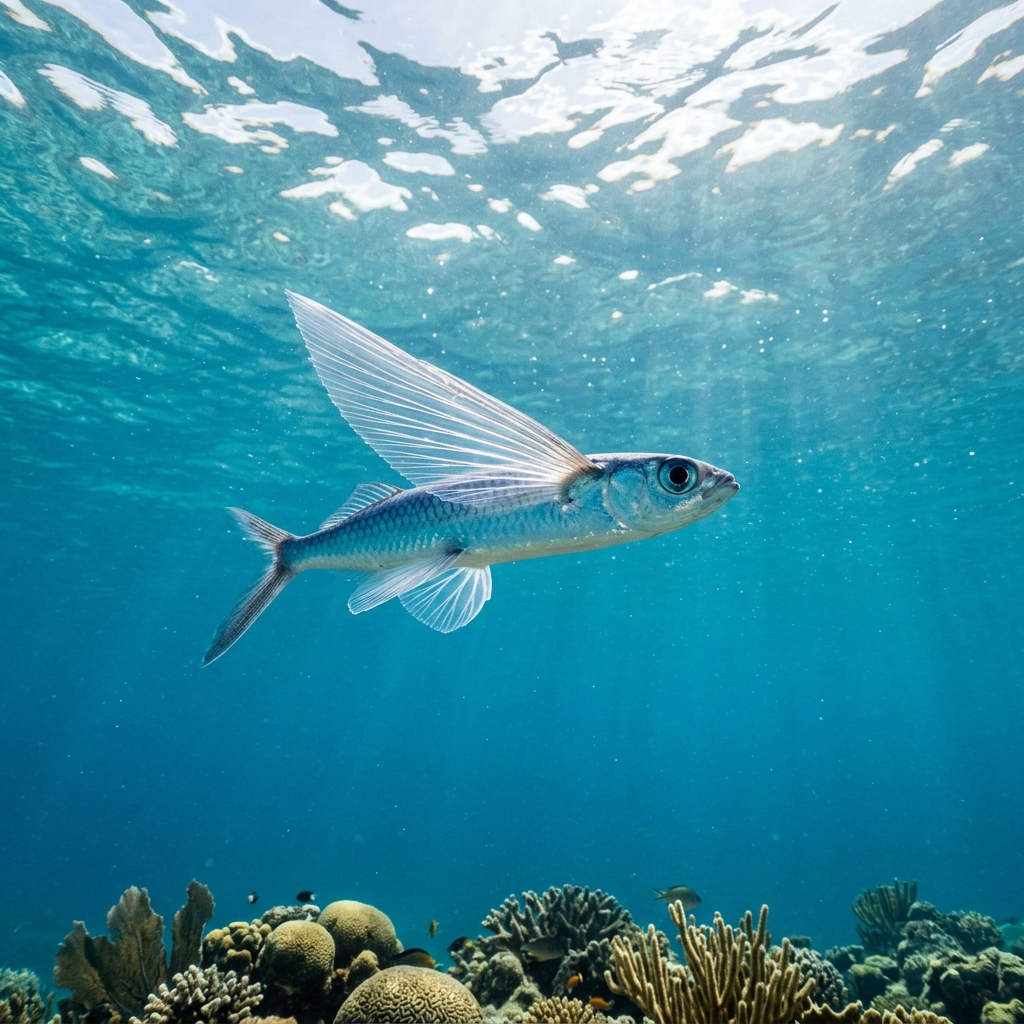
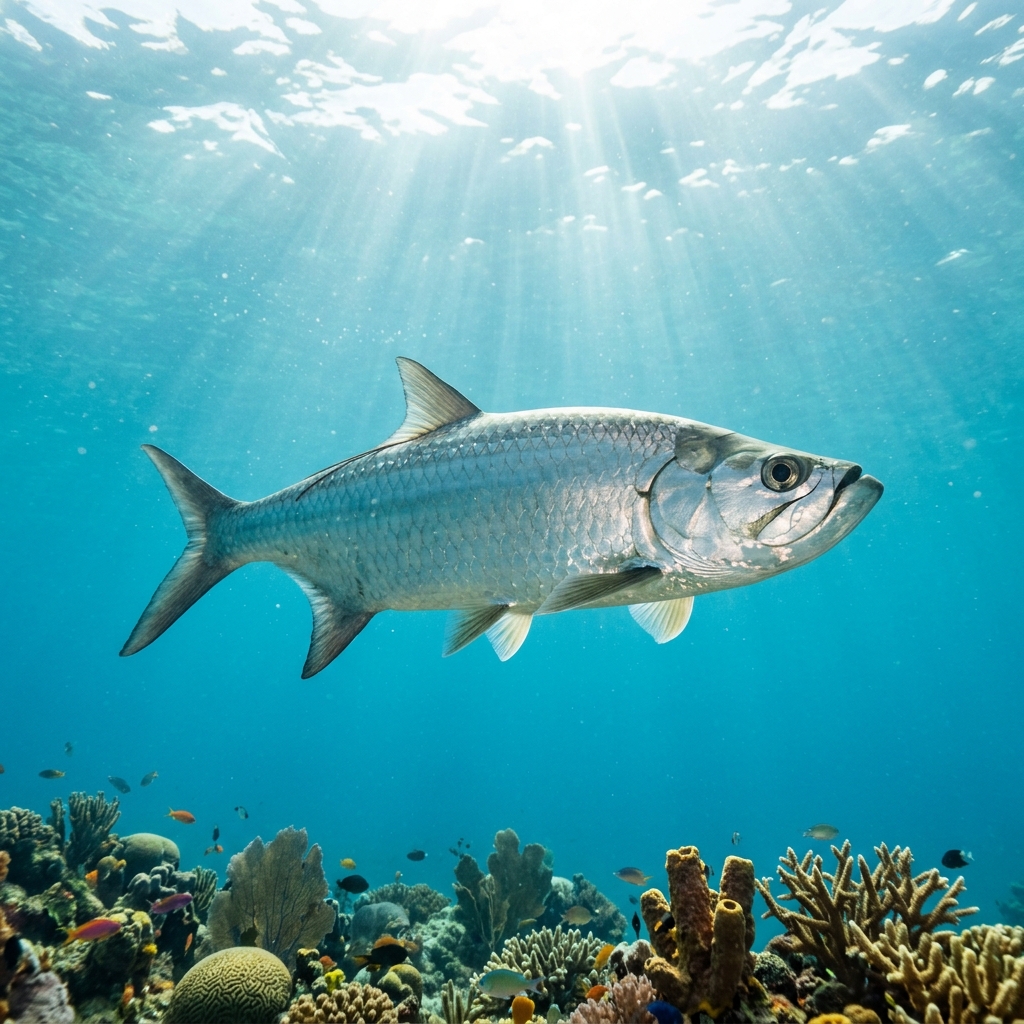
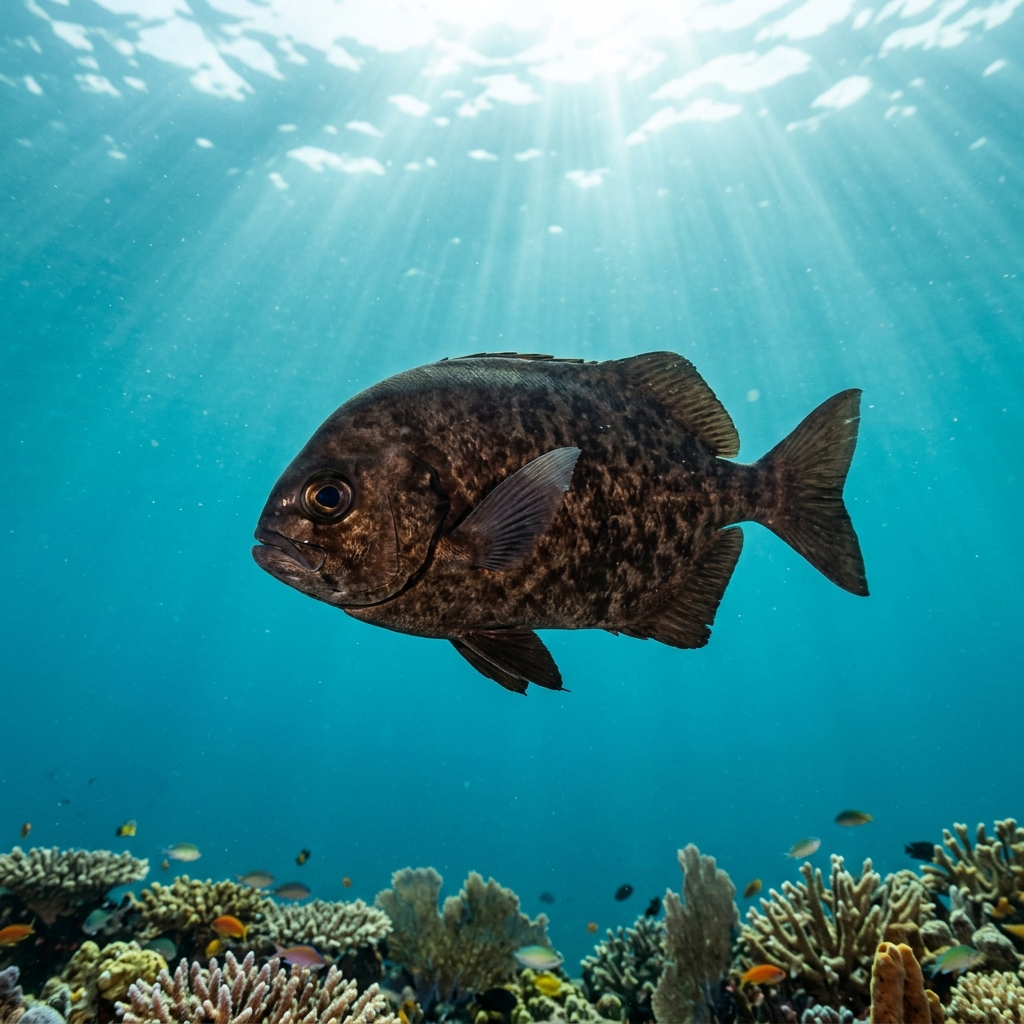
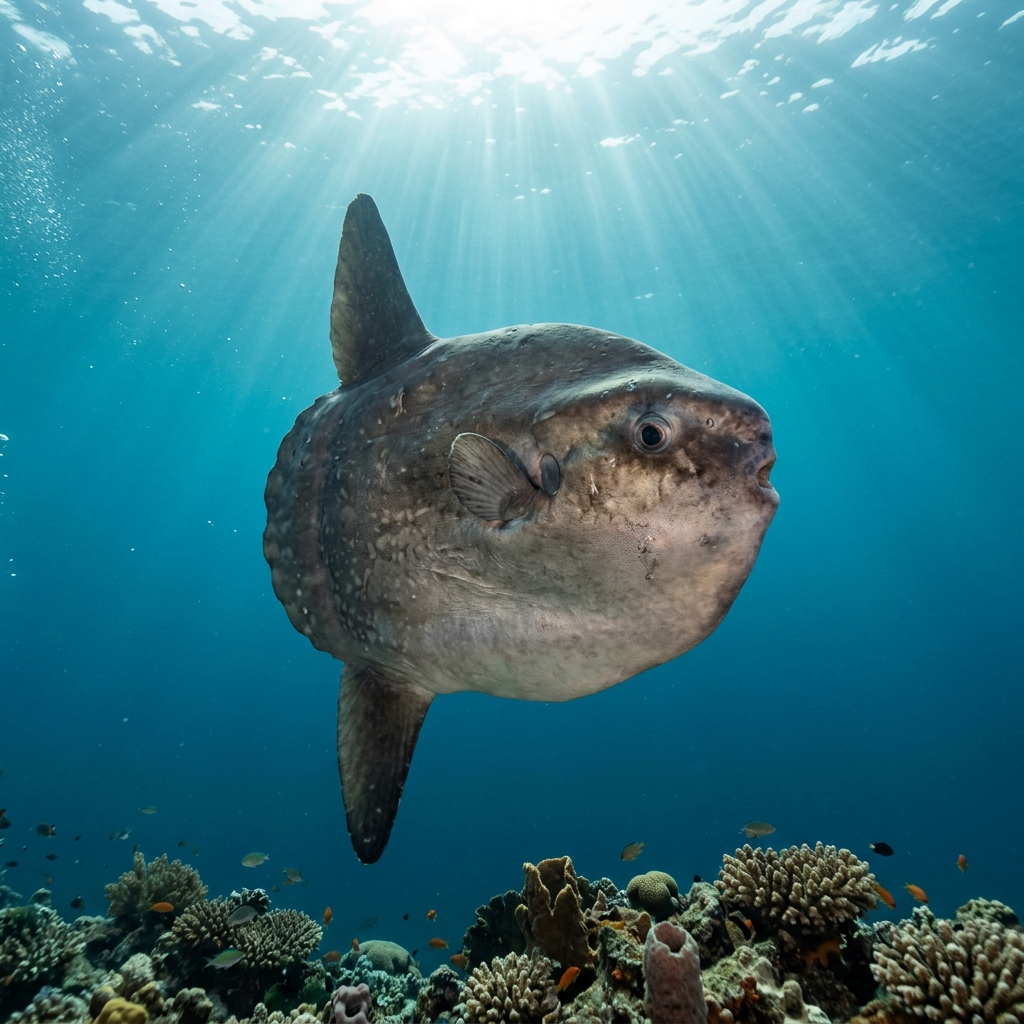
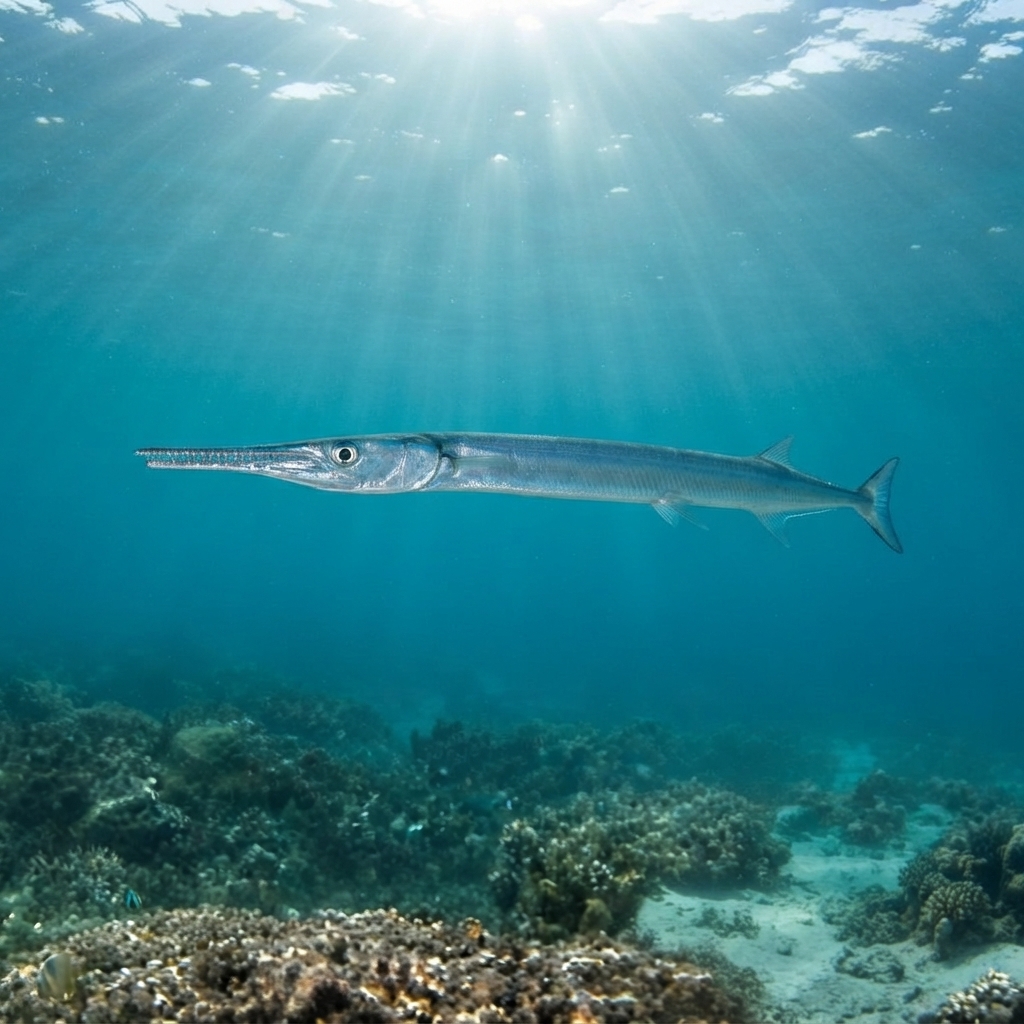
Reef neighbours a diver could mistake it for. Use the identification notes above to tell them apart.
Most sightings come from the Mediterranean and the US Atlantic coast, with Florida and the Southeast the single strongest region, followed by Attica in Greece, the Aegean Coast of Turkey, and Central Dalmatia in Croatia. Italy, Spain, and Brazil also contribute meaningful records, making this effectively a warm-to-temperate Atlantic and Mediterranean species for most divers. Australia adds a southern-hemisphere footprint, particularly for divers in that region.
Mapping where Tailor is logged…
Tailor are most commonly logged in Florida and the US Southeast, the Aegean (Greece and Turkey), and across the Mediterranean including Croatia, Italy, and Spain. Brazil and Australia also have confirmed sightings. Encounters tend to be opportunistic rather than guaranteed at any single site.
In the Southern Hemisphere, February through June is when sightings are most concentrated. In the Northern Hemisphere the picture is less clear from current data, but the species tolerates a wide temperature range, so encounters are possible across multiple seasons depending on local conditions.
Yes. Tailor have extremely sharp, uniform teeth capable of delivering serious lacerations. The real risk comes during feeding activity, when they bite reflexively and powerfully. Keep your distance during any feeding frenzy, avoid trailing hands or feet near an active school, and do not attempt to handle them underwater.
Look for a fast-moving, silver-blue pelagic fish close to a metre long with a pronounced forked tail, a projecting lower jaw, and two distinct dorsal fins. The sharp, uniform teeth are diagnostic but only visible up close. Speed and open-water habitat help rule out most reef-associated species.
Tailor typically reach around 90 cm in length, though large individuals can approach or slightly exceed that. In the water they feel like a substantial, fast fish, noticeably bigger than most inshore pelagics you might encounter in the same habitats.
Tailor are listed as Vulnerable on the IUCN Red List. Populations have declined across parts of their range due to sustained fishing pressure. They are not yet endangered, but the trend is concerning enough that the status warrants attention from divers and citizen scientists who can help by logging sightings.
The Tailor is listed as vulnerable by the IUCN. Observe from a distance, avoid touching or feeding it, and report sightings to local marine research organisations.
Tailor are currently assessed as Vulnerable on the IUCN Red List, reflecting population declines linked to heavy fishing pressure across much of their range. As a diver, reporting sightings to platforms like iNaturalist contributes to population monitoring in areas where survey data is limited.
Site and sighting data is aggregated from diver logs, iNaturalist and GBIF. For taxonomy and conservation status:
Butterfish
1,423 sites