Scorpis spp.
Grey-silver schooling fish common on reefs from Western Australia to North Island NZ, in water down to 14C. Here's where to find them.
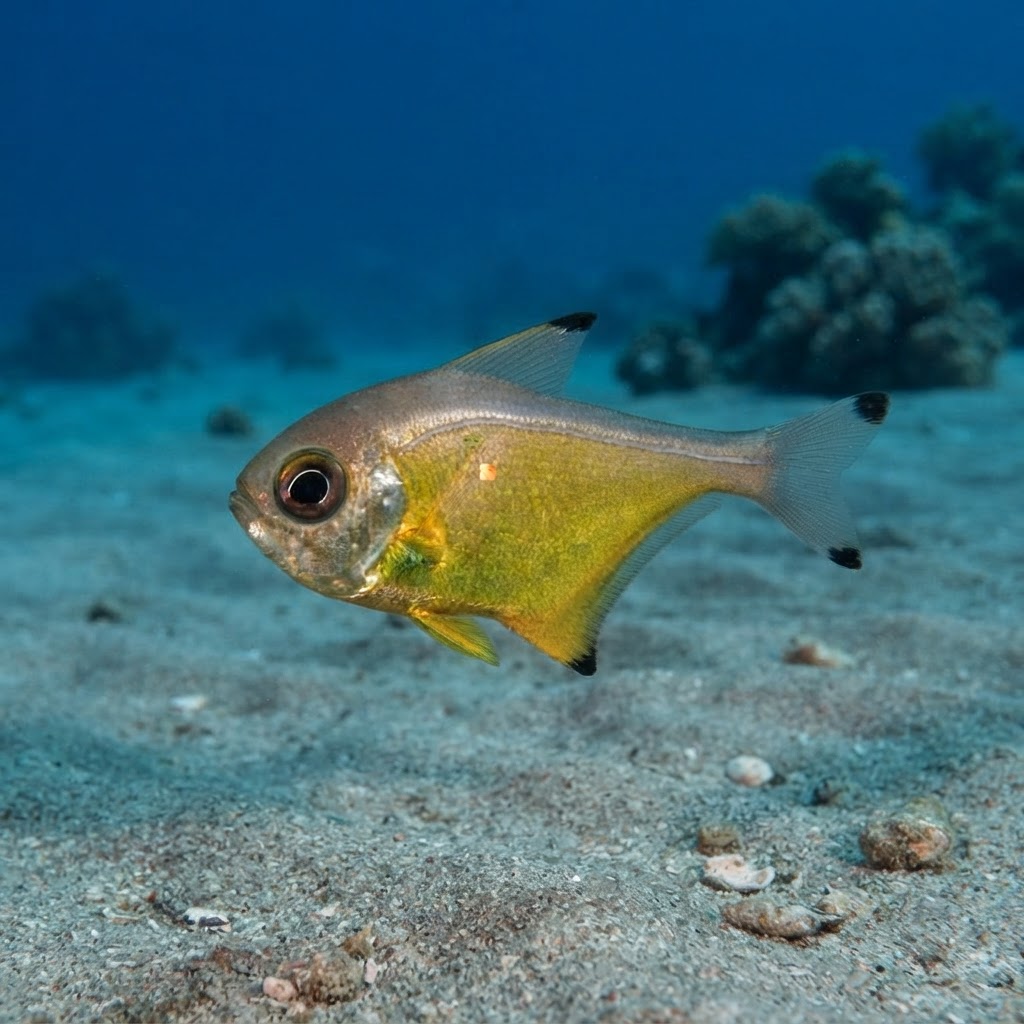
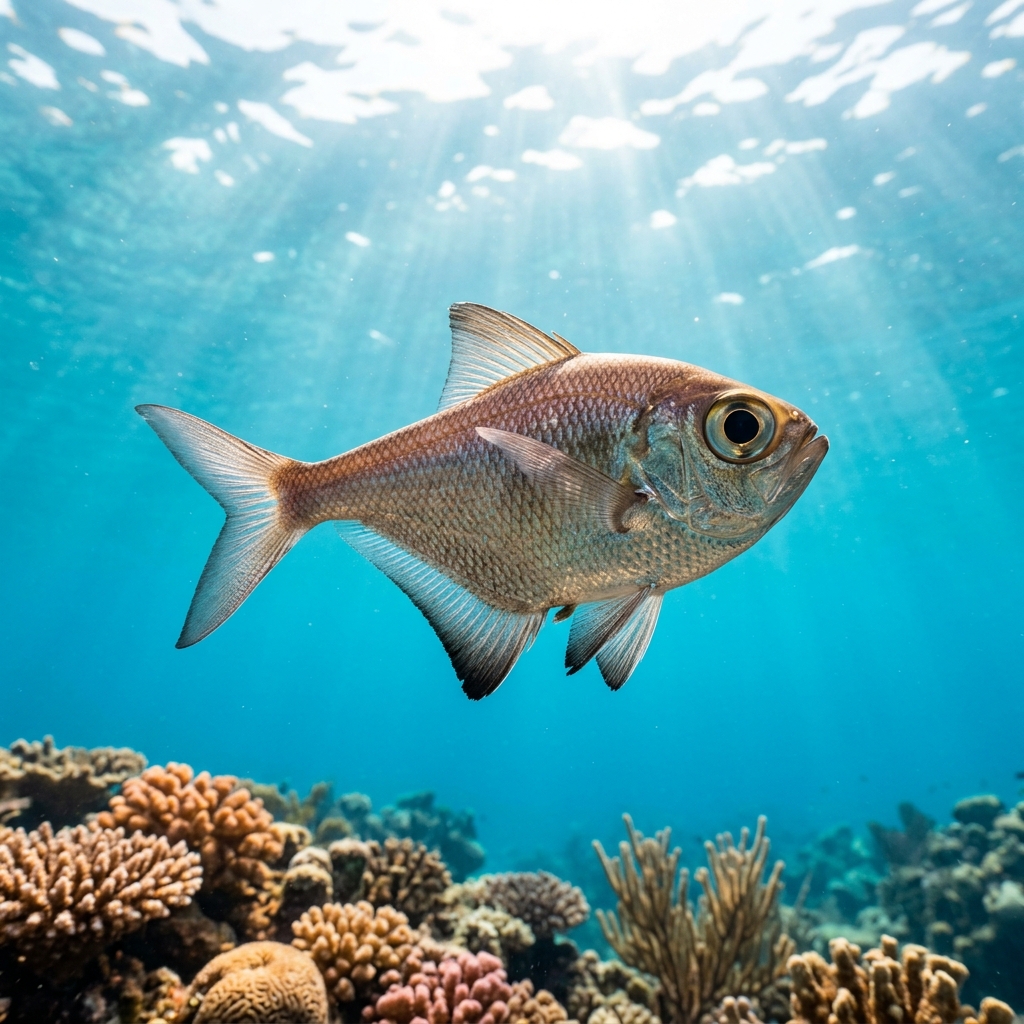
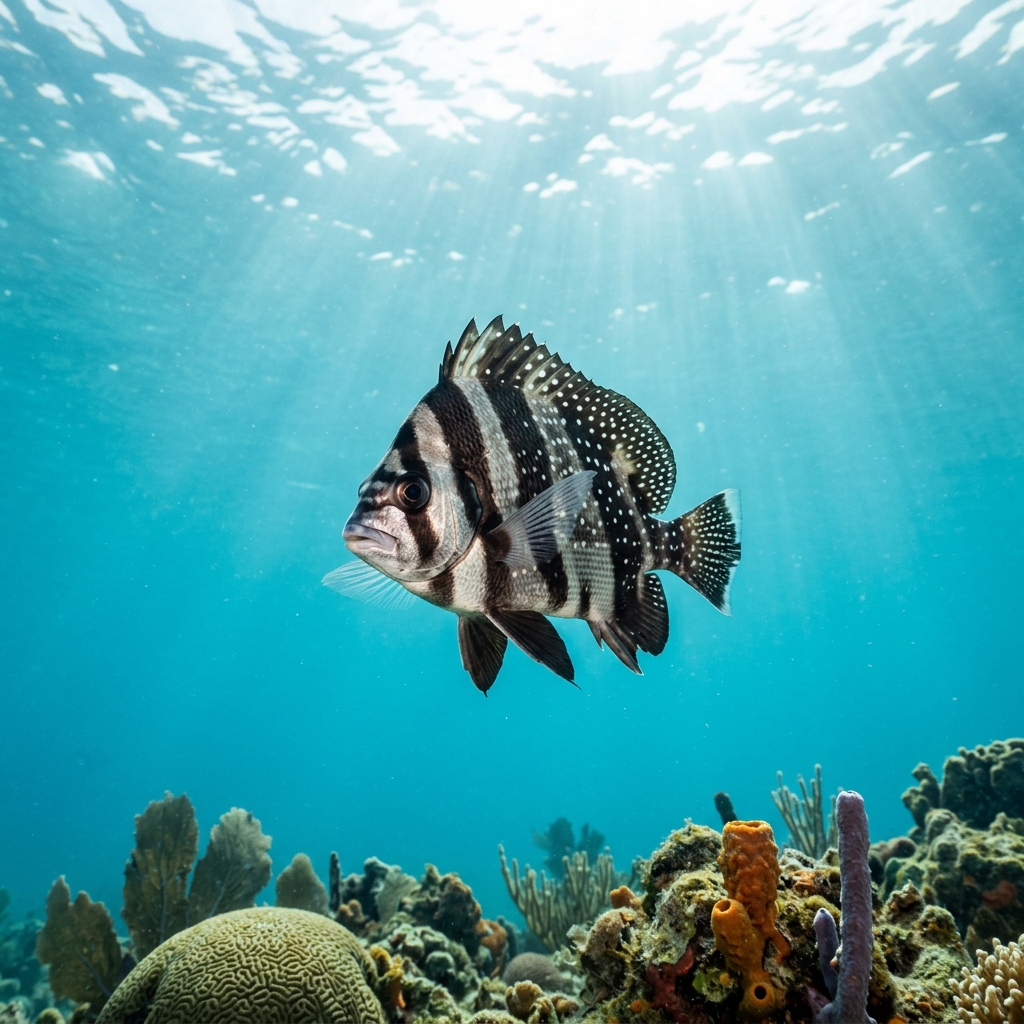
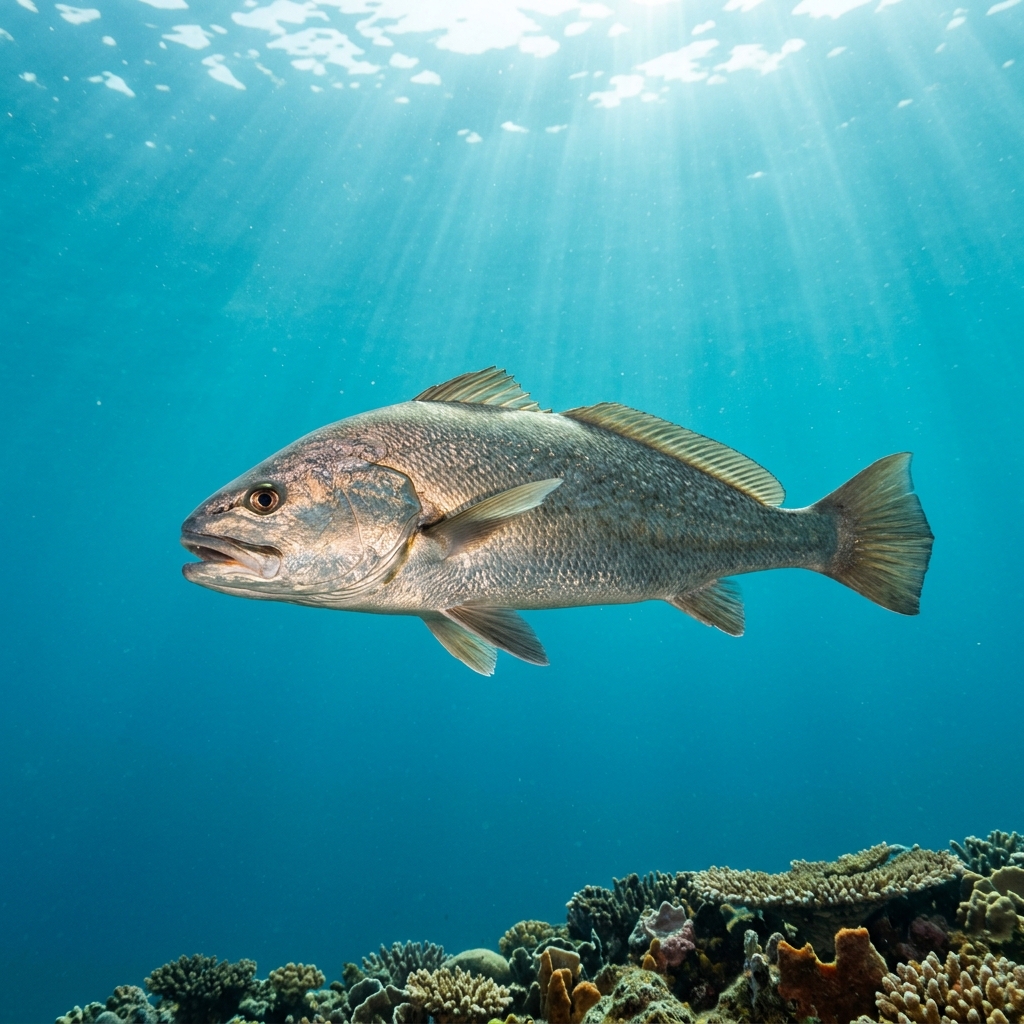
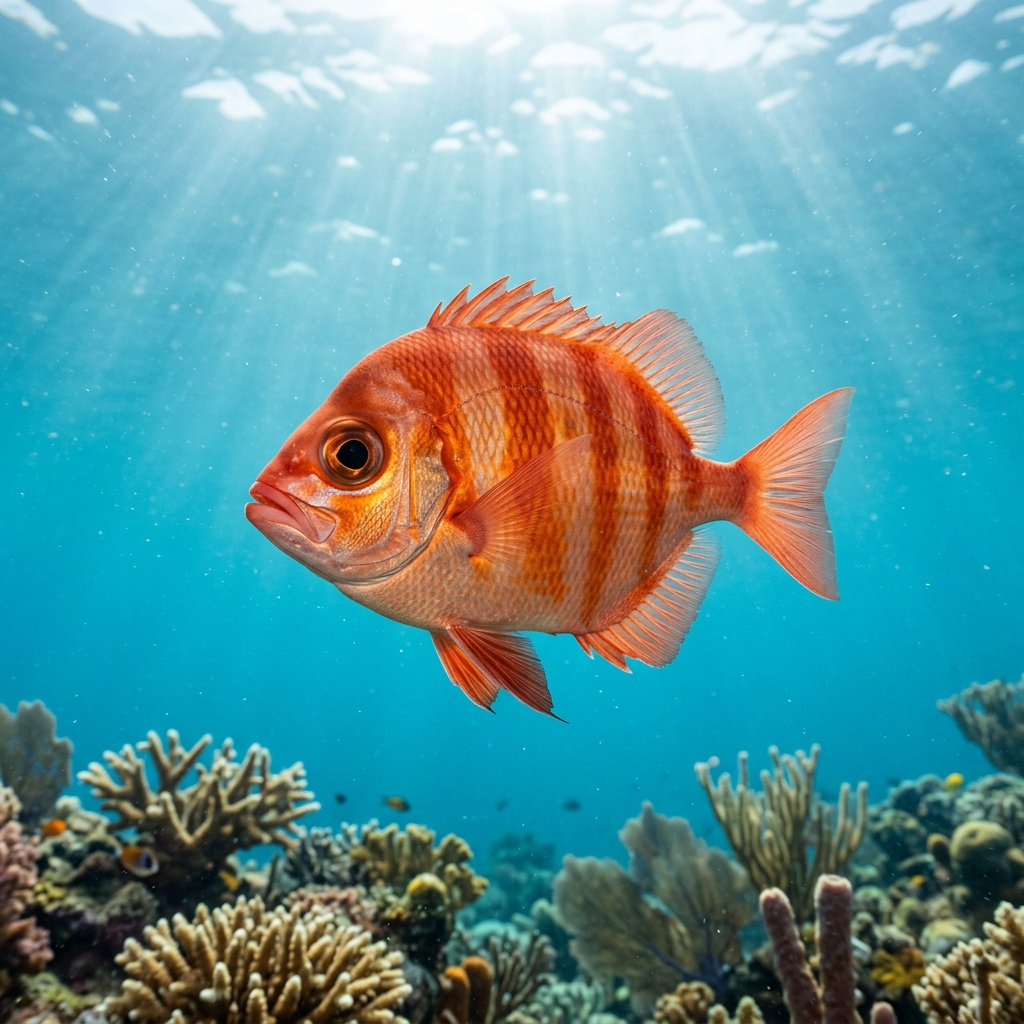
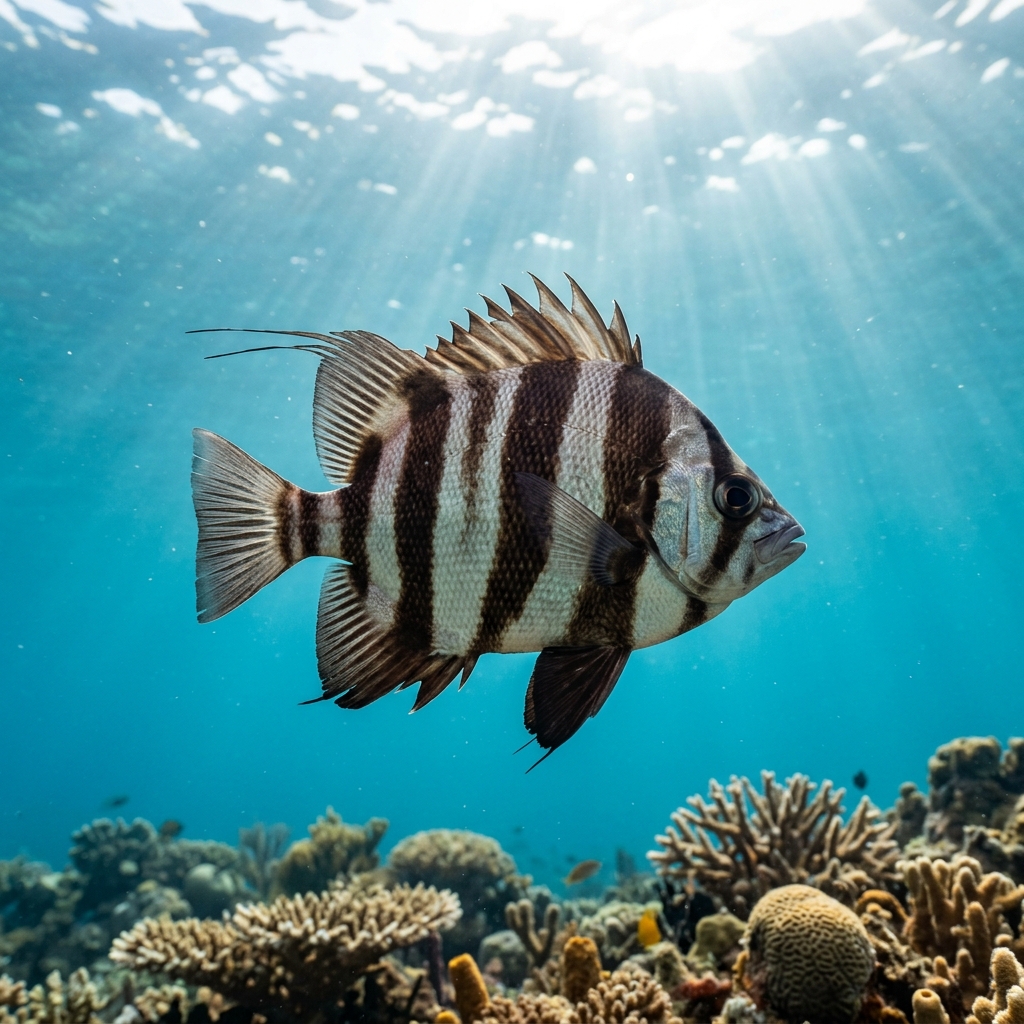
Deep, oval-bodied fish that moves in loose to tight schools, usually silver-grey to olive with a paler belly and faint darker banding along the flanks. The body is laterally compressed with a small mouth and a forked tail, and in the water the schooling habit itself is often the first giveaway before individual markings register. Size varies across the genus so treat body depth and schooling behaviour as the more reliable cues than exact length.
Typically seen hanging in loose schools over rocky reef and along drop-offs, holding mid-water rather than hugging the bottom. They tend to hold their ground or drift slowly as divers approach, only tightening up or peeling away if you push in close, which makes them an easy, low-drama subject for wide-angle shots. Most logs describe them as an uncommon but steady sighting rather than a rare treat or a guaranteed pack.
Schooling behaviour in this genus is thought to help both with feeding on drifting plankton in open water and with reducing individual risk from predators along exposed temperate reef edges.
Sightings span the year with no strong seasonal pattern in the data, matching a wide comfort range of roughly 14 to 22C across the temperate reefs it favours. Plan around your usual dive season for these regions rather than chasing a particular month.
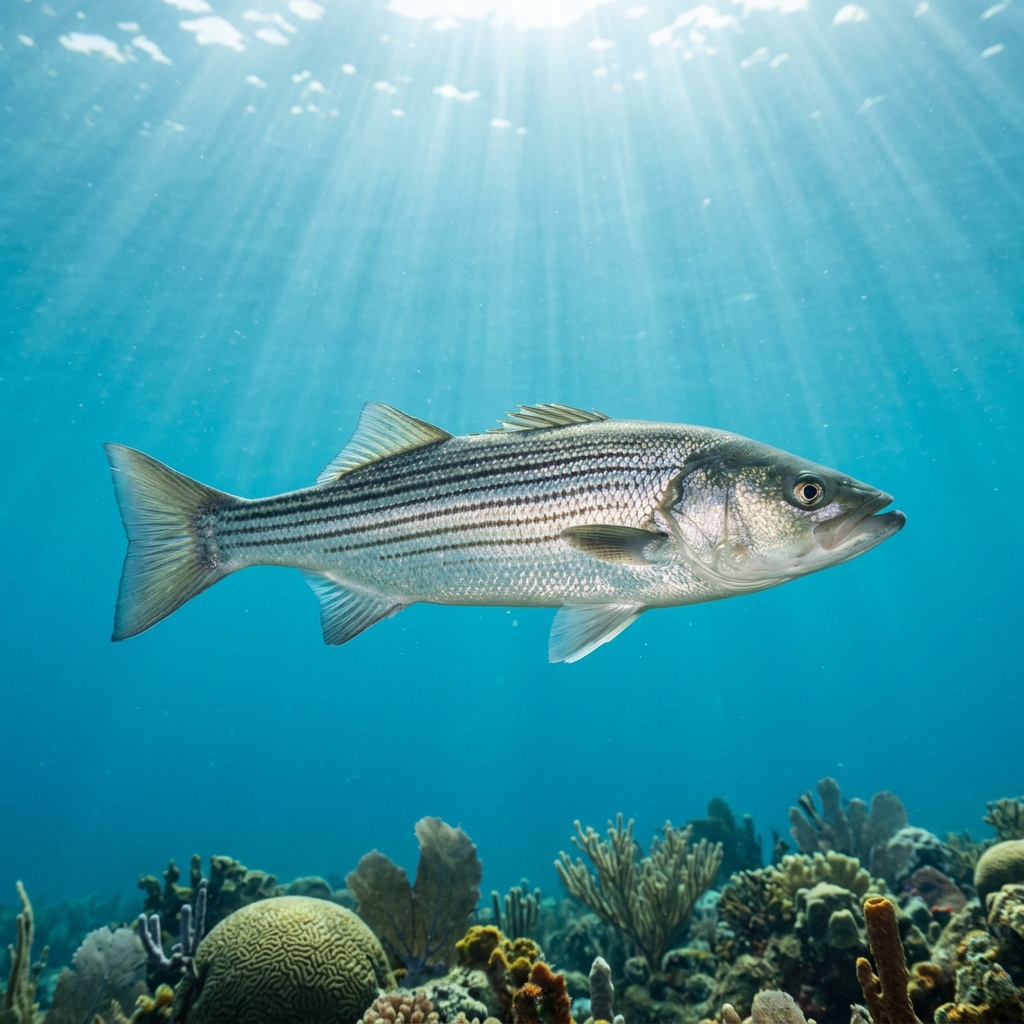
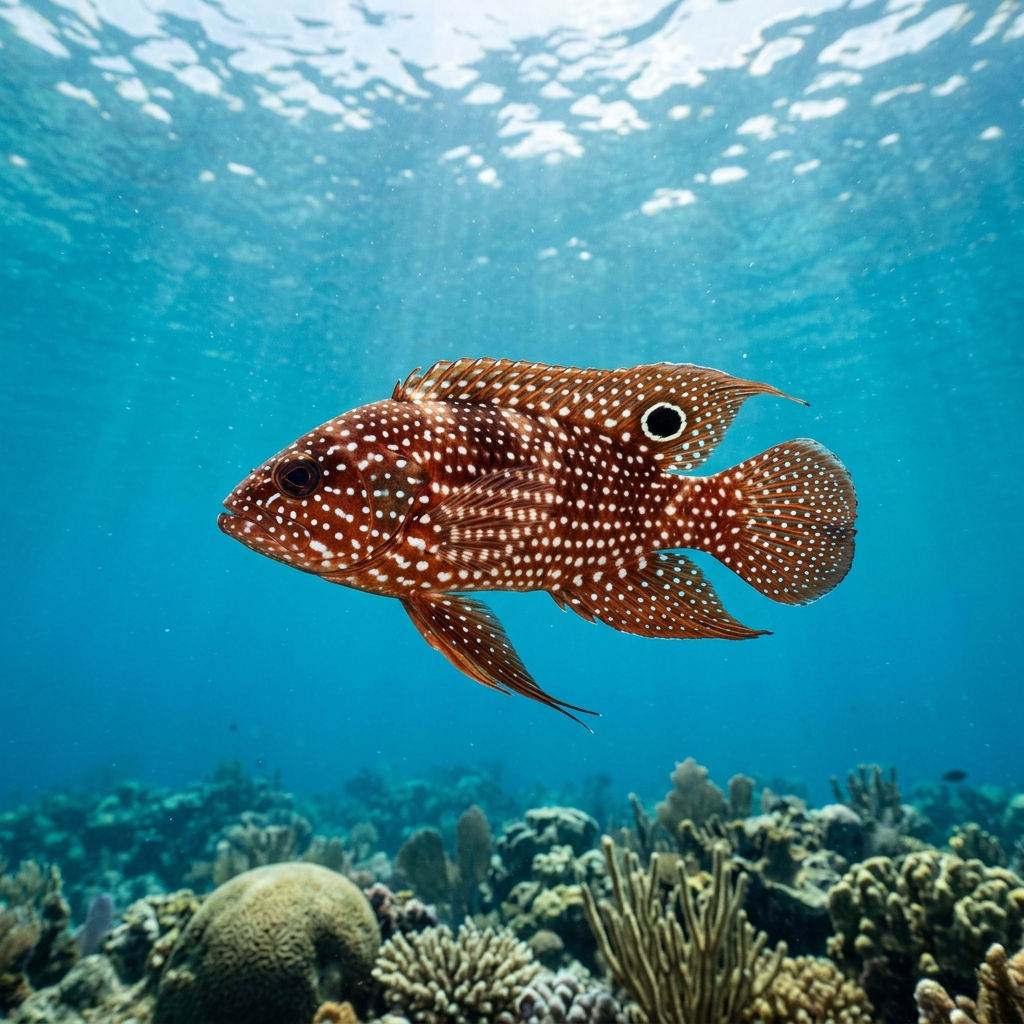
Reef neighbours a diver could mistake it for. Use the identification notes above to tell them apart.
Most reliably logged on temperate reefs in Western Australia, with further strong records from South Australia and Tasmania, making Australia the stronghold for this genus. In New Zealand it turns up widely on North Island sites and, less often, around South Island, so both countries offer a realistic chance of a sighting.
Mapping where Sweep is logged…
Western Australia is the strongest area for sightings, with further records across South Australia and Tasmania. In New Zealand they're most often logged around North Island, with scattered sightings on South Island too.
There's no clear seasonal peak in the sighting data, so they're logged fairly evenly through the year. Water temperatures where they're found range from about 14 to 22C, covering most of the normal dive season in these regions.
Look for a deep, oval, silver-grey to olive body moving in a loose school over rocky reef, with a small mouth and forked tail. The schooling habit itself is often the quickest tell before you pick out individual markings.
No, they're not considered dangerous to divers and typically just school nearby or move off calmly if you approach.
Their tight schooling over open reef is thought to help with both plankton feeding and predator avoidance, and it's usually this group movement, rather than any single fish, that catches a diver's eye first.
Site and sighting data is aggregated from diver logs, iNaturalist and GBIF. For taxonomy and conservation status:
Meagre
1,159 sites