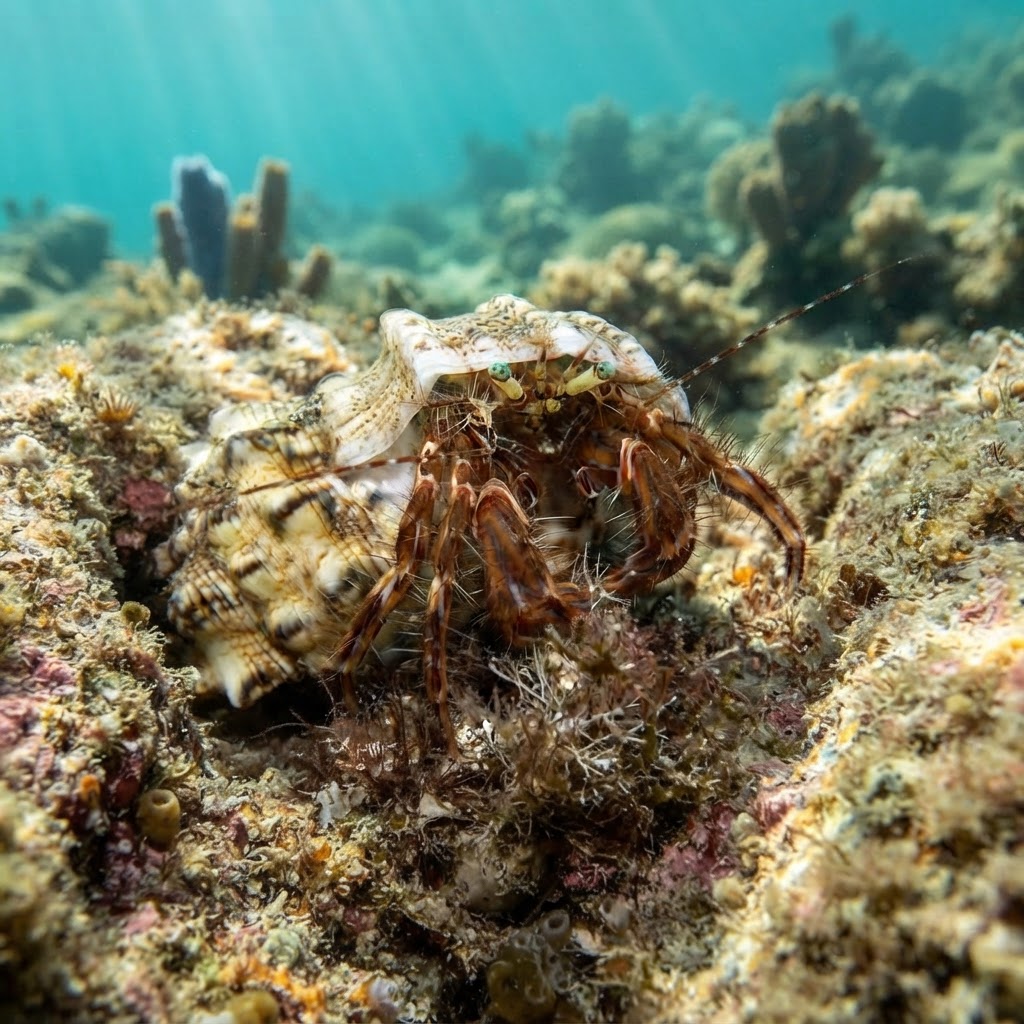
Pagurus anachoretus
A common but easy-to-miss find on rocky reefs in Croatia's Kvarner and France's Riviera, year-round in cool Mediterranean water.
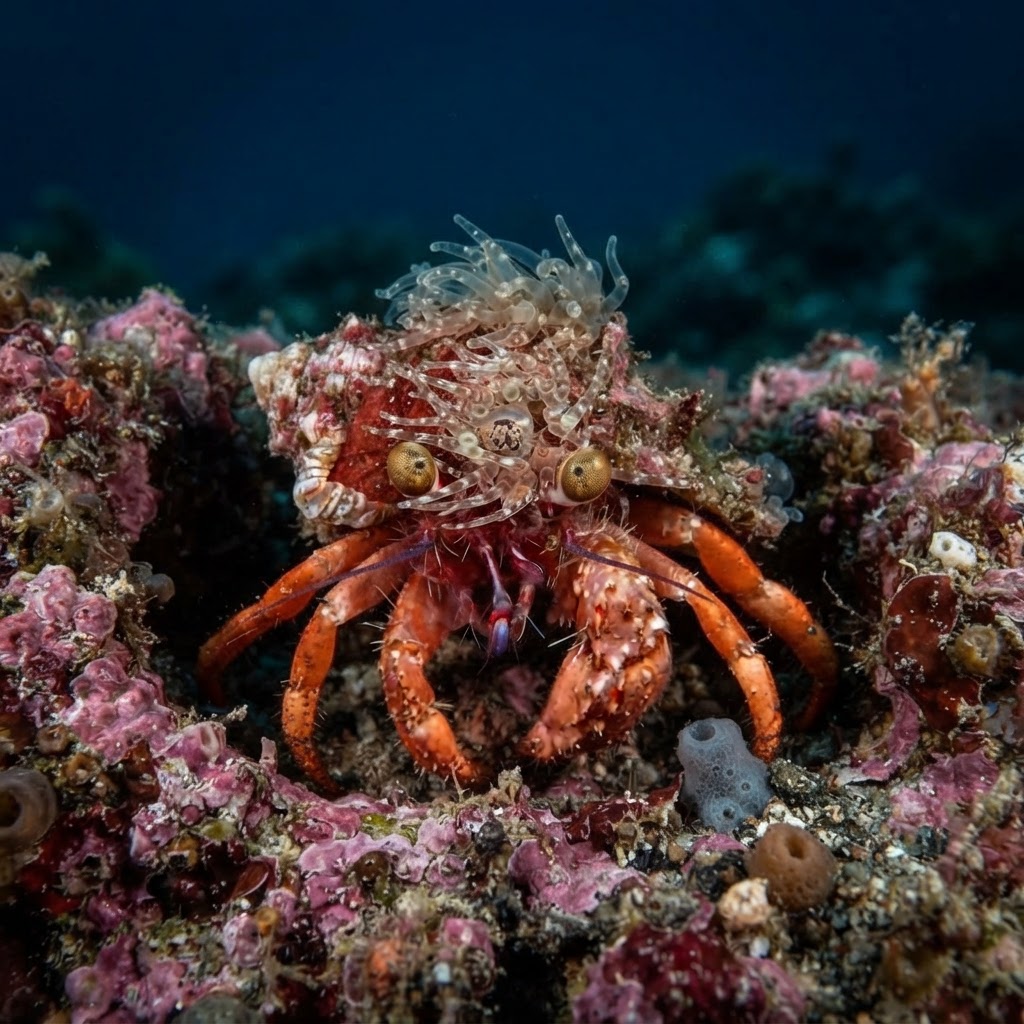
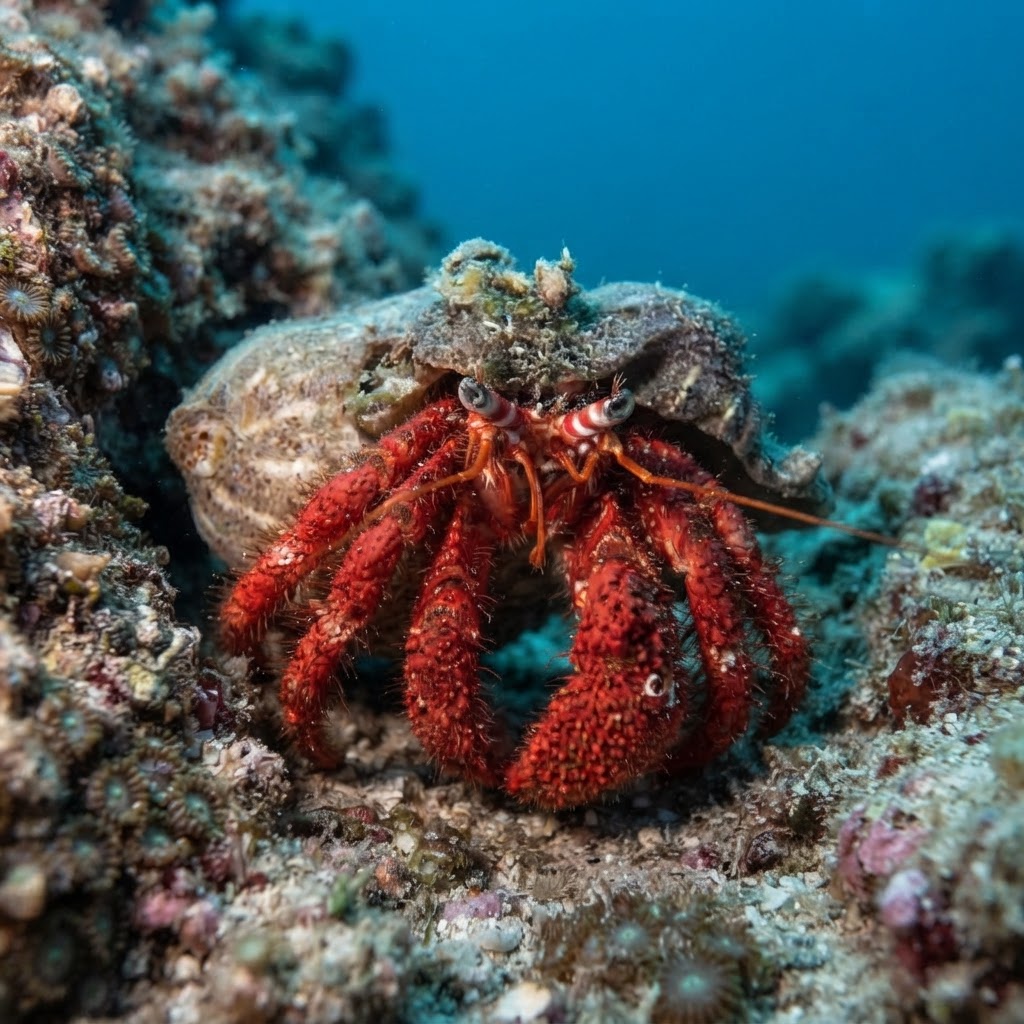
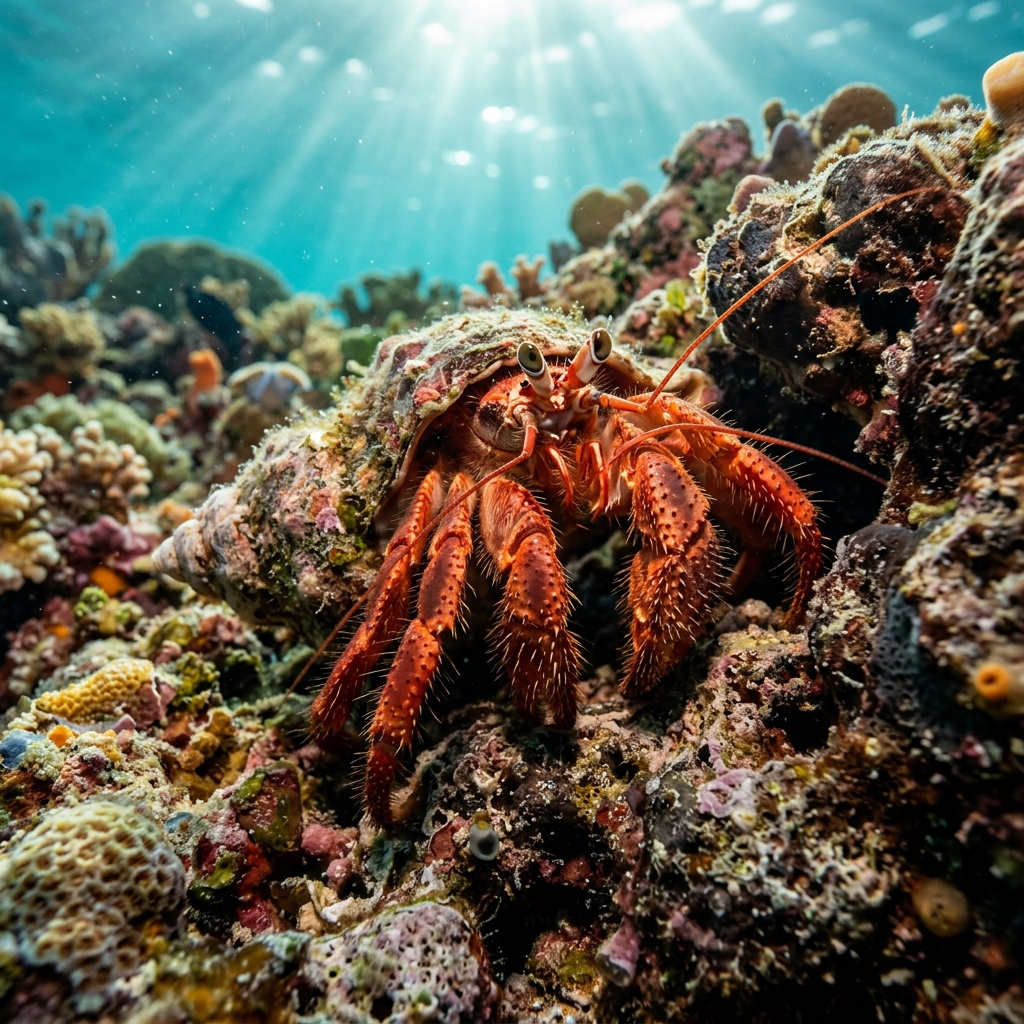
Look for a small hermit crab tucked into a spiral snail shell, with legs and claws marked in fine reddish-brown or purple stripes against a paler background. The banding is most visible on the walking legs as it picks its way across rock and rubble. Antennae are long and thin, often the first thing you notice waving out of the shell opening before the crab itself comes into view.
Divers usually spot it slowly working its way over rock, rubble and weed-covered bottom, using its claws to pick at debris and algae rather than hunting actively. It tends to withdraw into its borrowed shell if a light or hand comes too close, then re-emerge once the disturbance passes. Most sightings come from close, patient reef scanning rather than open-water encounters, as it sits at uncommon-to-rare densities on most sites where it is found.
Like all hermit crabs it does not grow its own shell, it occupies an empty snail shell and moves to a larger one as it grows, so the same individual can look like a completely different-shelled animal from one dive season to the next.
Sightings show no clear seasonal pattern, and it is logged across the year within its 15.6 to 21.6 C comfort range, so plan around good Mediterranean diving conditions generally rather than a specific month.
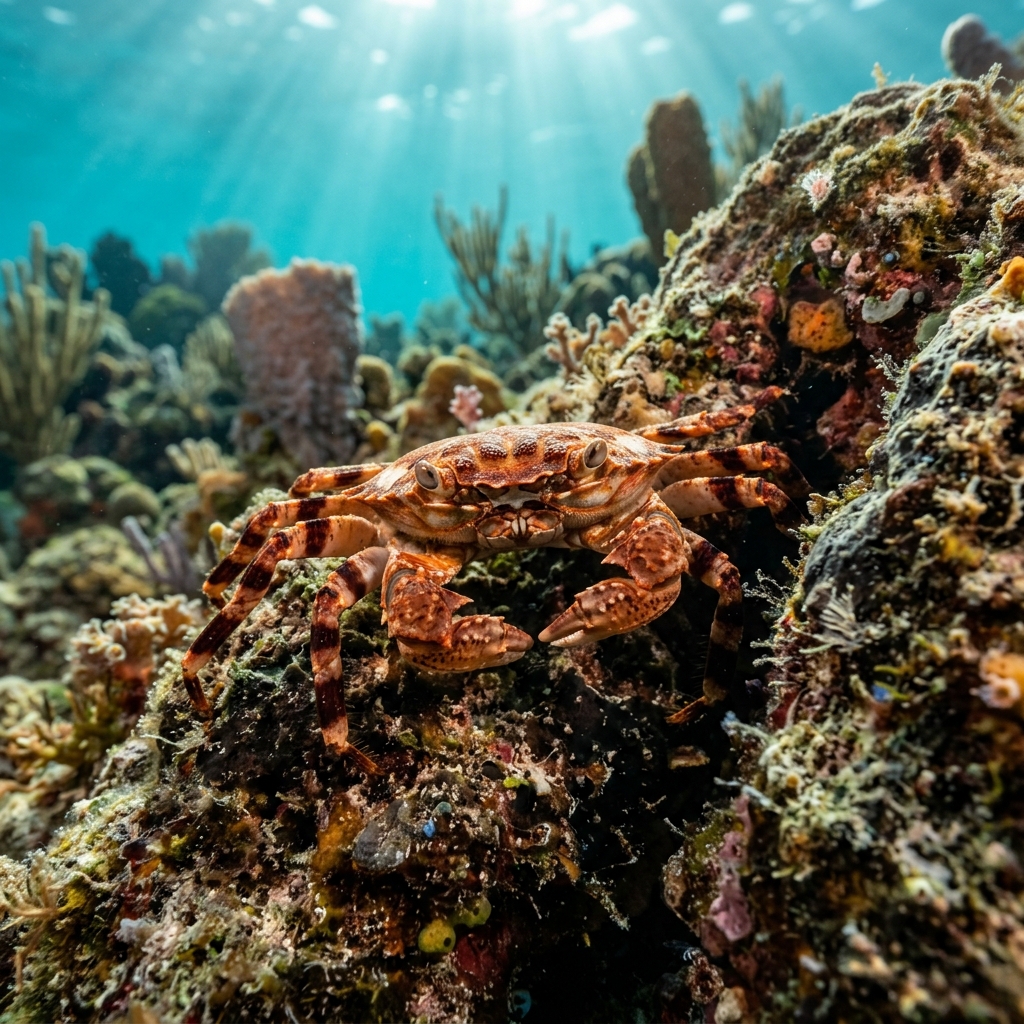
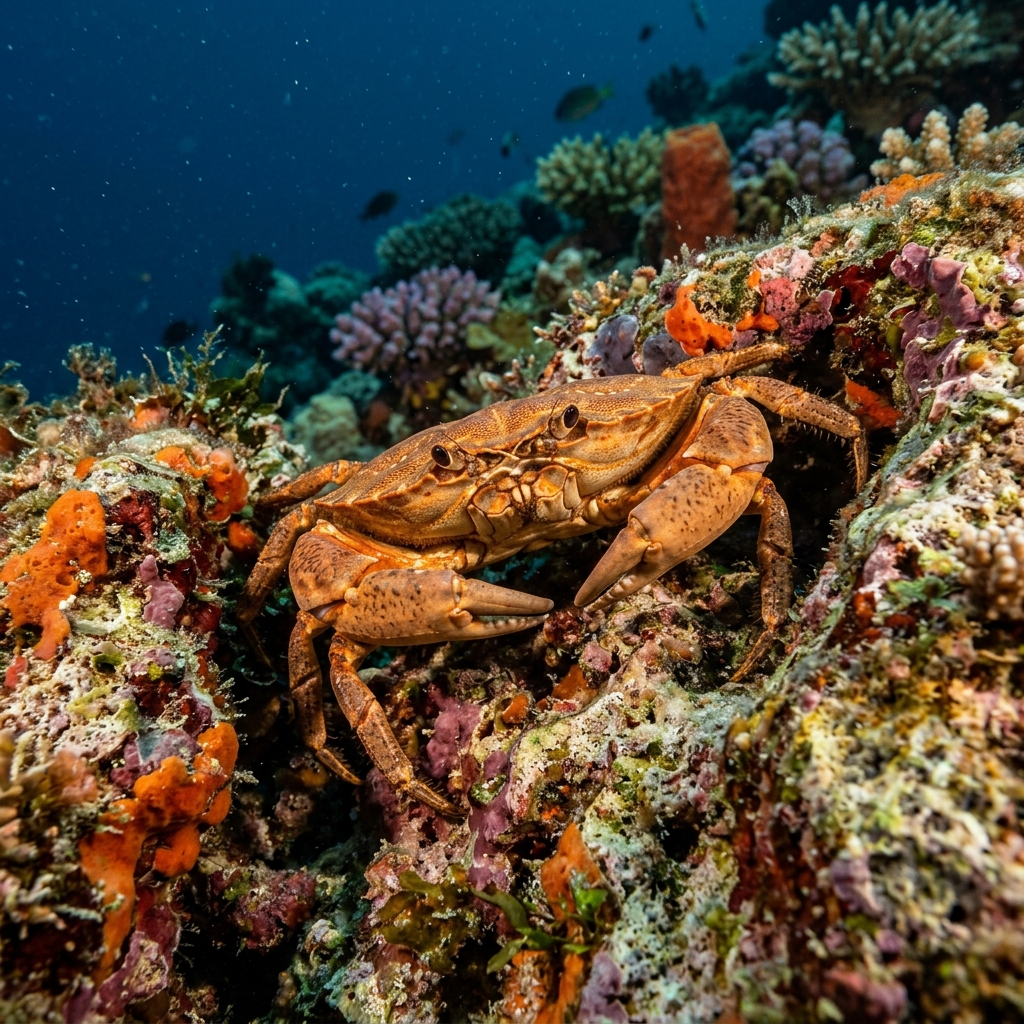
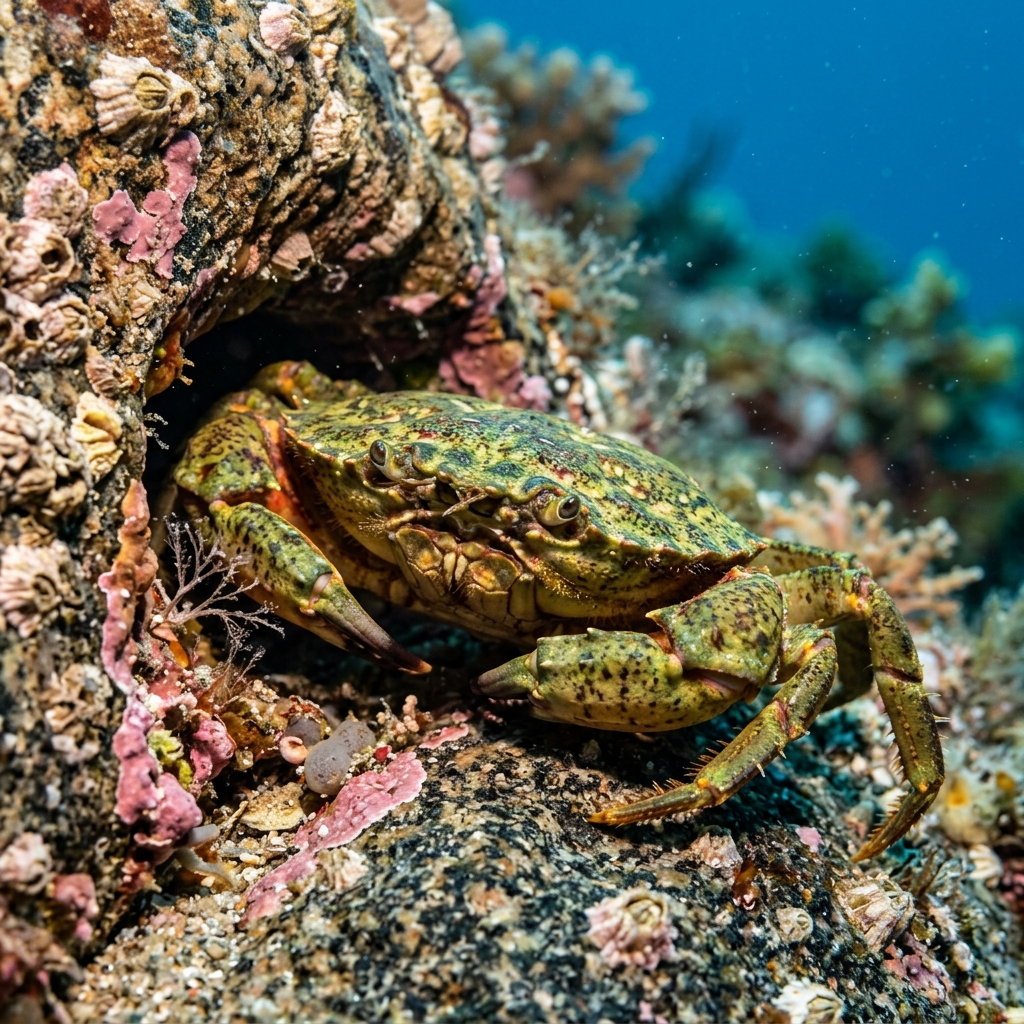
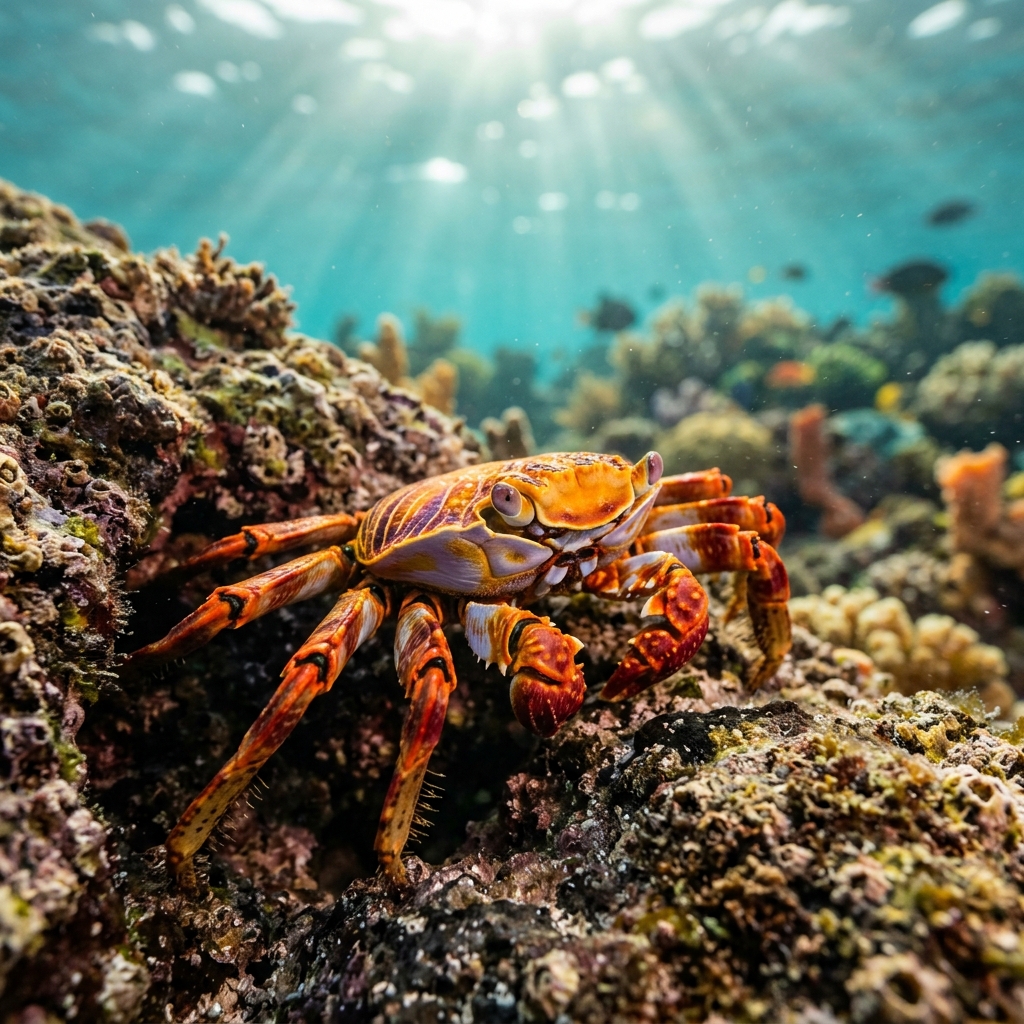
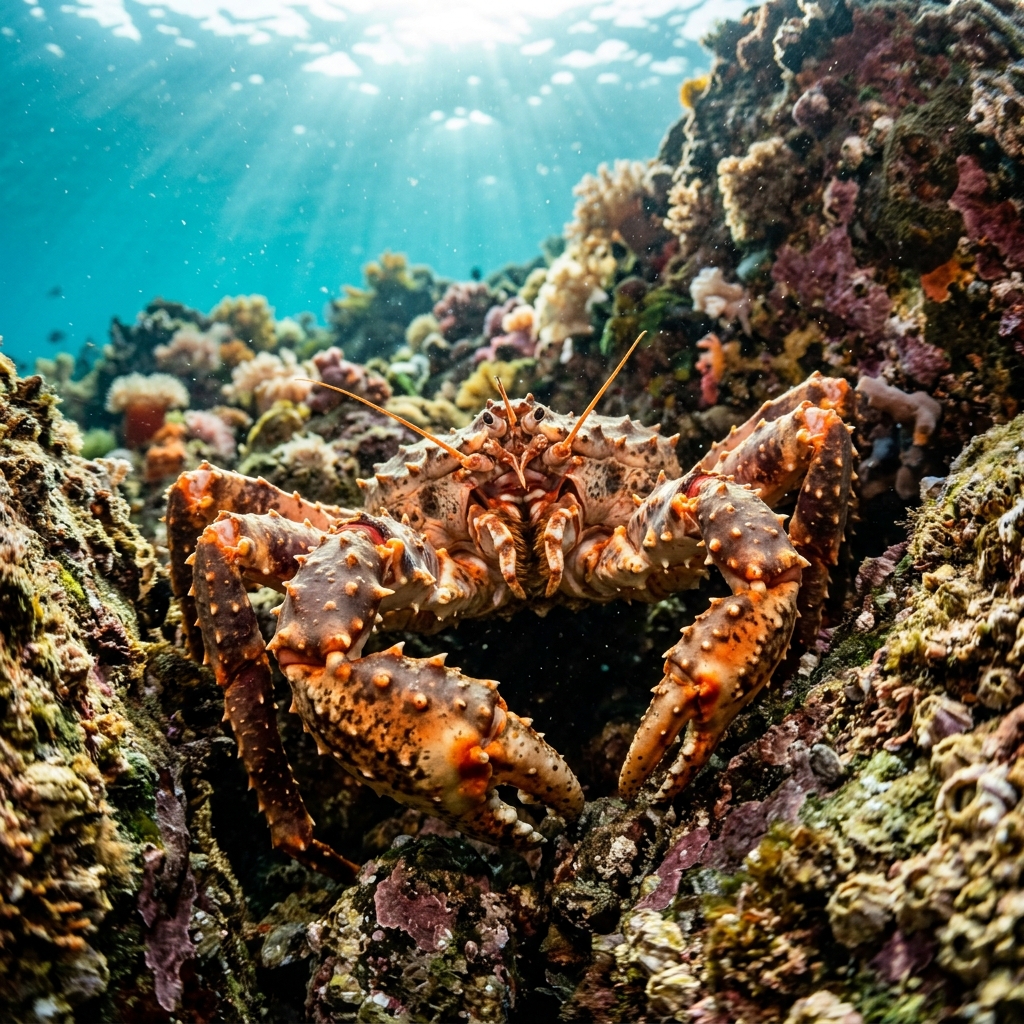
Reef neighbours a diver could mistake it for. Use the identification notes above to tell them apart.
This is a reliable find across Mediterranean rocky reefs, most consistently logged in France (especially the French Riviera and Provence) and Spain (particularly Catalonia), with strong numbers also in Croatia's Kvarner and Istria regions. It also turns up regularly in the Canary Islands, Greece, Malta, Italy and Cyprus, making it one of the more widespread small crustaceans on European dive sites.
Mapping where Striped Hermit Crab is logged…
It is most commonly logged on rocky reef sites in France's Riviera and Provence, Catalonia in Spain, and Croatia's Kvarner and Istria regions, with further sightings in the Canary Islands, Greece, Malta, Italy and Cyprus.
There is no strong seasonal pattern in sightings, and it stays within a 15.6 to 21.6 C range, so it can be found on Mediterranean rocky reefs across the diving season rather than during one particular month.
Check the legs for fine reddish or purple stripes against a lighter background, and look for a small crab riding in a spiral shell rather than a bare-bodied crab. Long thin antennae often poke out first as it senses its surroundings.
No, they pose no danger to divers. They are small, slow-moving scavengers that retreat into their shell if disturbed rather than defend themselves.
It has a soft, unprotected abdomen, so it occupies an empty snail shell for cover and swaps to a bigger one as it outgrows the old one. This shell-swapping habit is one of the more interesting things to watch for underwater if you find one near an empty shell.
Site and sighting data is aggregated from diver logs, iNaturalist and GBIF. For taxonomy and conservation status:
European Green Crab
2,469 sites