Salarias ramosus
Spot this speckled reef blenny on rubble and coral in Visayas and Sulawesi, comfortable year-round in warm 25-29C water.
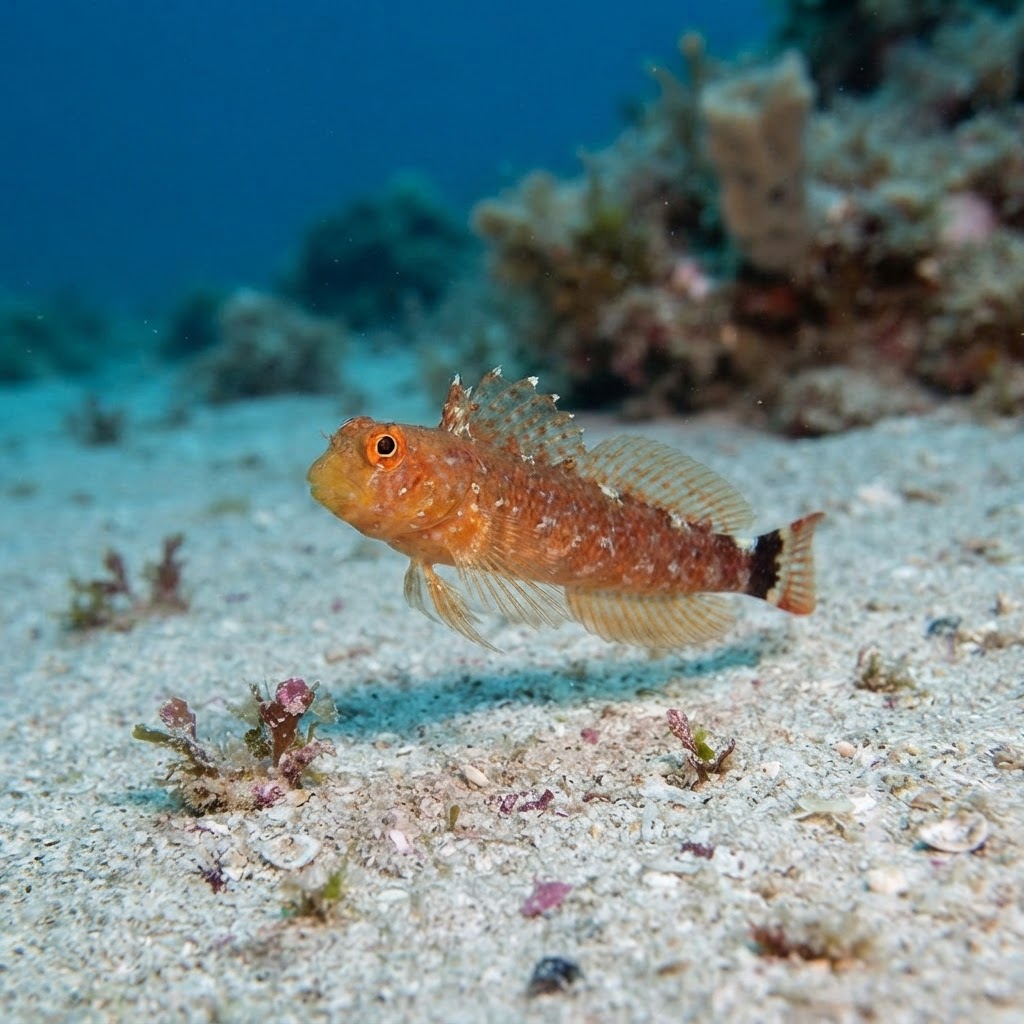
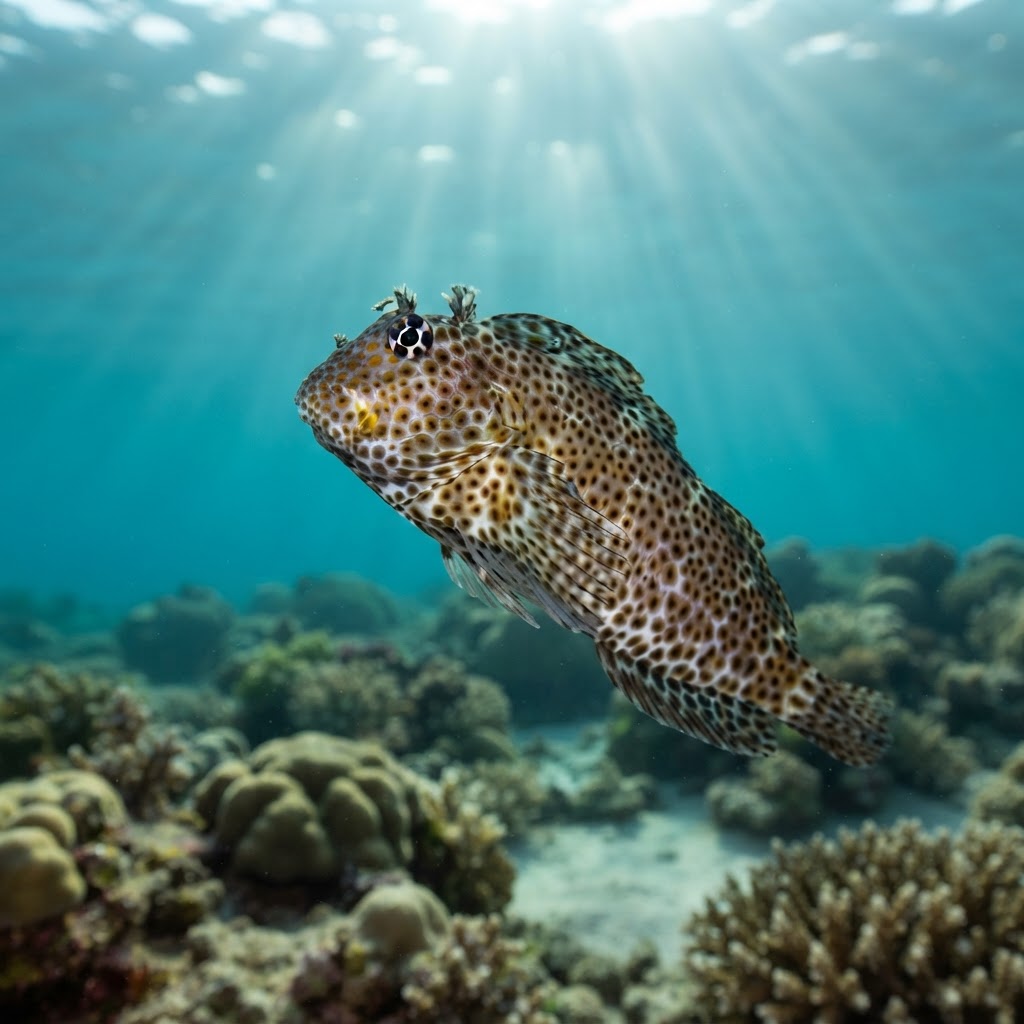
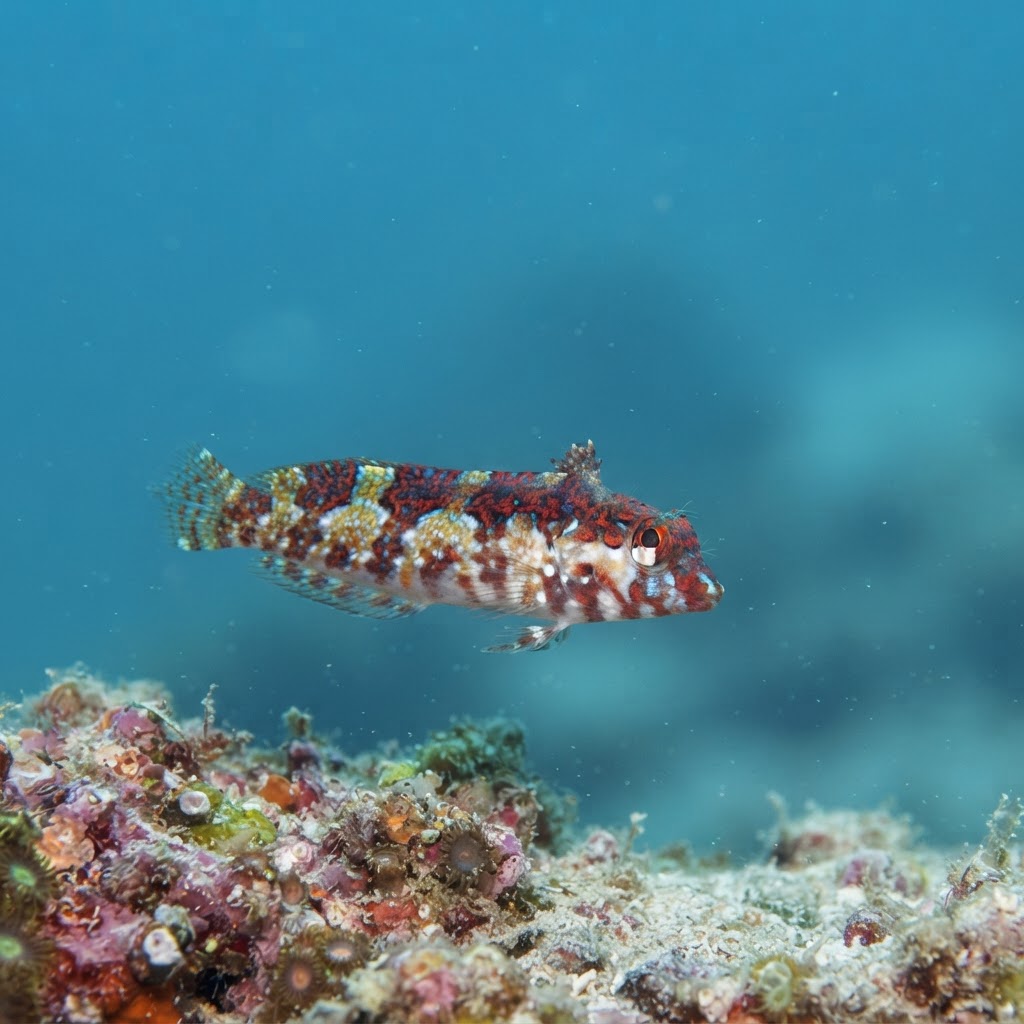
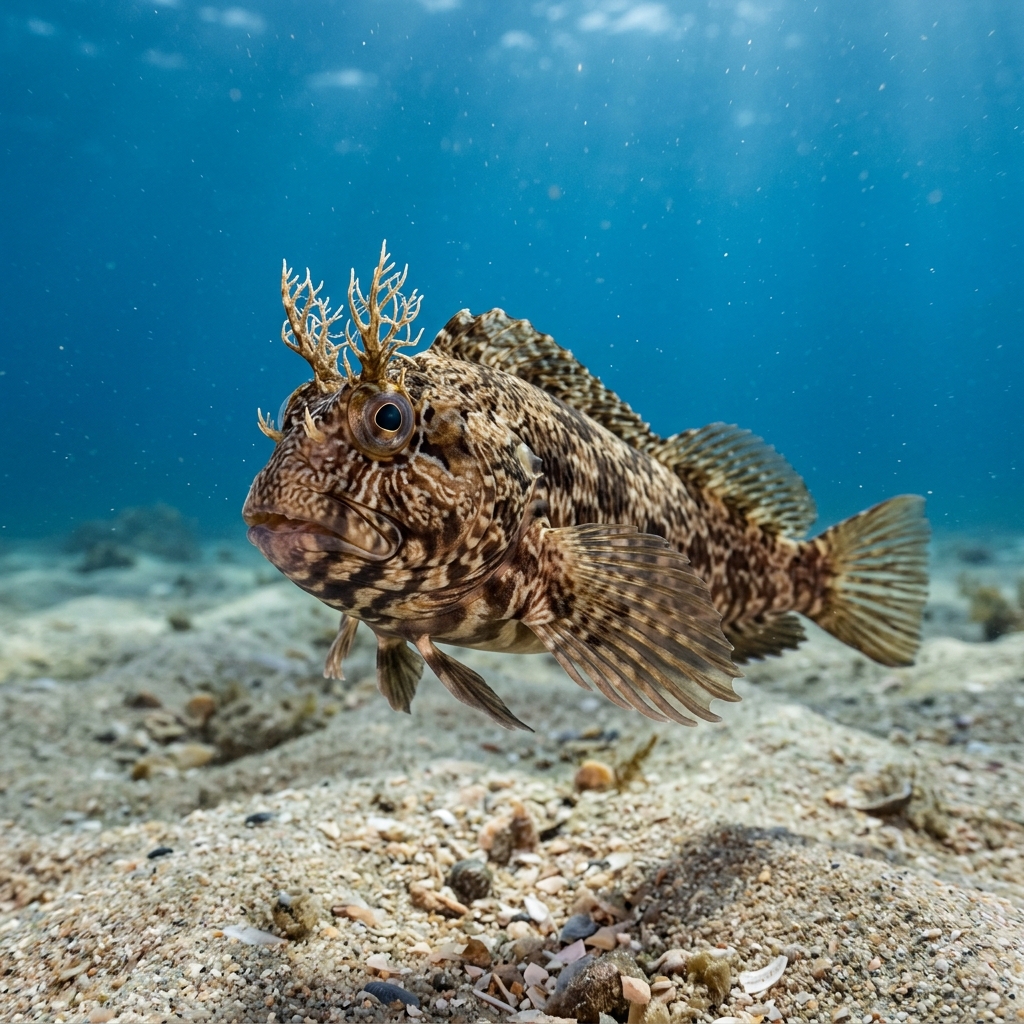
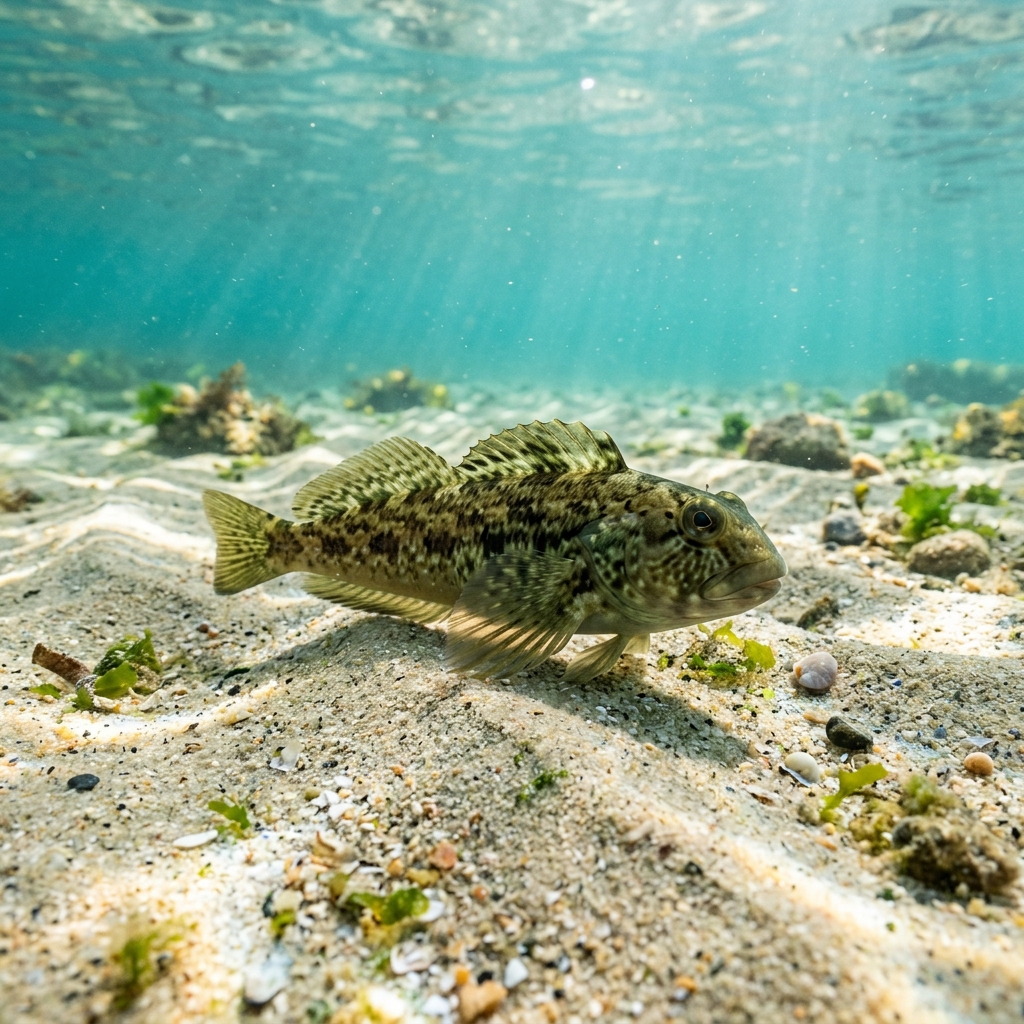
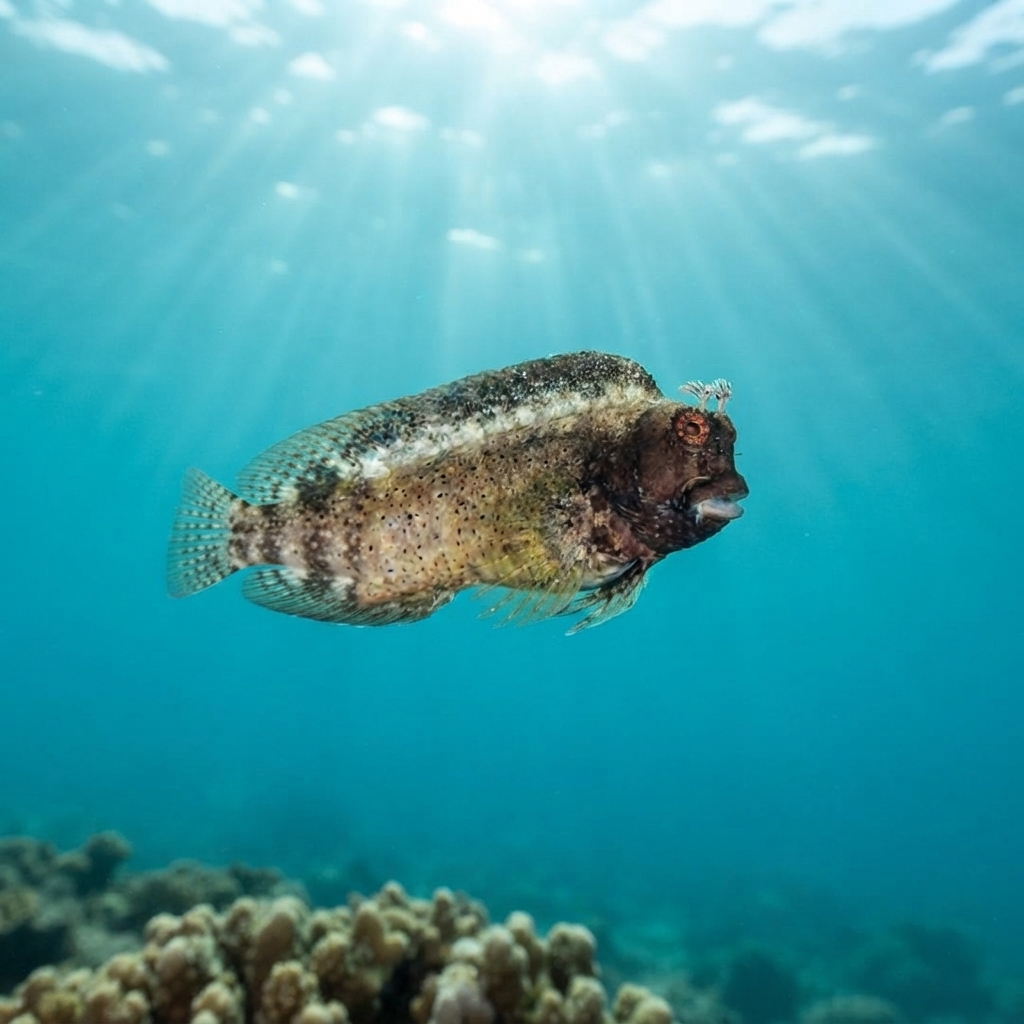
A stubby 10 cm blenny covered in fine pale spots that give it a starry, speckled look against a darker olive-brown body. Look for the blunt, rounded head typical of blennies, small cirri (fleshy tufts) above the eyes, and a habit of resting propped on its pectoral fins rather than swimming freely. It perches motionless on rubble or dead coral, blending in until it dashes a few centimetres to a new spot.
Spends most of its time perched still on coral rubble or dead coral heads, grazing algae off the surface in short bursts. It is easy to swim straight past since it freezes rather than flees, then flicks a short distance away if you get too close. Best looked for on slow, close-focus passes over rubble patches and reef flats rather than mid-water scanning.
Like other blennies it lacks scales and instead has a mucus-coated skin, which is part of why it can sit tight against rough coral rubble without getting scraped up.
No clear season shows in the sightings data, and with a comfortable range of 25.3 to 29.2C it likely sits on these reefs year-round. Plan around good visibility and calm shallow conditions rather than a particular month.
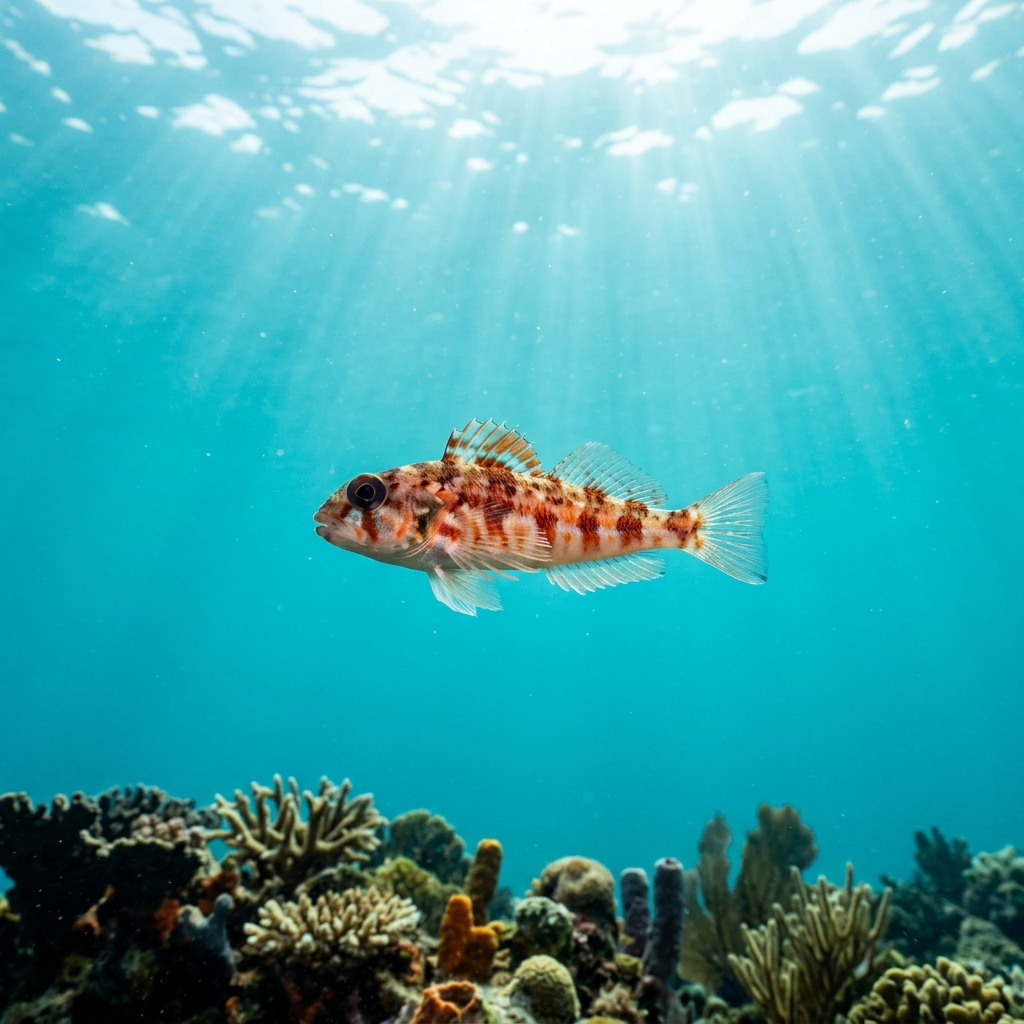
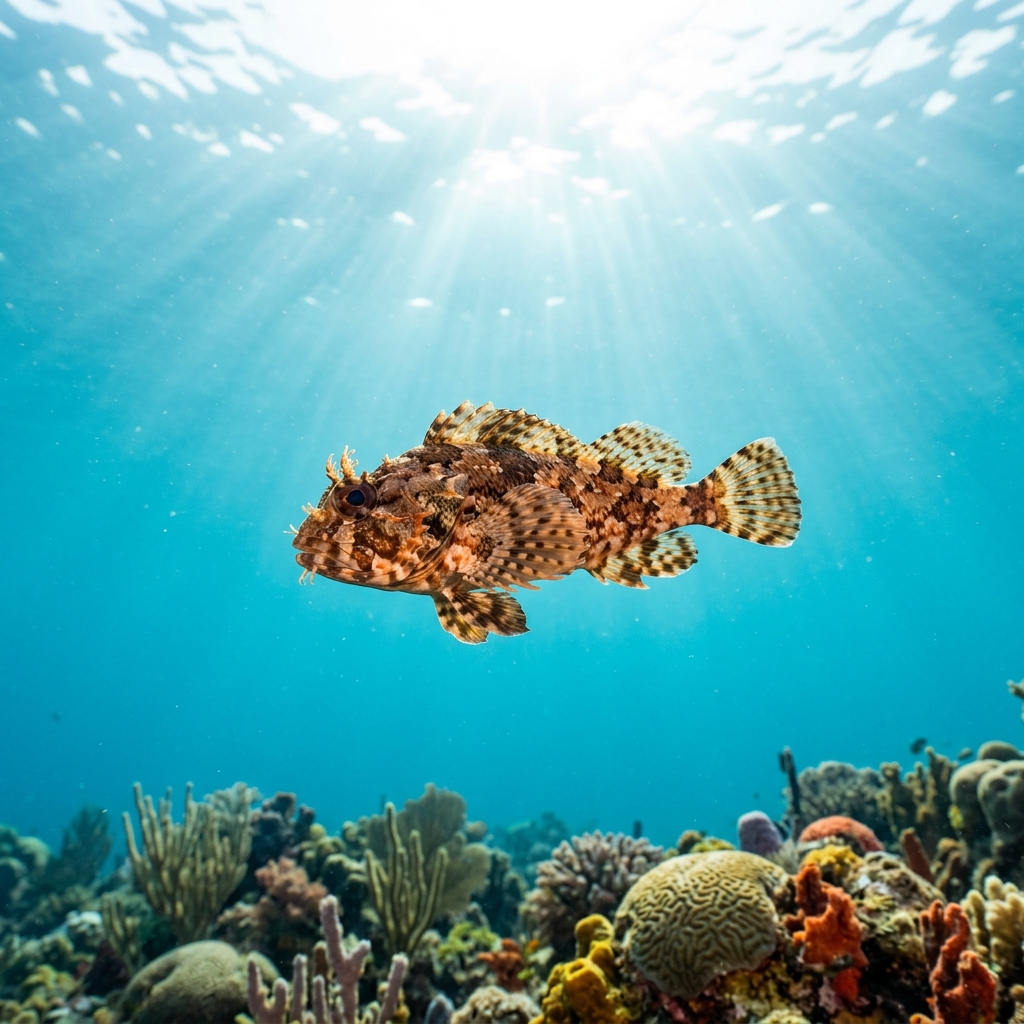
Reef neighbours a diver could mistake it for. Use the identification notes above to tell them apart.
Most reliably logged in the Philippines, especially across the Visayas region, with a strong secondary population in Indonesia's Sulawesi. Divers doing rubble and reef-flat sites in these two areas have the best odds of spotting it, though it stays an uncommon find even where it turns up.
Mapping where Starry Blenny is logged…
The best-documented sightings come from the Visayas region of the Philippines and Sulawesi in Indonesia, on rubble and reef-flat dive sites. It stays uncommon even in these areas, so treat it as a bonus find rather than a guaranteed sighting.
There is no detected season, so it appears to be a year-round sighting on tropical reefs holding 25 to 29C water. Any time you are diving Visayas or Sulawesi reef flats is worth a slow look at the rubble.
Check for a stubby 10 cm body covered in fine pale spots, a blunt rounded head, and small tufts above the eyes. It perches still on rubble propped on its pectoral fins rather than swimming in open water.
They stay small, reaching around 10 cm, so they are easy to miss unless you are looking closely at rubble and dead coral surfaces.
No. They are harmless, small reef fish with no sting or bite risk to divers, and typically just dart away a short distance if approached.
Like most blennies it has no scales, relying instead on a mucus-coated skin that lets it sit and graze right against sharp coral rubble without injury.
Site and sighting data is aggregated from diver logs, iNaturalist and GBIF. For taxonomy and conservation status:
Rusty Blenny
2,605 sites