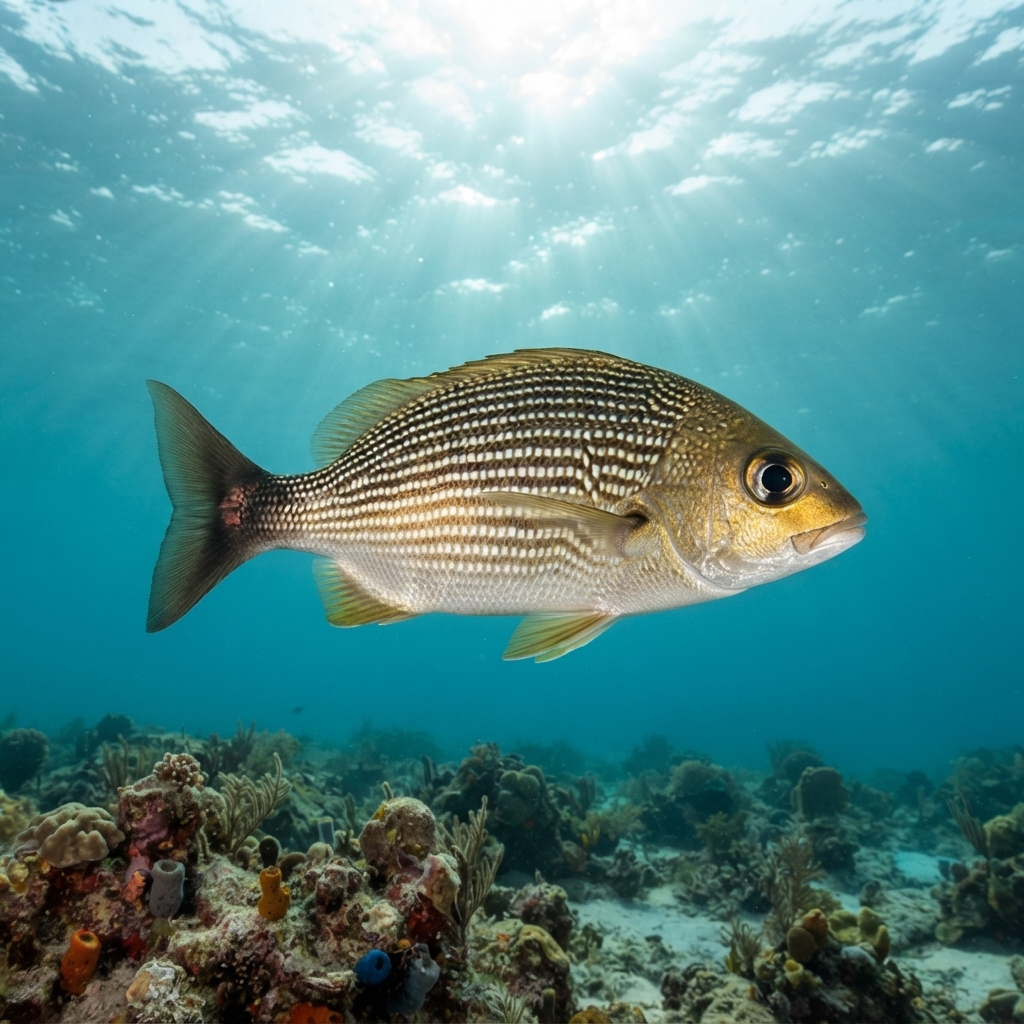
Haemulon maculicauda
A reef fish logged along Baja California and Guanacaste in waters from 22 to 29C, usually alone or in small loose groups.
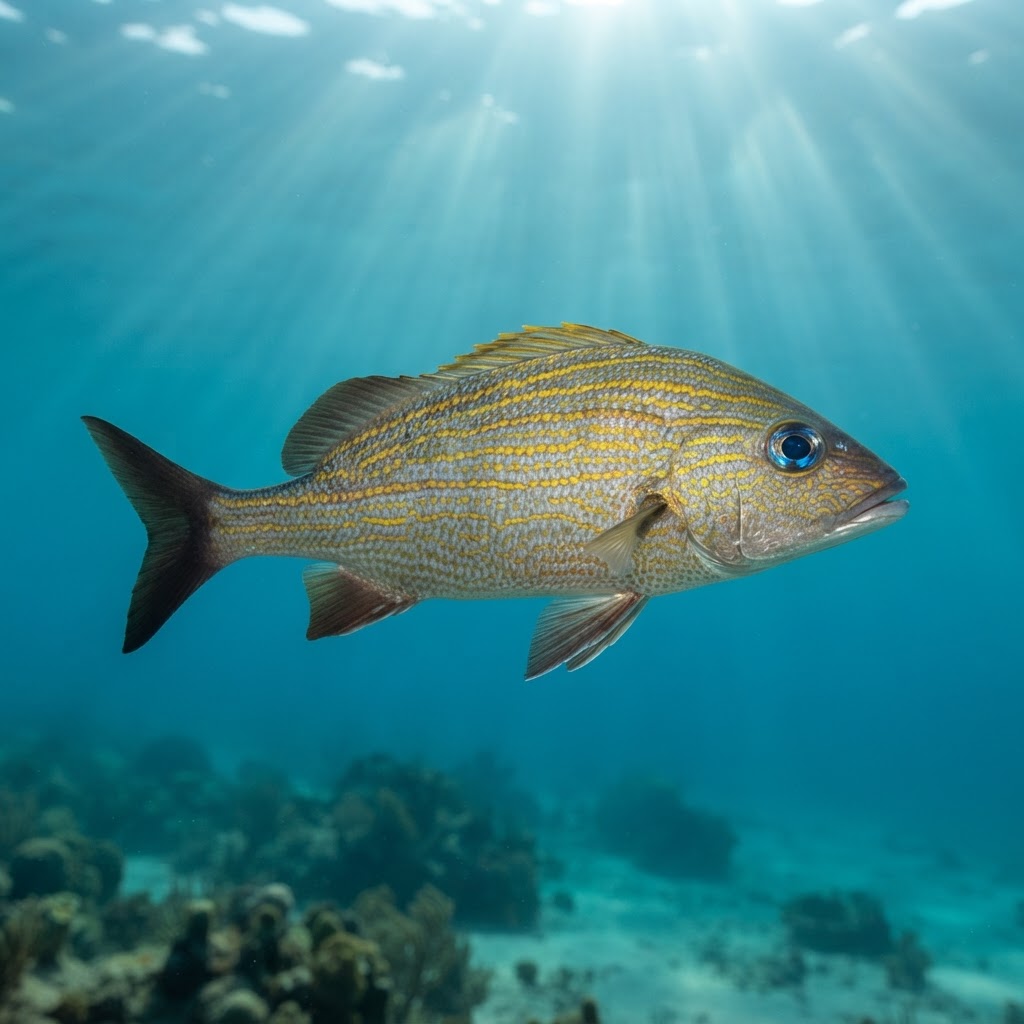
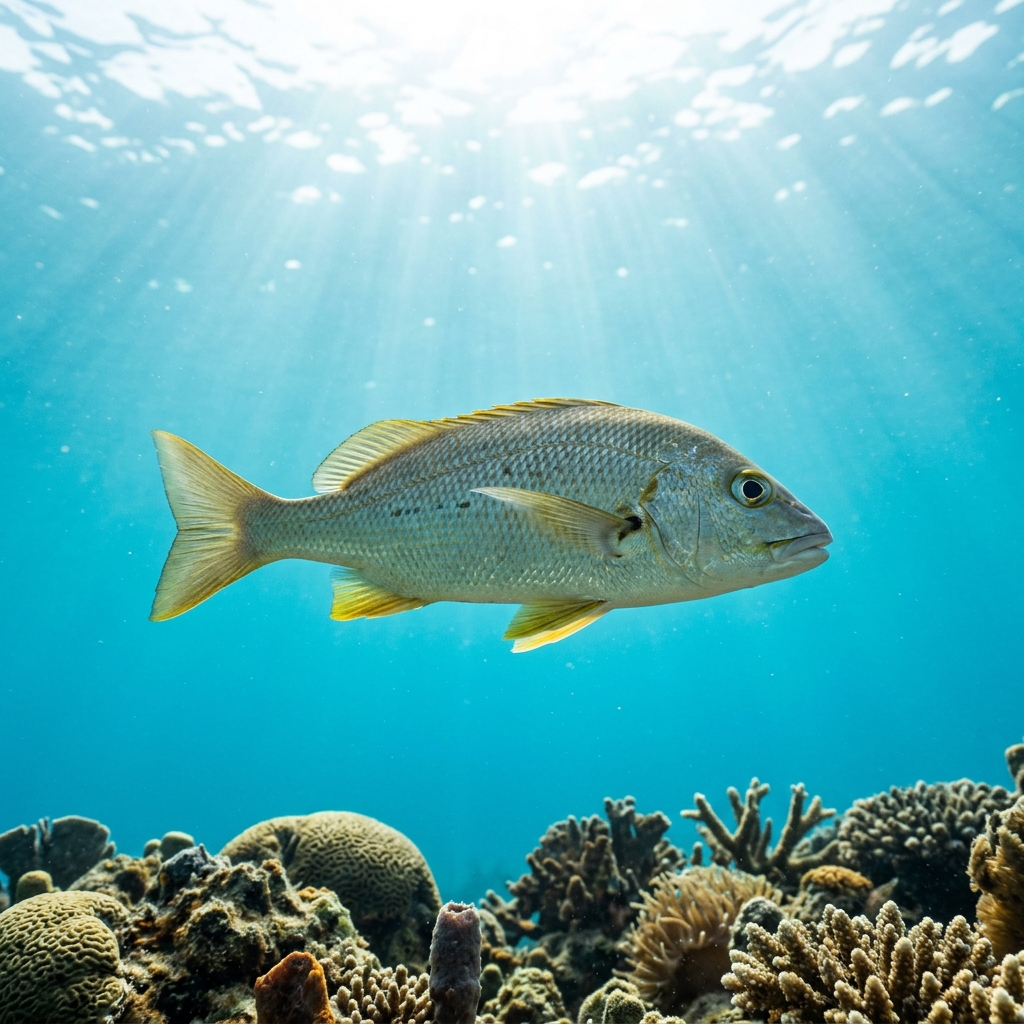
A slim, silvery-grey grunt around 21 cm, with a dark blotch or spot at the base of the tail that gives it its name. The body has faint horizontal striping along the upper sides and a fairly steep, blunt-nosed profile typical of grunts. Look for it hovering just off the reef structure rather than tight against it, usually alone or in a loose scattering of a few individuals rather than a dense school.
Divers typically find it hovering just above rocky or reef structure rather than schooling tightly, often solo or in small loose groups spread across a site. As a reef-associated carnivore it forages over and around structure rather than out in open water, and it tends to hold its position calmly rather than bolting when a diver approaches slowly.
Like other grunts, it can produce a grunting sound by grinding its pharyngeal teeth, which is where the whole family gets its common name.
No clear seasonal pattern shows up in the sighting data, and with a comfortable range of roughly 22 to 29C it is present on these reefs year-round rather than tied to a particular month.
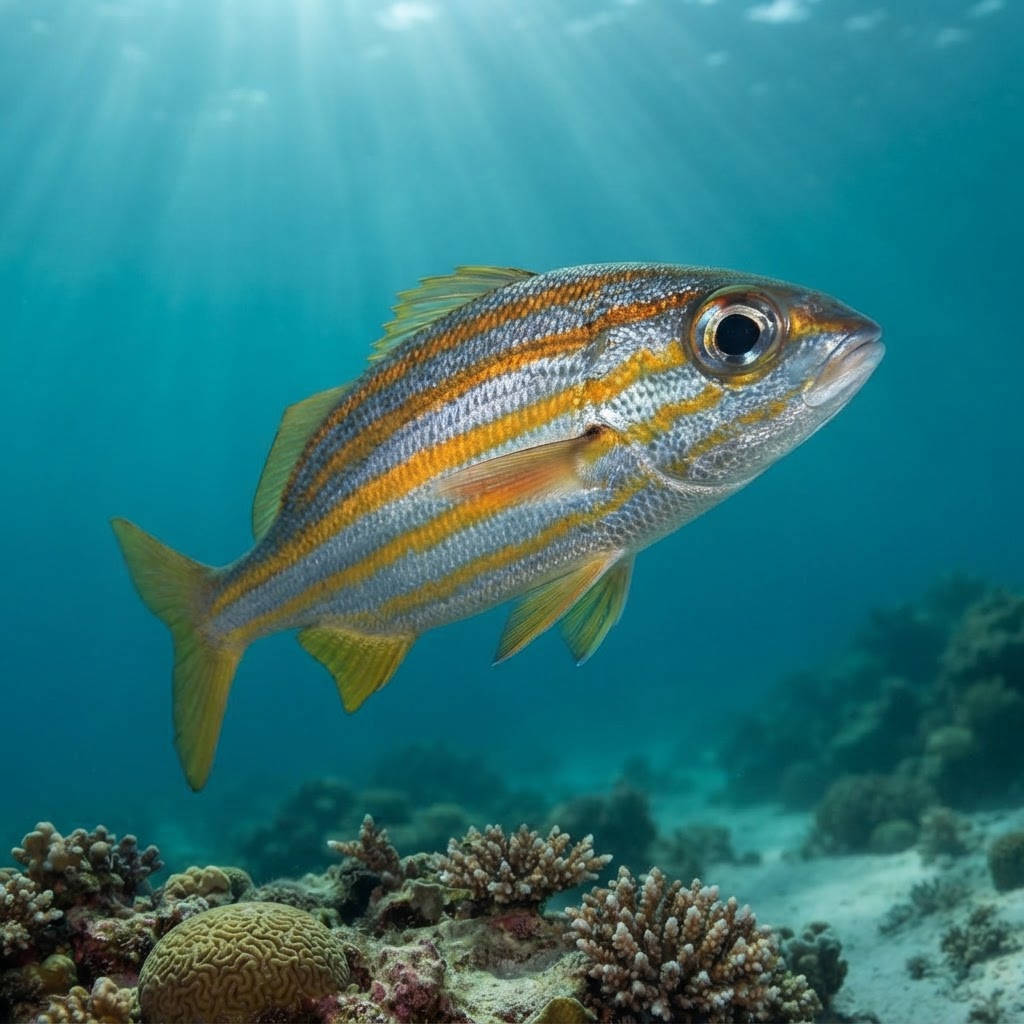
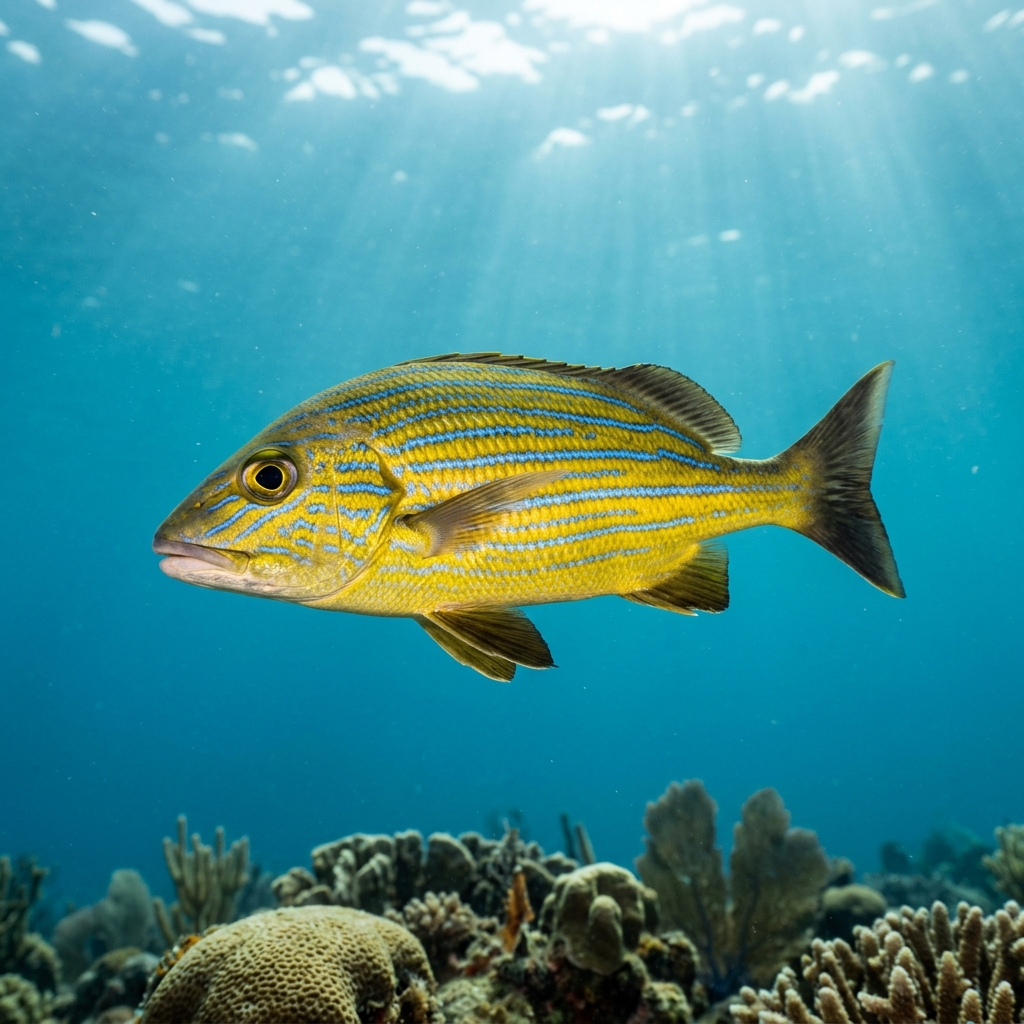
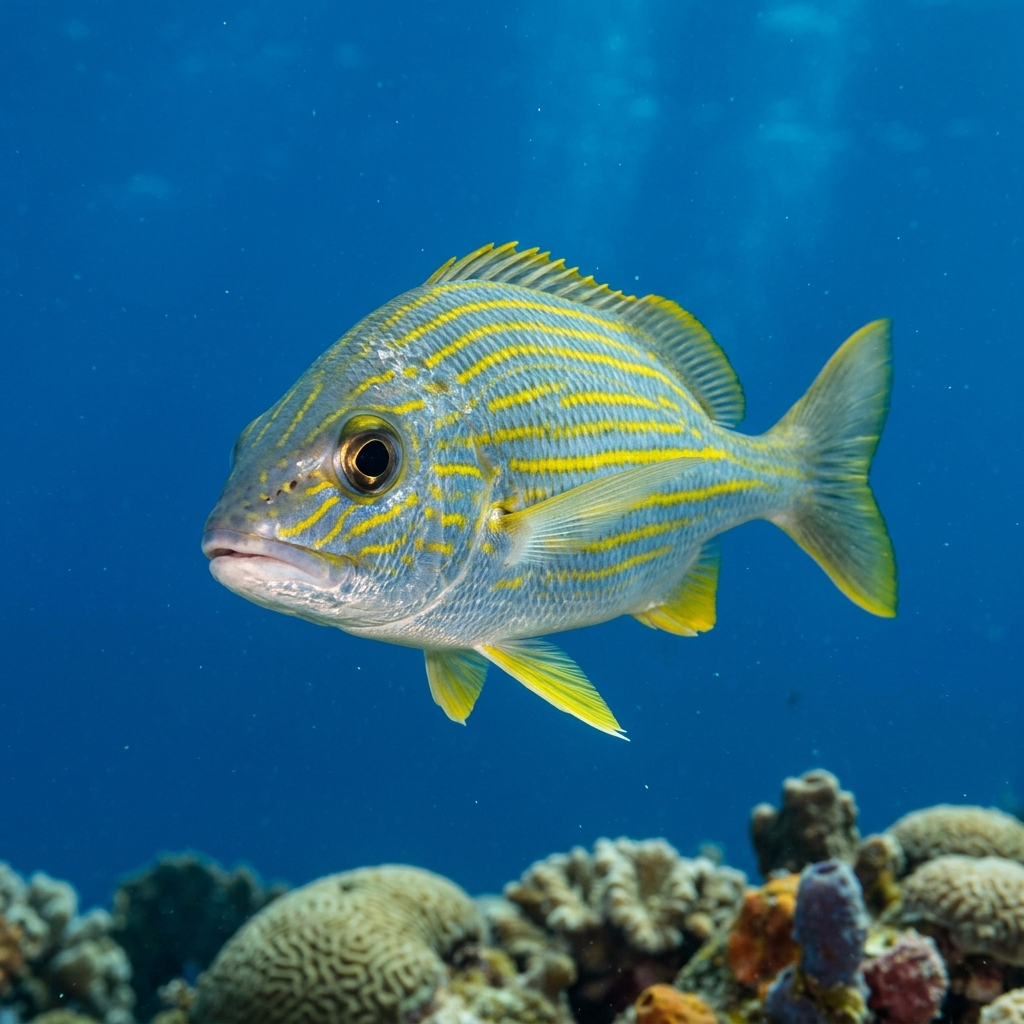
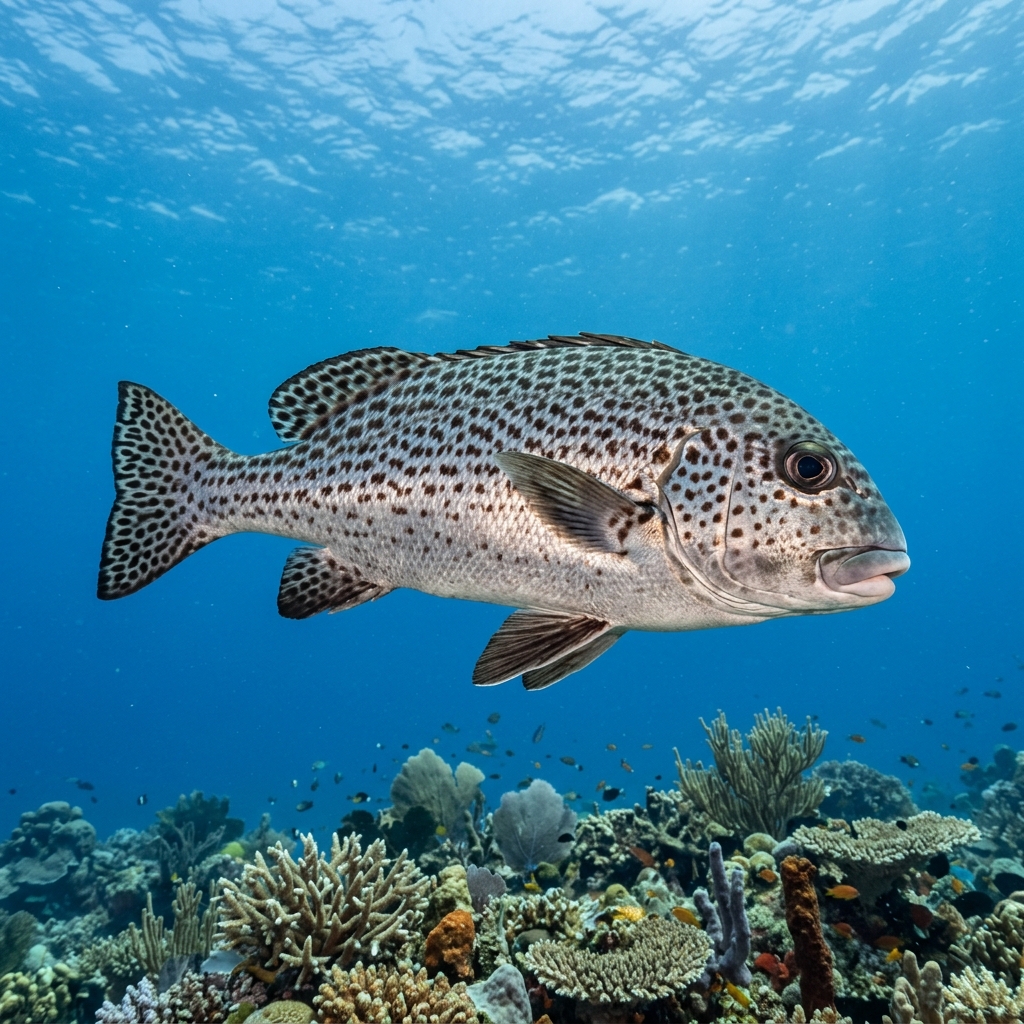
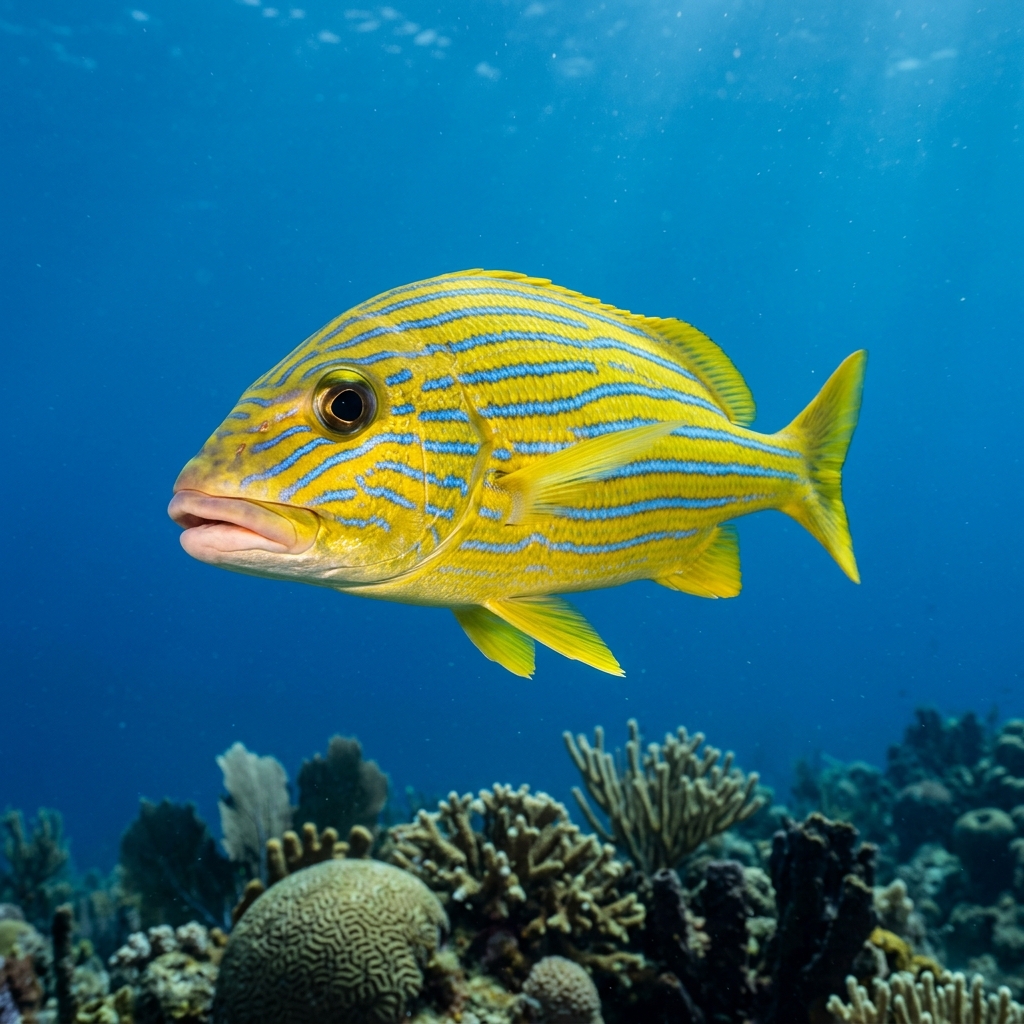
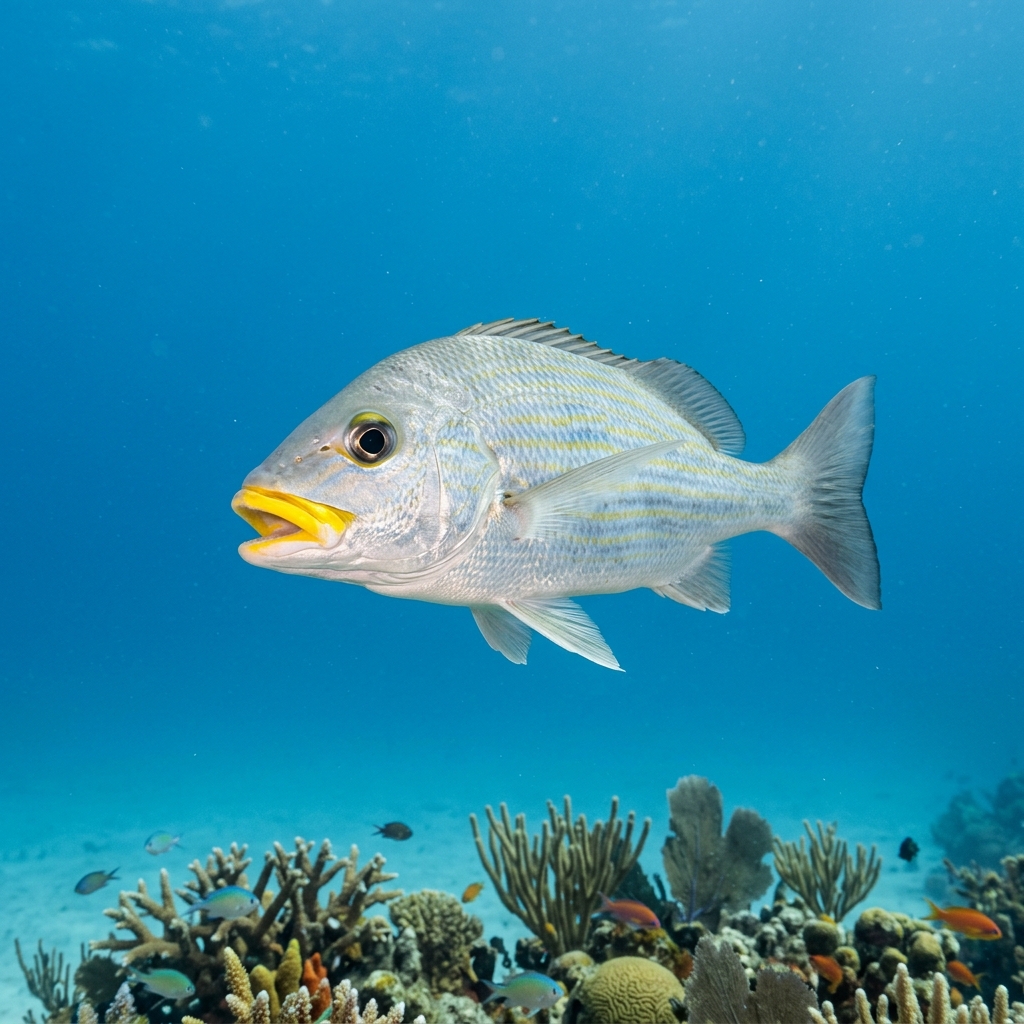
Reef neighbours a diver could mistake it for. Use the identification notes above to tell them apart.
Most commonly logged along the Pacific coast of Mexico, especially Baja California, and it turns up reliably in Guanacaste and the South Pacific region of Costa Rica. Divers also find it along Panama's Pacific coast, with a smaller scatter of sightings off Ecuador's Pacific coast.
Mapping where Spottail Grunt is logged…
Baja California and the Pacific coast of Mexico are strongholds, along with Guanacaste and the South Pacific region of Costa Rica. It also shows up along Panama's Pacific coast and, less often, off Ecuador.
There is no strong seasonal signal in the sighting data, so it is considered a year-round sighting on these Pacific reefs given its comfortable 22 to 29C temperature range.
Look for a silvery-grey body around 21 cm long with faint horizontal stripes and a distinct dark spot at the base of the tail. It usually hovers near reef structure alone or in small loose groups rather than schooling tightly.
They typically reach about 21 cm in length, a modest size that puts them among the smaller members of the grunt family divers encounter on Pacific reefs.
Yes, like other grunts they can produce an audible grunting sound by grinding their pharyngeal teeth together, a trait shared across the Haemulidae family.
Site and sighting data is aggregated from diver logs, iNaturalist and GBIF. For taxonomy and conservation status:
Bluestriped Grunt
1,907 sites