Thorunna australis
A rare nudibranch find logged in Kwajalein Atoll, Marshall Islands, in warm 24 to 30C water year-round.
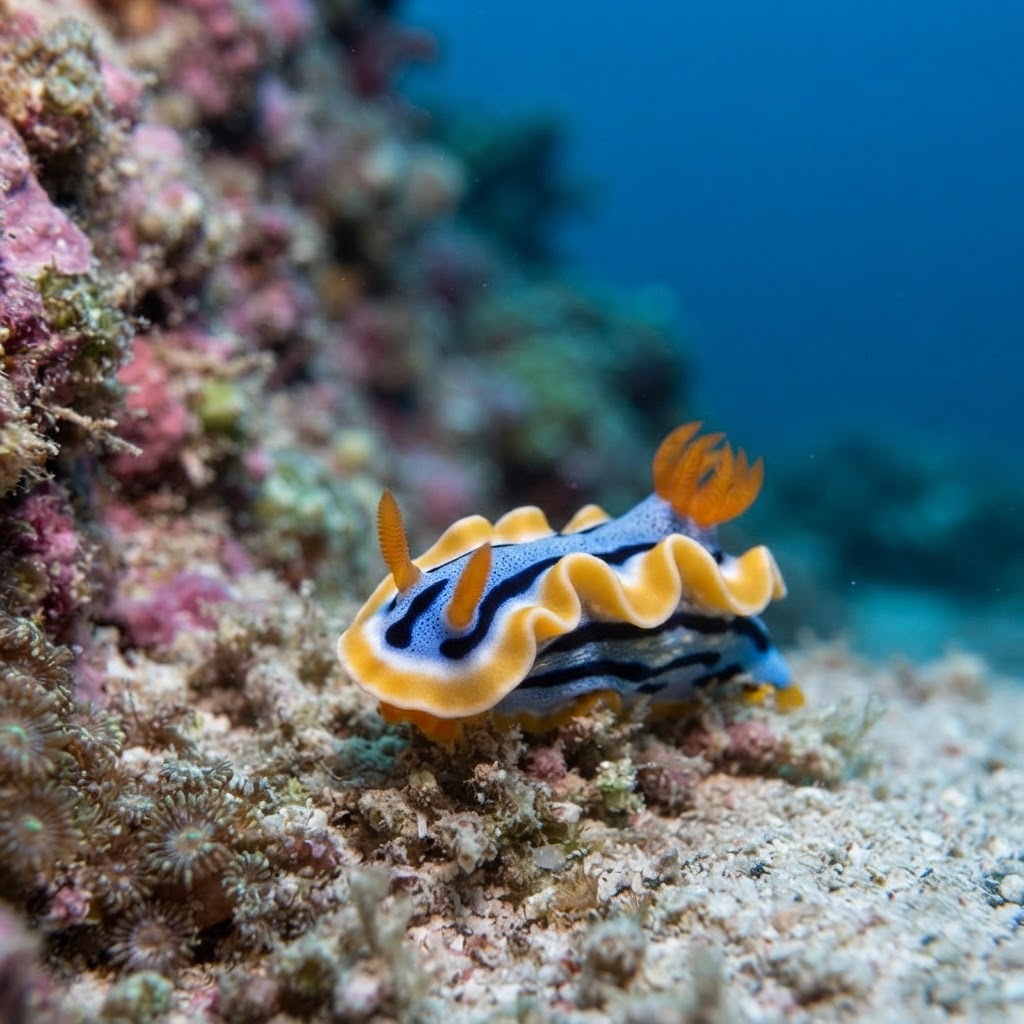
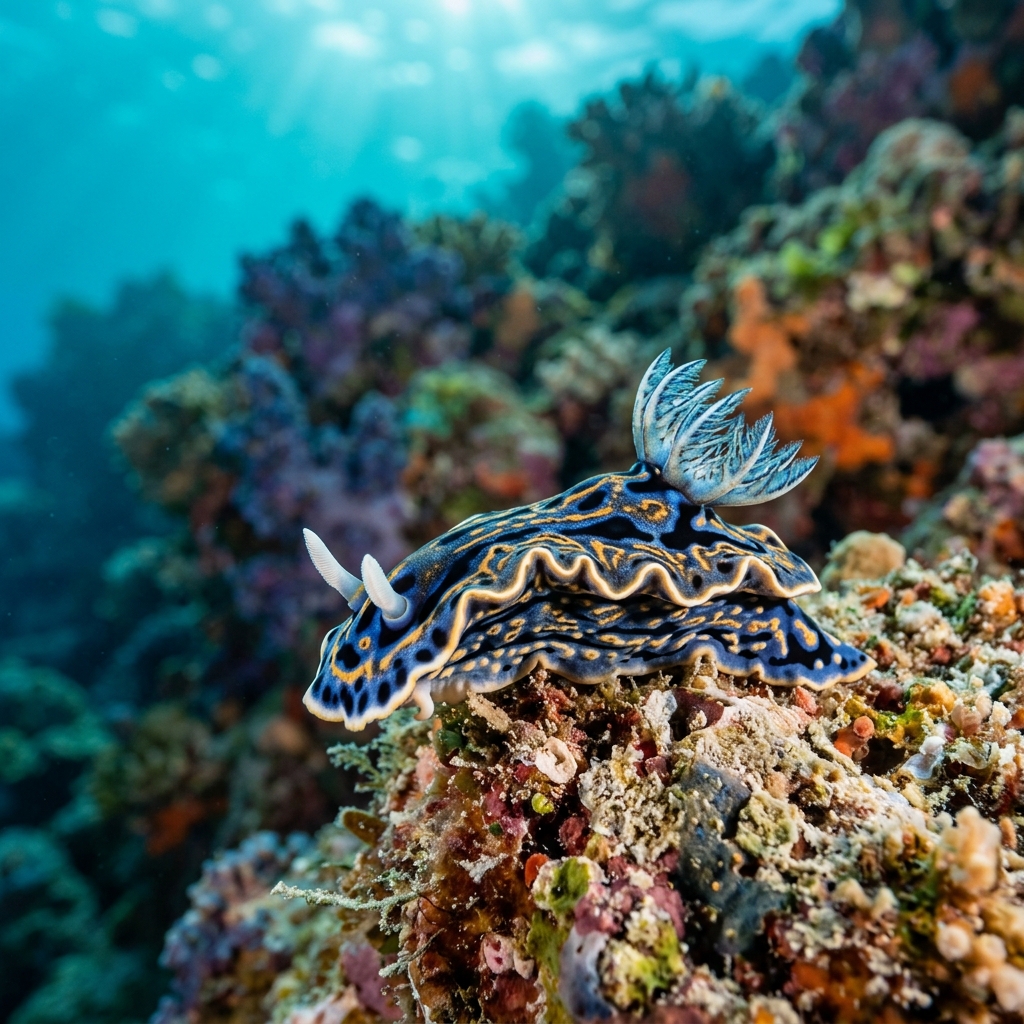
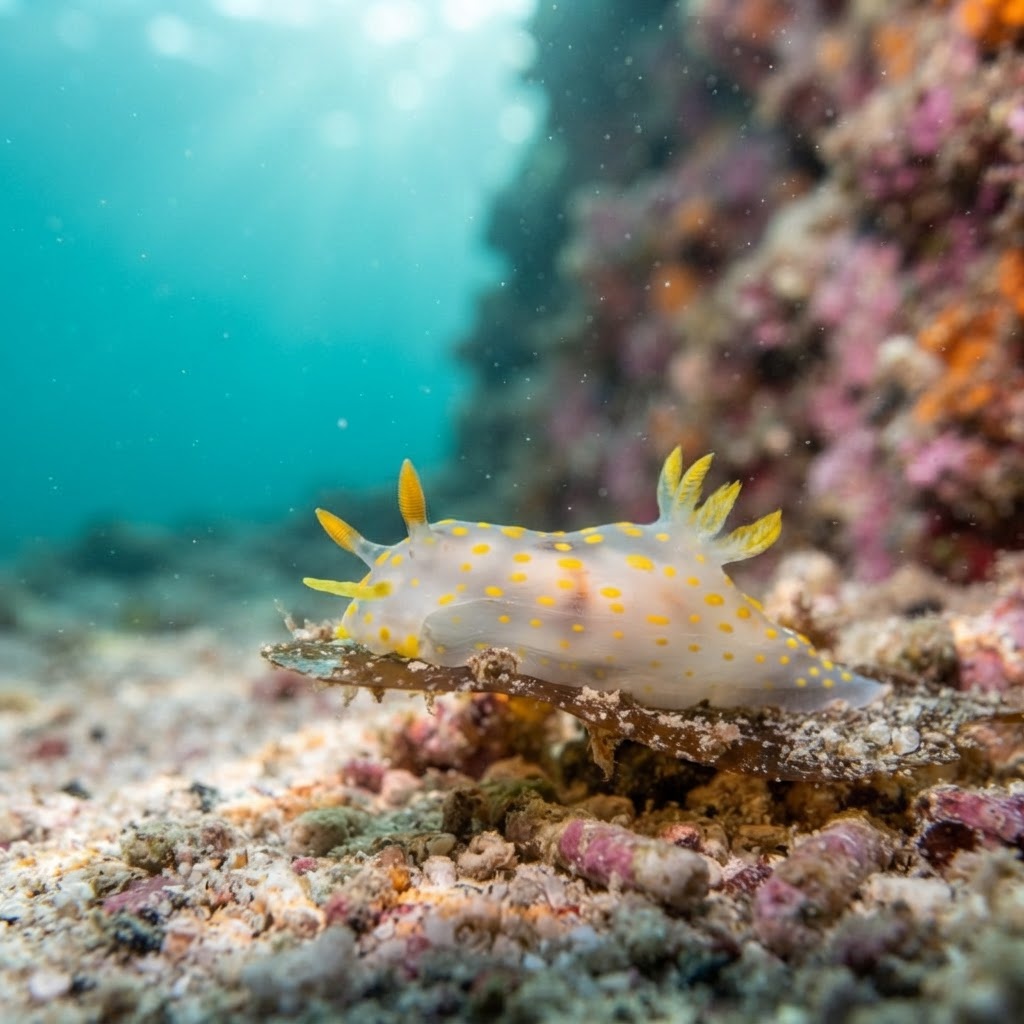
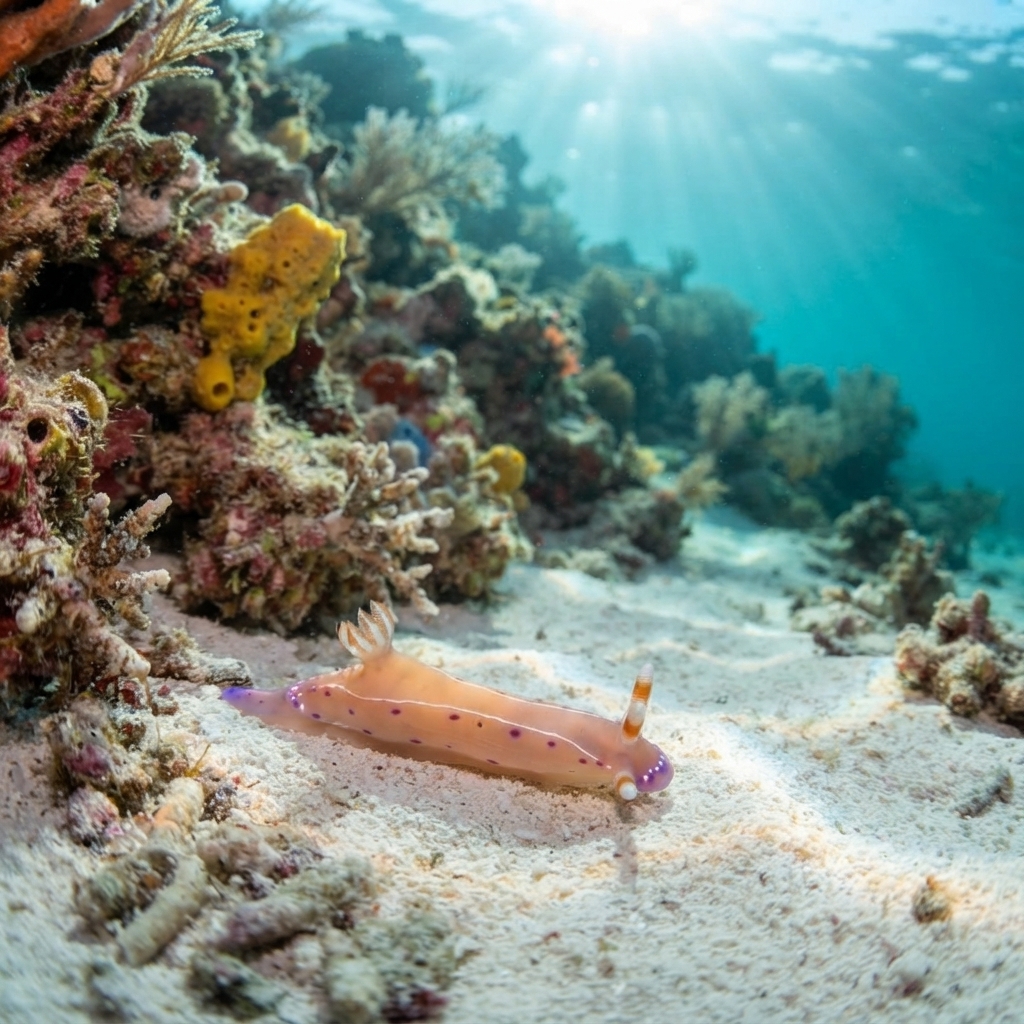
A small sea slug (nudibranch) with a smooth, elongated mantle typical of the chromodorid family, likely showing the banded or spotted colour patterning this genus is known for along the mantle edge. Look for the pair of rhinophores (sensory tentacles) on the head and the gill cluster near the tail, the classic features divers use to pick out any dorid on the reef. Exact size and colour details are not well documented for this species, so a close, careful look and a comparison photo are your best bet for a confident ID.
Like other chromodorid nudibranchs, it's almost certainly found creeping slowly over reef substrate, sponges, or rubble rather than swimming, feeding as it goes. Divers should expect a stationary, easy-to-photograph subject that pays no attention to a slow, careful approach.
Chromodorid nudibranchs in this family typically feed on sponges and store or repurpose chemical compounds from their prey as a defence against predators, a trait strongly suspected to apply here too.
There isn't enough logged data to show a clear season, and with a water-temperature niche of 24.3 to 30.3C, it's likely present on tropical reefs year-round rather than tied to a particular month.
Reef neighbours a diver could mistake it for. Use the identification notes above to tell them apart.
The only confirmed diver sighting comes from Kwajalein Atoll in the Marshall Islands, making this one of the harder chromodorid species to plan a dive around. If you're searching Pacific reef walls and lagoon slopes in this region, keep an eye out on rubble and sponge-covered substrate where dorids typically feed.
Mapping where Southern Rainbow Dorid is logged…
The only documented sighting is from Kwajalein Atoll in the Marshall Islands. It's considered a rare find even there, so treat any encounter as a bonus rather than a planned target.
There's not enough data to pin down a season. Given it's recorded in water between 24.3 and 30.3C, it's likely around on tropical reefs throughout the year.
Look for a small, smooth-bodied nudibranch with the typical chromodorid shape: a pair of rhinophores on the head and a gill tuft near the tail. Detailed colour and size records are scarce, so photograph any candidate closely for later comparison.
No. It poses no threat to divers and, like most nudibranchs, is best appreciated with eyes only and no touching.
As a chromodorid, it likely feeds on sponges and may use chemicals absorbed from its diet as a defence against predators, a strategy common across this nudibranch family.
Site and sighting data is aggregated from diver logs, iNaturalist and GBIF. For taxonomy and conservation status:
Blue Dragon
3,163 sites