Parapercis australis
A small sandperch found on reef flats in Queensland and Fiji, active in 24-28C water and easy to miss if you're not looking down.
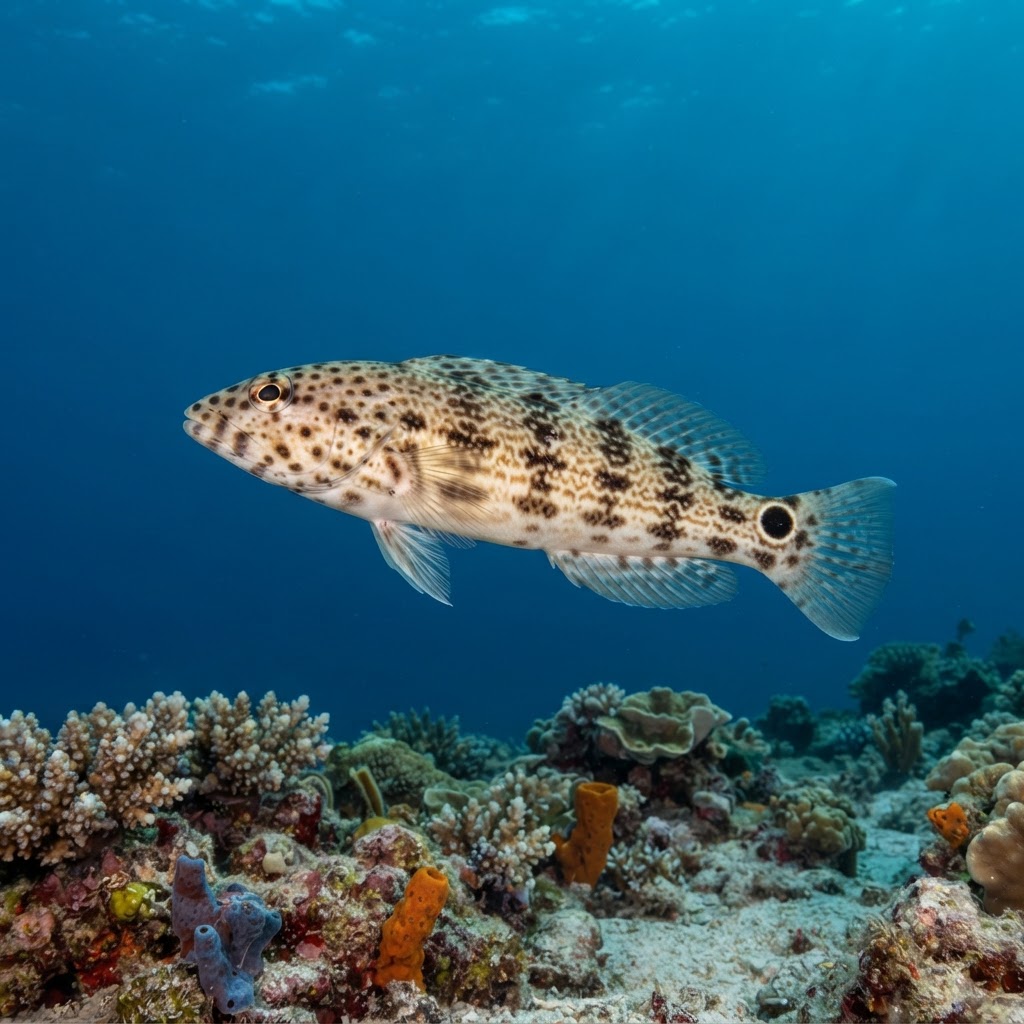
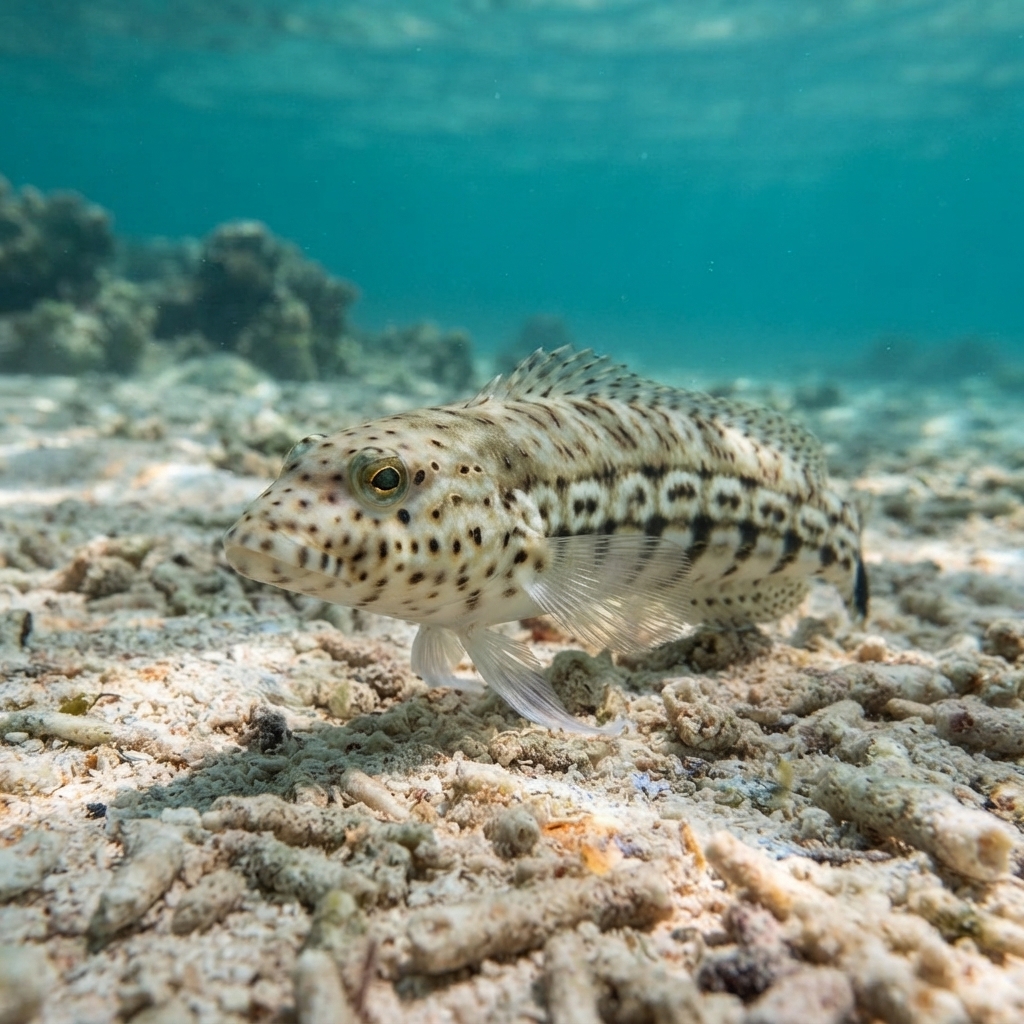
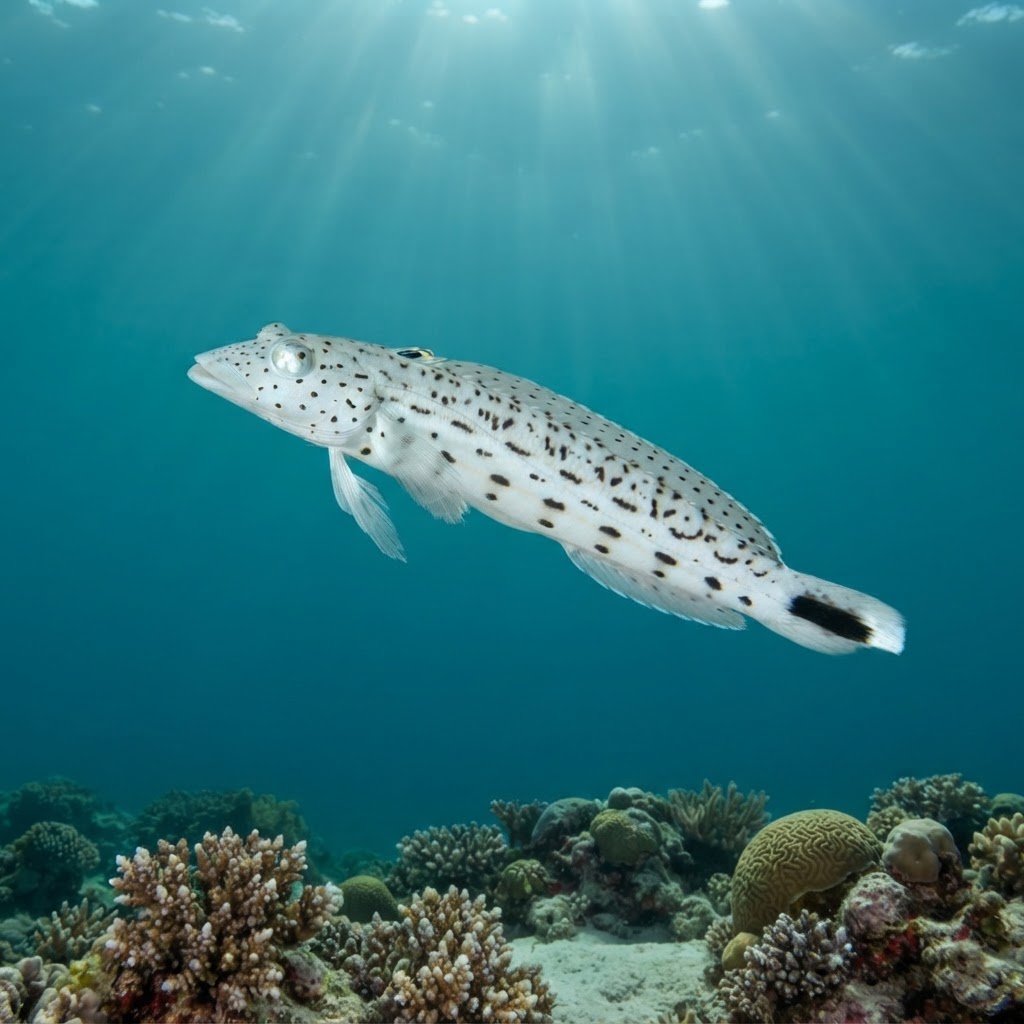
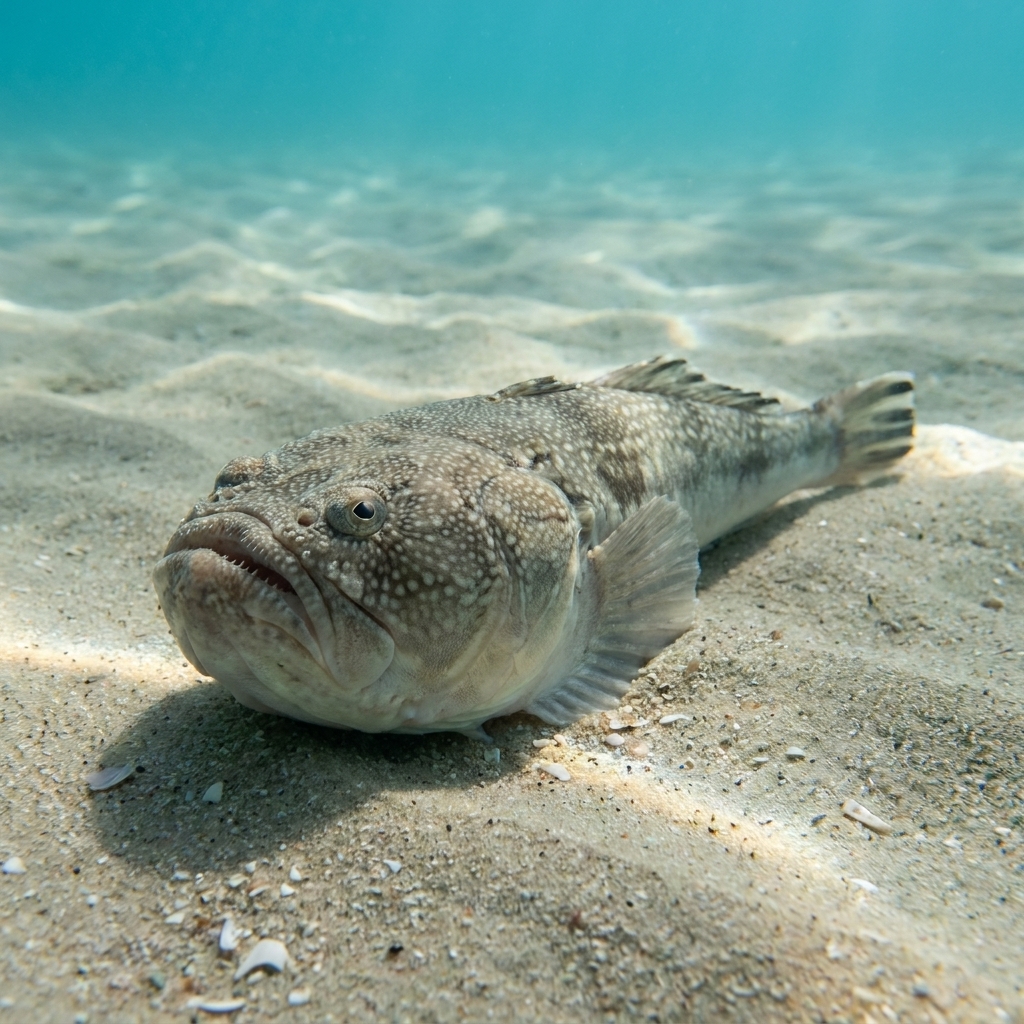
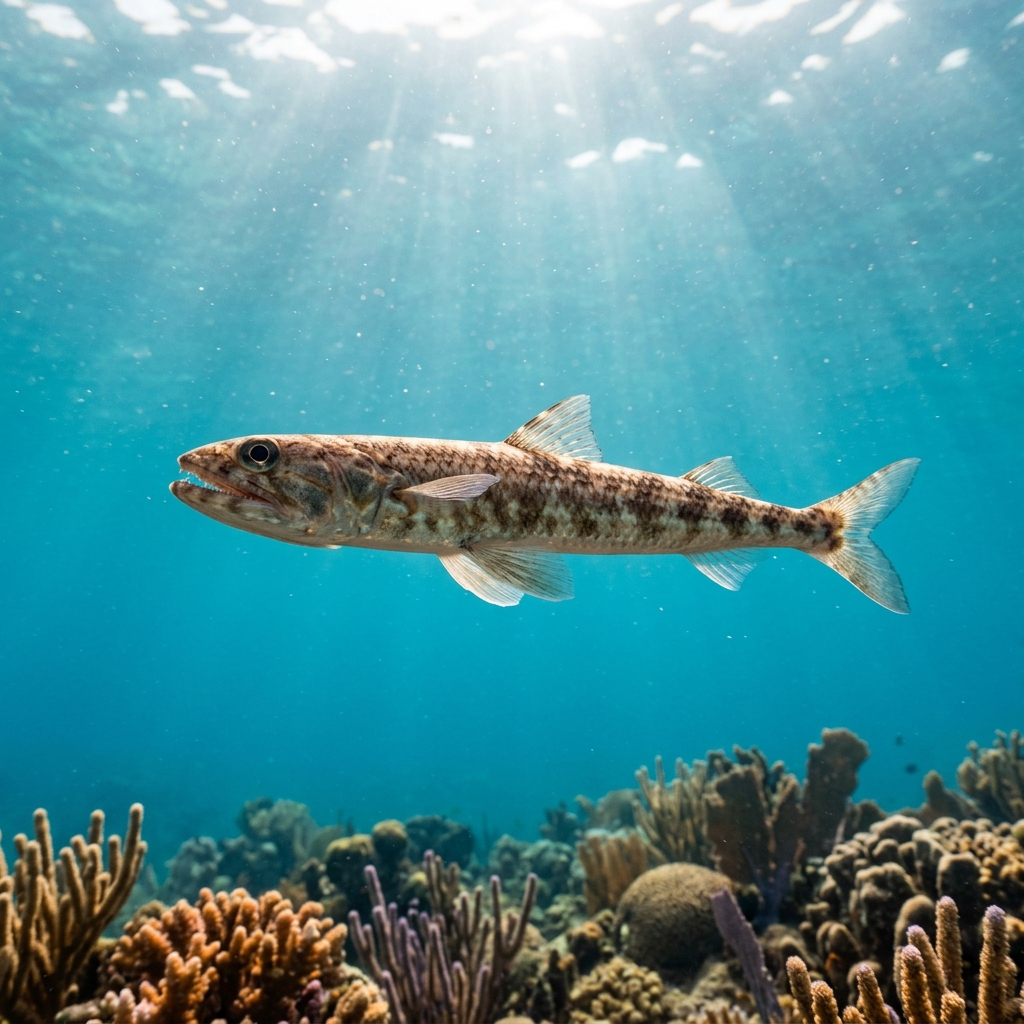
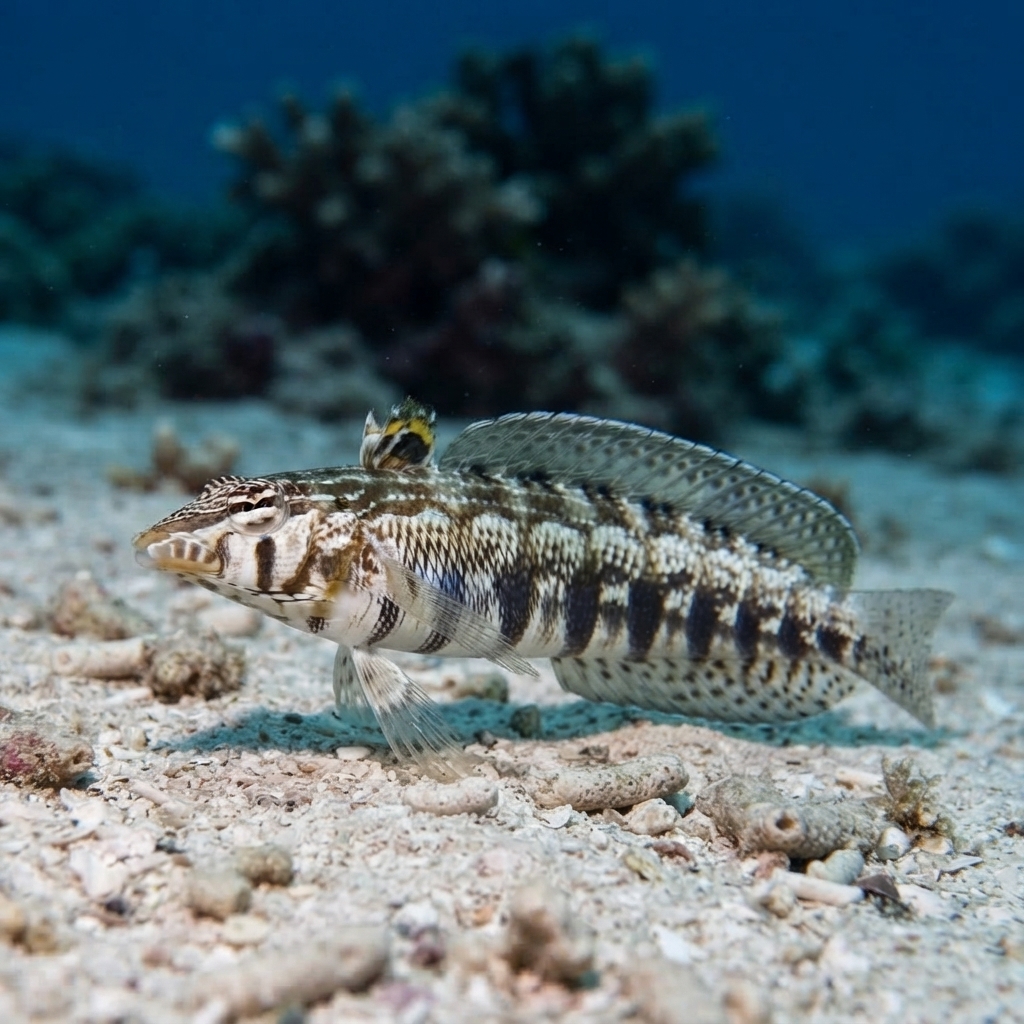
A slim, torpedo-shaped little fish only around 6 cm long, usually seen propped up on its pelvic fins on sand or rubble patches rather than swimming freely. Colouring is pale, sandy to grey-brown with faint mottled blotches along the flanks, which breaks up its outline against the seafloor. Look for the perched posture and the way it dashes a short distance and resettles, rather than any single bold marking.
Divers typically spot it perched motionless on its pelvic fins over sand or rubble, scanning for small prey rather than actively cruising the reef. It tends to hold its ground until a diver gets close, then makes a quick low dart to a new spot a short distance away and settles back down. Most sightings are on the reef periphery or open sand between coral heads, at a range of depths from shallow flats down past 80 metres.
Like other sandperches, it rests propped on its pelvic fins rather than lying flat or hovering, a posture that lets it launch instantly at passing prey or away from a threat.
Sightings show no clear seasonal pattern, and with a comfortable range of 24.3 to 27.9C, conditions stay suitable for it year-round on these tropical and subtropical reefs. Plan around good visibility and calm sand-patch conditions rather than a particular month.
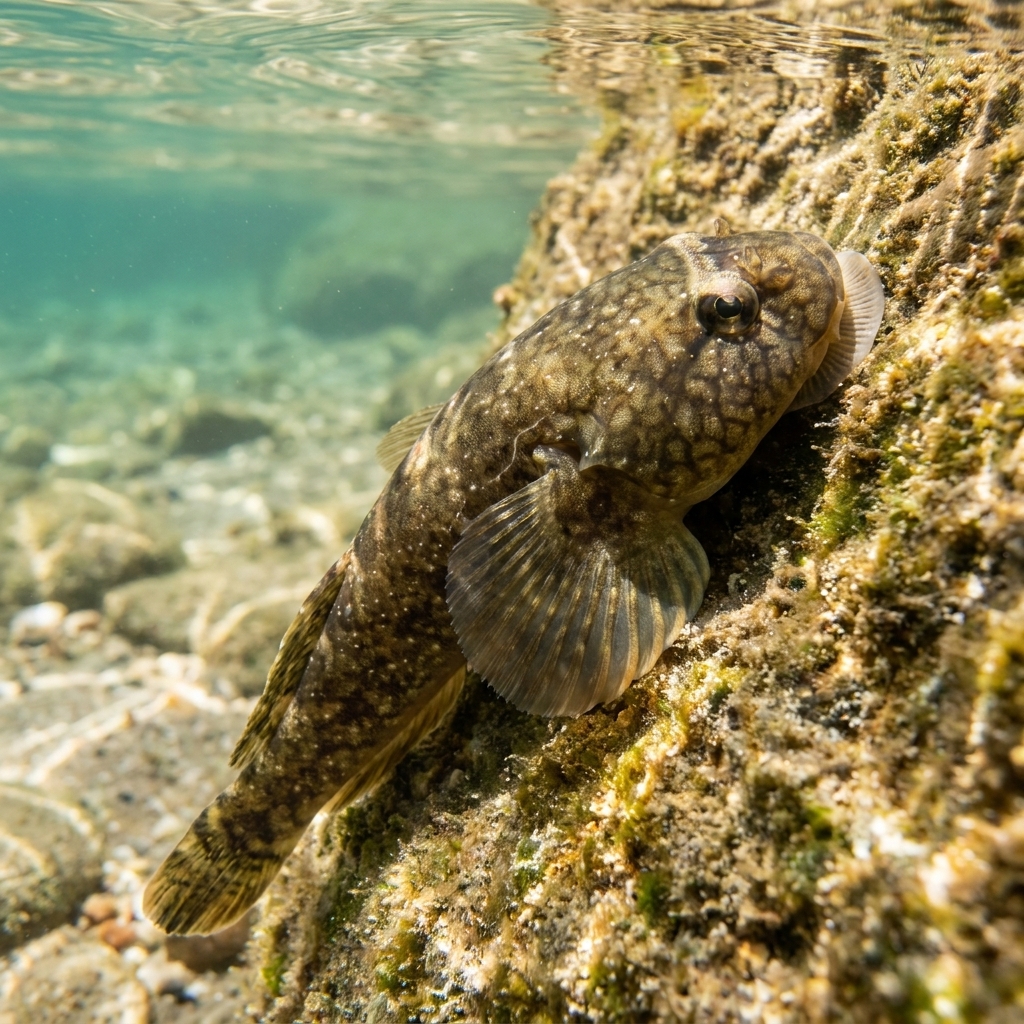
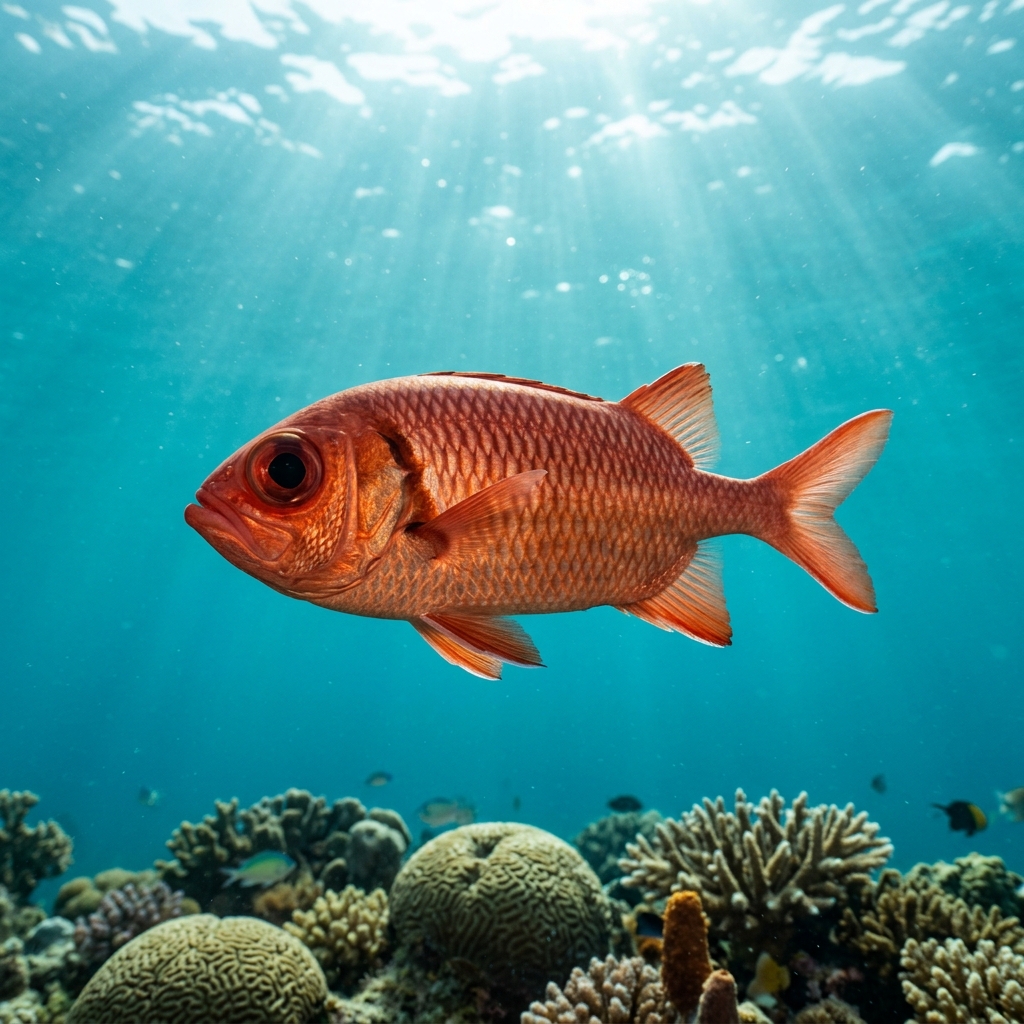
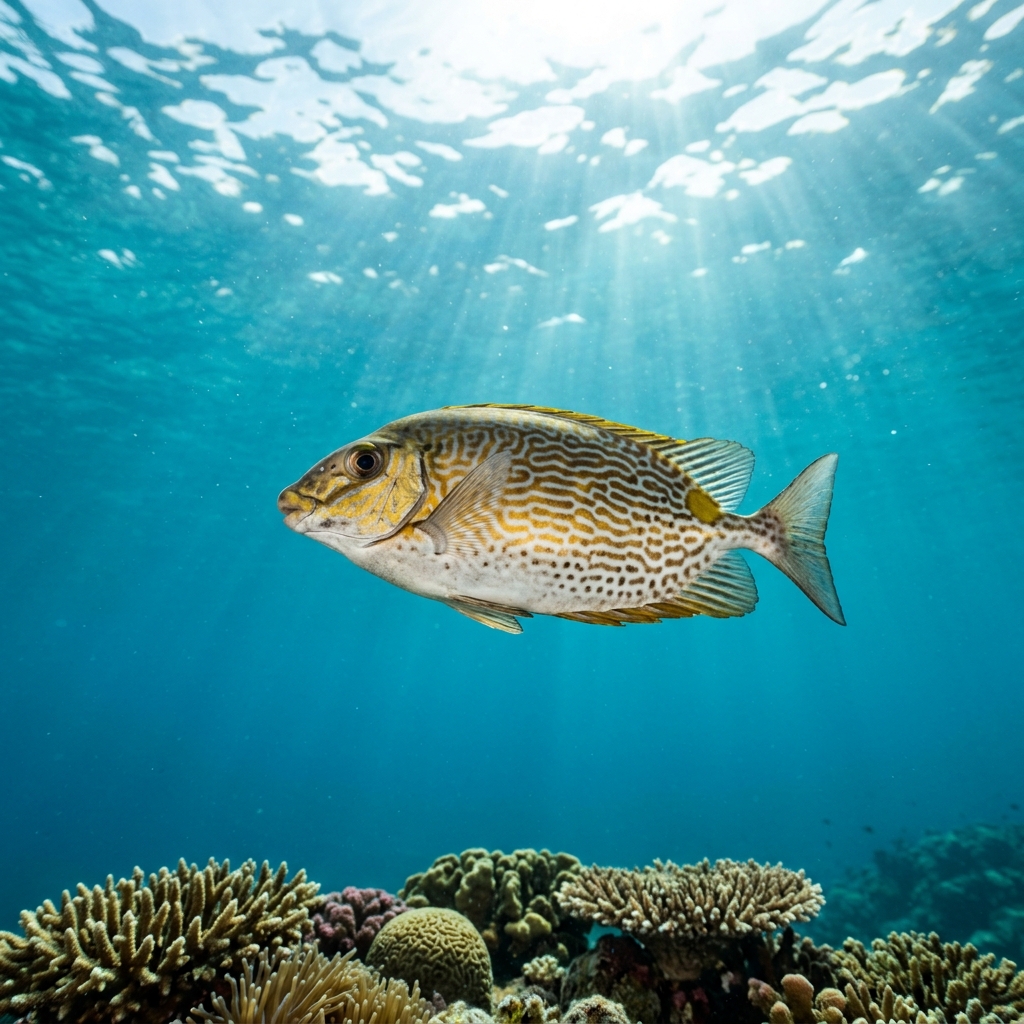
Reef neighbours a diver could mistake it for. Use the identification notes above to tell them apart.
Most reliably logged in Queensland, Australia and around Viti Levu and the Mamanuca Islands in Fiji, with a smaller but steady presence around Nouméa in New Caledonia. It turns up on sandy patches and rubble zones adjacent to reef structure rather than on the reef face itself, so sites with mixed sand-and-coral terrain in these regions are your best bet.
Mapping where Southern Grubfish is logged…
It's most consistently seen in Queensland, Australia, and across Fiji around Viti Levu and the Mamanuca Islands, with additional records near Nouméa in New Caledonia. Look on sandy or rubble patches next to reef structure rather than on the coral itself.
There's no strong seasonal pattern in the sightings, and it sits happily in water from about 24 to 28C, so it's present on these reefs throughout the year.
It's a small, slender fish around 6 cm long with a sandy, mottled body, usually spotted perched on its pelvic fins on sand or rubble rather than swimming in open water. It darts a short distance and resettles if approached.
They stay small, reaching only around 6 cm in length, which is one reason they're easy to overlook on a reef sand patch.
Sandperches rest propped on their pelvic fins rather than lying flat on the seabed, a posture that gives them a fast launch point to ambush small prey or dart away from divers.
Site and sighting data is aggregated from diver logs, iNaturalist and GBIF. For taxonomy and conservation status:
Soldierfish
3,612 sites