Periclimenes sagittifer
Tiny translucent shrimp riding snakelocks anemones off Lisbon Coast and Andalusia, in waters from 14.5 to 20.5°C. Here's how to spot one.
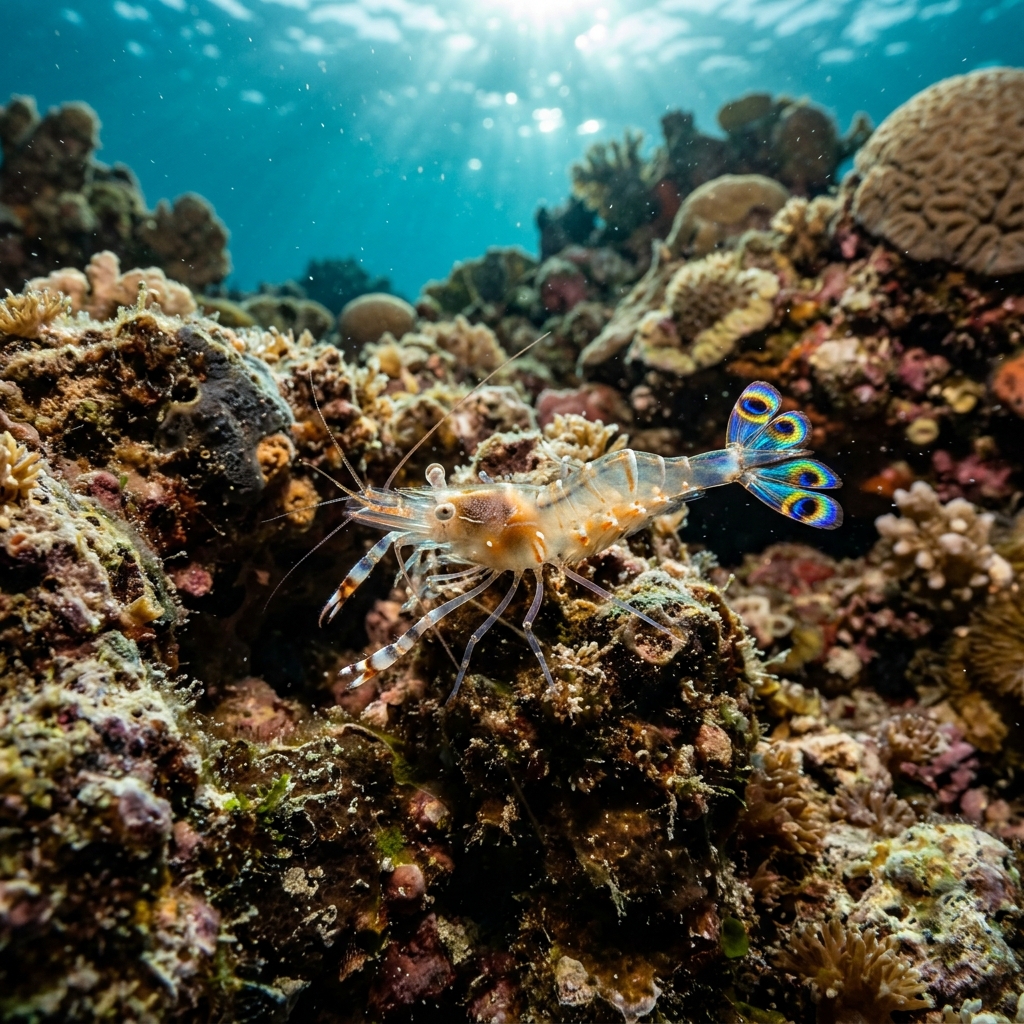
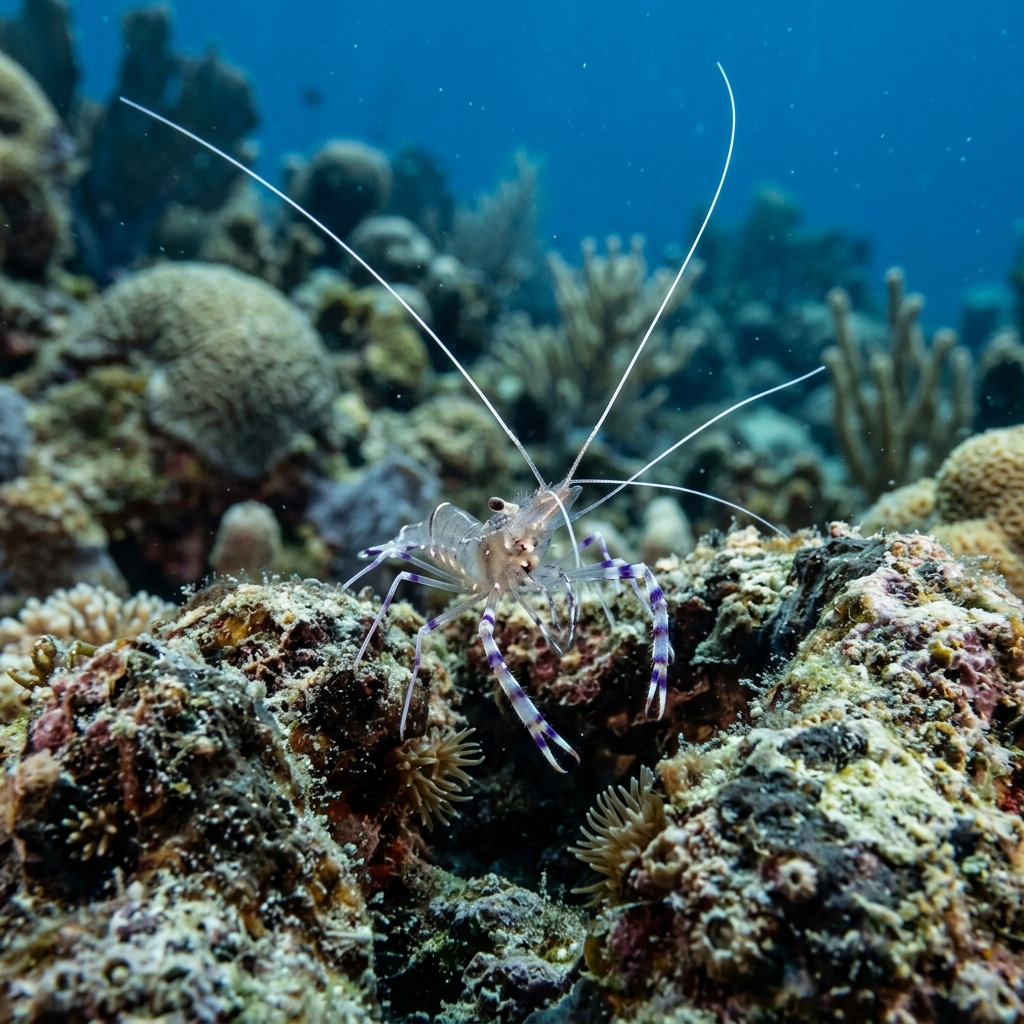
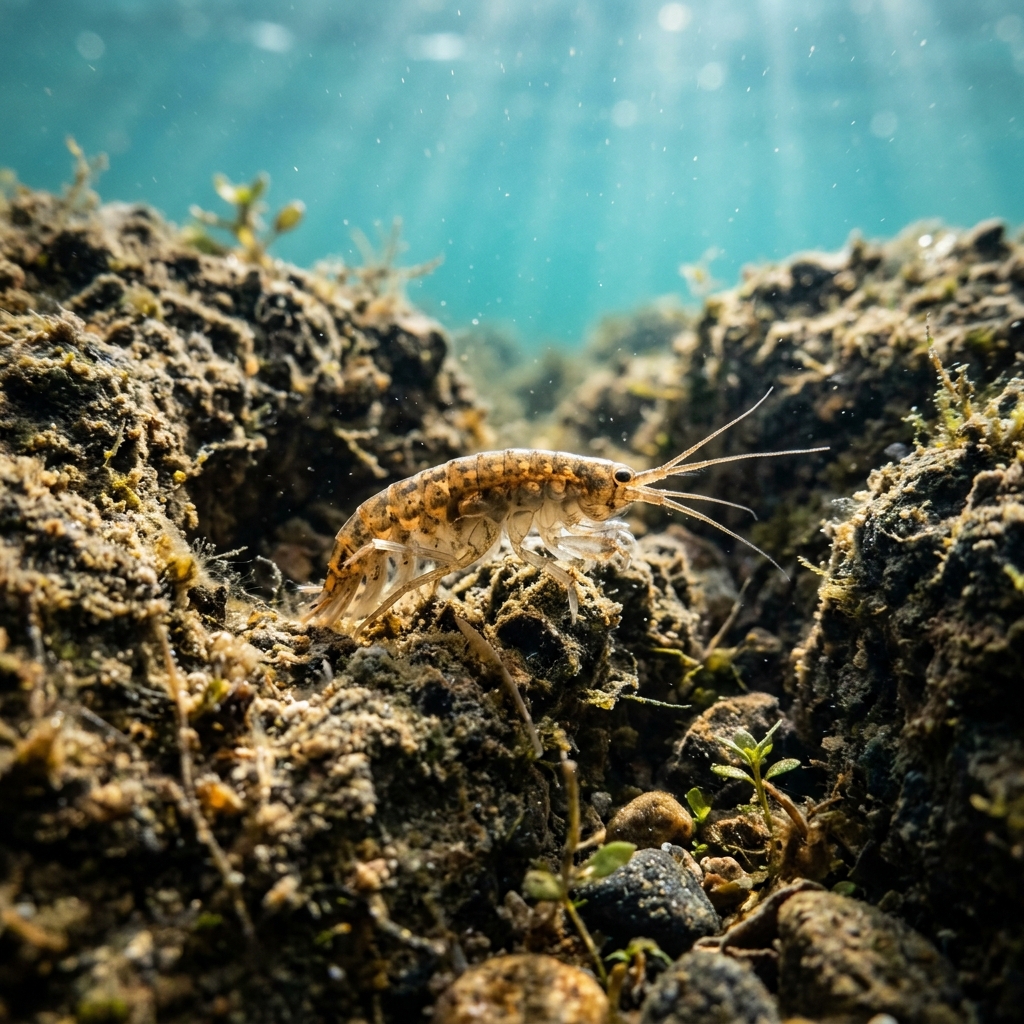
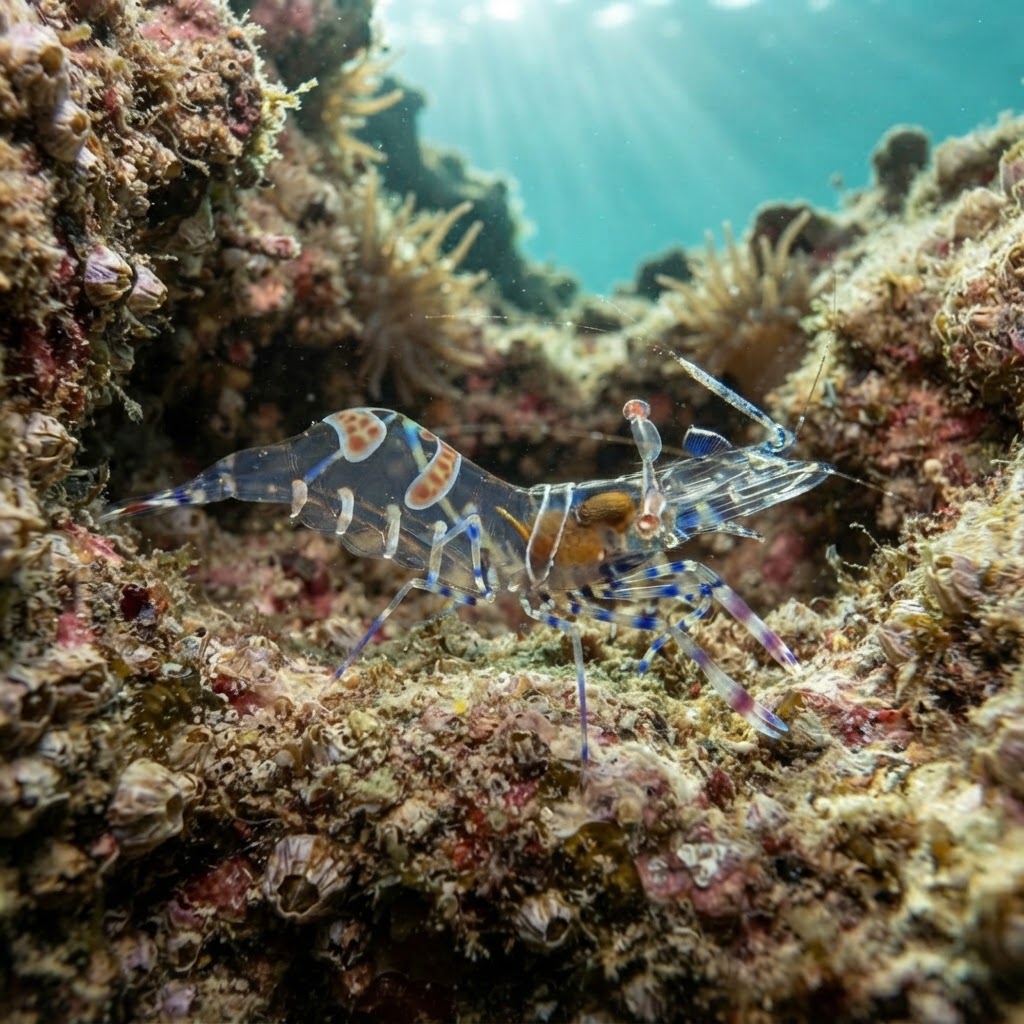
A small, near-transparent shrimp with faint blue and white striping running along its body, easy to overlook until you notice it perched among the tentacles of a snakelocks anemone. Its slender legs and long antennae blend into the anemone's own tentacles, so divers usually spot movement before they spot the shrimp itself. Look closely at the base of anemone tentacles rather than scanning open reef or rock.
Divers find it sitting tucked among the tentacles of its host, the snakelocks anemone, rarely straying far from that shelter. It tends to hold still when a torch or camera gets close, relying on camouflage rather than fleeing, which makes it a patient macro subject once you've located the right anemone. Most sightings happen on shallower rock and reef where snakelocks anemones themselves are common.
This shrimp lives in a close partnership with the snakelocks anemone, sheltering among its stinging tentacles without apparent harm, a relationship that means finding the anemone is really the key to finding the shrimp.
Sightings are logged year-round with no strong seasonal pattern, matching its comfortable range of 14.5 to 20.5°C across these temperate coasts. Divers report it at similar rates whatever the month, so timing your trip around the host anemone rather than the calendar is the better strategy.
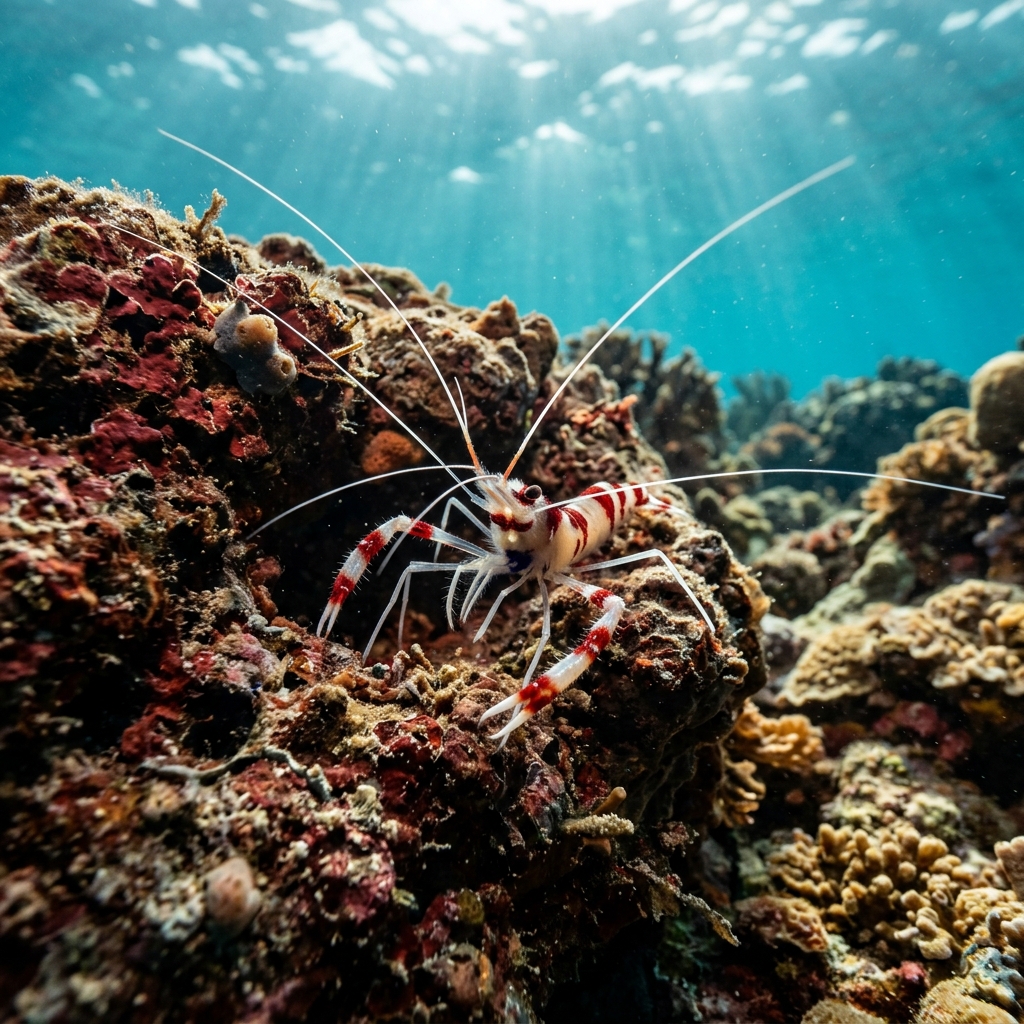
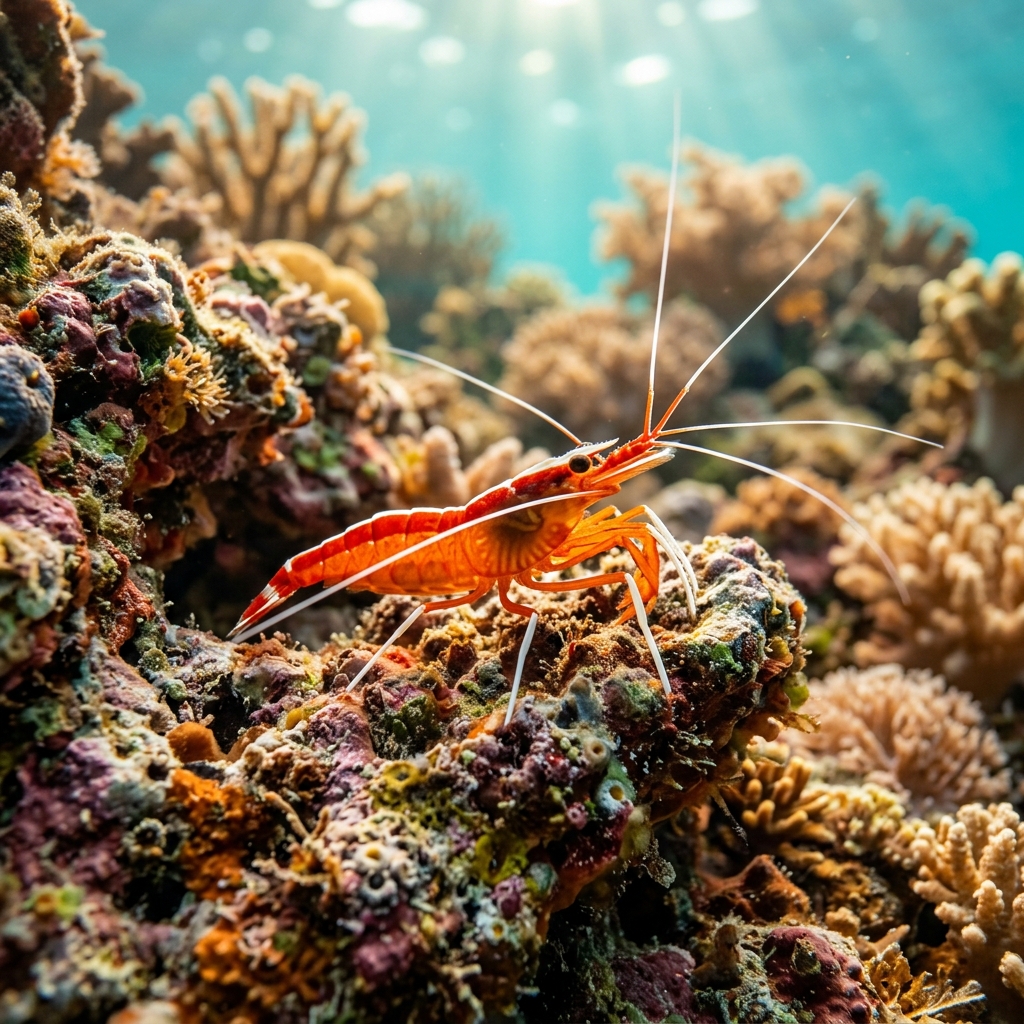
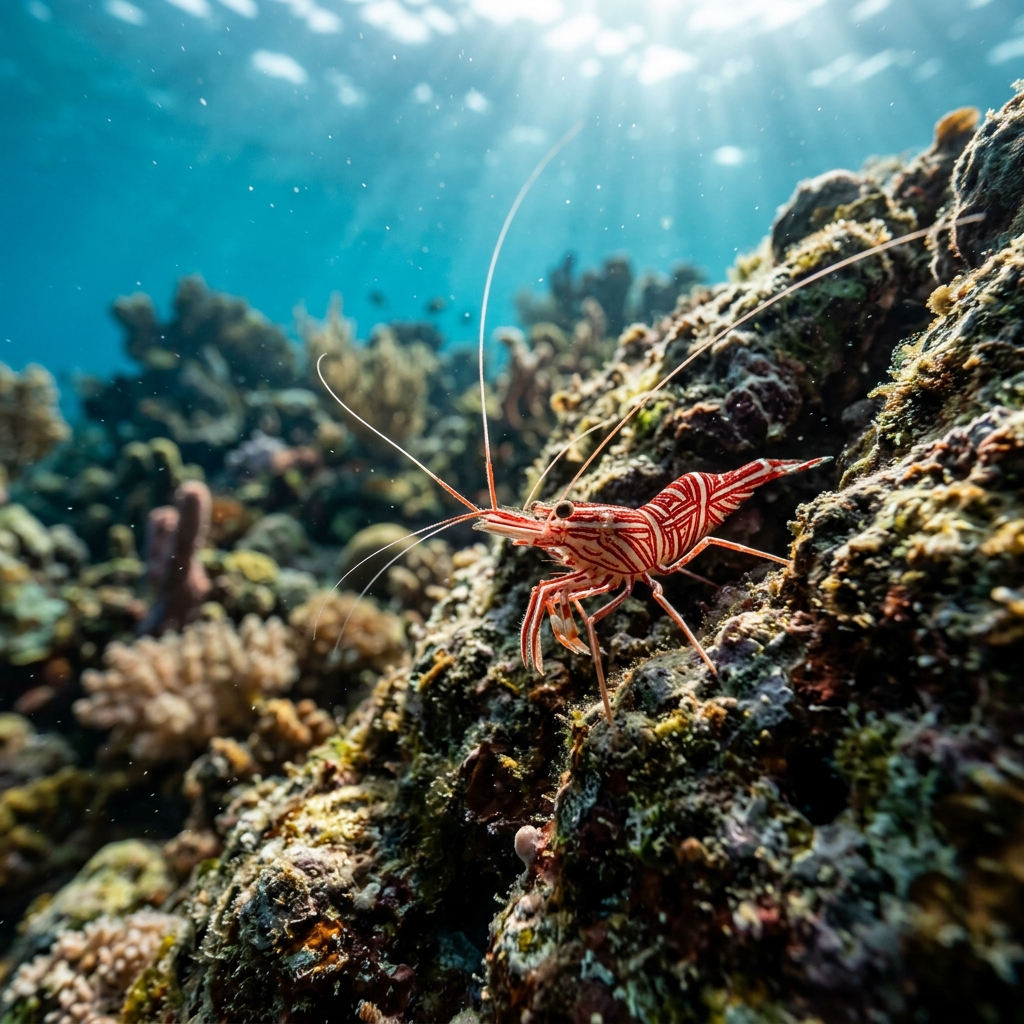
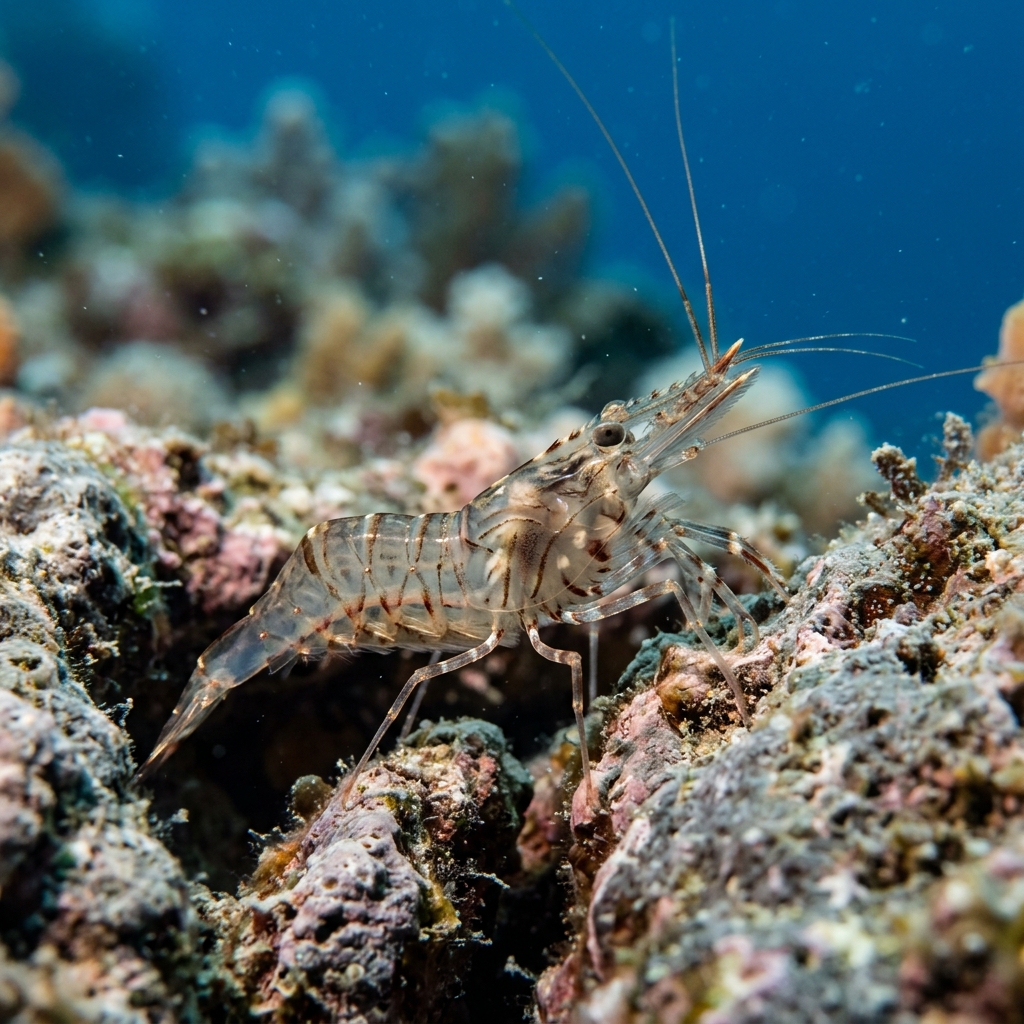
Reef neighbours a diver could mistake it for. Use the identification notes above to tell them apart.
Most reliably logged along the Lisbon Coast in Portugal, with strong numbers also in Andalusia, Spain and Brittany, France. Smaller but consistent sightings come from sites in England, making this a shrimp you can find across a good stretch of the Atlantic-facing European coast.
Mapping where Snakelocks Shrimp is logged…
Best known from the Lisbon Coast in Portugal and Andalusia in Spain, with good numbers also in Brittany, France, and scattered sightings around England.
There's no clear seasonal peak in the data, so they're considered a year-round sighting wherever water stays in their comfortable 14.5 to 20.5°C range.
Look for a small, mostly transparent shrimp with faint blue and white lines, sitting low among the tentacles of a snakelocks anemone rather than out on open rock.
No, they pose no threat to divers. They're tiny, non-aggressive, and spend their time sheltering in anemone tentacles rather than interacting with people.
They shelter among the stinging tentacles of the snakelocks anemone for protection from predators, a partnership that also makes them easy to find once you know which anemone to check.
Site and sighting data is aggregated from diver logs, iNaturalist and GBIF. For taxonomy and conservation status:
Rockpool Prawn
2,179 sites