Osmeridae spp.
Small silvery baitfish schools logged across New Brunswick, Ontario and the Great Lakes, seen year-round in cold freshwater.
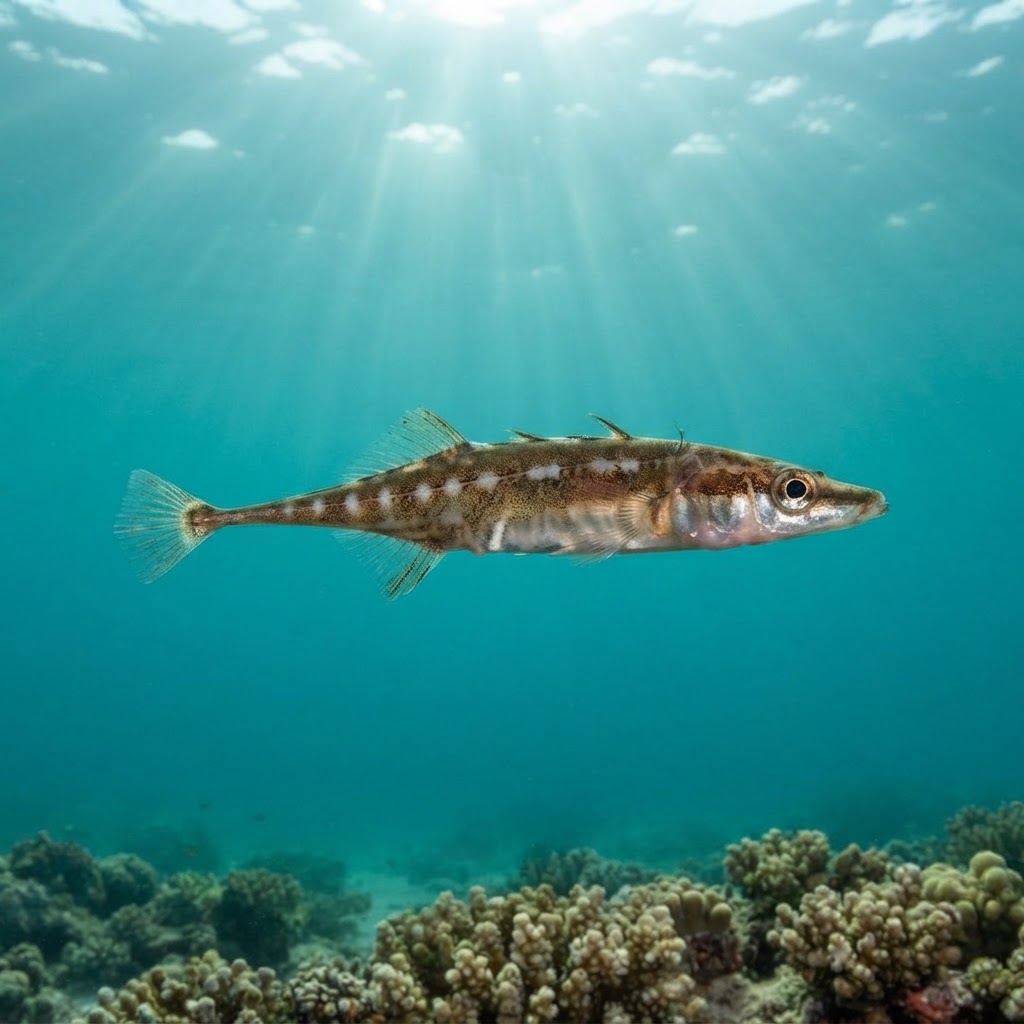
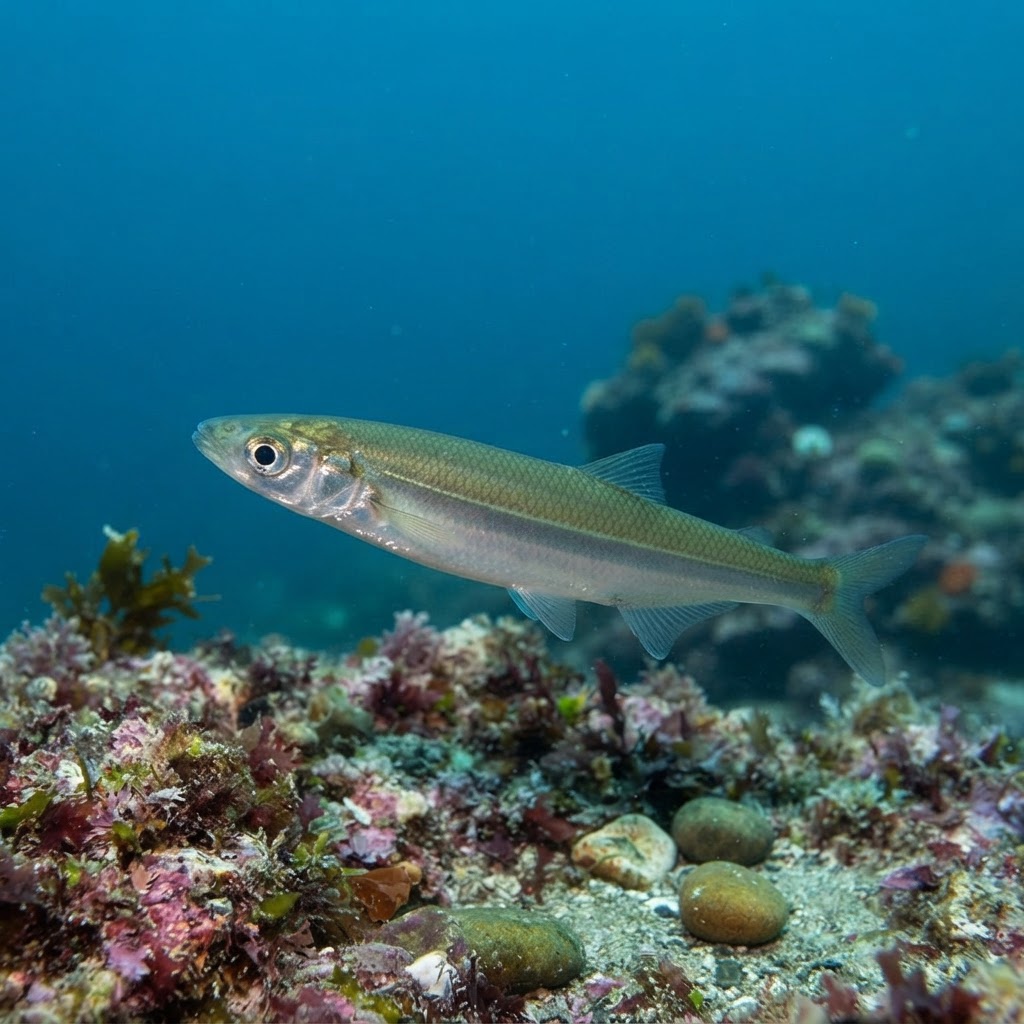
Small, slender, and unmistakably silvery, smelt run in tight, flashing schools that catch the light as they turn. Look for a slim, almost translucent body, a single small adipose fin near the tail, and a faint olive-green sheen along the back that fades into bright silver flanks. Individuals are easy to miss on their own; it is the coordinated shimmer of the whole school that gives them away underwater.
Divers typically encounter smelt as loose to tight schools moving through open water or hovering near structure, rather than as lone fish holding a territory. They show little interest in divers and tend to keep schooling and feeding on plankton and small invertebrates regardless of who is watching. Because they are common at some sites and merely uncommon or rare at others, spotting a school often comes down to being in the right stretch of lake or river at the time.
Many smelt species are anadromous, meaning populations move from lakes into rivers and streams to spawn, which is when divers and shoreline watchers see the biggest concentrations gather in shallow, moving water.
Sightings show no strong seasonal pattern in the data, so treat smelt as a year-round possibility on the cold-water sites where they are logged. Divers in Canadian lakes and rivers report them across the diving season rather than in one narrow window.
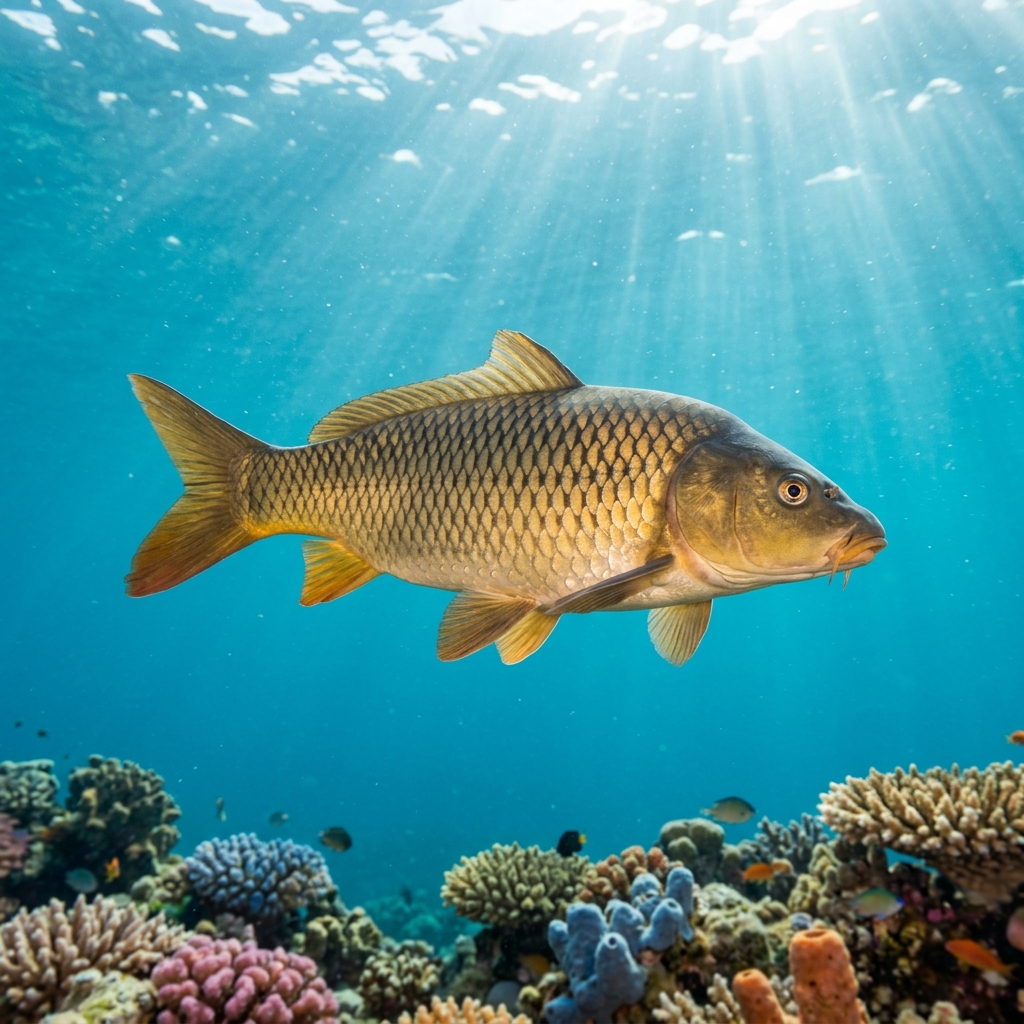
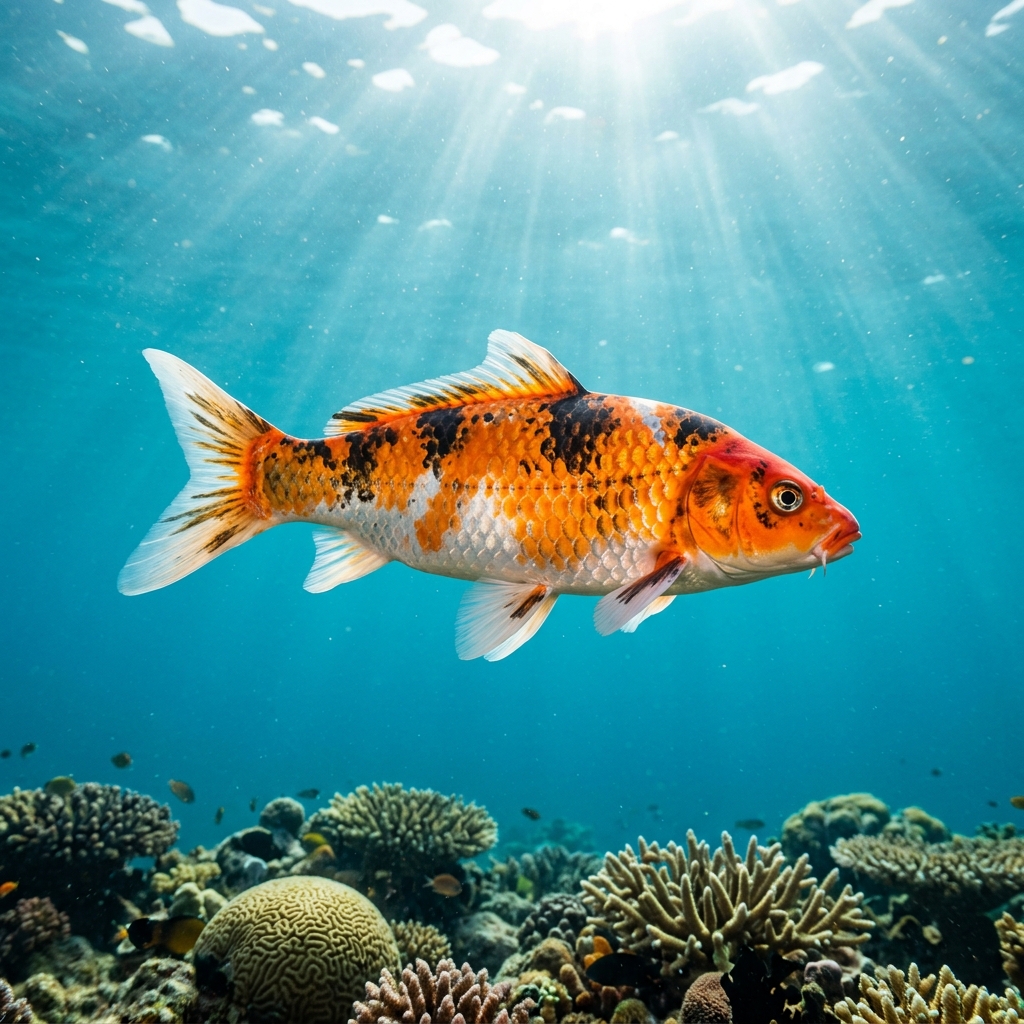
Reef neighbours a diver could mistake it for. Use the identification notes above to tell them apart.
Most commonly logged in Canada, with New Brunswick, Ontario, and Quebec all producing regular sightings, plus a scattering of Great Lakes sites on the US side. A single site in Western Poland Lakes shows the group also turns up in European freshwater systems.
Mapping where Smelt is logged…
Canada is the strongest bet, especially New Brunswick, Ontario, and Quebec, with additional sightings in the US Great Lakes and one site in Western Poland Lakes. They favour cold freshwater lakes and rivers over ocean sites.
There is no clear seasonal spike in the sighting data, so smelt are best treated as a year-round sighting at the cold freshwater sites where they are logged.
Look for small, slender, silvery fish moving in tight schools, with a faint olive-green back and a single small adipose fin near the tail. The school's coordinated shimmer is often the easiest way to spot them before you can pick out an individual.
Exact size data isn't recorded for this group, but smelt are small baitfish, typically slim-bodied and only a few inches long, which is why they're spotted in schools rather than as standout individual fish.
No. Smelt pose no danger to divers; they are small, harmless schooling fish that simply keep moving and feeding regardless of who is nearby.
Many smelt species are anadromous, migrating from lakes into rivers or streams to spawn, which produces dense, temporary concentrations that are far more visible than their usual scattered schooling.
Site and sighting data is aggregated from diver logs, iNaturalist and GBIF. For taxonomy and conservation status:
Sun Perch
2,182 sites