Atherinops affinis
Topsmelt gather in shimmering schools across California's kelp forests, spotted year-round in waters from 12 to 23C.
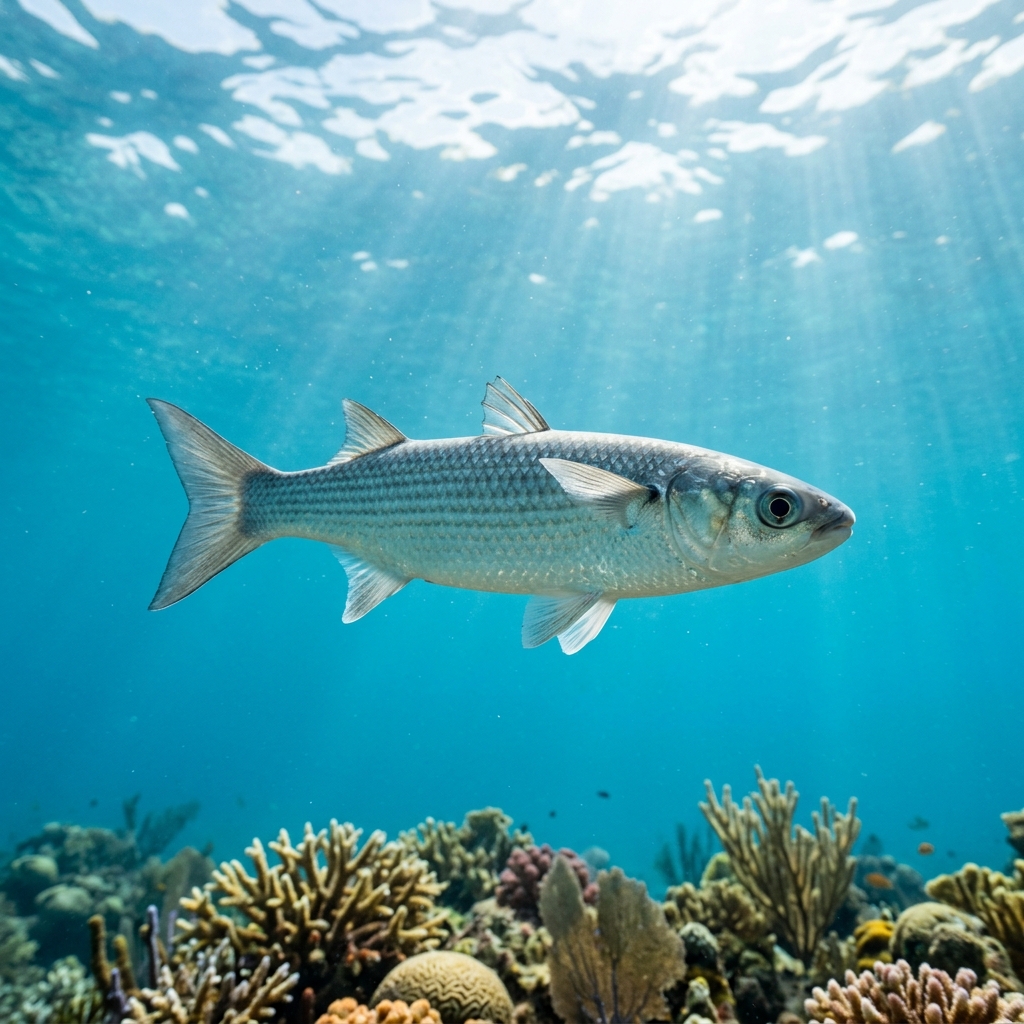
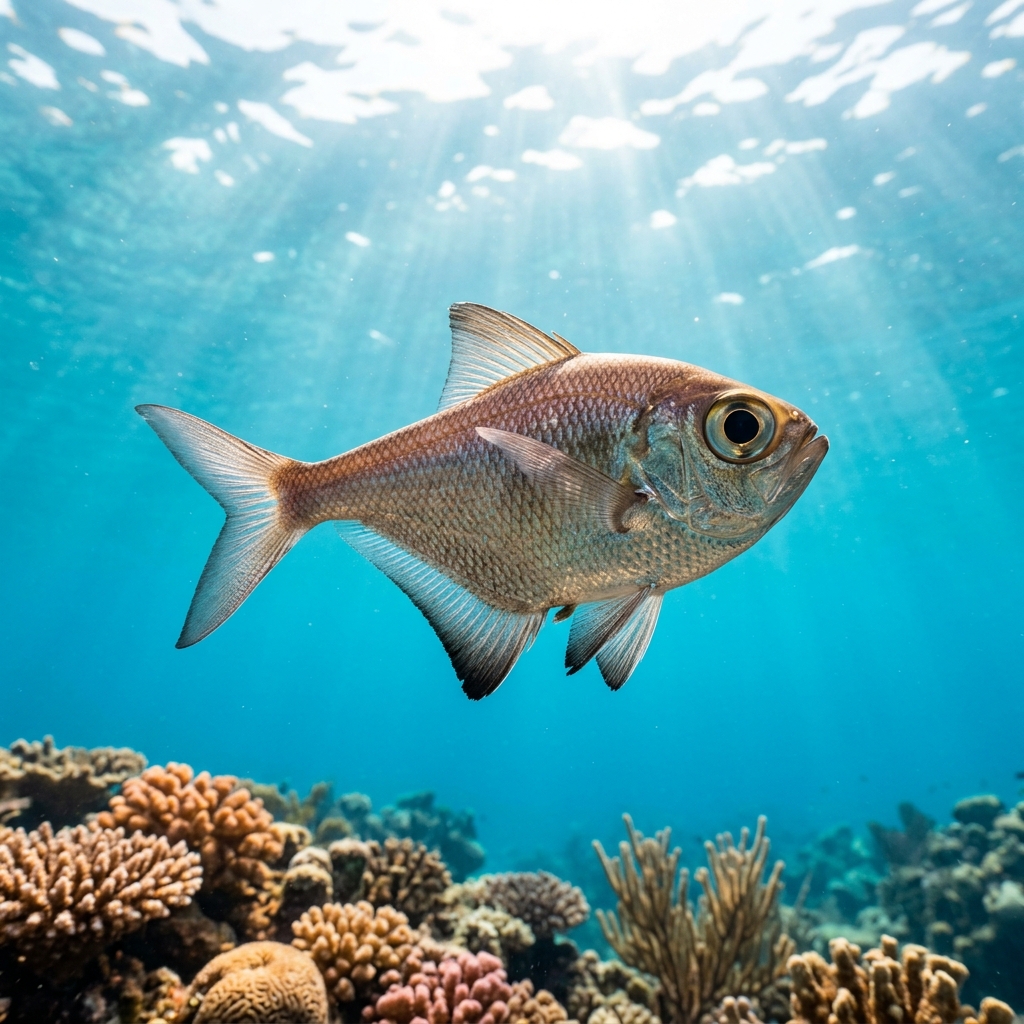
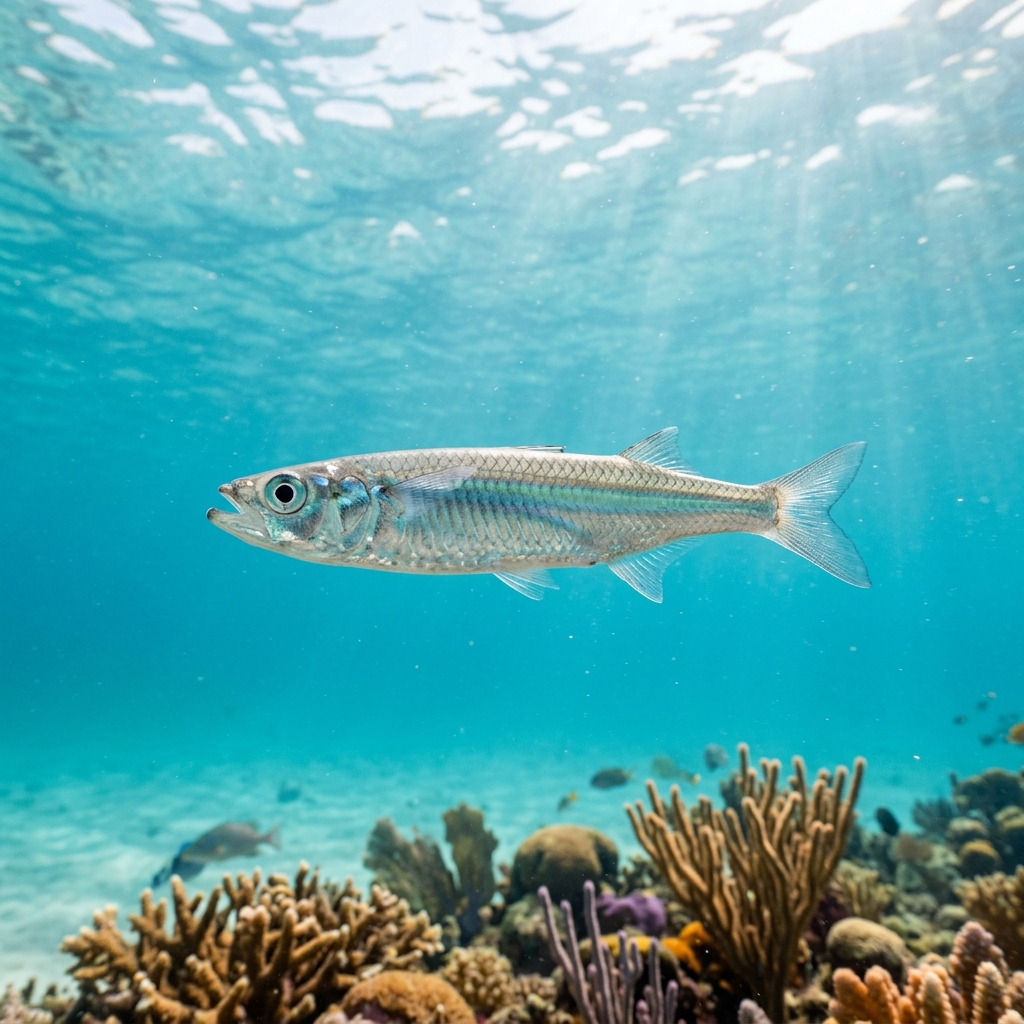
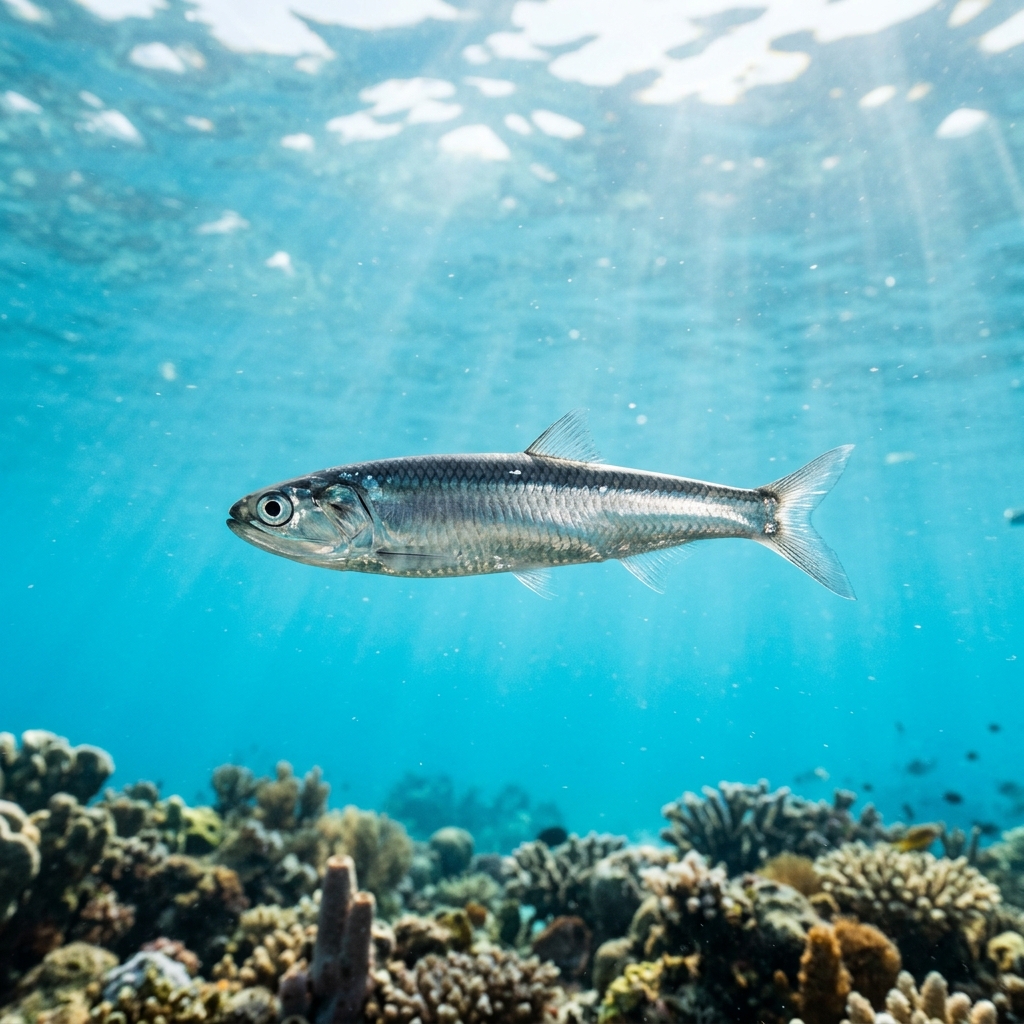
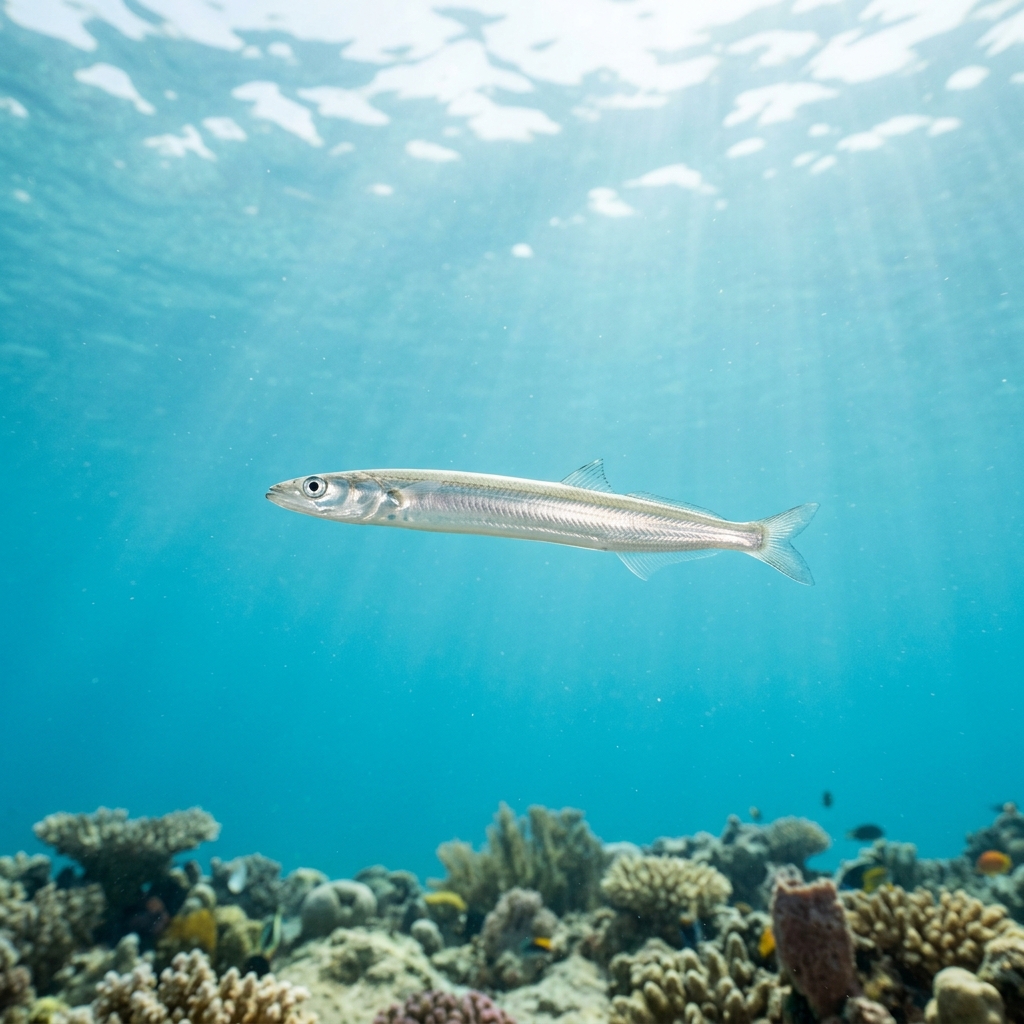
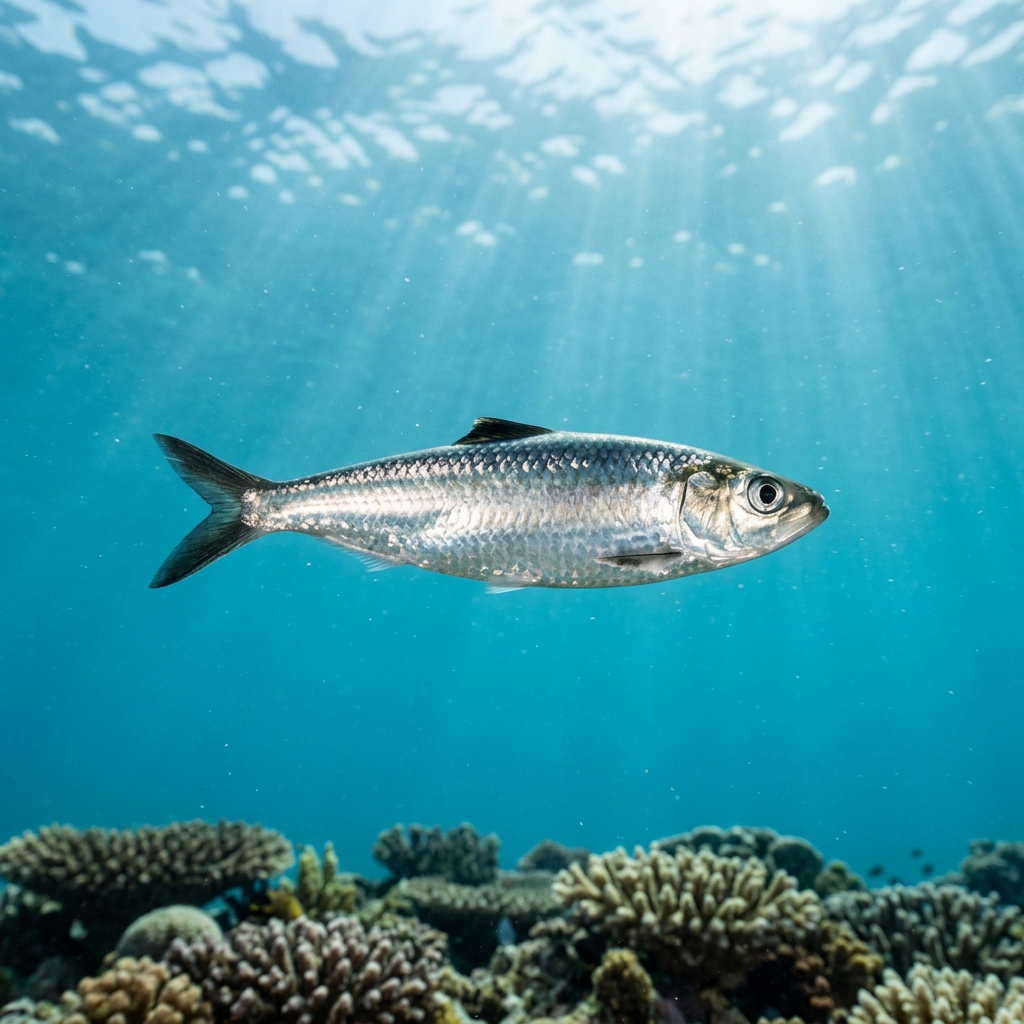
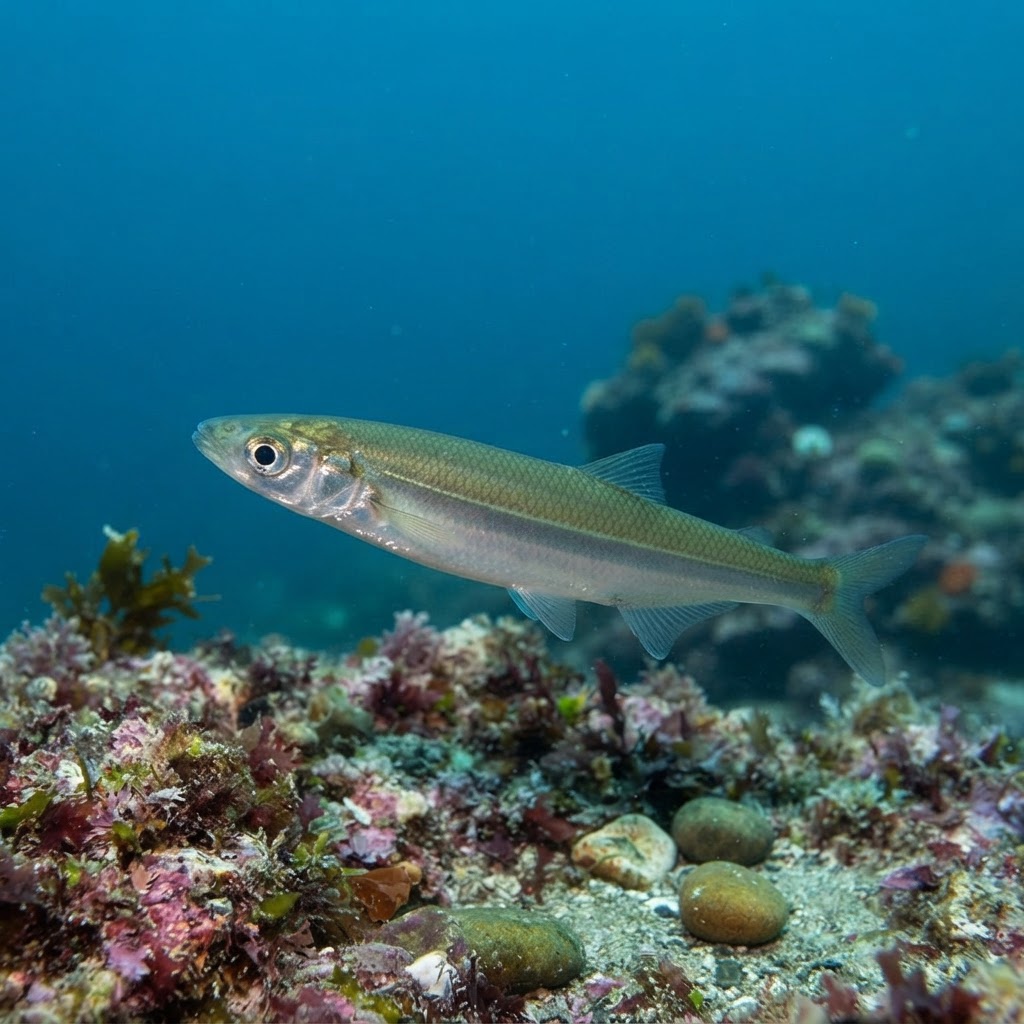
Slim, torpedo-shaped body up to about 25cm, with a bright silver stripe running down each flank that catches the light as it turns. Back is olive to greenish, belly pale, and the whole fish reads as a flash of silver rather than any bold pattern. Usually seen in loose to tight schools rather than alone, hanging in midwater over kelp or near the surface.
Look for loose schools milling in midwater or near the surface above kelp beds, often drifting with mild current rather than holding a fixed position. They are not particularly wary of divers and will often let a school pass close by before scattering and reforming a few metres off. Most sightings are casual, in-passing encounters rather than a dedicated target, logged as uncommon at the majority of sites where they appear.
Topsmelt are omnivores that graze on algae as well as small invertebrates and plankton, giving them a broader diet than most schooling baitfish, which is part of why they turn up in such a wide range of nearshore habitats.
Sightings show no clear seasonal pattern, and with a temperature range of 12.1 to 23.2C they are tolerant of both California's cooler winter water and warmer summer conditions, so divers log them across the year.
Almost every logged sighting comes from the United States, and specifically California, where topsmelt turn up across kelp forest and nearshore dive sites up and down the coast. There is no meaningful population reported outside California in the data, so this is very much a West Coast species to look for.
Mapping where Topsmelt is logged…
Topsmelt are essentially a California story, logged across kelp forest and nearshore dive sites throughout the state. Outside California there is little to no diver record of them, so if you want to see them, look to the California coast.
There is no strong season in the sighting data, so they are considered a year-round find. Their comfort range of roughly 12 to 23C covers both California's cooler and warmer months, which helps explain the steady sightings.
Look for a slim silver-sided fish around 25cm, with an olive-green back and a bright lateral stripe, usually moving in a loose school near the surface or over kelp. There's no strong pattern beyond the silver flash, so schooling behaviour is often the giveaway.
They typically reach around 25cm in length, making them a modest-sized schooling fish rather than anything imposing underwater.
No, topsmelt pose no danger to divers. They are a harmless schooling species that will simply part around you as you swim through.
Topsmelt are omnivores, feeding on algae, small invertebrates and plankton, which gives them more dietary flexibility than many other schooling baitfish.
Site and sighting data is aggregated from diver logs, iNaturalist and GBIF. For taxonomy and conservation status:
Anchovy
2,433 sites