Pseudocaranx georgianus
Silver Trevally patrol temperate Australian and New Zealand reefs at 16-23 °C. Best chances in New South Wales and Northland. Here's when and where to find them.
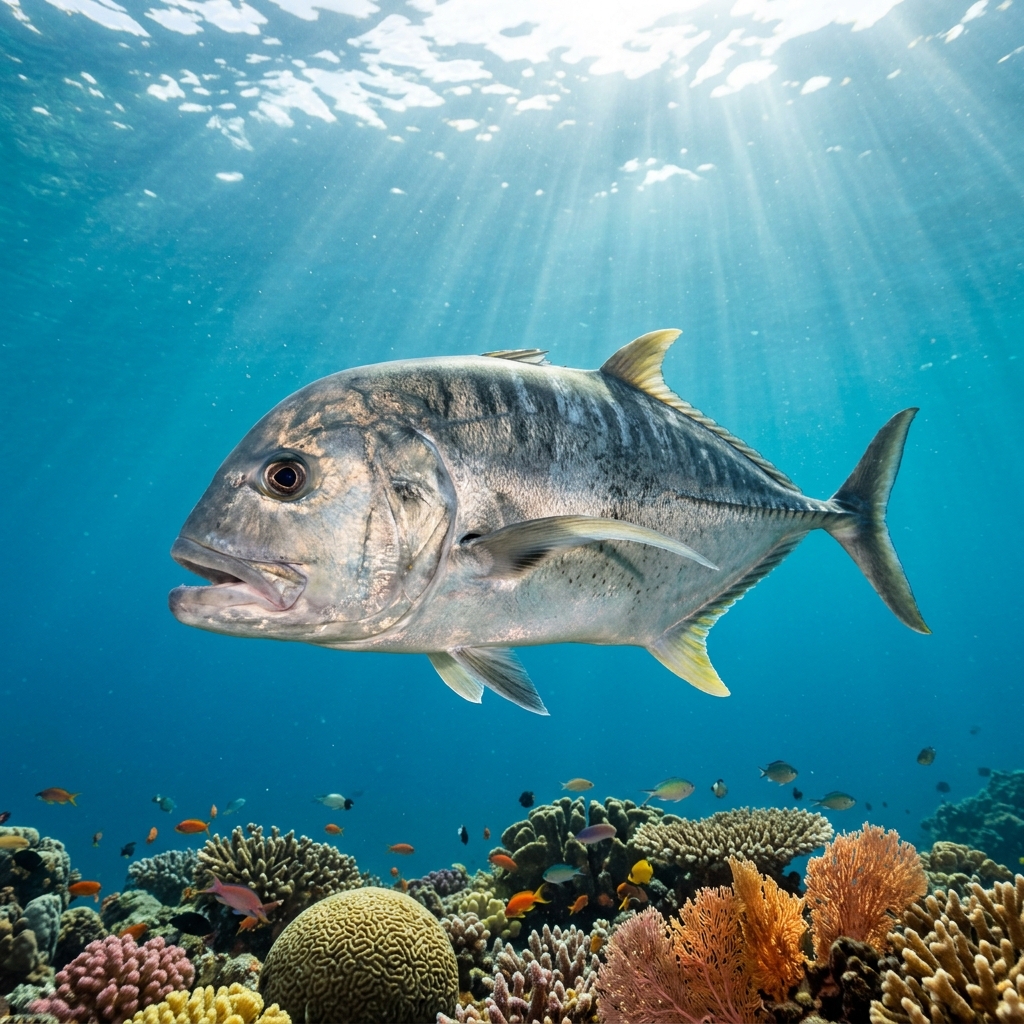
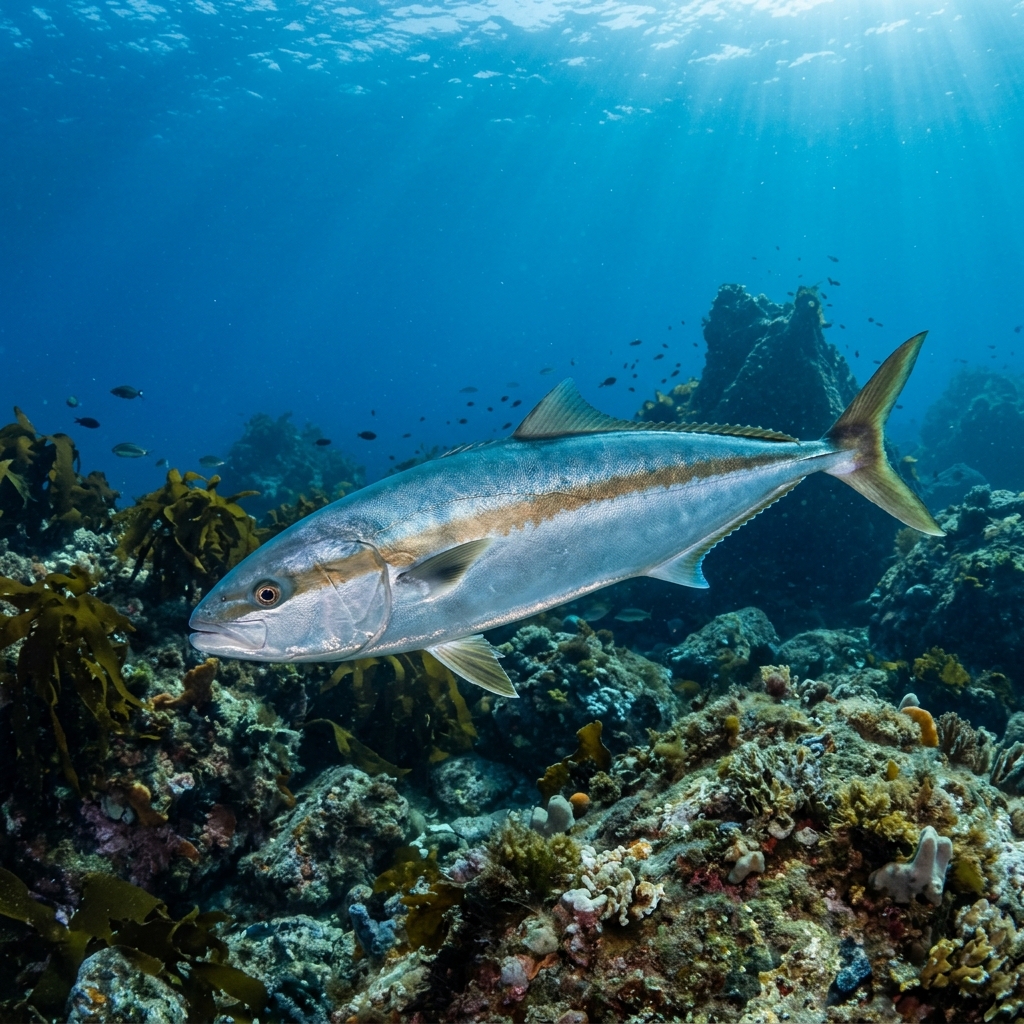
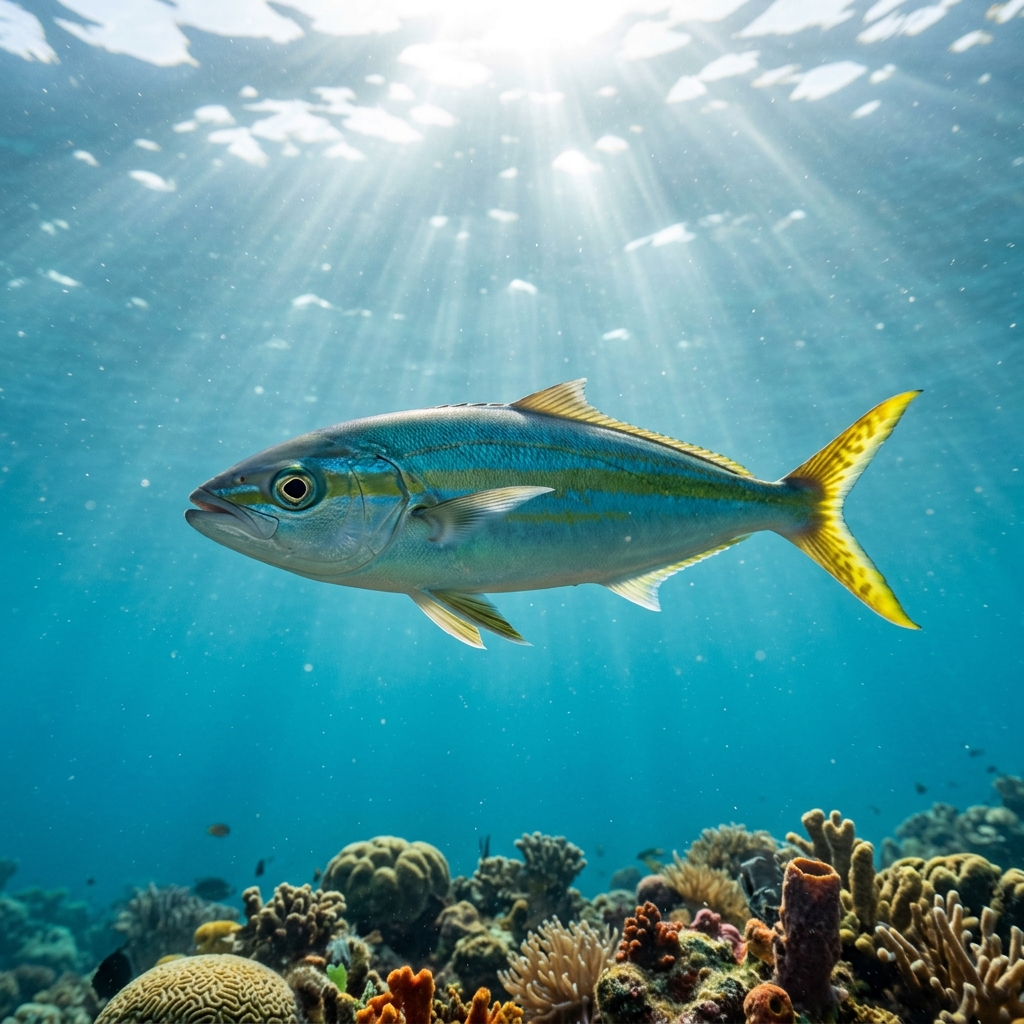
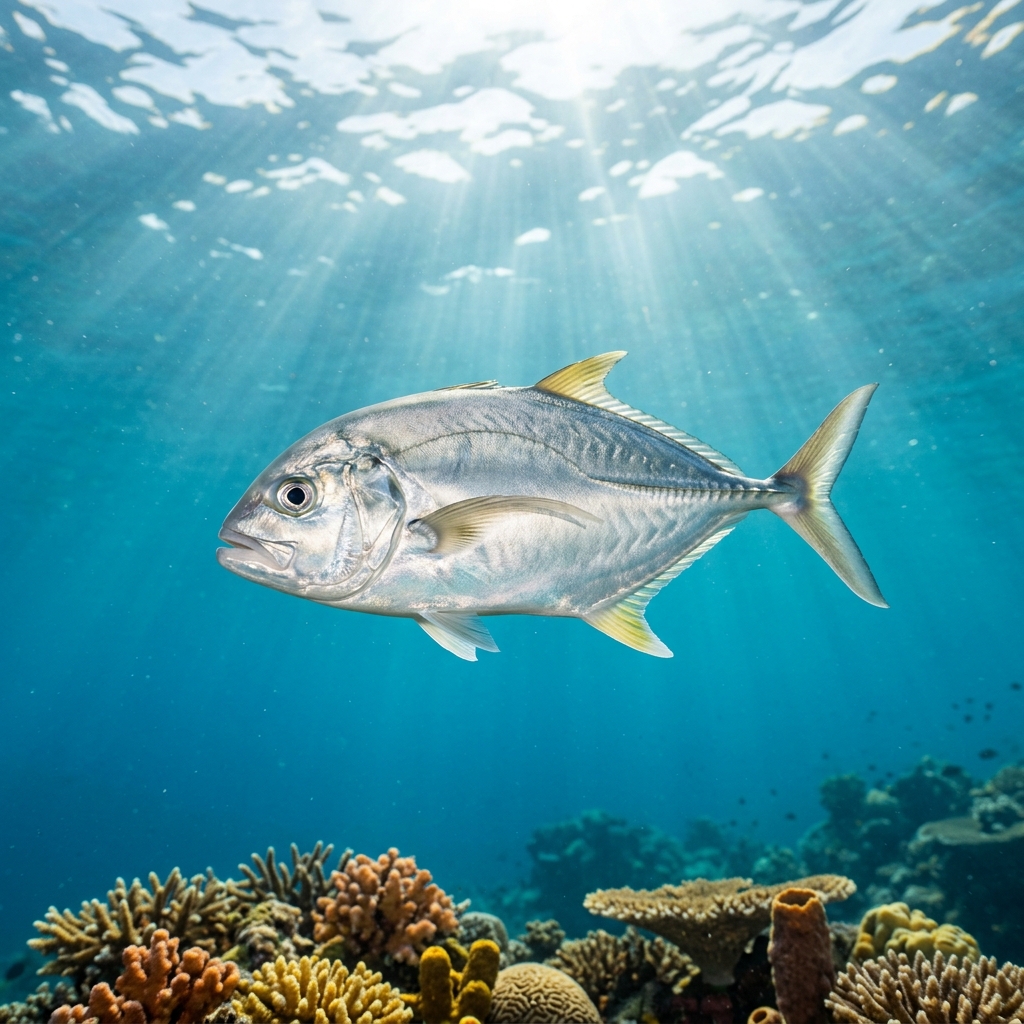
A sleek, silvery-bodied jack with a noticeably forked tail and the classic compressed profile of the trevally family. The flanks catch the light with a bright metallic silver, often with a faint yellowish tinge to the pectoral and tail fins. A small but distinct black spot sits at the upper edge of the gill cover, which is one of the most reliable field marks underwater. Schools or loose groups typically cruise in mid-water over rocky or sandy reef in cooler, temperate conditions.
Silver trevally are active, open-water hunters that tend to move in loose schools or small groups rather than holding position on the reef. Divers typically spot them cruising in mid-water or sweeping over low-relief rocky reef and sand patches, often seemingly unconcerned by a diver's presence but rarely pausing long enough for a close look. Encounters are usually brief and mobile, so keeping still and letting a passing school come to you works better than chasing.
Like many jacks, silver trevally are ram ventilators, they must keep swimming forward to push water over their gills, which explains why they are almost always on the move when you see them.
The limited seasonality data available points to December through March as the peak window, aligning with the Southern Hemisphere summer when water temperatures in New South Wales and New Zealand sit comfortably within the species' 16-23 °C range.
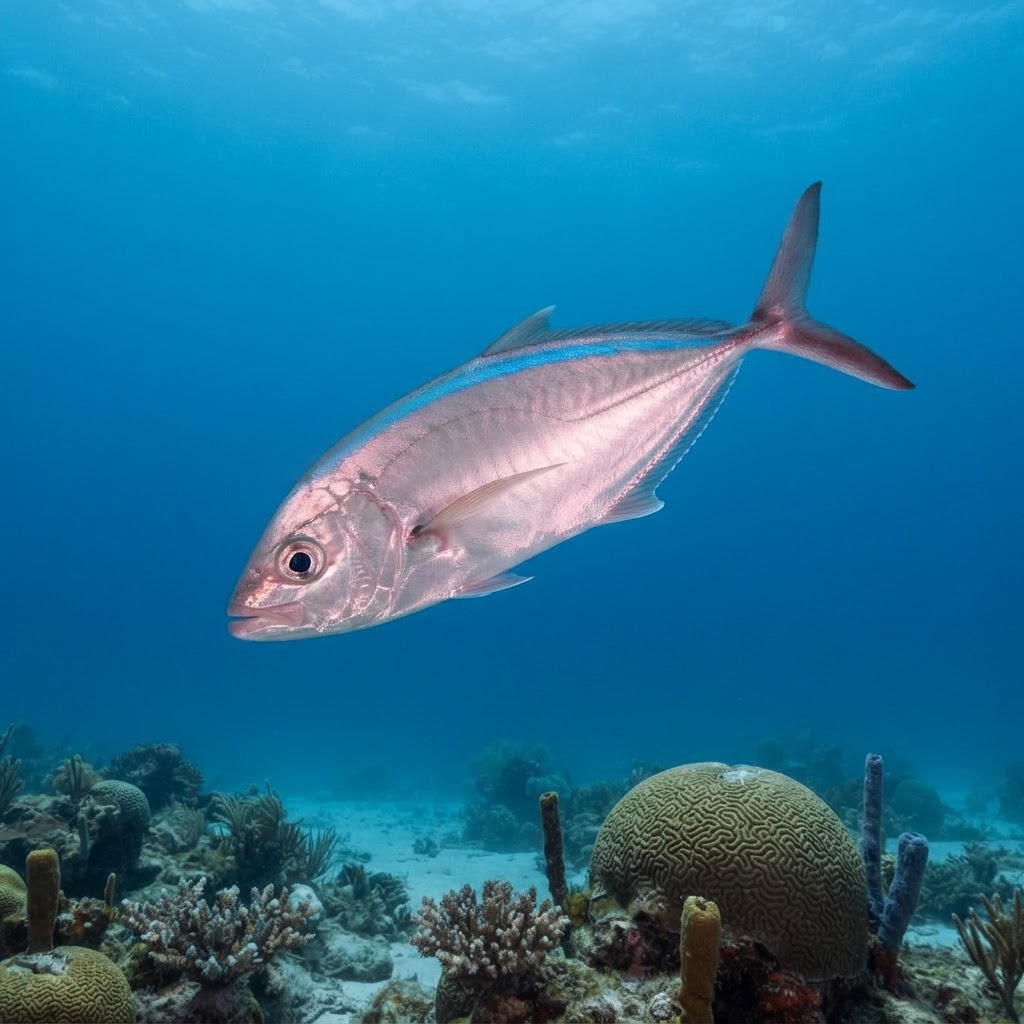
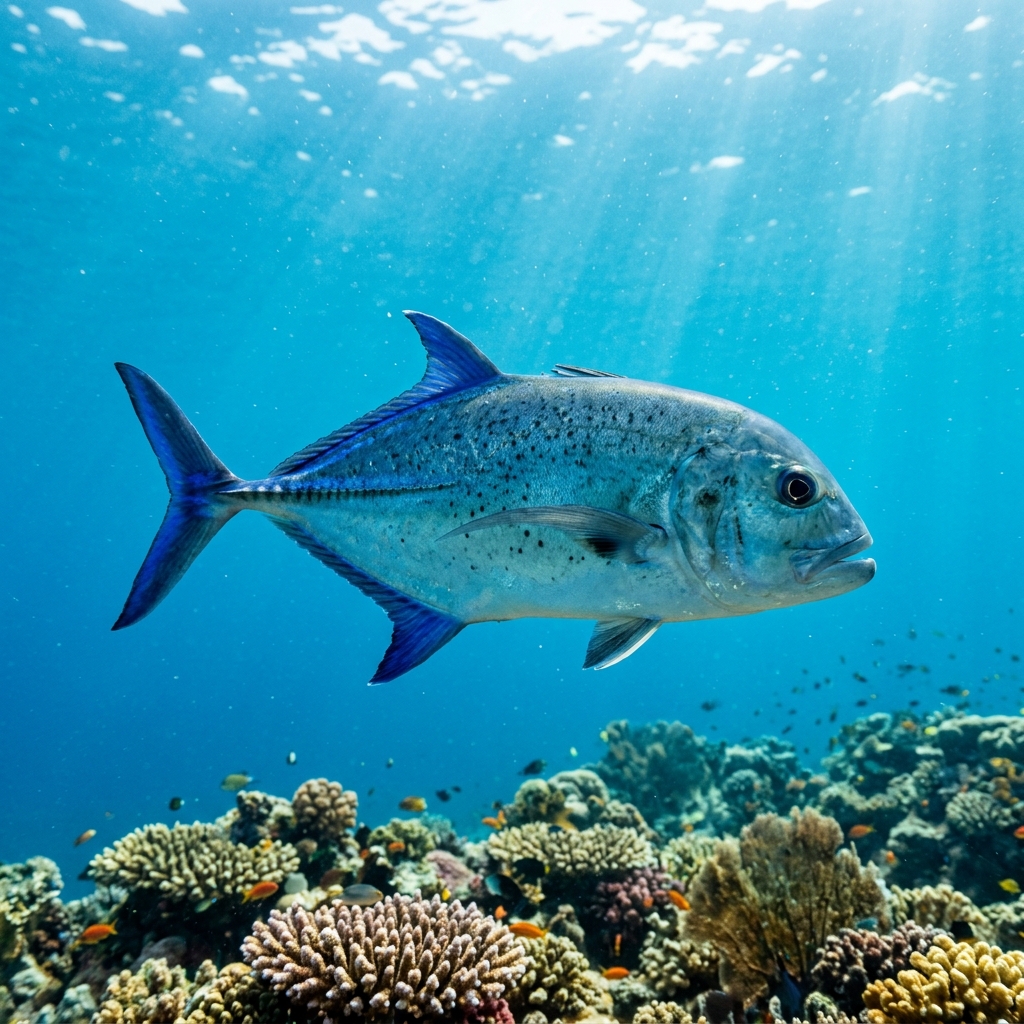
Reef neighbours a diver could mistake it for. Use the identification notes above to tell them apart.
Australia accounts for the great majority of logged sightings, with New South Wales far ahead as the top region, dive sites around Sydney and the central NSW coast offer the strongest chance of an encounter. New Zealand is the other key country, particularly the Northland and Auckland region and the Coromandel and Bay of Plenty coastline. Western Australia and Victoria round out the Australian picture, giving this species a broad temperate range right around the southern half of the continent.
Mapping where Silver Trevally is logged…
They are most reliably logged in New South Wales, Australia, which has by far the most recorded sites. New Zealand's Northland and Auckland region is the next strongest area, followed by Western Australia and the Coromandel and Bay of Plenty coastline of New Zealand. All these locations share the cool temperate water this species prefers.
Sightings concentrate during the Southern Hemisphere summer, from December through March. This lines up with warmer surface temperatures that still stay within the species' preferred range of around 16-23 °C along the New South Wales and New Zealand coasts.
Look for a streamlined, strongly silvery jack with a forked tail and a small black spot at the top of the gill cover. The faint yellow tint to the fins helps separate it from similar species in temperate Australian and New Zealand waters. Body shape is compressed and oval, typical of trevallies.
Typical adults seen by divers are moderate-sized jacks, generally in the range of 30-50 cm, though individuals can reach around 60-70 cm in length. In the water they look solidly built but not bulky, sitting noticeably smaller than a giant trevally.
No. Silver trevally pose no threat to divers. They are active and fast-moving but entirely uninterested in divers as anything other than an object to swim around.
Site and sighting data is aggregated from diver logs, iNaturalist and GBIF. For taxonomy and conservation status:
Bigeye Trevally
2,591 sites