Parupeneus pleurostigma
Uncommon reef find with pale barbels, logged from Hawaii to Khao Lak in water as warm as 29C, year-round.
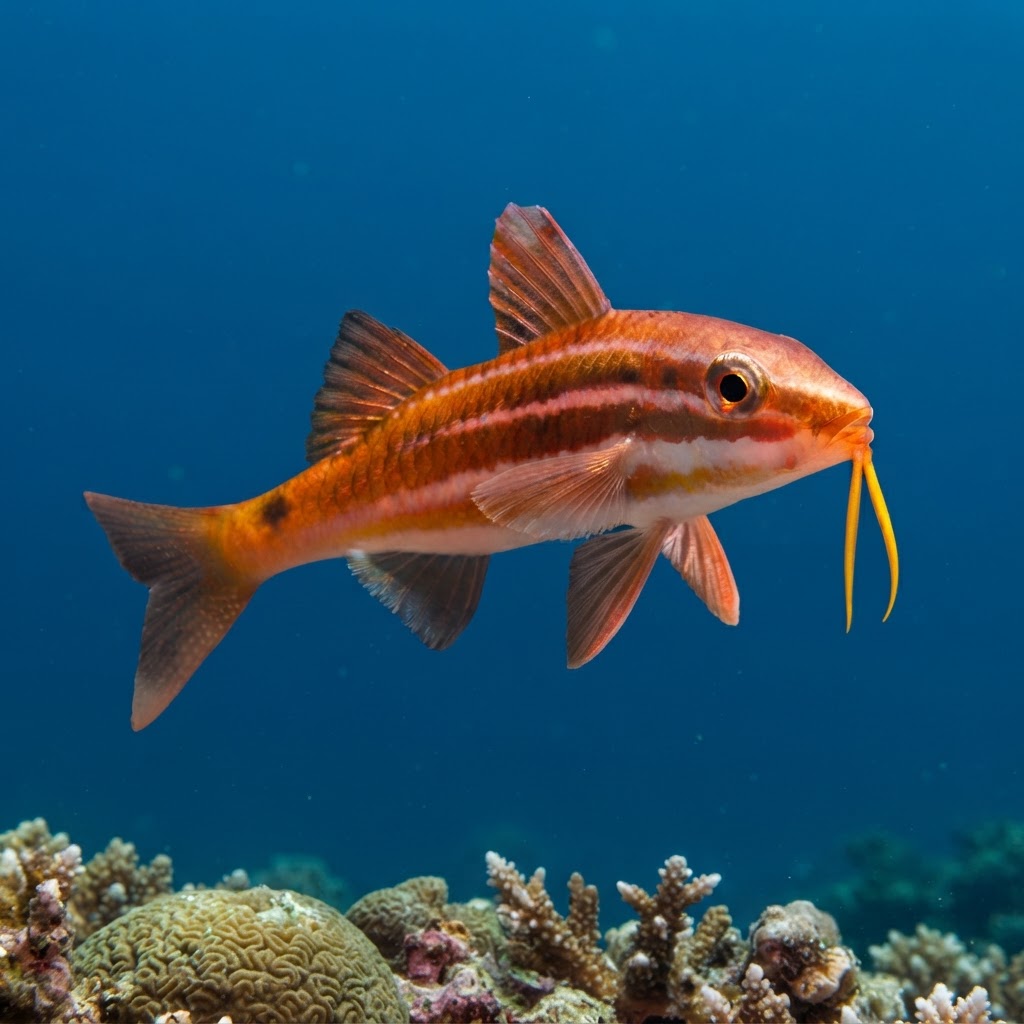
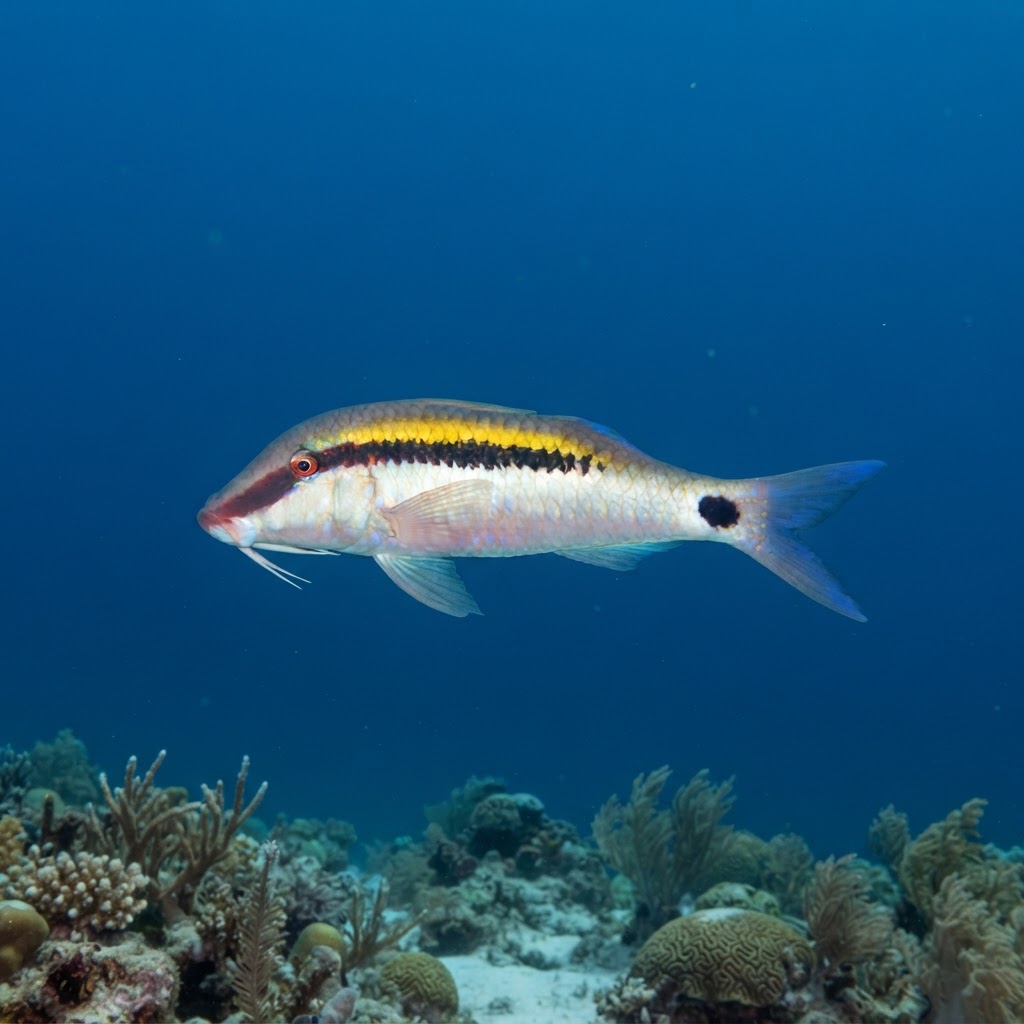
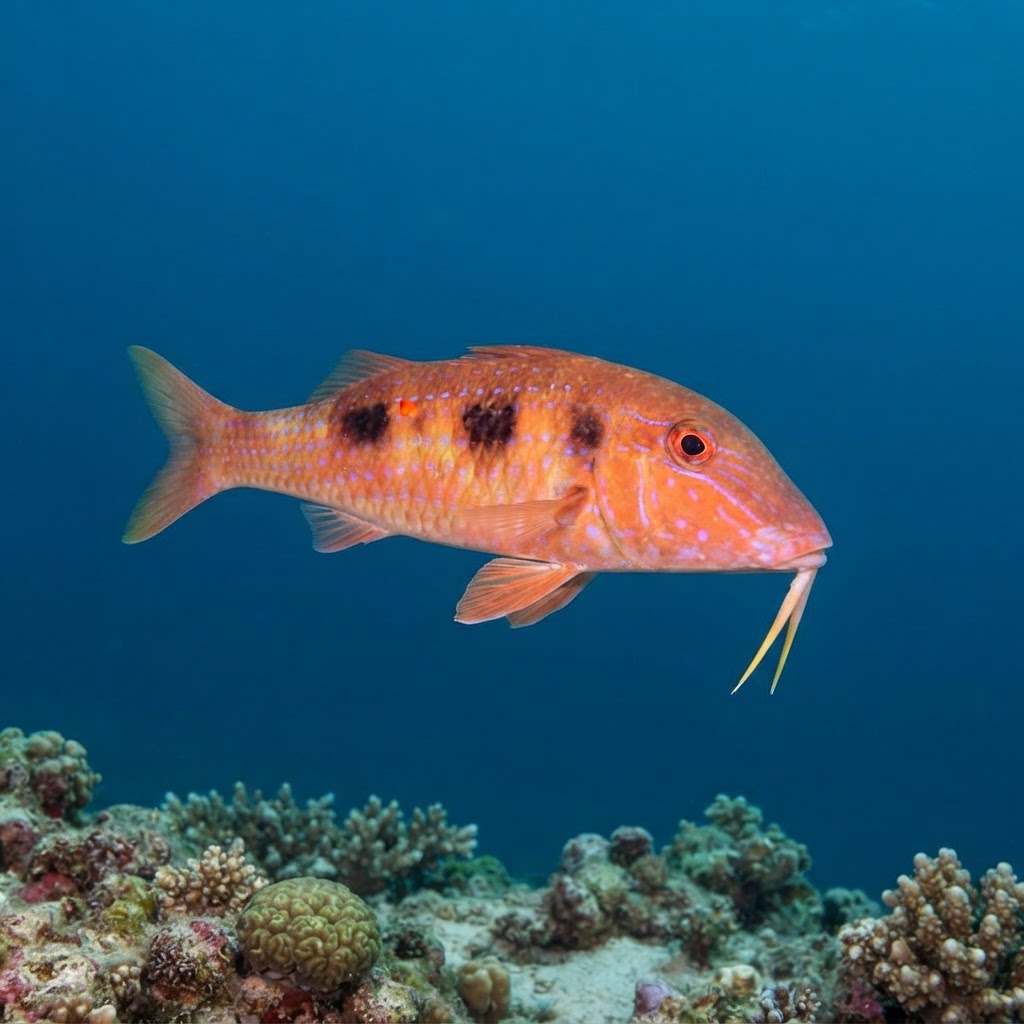
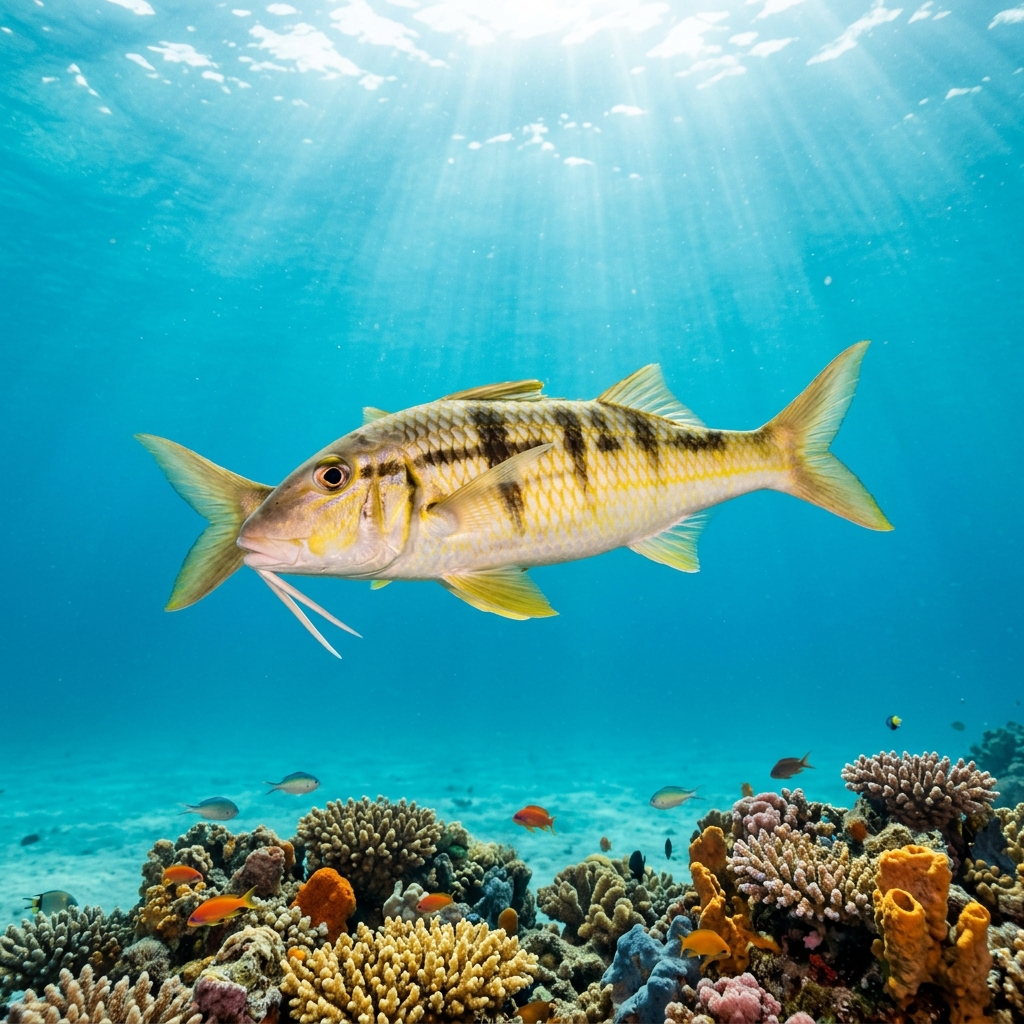
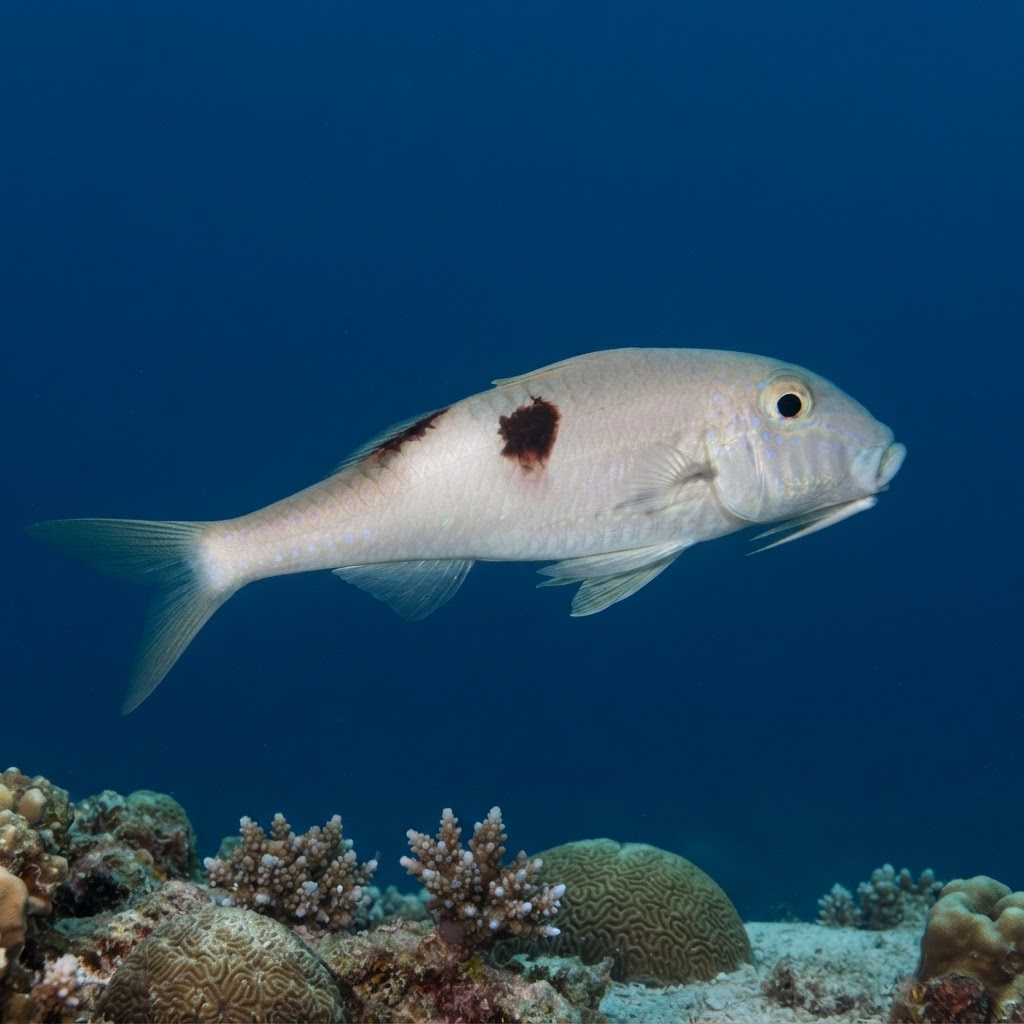
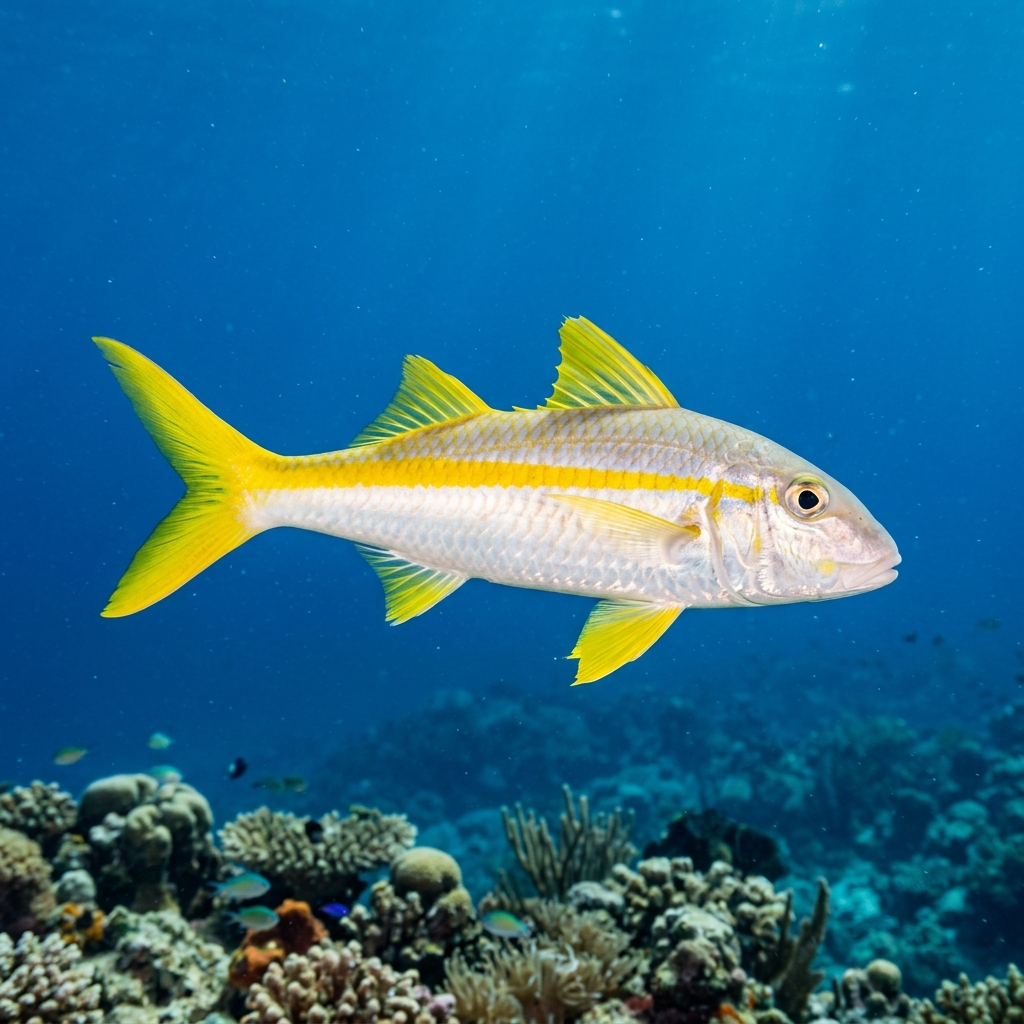
Look for a slender, pale grey to tan body around 23cm long with a distinct dark blotch on the side just behind the gill cover, which gives this fish its name. Two long chin barbels are usually visible, sweeping over sand or rubble as the fish probes for food. The body tapers to a forked tail, and colour can shift from pale to reddish depending on mood and background.
Divers usually spot this goatfish working sand and rubble patches with its barbels, probing for buried invertebrates rather than hunting in open water. It tends to ignore divers unless approached quickly, drifting off a short distance and resuming feeding once left alone. Look for it near the reef base or on adjacent sandy flats rather than up in the water column.
Those chin barbels are packed with chemical sensors, letting the fish taste the sand before it digs, a trick that lets it find prey buried well out of sight.
Sightings don't show a clear seasonal pattern, and with a comfortable range of 24.3 to 29C this fish is active on tropical reefs throughout the year. Plan around good visibility and calm conditions at your chosen site rather than chasing a season.
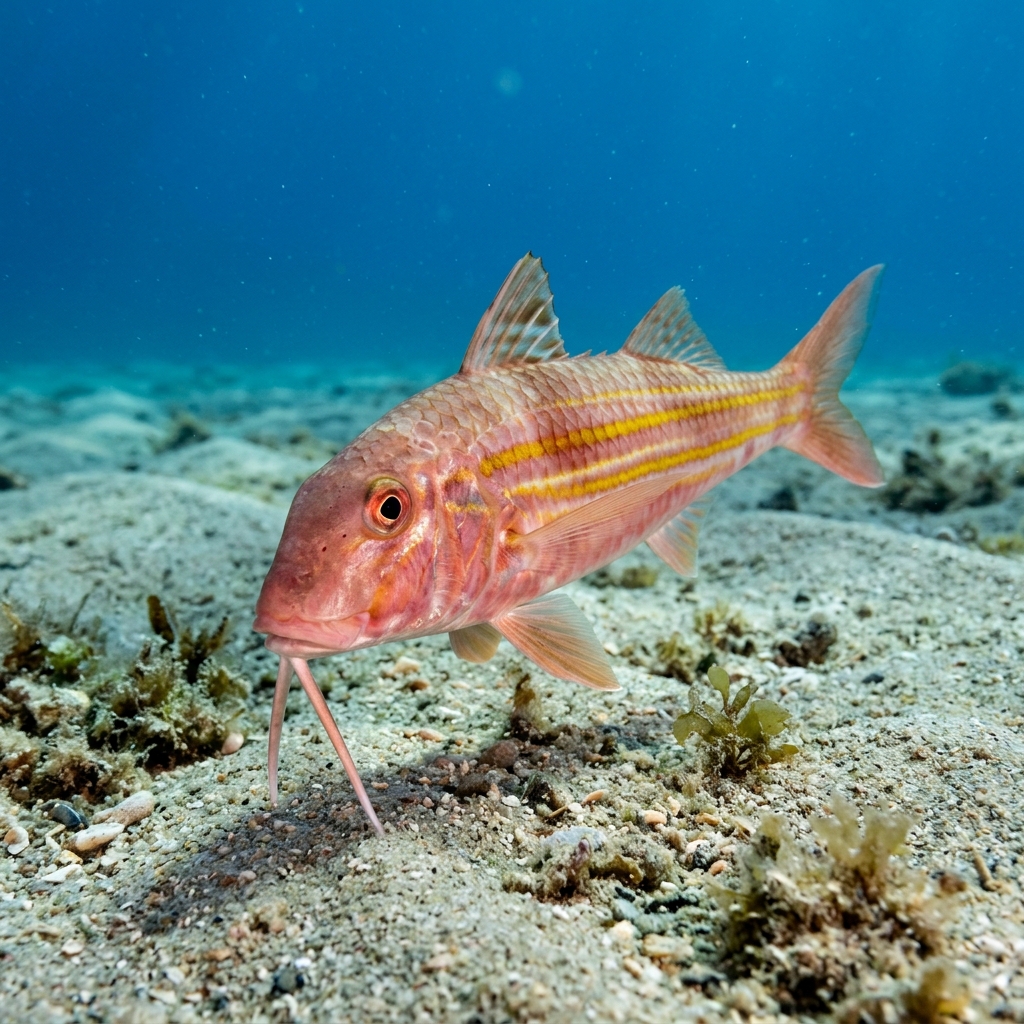
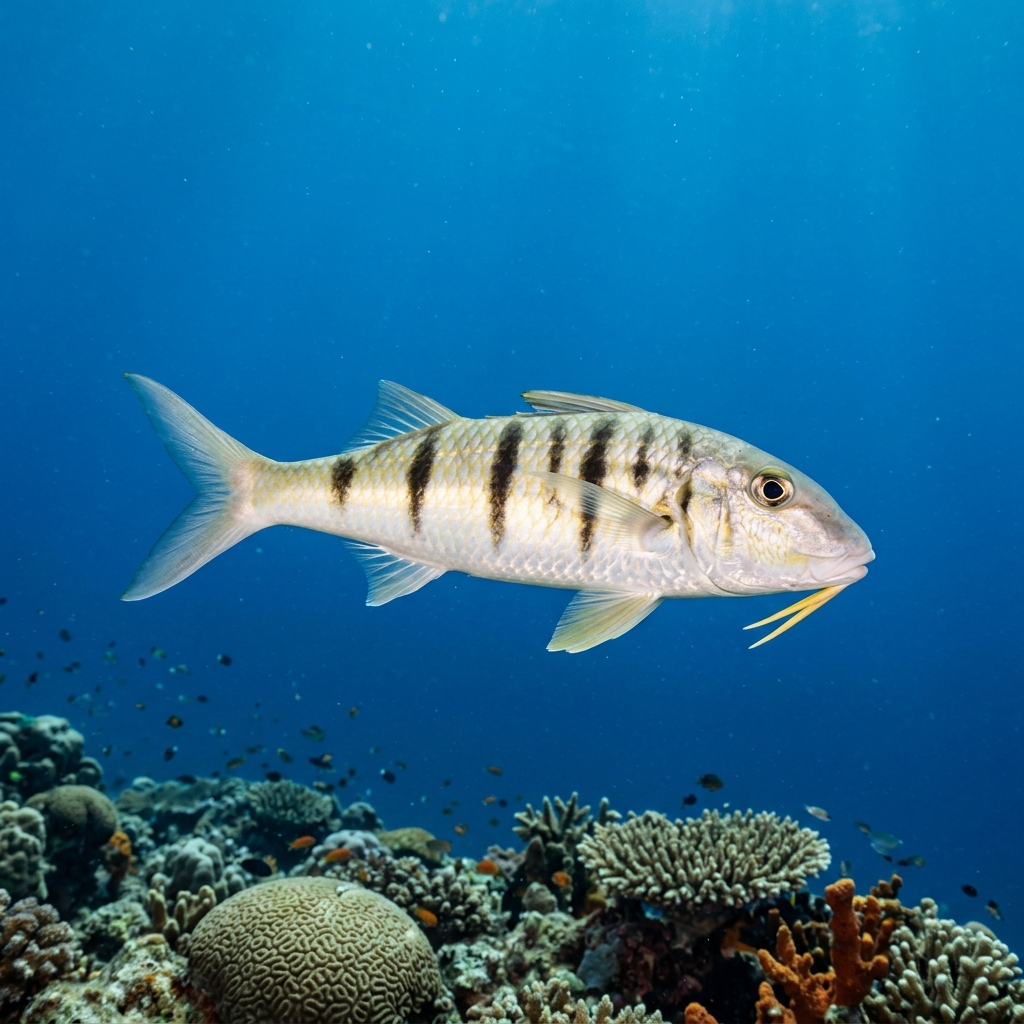
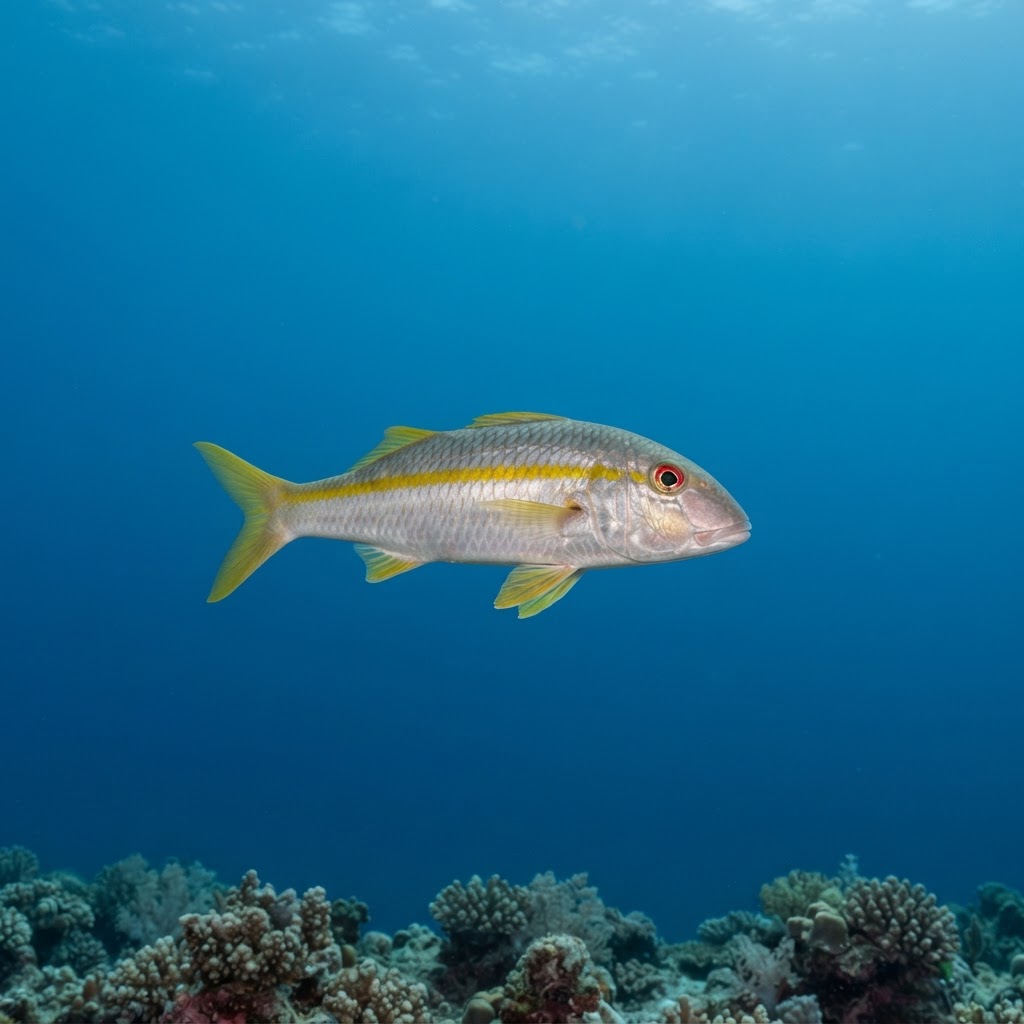
Reef neighbours a diver could mistake it for. Use the identification notes above to tell them apart.
Most reliably logged in Hawaii in the United States and around Khao Lak in Thailand, with additional sightings in Sulawesi, Indonesia and the Fijian regions of Lomaiviti and Taveuni. It shows up across a wide depth range, from shallow reef flats down past recreational limits, but stays an uncommon find wherever it turns up.
Mapping where Sidespot Goatfish is logged…
Hawaii and Khao Lak in Thailand are the most consistent spots, with further sightings in Sulawesi, Indonesia and around Fiji's Lomaiviti and Taveuni regions. It's an uncommon find wherever logged, so treat any sighting as a bonus rather than a guarantee.
There's no strong seasonal pattern in the data, and the species tolerates a wide 24.3 to 29C range, so it's a year-round possibility on the reefs where it's found.
Check for a pale grey to tan body around 23cm with a dark spot on the side behind the gills and two chin barbels used for probing sand. It's usually seen low on the reef or over rubble rather than swimming freely.
They typically reach about 23cm in length, a modest size that keeps them easy to overlook against sand and rubble.
Its barbels aren't just for touch, they carry chemical sensors that let it taste buried prey in the sand before digging it out, a hunting method shared across the goatfish family.
Site and sighting data is aggregated from diver logs, iNaturalist and GBIF. For taxonomy and conservation status:
Yellowfin Goatfish
2,241 sites