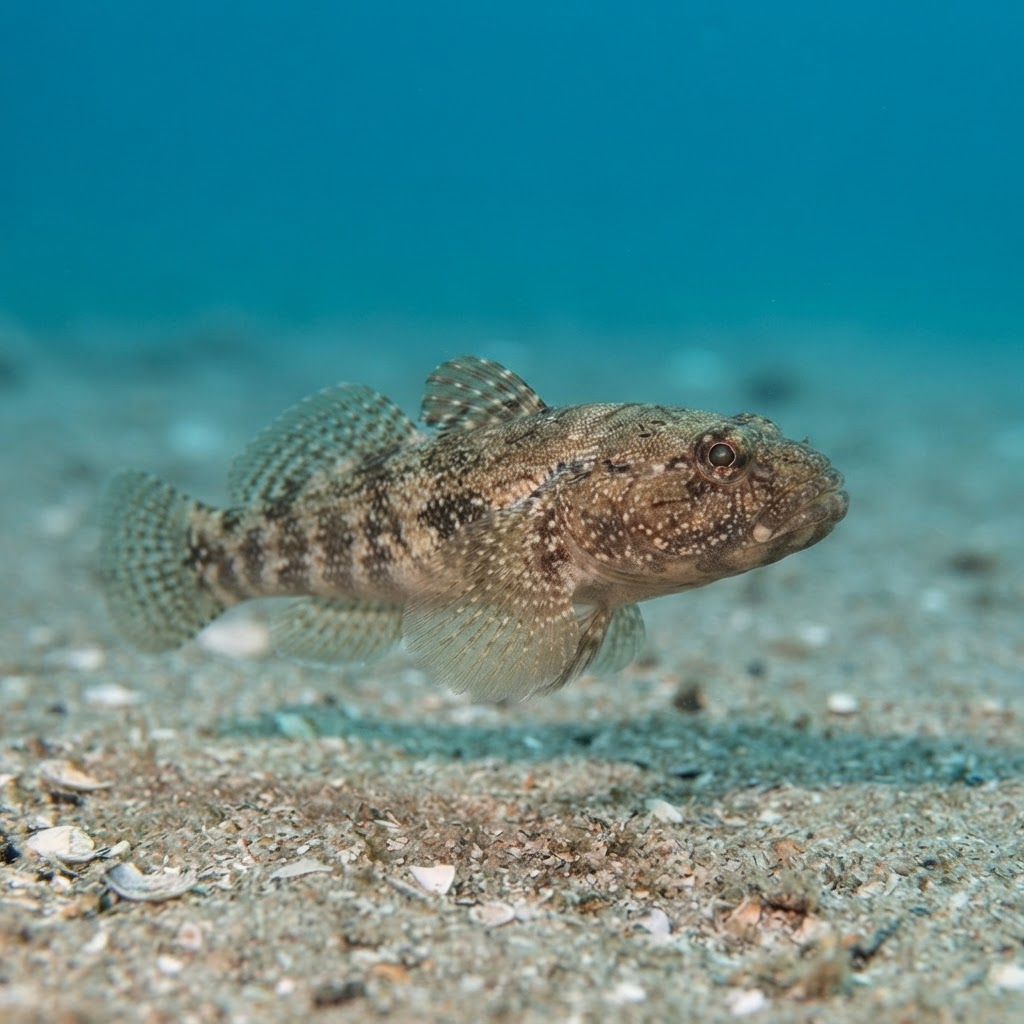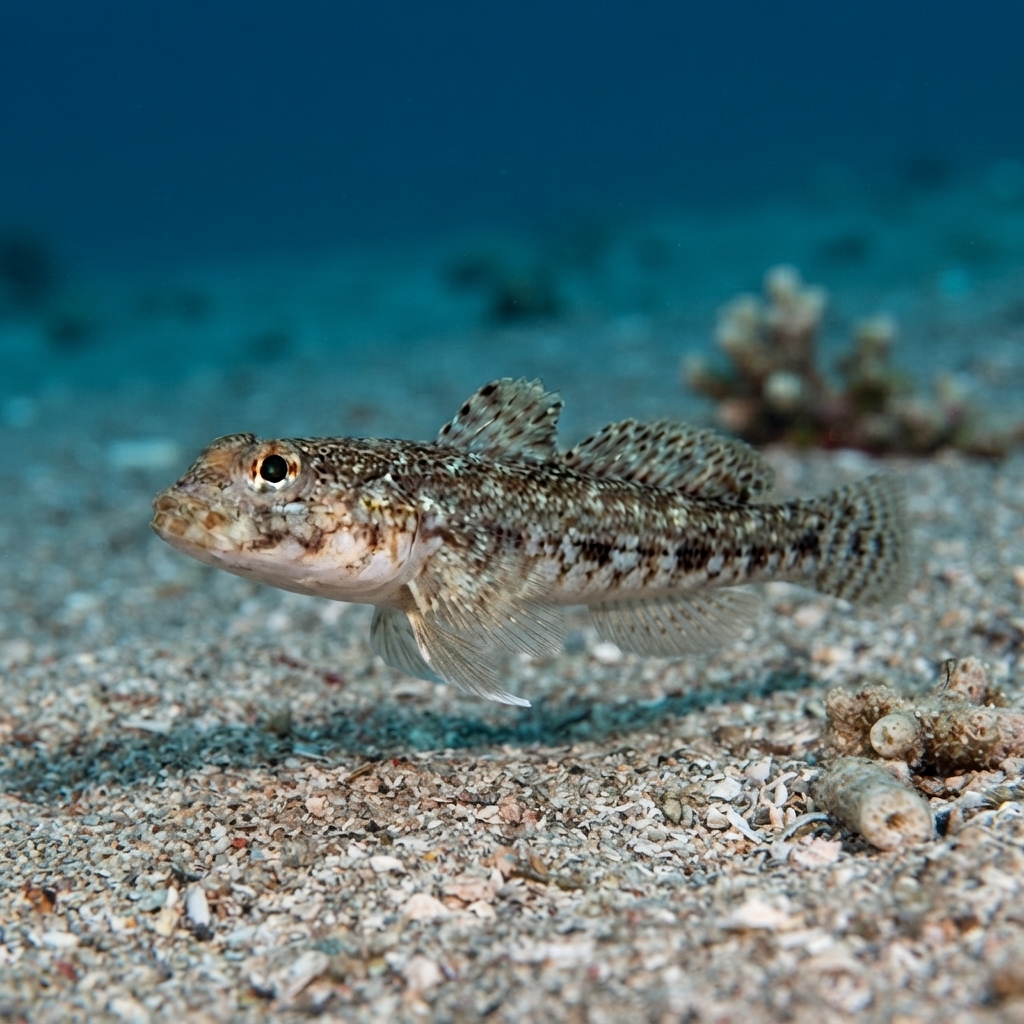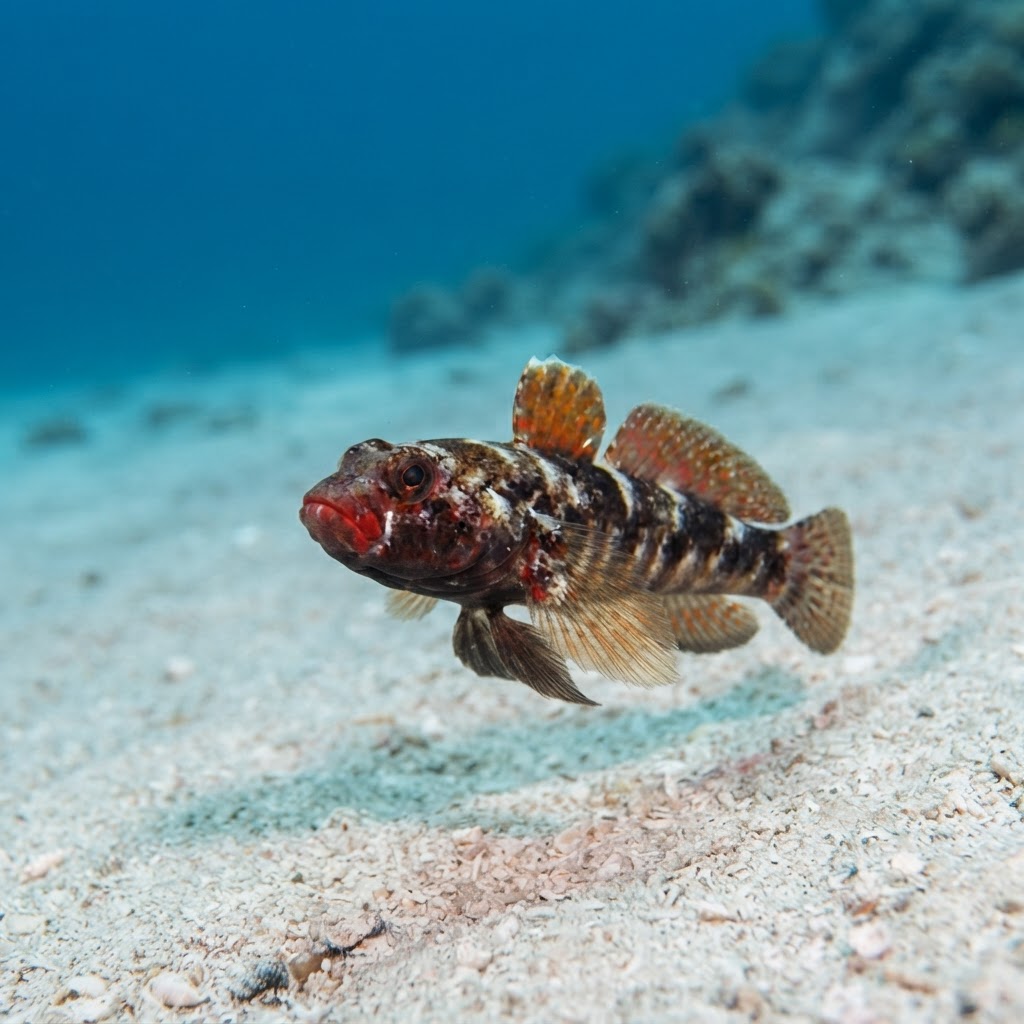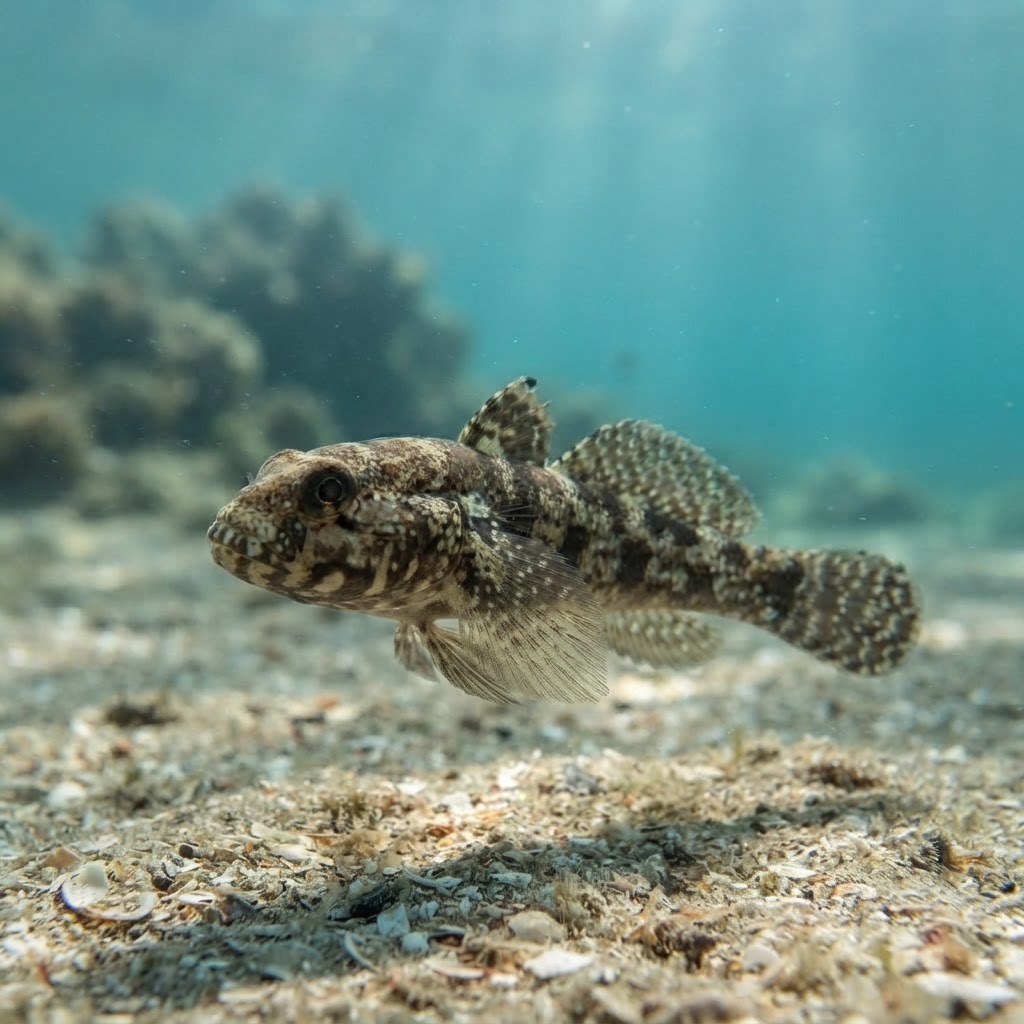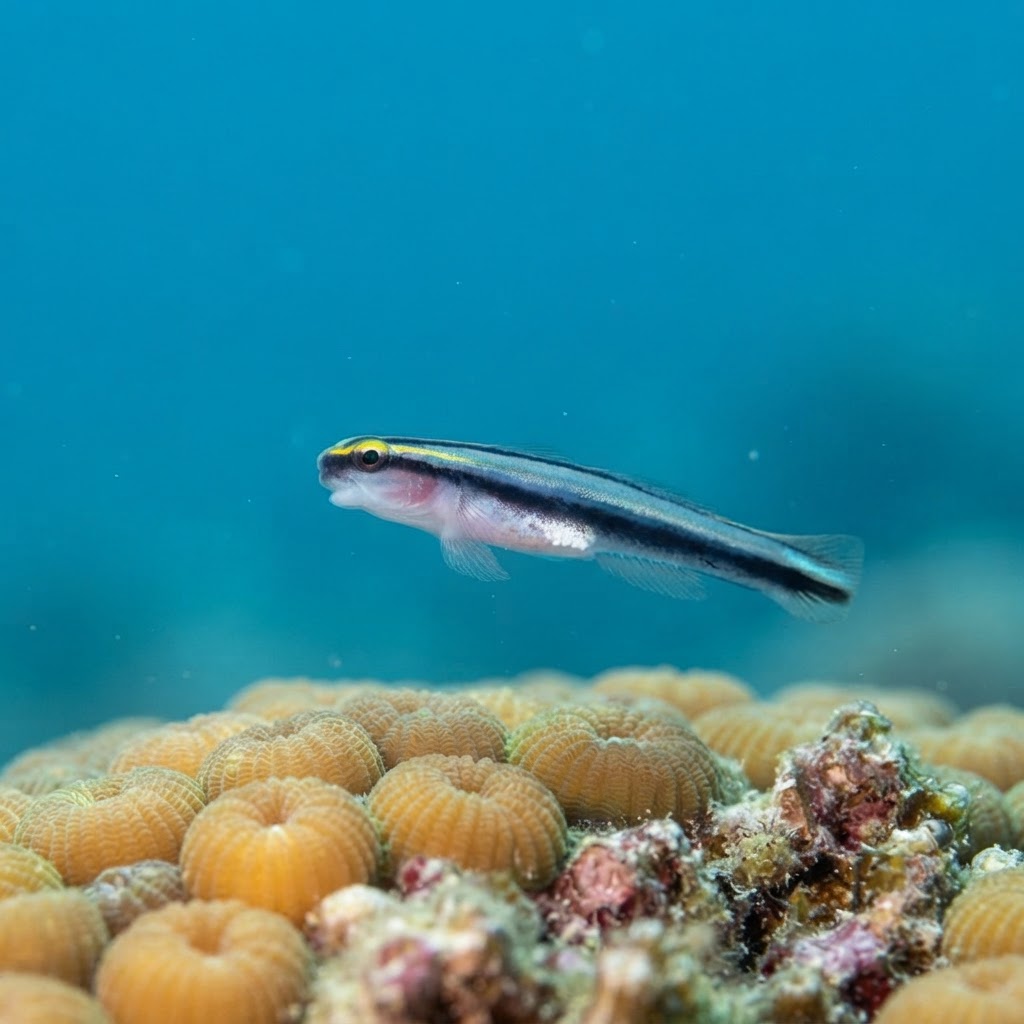
Elacatinus evelynae
Tiny reef cleaner fish common on Bonaire's Leeward Coast and Grenada Island, active year-round in 25-28C water.
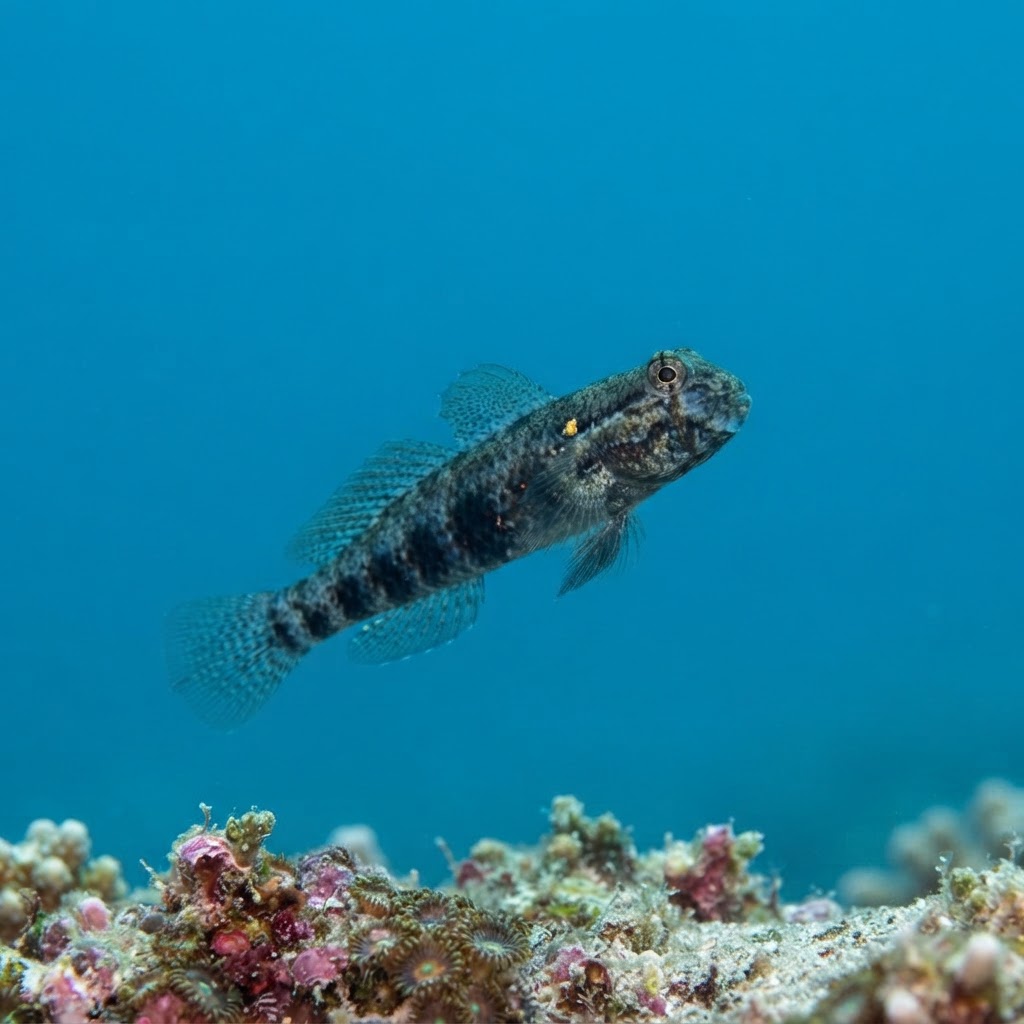
Barely 2 cm long, this goby is easiest to spot by its bold dark stripe running from snout to tail against a pale, almost translucent body. It perches motionless on coral heads or sponges rather than swimming freely, propped up on its pelvic fins like a tiny sentry. Look closely at the head for a faint yellow wash, which helps separate it from plainer reef gobies sharing the same rubble.
Expect to find it stationed on a specific coral head or sponge, holding its ground rather than darting off when you approach with a torch or careful fin kicks. Many sightings happen at classic cleaning-station spots, where the goby waits for larger fish to swim by for a pick-over. It is most often logged as uncommon at a given site, so a slow, close look along healthy coral is the way to actually spot one rather than expecting it to appear on every dive.
Like other cleaner gobies, this species picks parasites and dead tissue off larger reef fish that pause and posture to invite the service, a small but steady piece of reef housekeeping.
No clear seasonal pattern shows in the data, and with water sitting comfortably between 24.8 and 28.0C year-round, this goby is a fixture on Caribbean reefs in any month you dive.
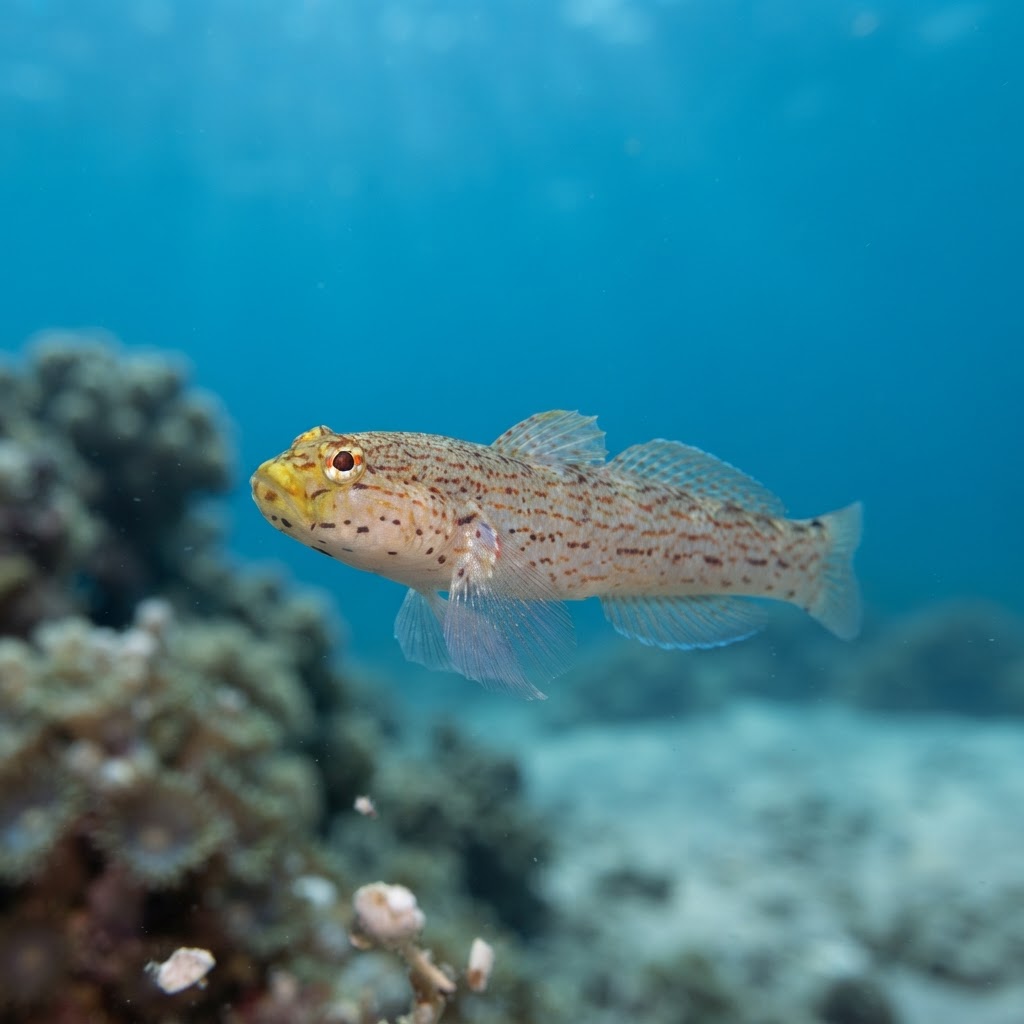
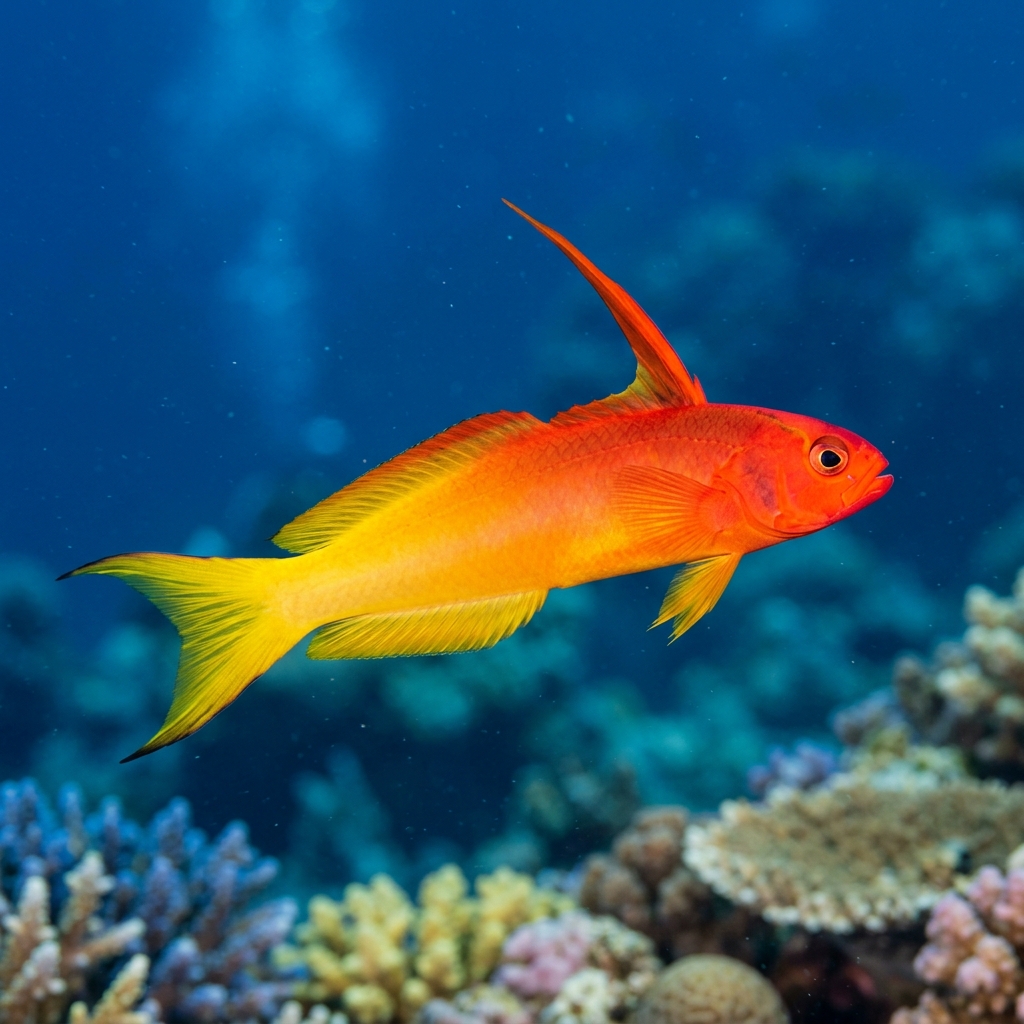
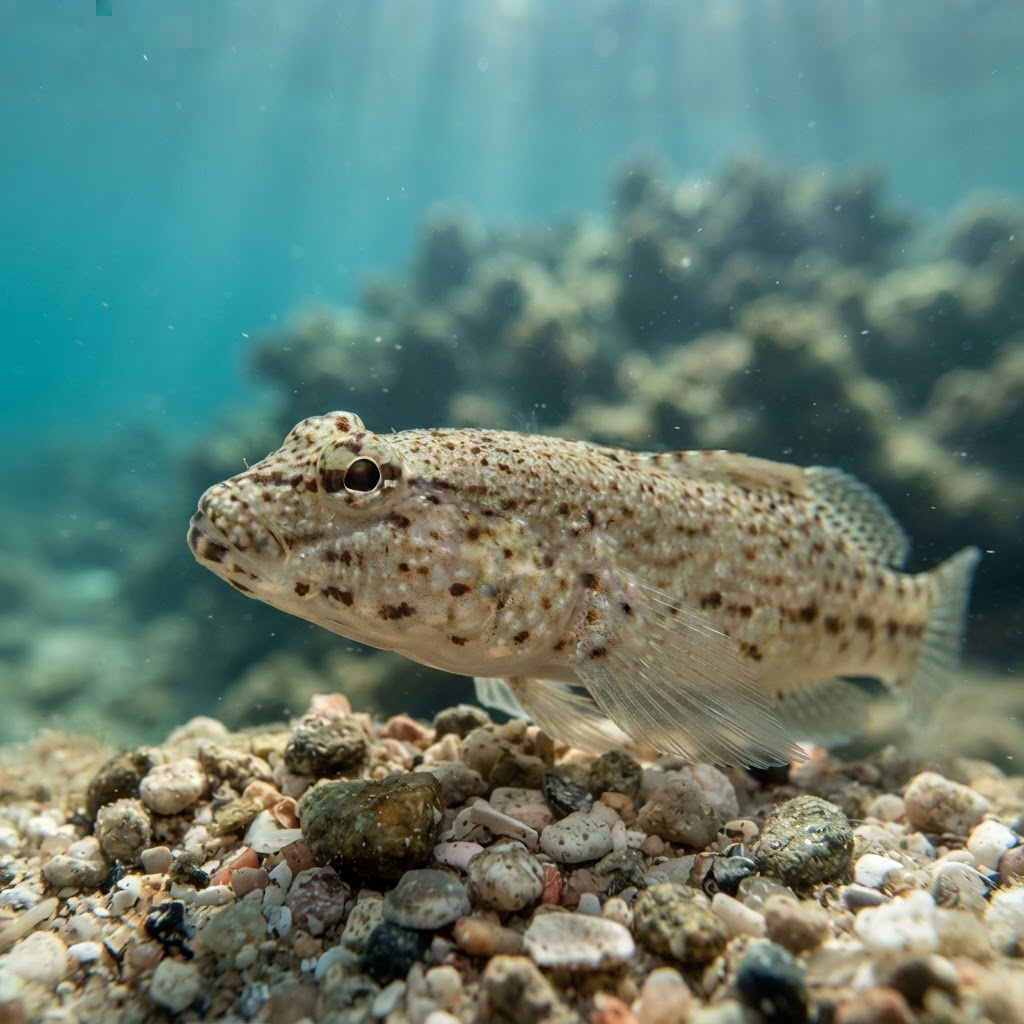
Reef neighbours a diver could mistake it for. Use the identification notes above to tell them apart.
This is a Caribbean regular, most reliably logged in the US Virgin Islands, Grenada, Bonaire, and Guadeloupe, with strong numbers also turning up in the British Virgin Islands, Saba, Dominica, and Curacao. Within those countries, Saint John and Saint Thomas in the US Virgin Islands, Bonaire's Leeward Coast, Grenada Island, and Saba's Tent Reef are the spots divers name most often.
Mapping where Sharknose Goby is logged…
It turns up across the Caribbean, most consistently in the US Virgin Islands, Grenada, Bonaire, and Guadeloupe. Saint John, Saint Thomas, Bonaire's Leeward Coast, and Grenada Island are among the most productive spots.
There is no strong season for this one. It sits in water between roughly 25 and 28C year-round, so any month works for a Caribbean dive trip.
Look for a tiny fish, about 2 cm, perched still on coral or sponge with a dark stripe running the length of its pale body. It rarely swims far, holding position rather than cruising the reef.
Around 2 cm as adults, making it one of the smaller reef fish you will try to photograph. A macro lens or a very close, patient look is the way to see the detail.
It mostly waits. Perched at a favoured spot, it acts as a cleaner, picking parasites off larger fish that stop by and pose for the service, then returns to its perch to wait for the next visitor.
Site and sighting data is aggregated from diver logs, iNaturalist and GBIF. For taxonomy and conservation status:
Slender Goby
806 sites