Oligocottus maculosus
A 5cm mottled fish common in cold water dives across British Columbia, often spotted resting on rock and sand between 6 and 14C.
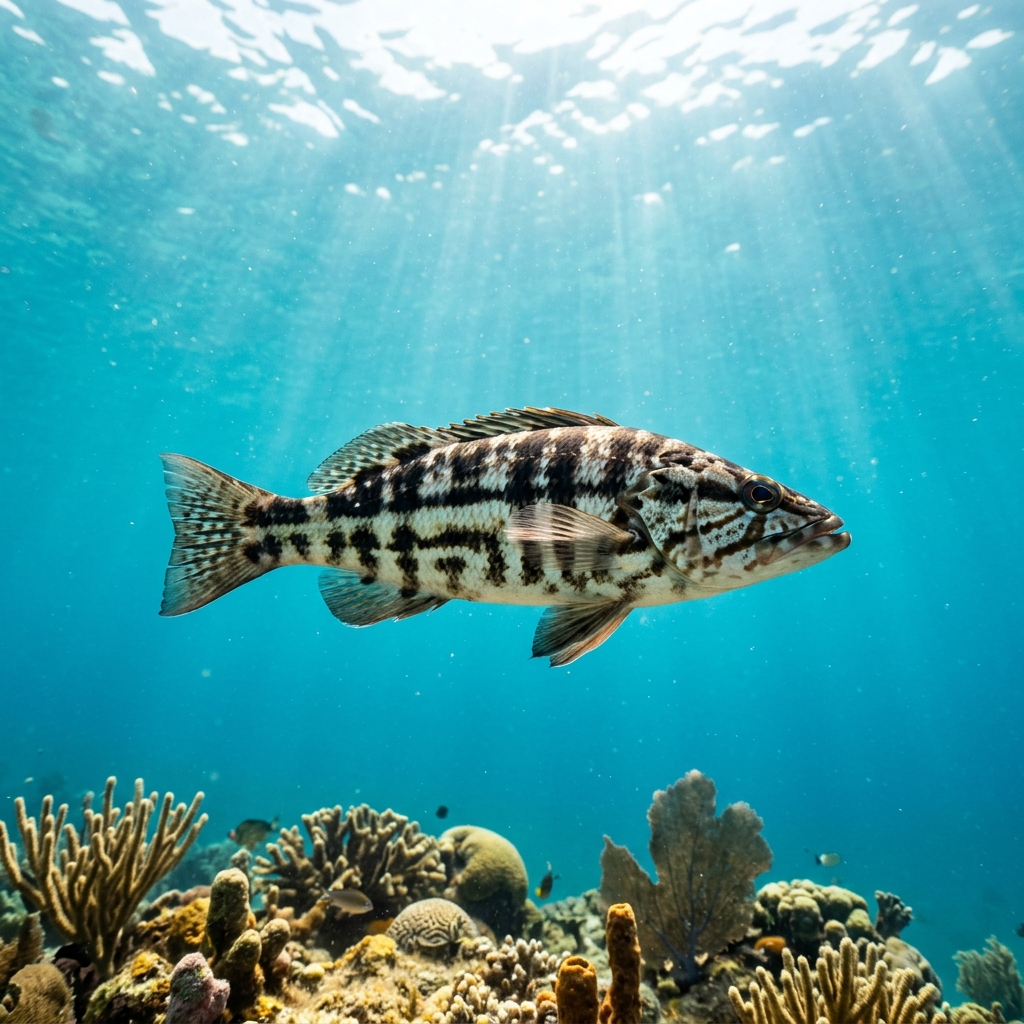
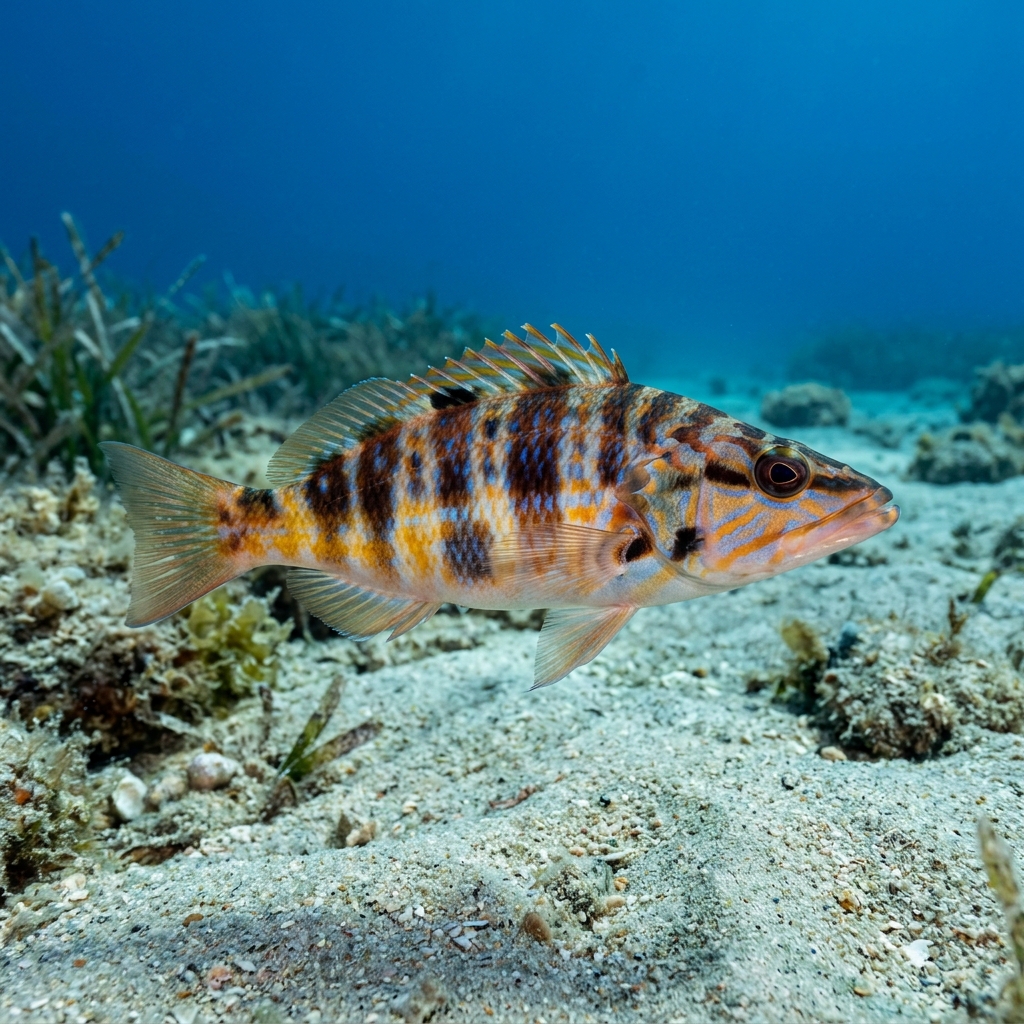
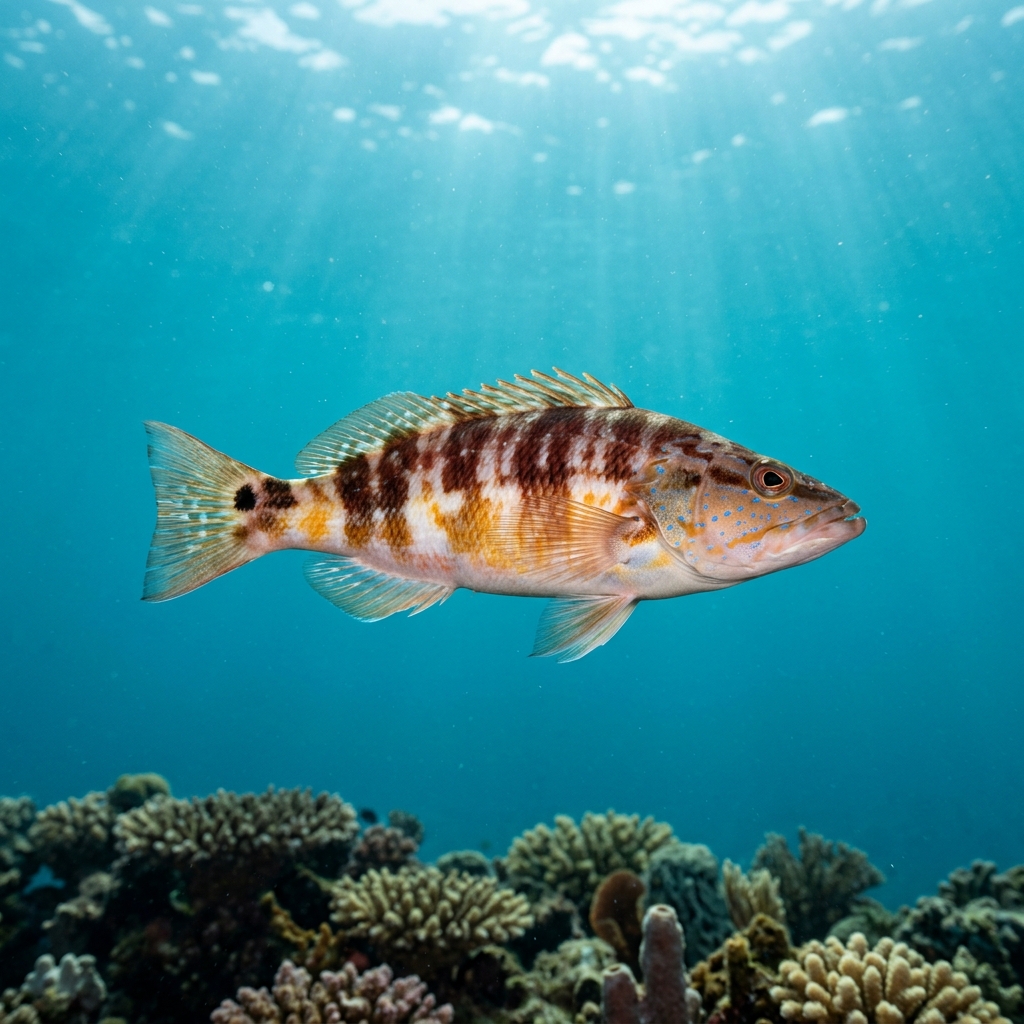
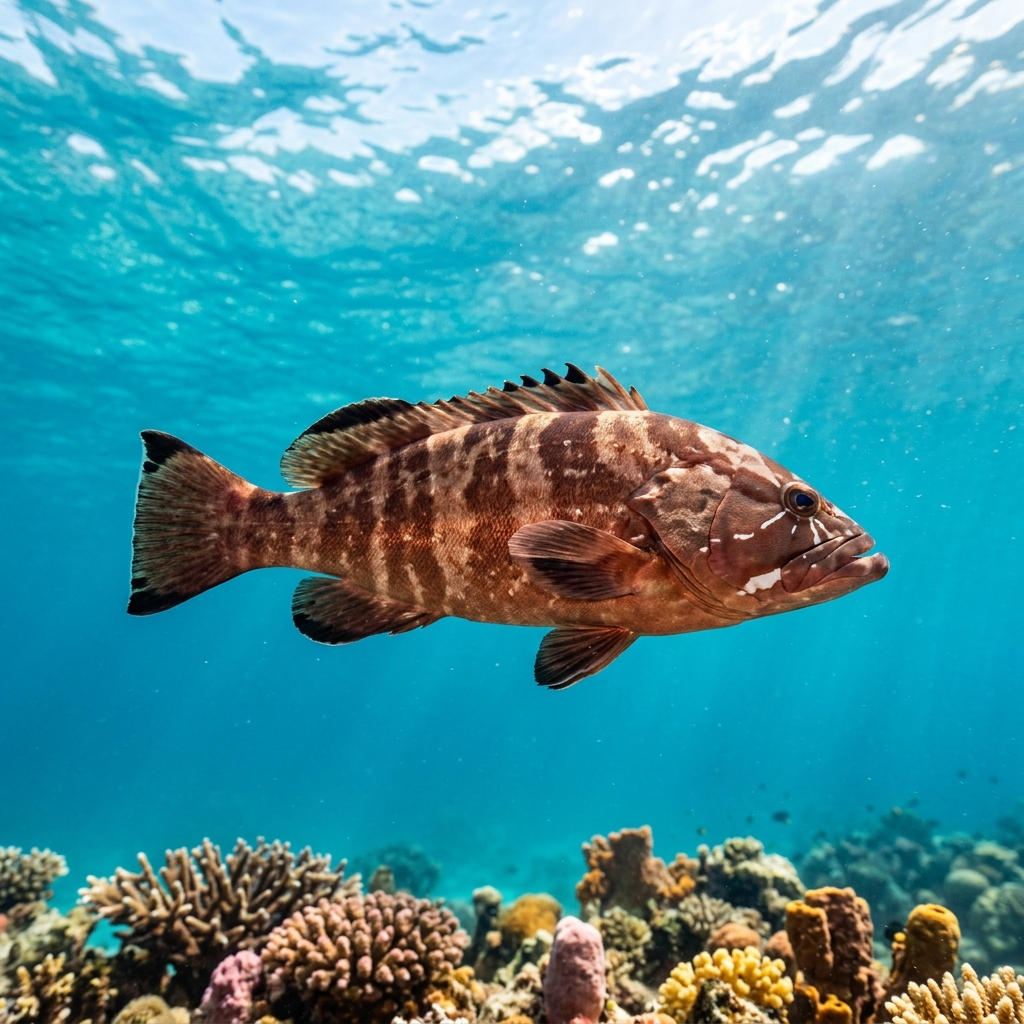
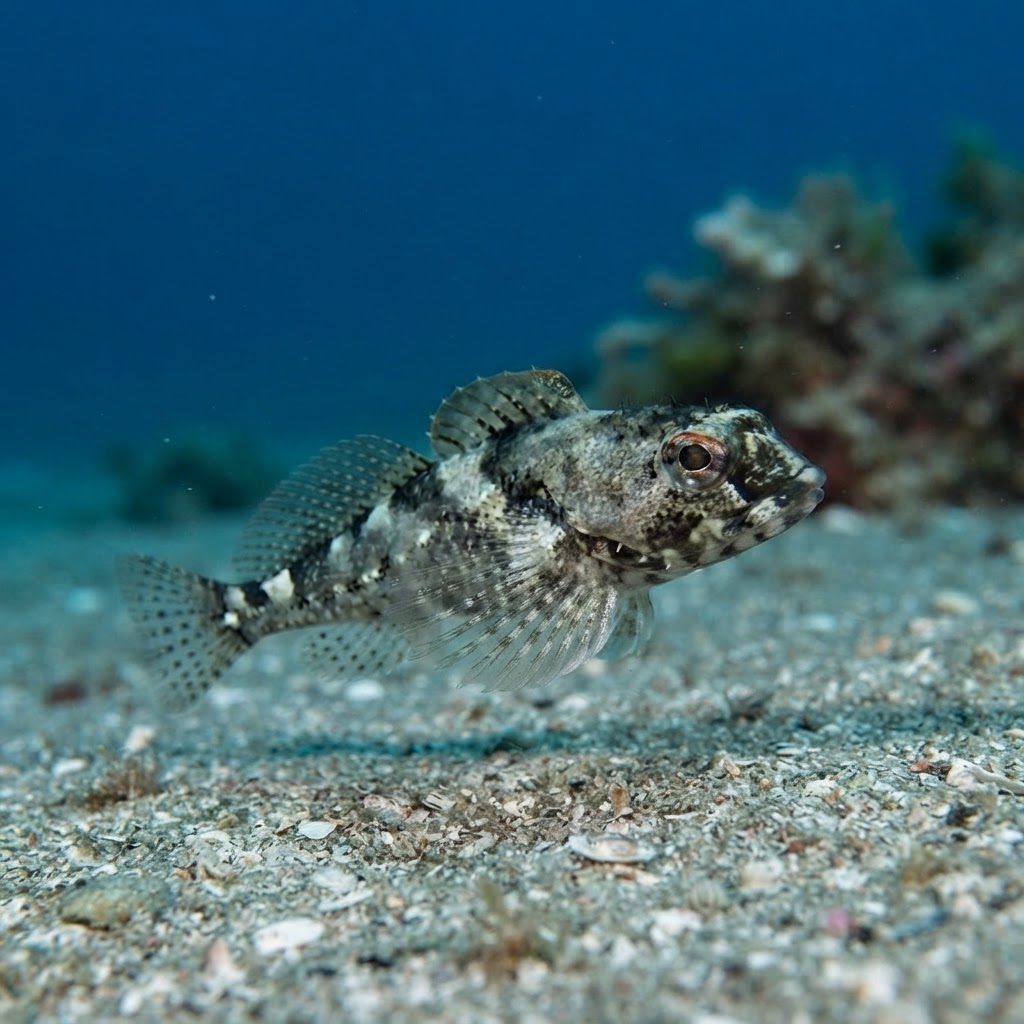
A tiny, mottled fish rarely more than 5cm long, with a blunt head, large eyes set high on the skull, and a tapered body that blends into rock and algae. Colouring runs from olive to reddish brown with darker blotches that shift to match the surrounding substrate, so it is often spotted only once it moves. It tends to perch motionless on rock, cobble or sand rather than swim in open water, propped slightly on its pectoral fins.
Divers usually find it sitting still on rock, cobble or gravel rather than out swimming, using its mottled colouring to disappear against the bottom. It is not shy exactly, just easy to miss until you slow down and scan the substrate closely, and it will often hold position rather than dart off when a light passes over it. Most sightings come from shallower rocky terrain rather than deep open water.
Despite the name, this fish is just as much a subtidal cobble and rock dweller as a true tidepool resident, and individuals show strong site fidelity, often found near the same patch of reef across repeated dives.
Sightings show no clear seasonal pattern, and with a comfort range of roughly 6 to 14C it stays active through the colder months typical of Pacific Northwest and British Columbia diving, so any time of year works.
Most reliably logged in British Columbia, Canada, which accounts for the bulk of recorded sightings, followed by the Pacific Northwest of the United States. Smaller numbers turn up further north in Alaska and south into California, making this largely a cold-water Pacific coast fish for divers working rocky reefs and cobble bottoms.
Mapping where Tidepool Sculpin is logged…
British Columbia in Canada is the strongest area for sightings, with the Pacific Northwest region of the United States close behind. Smaller numbers are logged in Alaska and California.
There is no strong seasonal pattern in sightings, and its cold-water comfort range of roughly 6 to 14C means it stays visible on Pacific coast dives year-round.
Look for a small, blunt-headed fish under 5cm, mottled olive to reddish brown, perched motionless on rock, cobble or sand rather than swimming in open water. Its colouring shifts to match the substrate, so it is often spotted by movement rather than shape.
They stay small, typically around 5cm long as adults, which makes them easy to overlook against rocky or cobbled seafloors.
No, they pose no threat to divers and simply rest on the bottom or hold still when approached.
They show strong site fidelity, with individuals often found near the same patch of reef or rock across multiple dives despite living in a habitat exposed to tides and wave action.
Site and sighting data is aggregated from diver logs, iNaturalist and GBIF. For taxonomy and conservation status:
Blacktip Grouper
2,734 sites