Plagiotremus azaleus
A slender 7cm mimic with a dark eye stripe, most often spotted along Guanacaste, Costa Rica and the Galápagos in warm 22.5-29°C water.
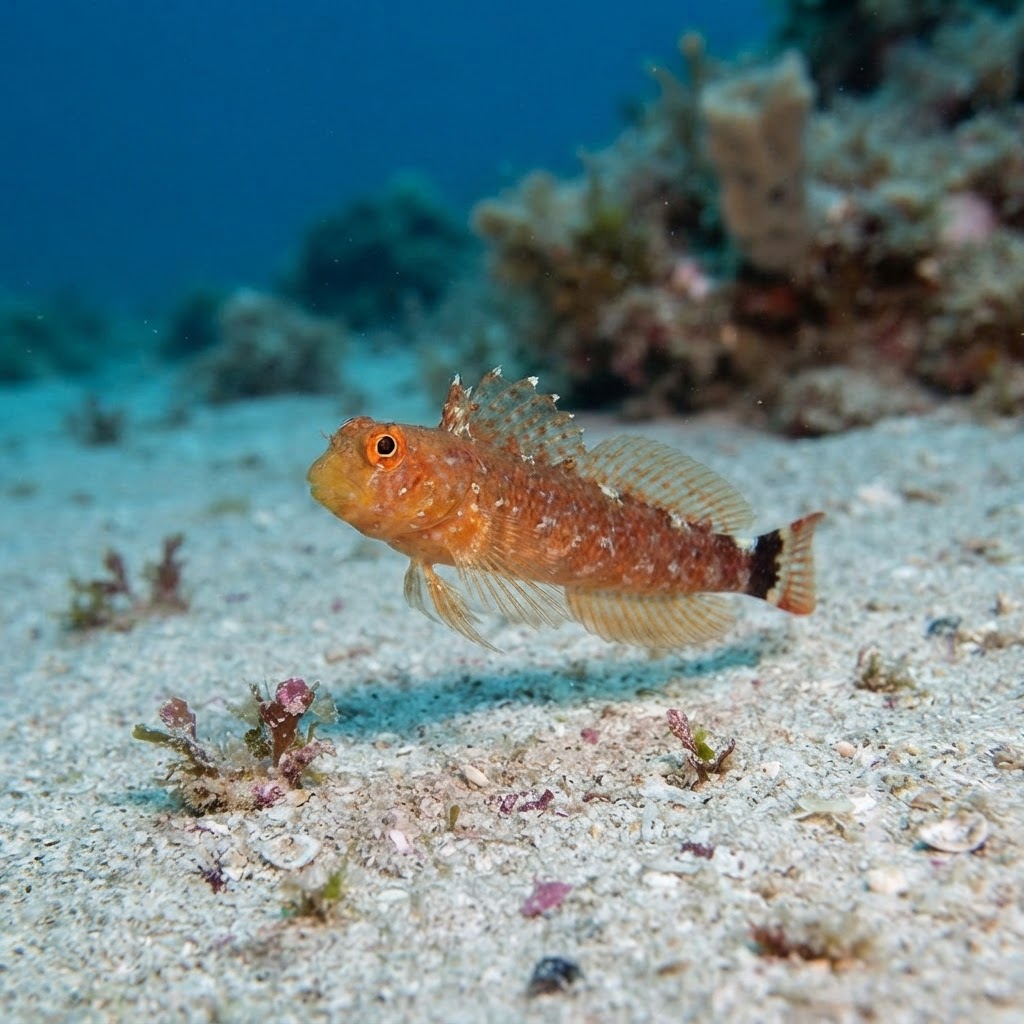
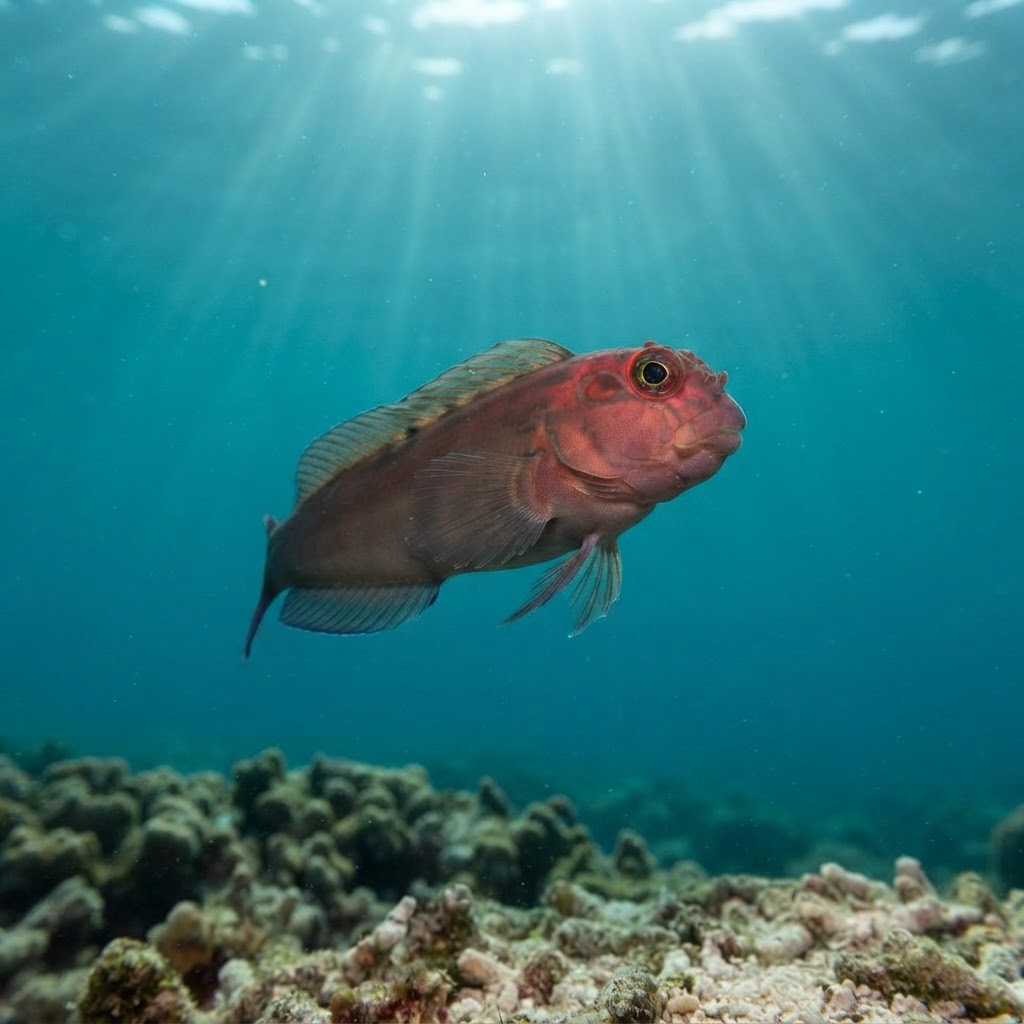
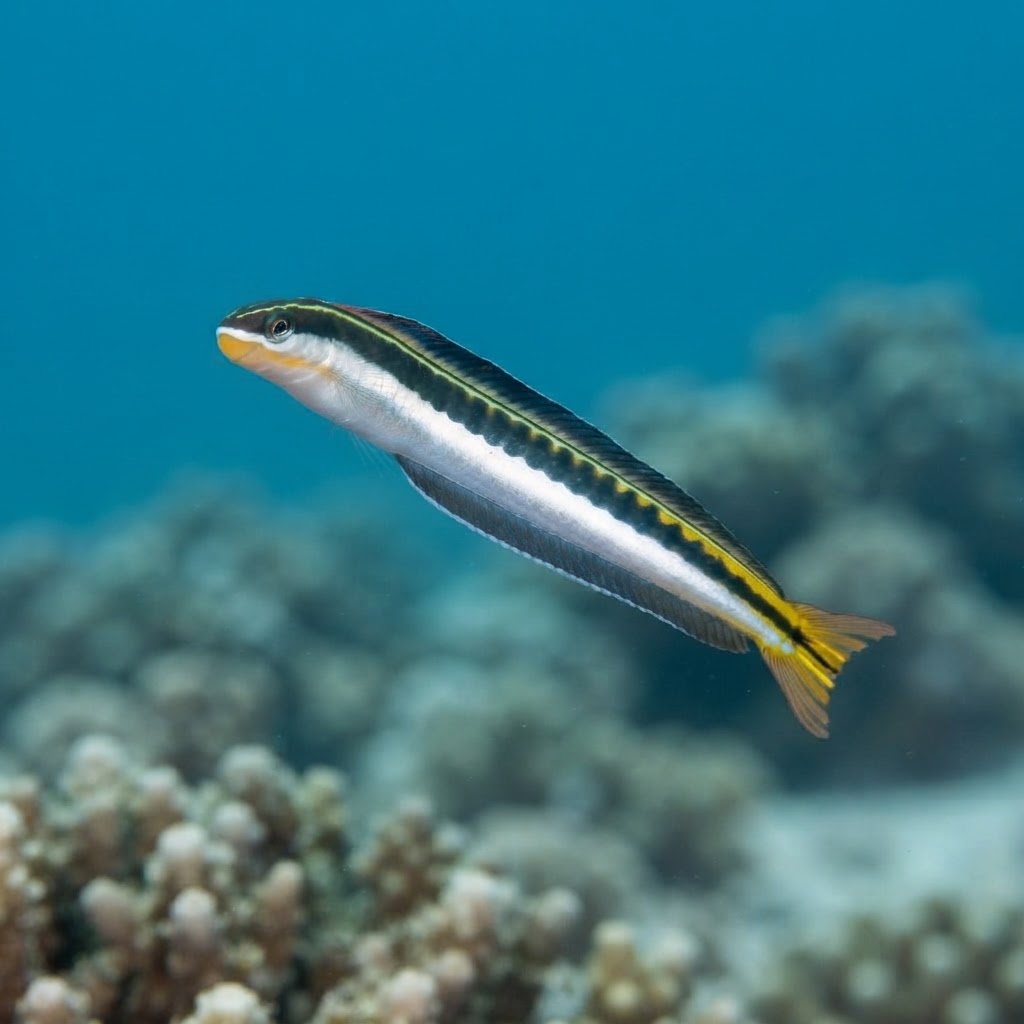
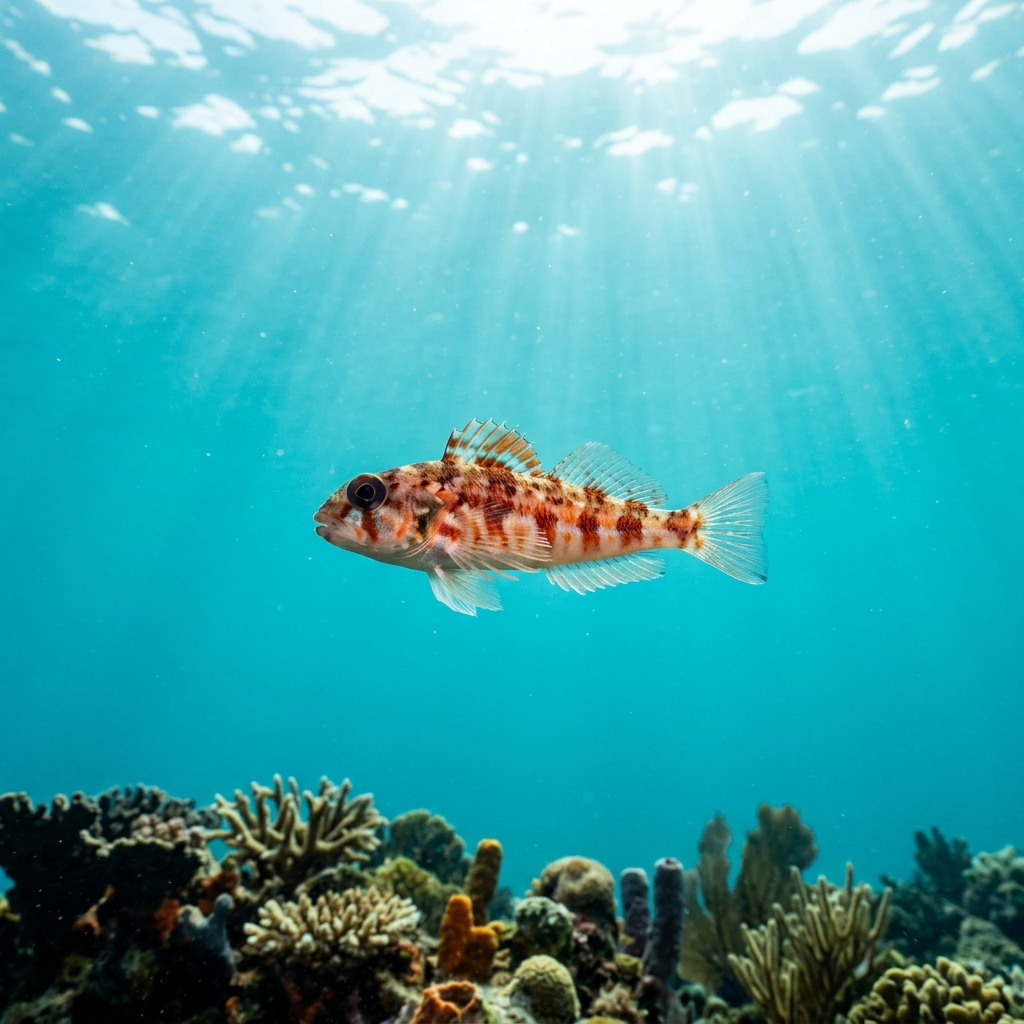
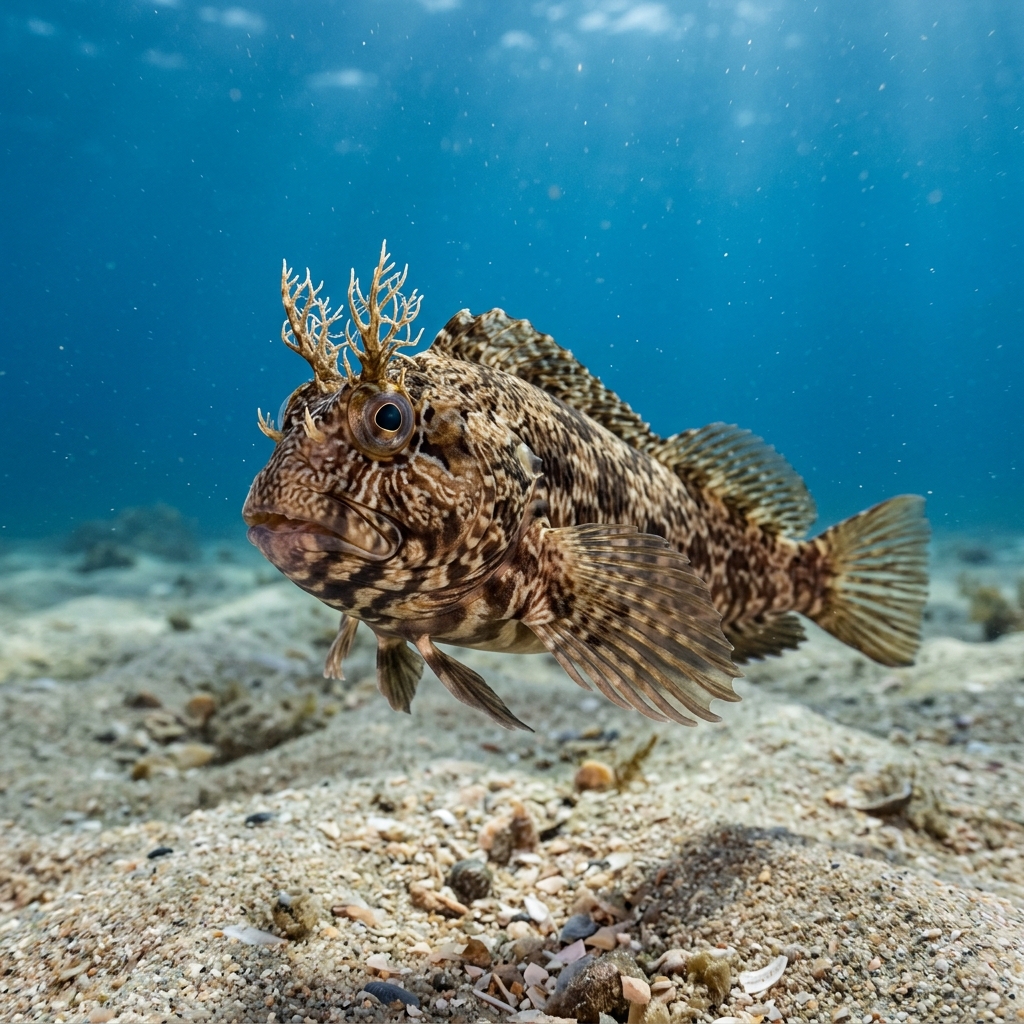
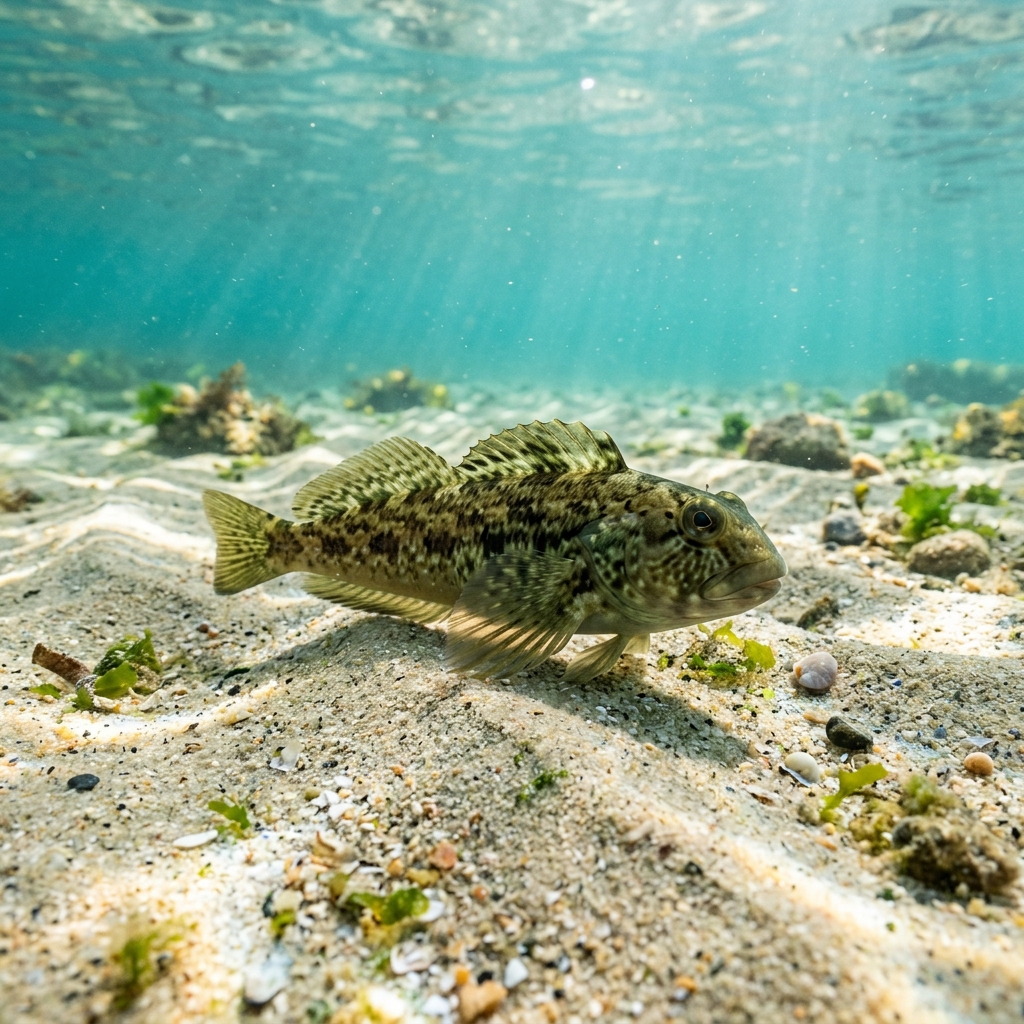
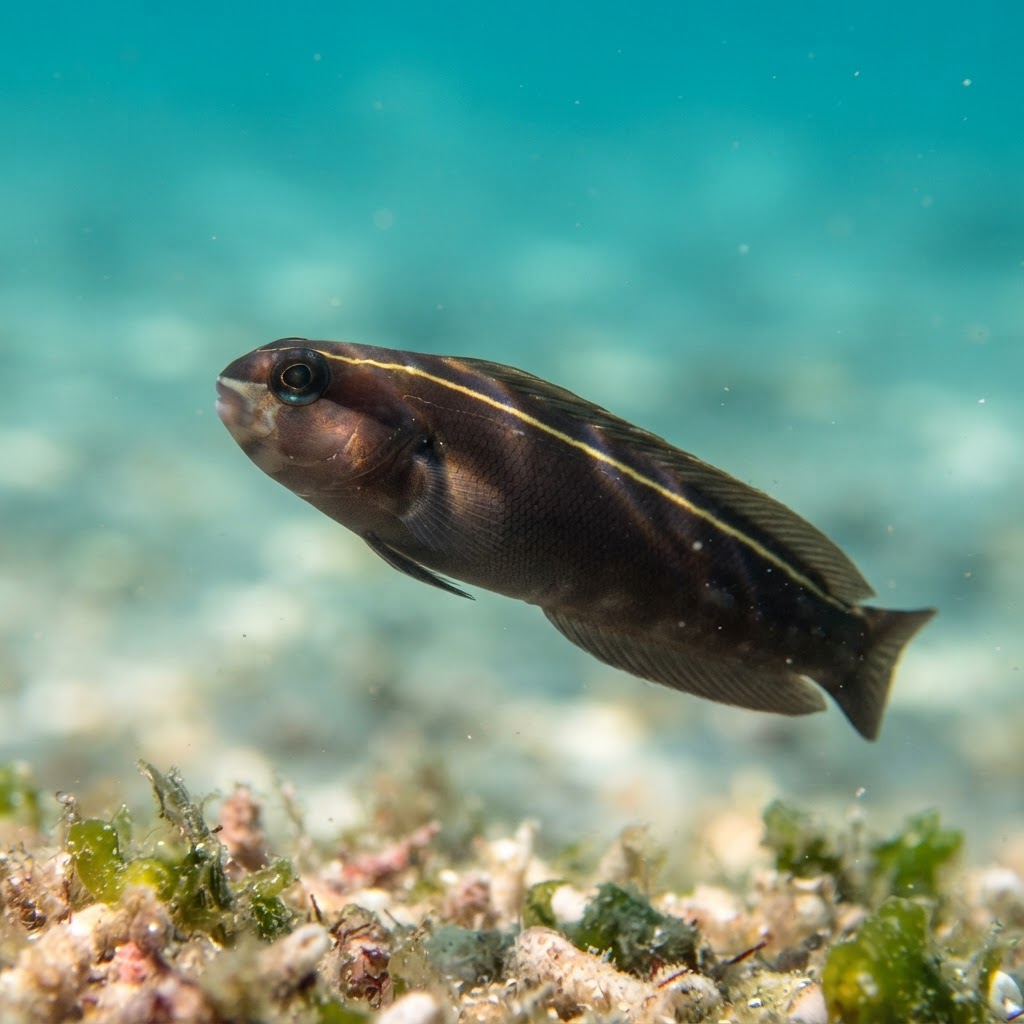
A slim, eel-like body only about 7cm long, usually grey to olive-brown with faint mottling and a dark stripe running through the eye. It holds itself close to rock or coral rubble with a slightly upturned mouth, and swims in short darting bursts rather than steady cruising. The elongated fangs that give it its name aren't visible at a glance, but the wedge-shaped head and eel-like posture are.
Spends most of its time tucked into crevices, rubble, or the base of rocky reef, darting out in quick bursts rather than hovering in the open. Divers usually log it as an uncommon find, meaning you have to look closely into holes and ledges rather than expect it to swim past. It tends to hold its ground when approached slowly, then flick away into cover if you get too close.
Fangblennies like this one use their oversized lower jaw teeth defensively and to dart in and nip at passing fish, a very different feeding style from most reef blennies that graze algae.
Sightings don't show a clear seasonal pattern, and with a comfortable range of 22.5 to 29.1°C it's logged across the year on these Pacific reefs rather than in one narrow window. Plan around the dive season for your chosen region rather than a specific month for this fish.
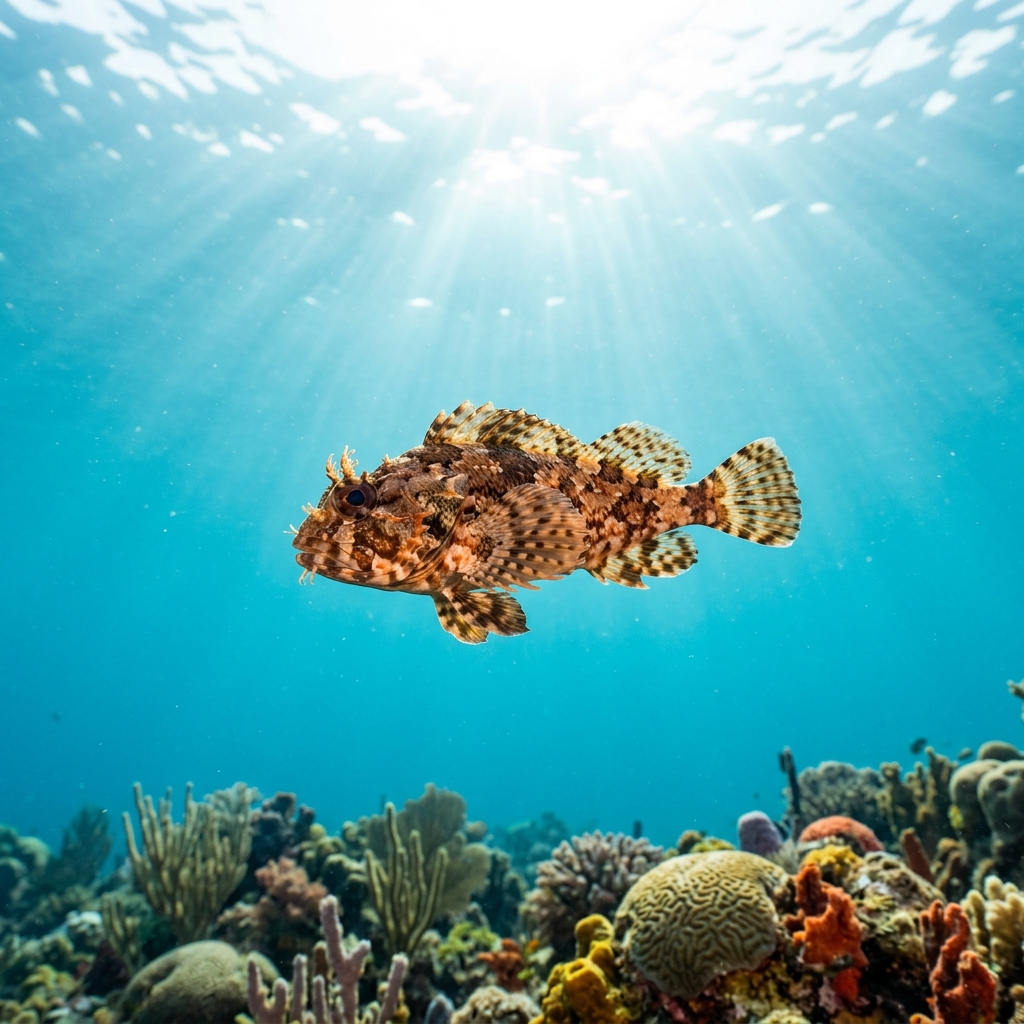
Reef neighbours a diver could mistake it for. Use the identification notes above to tell them apart.
Most reliably logged along Guanacaste in Costa Rica, which accounts for the bulk of sightings, followed by the Galápagos Islands in Ecuador and the Pacific coasts of Mexico and Panama. It's an eastern Pacific species through and through, so don't expect it on Caribbean or Indo-Pacific reefs.
Mapping where Sabertooth Blenny is logged…
Guanacaste in Costa Rica has the strongest record of sightings, with the Galápagos Islands in Ecuador and the Pacific coasts of Mexico and Panama also producing regular logs. It's strictly an eastern Pacific species, so look for it on rocky reef and rubble in those regions.
There's no strong seasonal pattern in the sightings, and it tolerates a wide 22.5 to 29.1°C range, so it turns up year-round on the reefs where it's found. Time your trip around the general dive season for Costa Rica, Ecuador, Mexico, or Panama rather than a specific month.
Look for a slender, eel-like fish around 7cm long, grey-brown with a dark stripe through the eye, tucked into rock crevices or rubble. It moves in quick darts rather than smooth swimming, which helps separate it from similarly shaped reef fish.
They're small, topping out around 7cm, which is typical for blennies. Their slim body and habit of hiding in crevices make them easy to overlook despite the size.
Its enlarged, fang-like lower teeth aren't for grazing algae like most blennies but for defence and opportunistic nipping at other fish, a trait shared with other fangblennies. It's one of the reasons this family stands out among the otherwise mild-mannered blennies.
No, they pose no threat to divers. They're too small and reclusive to be anything more than a fun spotting challenge on the reef.
Site and sighting data is aggregated from diver logs, iNaturalist and GBIF. For taxonomy and conservation status:
Rusty Blenny
2,605 sites