Parapercis schauinslandii
Spot this small reef perch propped on the sand in Visayas or Hawaii, where it's a regular in water around 22 to 29 C year-round.
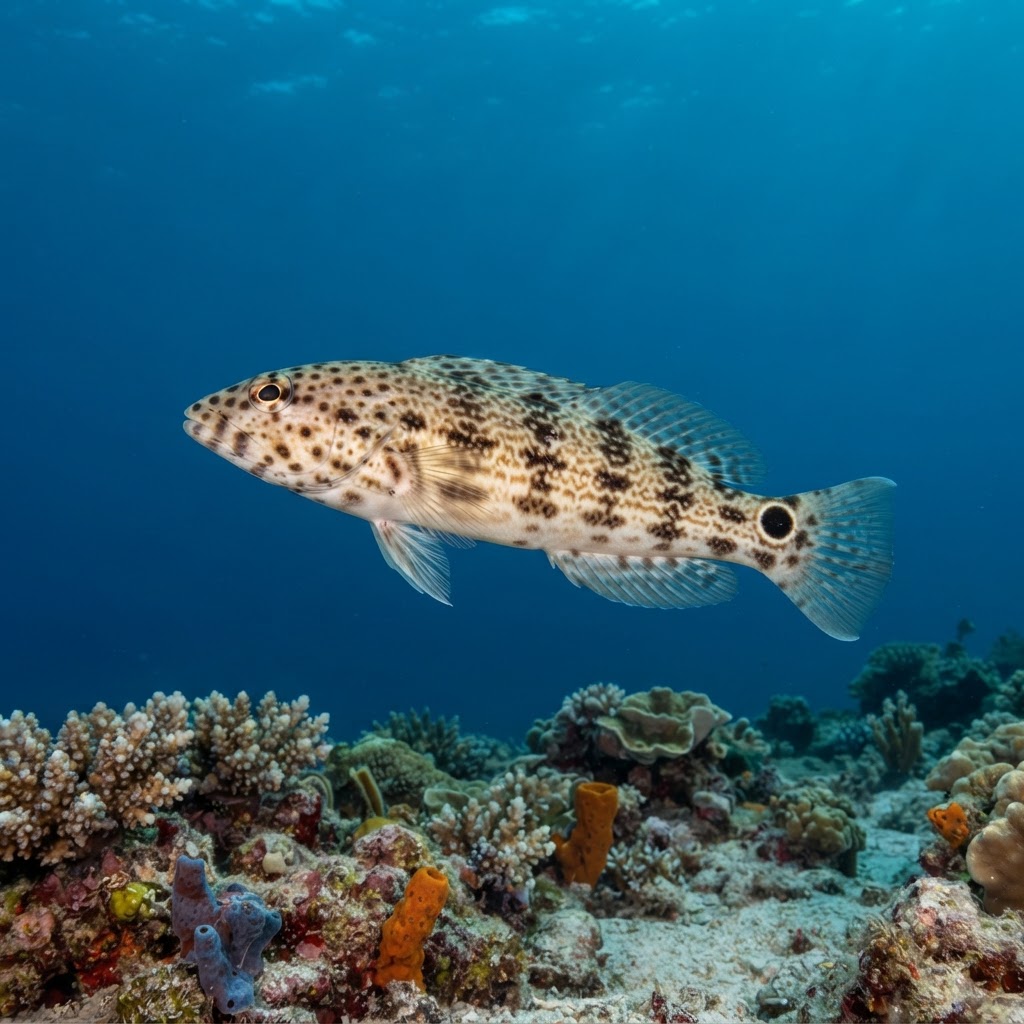
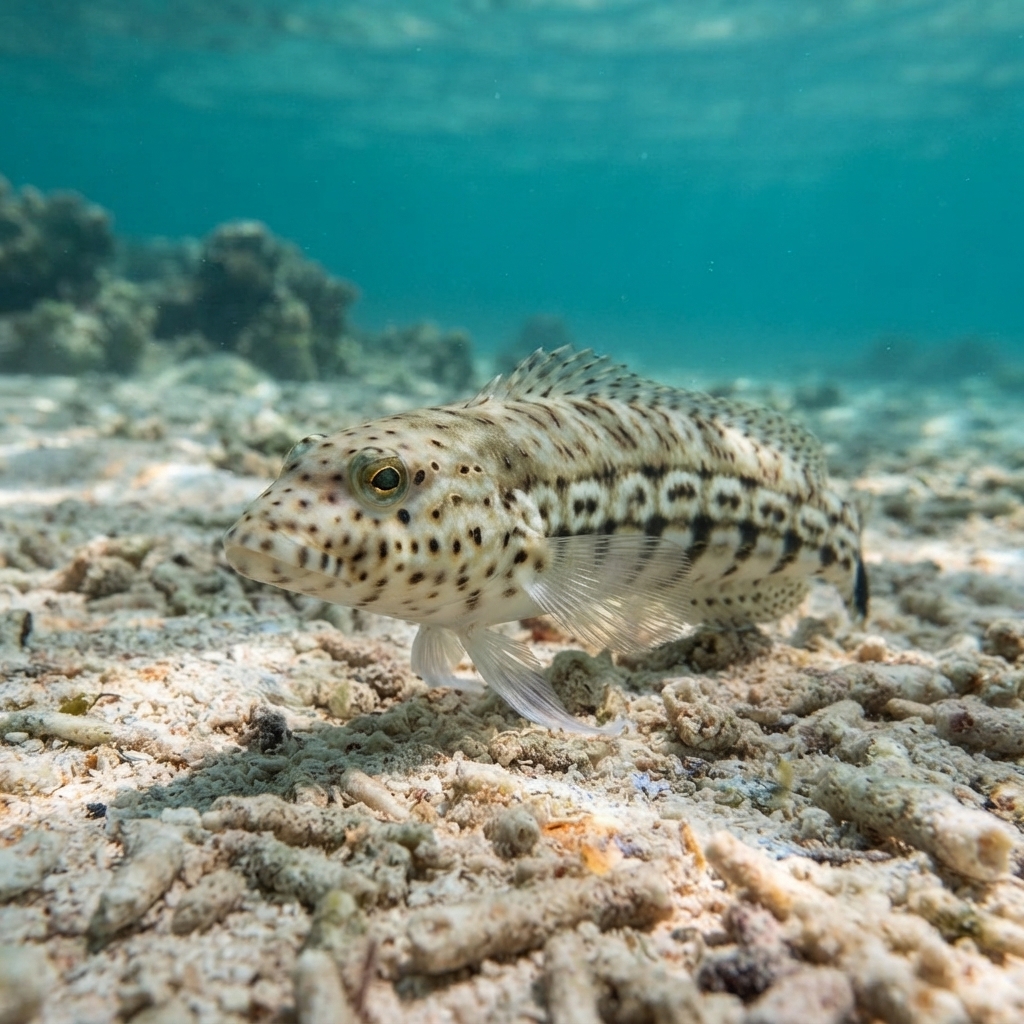
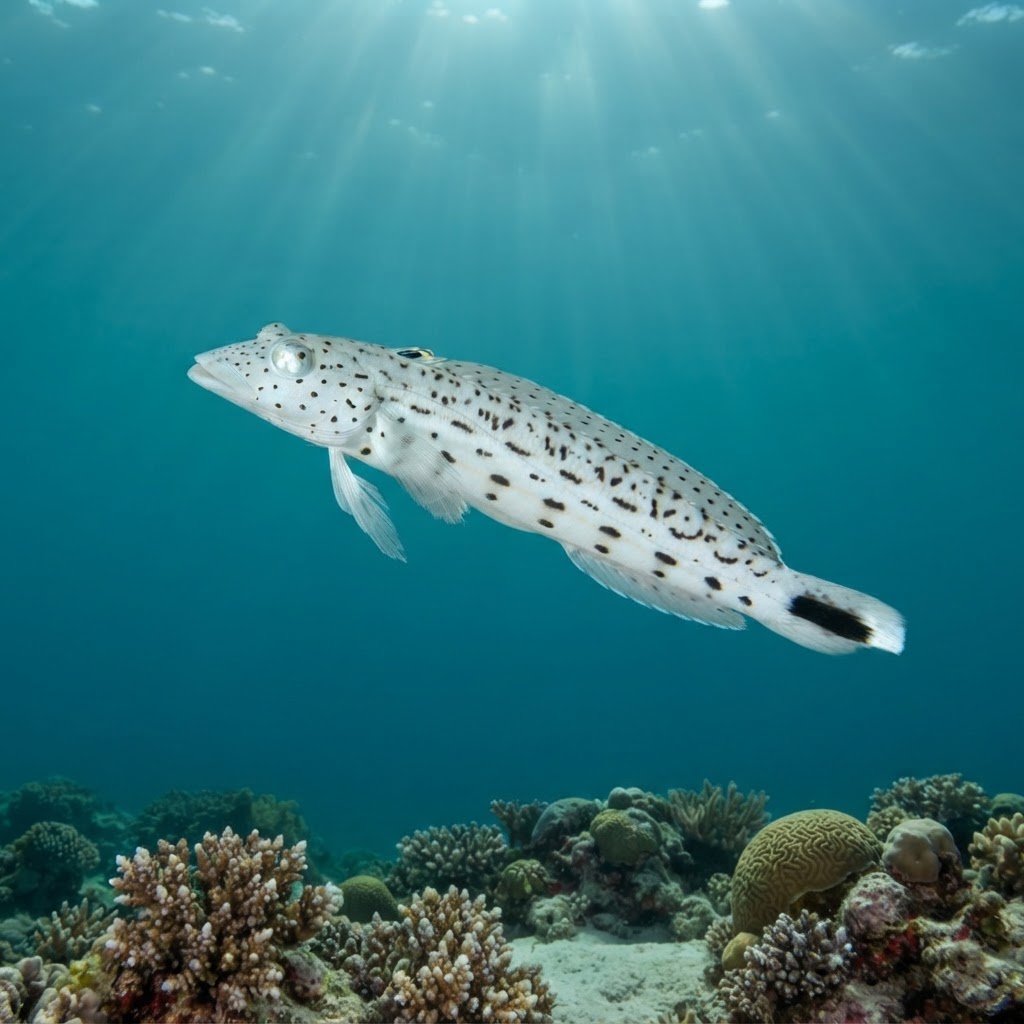
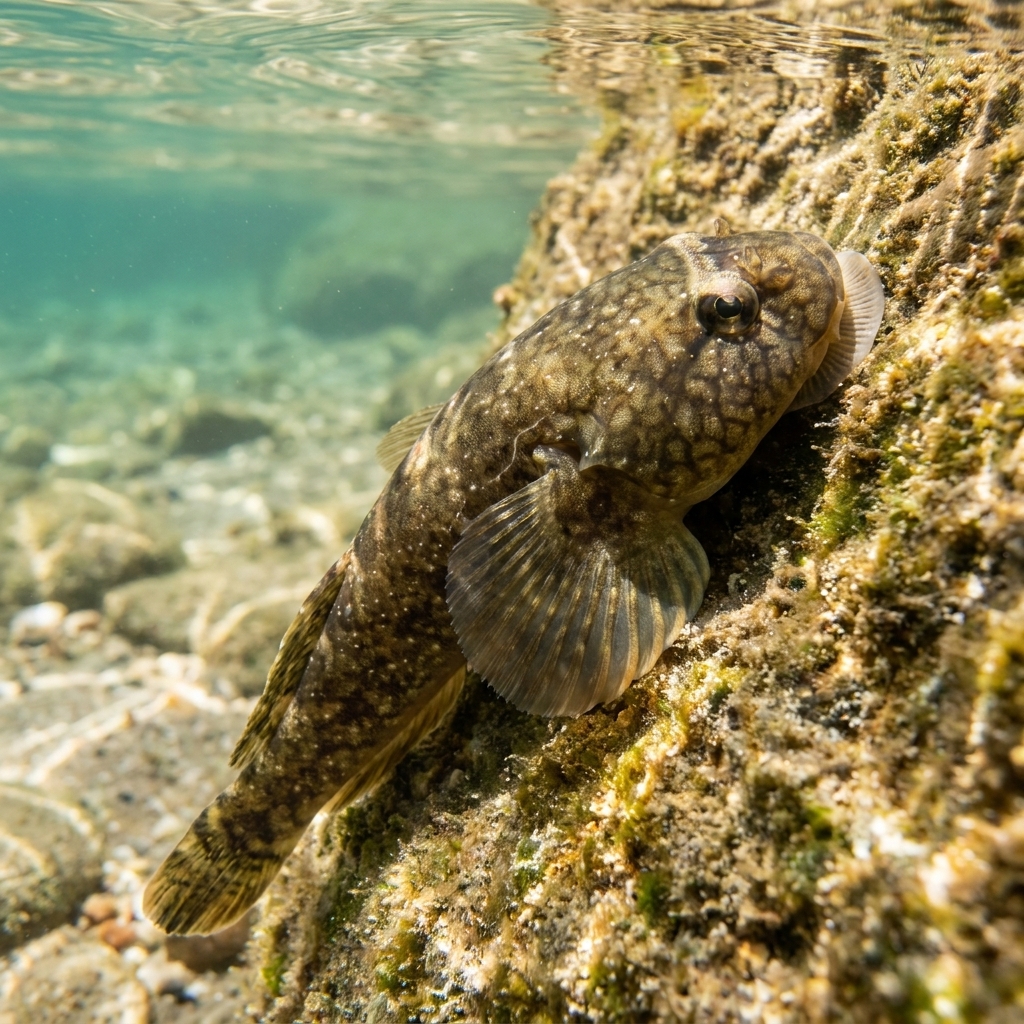
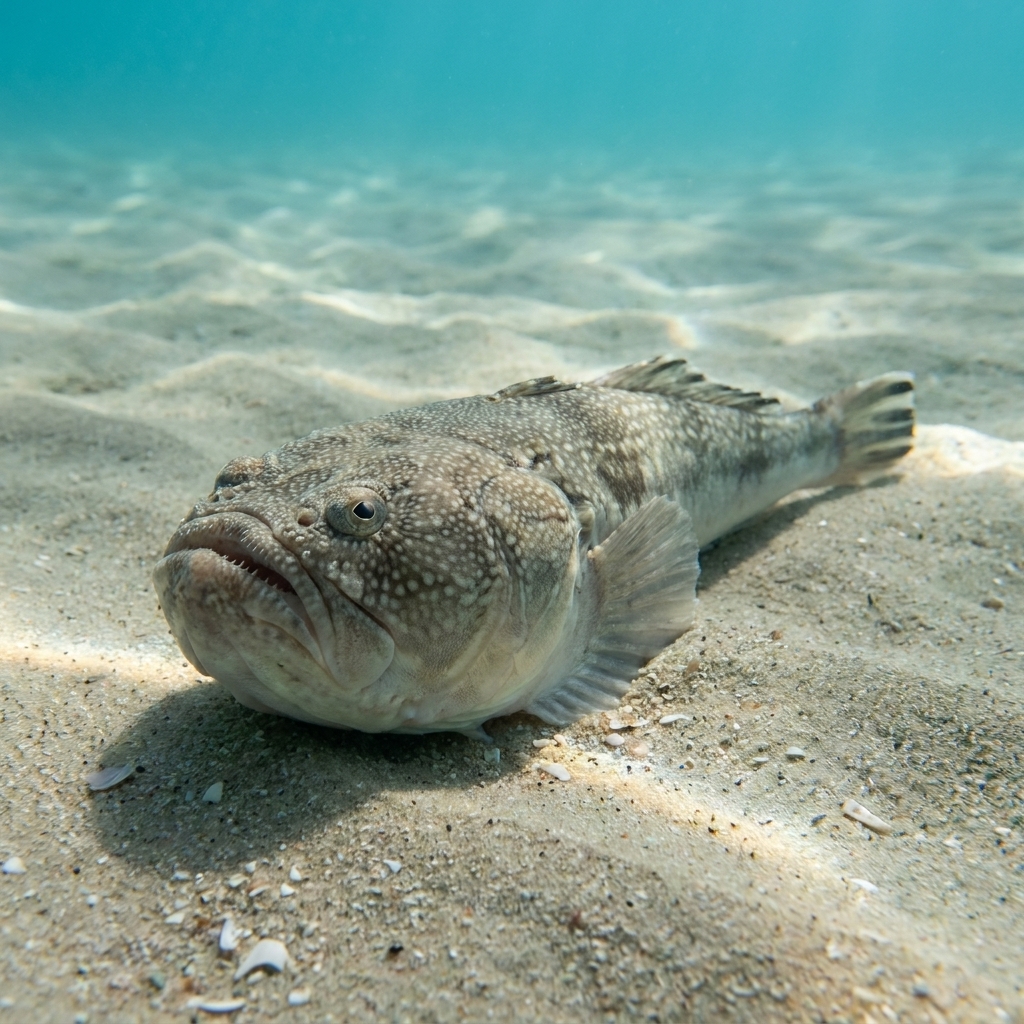
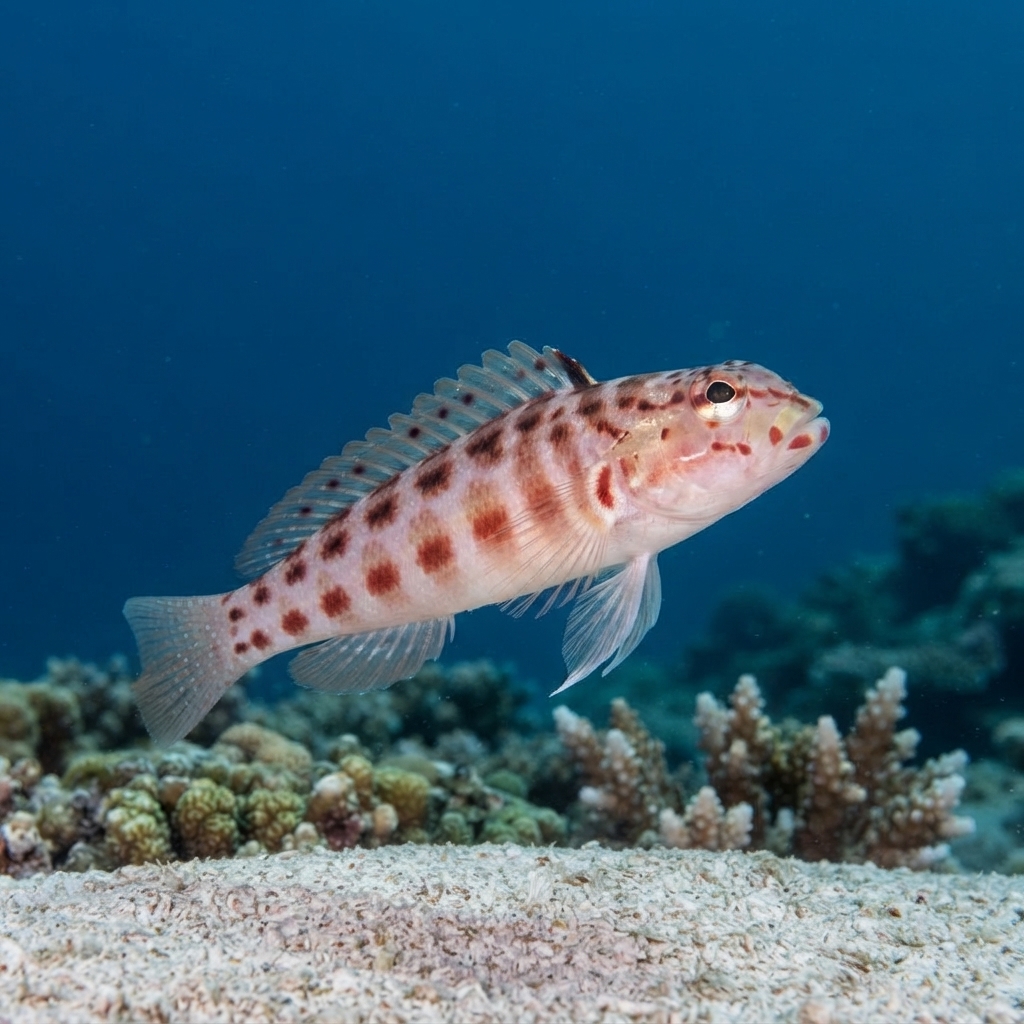
A slim, torpedo-shaped fish around 12 cm, usually seen propped up on its pelvic fins on sand or rubble patches rather than swimming in open water. Look for a pale grey-tan body scattered with reddish-brown spots and faint dark blotches along the flanks, with a slightly pointed snout typical of the sandperch group. It rests still and low to the substrate, often near coral heads or reef bases where it can dart for cover.
Divers usually find it perched motionless on sand, rubble or low reef structure, propped up on its pelvic fins in the classic sandperch posture rather than swimming freely. It tends to hold its ground at a distance and dash for a burrow or crevice only if approached too closely, making it an easy but unhurried subject for a slow pass along the reef edge.
Sandperches in this family are protogynous hermaphrodites, meaning individuals can start life as females and later change into males, a trait shared across the Parapercis genus.
No clear seasonal pattern shows up in the sighting data, and its comfort range of roughly 22 to 29 C covers year-round conditions on the reefs where it's found, so it's a fair bet on any dive at the right depth and habitat.
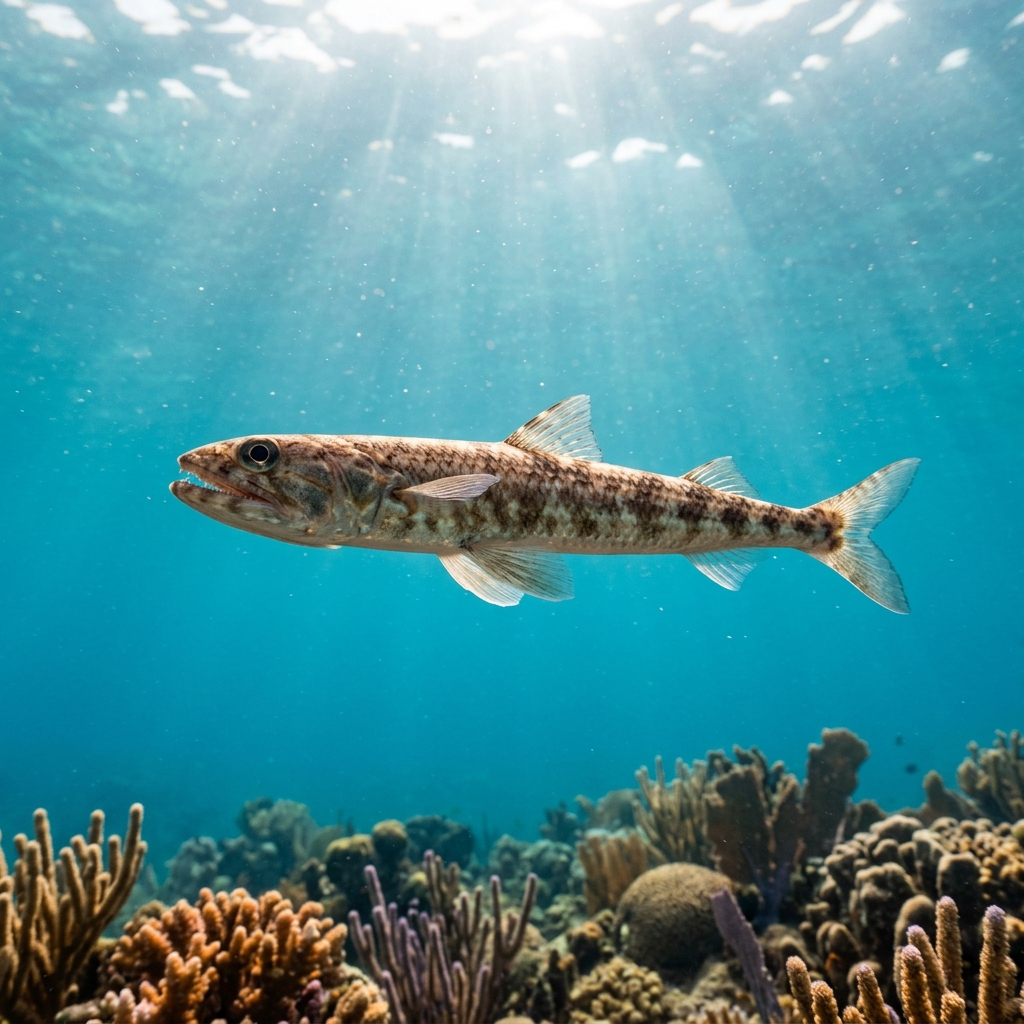
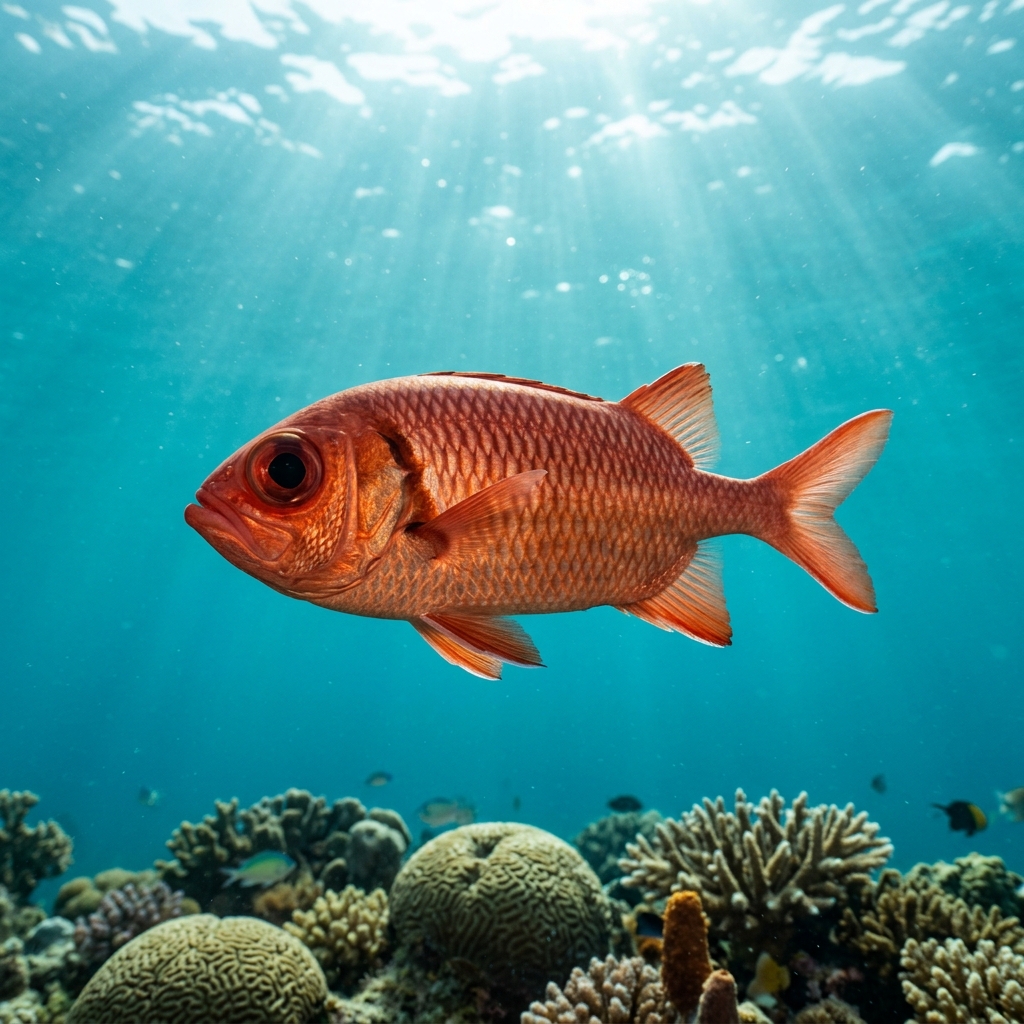
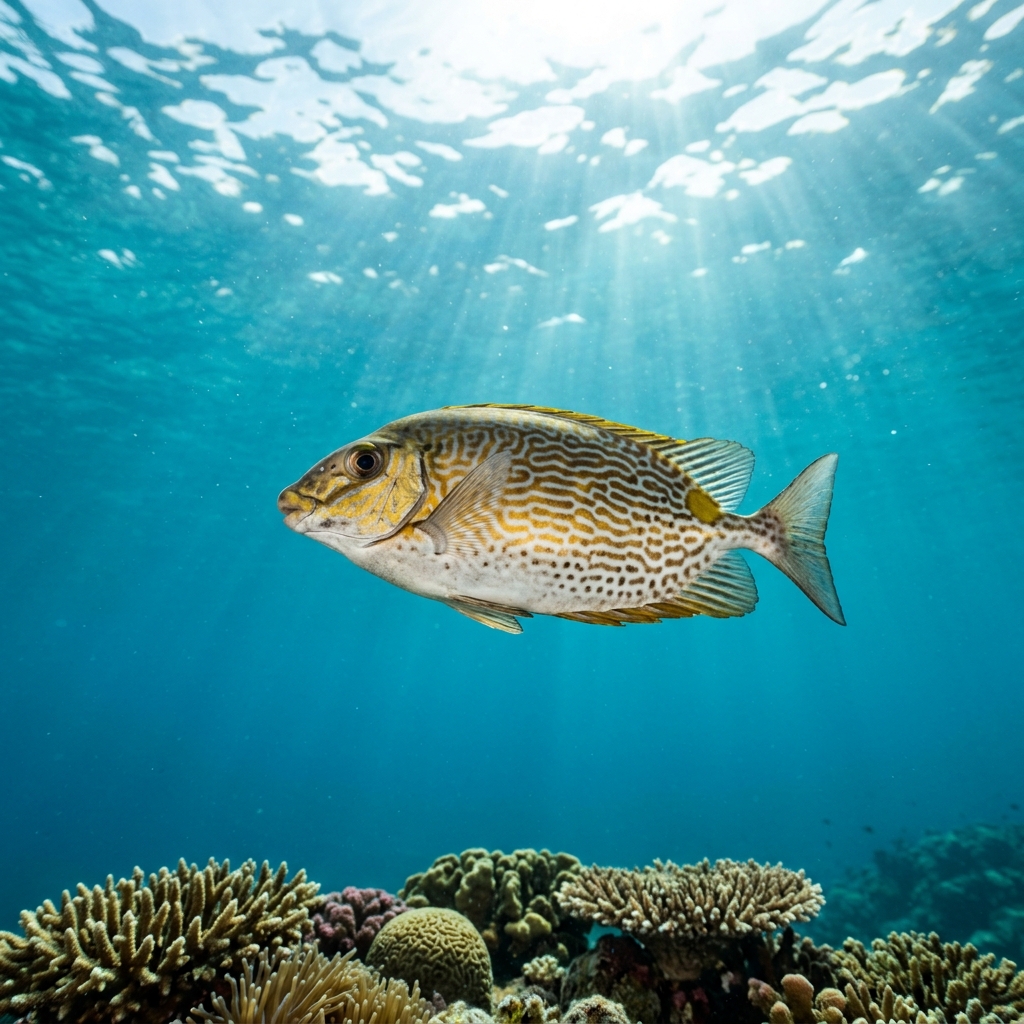
Reef neighbours a diver could mistake it for. Use the identification notes above to tell them apart.
Most consistently logged in the Visayas region of the Philippines and across Hawaii in the United States, with a further reliable presence in Bali, Indonesia. Smaller but confirmed sightings come from the Society Islands in French Polynesia and Lomaiviti in Fiji, so it turns up on reef dives across a wide swathe of the Indo-Pacific and central Pacific.
Mapping where Redspotted Sandperch is logged…
It's most reliably seen in the Visayas region of the Philippines and around the Hawaiian Islands, with additional sightings in Bali, Indonesia, French Polynesia's Society Islands, and Fiji.
There's no strong seasonal signal in the data, and its warm-water niche of roughly 22 to 29 C holds steady year-round on tropical reefs, so any month is workable.
Look for a small, slender fish around 12 cm resting propped on sand or rubble, with a pale tan body covered in reddish-brown spots and a pointed snout. It sits still rather than swimming, which is often the first giveaway.
They stay small, typically reaching around 12 cm in length, making them an easy fish to overlook against sand or rubble.
No, they pose no threat to divers. They're small, reef-associated fish that simply retreat into cover if approached too closely.
Like other members of the Parapercis genus, they're protogynous hermaphrodites, starting life as females with some individuals later changing sex to become males.
Site and sighting data is aggregated from diver logs, iNaturalist and GBIF. For taxonomy and conservation status:
Soldierfish
3,612 sites