Elacatinus puncticulatus
A pale, red-headed cleaner goby found perching on sponges and rubble across Guanacaste and Baja California, year-round in warm 22-29C water.
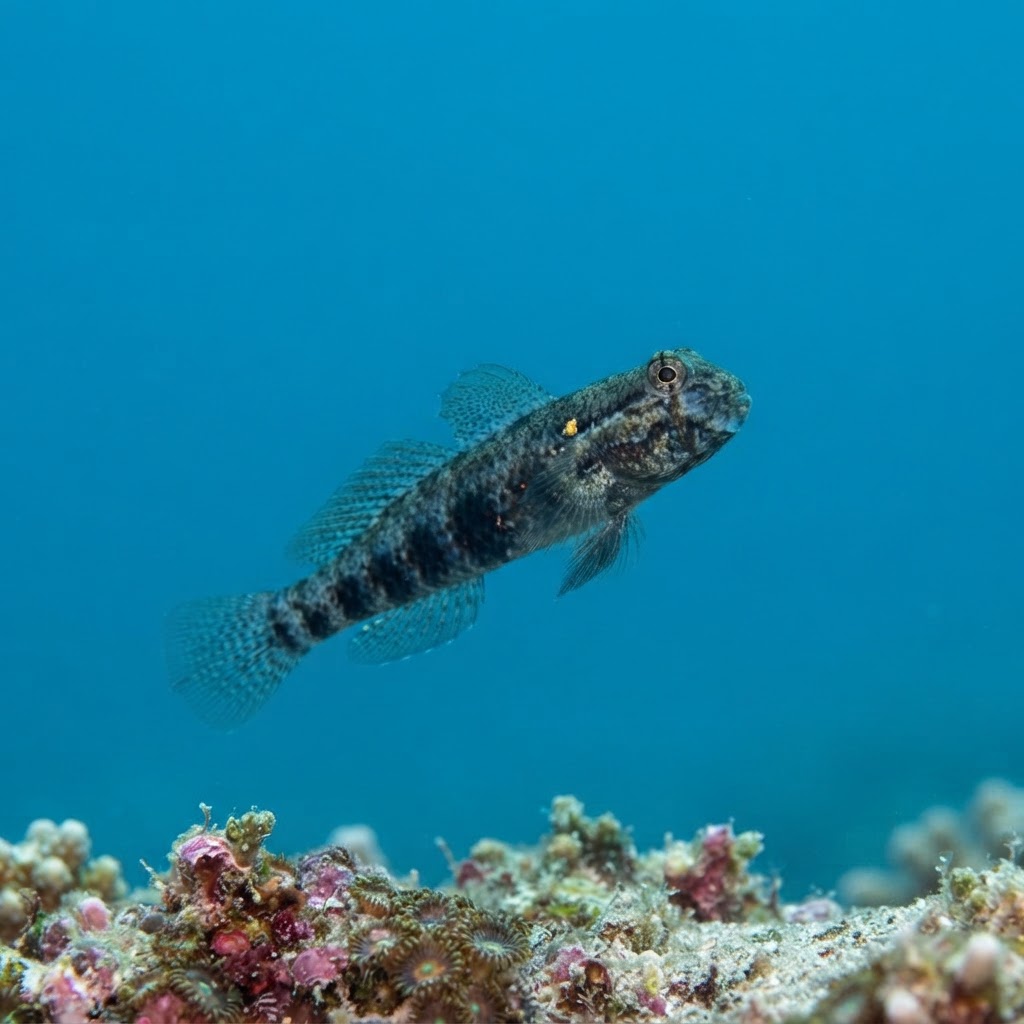
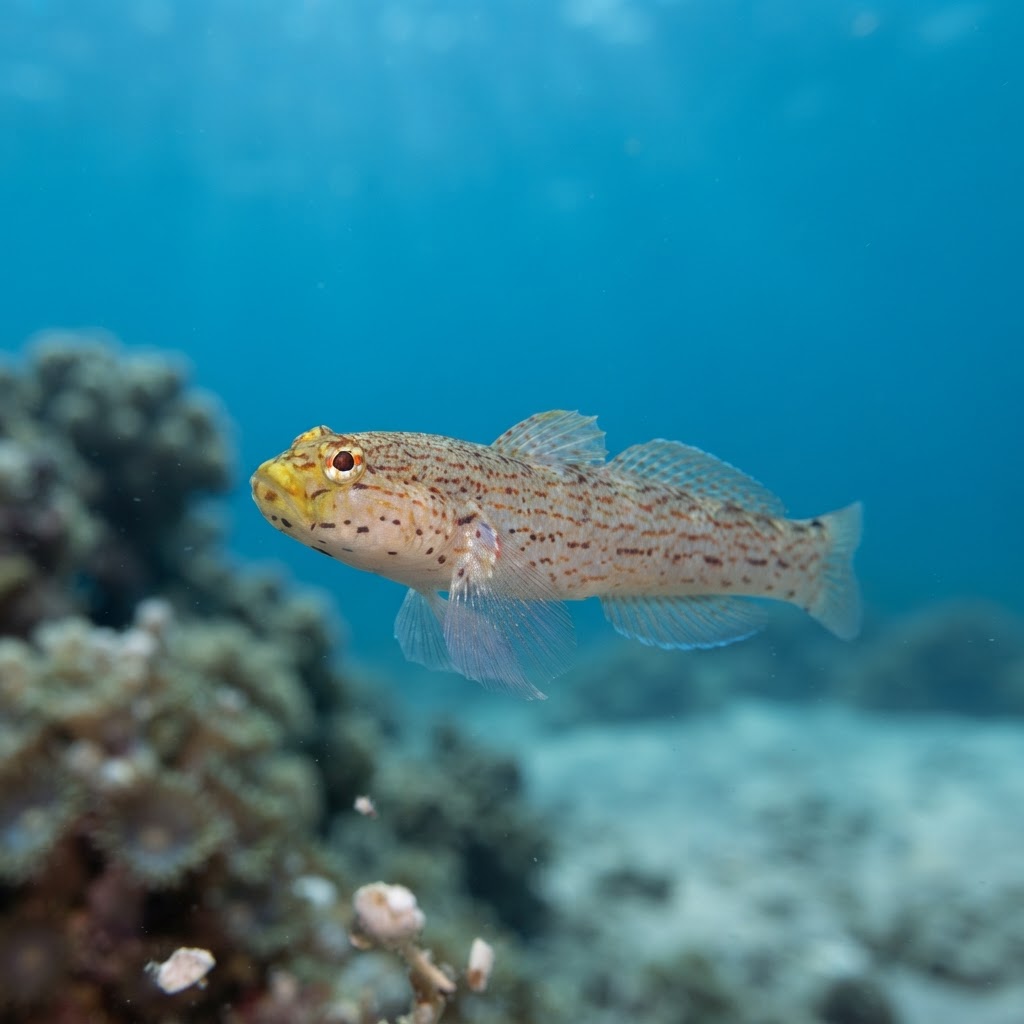
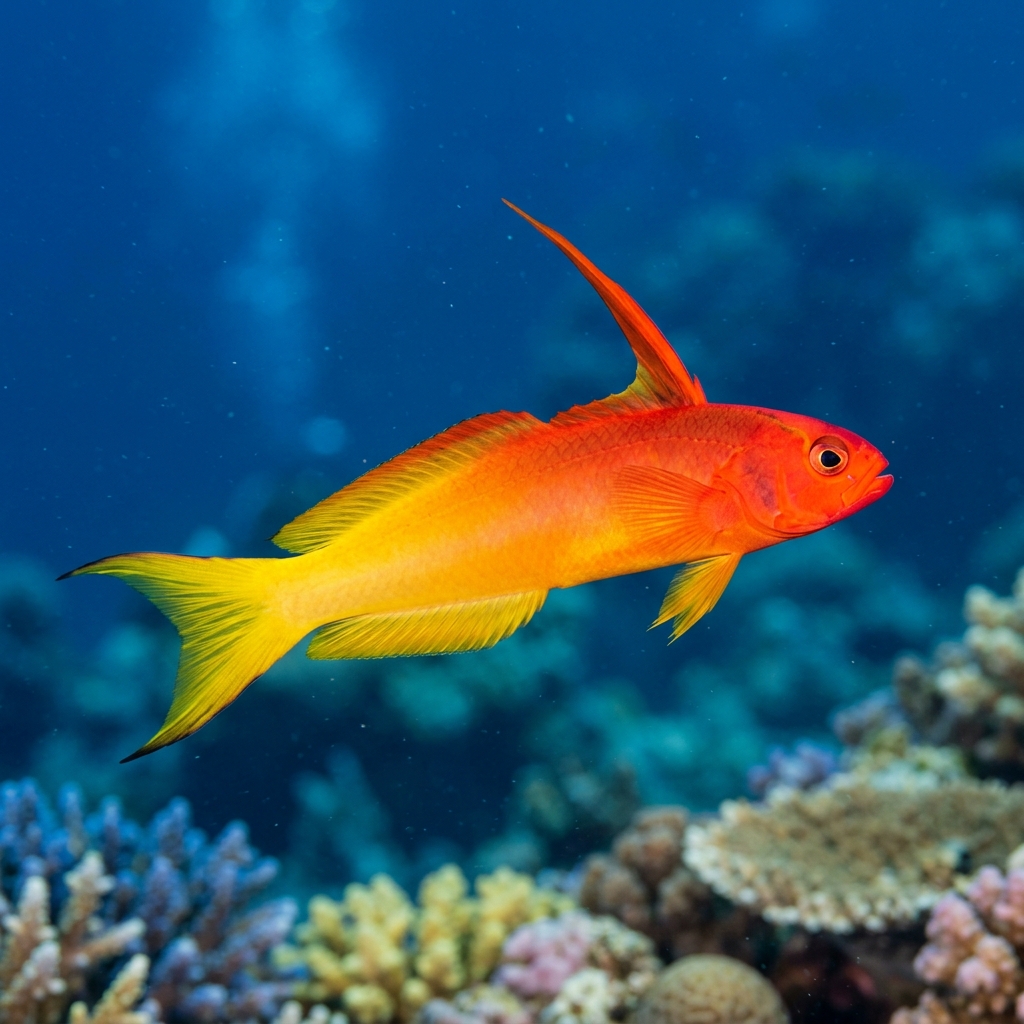
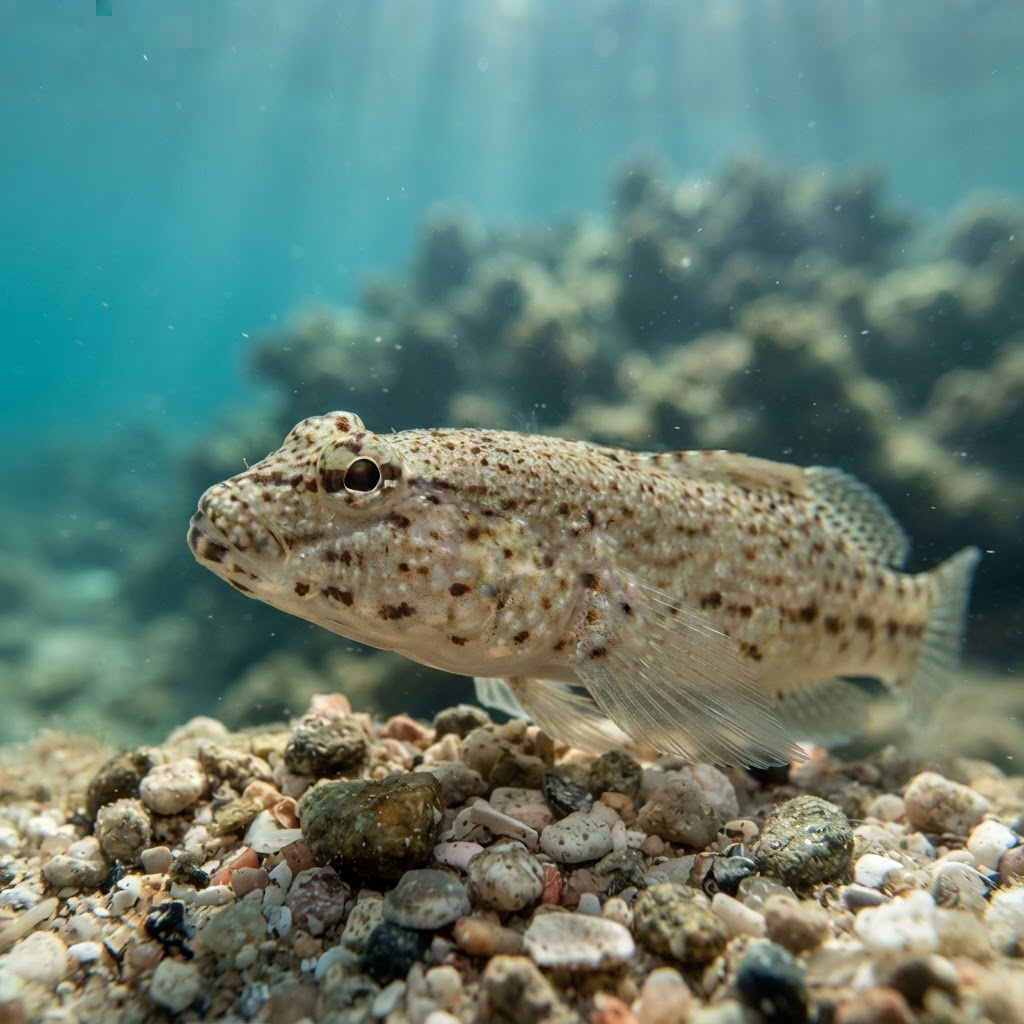
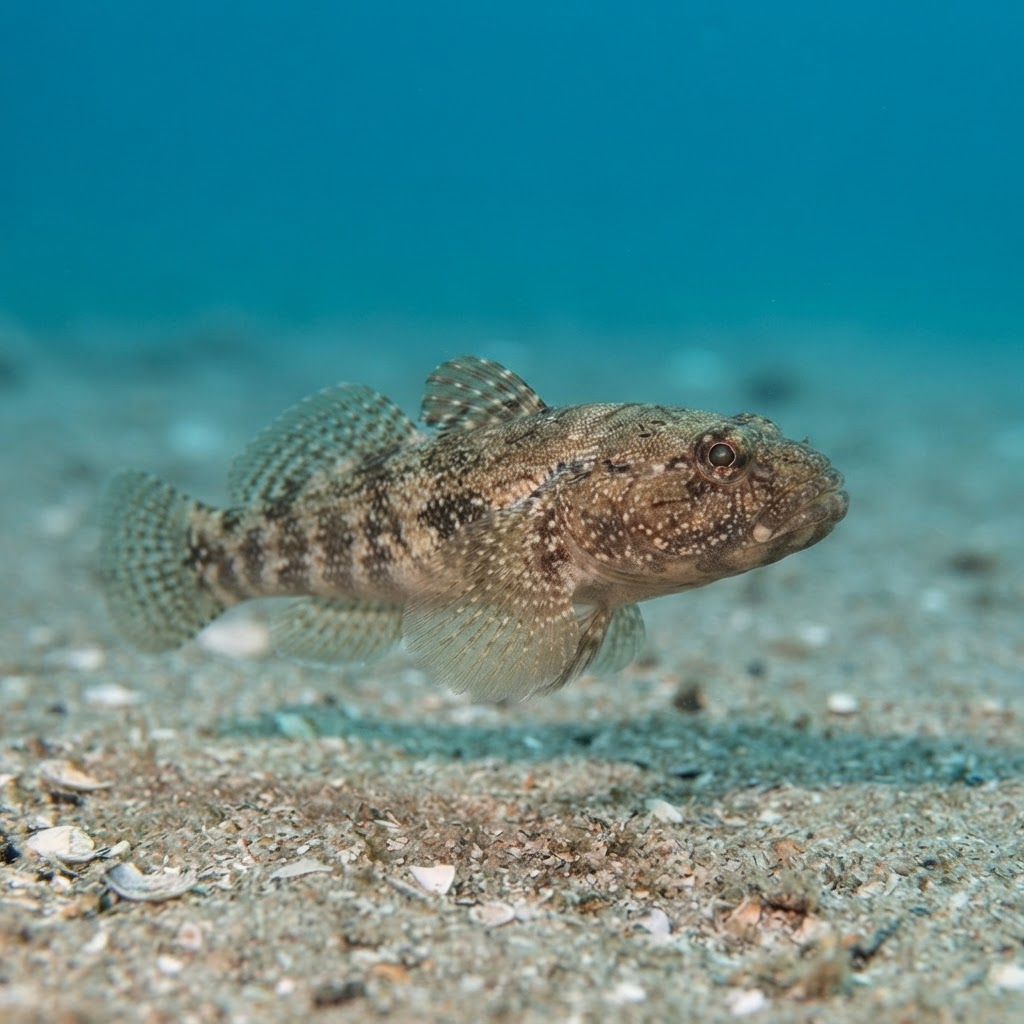
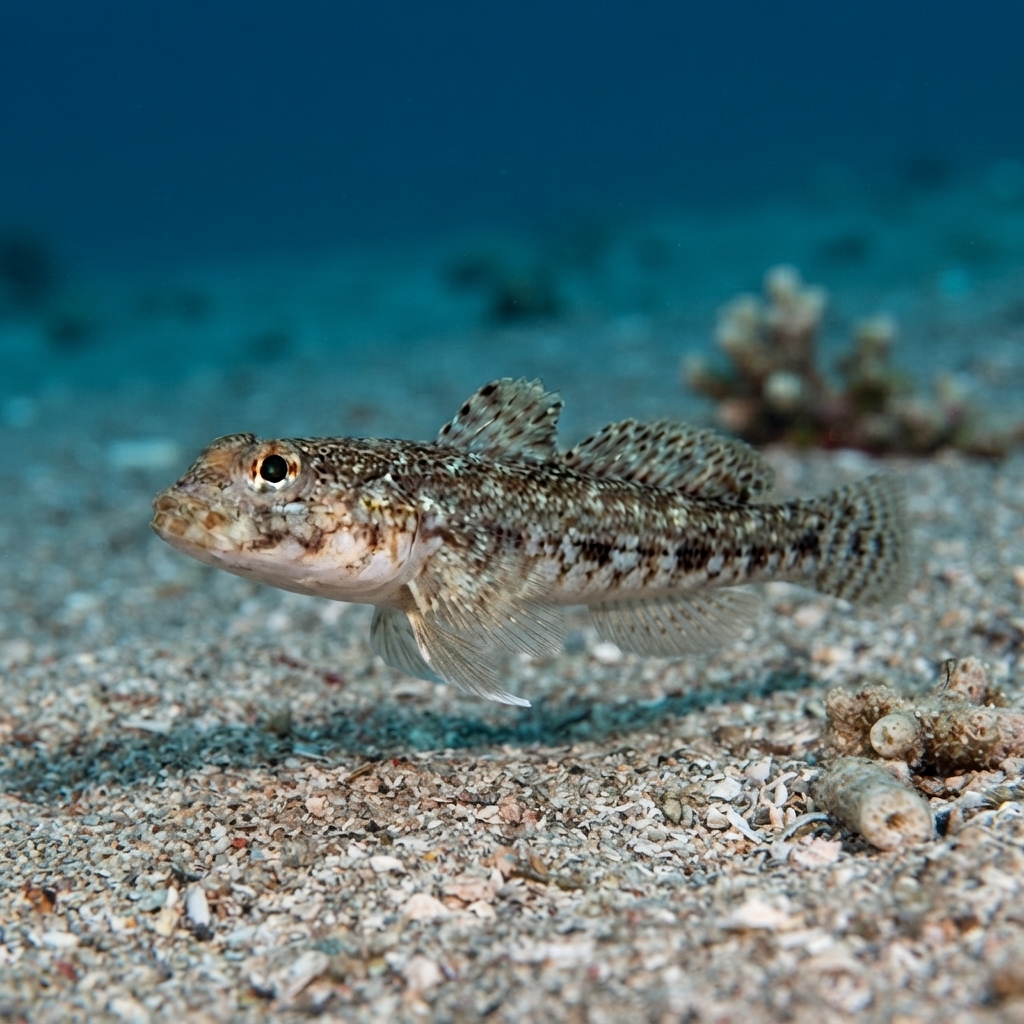
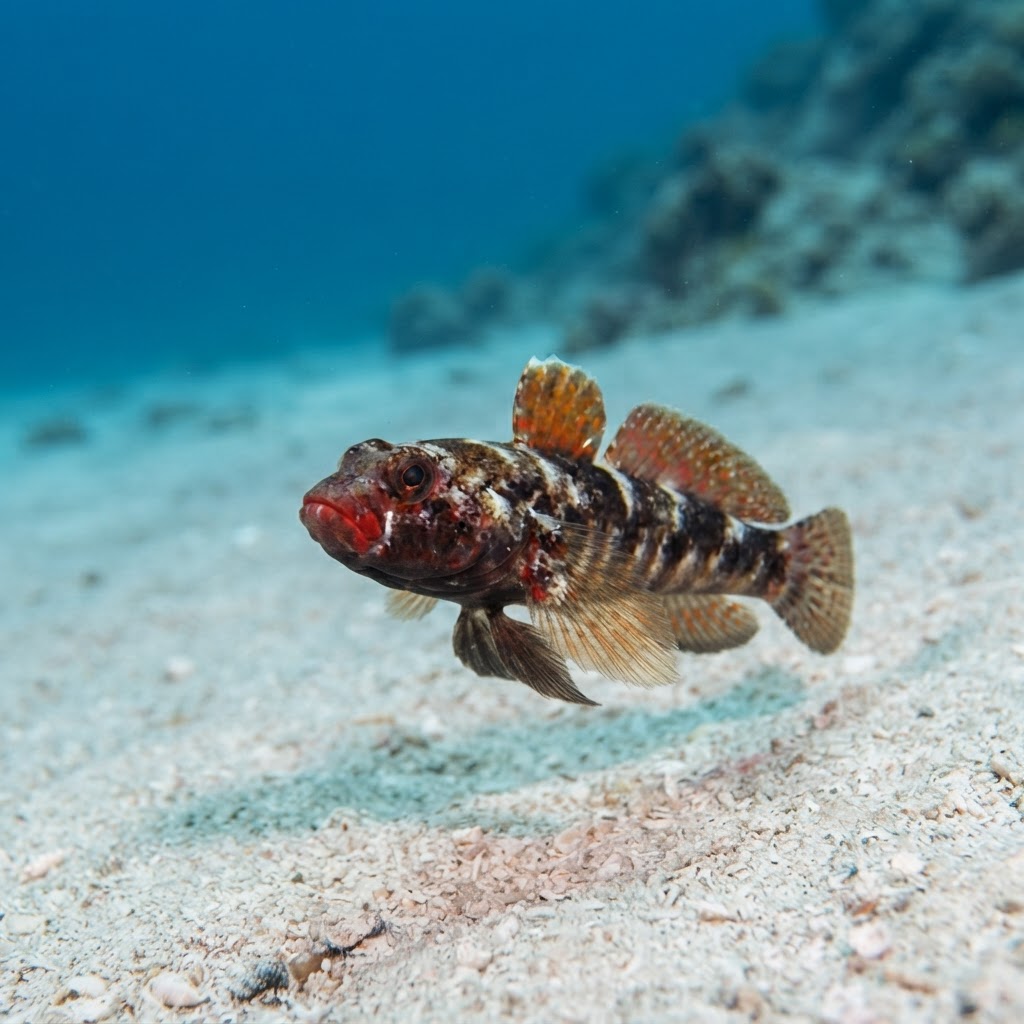
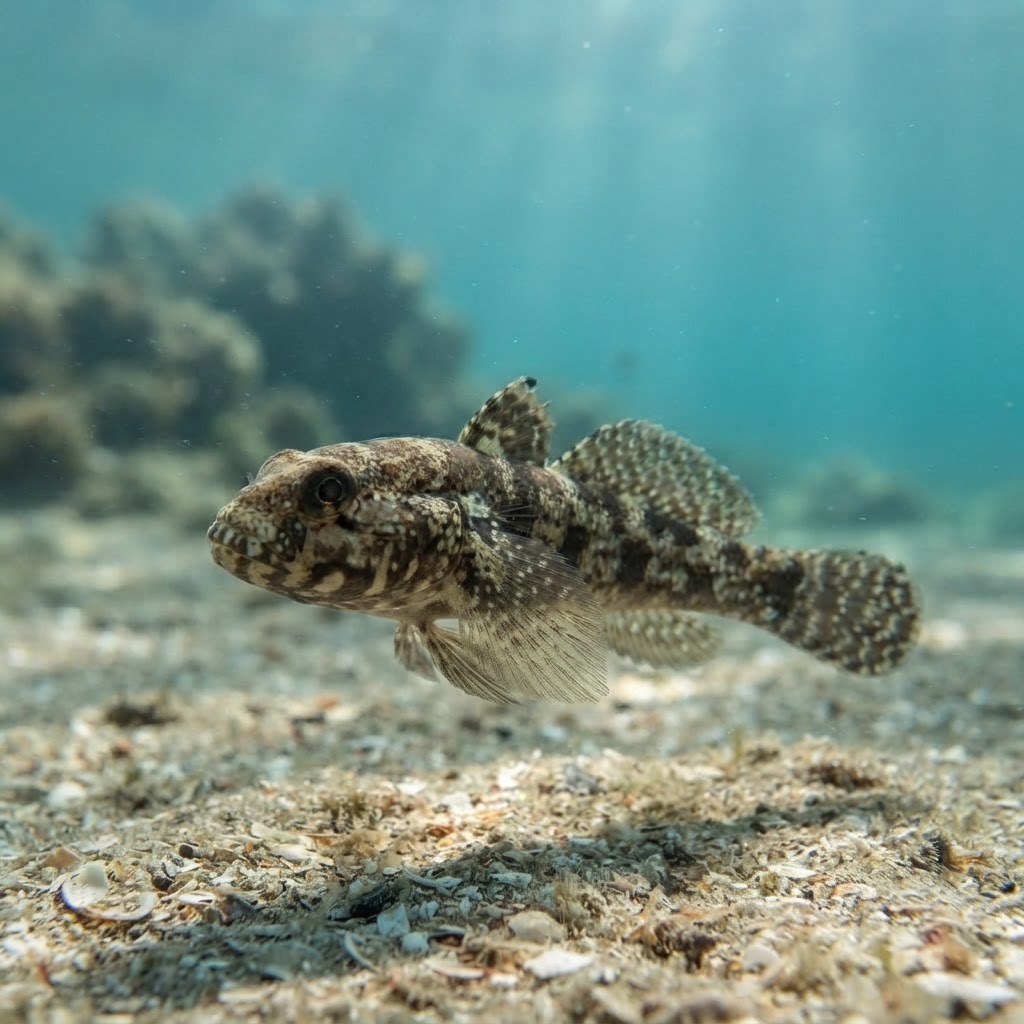
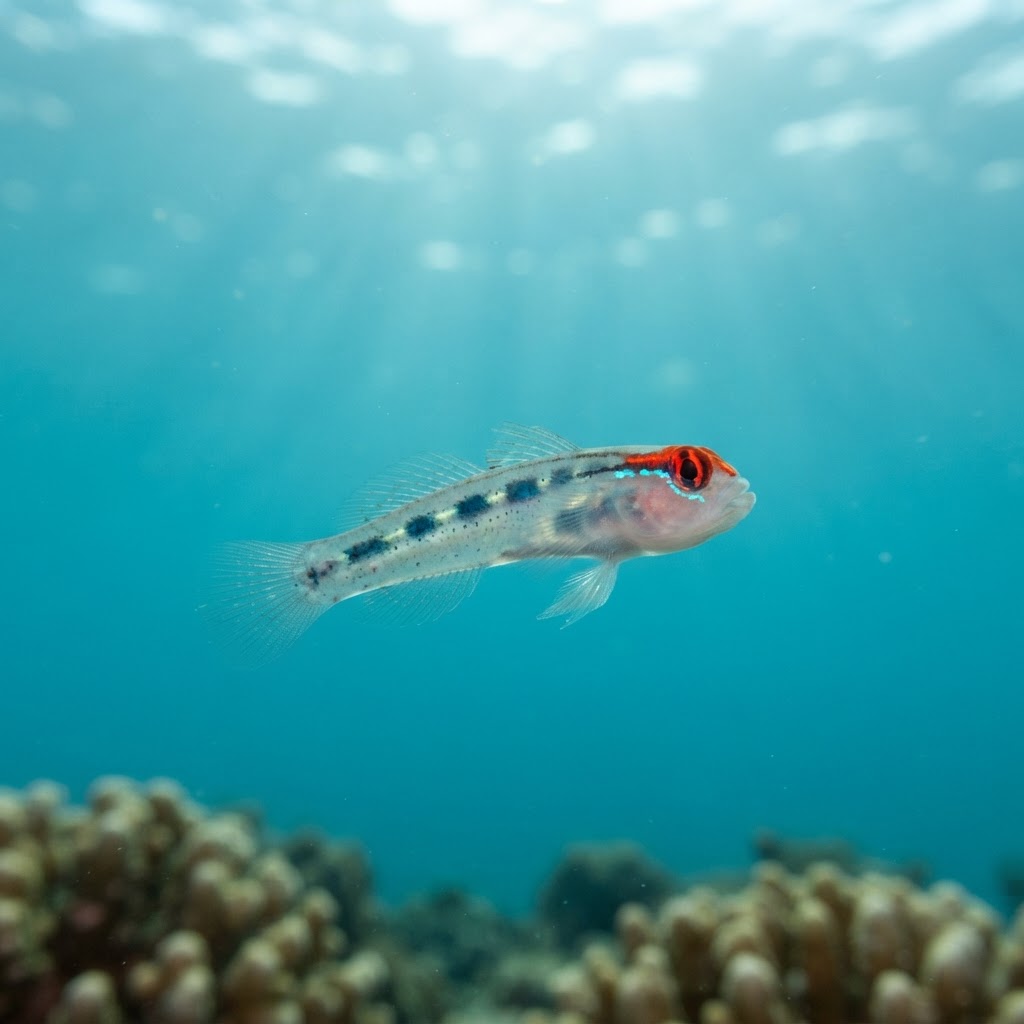
A tiny goby, only about 4 cm long, with a translucent white to pale grey body that makes it easy to overlook until the head catches your eye. The head and front of the body glow orange-red, giving a sharp two-tone split from the pale rear half. It sits propped on its pelvic fins on rubble, sponges or coral heads rather than swimming freely, which is often the first clue you have found one.
Look for it perched motionless on sponges, rubble patches or the base of coral heads rather than out swimming in open water. Divers most often log it as an uncommon or rare find, so it takes a slow, close look at the substrate rather than a passing glance. Like other members of its genus it likely holds a small home patch and stays put as divers pass, rather than bolting for cover.
Elacatinus gobies are known as cleaner fish, picking parasites off the skin of larger reef fish that pause and present themselves at a goby's perch, and this species is thought to follow the same habit.
No clear season shows up in the sighting data, and with a comfortable range of 22.3 to 29.1C it seems to sit tight on these reefs all year. Plan around good visibility and calm conditions in your chosen region rather than a particular month.
Reef neighbours a diver could mistake it for. Use the identification notes above to tell them apart.
Most reliably found in Guanacaste, Costa Rica and Baja California, Mexico, with a strong scattering of sightings along Panama's Pacific coast too. Smaller numbers turn up along Mexico's mainland Pacific coast and as far south as Ecuador, so this is very much an eastern tropical Pacific species.
Mapping where Redhead Goby is logged…
Guanacaste in Costa Rica and Baja California in Mexico are the two strongholds, with further sightings along Panama's Pacific coast and Mexico's mainland Pacific coast. It has also been logged once off Ecuador's Pacific coast.
There is no detected season, it seems to be present year-round across its eastern Pacific range, comfortable in water from about 22 to 29C. Dive when conditions suit your chosen site rather than chasing a particular month.
Check for a small, pale translucent body with a bright orange-red head, perched still on rubble or a sponge rather than swimming in the open. Its tiny size, around 4 cm, and that sharp head-to-body colour split are the giveaways.
They stay tiny, typically around 4 cm long, so you need to get close and look carefully at rubble and sponge surfaces to spot one.
It belongs to a genus known for cleaning behaviour, where the goby picks parasites off passing fish that pause at its perch. This makes it worth watching for a minute rather than swimming straight past.
Site and sighting data is aggregated from diver logs, iNaturalist and GBIF. For taxonomy and conservation status:
Slender Goby
806 sites