Parapercis bimacula
A tiny reef-bottom sandperch logged uncommonly in Bali's warm 25-31C waters. Here's how to spot one and what to look for.
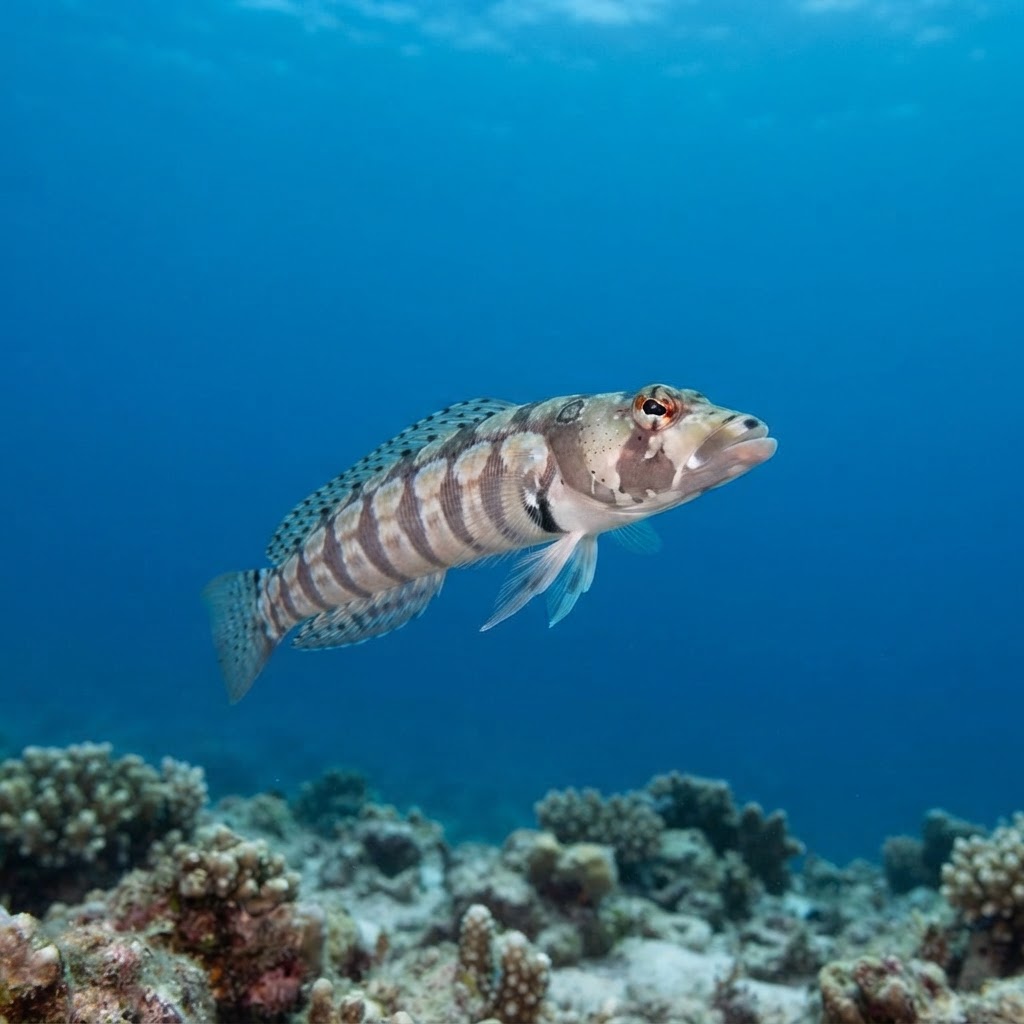
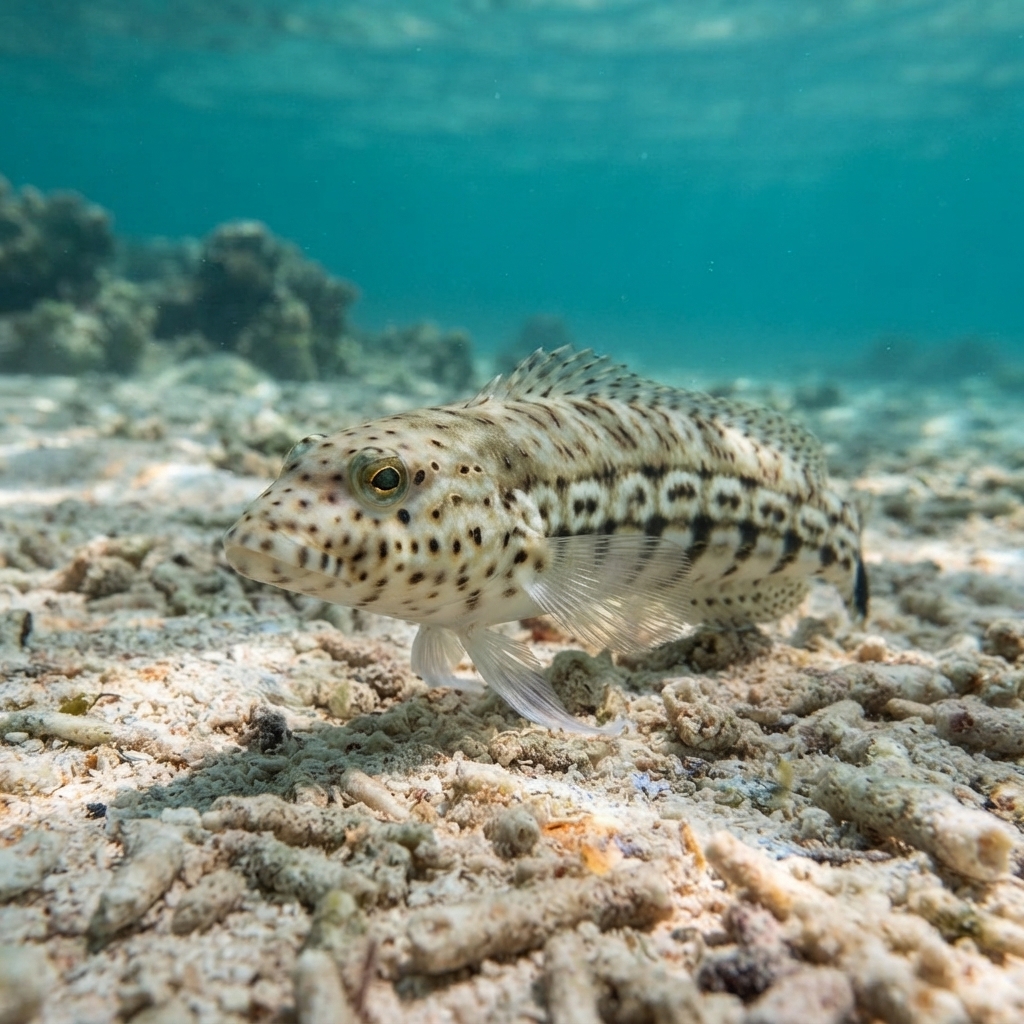
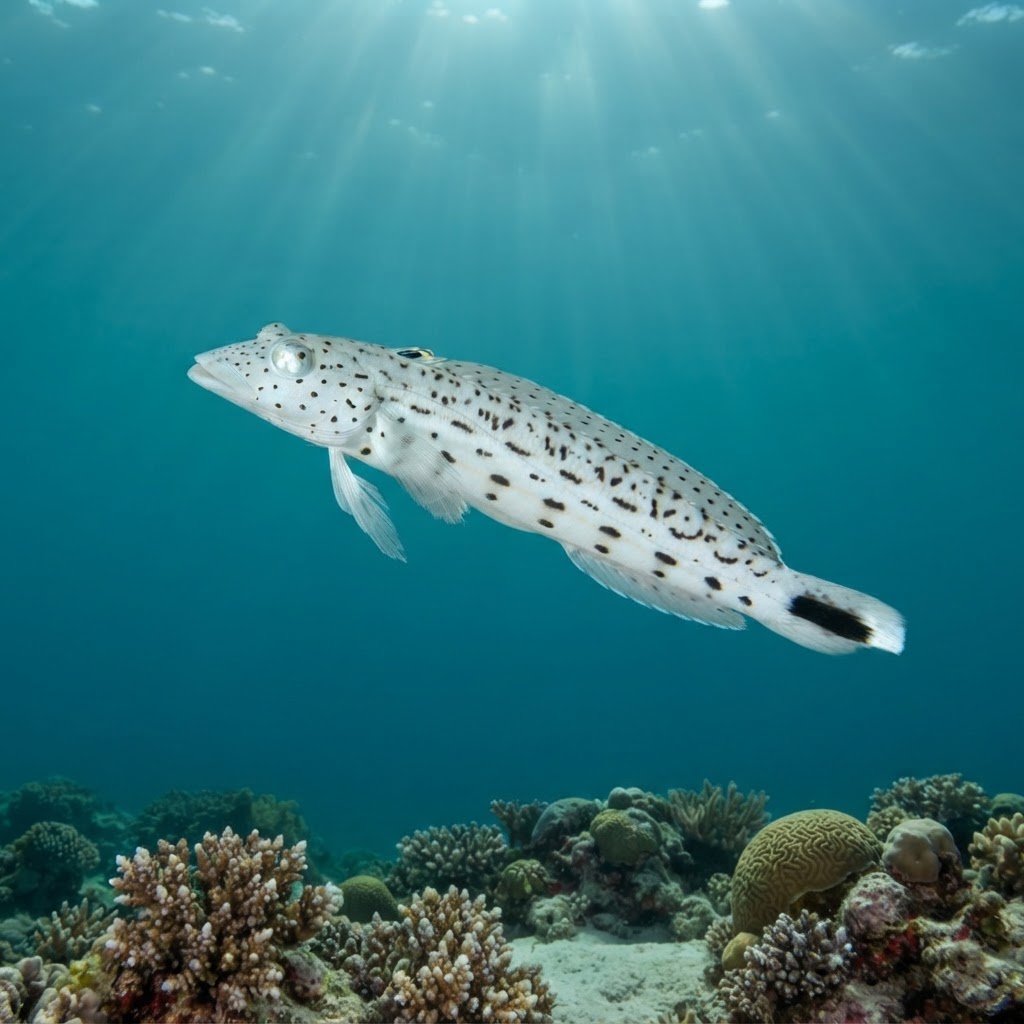
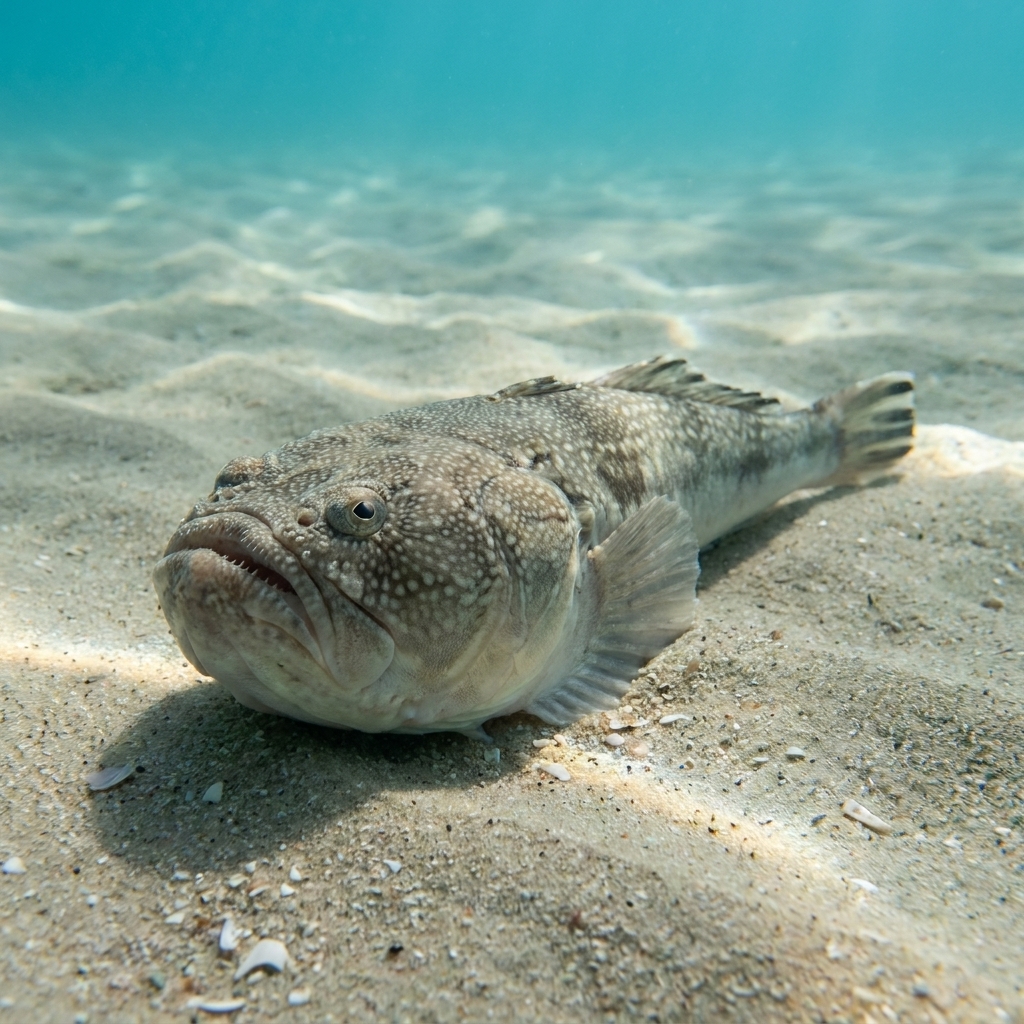
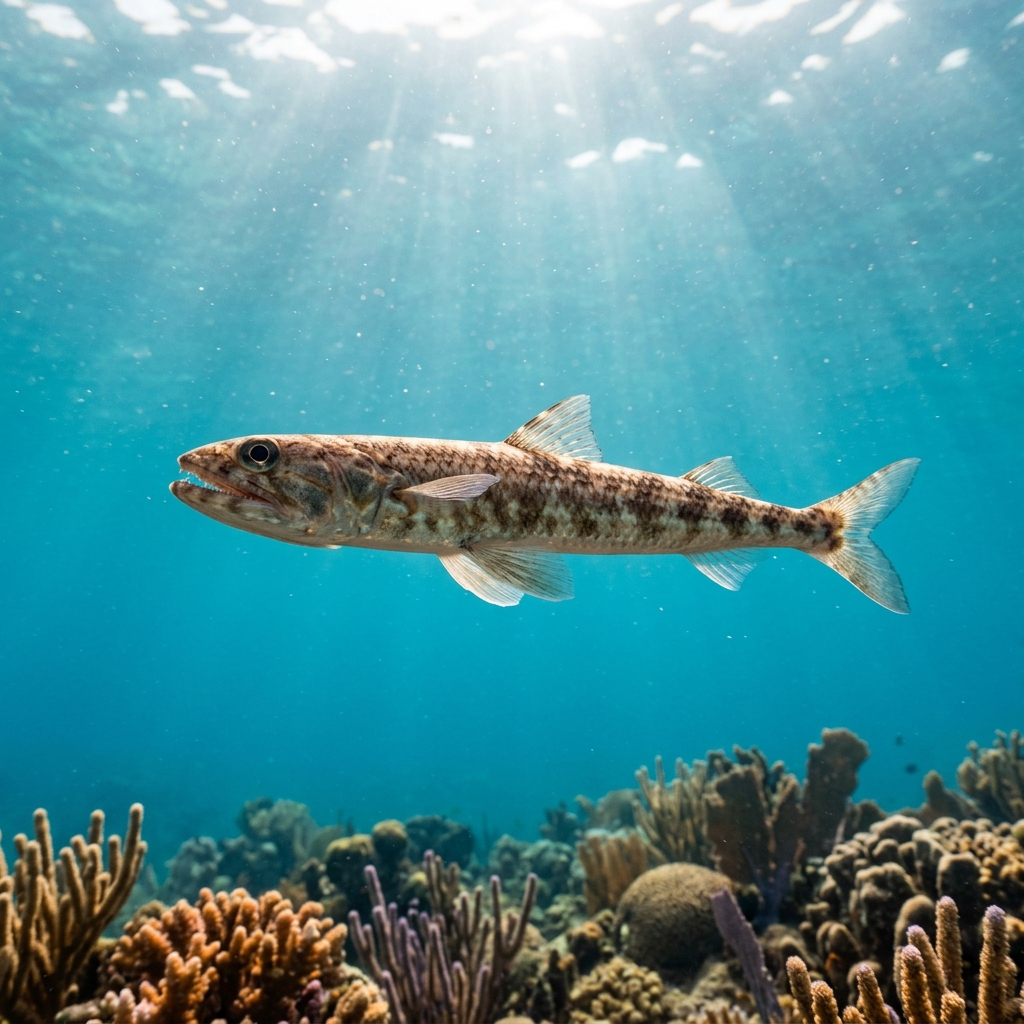
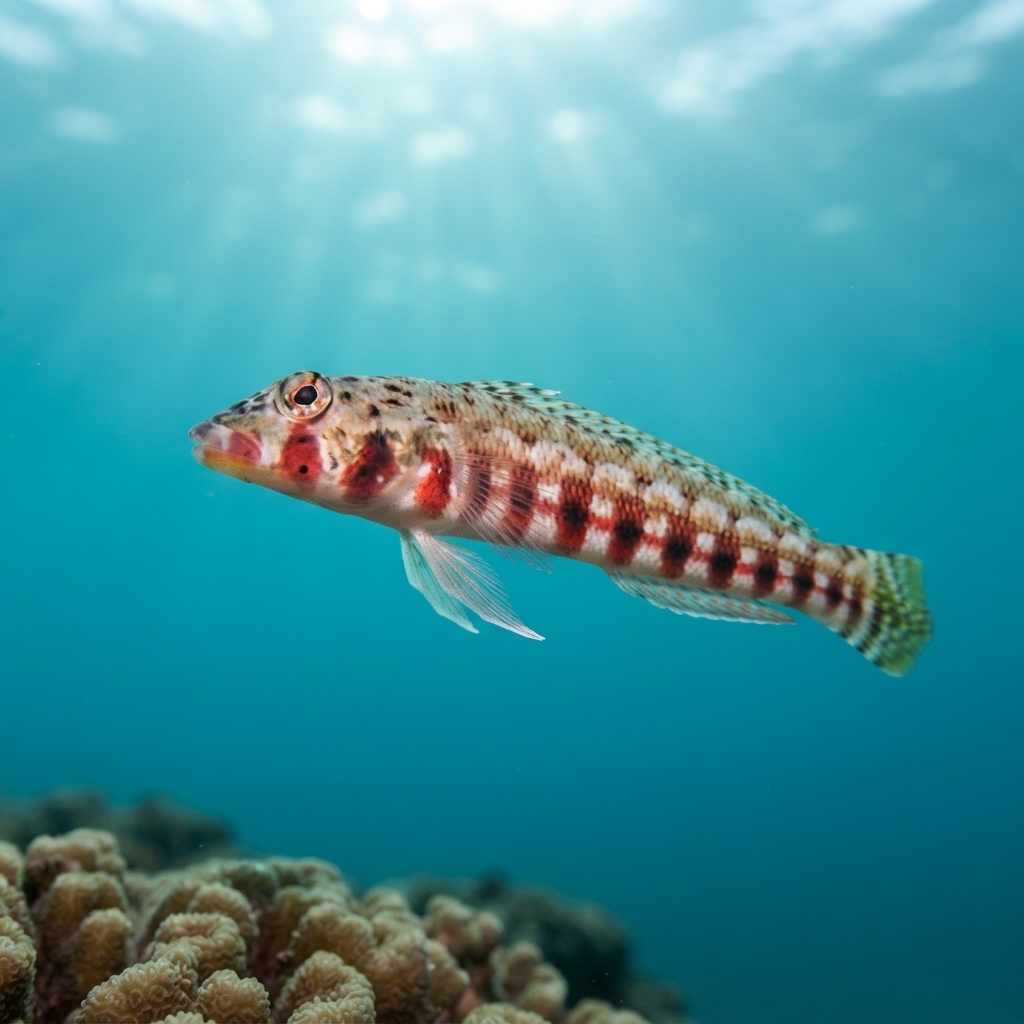
Tops out around 7cm, so this is a fish you need to look down for, not out at. Look for a slender, elongated body resting propped on its pelvic fins on sand or rubble patches rather than swimming in open water. The reddish bars along the flanks, set against a pale base colour, are the key mark that separates it from plainer bottom-dwellers nearby.
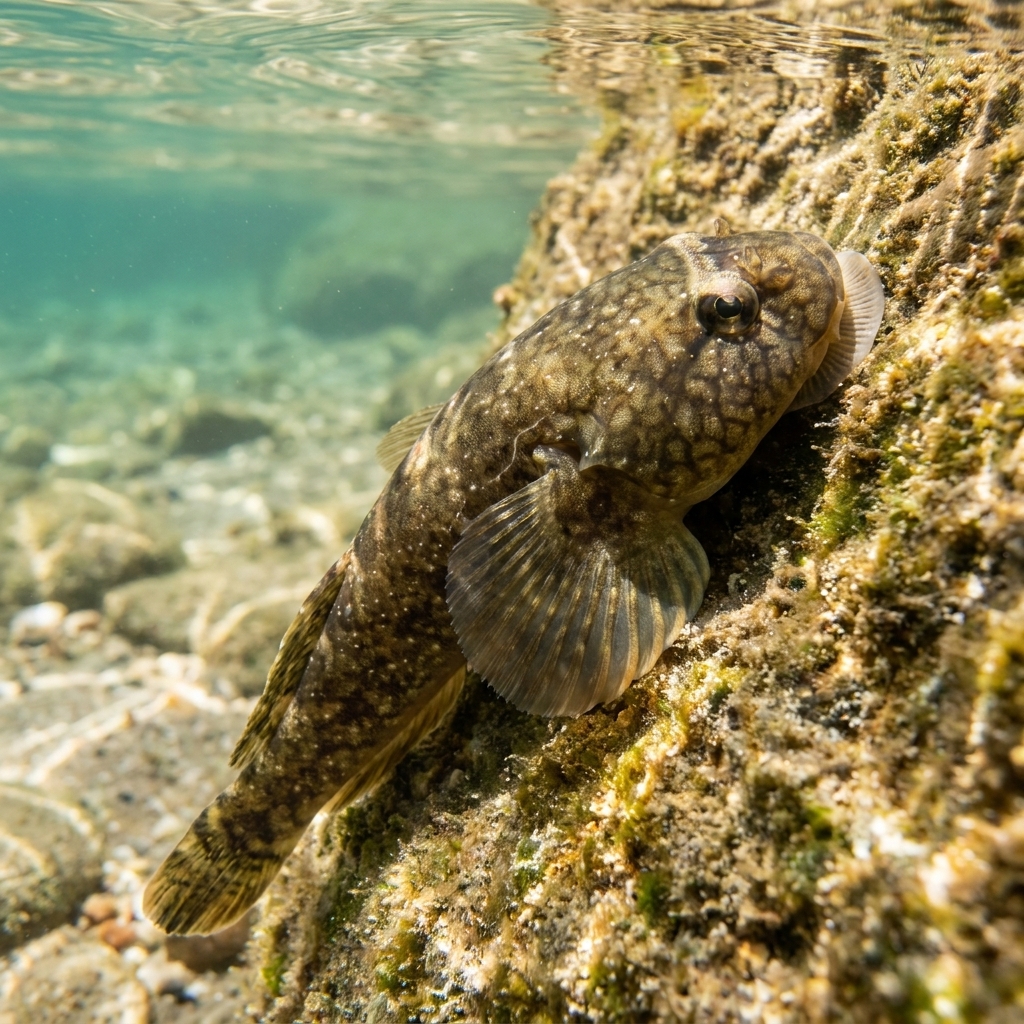
Expect to find it perched motionless on sand or rubble near the reef base, propped up on its pelvic fins in the classic sandperch posture, watching the water column for small prey. It tends to hold its ground rather than bolt when a diver approaches slowly, though it will dart a short distance and resettle if you get too close. Look for it during daylight hours on open sandy patches rather than tucked into coral structure.
Sandperches are ambush predators that use their perched, fin-propped stance to save energy while scanning for tiny crustaceans and fish, only darting out in short, quick bursts to strike.
Sightings don't show a detectable seasonal pattern, and with a comfortable range of 25.3 to 31.3C, warm tropical water is available year-round in Bali. Treat it as a dive-anytime species rather than one tied to a particular month.
Reef neighbours a diver could mistake it for. Use the identification notes above to tell them apart.
Currently logged from Bali, Indonesia, which is the only confirmed real-world sighting location in the data. If you're hunting this one specifically, Bali's sandy and rubble-strewn reef flats are the place to start looking.
Mapping where Redbar Sandperch is logged…
The only confirmed real-world sightings logged so far are from Bali, Indonesia. It's an uncommon find even there, so it takes a patient eye scanning sandy bottoms rather than a guaranteed sighting.
There's no clear seasonal pattern in the sighting data, and water temperatures in its known range stay warm (25.3 to 31.3C) throughout the year, so it can turn up on any dive regardless of month.
Look for a small, slender fish around 7cm long, propped on sand or rubble on its pelvic fins with reddish bars along its body. It's usually still rather than swimming, which is often the first clue.
They're small, typically reaching about 7cm in length, making them easy to swim past unless you're specifically looking at the sand and rubble patches near the reef.
No, they pose no danger to divers. They're small, bottom-resting fish that will simply move off a short distance if approached too closely.
Site and sighting data is aggregated from diver logs, iNaturalist and GBIF. For taxonomy and conservation status:
Soldierfish
3,612 sites