Gobioclinus bucciferus
Tiny reef blenny found tucked into the Bay Islands, Honduras, in warm 26.6-28.2 C water, year-round if you know where to look.
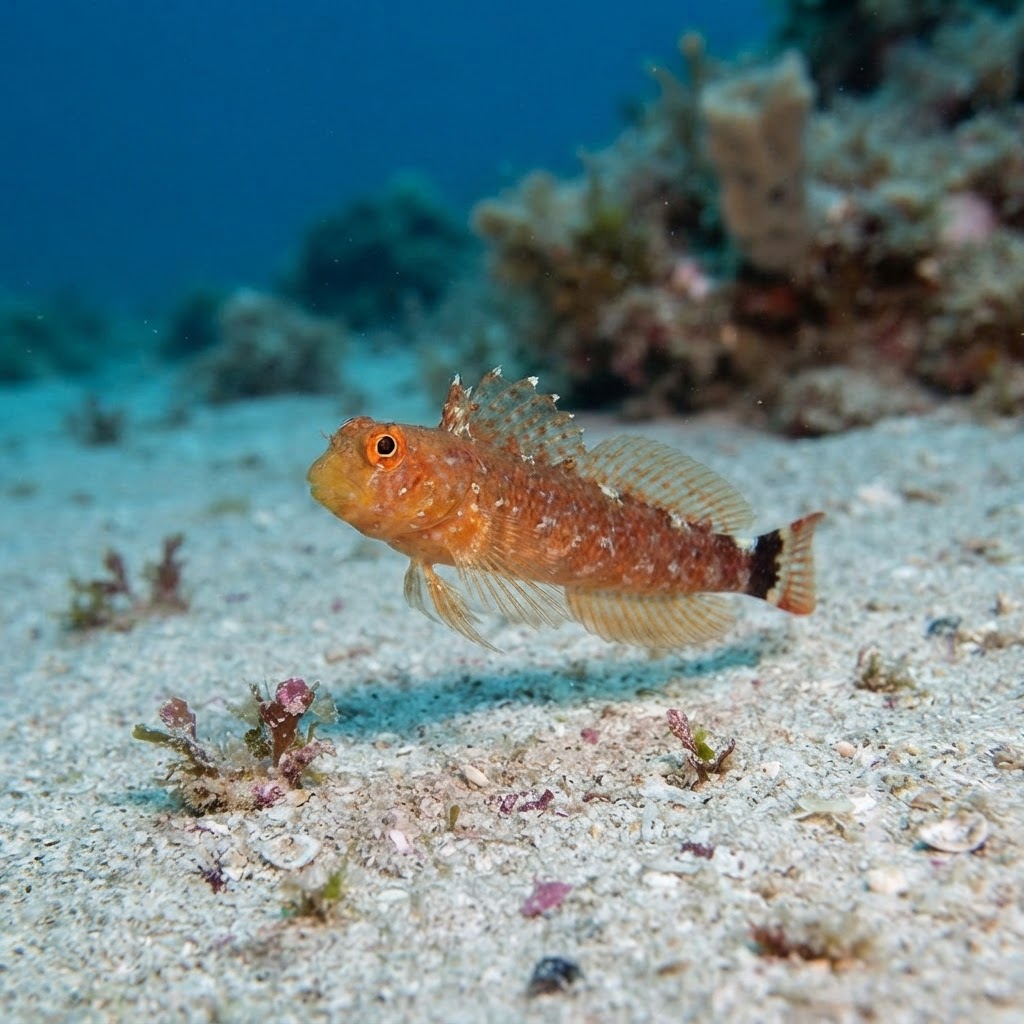
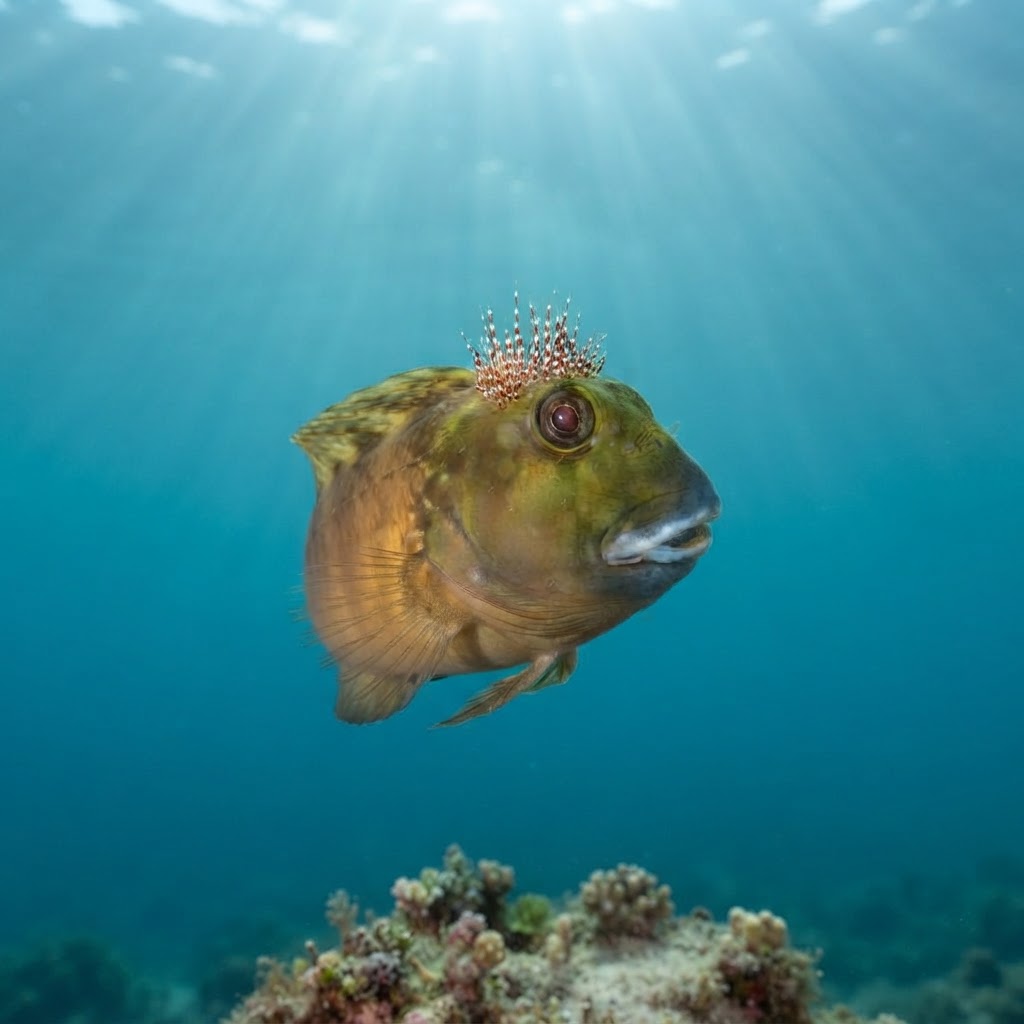
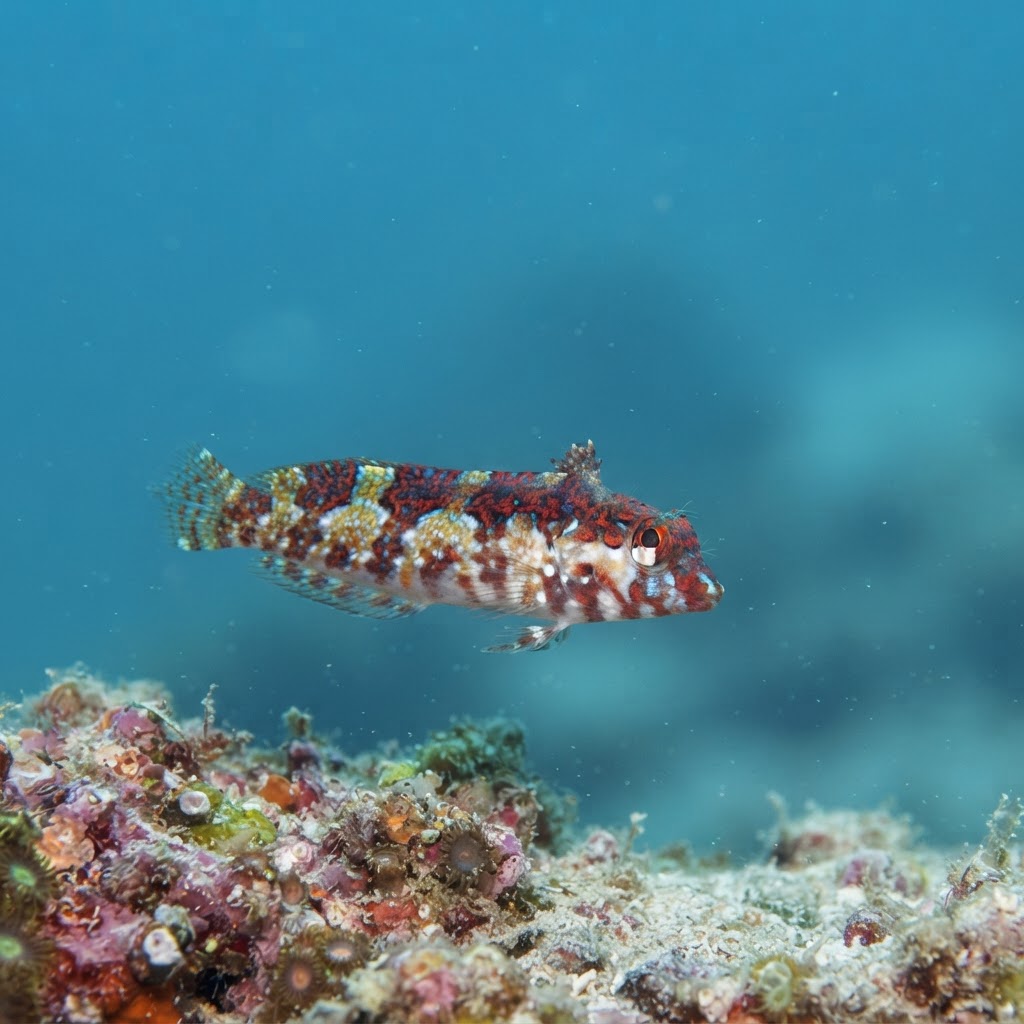
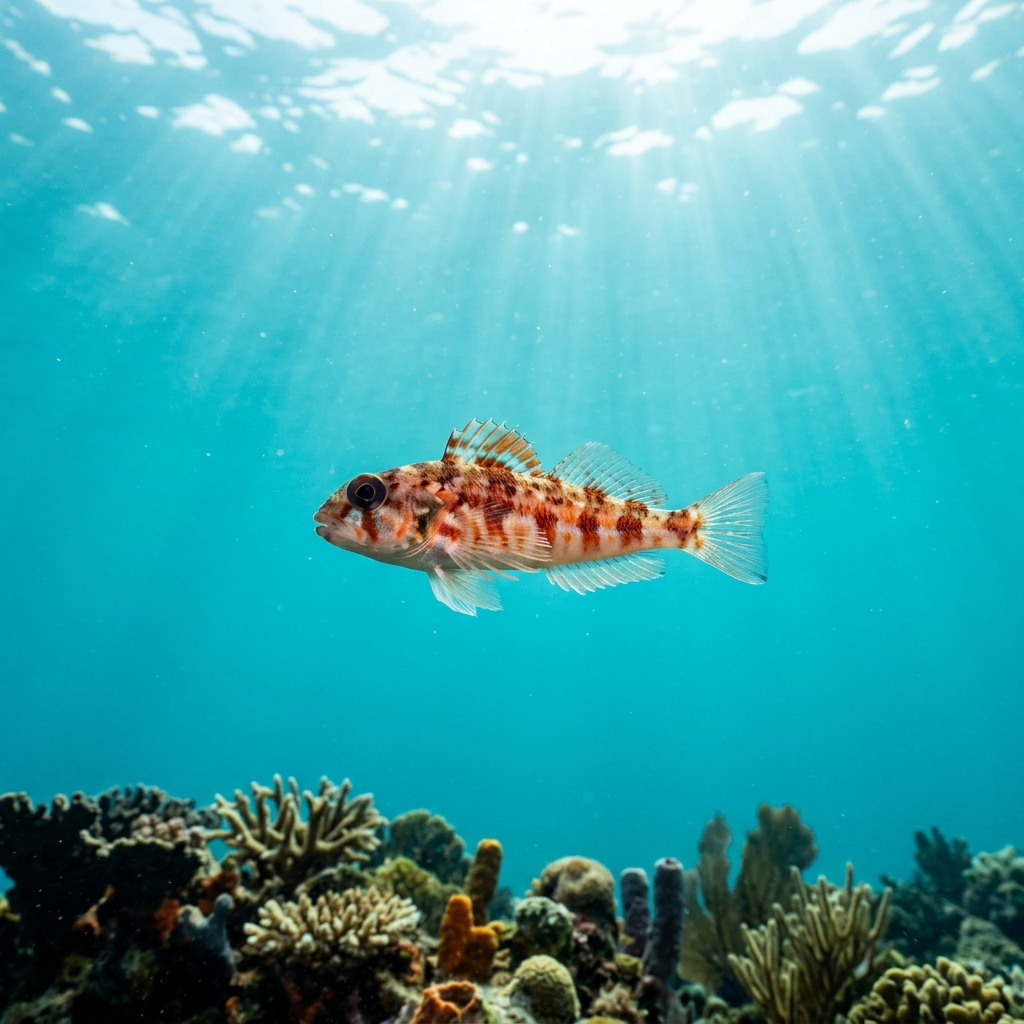
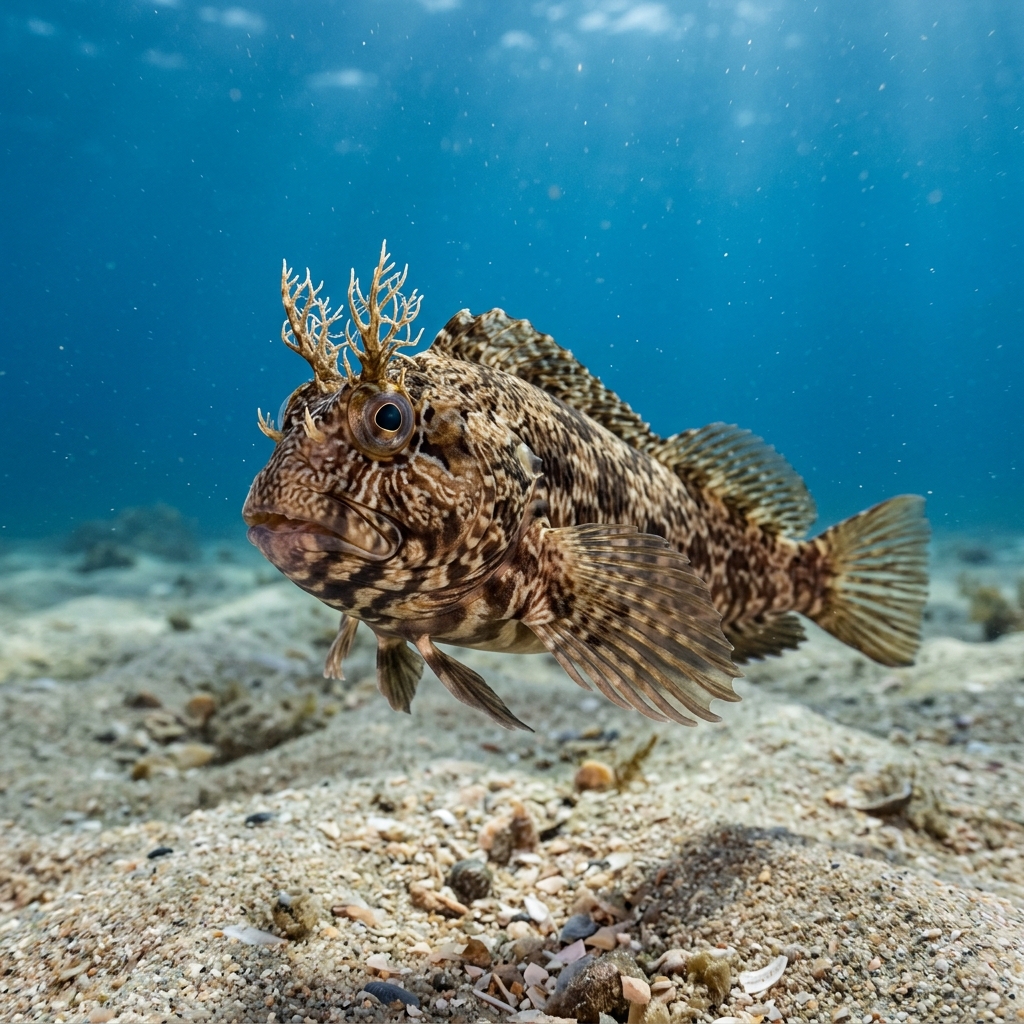
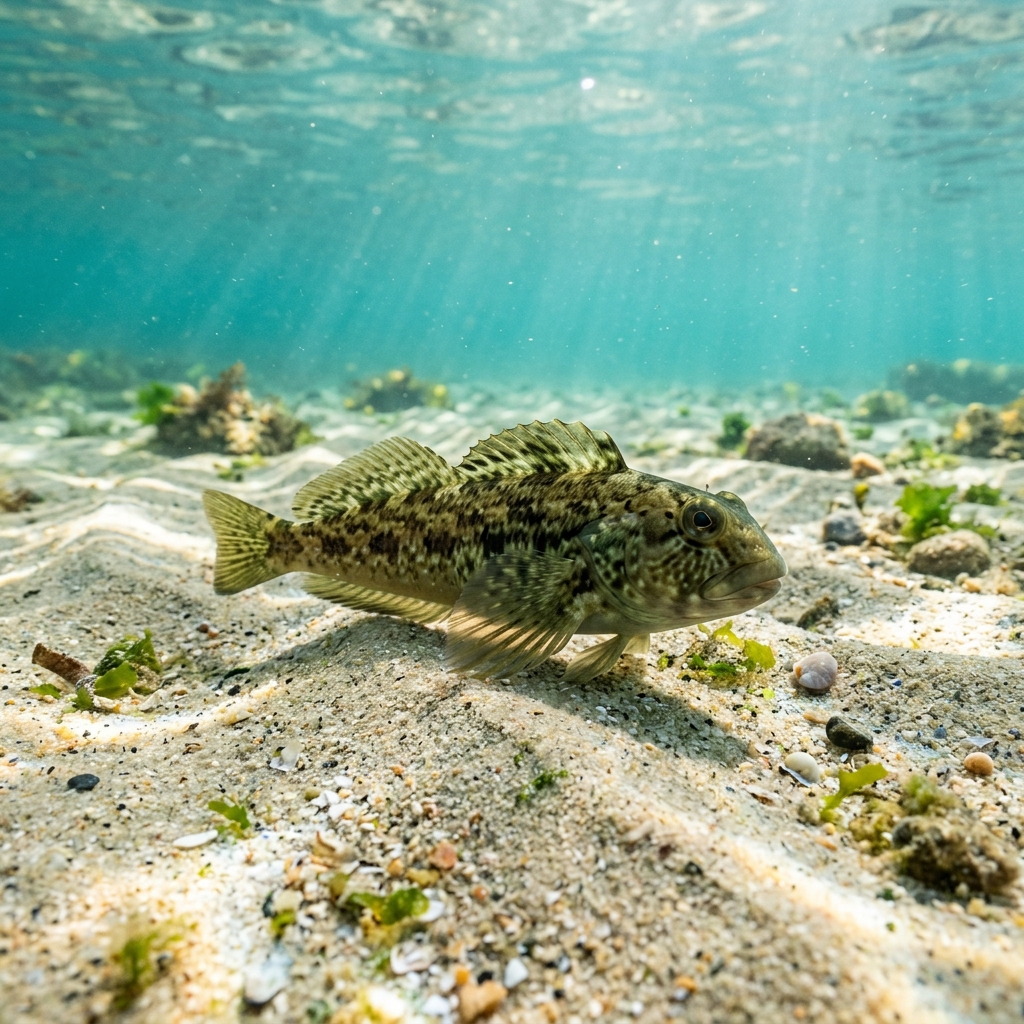
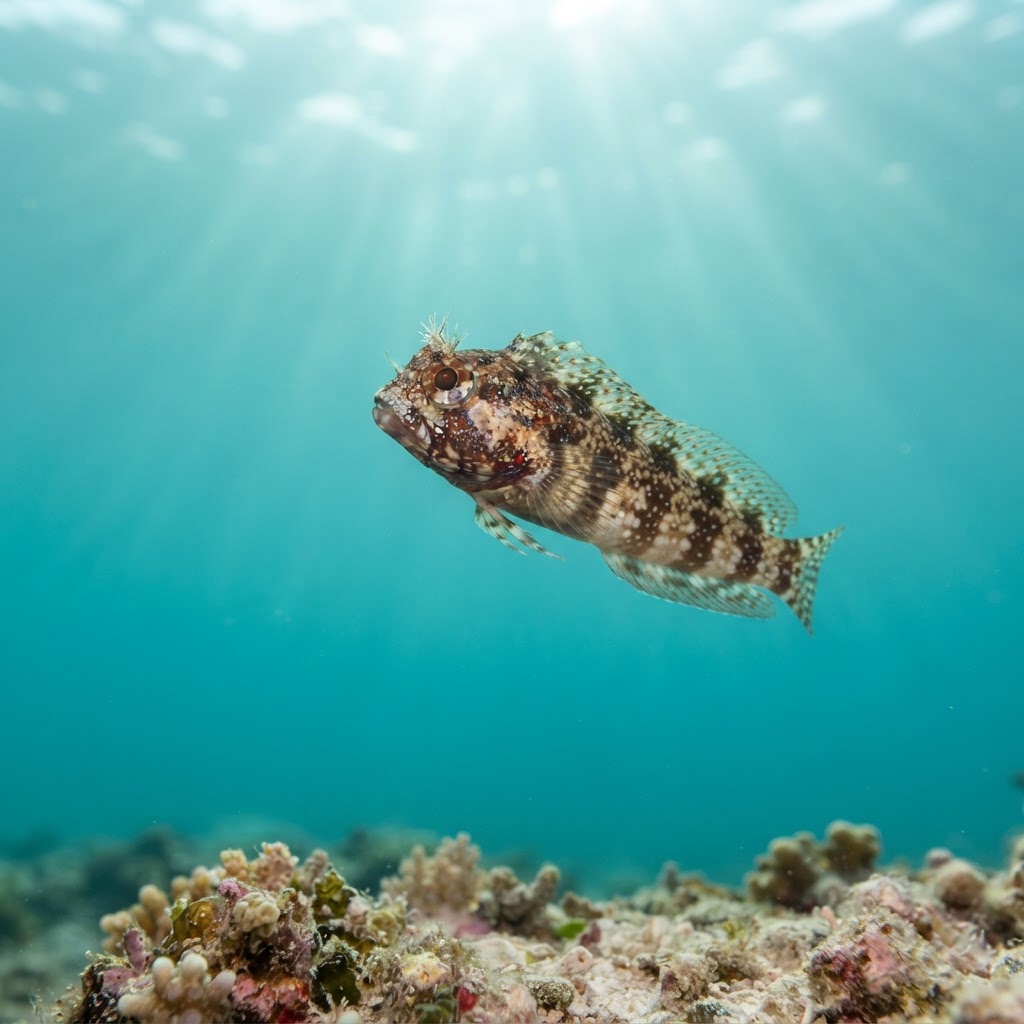
A small, stocky blenny at just 6 cm, built with the thick-set head and tapering body typical of labrisomid blennies. Look for a mottled brown to olive body pattern that breaks up its outline against rock and rubble, and the fleshy cirri (small branched growths) above the eyes that give blennies their whiskery look. It sits propped on its pectoral fins rather than swimming in open water, which is often the giveaway before colour registers.
Expect to find it perched motionless on rubble, coral rock, or crevice edges rather than swimming out over the reef. It tends to hold still and let divers pass close rather than dart for cover, which makes for a good macro subject once you spot one, though at this size and with an uncommon rating you'll need to slow down and scan the substrate carefully.
Like other labrisomid blennies, it has no swim bladder, so it spends almost all its time resting directly on the bottom rather than hovering in the water column.
No clear seasonal pattern shows up in the sightings, and the 26.6 to 28.2 C water it's found in stays within that range year-round on these Caribbean reefs, so any month works.
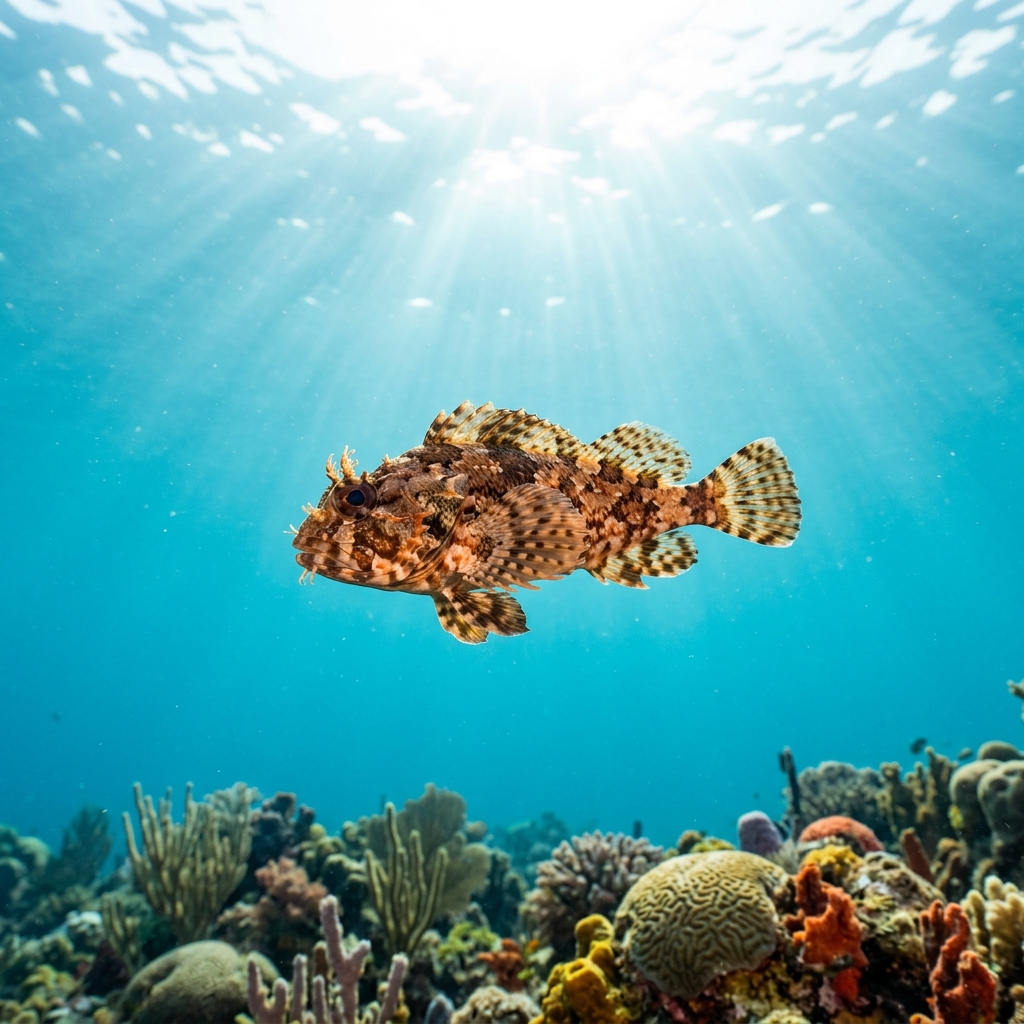
Reef neighbours a diver could mistake it for. Use the identification notes above to tell them apart.
This one is most reliably found in Honduras, especially around the Bay Islands, where the large majority of logged sightings come from. Jamaica's Ocho Rios also produces sightings, making it a second option in the Caribbean if the Bay Islands aren't on the itinerary.
Mapping where Puffcheek Blenny is logged…
The strongest population by far is in Honduras's Bay Islands, with additional sightings around Ocho Rios in Jamaica. These two spots make up the confirmed diving range for this species.
There's no detected seasonal pattern, and the water it favours (26.6 to 28.2 C) holds steady year-round in the Bay Islands and Jamaica, so it's a fair target on any dive trip there.
Look for a small, stocky 6 cm blenny with a mottled brown body, perched still on rubble or rock rather than swimming. The head cirri and its habit of staying put rather than fleeing help separate it from more mobile reef fish nearby.
They top out around 6 cm, making them a small, easy-to-miss species best spotted by scanning rubble and rocky patches closely rather than looking for movement.
No. They're a harmless, tiny reef fish with no risk to divers, and they typically hold still rather than react defensively when approached.
Site and sighting data is aggregated from diver logs, iNaturalist and GBIF. For taxonomy and conservation status:
Rusty Blenny
2,605 sites