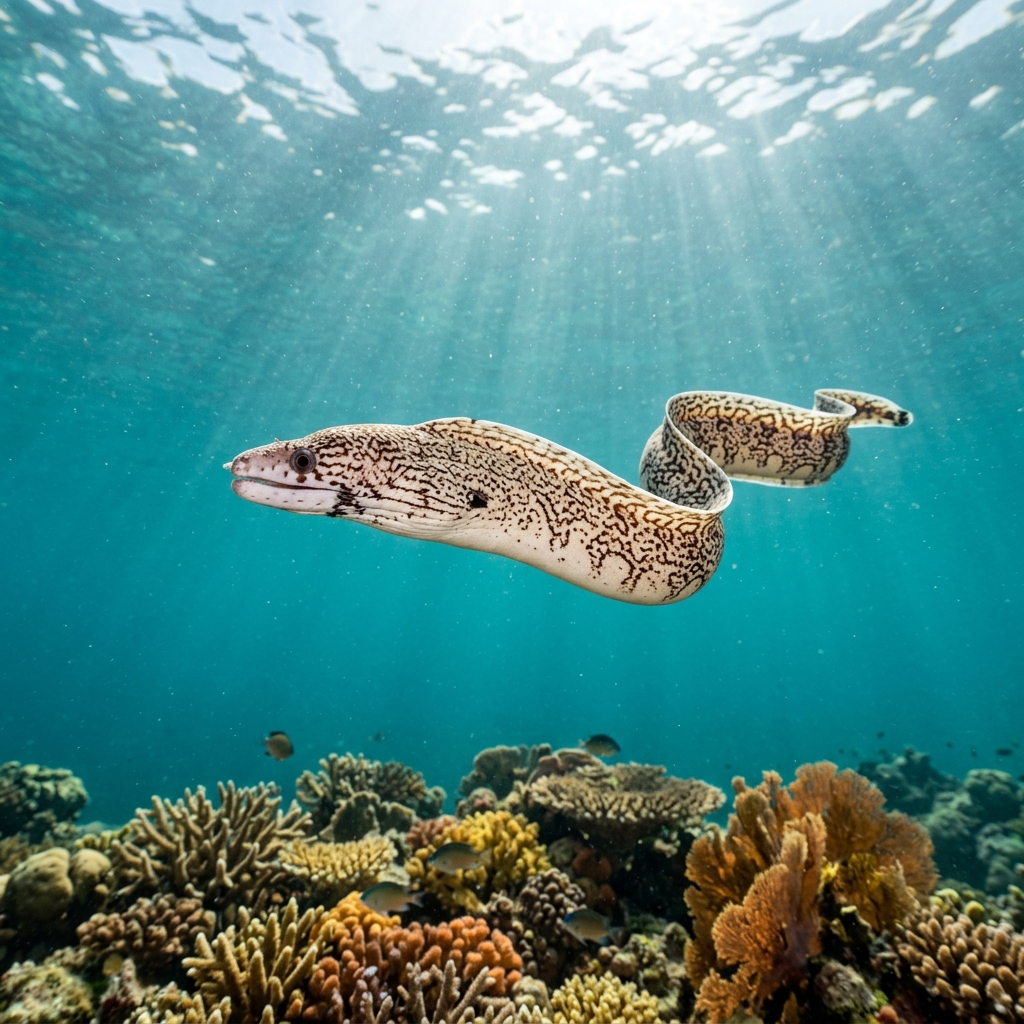
Pseudechidna brummeri
Brummer's Moray is a rare find in the Visayas, Philippines. Learn how to spot this pale, ribbon-like moray in warm tropical waters from 27 to 29 °C.
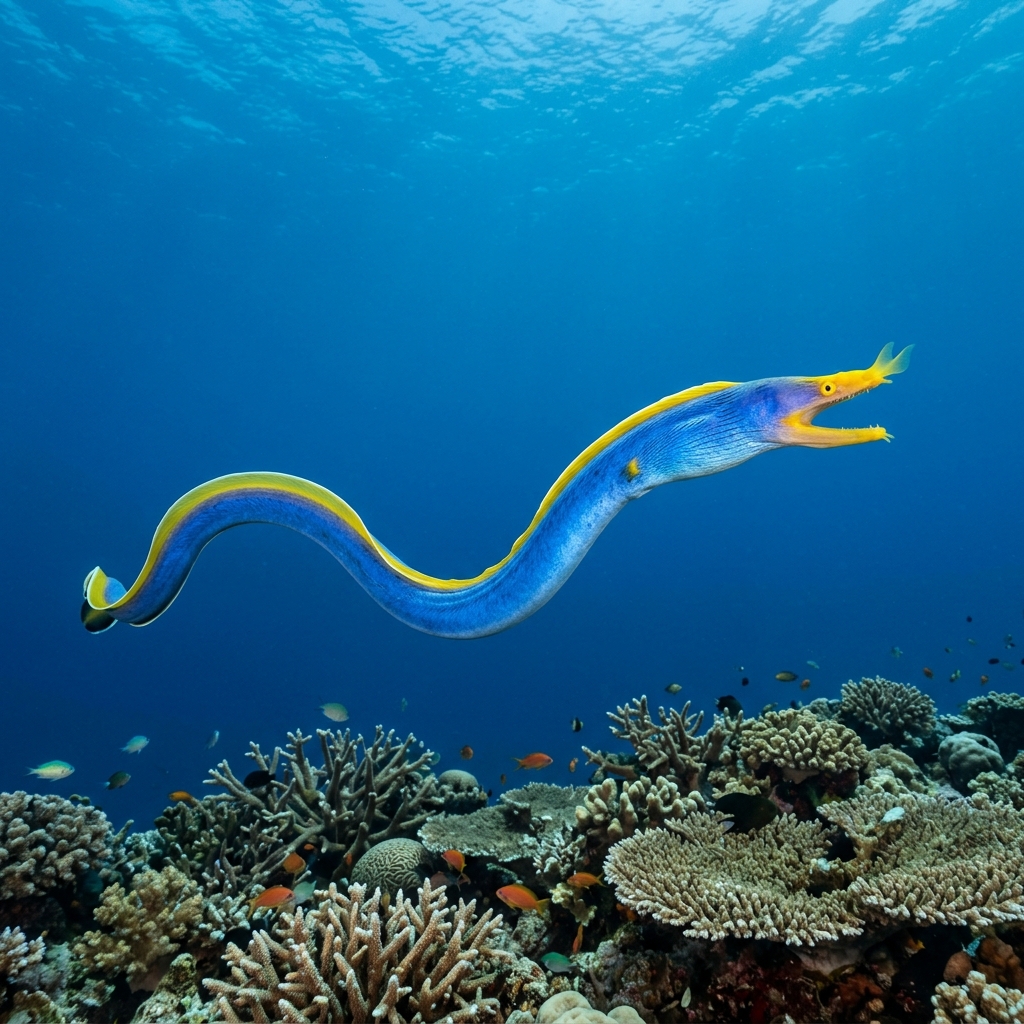
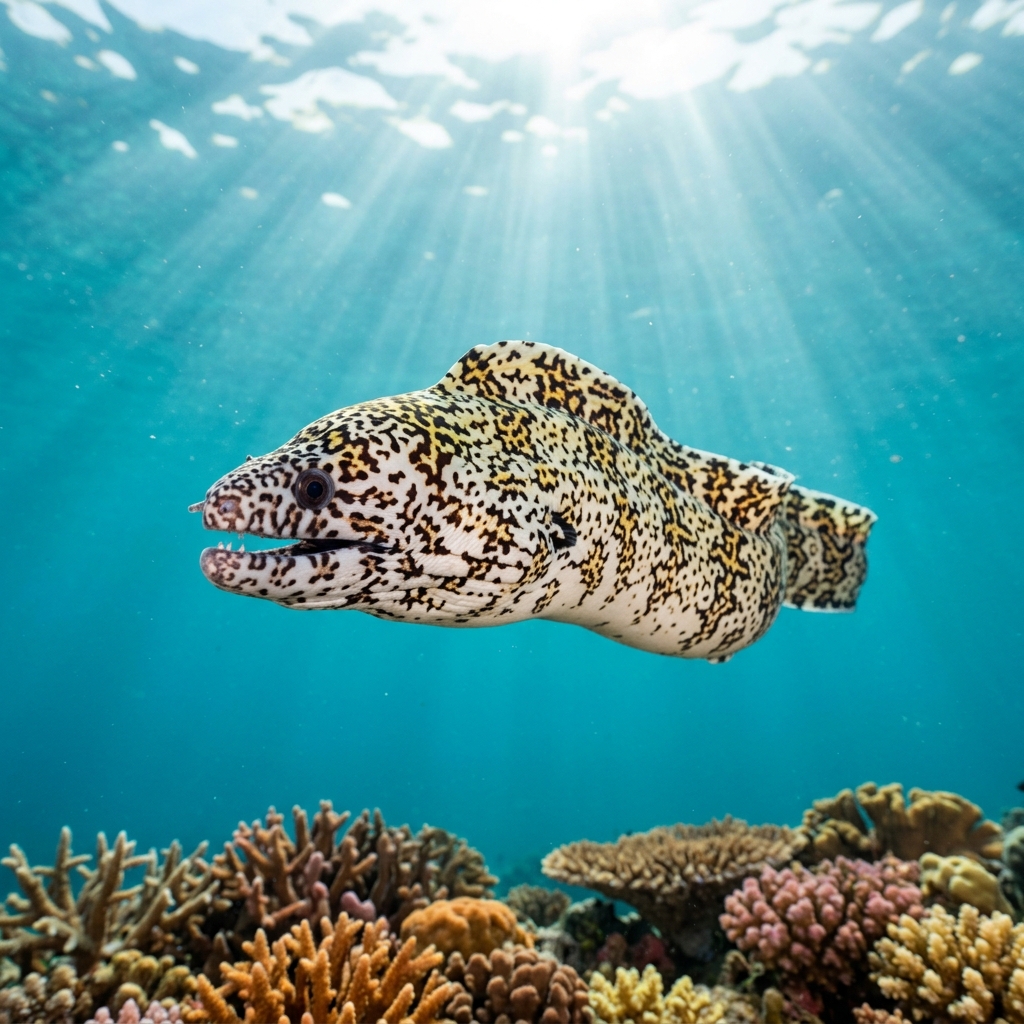
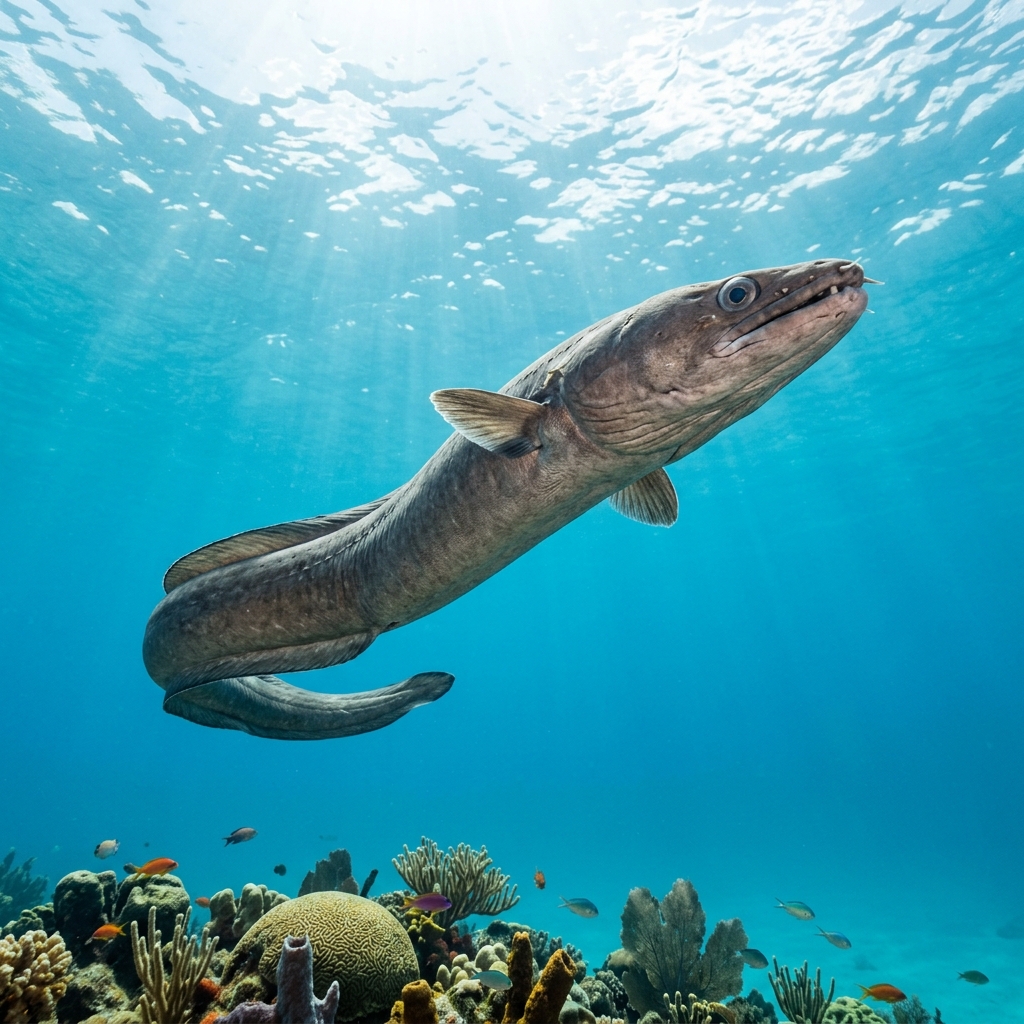
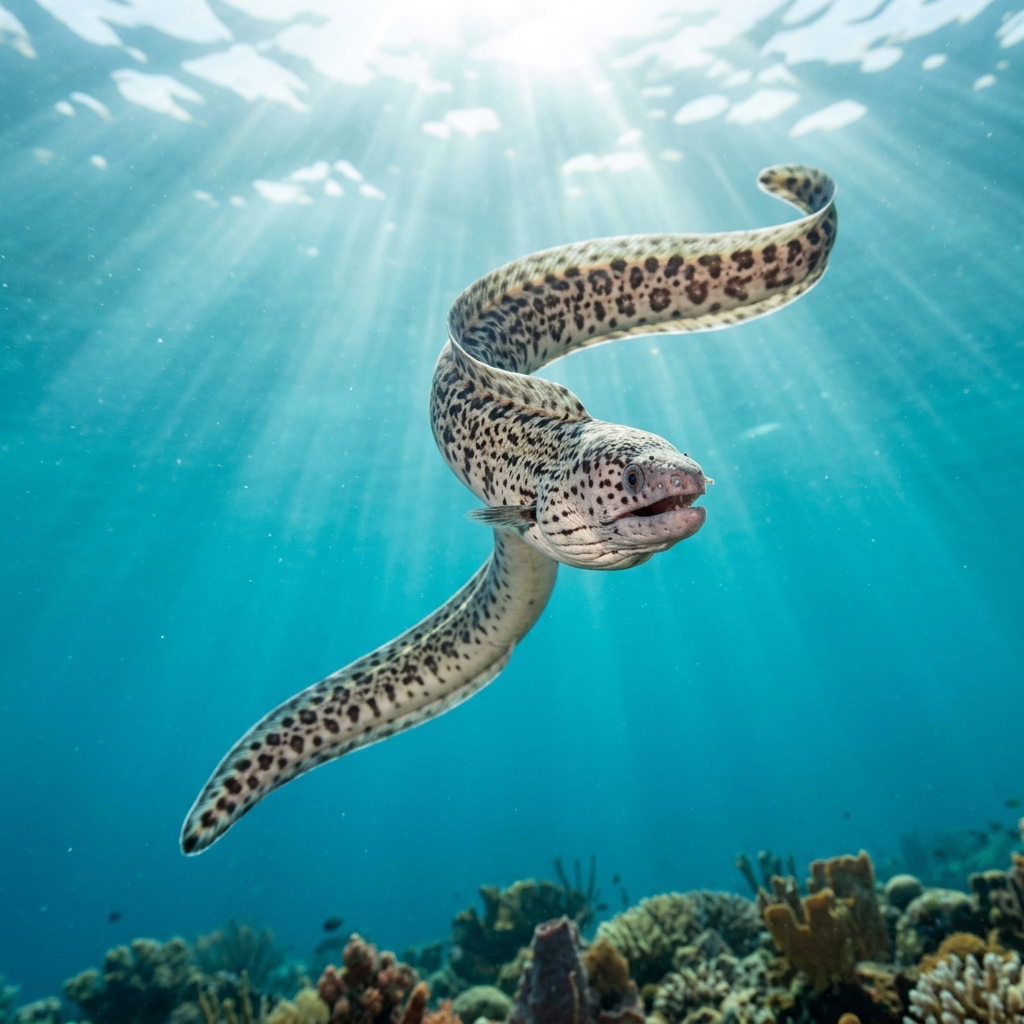
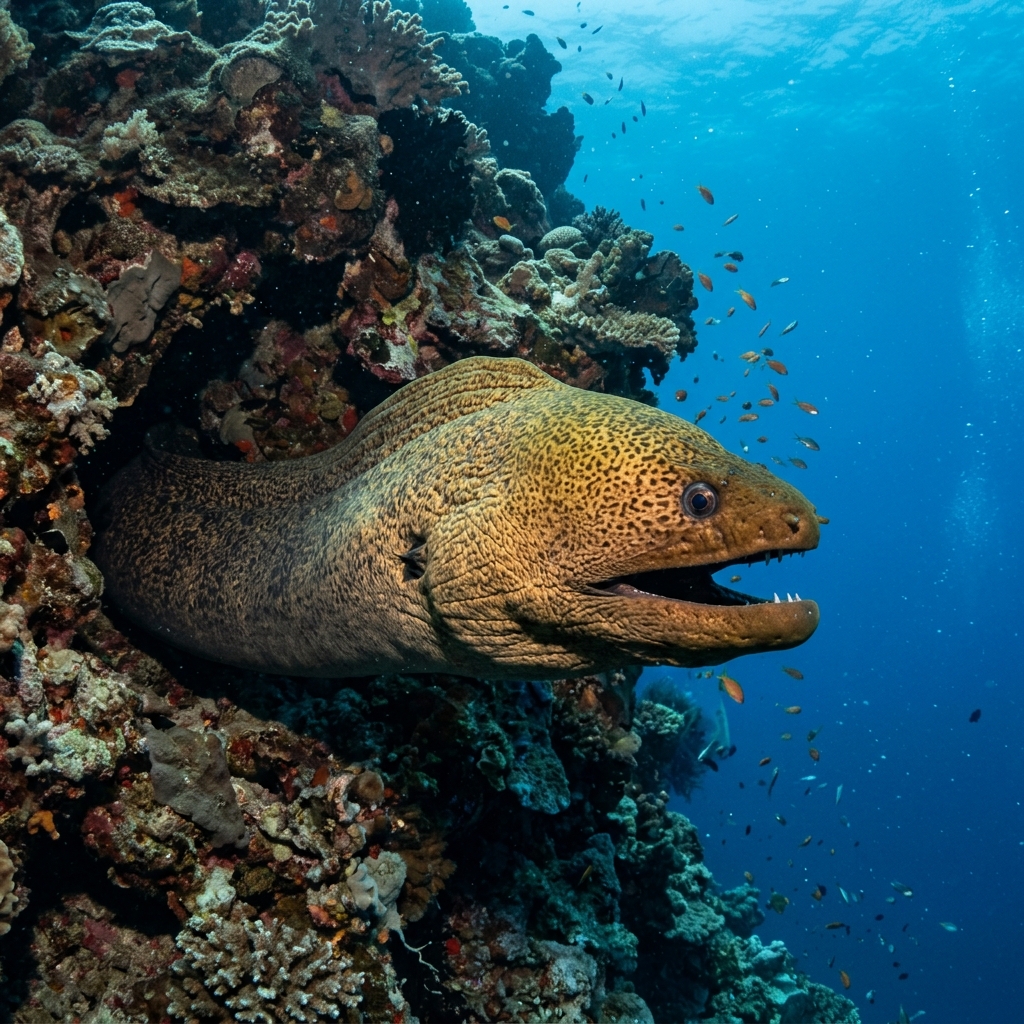
Brummer's Moray is a pale, almost white to yellowish eel with a distinctly slender, ribbon-like body that sets it apart from the bulkier morays sharing its reef. The snout is noticeably pointed and the jaw closes fully, giving the face a smoother, less gap-toothed look than most moray species. Look for the small, round nostrils (anterior nares) that project like tiny tubes above the upper lip, a useful close-up ID clue when the eel is resting in a crevice.
Like most morays, Brummer's Moray spends the bulk of its time tucked into reef crevices or coral rubble with only its head visible, gaping its mouth to breathe rather than as a threat. It tends to be a nocturnal hunter, so night dives offer a better chance of seeing the full body out in the open. When approached calmly it usually holds its position; sudden movements will send it retreating deeper into the reef.
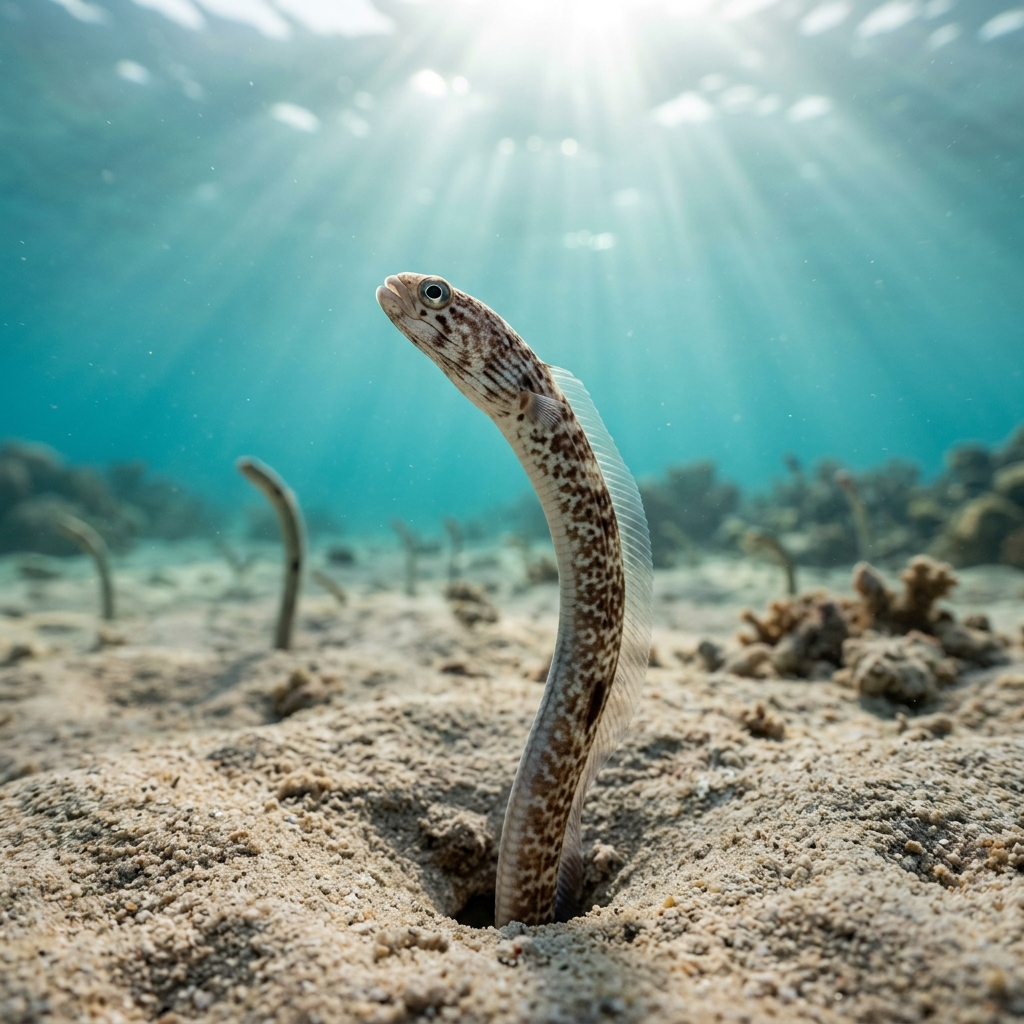
Brummer's Moray belongs to a monotypic genus, meaning it is the sole species in Pseudechidna, a lineage that sits apart from the typical morays and shares more anatomical traits with snake eels than with its closest-looking reef relatives.
No clear seasonal peak has emerged from the available data, so this is treated as a year-round resident. Its observed water-temperature range of roughly 27 to 29 °C fits permanently warm Indo-Pacific reefs, meaning conditions stay suitable throughout the year.
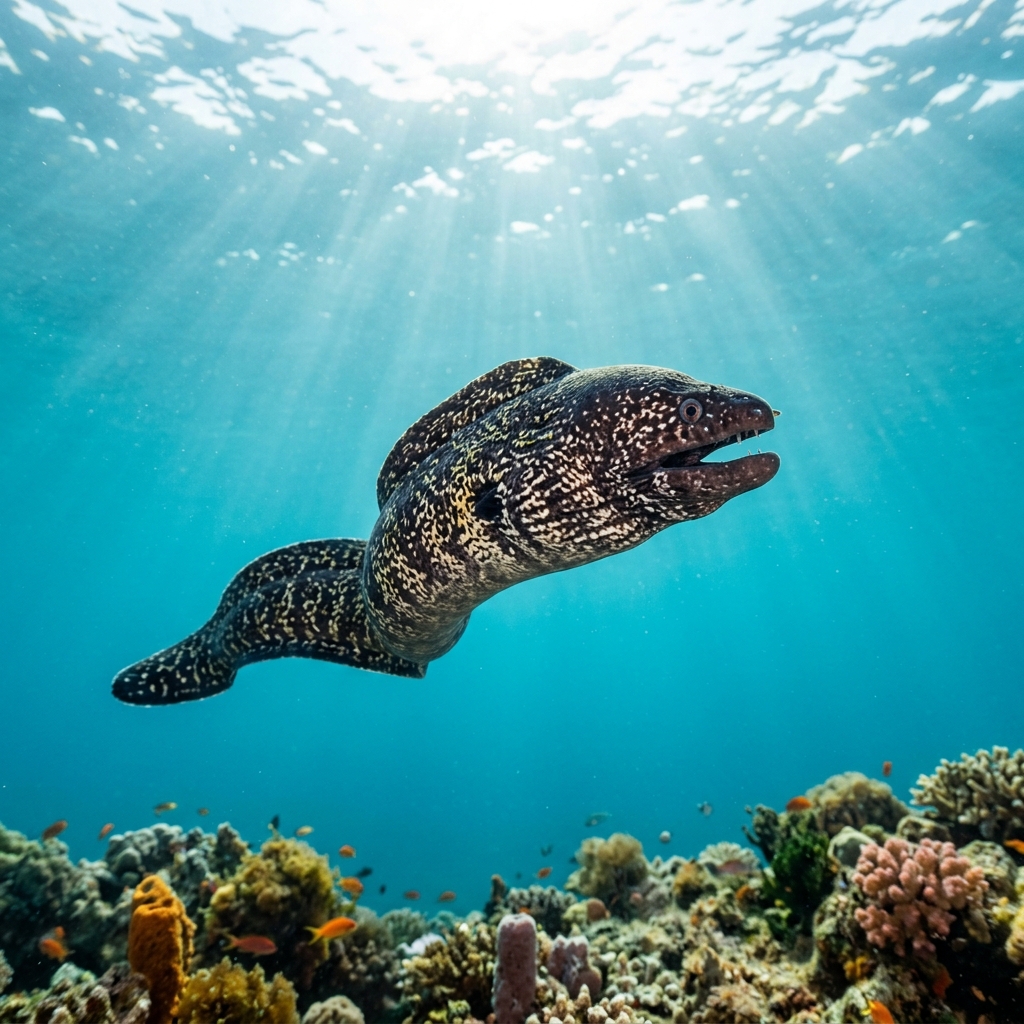
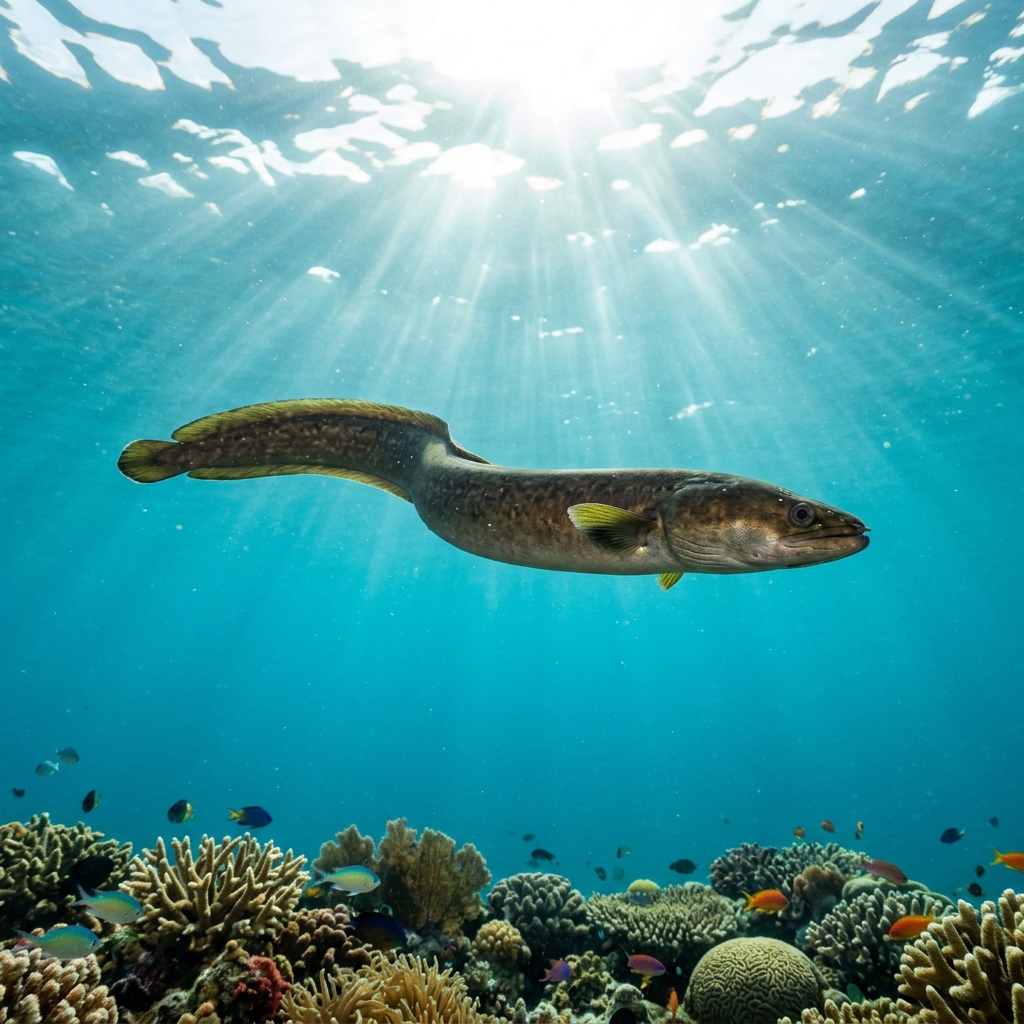
Reef neighbours a diver could mistake it for. Use the identification notes above to tell them apart.
The vast majority of logged sightings come from the Visayas Central region of the Philippines, making that archipelago by far the best place to look. A small number of records also exist from Sumatra and Kalimantan in Indonesia, and from Apra Harbor in Guam, so divers in those areas should keep an eye out.
Mapping where Brummer's Moray is logged…
The Visayas Central region of the Philippines holds the overwhelming majority of logged sightings, making it the obvious first choice. There are also a small number of records from Sumatra and Kalimantan in Indonesia and from Apra Harbor, Guam.
There is no identified seasonal peak, so it is considered a year-round resident on the reefs where it occurs. Its preferred water temperatures of 27 to 29 °C are typical of tropical Indo-Pacific reefs throughout the year.
Look for an unusually slender, ribbon-like moray with a pale whitish or yellowish body and a pointed snout. The jaw closes flush, giving the face a smoother profile than most morays, and the small tubular nostril tips above the upper lip are a good close-up feature to confirm the ID.
Reliable size data for this species in the wild is limited. Based on its slender, ribbon-like body form it appears to be a relatively small to medium moray, but a firm maximum length is not well documented in diver records to date.
No, Brummer's Moray is not considered dangerous to divers. Like all morays it will bite if handled or cornered, but when left alone it typically retreats into its crevice rather than acting aggressively.
Site and sighting data is aggregated from diver logs, iNaturalist and GBIF. For taxonomy and conservation status:
Garden Eel
2,448 sites