Protoreaster lincki
Spot red-knobbed sea stars across Zanzibar, Diani, and Tofo in warm 25-29 °C waters. Here's where divers log it most and when to go.
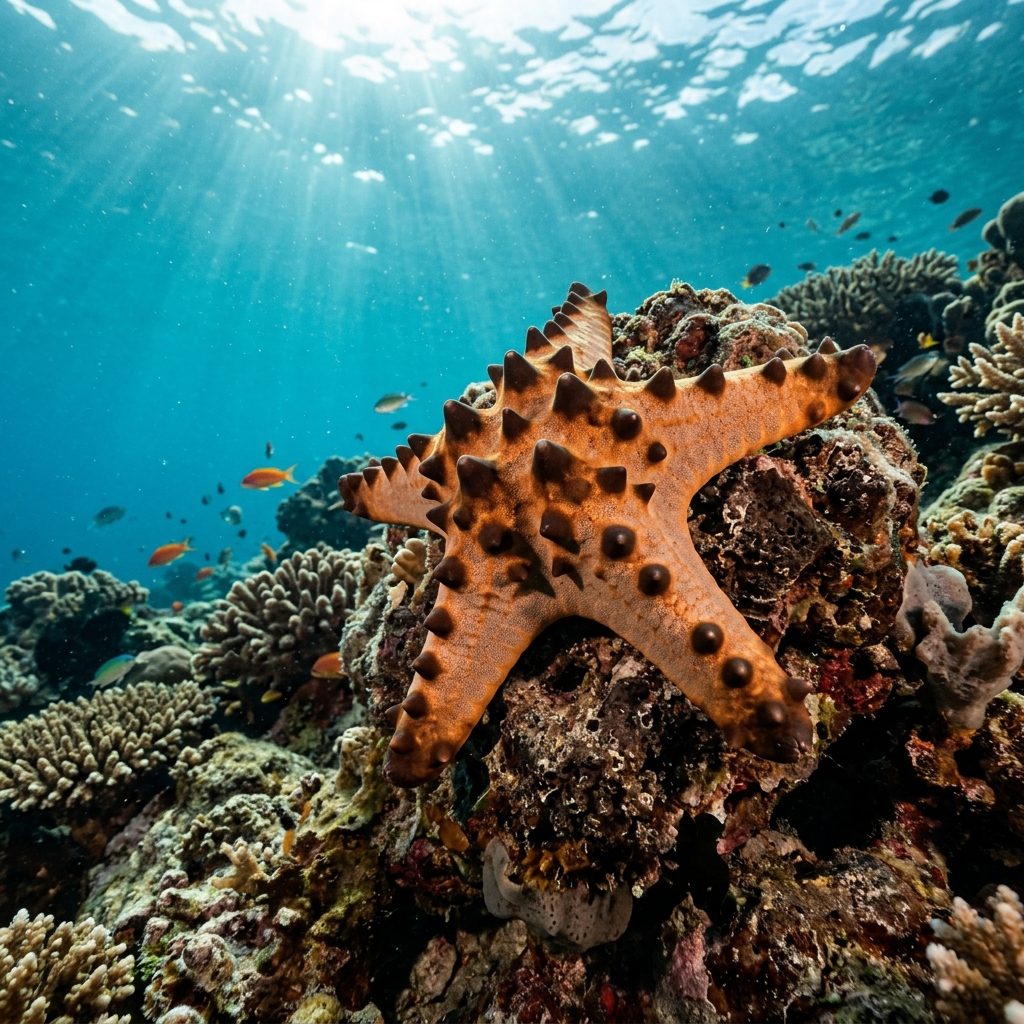
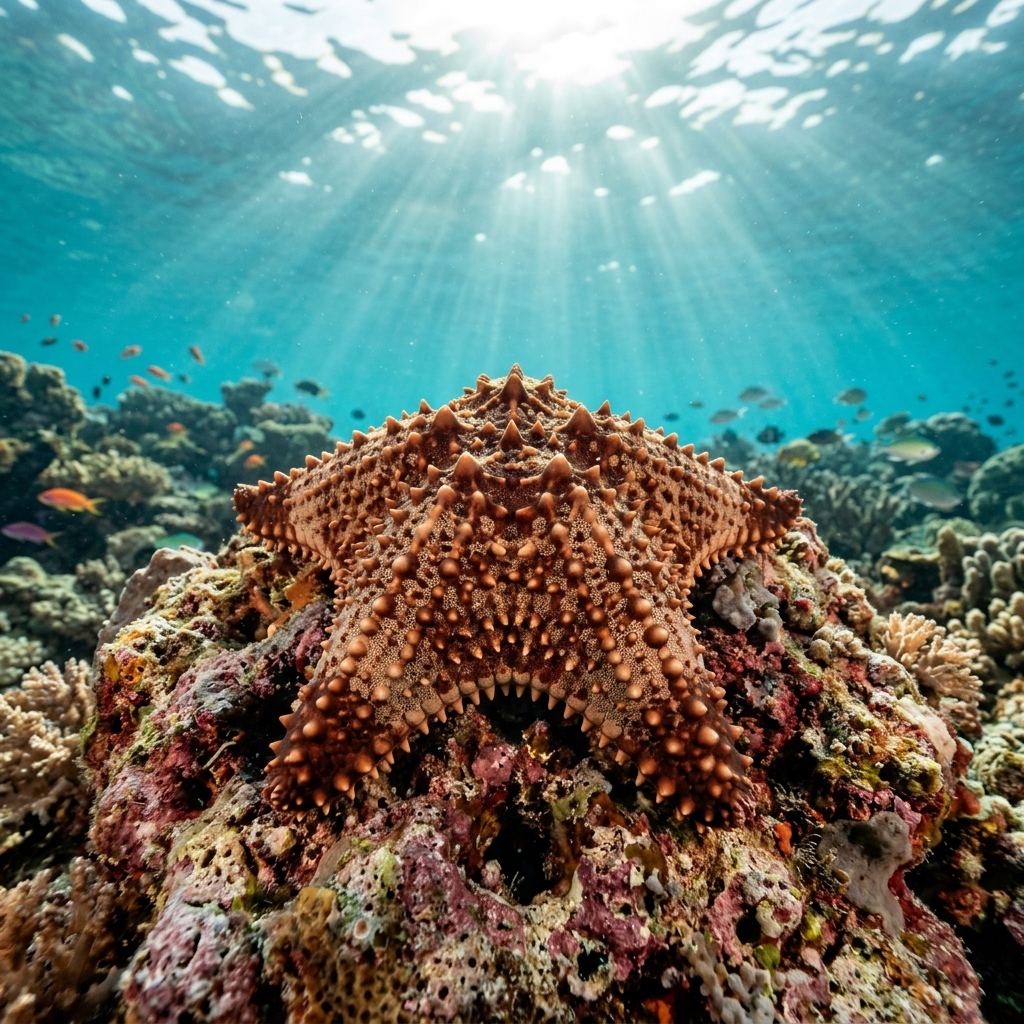
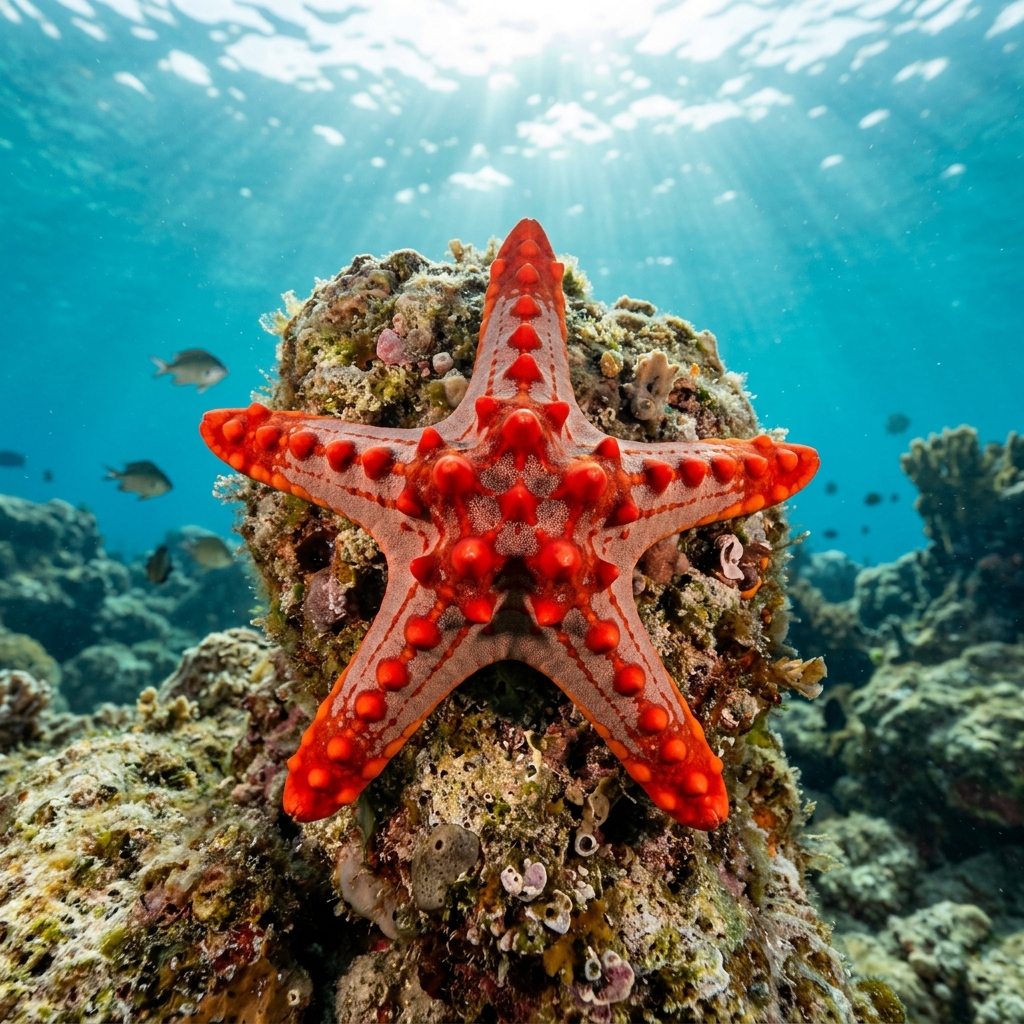
Five stout, tapering arms radiate from a wide central disc, covered in rows of bold conical knobs (tubercles) that give the animal a spiky, almost architectural look. Colour runs from vivid orange-red to brick red, with the knobs often a darker or more intense shade than the surrounding skin. In the water it is large enough to be spotted easily against pale sand or seagrass, where it typically lies in the open rather than hidden under coral.
You will most often find red-knobbed sea stars moving slowly across sandy flats, seagrass beds, or rubble patches in shallow water, foraging with their everted stomachs over organic material. They are completely indifferent to divers and will not attempt to flee, making them easy to observe at close range. They tend to be most visible in open, uncluttered habitat rather than on hard coral reef.
Like other large asteroid sea stars, red-knobbed sea stars are capable of everting their stomachs outside their bodies to digest food on the spot, meaning a meal can be consumed without the prey ever entering the animal's mouth.
Southern Hemisphere site data shows sightings concentrate from December through April, aligning with the warm austral summer when water temperatures sit in the 25-29 °C range across East Africa and the western Indian Ocean.
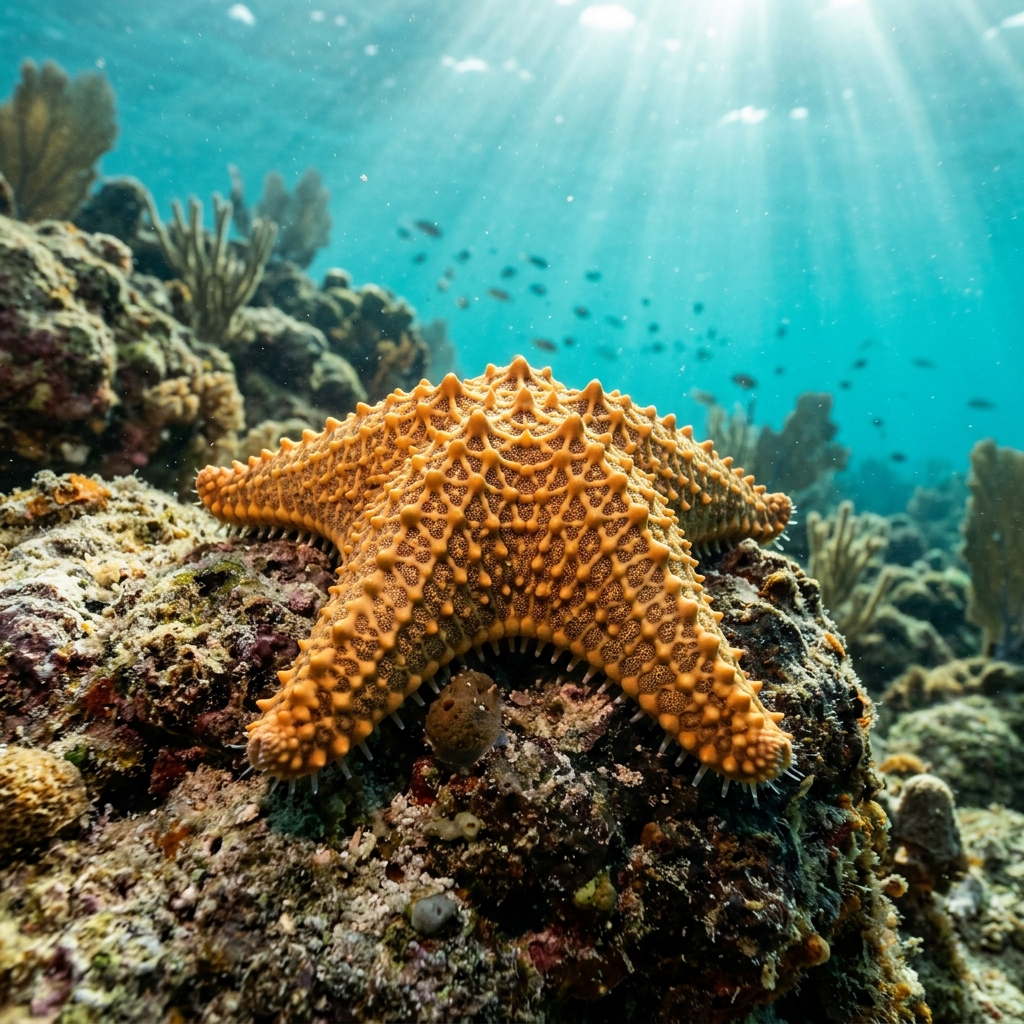
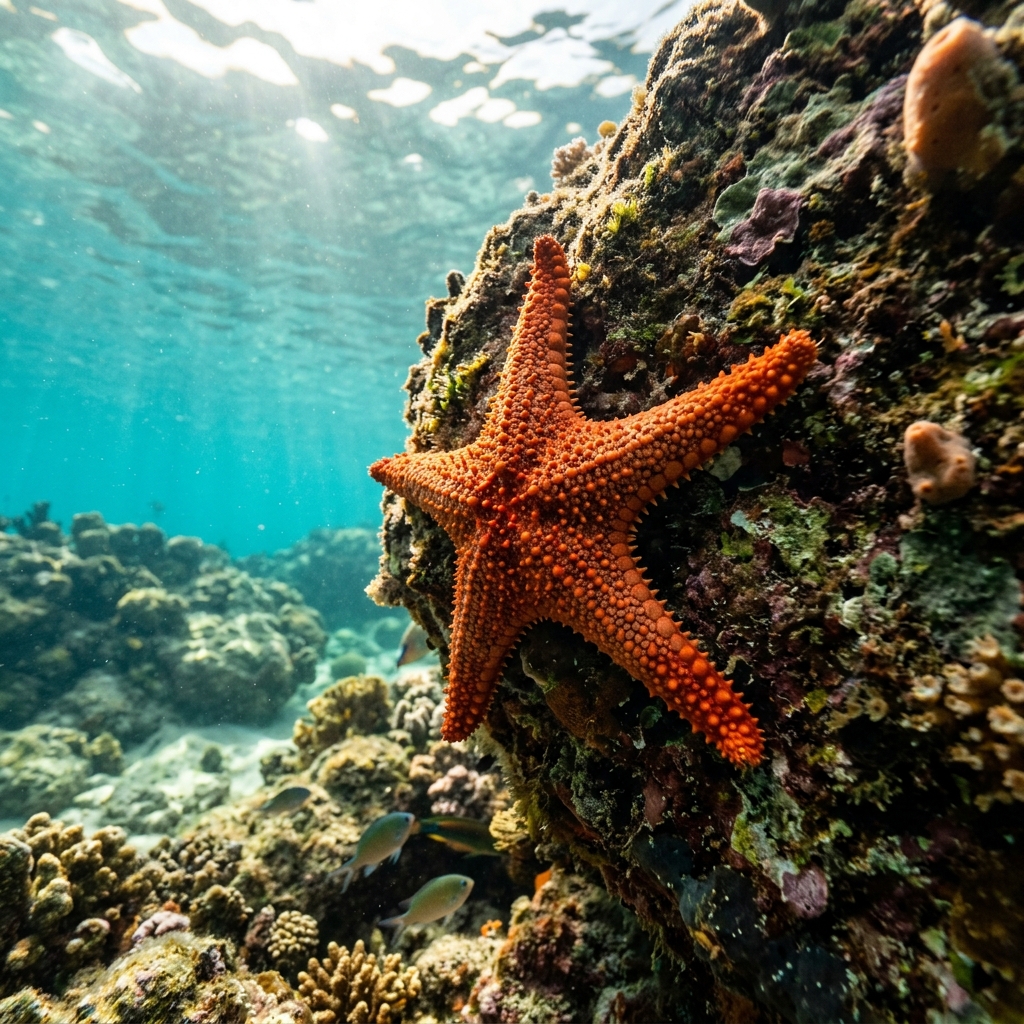
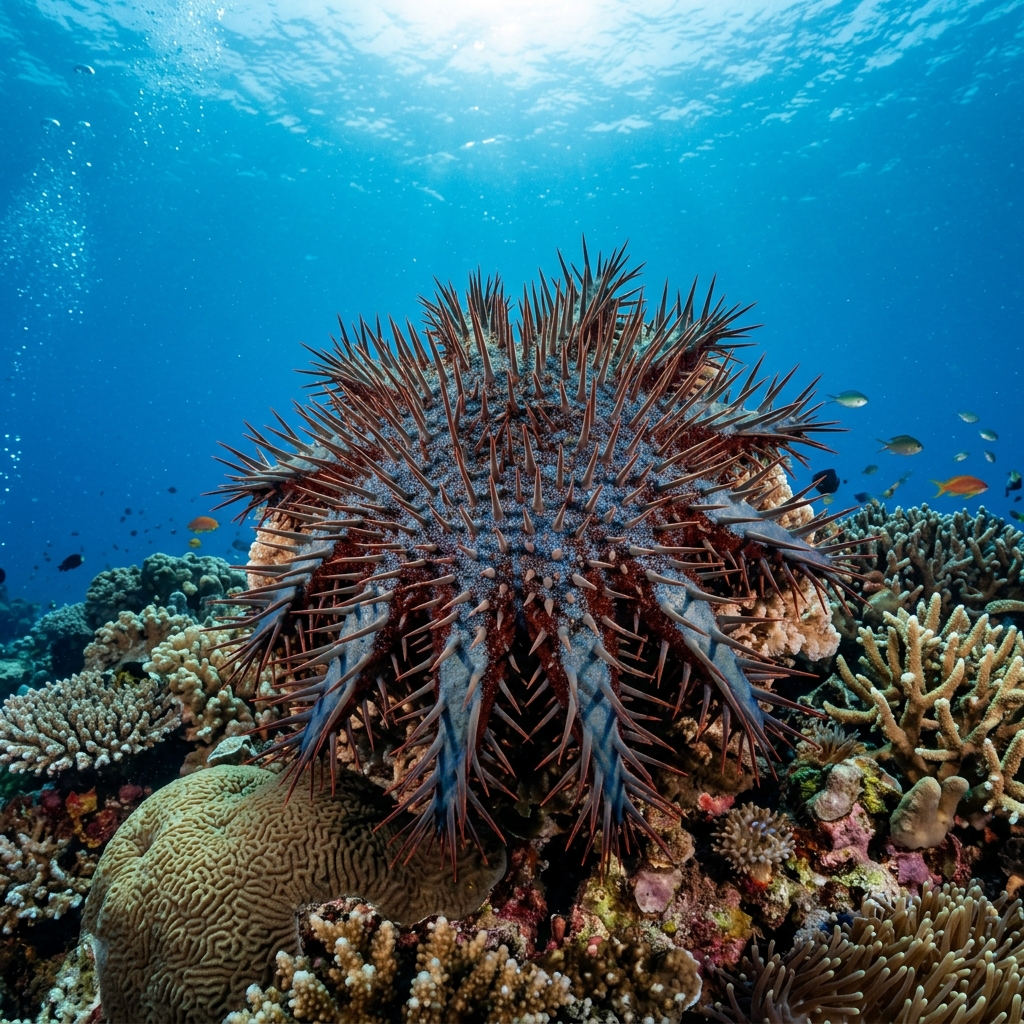
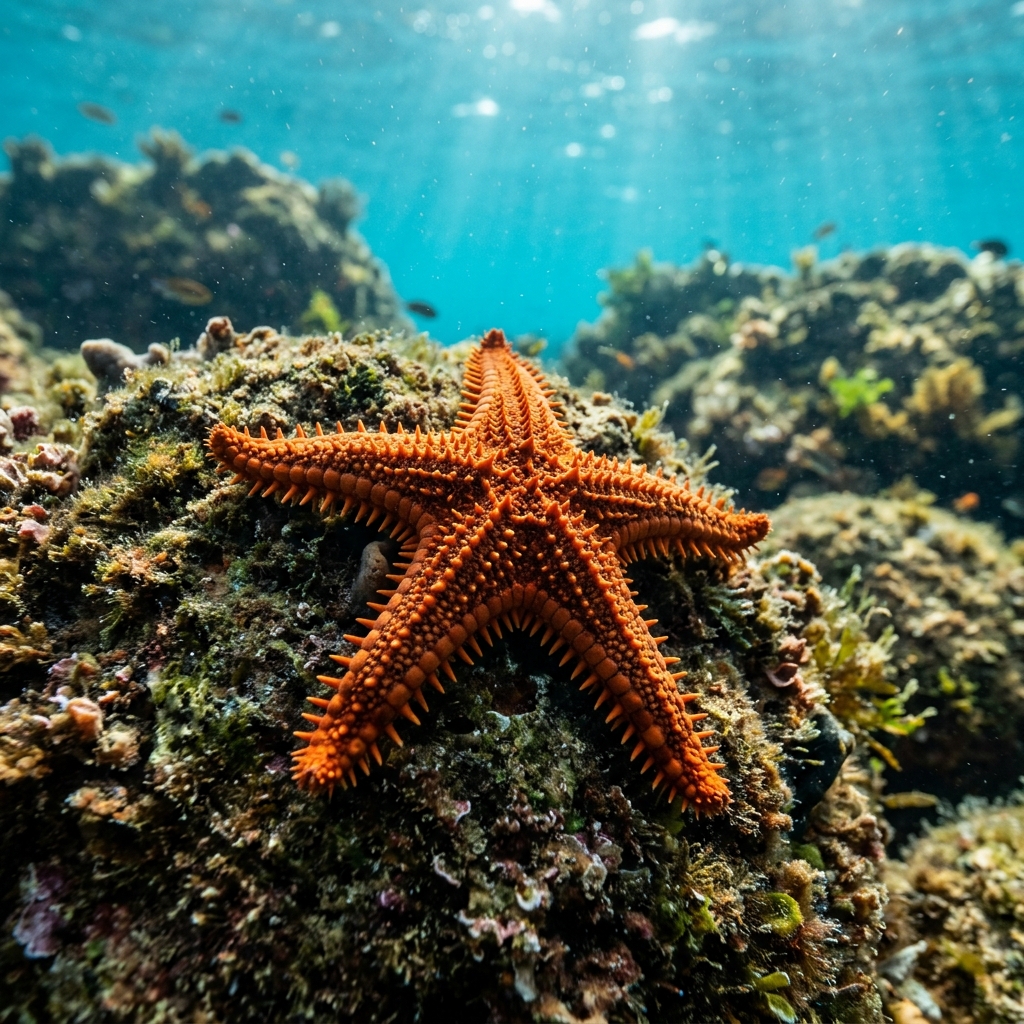
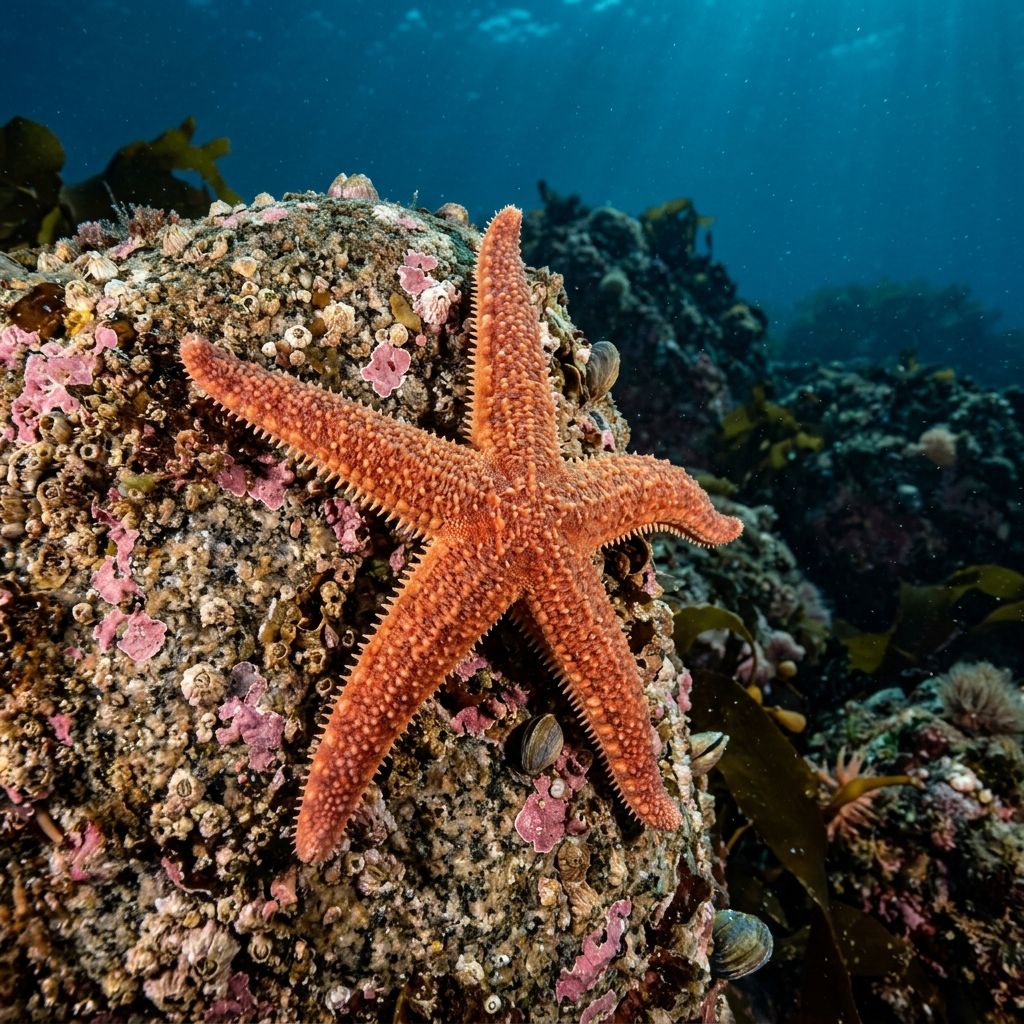
Reef neighbours a diver could mistake it for. Use the identification notes above to tell them apart.
Zanzibar is by far the most consistent destination, with sightings logged across a large spread of sites throughout Tanzania. Kenya's south coast, particularly around Diani, and the reefs near Tofo in Mozambique are the next strongest areas. Smaller but reliable populations are recorded around Nosy Be in Madagascar and the islands of Praslin and La Digue in the Seychelles.
Mapping where Red-knobbed Sea Star is logged…
The strongest sightings are in Zanzibar, Tanzania, which dominates the records by a wide margin. Diani and the Kenyan south coast, Tofo in Mozambique, Nosy Be in Madagascar, and Praslin and La Digue in the Seychelles all offer reliable encounters.
Data from southern hemisphere sites points to December through April as the peak window. This warm-season period coincides with the highest water temperatures across the East African coast, broadly the conditions this species favours.
Look for a large, five-armed sea star with a distinctive pattern of raised conical knobs running along each arm and across the central disc. The body colour is typically a rich orange-red to brick red. Finding it lying in the open on sand or seagrass makes it one of the easier sea stars to pick out.
No. They pose no threat to divers. They are slow-moving, passive animals that do not bite, sting, or react to being approached. As with any reef invertebrate, avoid handling or touching them, as this can damage their delicate tube feet and skin.
They are opportunistic predators and scavengers, feeding on organic detritus, algae, sponges, and small invertebrates. They digest food by pushing their stomach outside their body and over the prey, a process called extra-oral digestion that you may occasionally observe in the field.
Site and sighting data is aggregated from diver logs, iNaturalist and GBIF. For taxonomy and conservation status:
Common Sea Star
2,271 sites