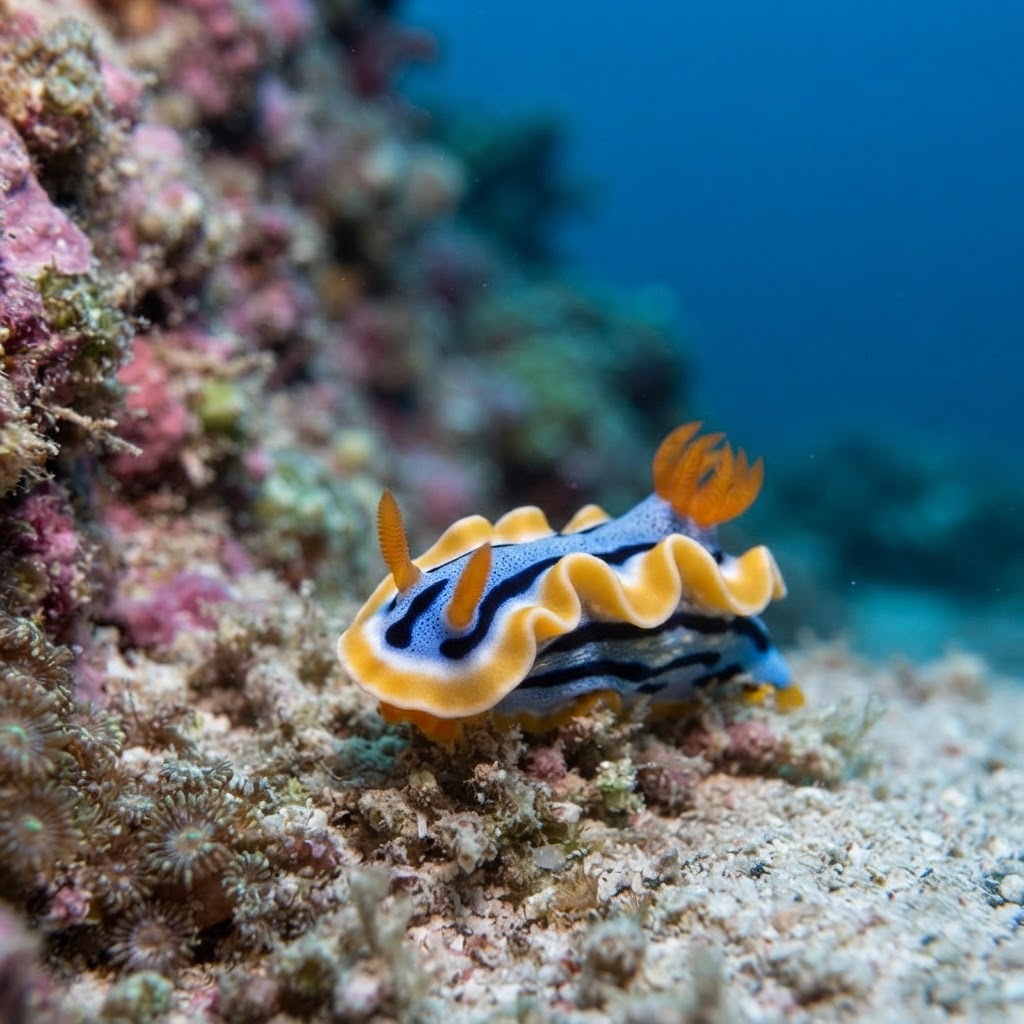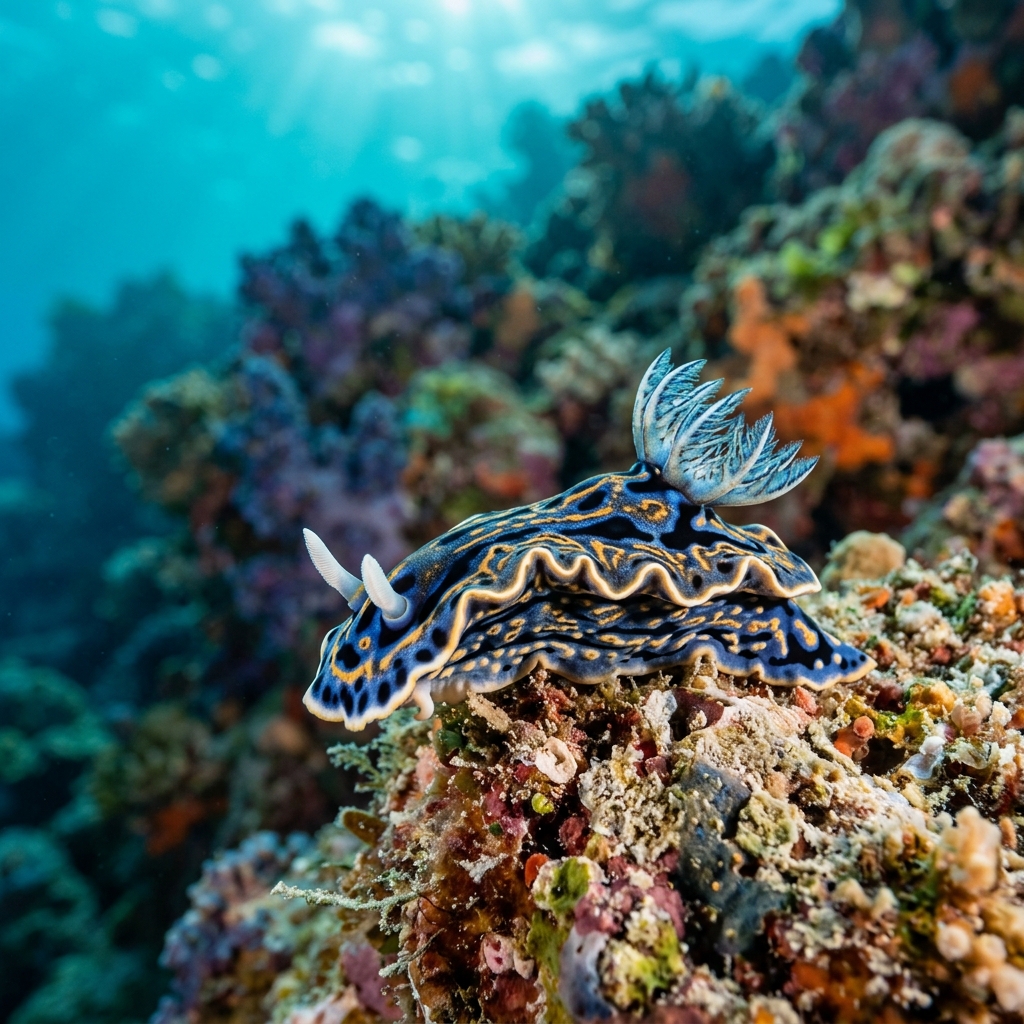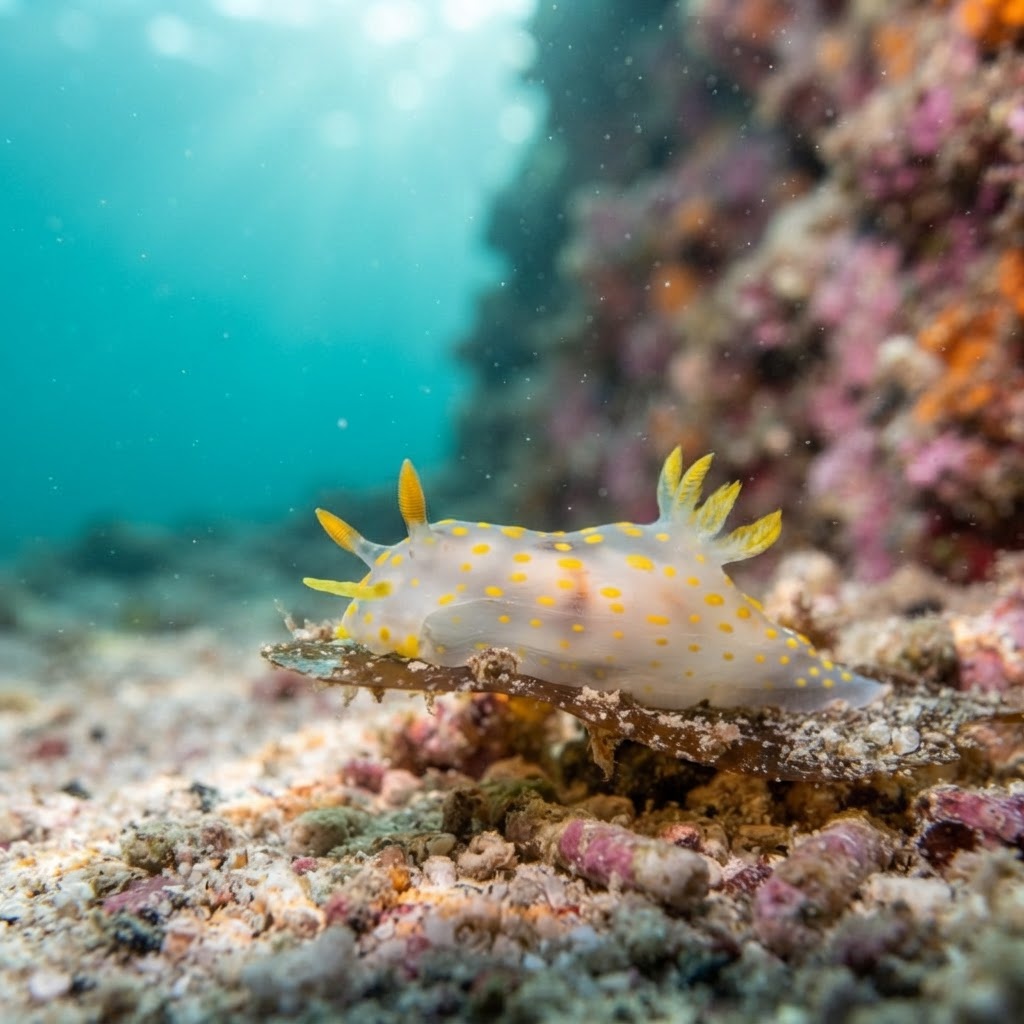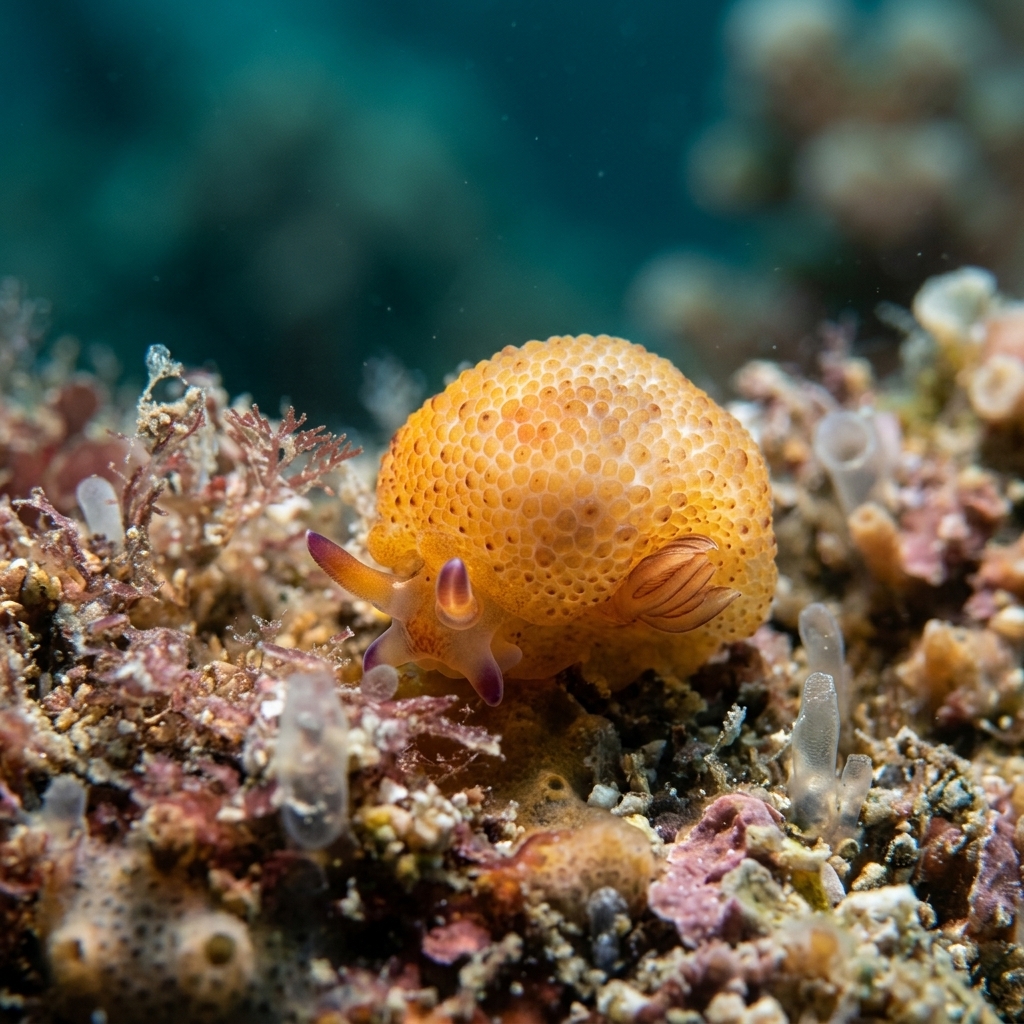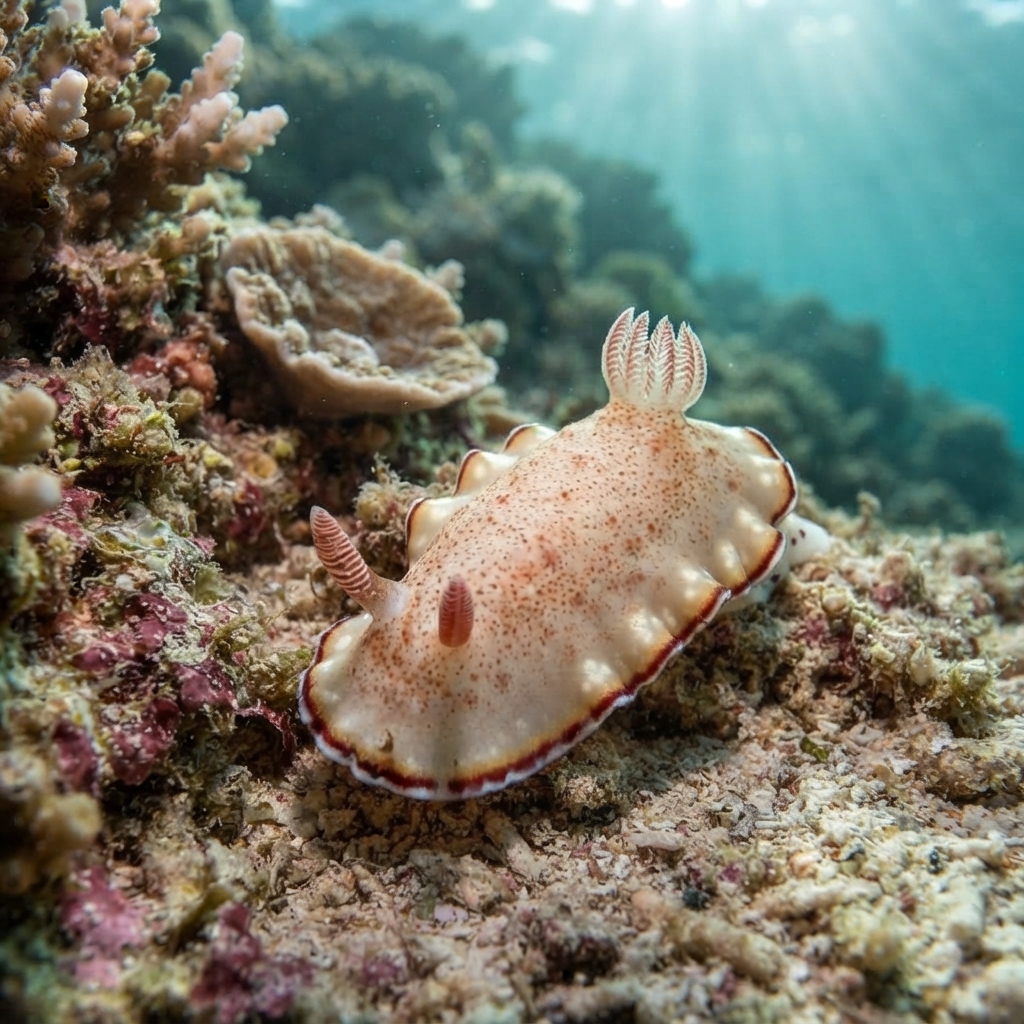
Goniobranchus preciosus
Uncommon but reliable in Luzon and Nha Trang: spot this small white-and-orange nudibranch on warm tropical reefs year-round.
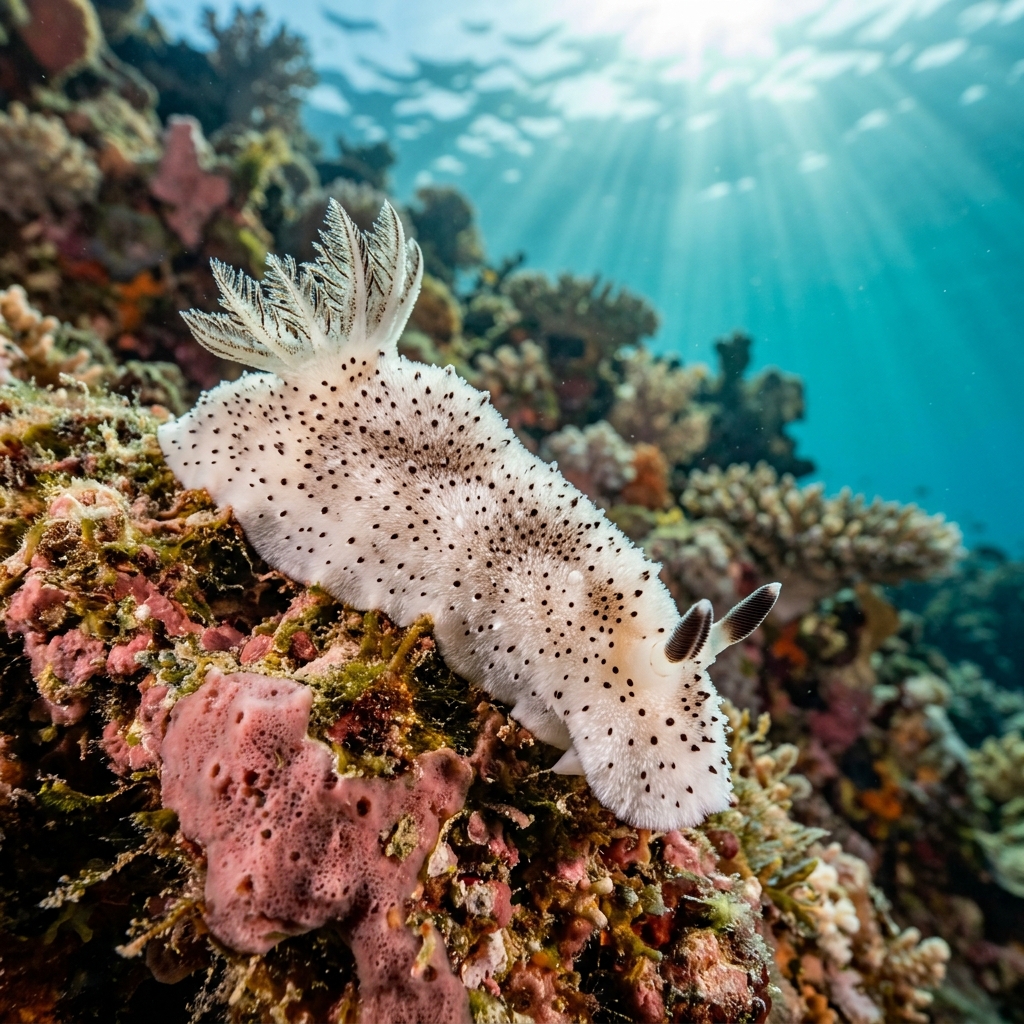
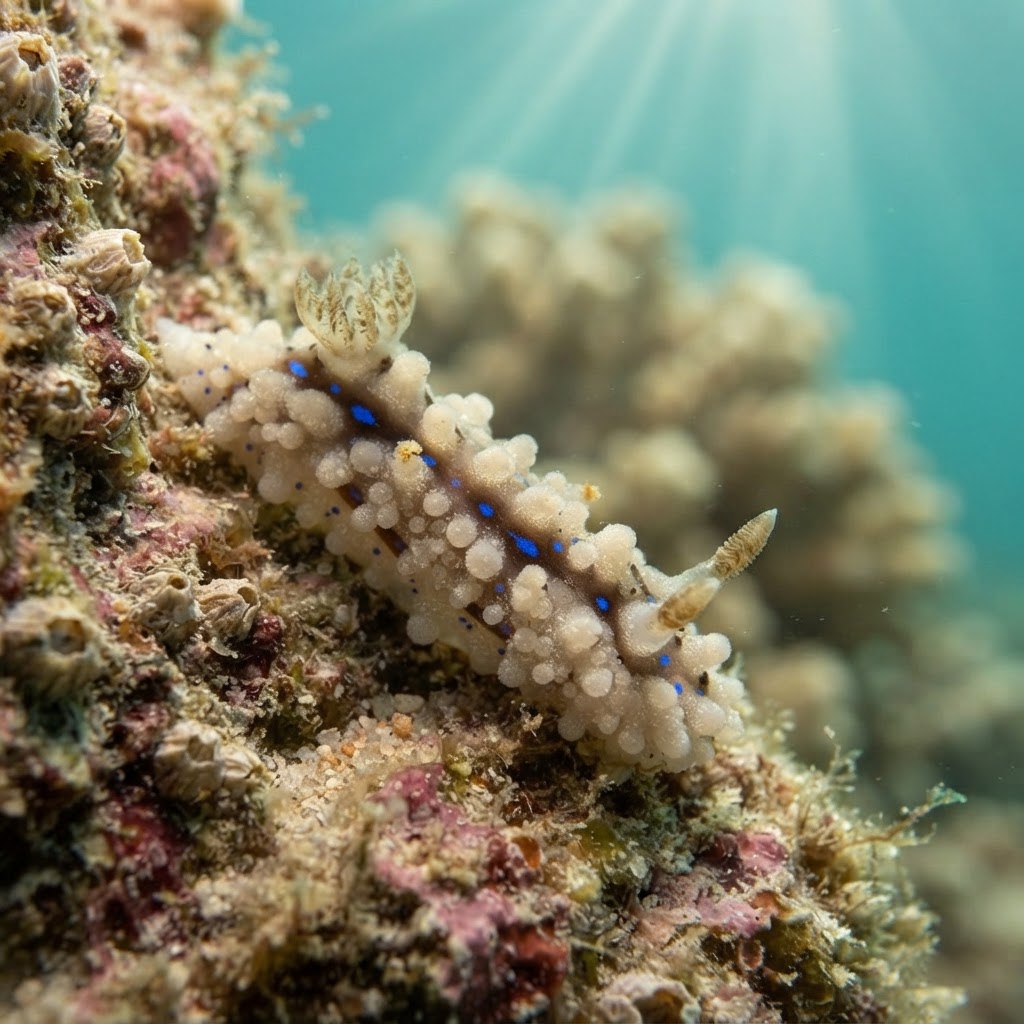
A small, elongated nudibranch with a white to pale body and an orange or yellow-edged mantle rim running the length of its back. Look for the contrasting orange margin against the paler body, plus the two rhinophores (sensory horns) and feathery gill tuft at the rear, both typically tipped with a darker shade. It moves slowly across the substrate and rarely reaches more than a few centimetres, so a careful eye and a torch on the reef floor help spot it.
Divers typically find it parked on coral rubble, sponge, or open reef substrate, moving at the unhurried pace typical of nudibranchs as it grazes. It shows no particular reaction to divers beyond continuing its slow crawl, making it an easy subject for a macro shot once you've spotted it. Most sightings come from daytime reef dives rather than night dives, though its small size means it's easy to miss at any time.
Like other chromodorid nudibranchs, it likely feeds on sponges and can sequester chemical compounds from that diet, which may contribute to its bright mantle colouring acting as a warning to predators.
No clear seasonal pattern shows up in the sighting data, so treat it as a year-round find. It's logged in water from 25.4 to 31.4C, comfortably within the warm range that Southeast Asian reefs hold all year.
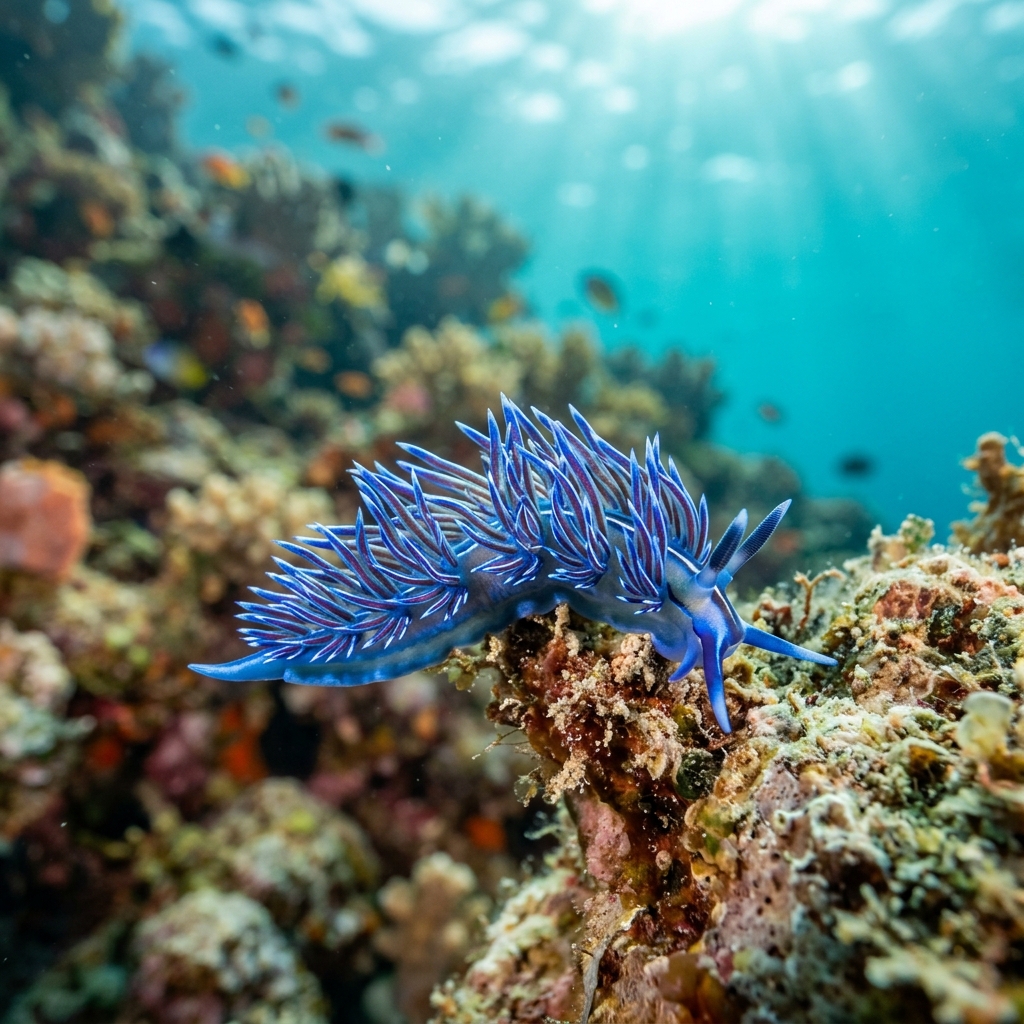
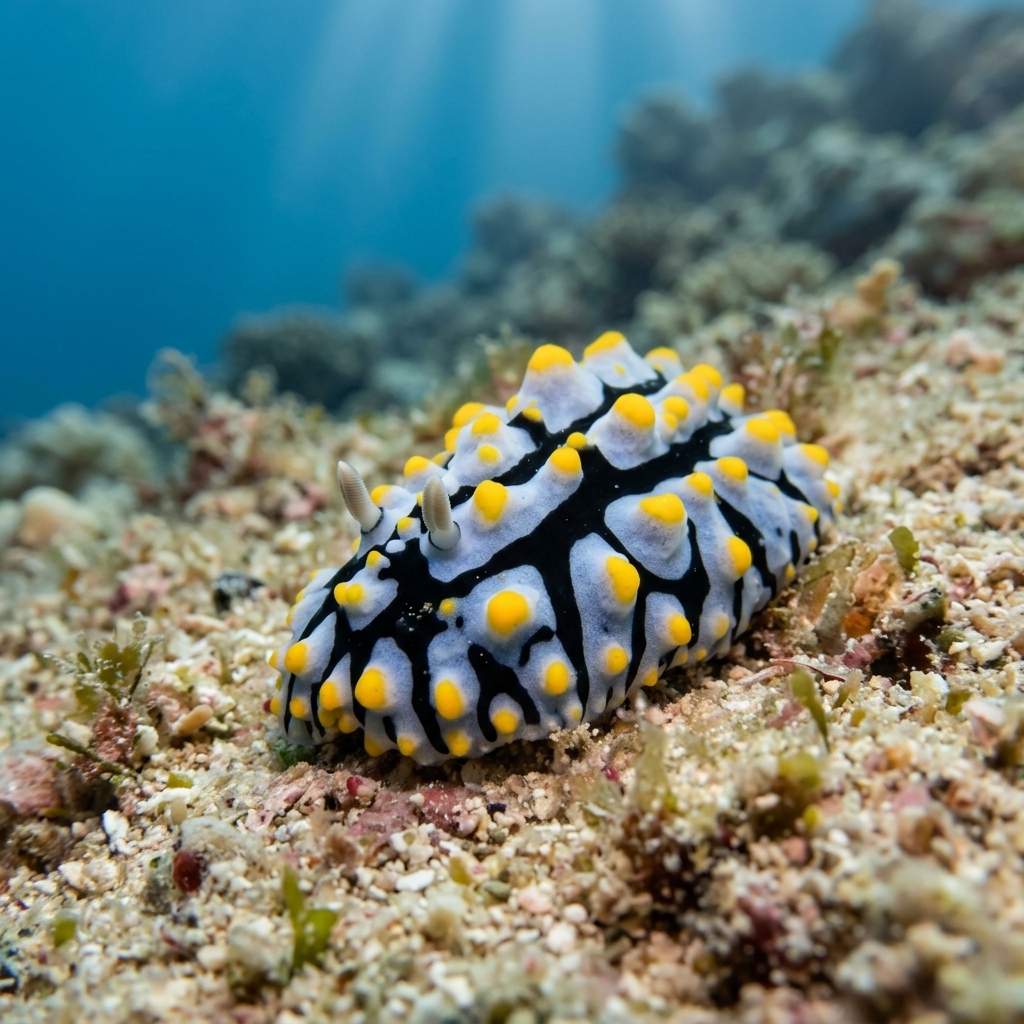
Reef neighbours a diver could mistake it for. Use the identification notes above to tell them apart.
Most reliably logged across the Philippines, especially around Luzon and the Visayas, with a strong showing at sites near Nha Trang in Vietnam. Indonesia adds sightings in Bali and Sulawesi, making this a broadly Southeast Asian find rather than a one-country specialty.
Mapping where Precious Chromodoris is logged…
It's most often reported in the Philippines, particularly around Luzon and the Visayas, and it's also a reliable find near Nha Trang in Vietnam. Smaller numbers turn up in Bali and Sulawesi, Indonesia.
There's no strong season in the sighting data, so it's considered a year-round find on the warm reefs where it lives, typically in water between 25 and 31C.
Look for a small, slow-moving nudibranch with a white body and an orange-edged mantle rim. The rhinophores and gill tuft at the rear are usually tipped with a darker colour, which helps separate it from plainer look-alikes.
Exact size data isn't available for this species, but like most Goniobranchus nudibranchs it stays small, generally a few centimetres long, so it's easy to overlook on the reef.
No. It poses no threat to divers and can be safely observed and photographed up close without disturbing it.
Site and sighting data is aggregated from diver logs, iNaturalist and GBIF. For taxonomy and conservation status:
Blue Dragon
3,163 sites