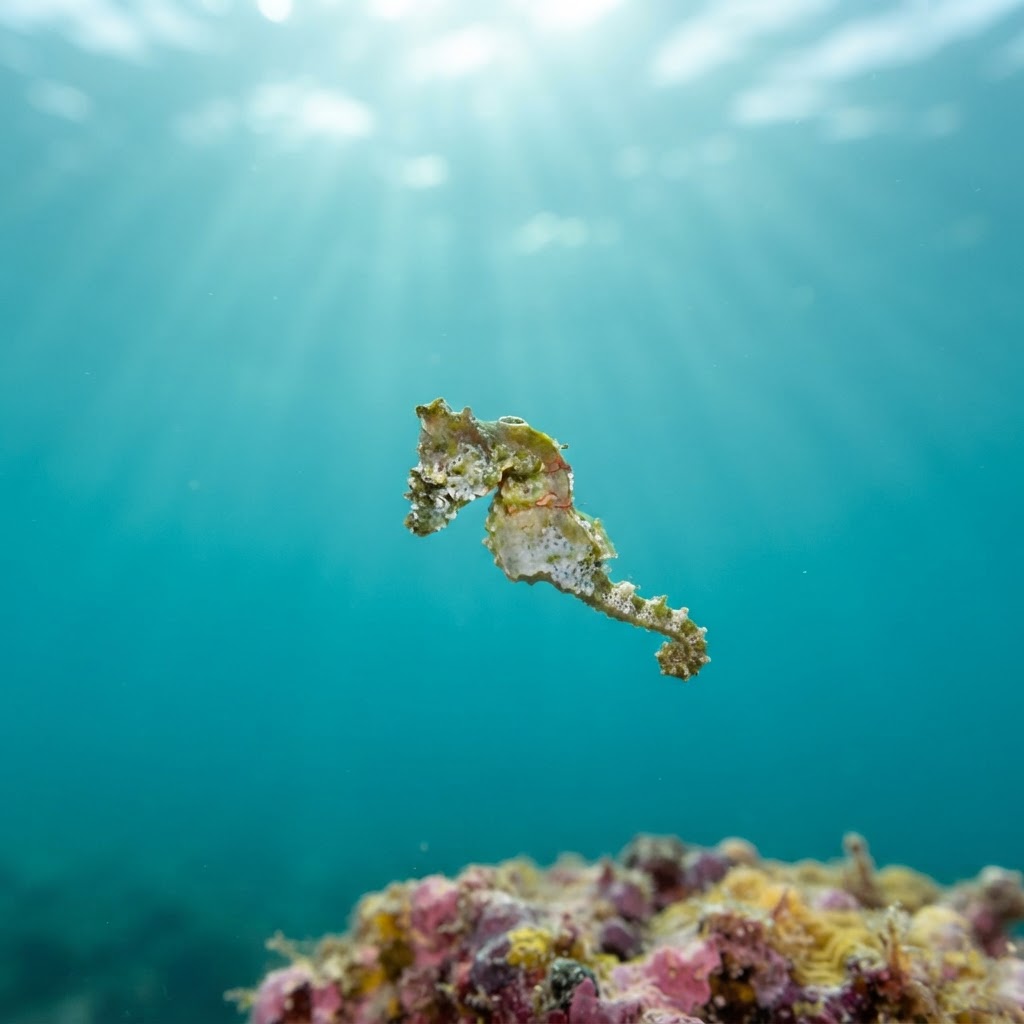
Hippocampus pontohi
A near-invisible 1cm seahorse living in warm 25-29C water; here's how to actually find one on the reef.
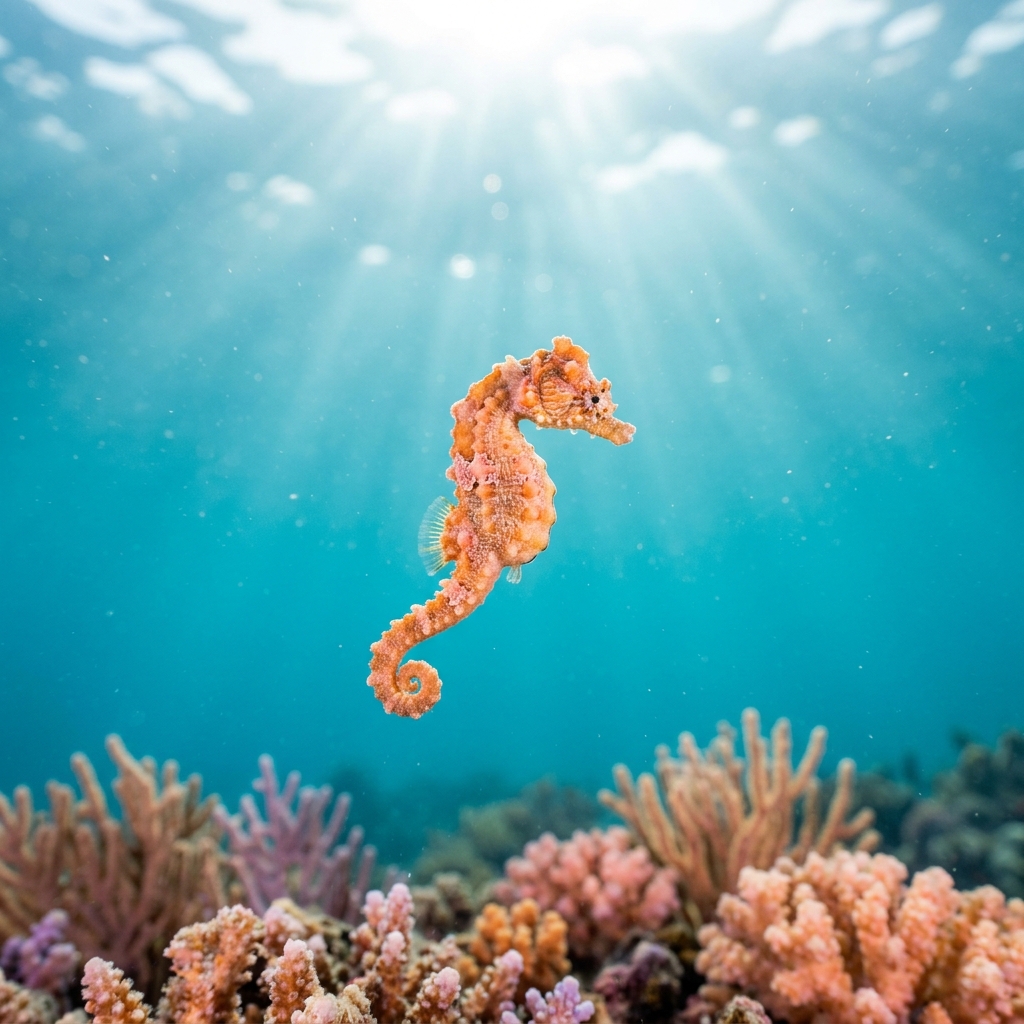
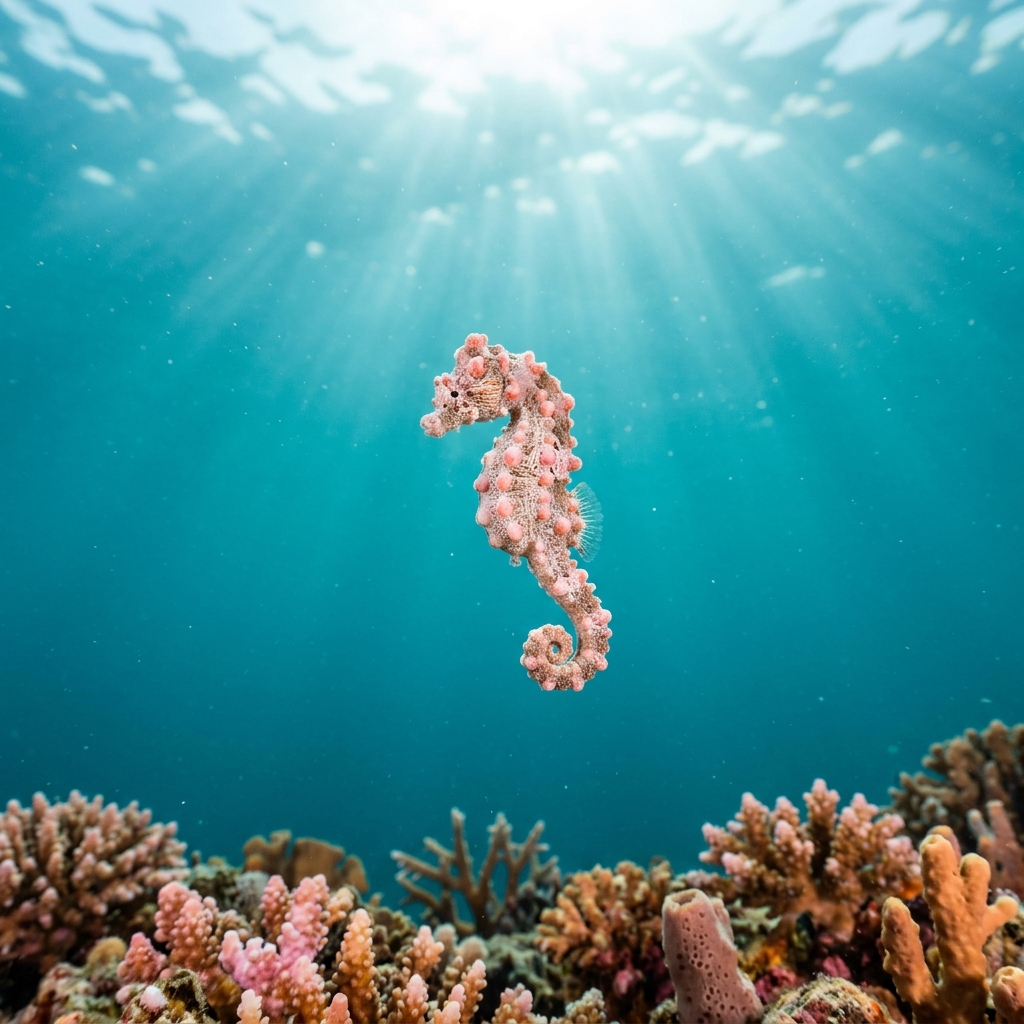
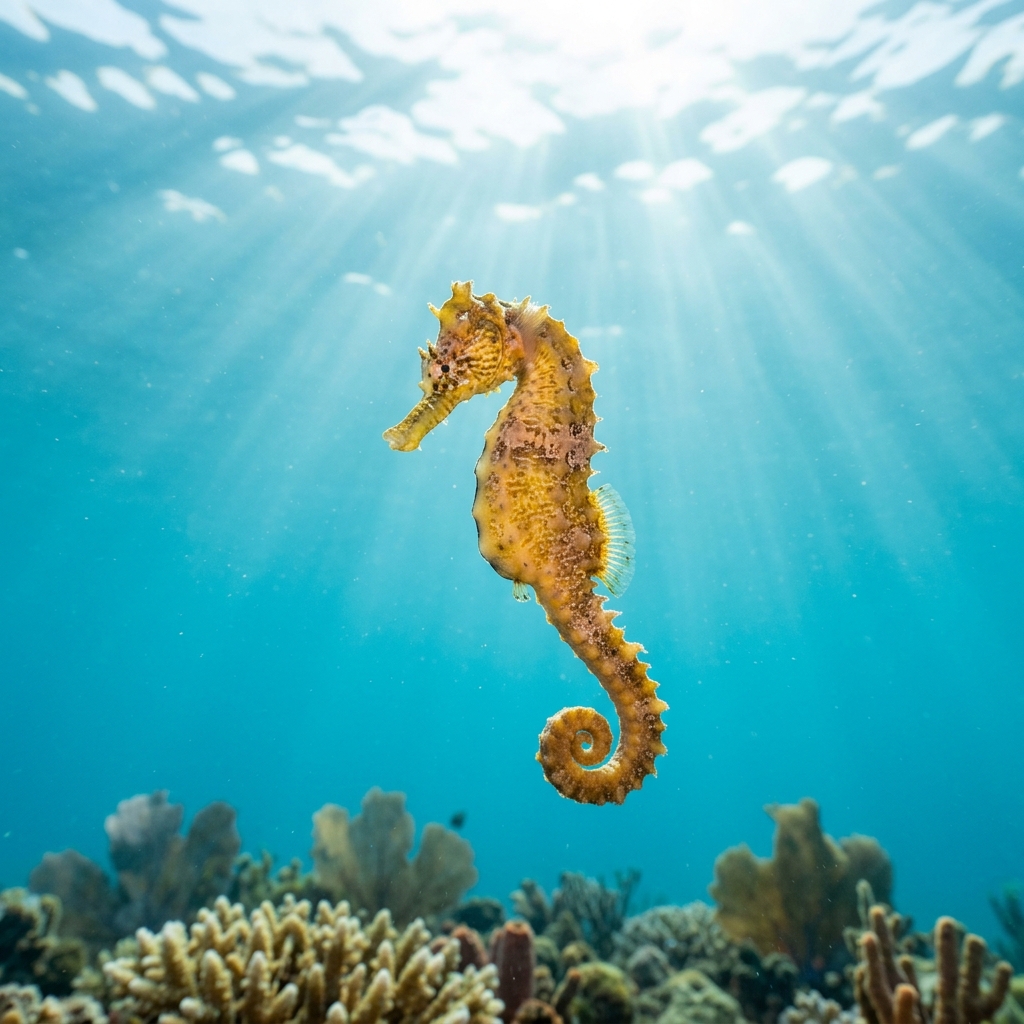
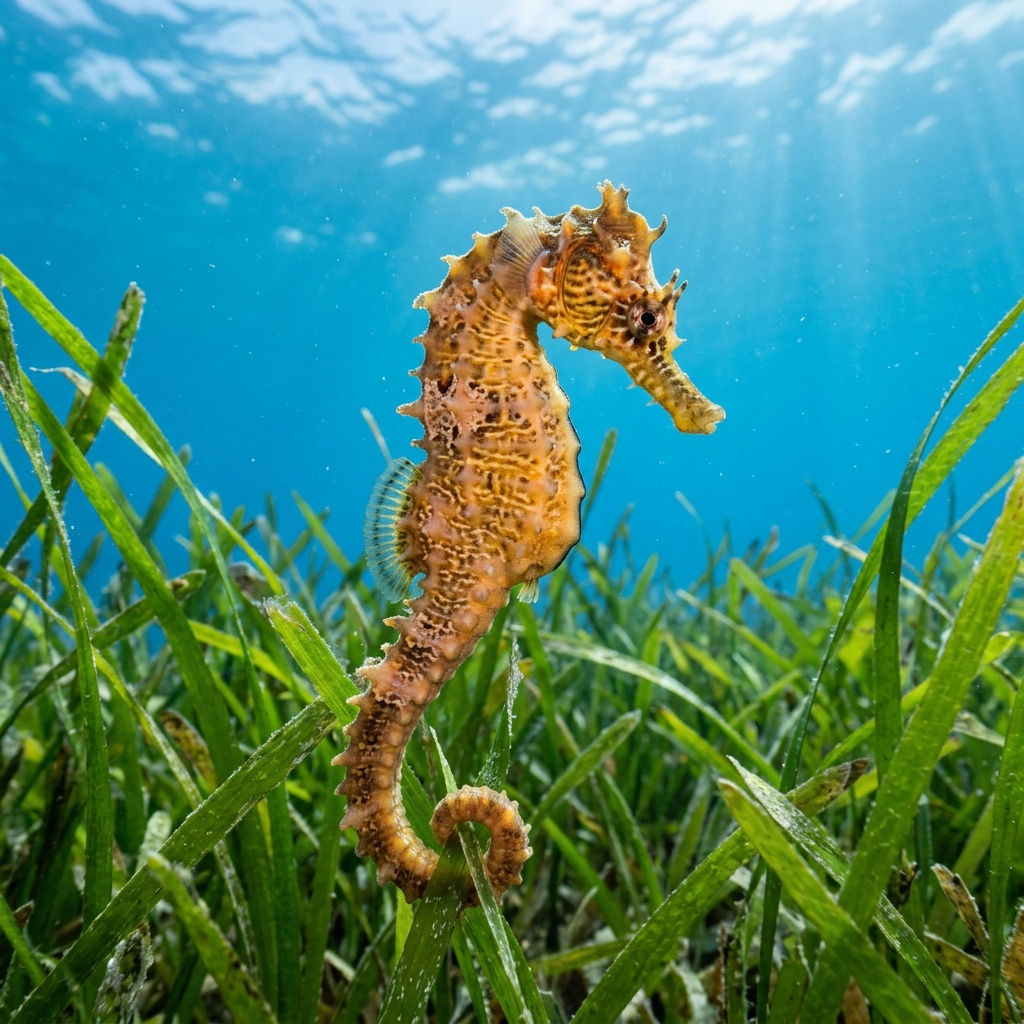
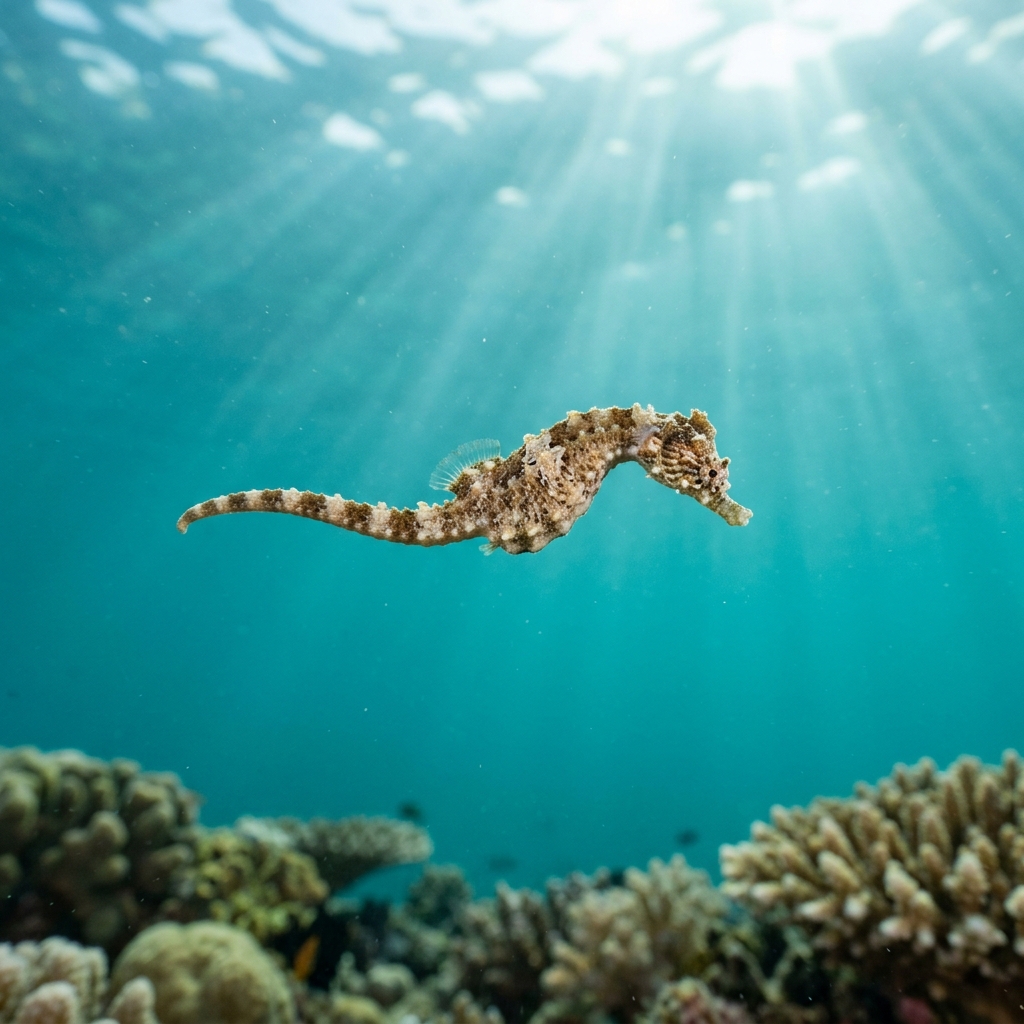
At around 1 centimetre long, this is one of the smallest seahorses divers ever attempt to find, with a slender body that ranges from white to reddish-brown with fine dark speckling. Unlike the reef-associated pygmy seahorses that live on specific coral hosts, this one is often found on algae and hydroids, gripping a strand with its tail rather than nestling into coral polyps. Its head lacks the pronounced spines or bumps seen on some pygmy seahorse relatives, giving it a smoother, more slender profile.
Divers who find one usually spot it holding still on a strand of algae or a hydroid branch, barely moving except for a slight sway that matches the current. It relies almost entirely on camouflage rather than fleeing, so it will often stay put even as a torch and camera hover a few centimetres away. Spotting one usually takes a guide who already knows the exact strand it's living on, since the size and colouring make it nearly impossible to find by chance.
Like all seahorses, males carry the fertilised eggs in a brood pouch and give birth to fully formed young, a rare example of male pregnancy in the animal kingdom.
Comfortable across a narrow warm range of roughly 25.4 to 29.3C, consistent with year-round tropical reef conditions, so there's no strong seasonal read and sightings are possible any month.
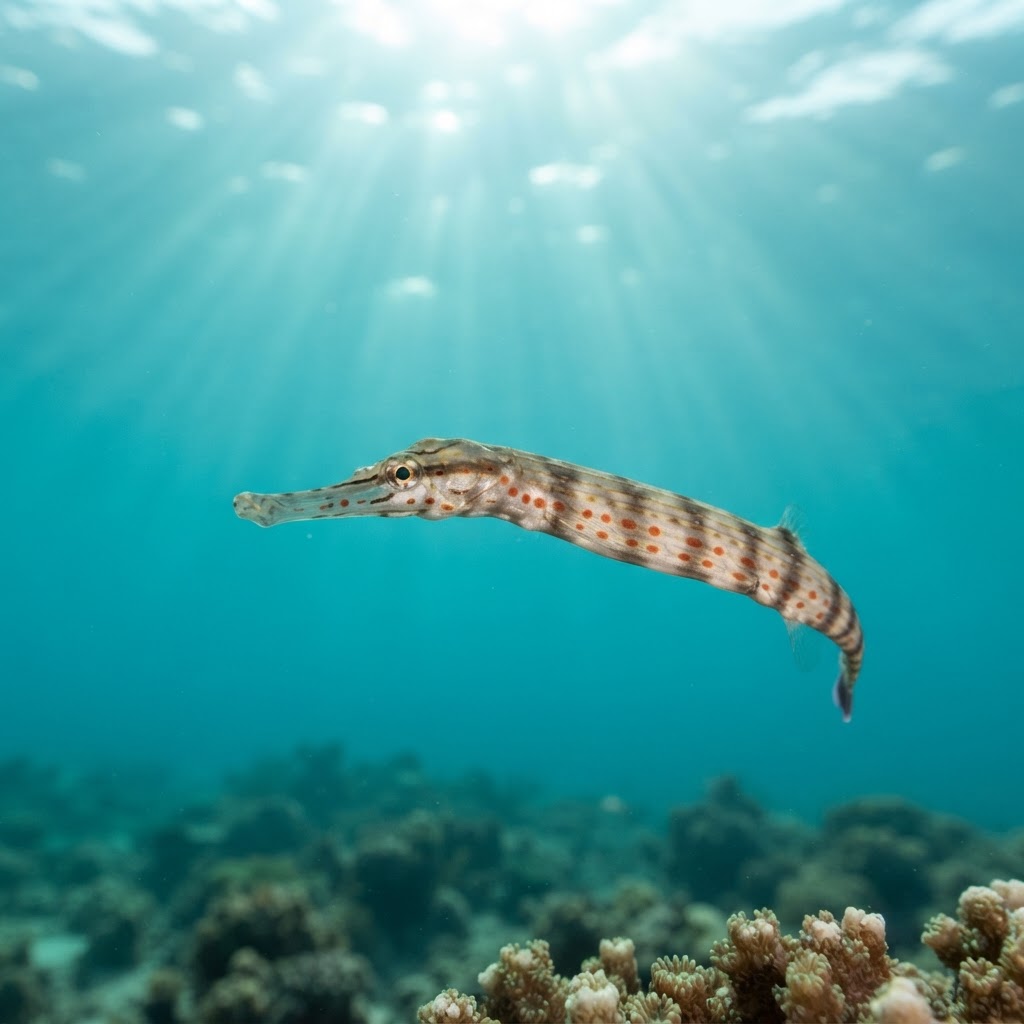
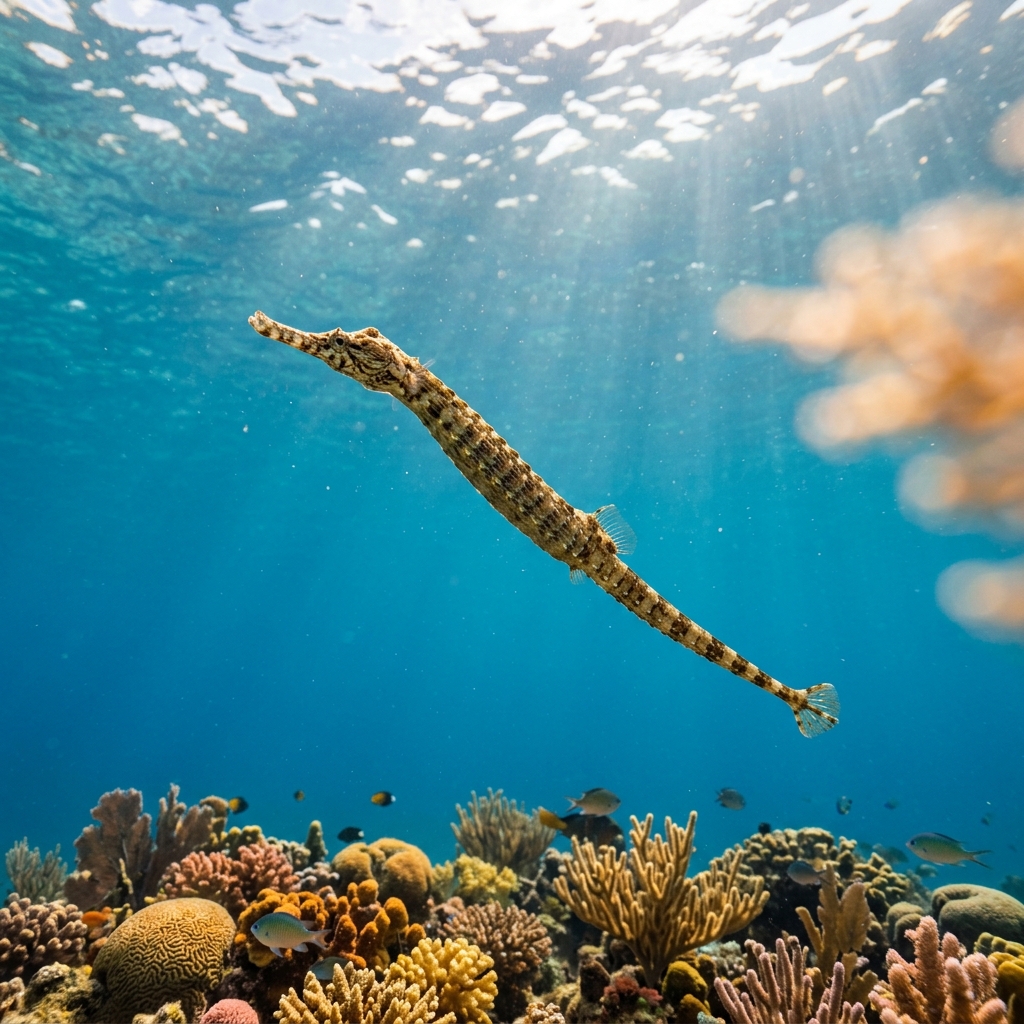
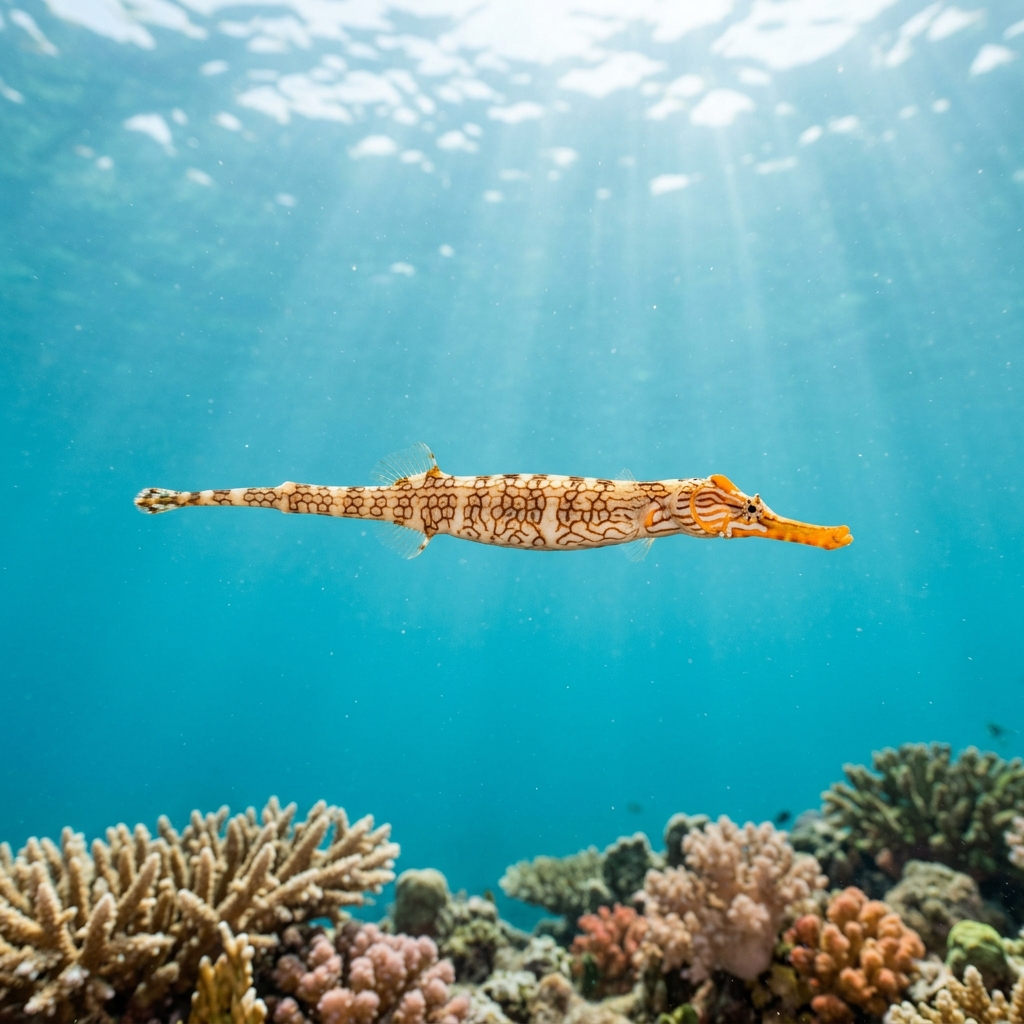
Reef neighbours a diver could mistake it for. Use the identification notes above to tell them apart.
Specific site data isn't available yet for this species, but it's a fish of tropical Indo-Pacific reef systems, typically found by dedicated macro-focused divers working slowly over algae-covered rubble and reef slopes rather than open coral.
Mapping where Pontoh's Pygmy Seahorse is logged…
They max out at around 1 centimetre, making them one of the smallest seahorse species divers ever try to photograph. Even experienced macro divers often need a guide to point one out.
There's no strong seasonal pattern in sightings, and the species is found in warm water year-round, roughly 25 to 29C. Any time you're diving tropical reef habitat with algae and hydroid growth is worth a look.
Look for a pale to reddish-brown speckled seahorse about the size of a grain of rice, gripping algae or a hydroid strand with its tail. It has a smoother head than many pygmy seahorses, without heavy bumps or spines.
As with other seahorses, the male carries fertilised eggs in a belly pouch and gives birth to live young, rather than the female laying eggs externally. It's one of the only animal groups where males are the ones who become pregnant.
Site and sighting data is aggregated from diver logs, iNaturalist and GBIF. For taxonomy and conservation status:
Seahorse
1,346 sites