Hippocampus denise
Spot Denise's Pygmy Seahorse across the Philippines and Indonesia. Here's how to find and identify this tiny fan-coral specialist in warm Indo-Pacific waters.
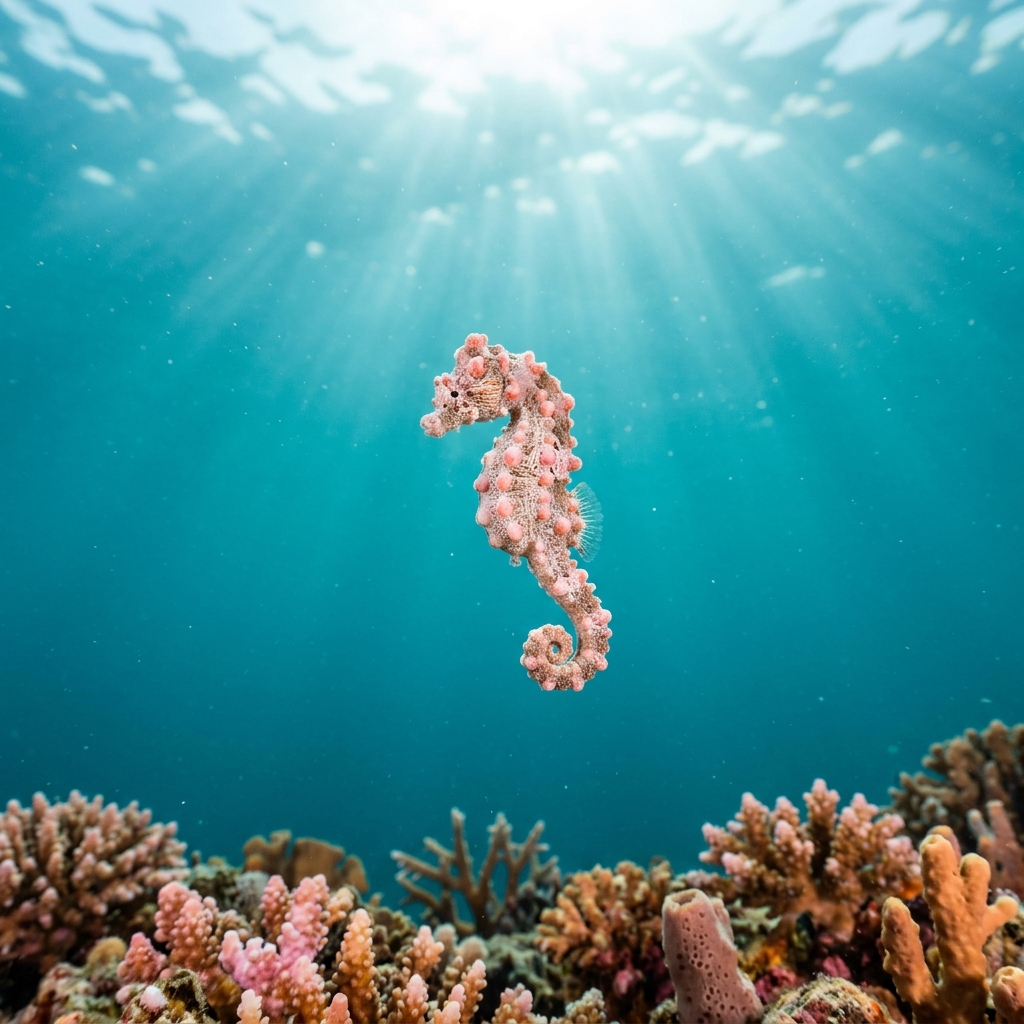
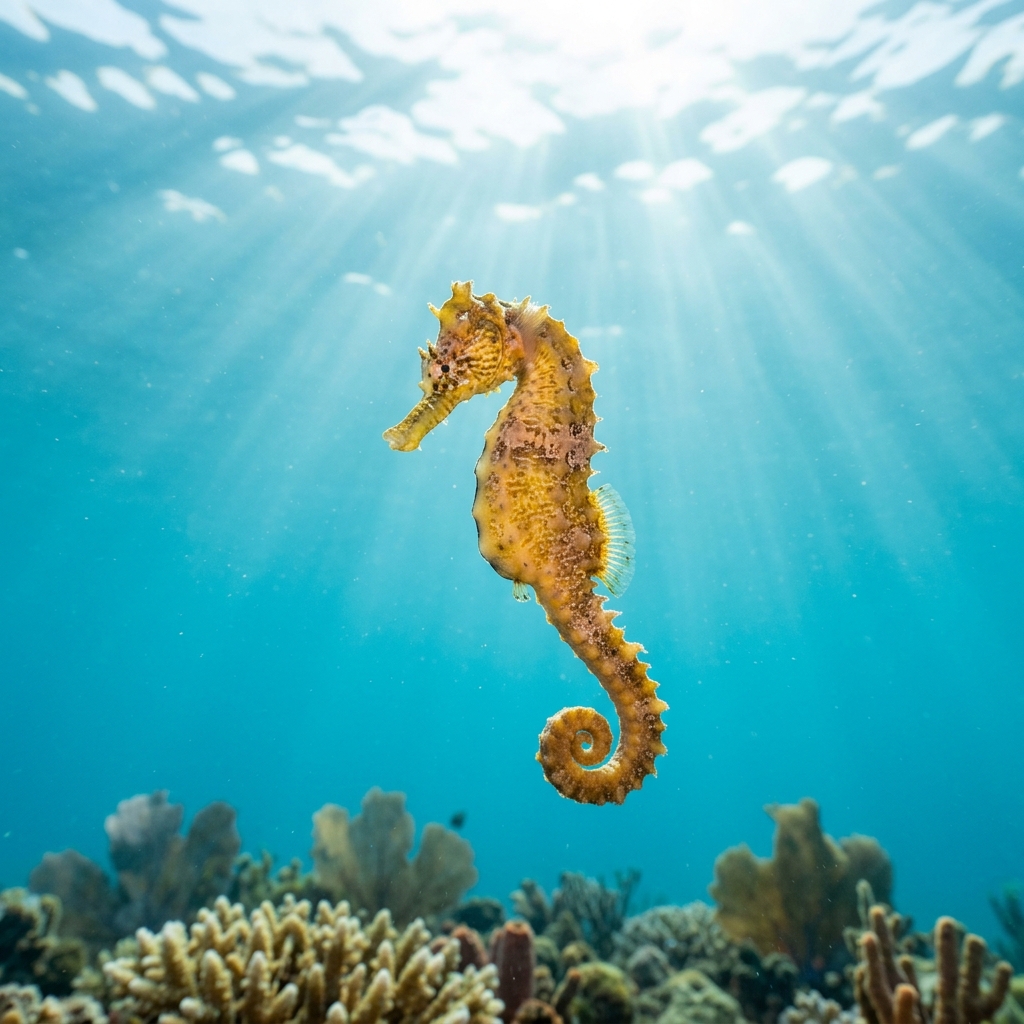
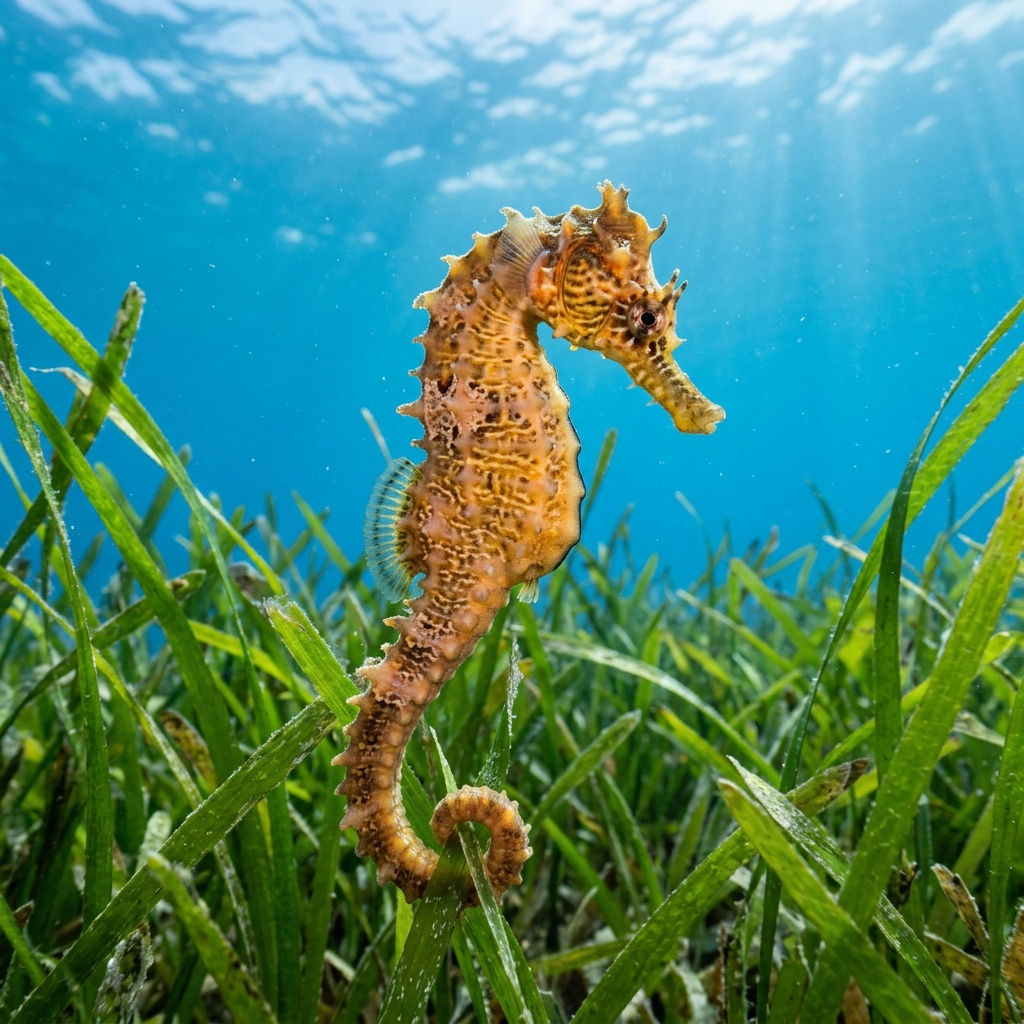
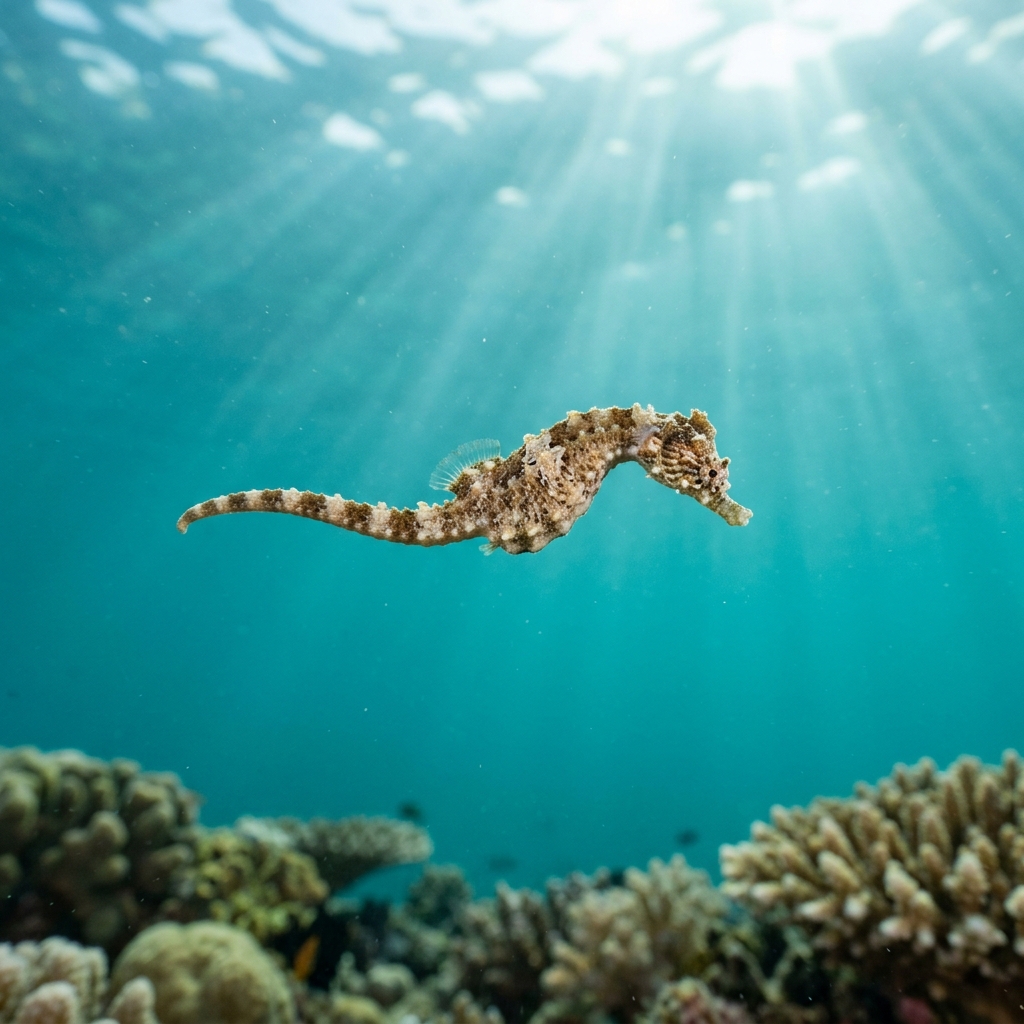
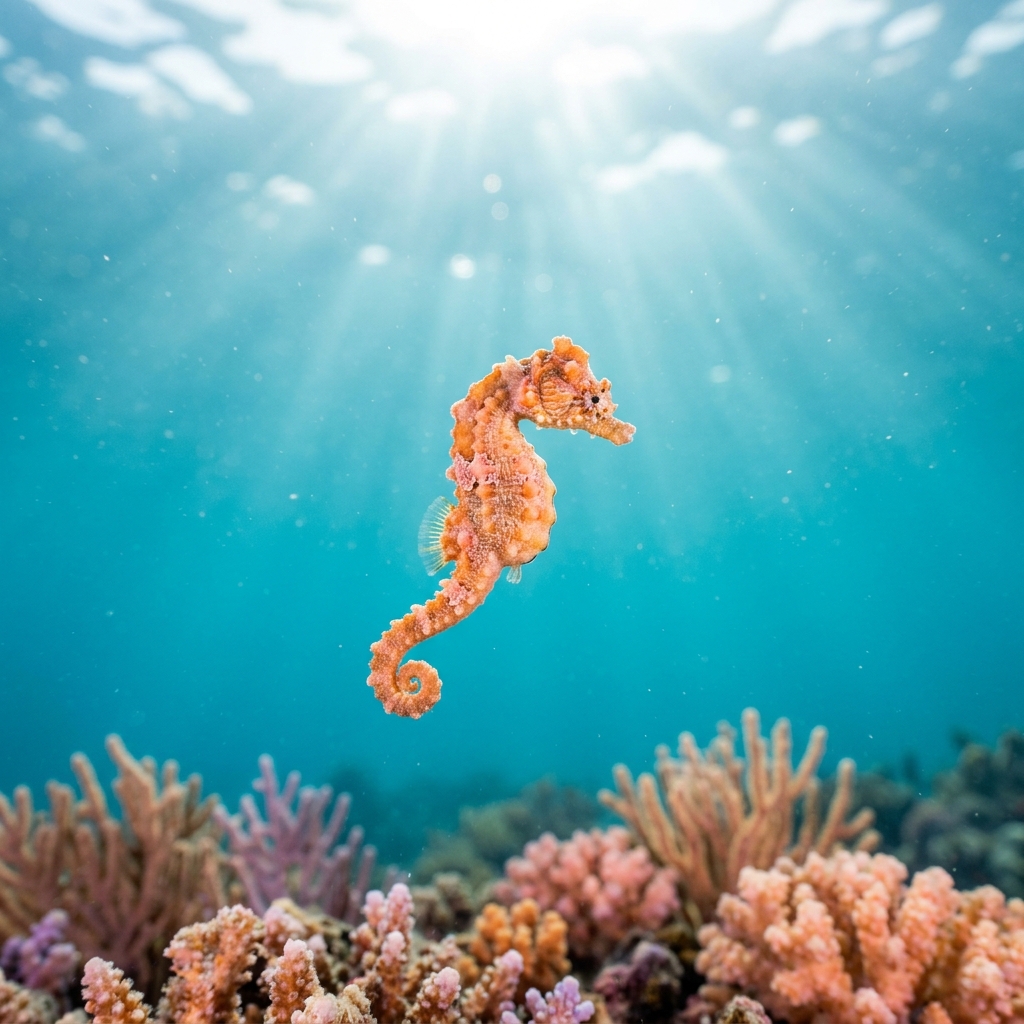
One of the smallest seahorses in the world, typically under 2 cm, it is almost always found clinging to sea fans (gorgonian corals) and is coloured to match its host precisely, orange-yellow with pale or reddish tubercles (small skin bumps) that mimic the coral's polyps. Unlike its close relative the Bargibant's pygmy seahorse, Denise's has a slimmer body, a longer snout relative to its head, and fewer tubercles overall, giving it a smoother, more elongated look. The prehensile tail is wrapped tightly around a fan branch, and the fish barely moves even when examined closely.
Denise's pygmy seahorse spends virtually its entire life on a single sea fan, gripping a branch with its tail and rarely venturing more than a few centimetres from that anchor point. It is cryptic to an almost frustrating degree, guides typically find it first by scanning the fan methodically while divers hover still and patient a short distance away. When a diver drifts too close it may shuffle to the far side of the branch, but it does not flee; stillness and slow approach are rewarded.
Like all seahorses, it is the male that carries and gives birth to the young, brooding the eggs in a pouch on his trunk, a pair will often share the same sea fan, which makes spotting one individual a prompt to look for its partner nearby.
No clear seasonal peak has emerged from the dive log data, so this is treated as a year-round resident. Its observed water-temperature niche of roughly 26 to 28 °C aligns with stable tropical reef conditions across all its key sites throughout the year.
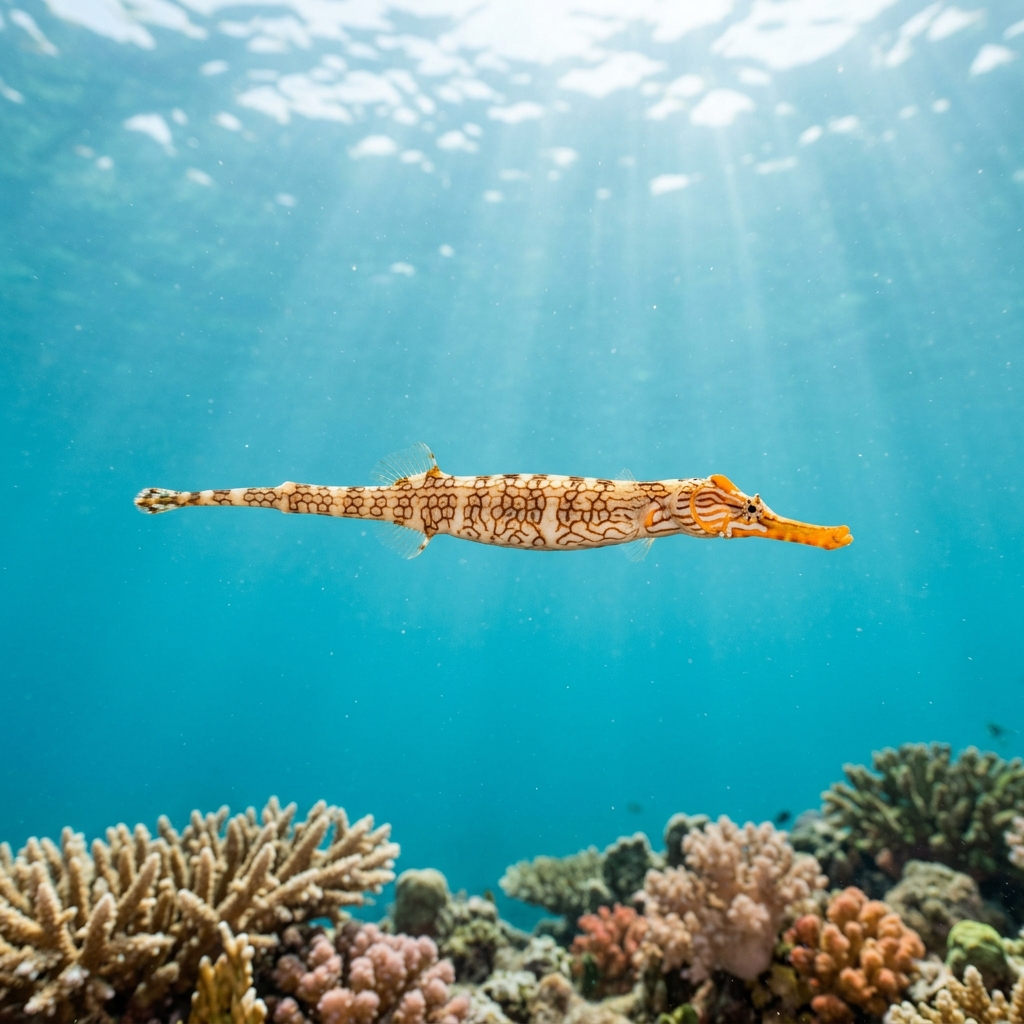
Reef neighbours a diver could mistake it for. Use the identification notes above to tell them apart.
The range model places this species most strongly across the Philippines, where the Visayas, Palawan and Apo Reef, and Luzon regions all show dense predicted habitat. Indonesia is the next major stronghold, particularly Nusa Tenggara, the Banda Sea, Maluku, Papua, and Bali. Beyond those two countries, divers also report habitat in Fiji, Yap in Micronesia, and parts of Australia and Malaysia.
Mapping where Denise's Pygmy Seahorse is logged…
The strongest predicted habitat sits across the Philippines, especially the Visayas, Palawan, and Apo Reef areas, and through Indonesia, including Bali, Nusa Tenggara, and the Banda Sea. Yap in Micronesia, Fiji, and parts of northern Australia also fall within its range. Look for sites with healthy sea-fan gardens, typically on current-swept slopes and walls.
There is no defined season for sightings, it appears to be present year-round on suitable reefs. Its preferred water temperature of roughly 26 to 28 °C is consistent across tropical Indo-Pacific sites throughout the year, so timing your dive around sea conditions and visibility at your chosen site matters more than the calendar month.
Look for an extremely small seahorse, well under 2 cm, clinging to a sea fan and matching it almost perfectly in colour, typically orange-yellow with sparse pale skin bumps. The key difference from the similar Bargibant's pygmy seahorse is Denise's slimmer build, longer snout, and noticeably fewer tubercles, giving the body a smoother outline. You will almost certainly need a guide to spot it initially.
Denise's pygmy seahorse is among the smallest vertebrates on the reef, typically reaching no more than about 1.5 to 2 cm in total length. At that size it is roughly the length of a fingernail, which is exactly why finding one without a guide's help is so difficult, scan slowly and look for the characteristic seahorse silhouette, not the animal's colour.
Yes, as with all seahorses, the male carries the developing embryos in a brood pouch on his trunk and gives birth to fully formed miniature seahorses. The female transfers her eggs into his pouch during a courtship ritual, and he then fertilises and gestates them. Pairs often share the same sea fan, so if you spot one on a fan, check nearby branches for its partner.
Site and sighting data is aggregated from diver logs, iNaturalist and GBIF. For taxonomy and conservation status:
Seahorse
1,346 sites