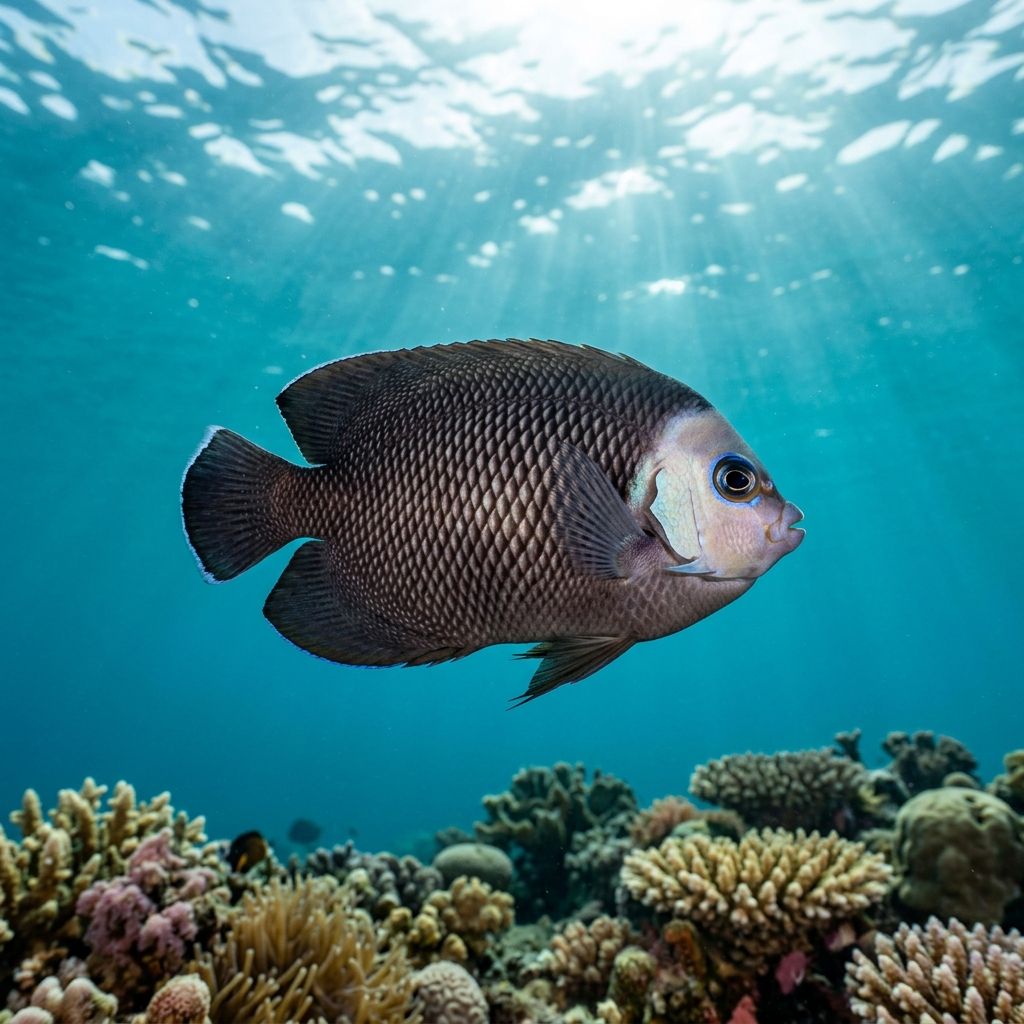
Centropyge vrolikii
Spot pearl-scaled angelfish in the Visayas and Bali at 26-29 °C. Learn how to ID this small reef dweller and when to dive for the best chances.
A small dwarf angelfish (Centropyge genus) with a striking two-tone body: the front half is pale, almost cream-white with a fine pearlescent scale pattern, while the rear half darkens to deep grey or black, giving a sharp contrast that catches the eye even in low reef light. The transition between the pale and dark zones is gradual rather than banded, which is the key field mark. Fins follow the same dark colouration at the rear, and there is a subtle orange-yellow wash around the face and pectoral area.
Pearl-scaled angelfish are typically seen hugging the reef structure, darting between coral heads and rubble at shallow to mid-water depths while grazing on algae and sponges. They are naturally shy and will retreat into crevices when approached directly, so slow, non-invasive movement gives the best views. Encounters are usually solitary or in loose pairs rather than groups.
Like most Centropyge angelfish, pearl-scaled angelfish are protogynous hermaphrodites, females can transition to males when social circumstances demand it, a common strategy among reef-dwelling angelfish.
In the Northern Hemisphere (Philippines, Indonesia, Japan), sightings concentrate between May and November. In the Southern Hemisphere (Australia), the active window runs June through January, meaning there is nearly always a viable destination in season somewhere across its range.
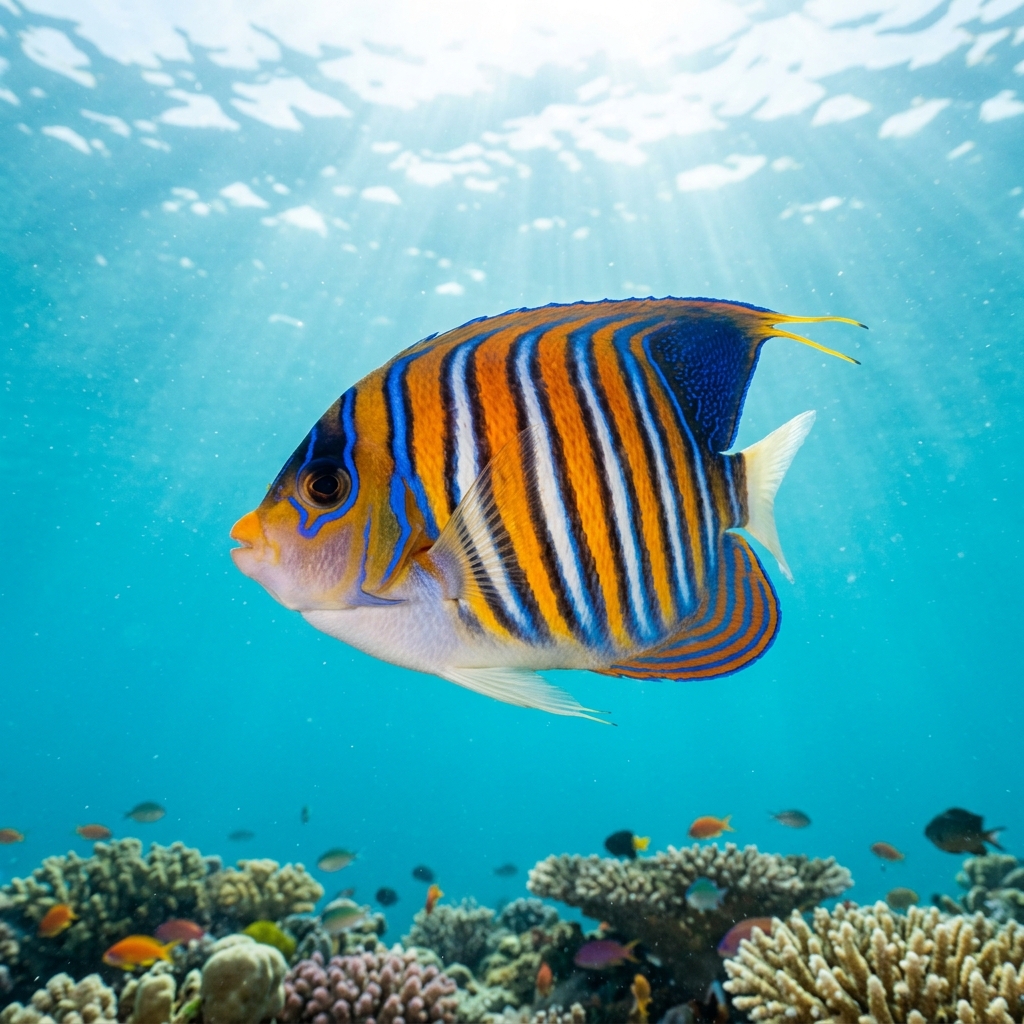
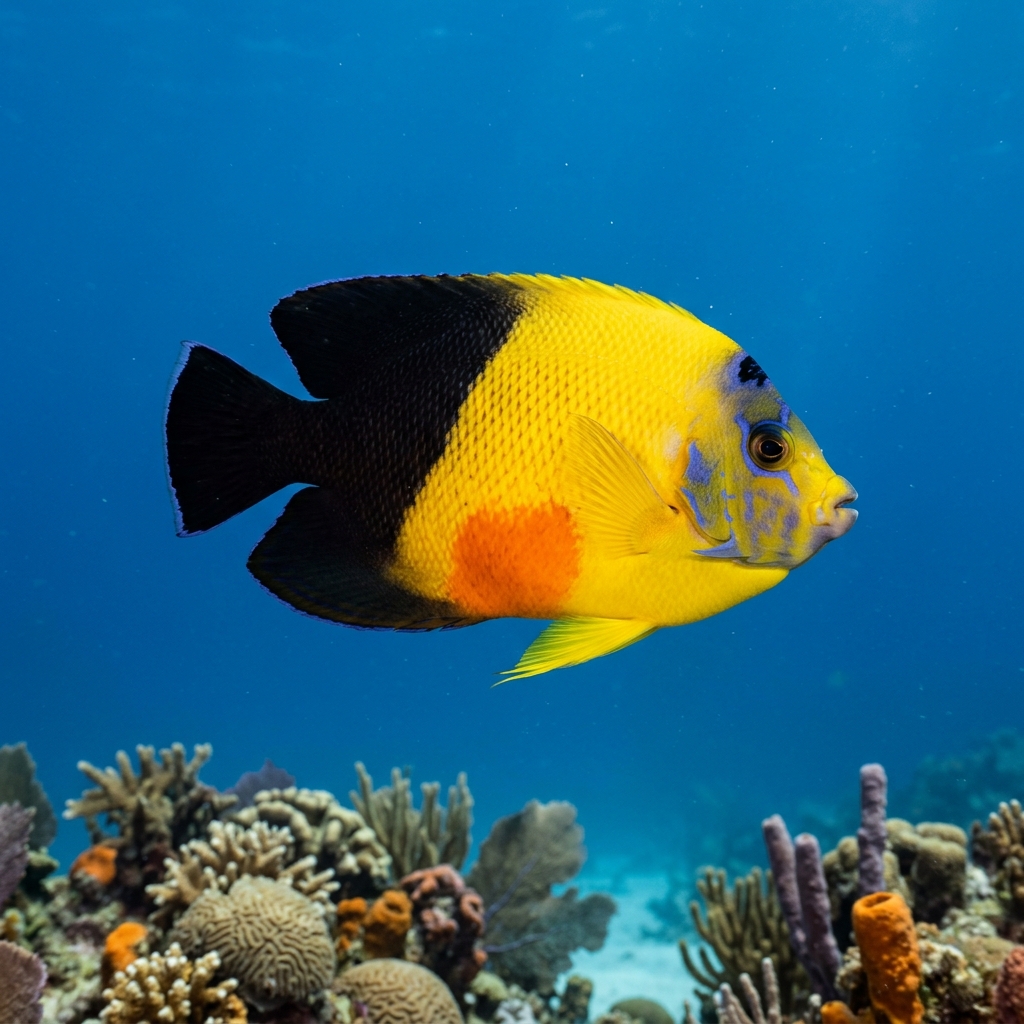
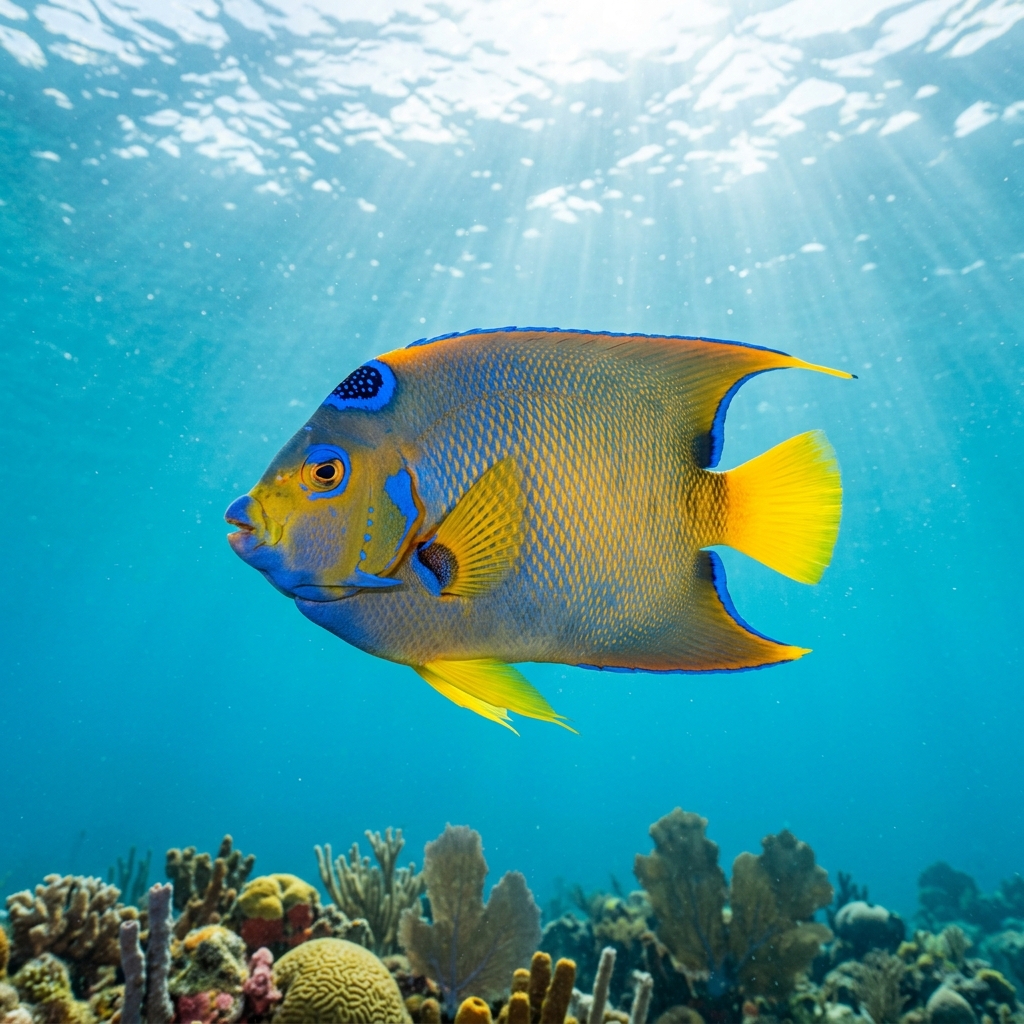
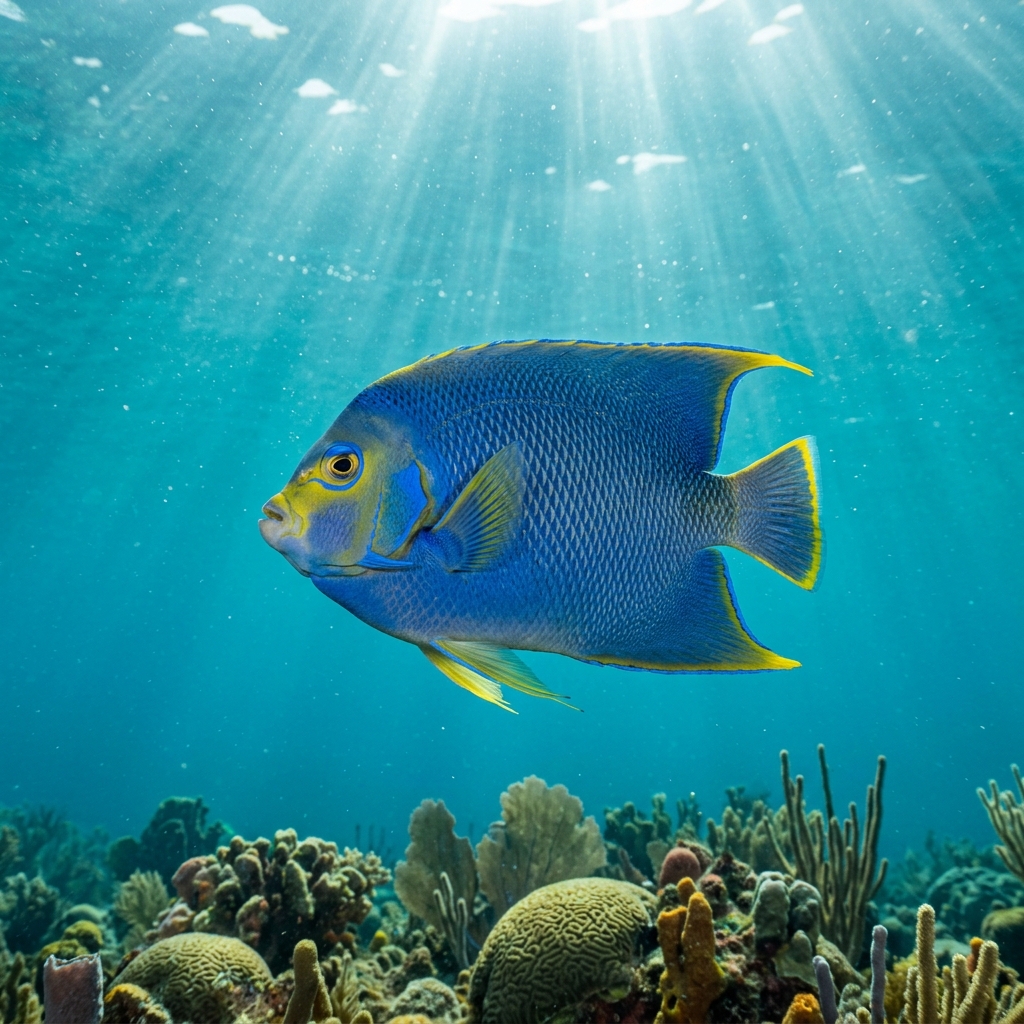
Reef neighbours a diver could mistake it for. Use the identification notes above to tell them apart.
Most logged in the Philippines, particularly across the Visayas, Central Visayas alone accounts for a large share of all records, and across Indonesian waters, especially Bali, Lombok, and Sulawesi. Japan's Okinawa Islands are a reliable northern outpost, with smaller but consistent records from Queensland in Australia and a handful of sites in Thailand, Taiwan, Timor-Leste, and Palau.
Mapping where Pearl-scaled Angelfish is logged…
The Philippines and Indonesia are the top destinations, with Central Visayas and Bali being the most consistently logged areas. Okinawa in Japan, Queensland in Australia, and sites in Thailand and Taiwan also hold records. Sightings are most frequent across warm Indo-Pacific reefs where coral cover is good.
In the Philippines, Indonesia, and Japan, May through November is the peak period. Divers heading to Australia should aim for June through January. Water temperatures across all key sites sit between about 26 and 29 °C, so warmth is a reliable proxy for suitable conditions.
Look for a small angelfish with a pale, pearlescent front half that gradually darkens to deep grey-black toward the tail. The smooth two-tone gradient is the standout field mark, no sharp bands or bold stripes. A faint orange-yellow flush around the face helps confirm the ID at close range.
Yes. They are protogynous hermaphrodites, meaning individuals begin life as females and the dominant fish in a group can transition to male. This is typical across the Centropyge genus and is thought to maximise reproductive success within small social groups on the reef.
Site and sighting data is aggregated from diver logs, iNaturalist and GBIF. For taxonomy and conservation status:
Rock Beauty
1,573 sites