Phyllognathia ceratophthalma
Rare and striking, Spiny Tiger Shrimp are most logged in Bali and Sulawesi in warm 27-29 °C Indonesian waters. Here's how to find and ID them.
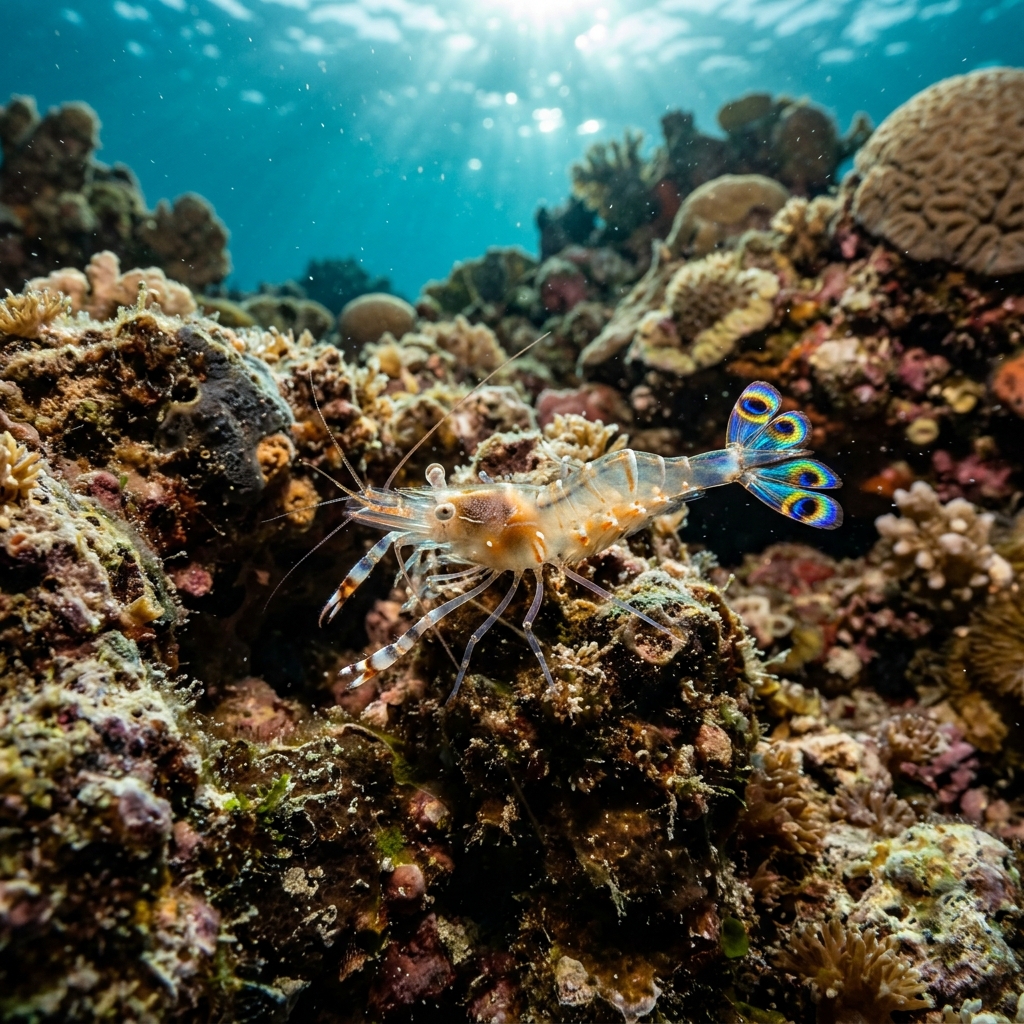
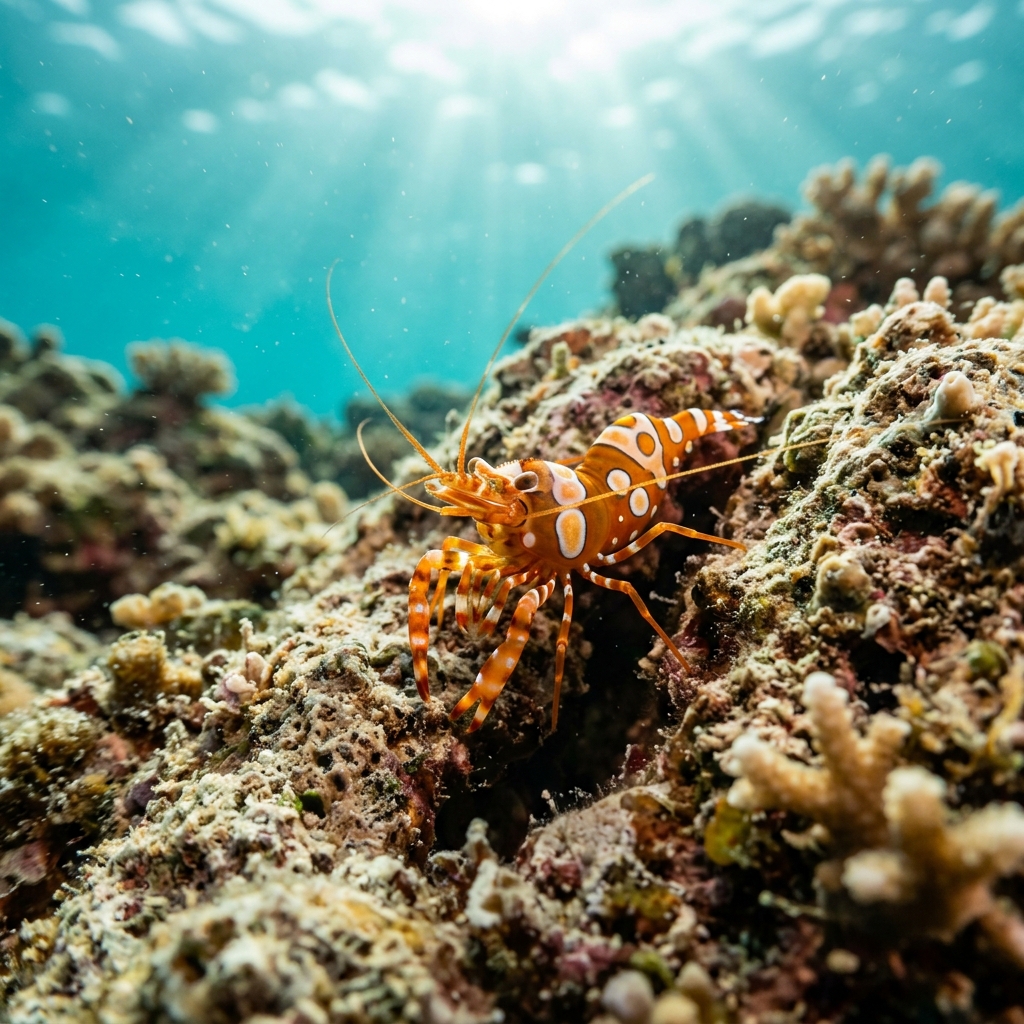
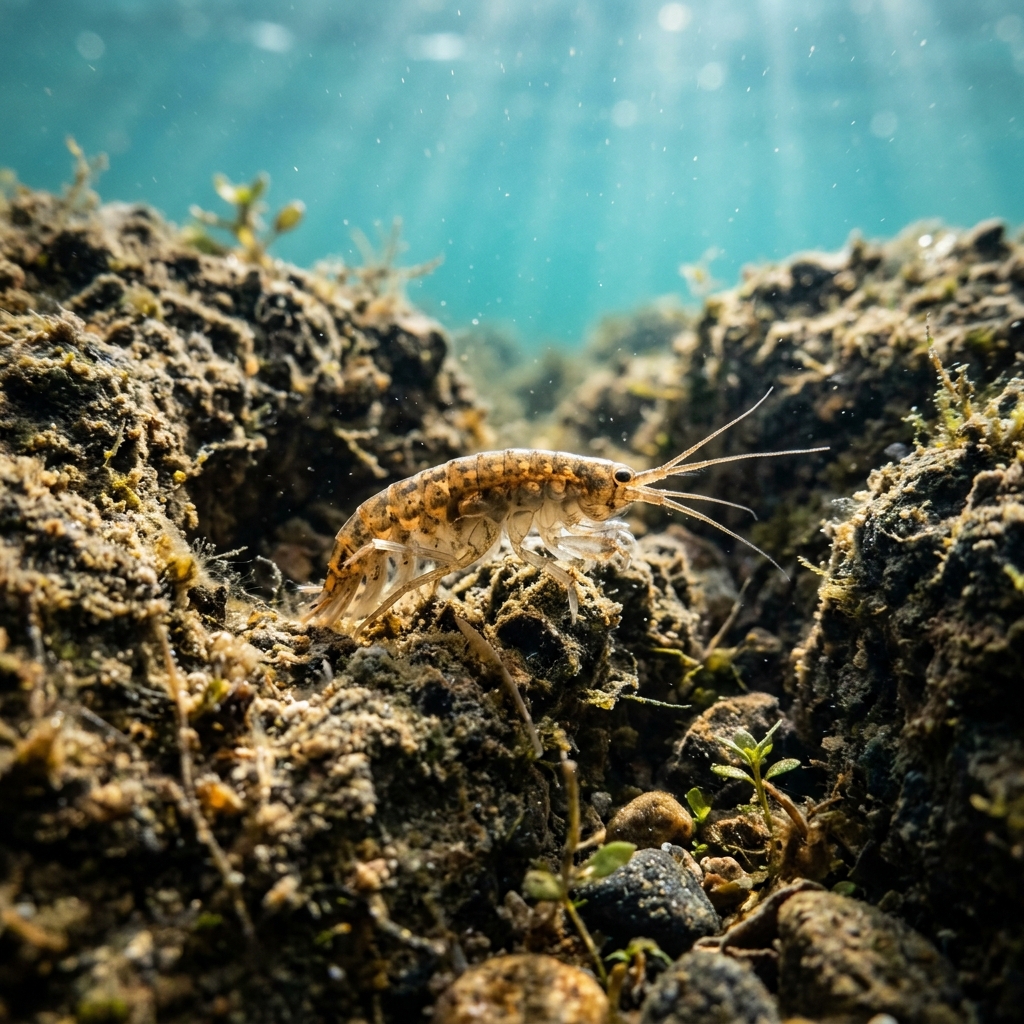
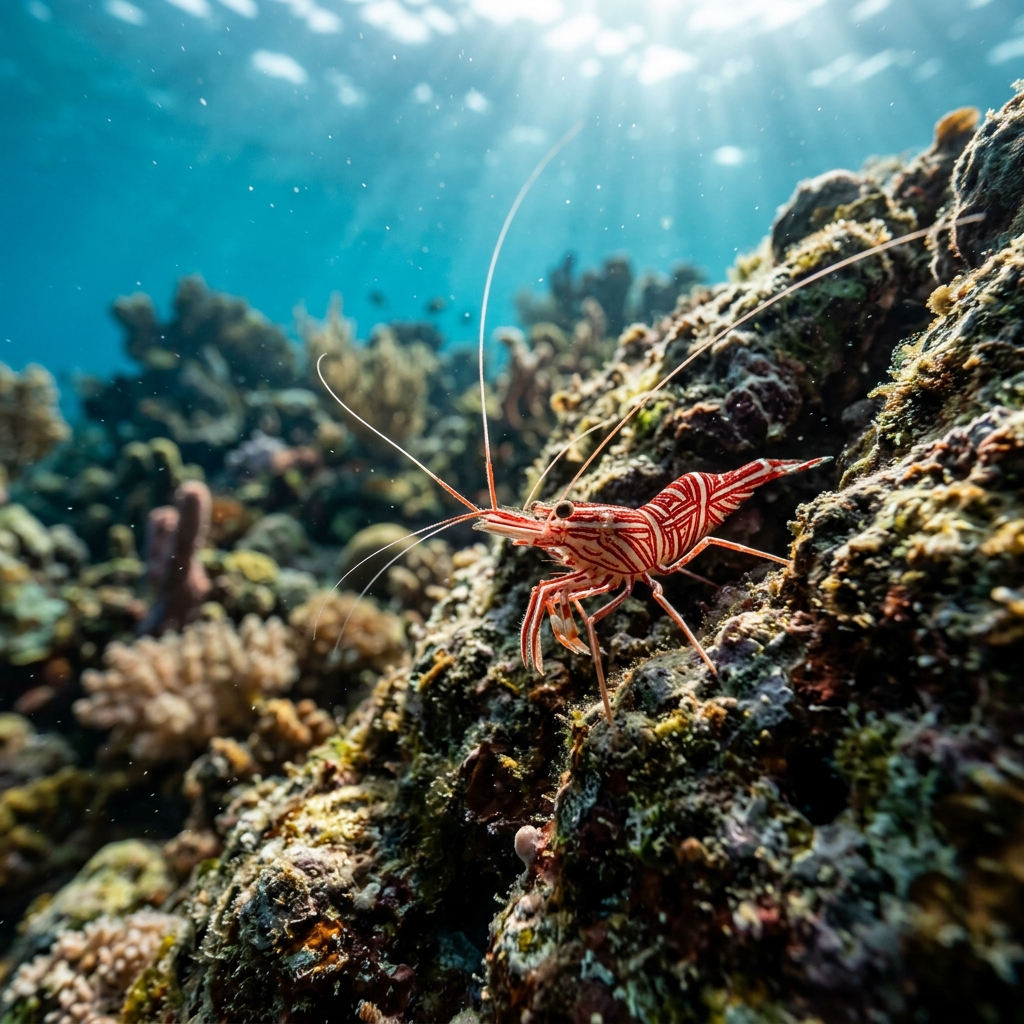
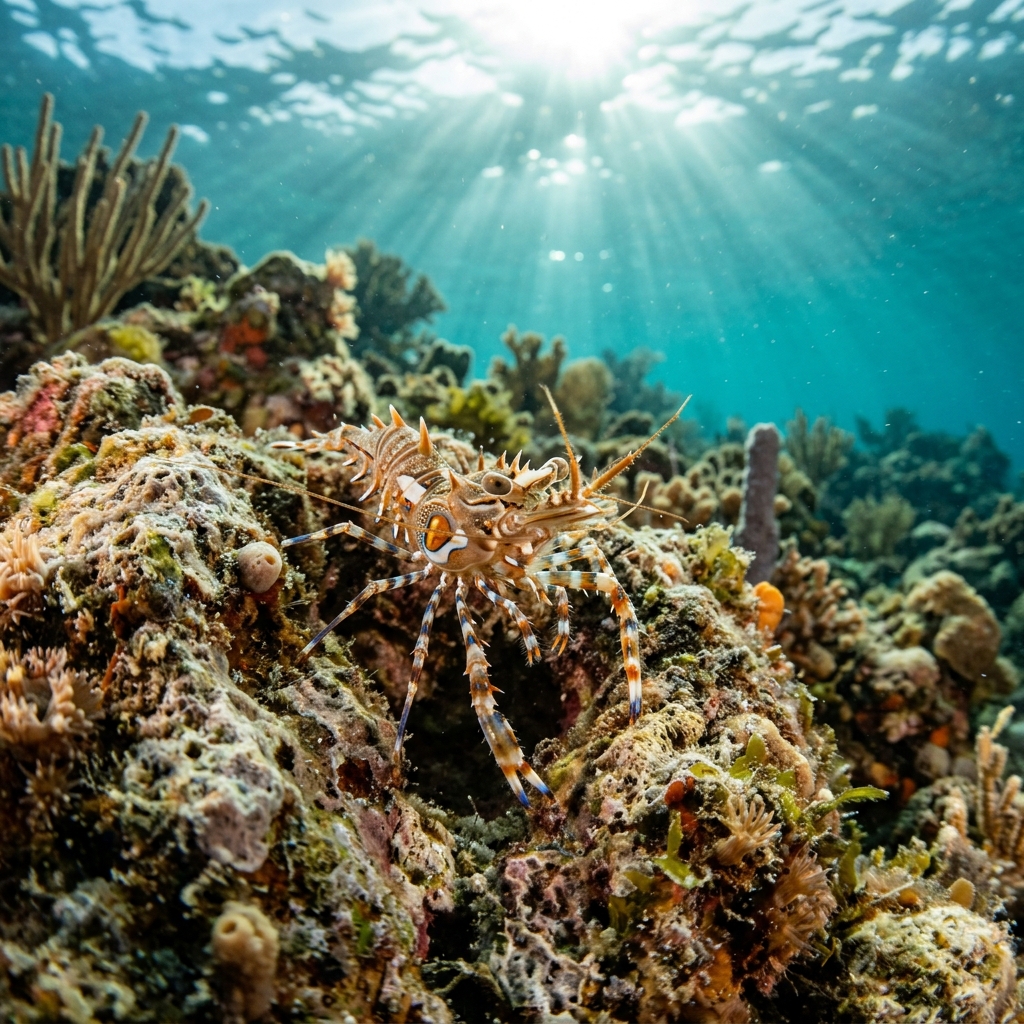
Bold dark and pale banding across the body gives this shrimp its tiger reference, paired with dramatically elongated, stalked eyes that are unlike most other small reef shrimps. The body is compact and spiny-textured, which catches the light and adds to its distinctive silhouette when you find it against a dark substrate. It is a small animal, so a keen eye and macro focus are essential, most divers spot it by the eye-stalks before anything else.
Spiny tiger shrimps tend to sit tight in crevices or among rubble and coralline algae, relying on their patterning to break up their outline rather than fleeing from approaching divers. When found, they are usually stationary or move only a short distance before freezing again, which makes extended observation possible if you approach slowly. Most records come from relatively shallow reef environments where macro photographers work systematically across rubble patches.
The stalked, ceratophthalmic eyes (eyes mounted on long, mobile stalks) are a defining trait of the genus and give the shrimp an almost cartoonish appearance up close, they are thought to extend the animal's field of view across the complex reef rubble it inhabits.
No clear seasonal peak has emerged from the data, so sightings appear to be possible year-round. The species is consistently observed in warm tropical waters between about 27 and 29 °C, which matches the year-round conditions across its Indonesian and Philippine range.
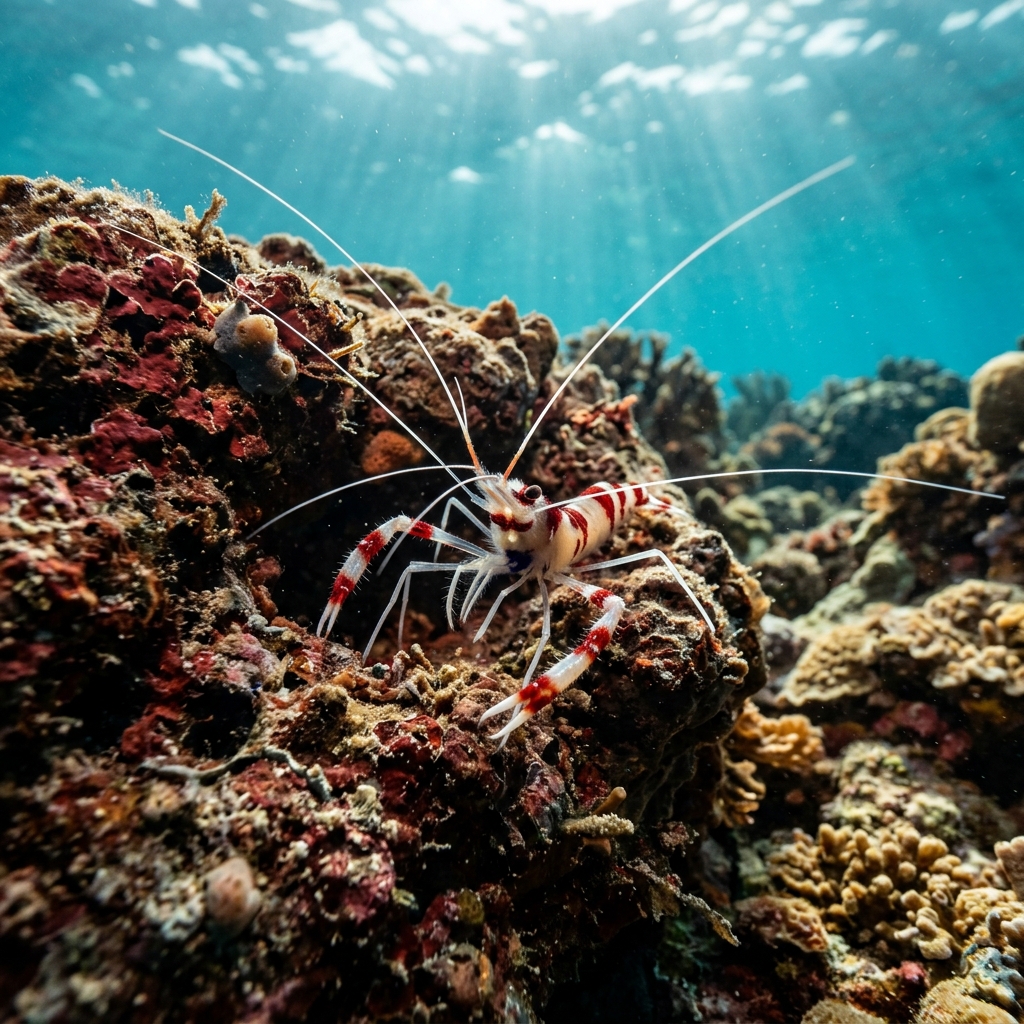
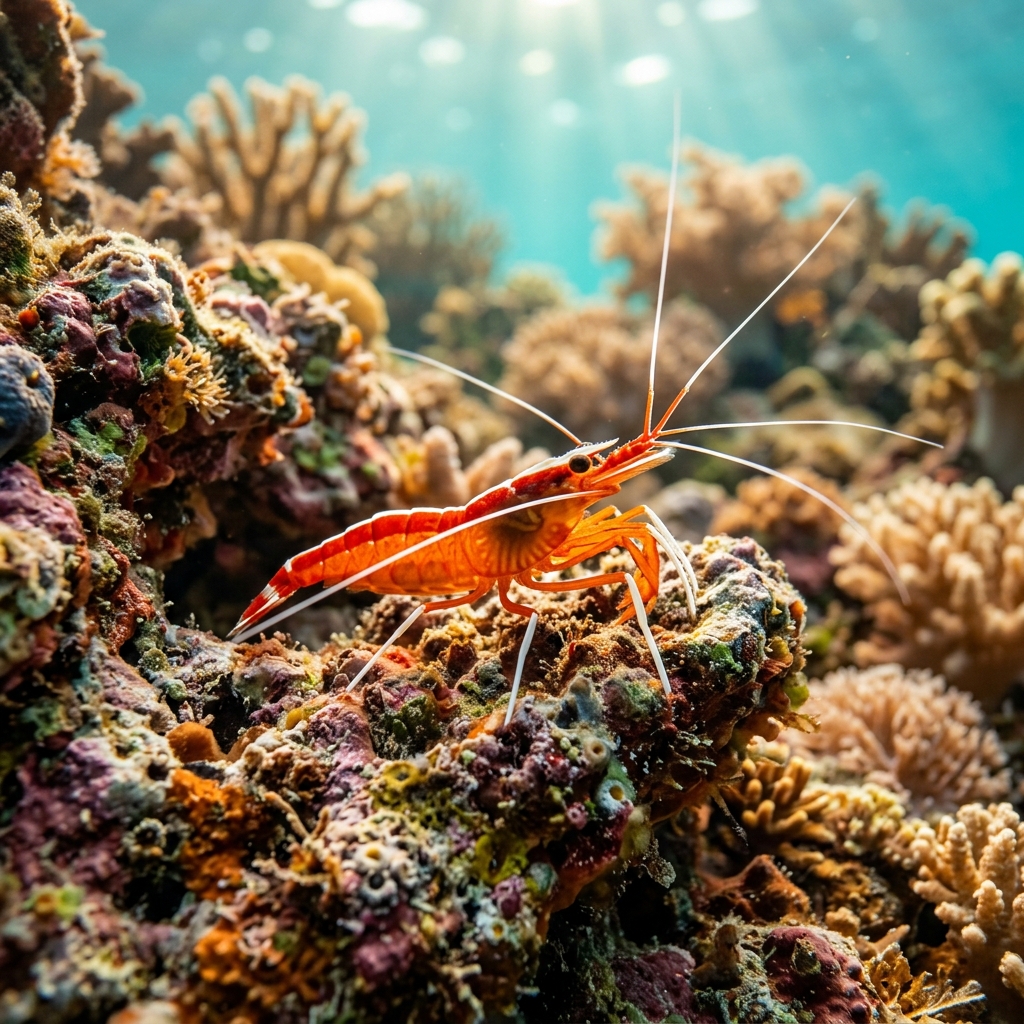
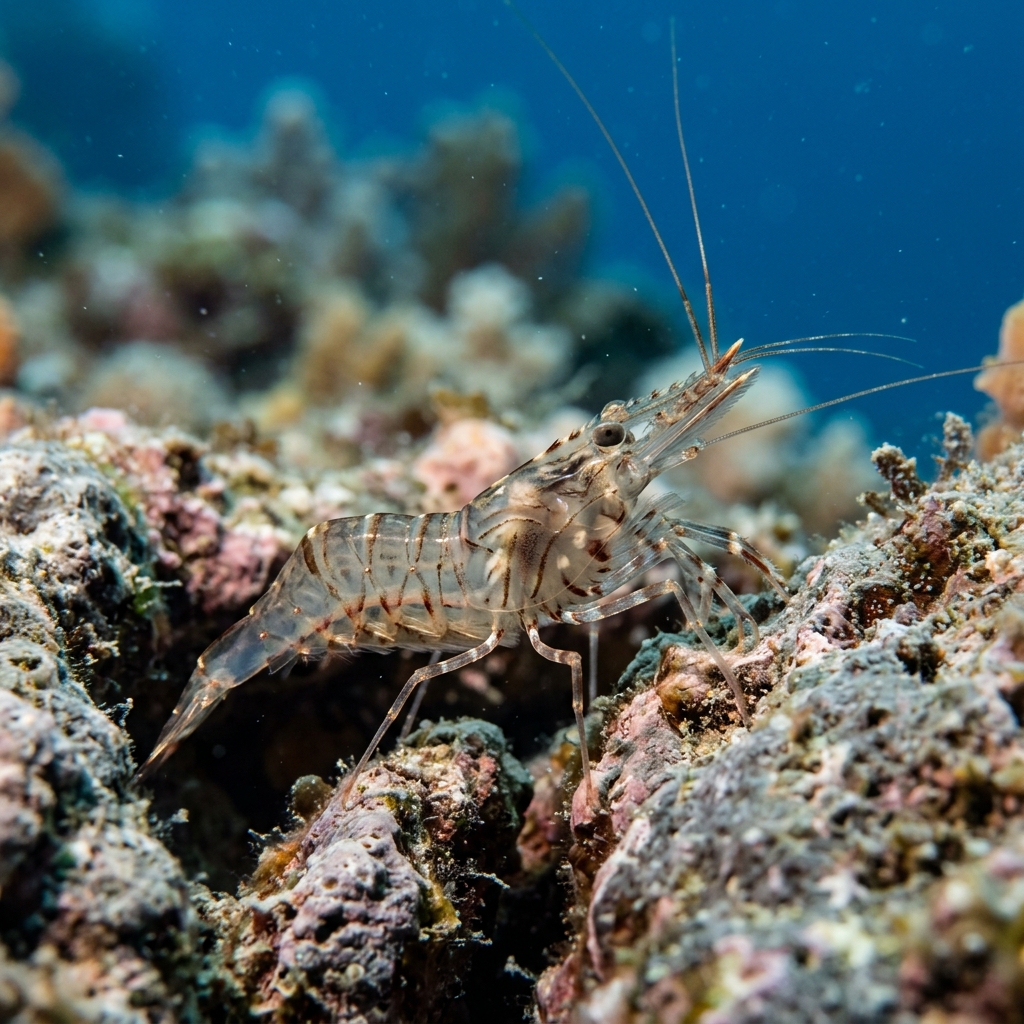
Reef neighbours a diver could mistake it for. Use the identification notes above to tell them apart.
Indonesia is by far the strongest country for sightings, with Bali, Lombok and Java accounting for the highest number of logged sites, followed closely by Sulawesi, particularly the Coral Triangle waters around both regions. Smaller numbers of records come from the Philippines (Visayas Central and Luzon) and Singapore's Southern Islands, making the Coral Triangle the obvious focus for any targeted search.
Mapping where Spiny Tiger Shrimp is logged…
The great majority of logged sightings are from Indonesia, especially the reefs around Bali, Lombok, and Sulawesi. A smaller number of records come from the Visayas in the Philippines and Singapore's Southern Islands. If you are targeting this species, Indonesian Coral Triangle sites give you the best odds.
There is no identified peak season based on current data, so visits at any time of year are viable. The species is associated with consistently warm water around 27 to 29 °C, which is present year-round across its Indonesian and Philippine range.
Look for the dramatically elongated, stalked eyes first, no other common reef shrimp in the region has quite that profile. The body shows dark and pale transverse banding and a spiny texture. It is a small animal, so a macro lens and methodical searching of rubble and crevices is the standard approach.
Precise size data are not well documented, but like most palaemonid reef shrimps it is a small animal, typically only a few centimetres in body length. Plan on macro photography and expect it to be easy to overlook against textured reef substrate.
Yes, they are classed as rare at most sites where they have been recorded, and uncommon at most of the rest. Common sightings are the exception. Patient macro divers who search rubble and coralline algae patches systematically stand the best chance of an encounter.
Site and sighting data is aggregated from diver logs, iNaturalist and GBIF. For taxonomy and conservation status:
Rockpool Prawn
2,179 sites