Thor amboinensis
Find squat anemone shrimp on anemones across the Philippines, Indonesia and Oman. Here's how to spot them and when to dive for the best chance.
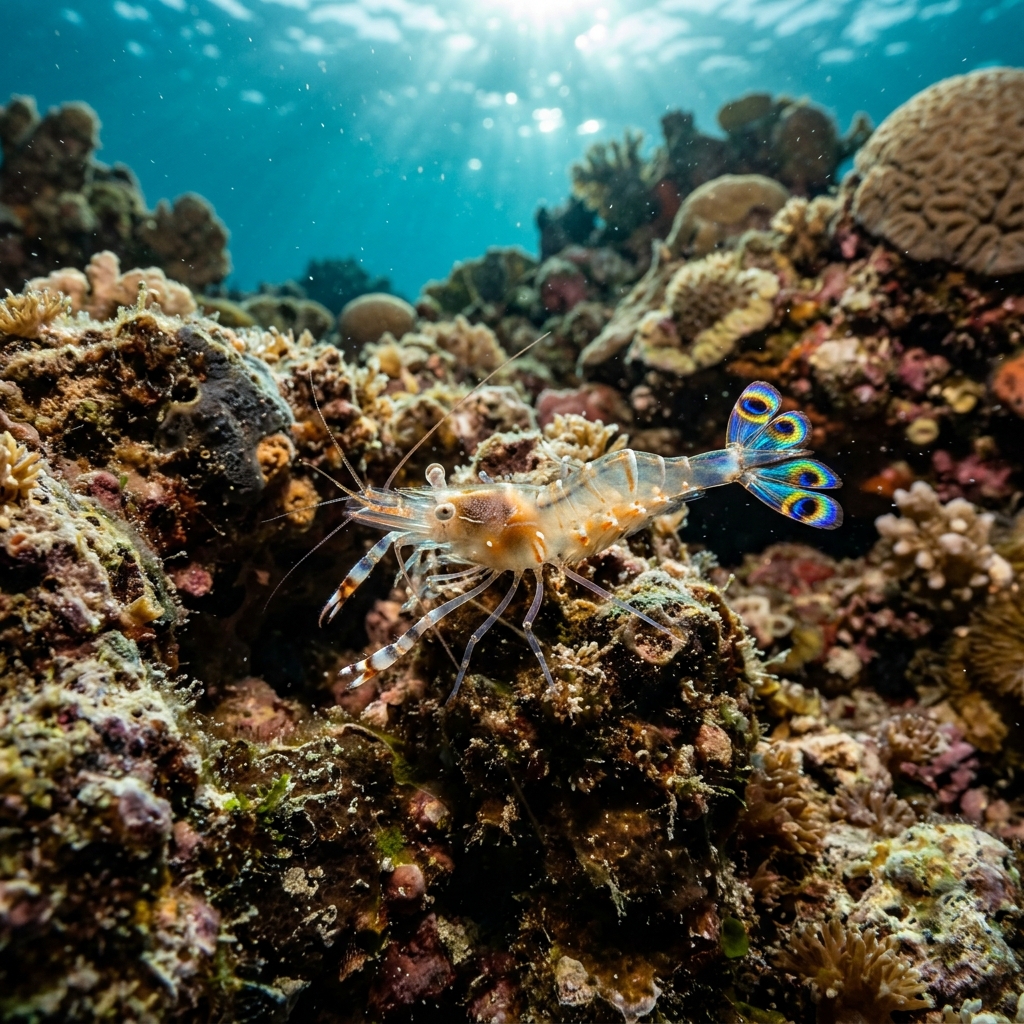
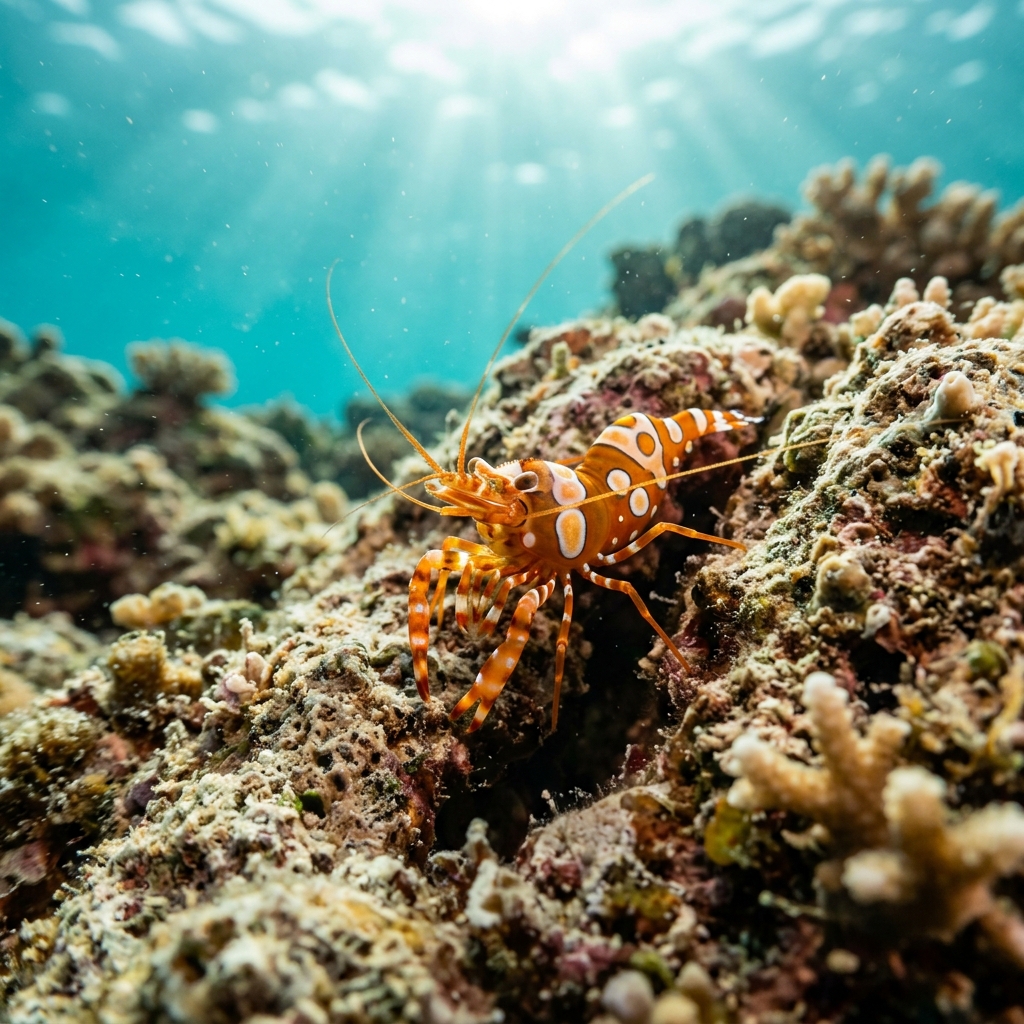
Look for a tiny, almost translucent shrimp with a distinctively upturned, fan-like tail held cocked over its back, a posture that makes it unmistakable among anemone commensals. The body is pale whitish to light grey, peppered with white and dark saddle-like patches, and the tail fan (uropods) are edged in white and blue-white spots. It is a small shrimp, easily overlooked without deliberate searching, but the characteristic tail-raised stance is the single most reliable field mark. You will almost always find it perched directly on a host anemone.
Squat anemone shrimp spend almost all their time on or very close to a host anemone, typically a carpet or bubble-tip anemone, rarely venturing onto open reef. When a diver approaches, they often shuffle to the far side of the anemone column or freeze rather than flee, which actually makes slow, patient observation easier than with many small crustaceans. They are most visible when feeding or tending eggs, during which the rocking, tail-raised posture becomes particularly pronounced.
This shrimp lives in small groups on its host anemone and, like the anemone itself, is protected from stings by a chemical coating, a relationship that keeps it safe while it picks up food particles and plankton that drift through the tentacles.
Northern Hemisphere sightings concentrate from June through to March, suggesting quieter summer months in the southern Visayas and Oman can still be productive, with a dip only around April and May. Water temperatures in the observed range of around 25 to 29 degrees Celsius align with consistently warm tropical reef conditions, so availability is more about effort and site selection than dramatic seasonal peaks.
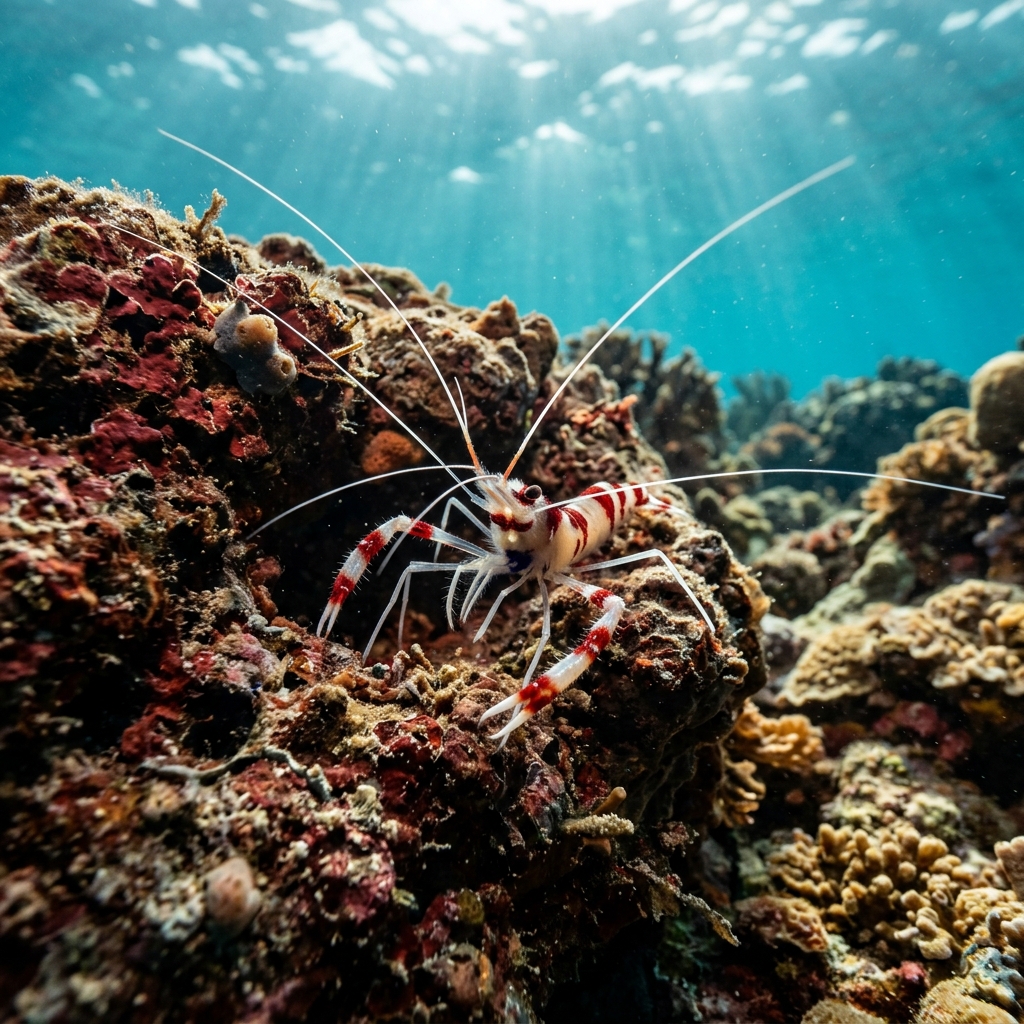
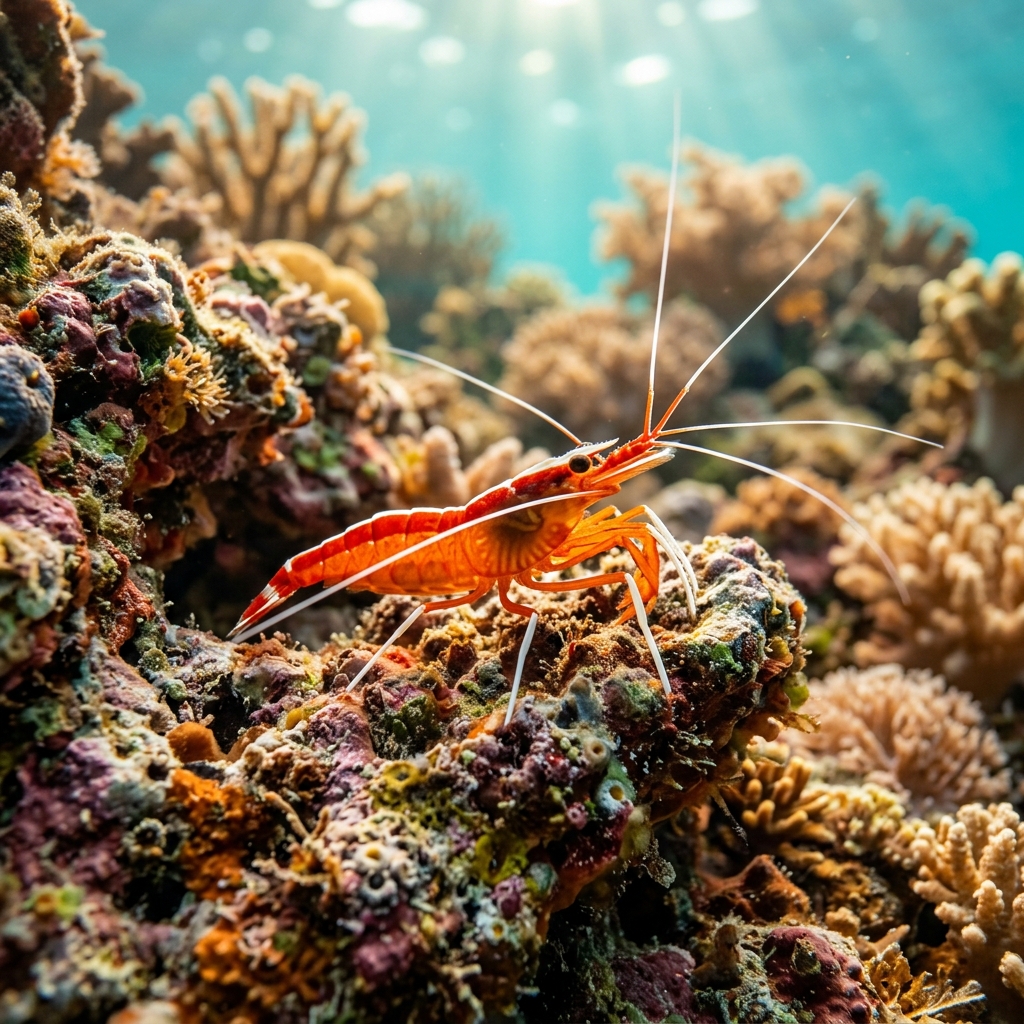
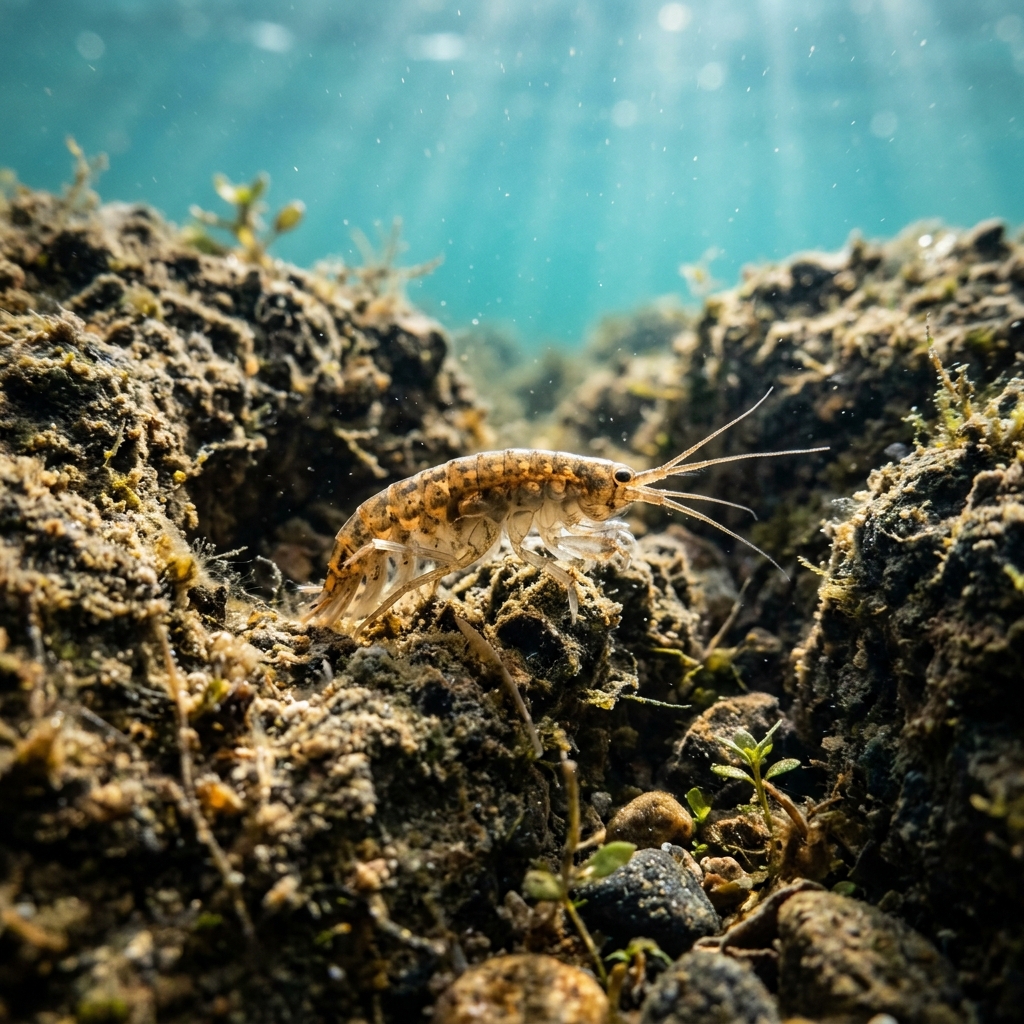
Reef neighbours a diver could mistake it for. Use the identification notes above to tell them apart.
Most commonly logged across the Philippines, particularly in the Visayas and Luzon, which together account for the lion's share of recorded sightings worldwide. Indonesia comes in a strong second, with Bali and Sulawesi both producing reliable encounters, while Sipadan and East Sabah in Malaysia, Muscat in Oman, and Tenerife in the Canary Islands round out the key destinations. If you are hunting this species, the Philippines is the single best place to start.
Mapping where Squat Anemone Shrimp is logged…
The Philippines is far and away the top destination, with the central and northern Visayas and Luzon producing the most sightings. Indonesia, particularly Bali and Sulawesi, is a strong second choice. Sipadan in Malaysian Borneo, Muscat in Oman, and Tenerife in the Canary Islands also have well-documented populations.
In the northern hemisphere, sightings peak from June through to March. The species favours warm water between roughly 25 and 29 degrees Celsius, so the best approach is to target well-known anemone sites during those months and ask local guides to point out the host anemones.
The cocked, fan-shaped tail held high over the back is the defining feature, and you will almost always find this shrimp sitting directly on an anemone. The body is pale and semi-translucent with white and dark saddle markings and white-edged tail fans. Its small size means you need to look carefully, but the posture gives it away immediately.
They are very small shrimp, typically around 1 to 2 centimetres in body length. Their size means they are easily overlooked on a large anemone, so a slow, close approach and a macro lens will give you the best chance of both spotting and photographing them.
They are usually found in small groups of two to several individuals sharing a single host anemone. Pairs often include a larger egg-bearing female and a smaller male. Finding one almost always means there are others nearby, so take your time scanning the whole anemone before moving on.
Site and sighting data is aggregated from diver logs, iNaturalist and GBIF. For taxonomy and conservation status:
Rockpool Prawn
2,179 sites