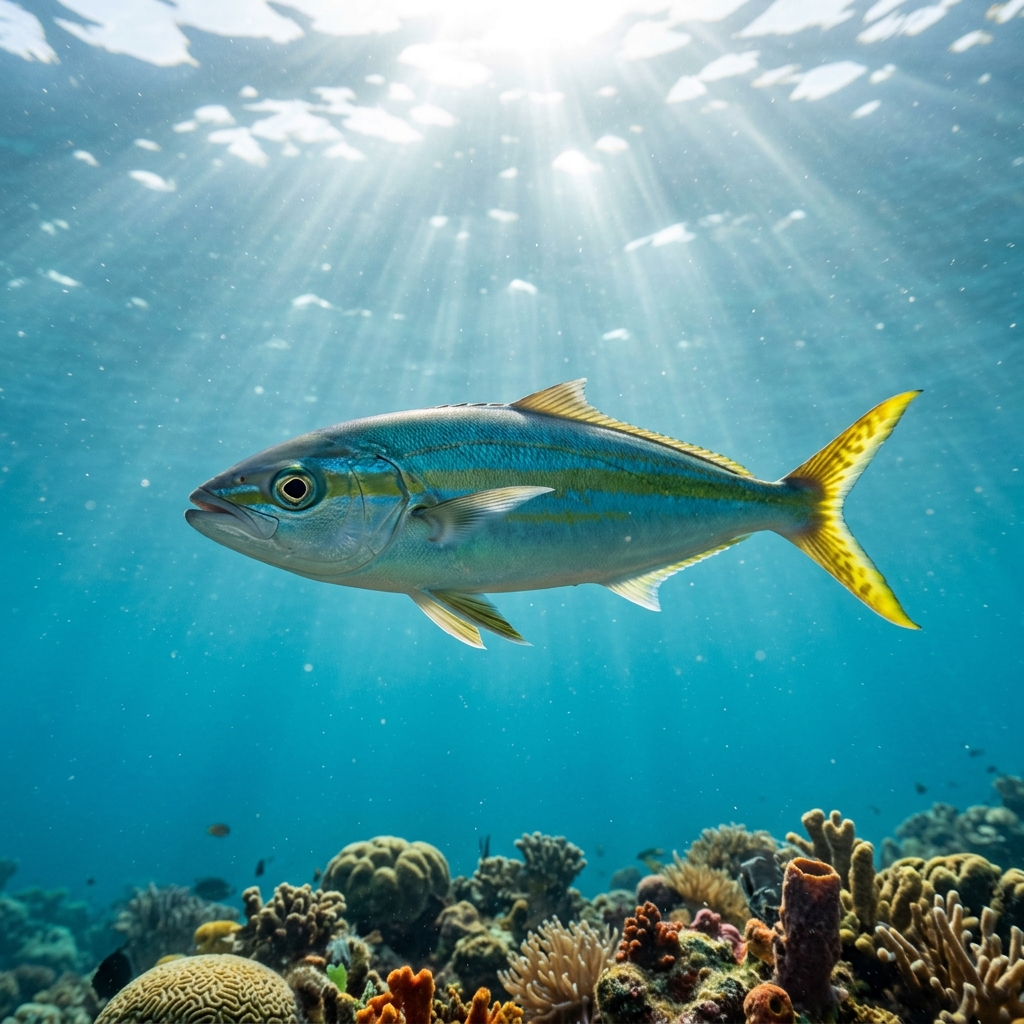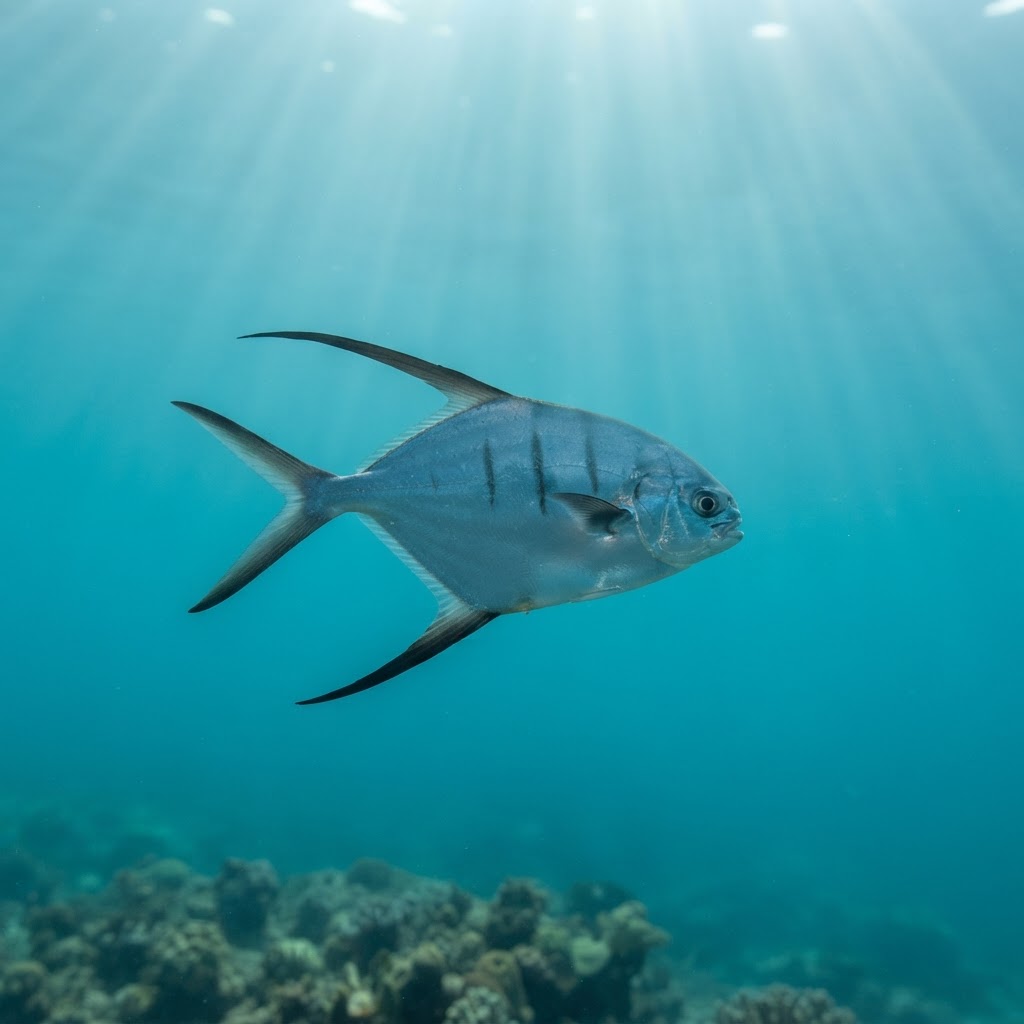
Trachinotus goodei
Silvery jacks with long trailing fins, most reliably logged around Grenada Island and Carriacou in water around 24-28C, year-round.
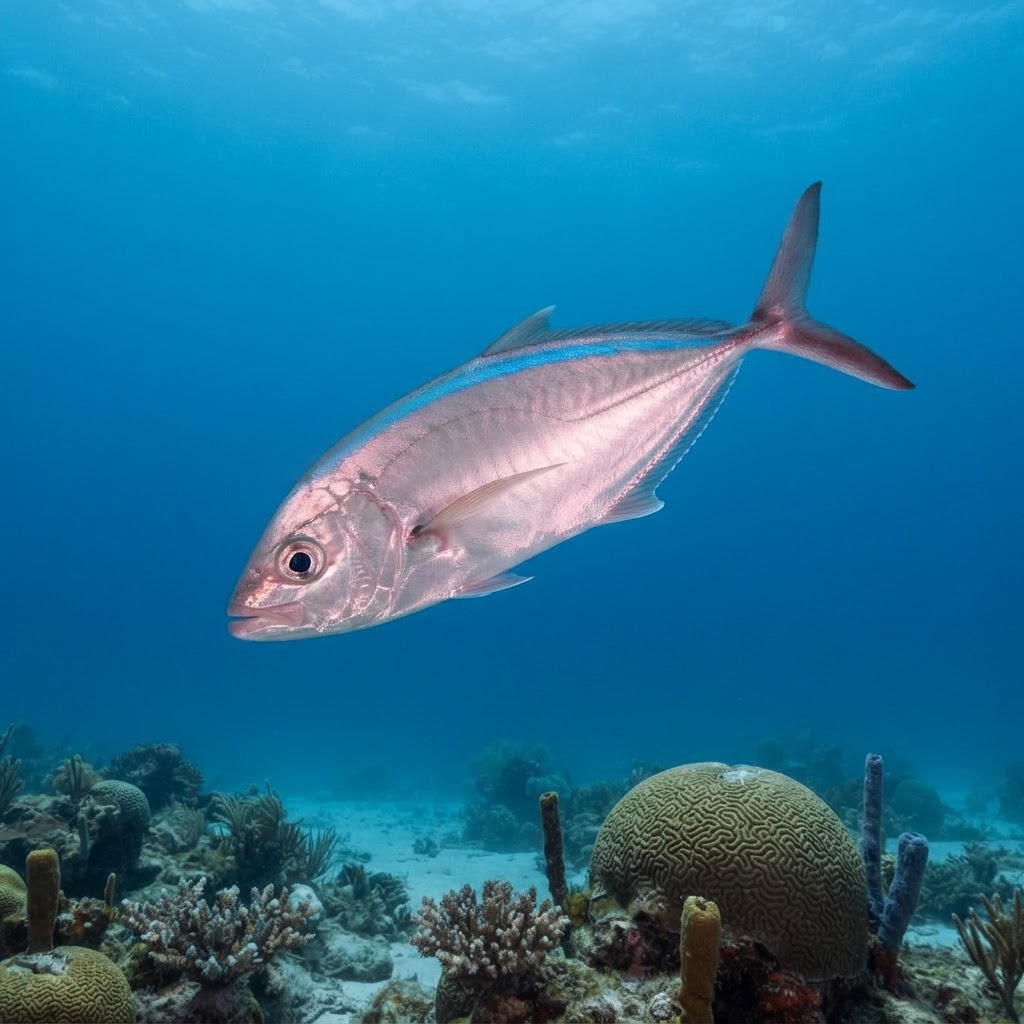
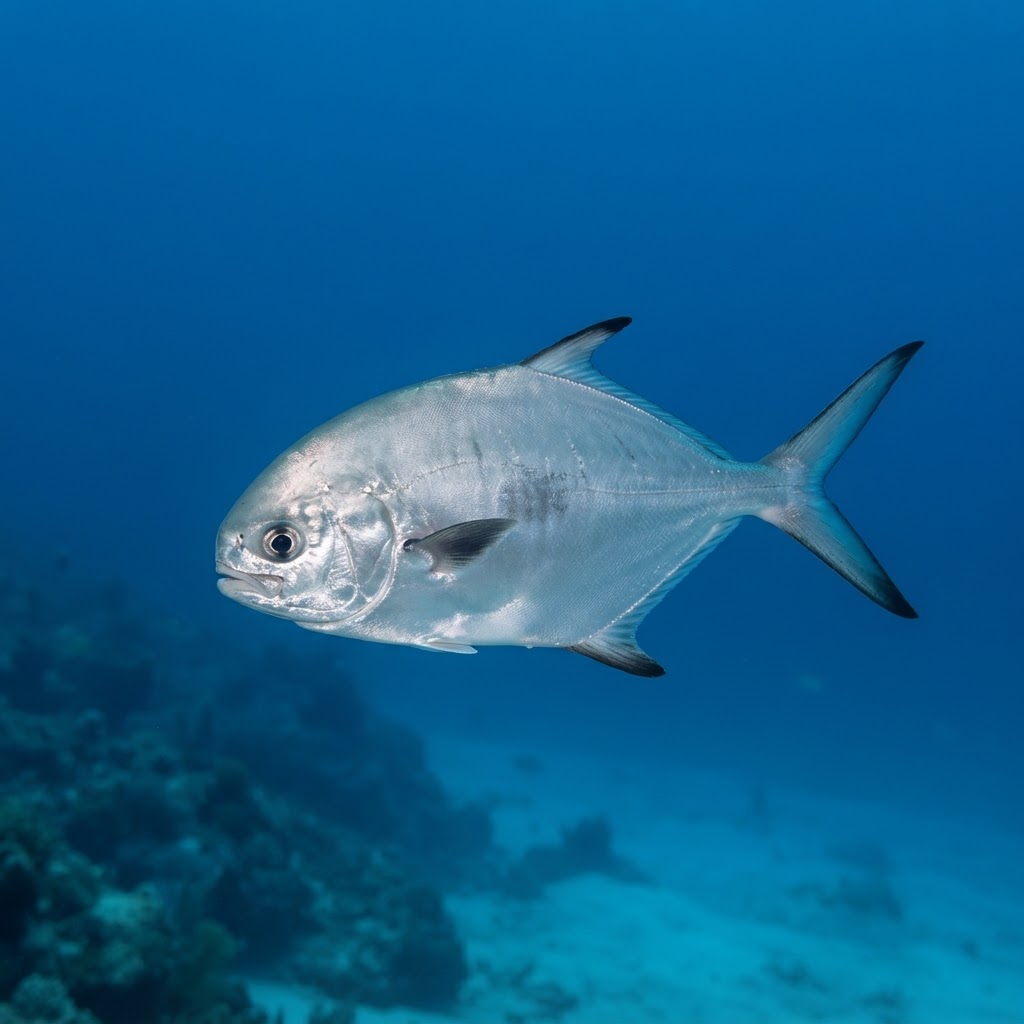
Look for a deep, flattened silver body with three or four faint dark bars running down the sides and a noticeably forked tail. The dorsal and anal fins trail into long thread-like filaments that flutter as it swims, which is the quickest giveaway against other jacks. At around 35 cm it's a mid-sized reef fish, usually seen alone or in small loose groups rather than tight schools.
Divers most often log it cruising alone or in small groups just off the reef edge, patrolling sandy patches and shallow reef flats in the top 12 metres. It tends to keep a bit of distance and moves with quick, purposeful bursts rather than lingering, so a calm approach gives you the best look at those trailing fins. It's generally logged as uncommon rather than common, so a sighting feels like a small win rather than a given.
Those elongated dorsal and anal fin filaments are thought to make the fish look larger and harder to target to a predator, a trick shared by several of its Trachinotus relatives.
No clear seasonal pattern shows up in the sightings, and with a comfortable range of 23 to 28C across its Caribbean haunts, it's a year-round encounter rather than a seasonal one.
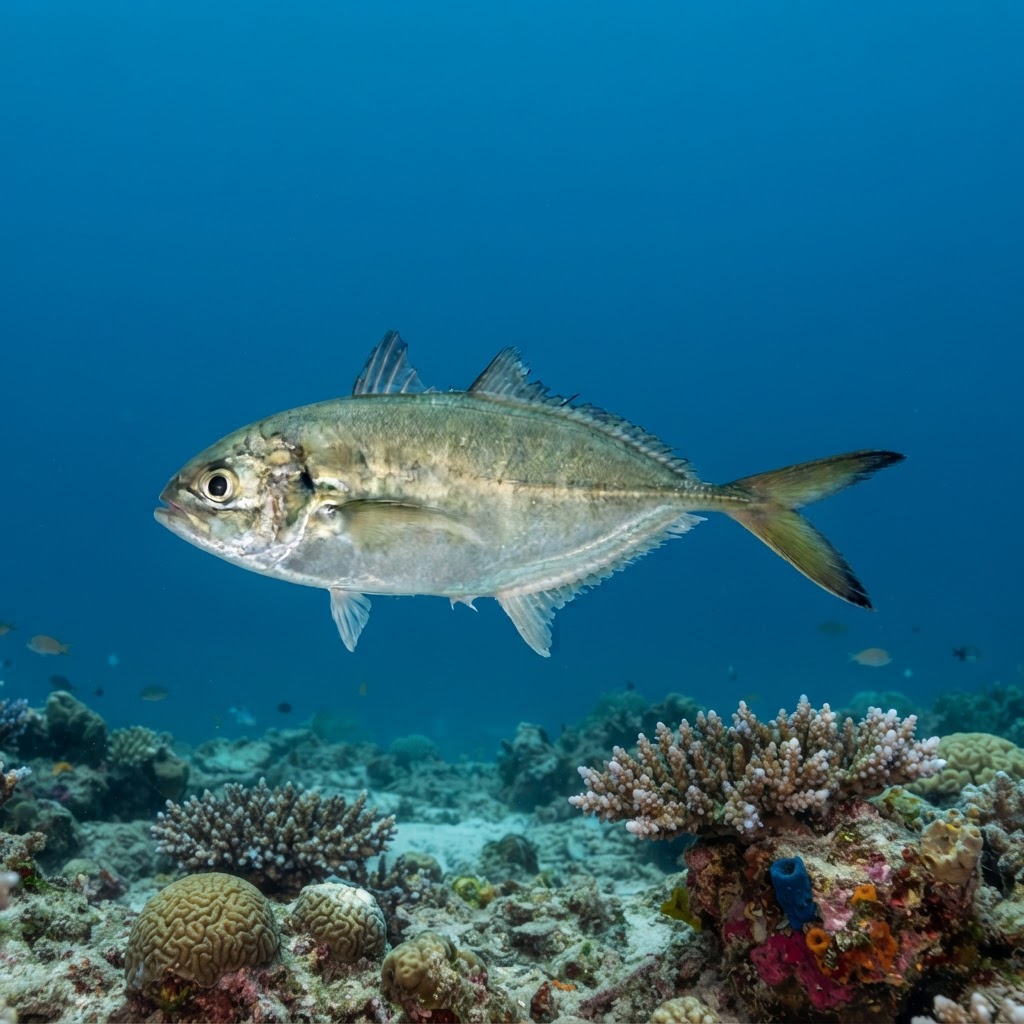
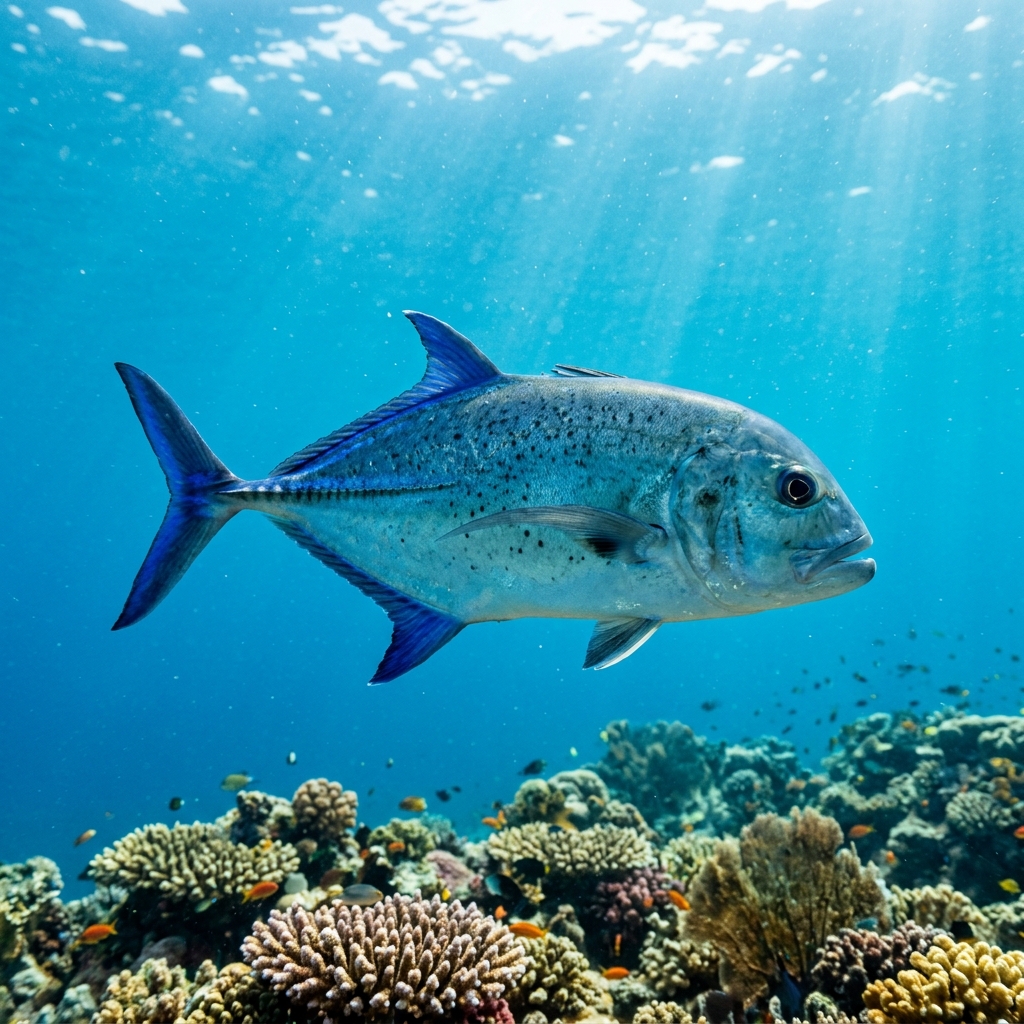
Reef neighbours a diver could mistake it for. Use the identification notes above to tell them apart.
Grenada is by far the strongest bet, with sightings concentrated around Grenada Island and Carriacou, and it's also a reliable find in Curacao, particularly along Banda Abou and the Willemstad and South Coast area. Beyond that, look for it in Puerto Rico (Culebra and the West Coast), Aruba's Arashi and Boca Catalina, and Bonaire's Leeward Coast.
Mapping where Palometa is logged…
Grenada is the top spot, especially around Grenada Island and Carriacou, followed by Curacao's Banda Abou and south coast sites. Puerto Rico, Aruba, and Bonaire also produce regular sightings.
There's no strong seasonal pattern in the data, and it lives comfortably in 23 to 28C water year-round, so any month on a Caribbean dive trip gives you a fair shot.
Check for a silvery, deep-bodied fish with faint dark vertical bars and long trailing filaments off the dorsal and anal fins. That fin streaming is the clearest way to tell it apart from similar jacks.
They typically reach around 35 cm, making them a mid-sized reef fish, noticeably smaller and slimmer than bigger jacks like giant trevally.
No, they pose no threat to divers and will typically keep their distance rather than approach.
Site and sighting data is aggregated from diver logs, iNaturalist and GBIF. For taxonomy and conservation status:
Bigeye Trevally
2,591 sites