Eumicrotremus orbis
A golf-ball-shaped fish covered in spiky bumps, found in cold water off British Columbia and the Pacific Northwest, usually 0.9 to 7.1 C.
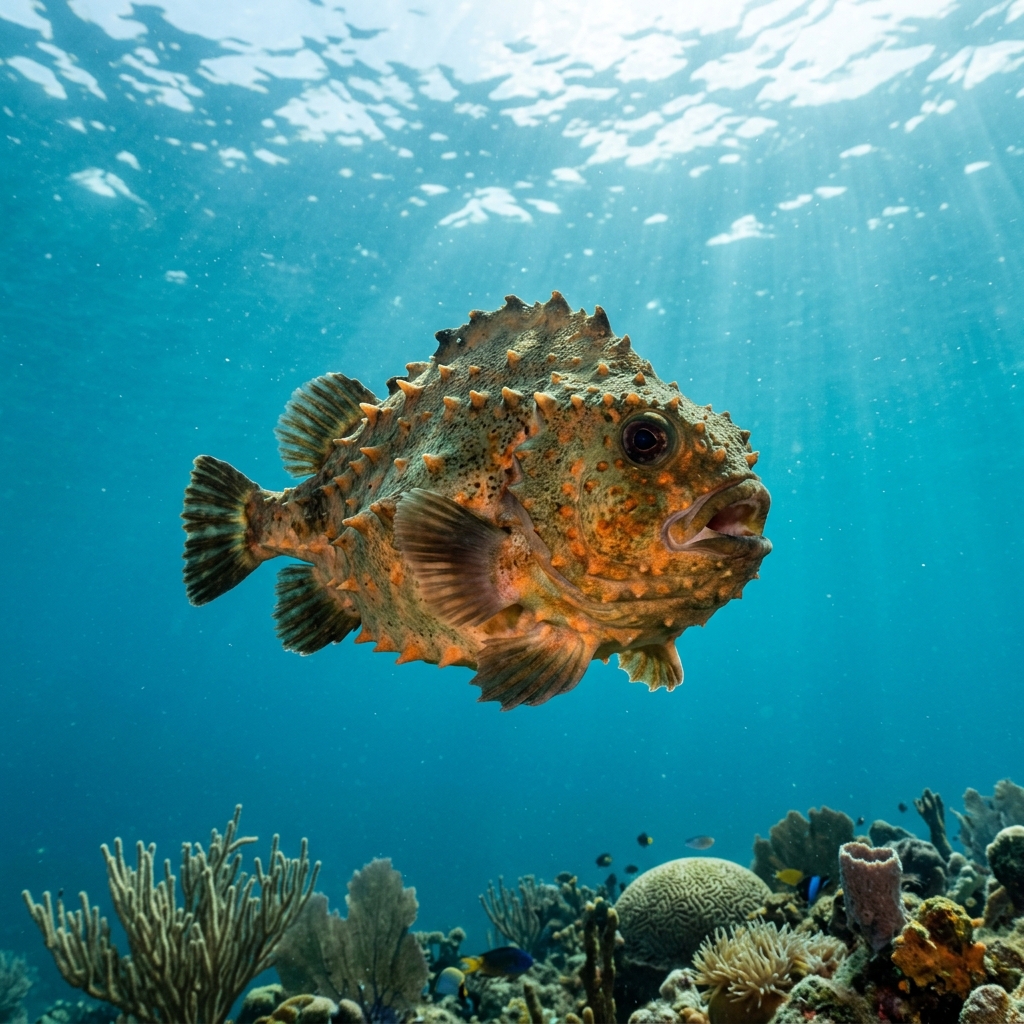
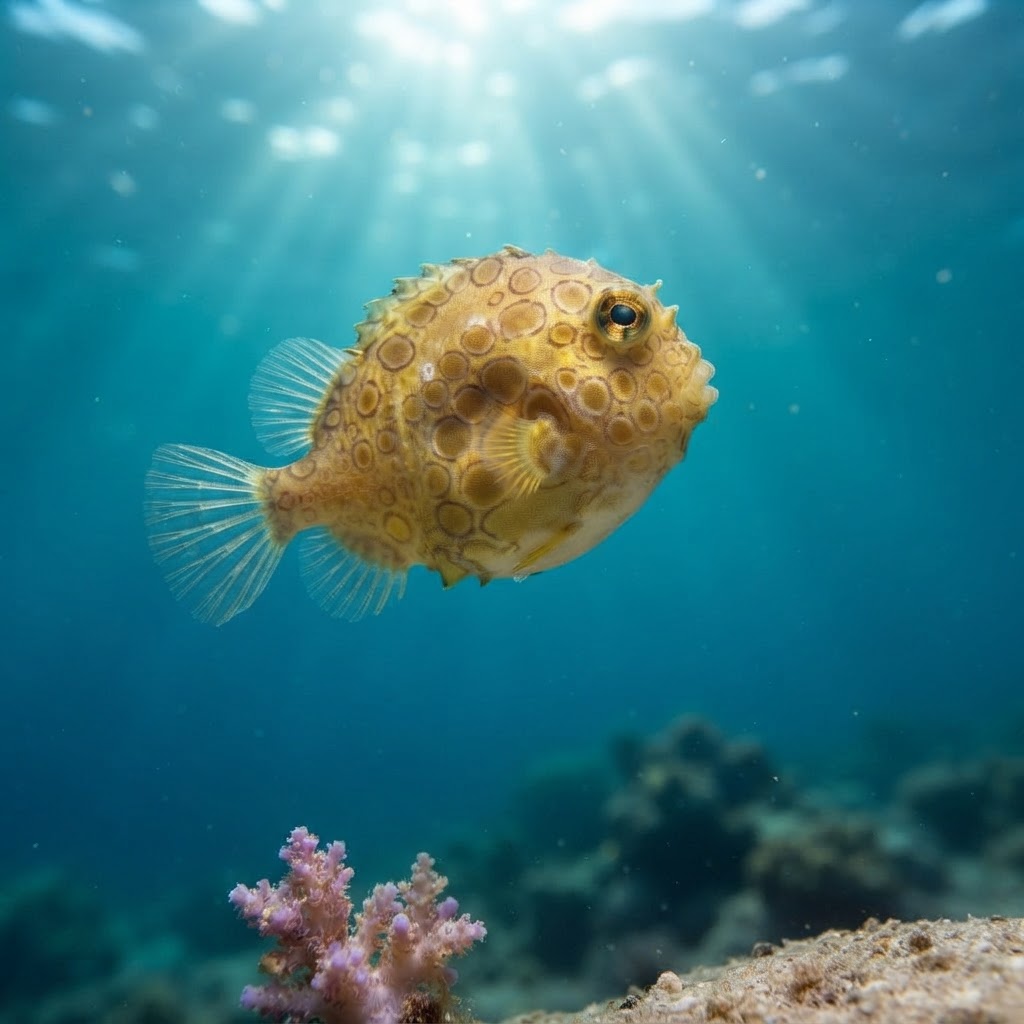
Round, almost spherical body about the size of a golf ball, rarely more than 13 cm, covered in rows of hard conical bumps rather than scales. Colour runs from mottled green and brown to yellow, often blotched, which helps it disappear against rocky, algae-covered bottoms. It has no visible neck or tapered tail, tiny fins tucked close to the body, and a fused pelvic fin underneath that acts as a suction disc for gripping rock. Divers usually spot it sitting motionless on a hard surface rather than swimming in open water.
Expect to find it parked on a rock, piling, or patch of algae rather than swimming, using its suction-disc belly to stay put against current. It shows little concern for divers and will often let you get close for photos without bolting, since its main defence is blending in rather than fleeing. Look low on structure in cooler, sheltered spots rather than in open water.
That fused pelvic fin works like a natural suction cup, letting it anchor to a single rock for long stretches instead of fighting the current, which is part of why it is so easy to walk past without noticing.
No clear seasonal pattern shows in the sighting data, so treat it as a year-round possibility on cold Pacific coast dives. It sits in water from 0.9 to 7.1 C, conditions that persist through most of the diving calendar in its range.
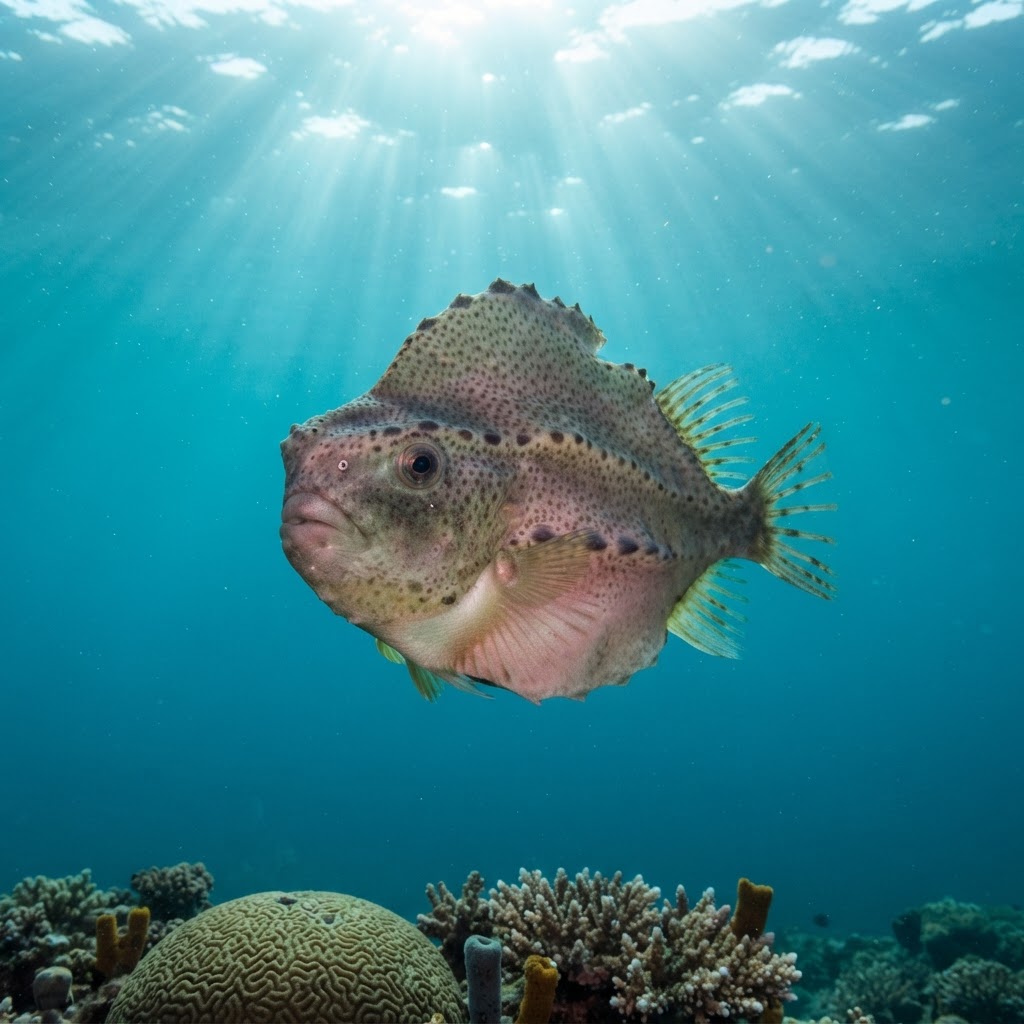
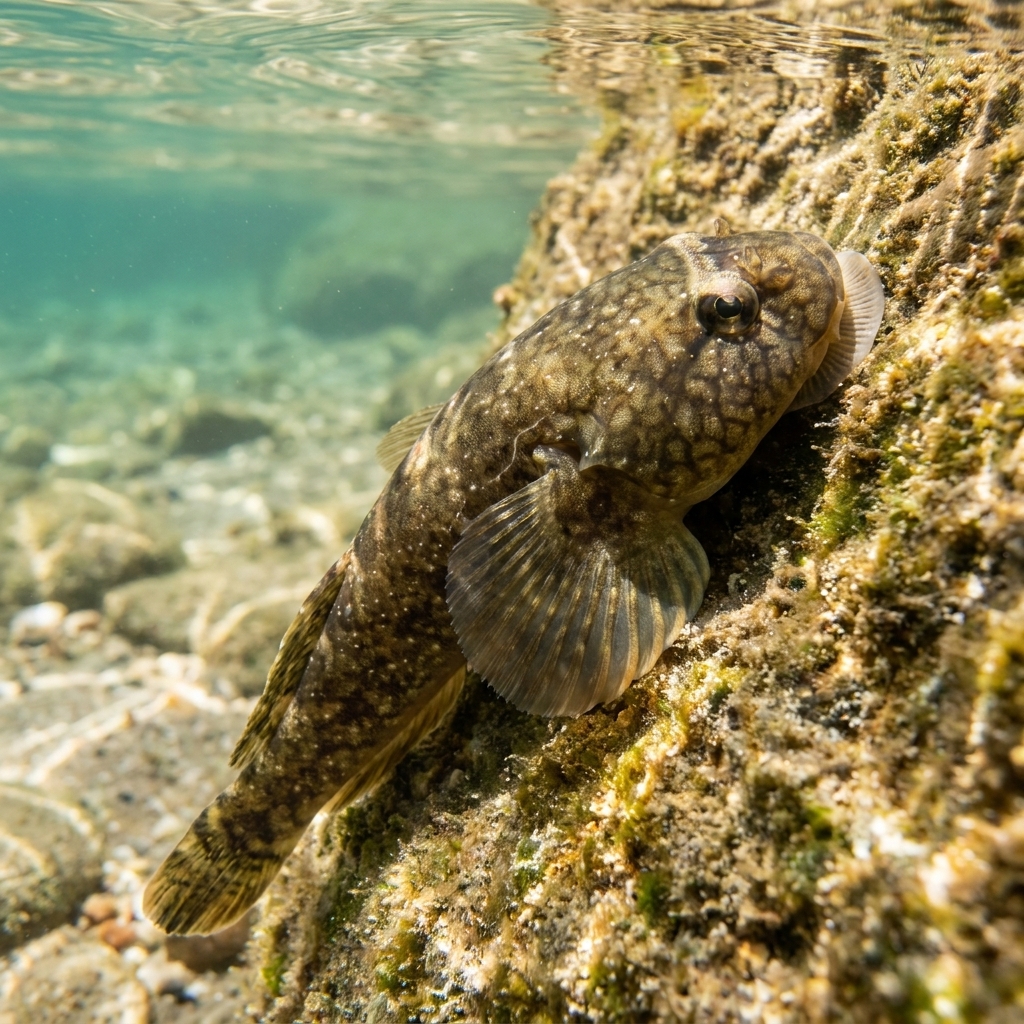
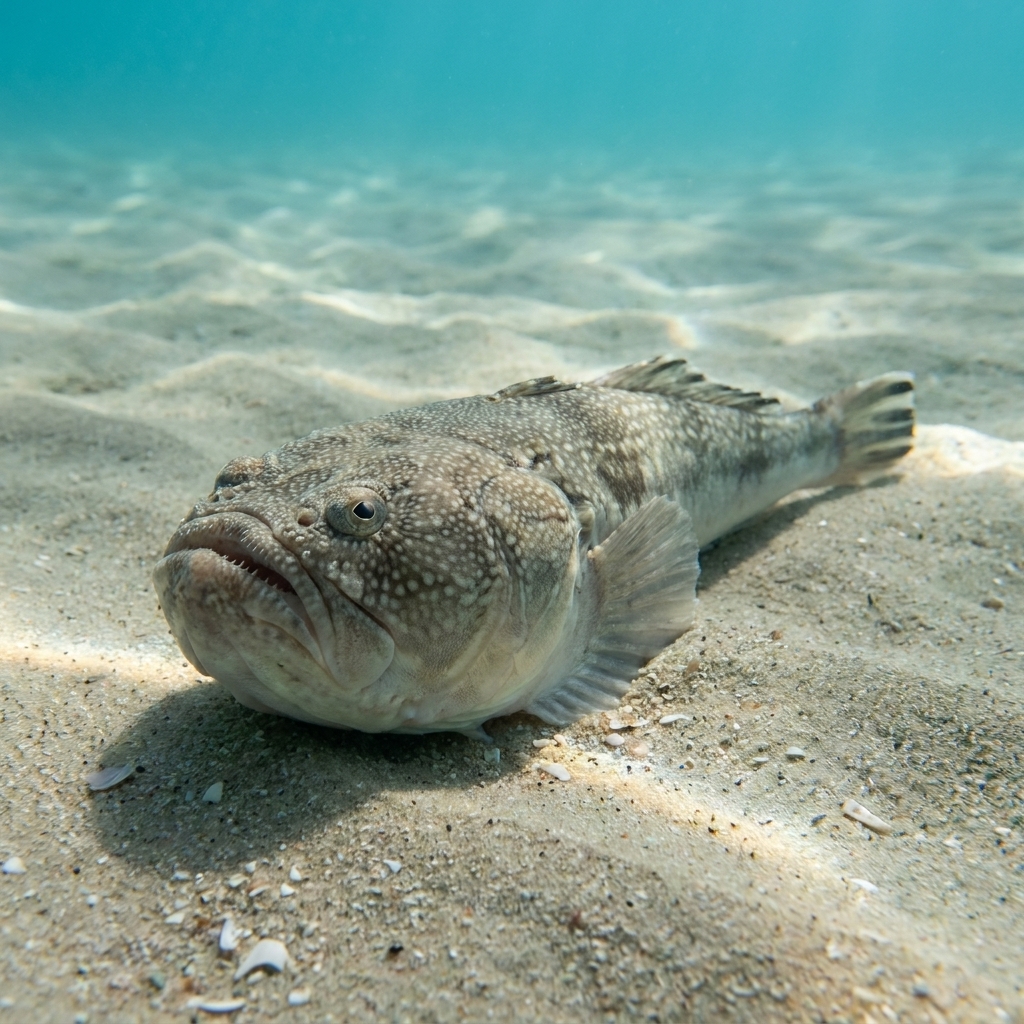
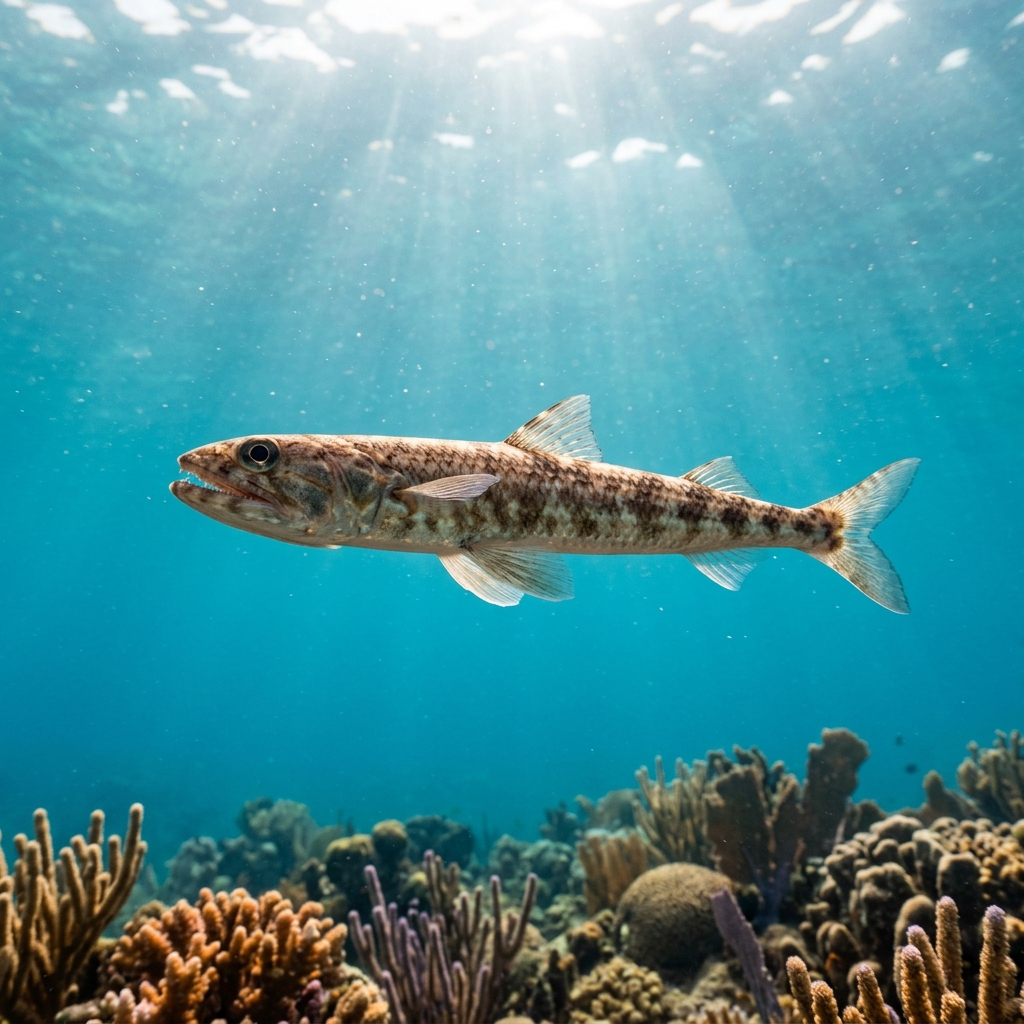
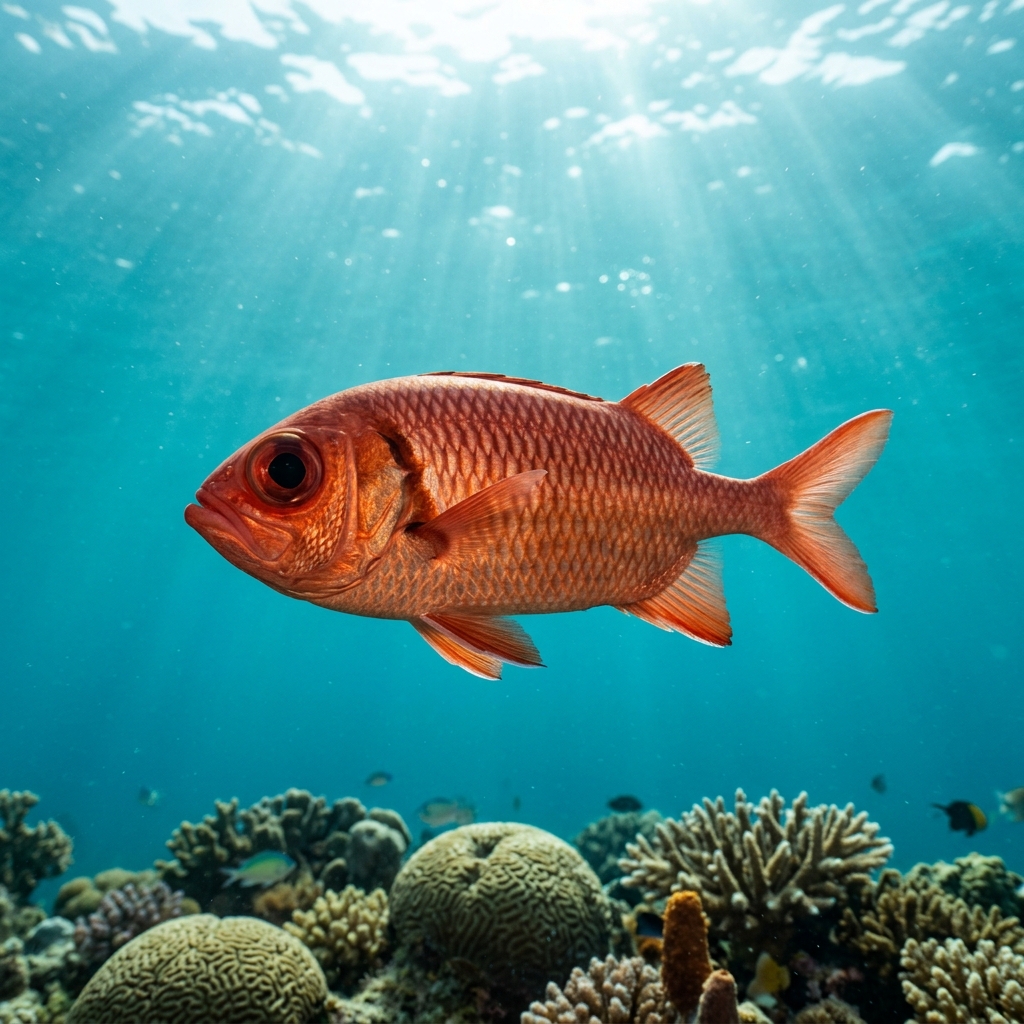
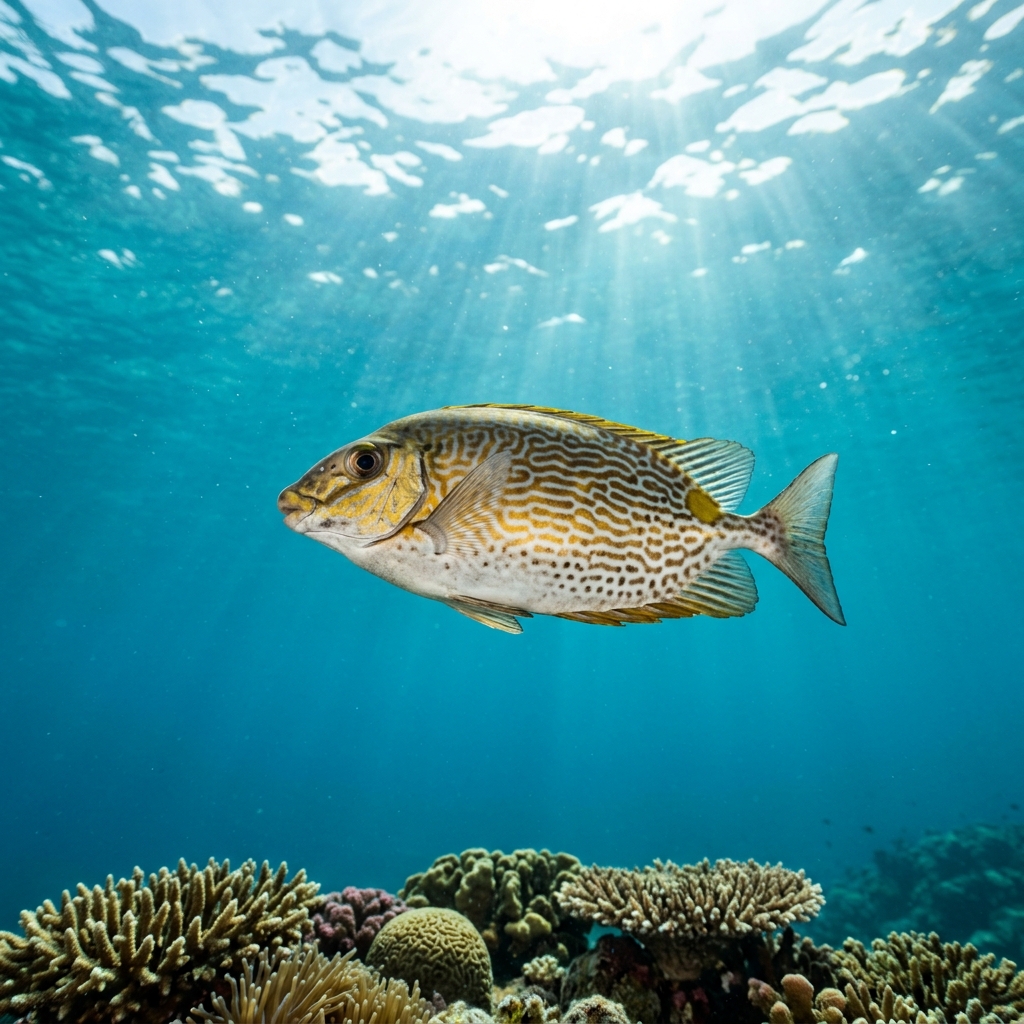
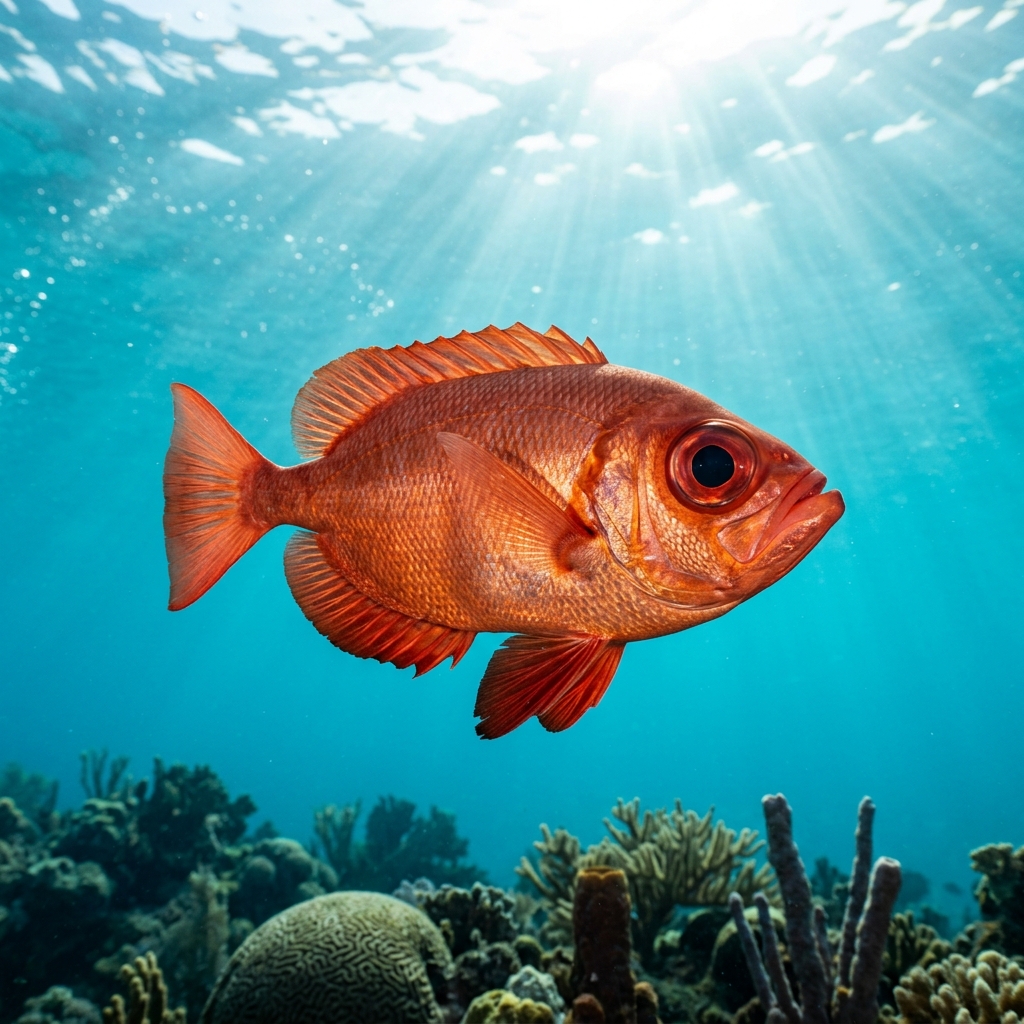
Reef neighbours a diver could mistake it for. Use the identification notes above to tell them apart.
Most reliably logged in the Pacific Northwest of the United States and in British Columbia, Canada, with sites spread across both regions showing it's a cold-water specialist rather than a one-spot rarity. Sightings are generally rare wherever it turns up, with only a couple of sites reporting it as a common find, so treat any encounter as a bonus rather than a target.
Mapping where Pacific Spiny Lumpsucker is logged…
Best chances are in the Pacific Northwest of the United States and British Columbia, Canada, where most logged sightings come from. Even there it's usually a rare find rather than a guaranteed one.
There's no strong seasonal pattern in the data, so it's considered a year-round sighting in its cold-water range. It's consistently found in water between 0.9 and 7.1 C.
Look for a small, round, spiky-skinned fish about the size of a golf ball sitting still on rock or algae. Its bumpy texture, lack of a tapered tail, and habit of clinging motionless to a surface set it apart from most other small reef fish.
They top out around 13 cm, small enough to be easily overlooked on a rocky bottom. That compact, round shape is part of what makes them fun to spot once you know what to look for.
Its pelvic fins are fused into a disc that works like a suction cup, letting it grip firmly onto rocks and pilings instead of swimming against current. This is why divers usually find it stationary rather than cruising in open water.
Site and sighting data is aggregated from diver logs, iNaturalist and GBIF. For taxonomy and conservation status:
Soldierfish
3,612 sites