Trachurus symmetricus
Silver schooling jacks logged along California's coast, uncommon in cool 7-16C water, year-round if you're patient.
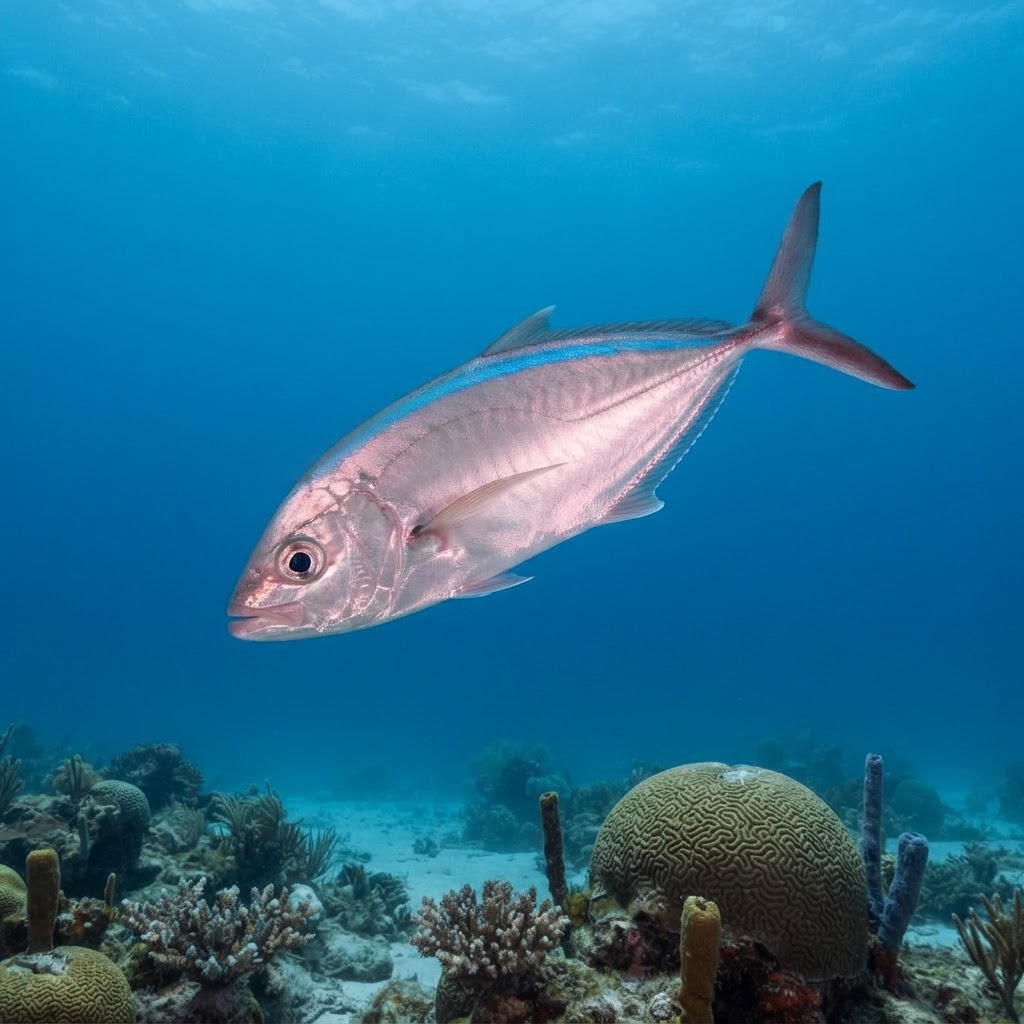
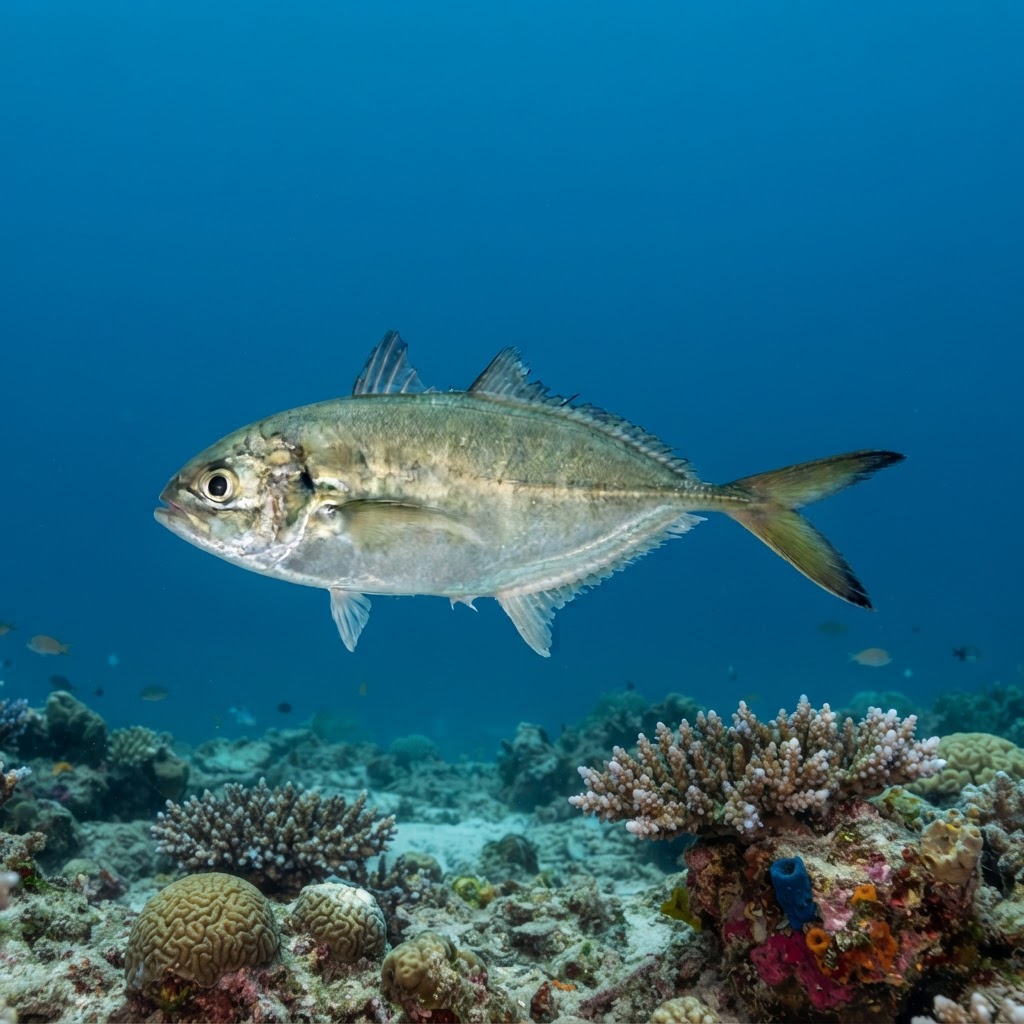
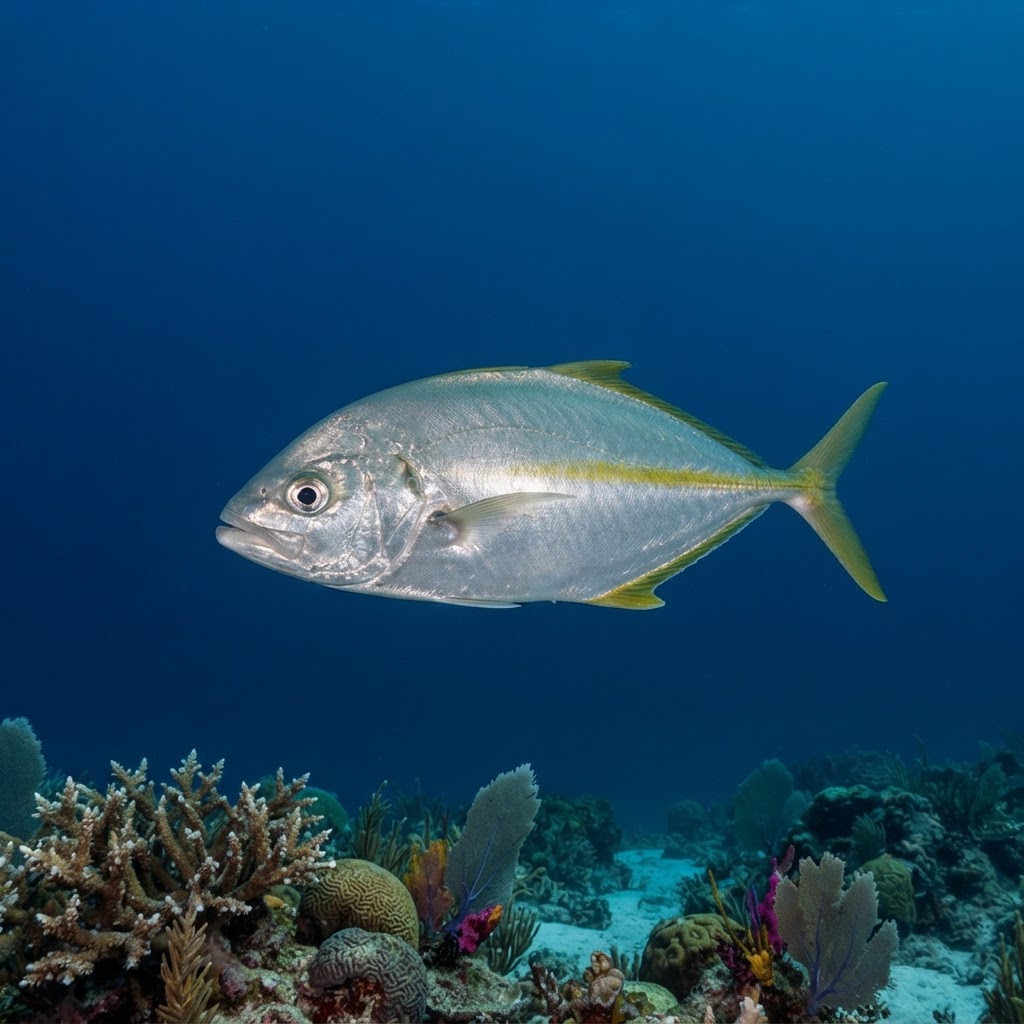
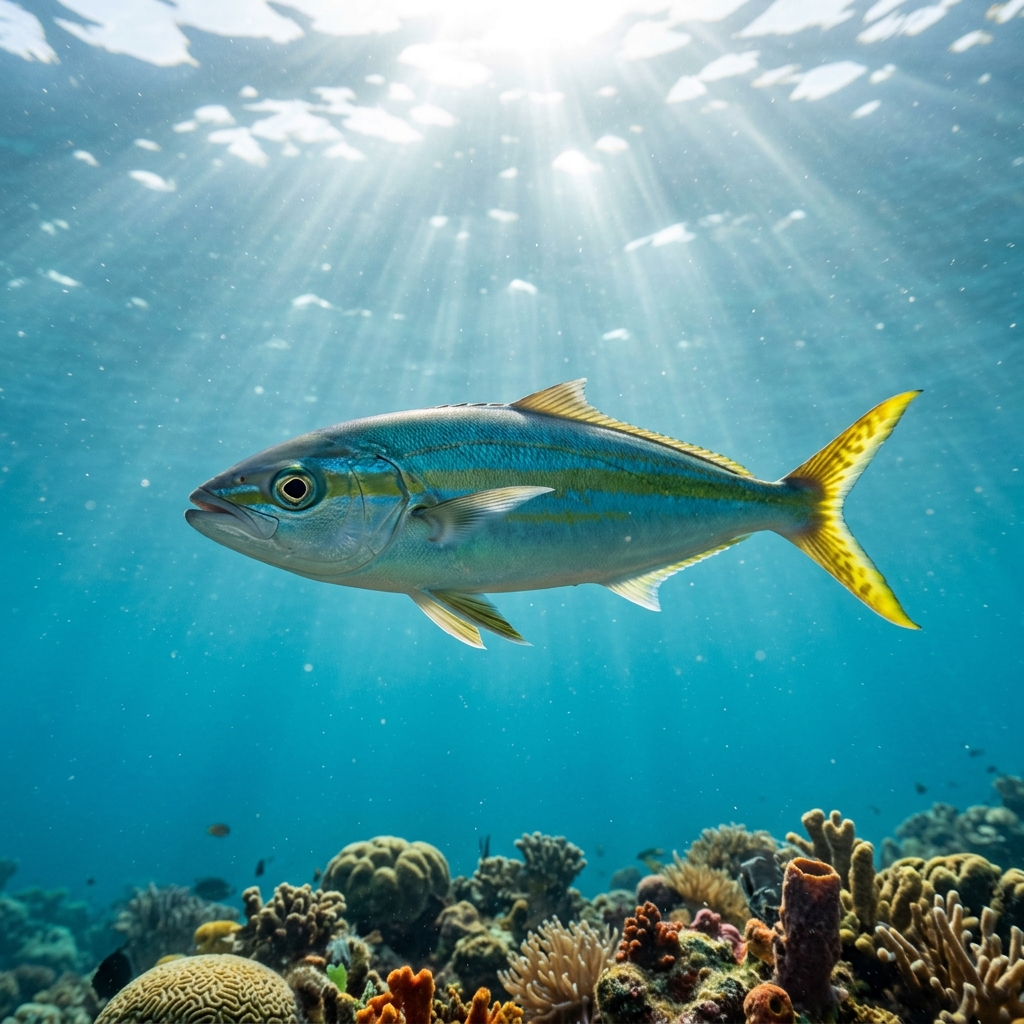
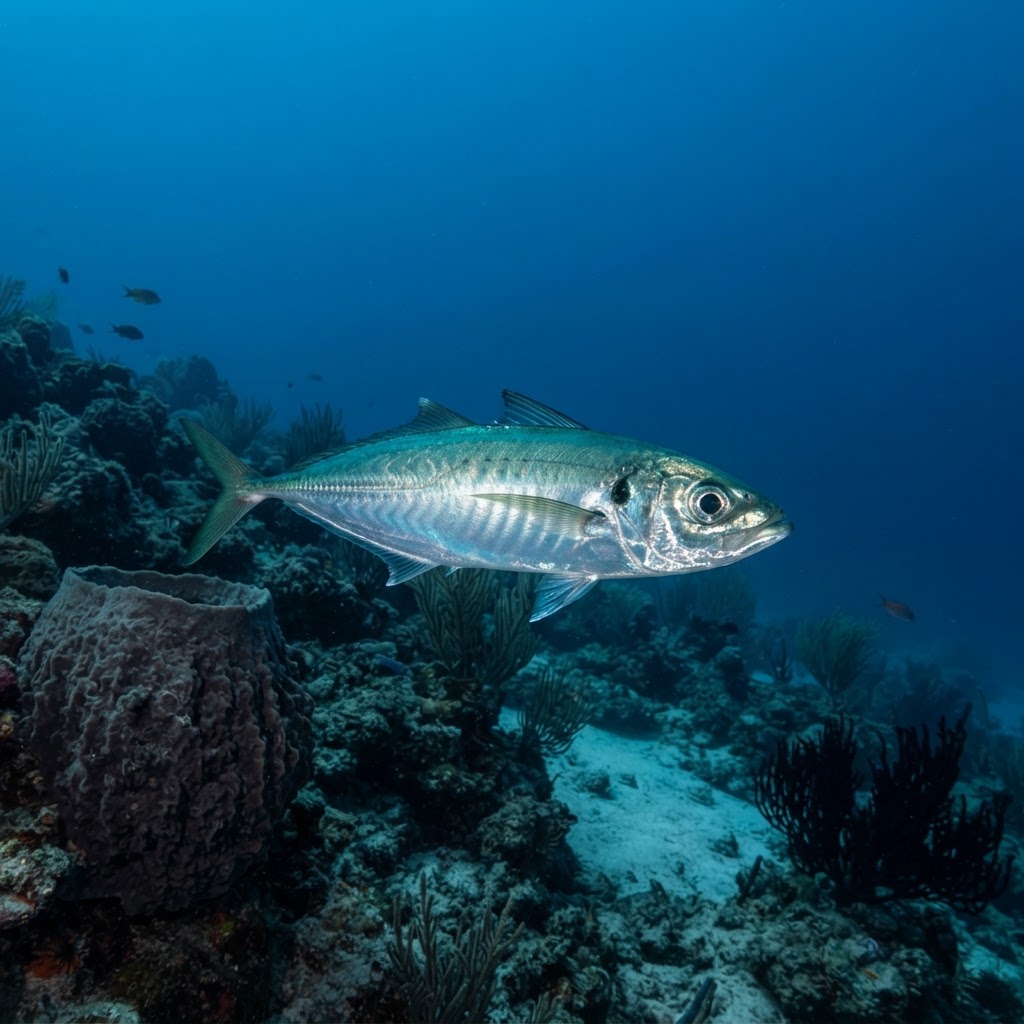
Slender, torpedo-shaped body up to 56 cm, silvery on the flanks with a greenish-blue back and a faint yellow stripe running along the lateral line. Look for the row of enlarged bony scales (scutes) along the rear half of that lateral line, a classic jack family giveaway. Large eyes and a deeply forked tail help separate it from bulkier reef jacks when it's cruising past in open water.
Divers typically encounter it in loose to tight schools moving through open water rather than sitting on structure, often mid-water over reef or kelp rather than tight to the bottom. It tends to keep its distance, drifting past divers rather than approaching, which fits its pelagic, current-following habits. Sightings skew toward brief, in-passing encounters rather than lingering close-up views.
It's a real open-ocean traveller that can range from the surface down to depths of 400 metres, so the shallow coastal sightings divers log are only a slice of where this fish actually lives.
No clear seasonal pattern shows up in the sightings, and given its wide comfort range of roughly 7 to 16.2C, it can turn up in California's cool coastal water at any time of year.
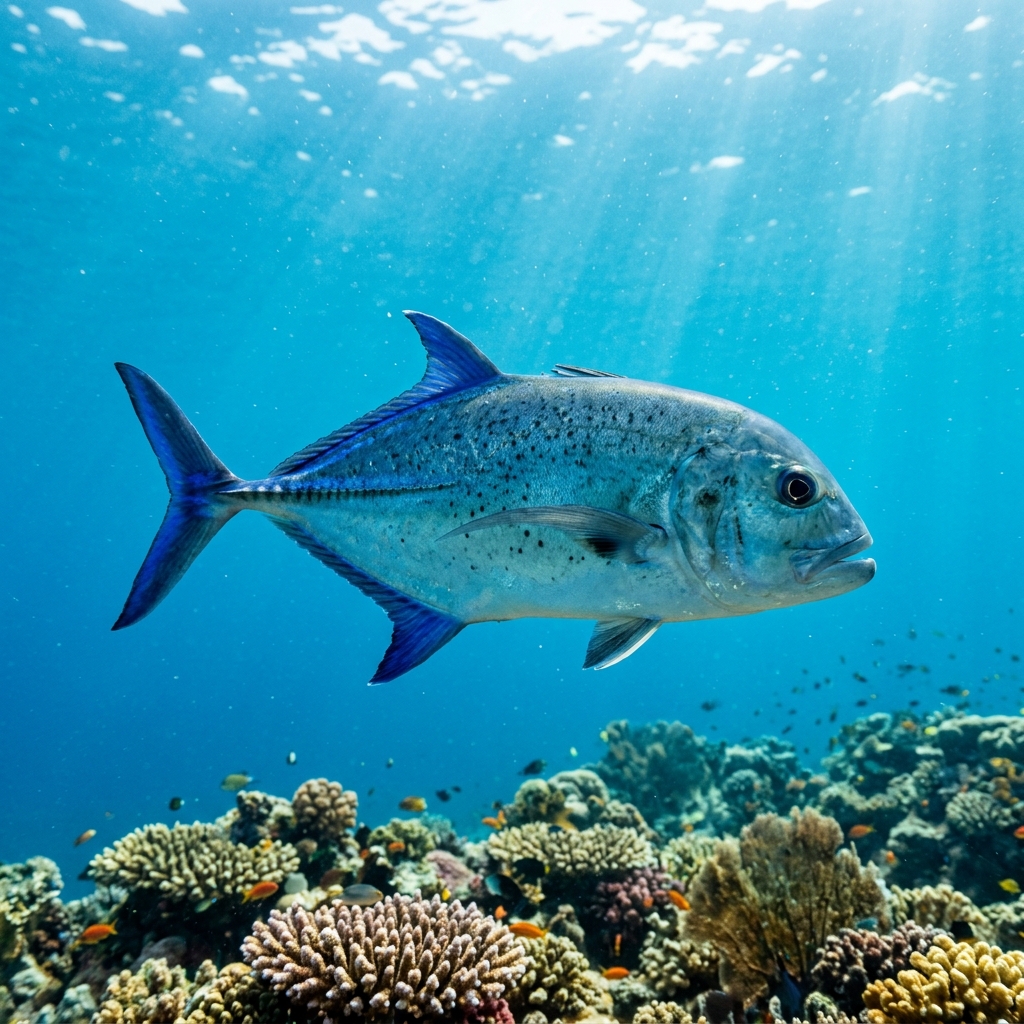
Reef neighbours a diver could mistake it for. Use the identification notes above to tell them apart.
Every logged sighting in the data comes from the United States, and specifically California, where it turns up at sites along the coast as an uncommon to rare open-water encounter. There's no other country represented in current diver records, so California is the place to look for it.
Mapping where Pacific Jack Mackerel is logged…
Current diver records place it almost entirely in California, United States, where it's logged as an uncommon to rare sighting at coastal sites. No other regions currently show confirmed diver sightings.
There's no strong seasonal signal in the data, so treat it as a year-round possibility in California waters, where it tolerates temperatures from about 7 to 16.2C.
Look for a slim silvery jack with a greenish back, a faint yellow lateral line, and a row of bony scutes along the rear of that line. It swims in loose schools in open water rather than hugging the reef.
They typically reach around 56 cm in length, giving them a lean, torpedo-shaped profile typical of open-water jacks.
No, they're not considered dangerous to divers. They're a carnivorous open-water fish that keeps its distance and poses no threat during encounters.
Site and sighting data is aggregated from diver logs, iNaturalist and GBIF. For taxonomy and conservation status:
Bigeye Trevally
2,591 sites