Lamprohaminoea ovalis
Look for this pale, glossy bubble shell on Mediterranean seagrass and rock, from the French Riviera to Gozo, in waters 17 to 29 C.
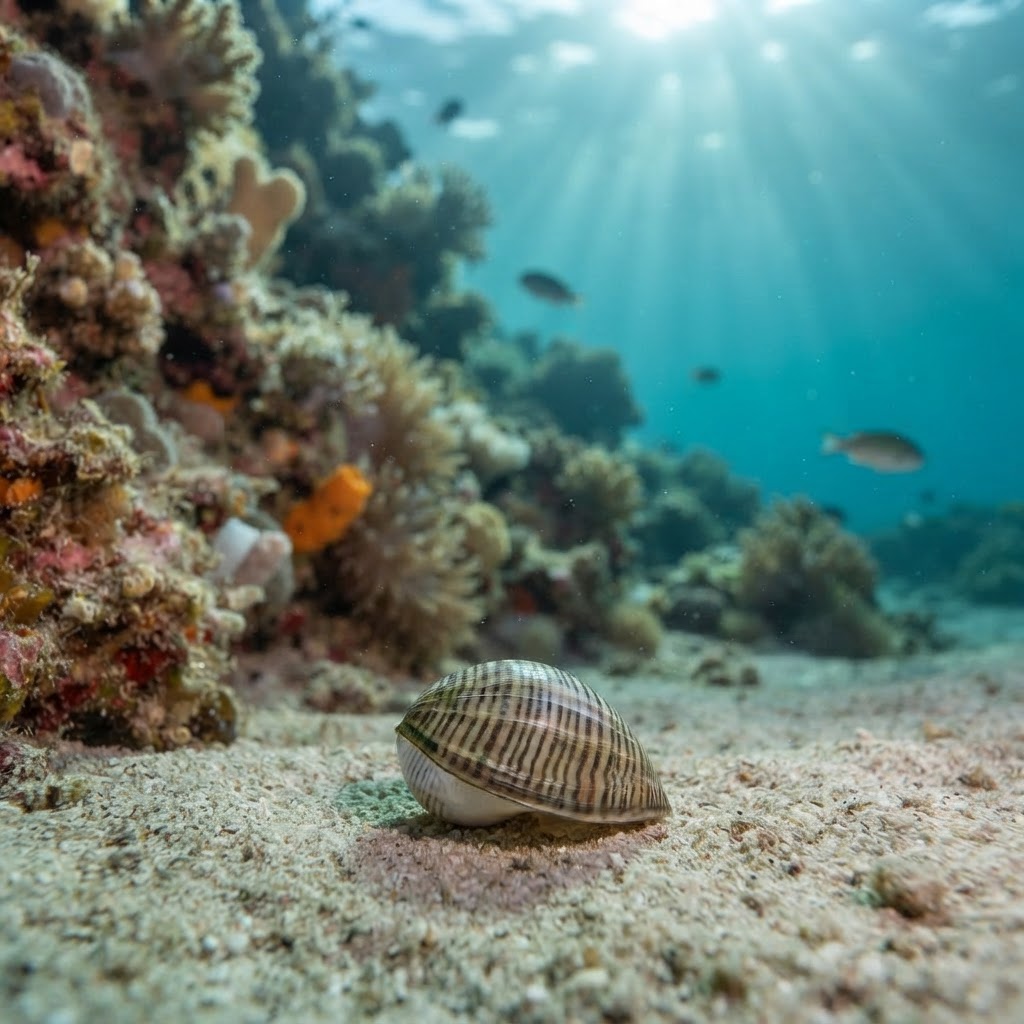
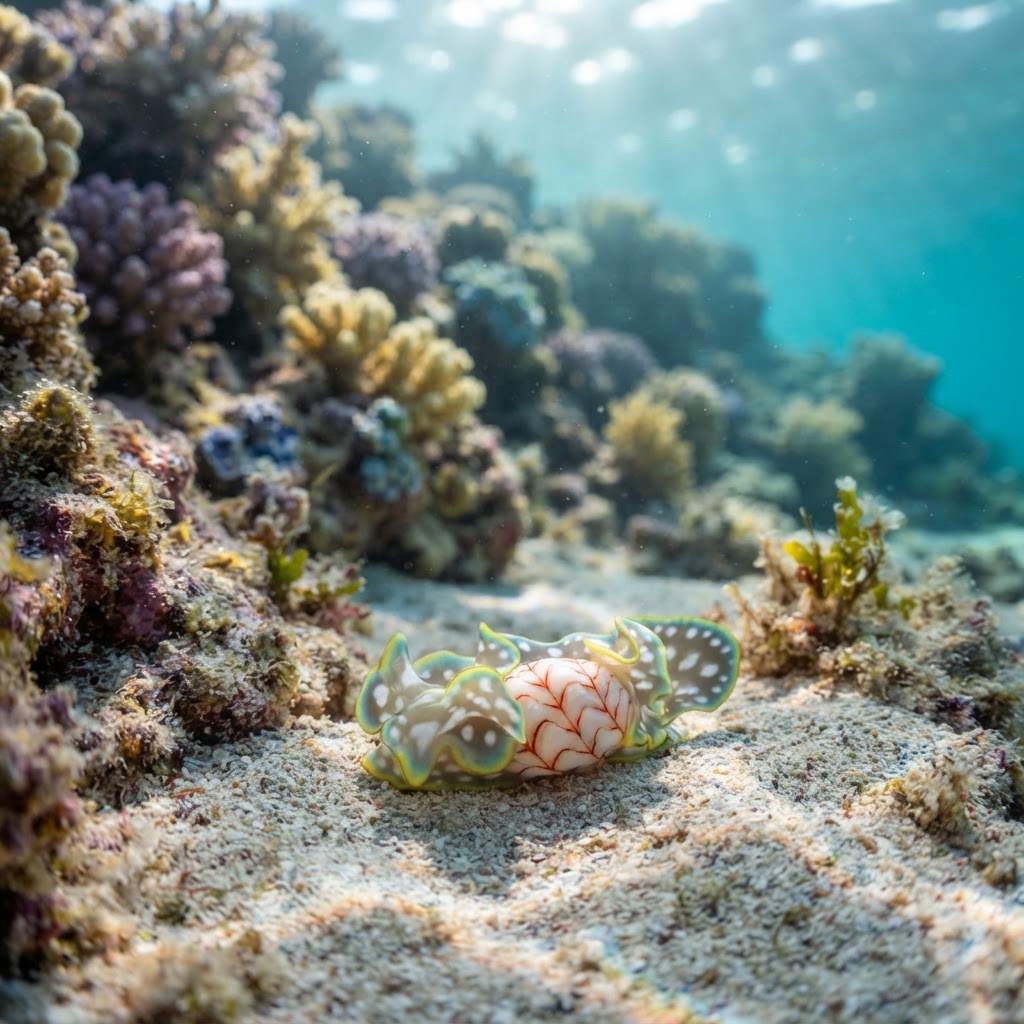
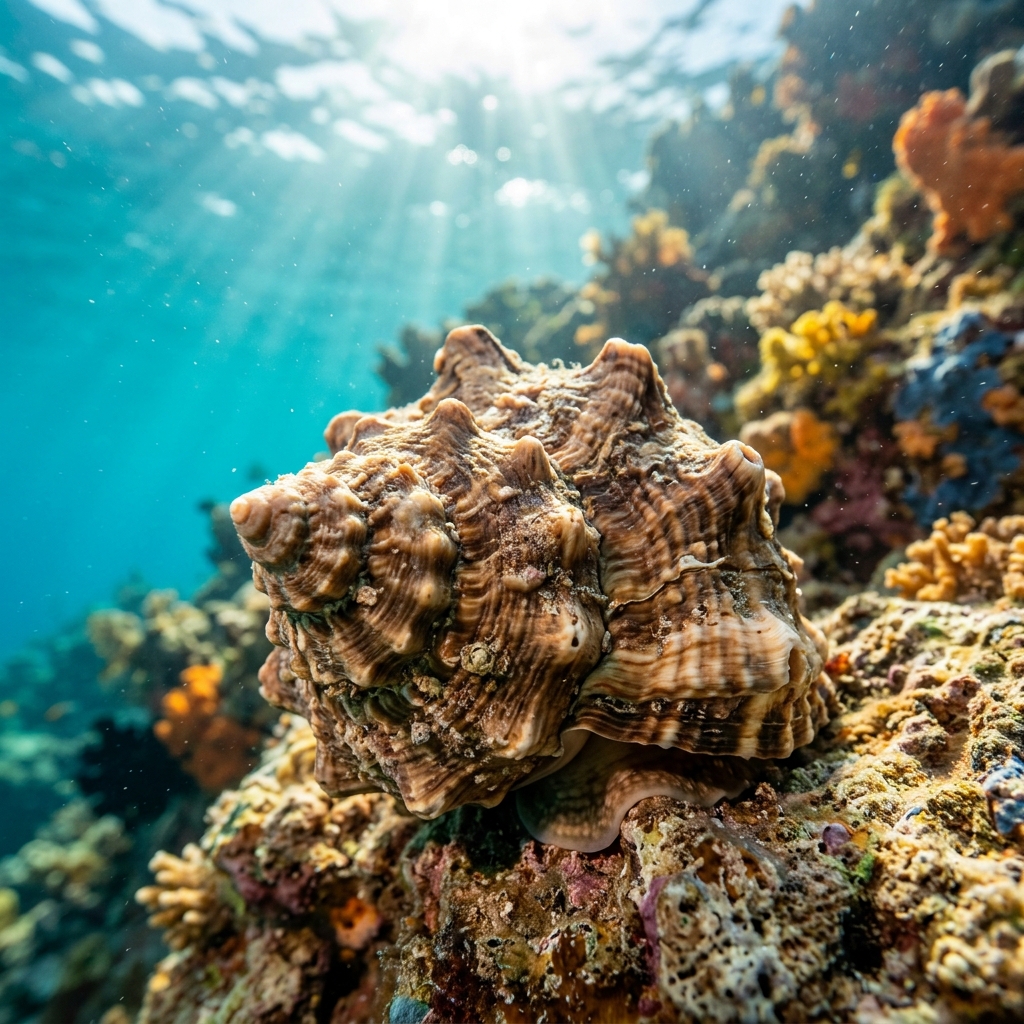
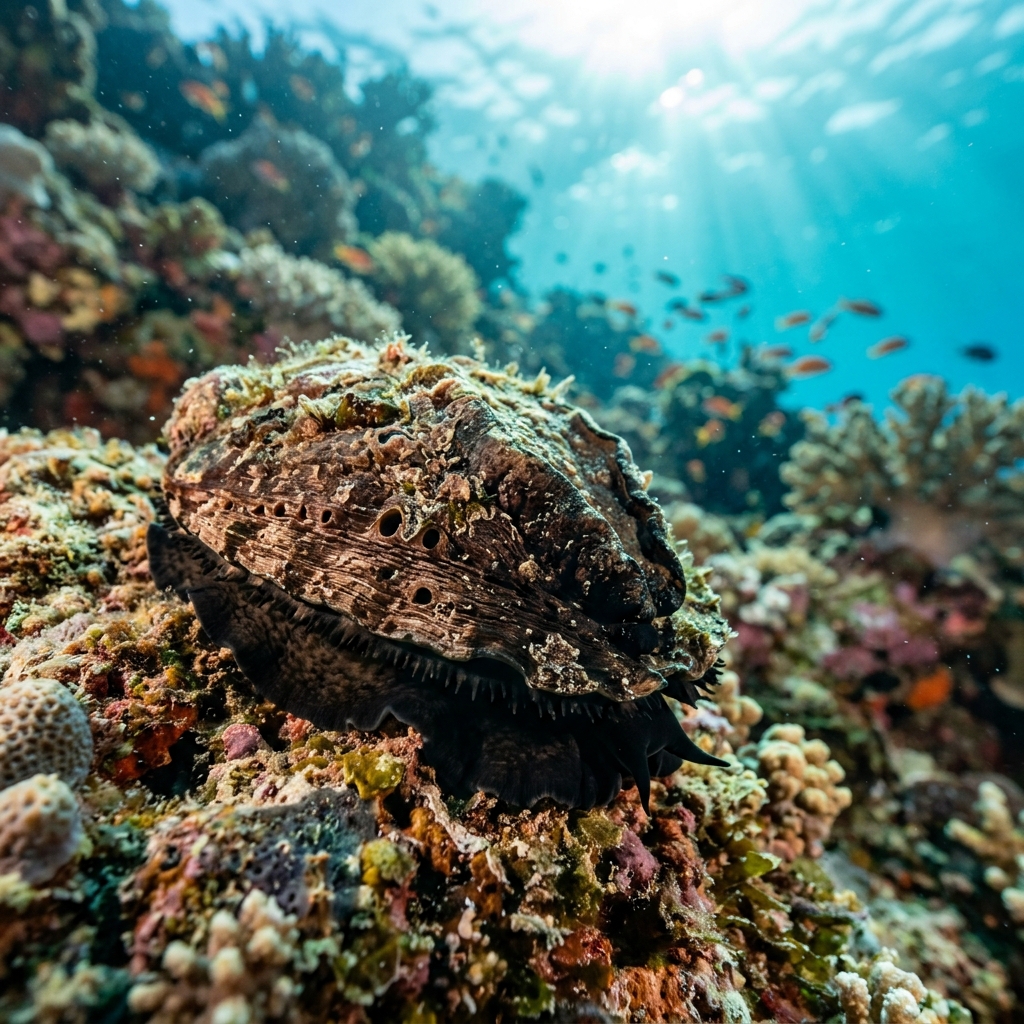
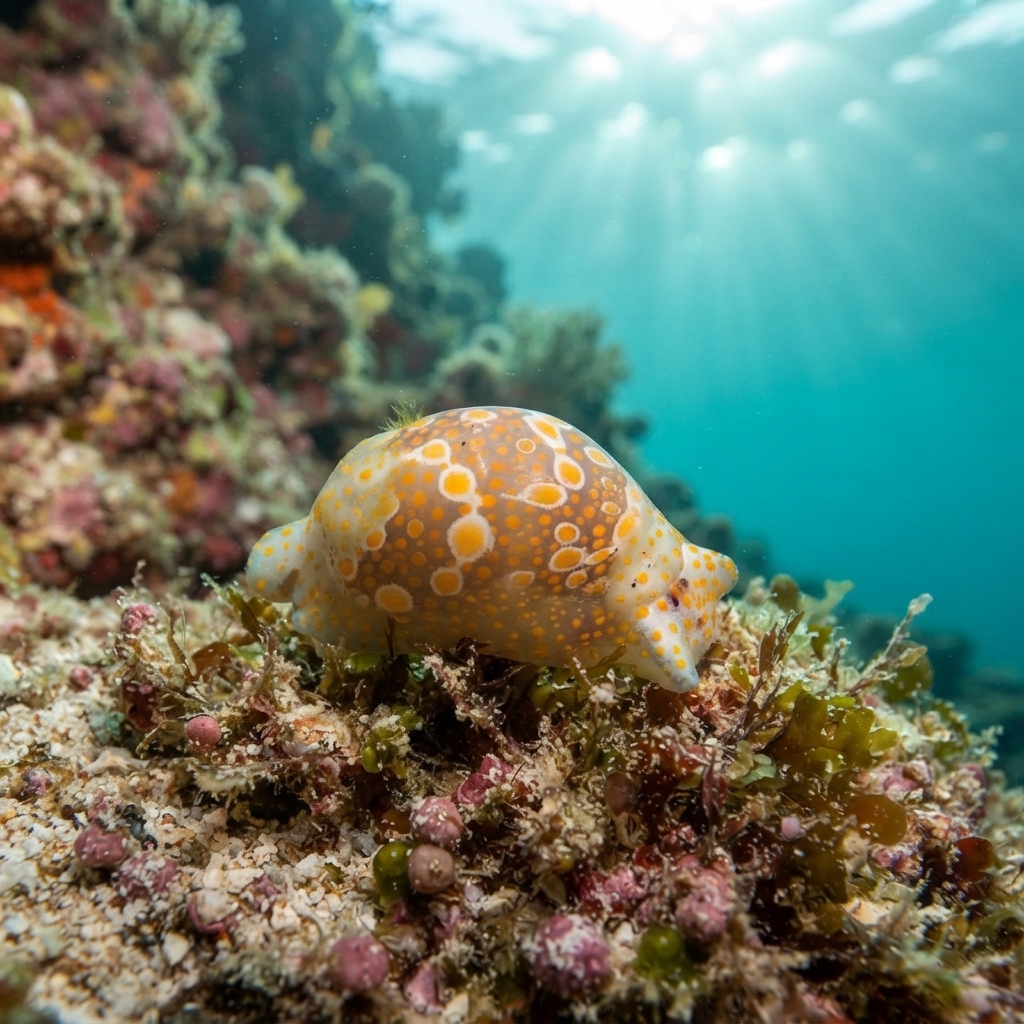
Small, soft-bodied sea snail with a thin, translucent oval shell that its fleshy mantle almost fully covers, giving it a glossy, wrapped-in-cellophane look. Body colour ranges from pale cream to mottled brown or olive, often speckled, which helps it disappear against sand and algae. Look for the rolled, ear-like flaps (parapodia) along the sides and the smooth, egg-shaped outline that gives the family its bubble-shell name.
Divers find it moving slowly over sand, seagrass and low rocky rubble, usually grazing rather than reacting to a torch or camera. It stays close to the seabed and is easy to swim past, so most sightings come from divers doing a slow, close look at the substrate rather than mid-water searching. Expect it during the day on typical recreational-depth dives rather than as a night-dive specialist.
Like other bubble snails it's a hermaphrodite, and its thin, near-transparent shell is really just an internal support structure hidden under the mantle rather than a protective outer case.
Sightings show no clear seasonal spike, and with a comfortable range of roughly 17 to 29 C it can be found across the Mediterranean diving season from spring through autumn.
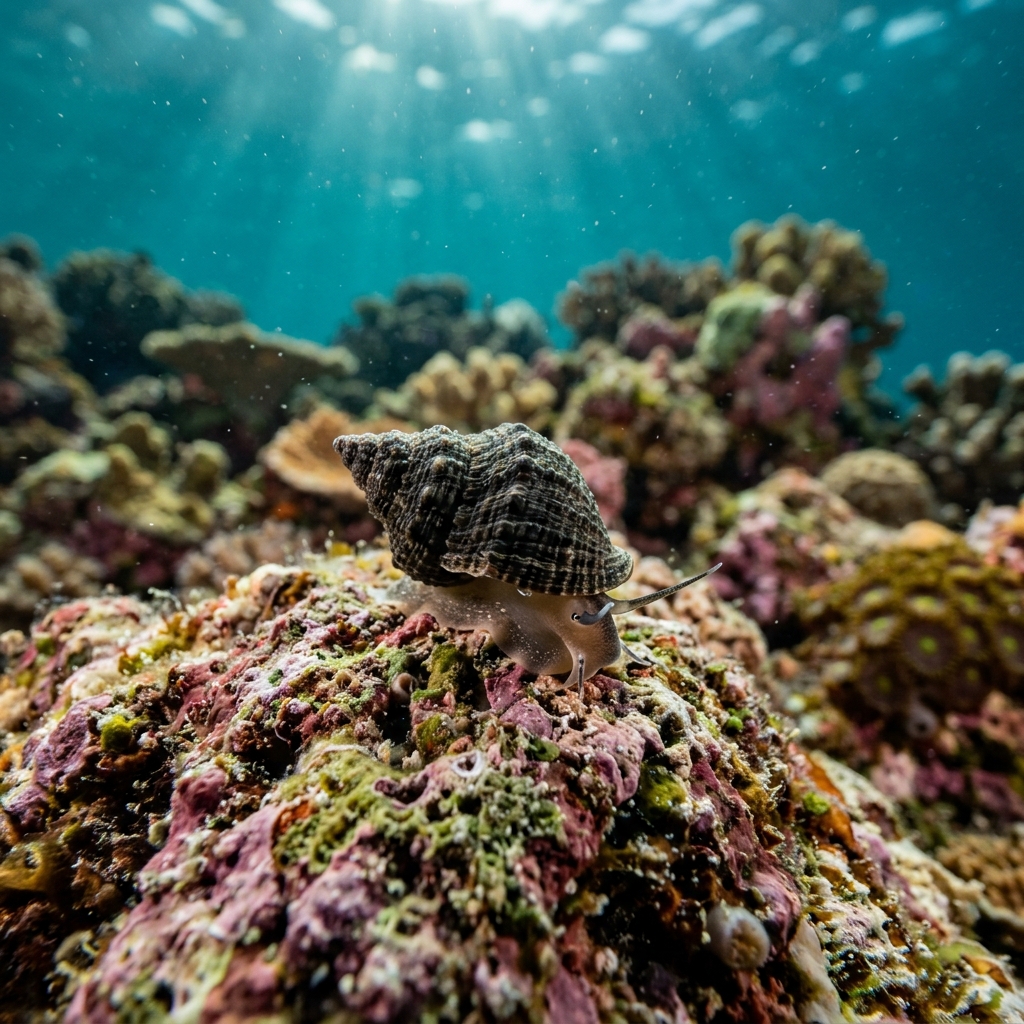
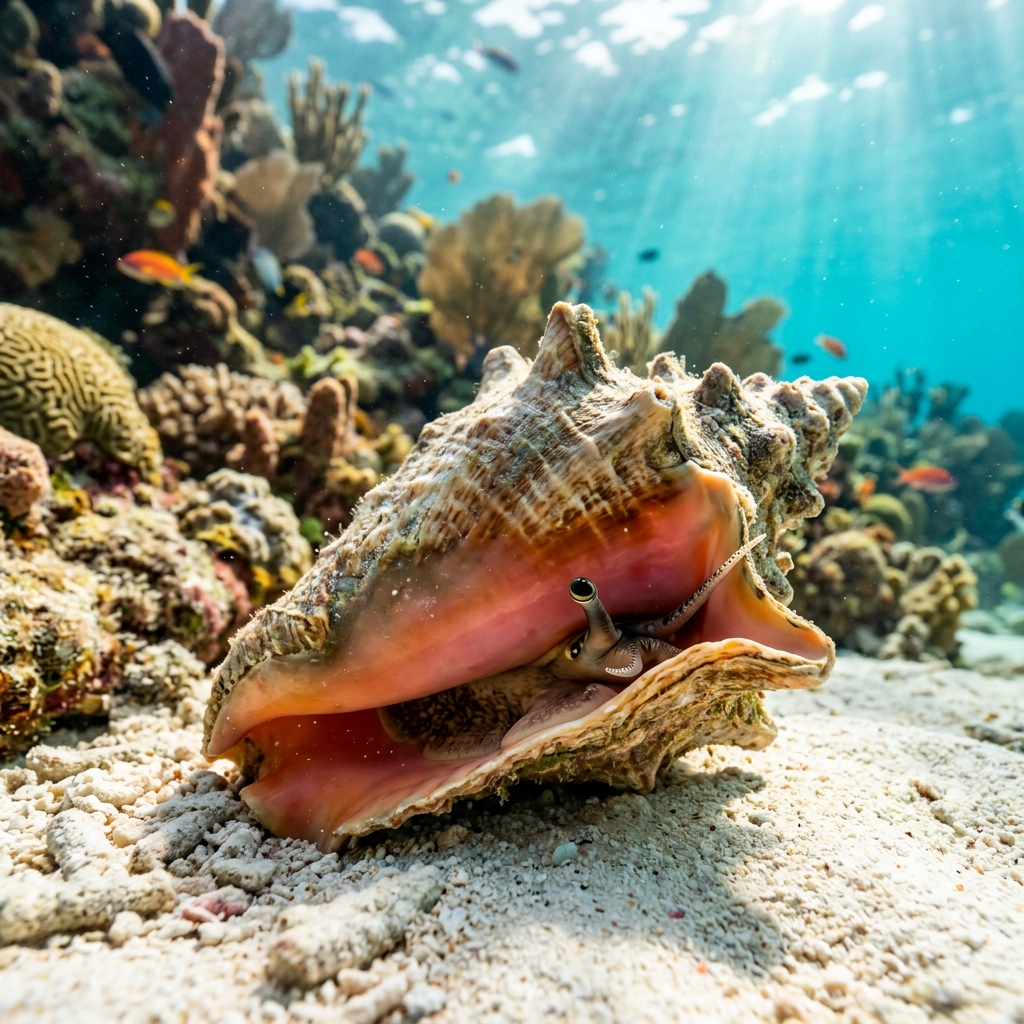
Reef neighbours a diver could mistake it for. Use the identification notes above to tell them apart.
Most reliably logged in France, especially the French Riviera and Provence, with strong numbers also in Liguria in Italy and around Gozo in Malta. It also turns up regularly along Spain's Balearic Islands and Valencia coast, Turkey's Turquoise Coast, Crete in Greece, and Xiaoliuqiu in Taiwan.
Mapping where Oval Bubble Snail is logged…
It's most often logged in France, particularly the French Riviera and Provence, and also shows up well in Liguria (Italy), Gozo (Malta), the Balearic Islands and Valencia (Spain), Turkey's Turquoise Coast, and Crete (Greece).
There's no strong season in the sightings data, and it tolerates a wide temperature range of about 17 to 29 C, so it's a reasonable find on Mediterranean dives through spring, summer and autumn.
Check for a small, soft-bodied snail with a thin, glossy, near-transparent oval shell mostly covered by its own mottled cream-to-brown mantle. It moves slowly over sand or seagrass and lacks any bold colour pattern, relying on camouflage.
Exact size data isn't confirmed for this species, but like most haminoeid bubble snails it's small, typically a couple of centimetres or less, and easy to overlook on a sandy or seagrass bottom.
It's a hermaphrodite, and the shell you can just glimpse under its mantle is a thin, near-transparent structure rather than a hard protective case like most snails carry.
Site and sighting data is aggregated from diver logs, iNaturalist and GBIF. For taxonomy and conservation status:
Triton Shell
2,297 sites