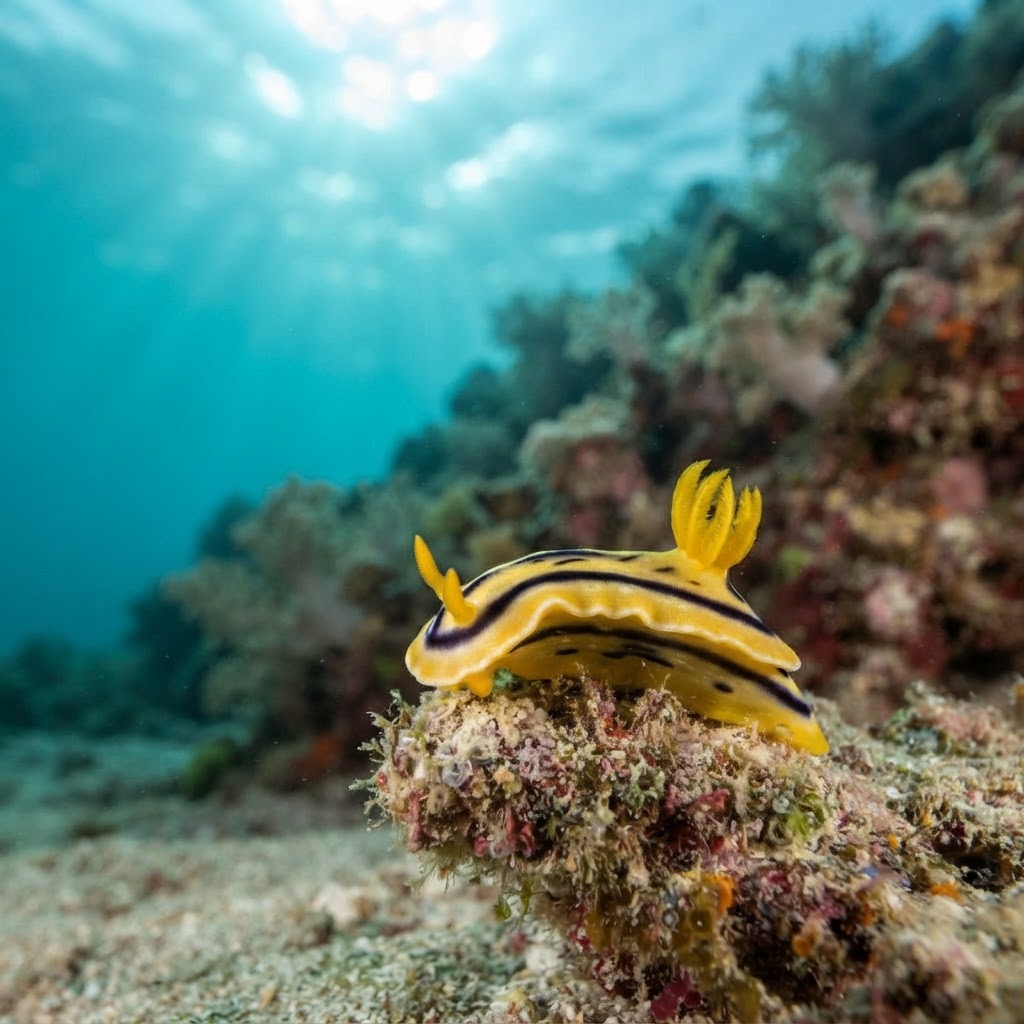
Chromodoris joshi
Small, colourful nudibranch logged across Luzon, Philippines in warm 25-31C water year-round, usually spotted uncommon but reliable on macro dives.
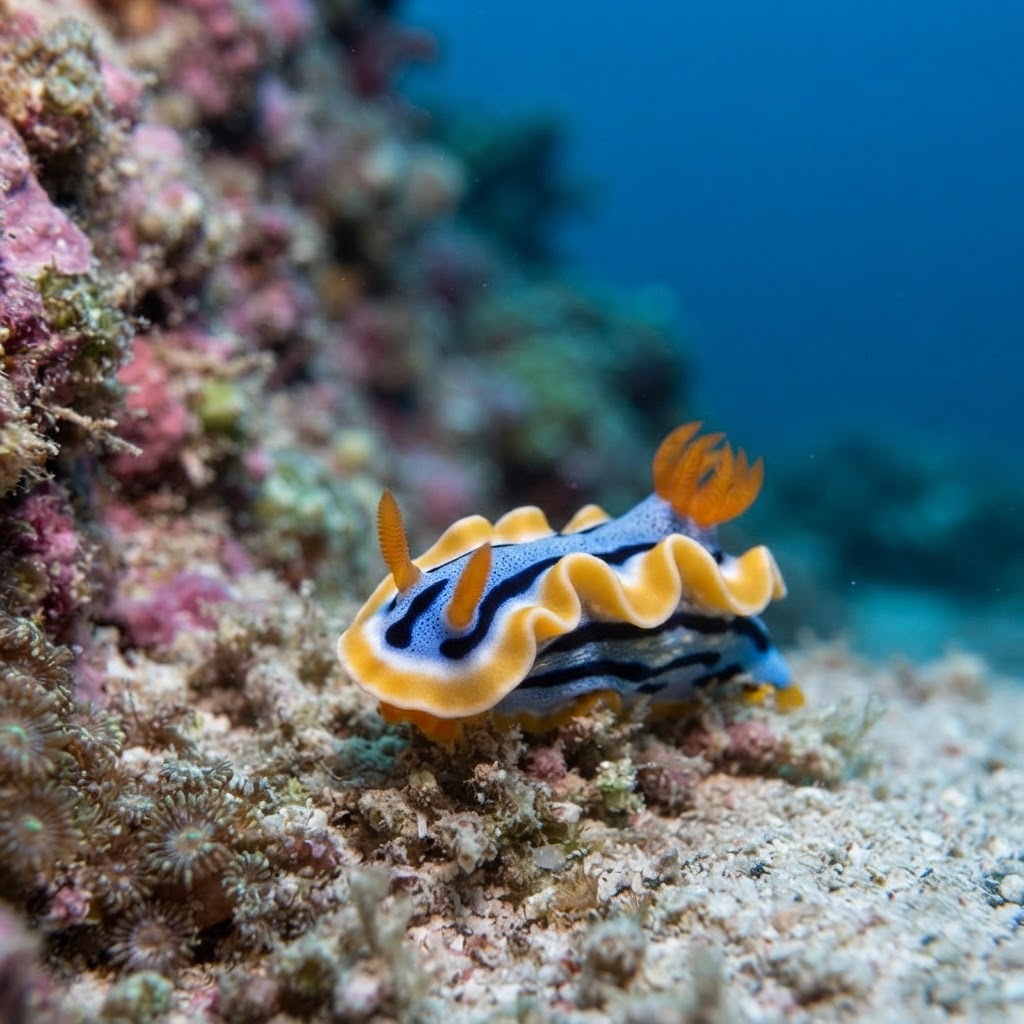
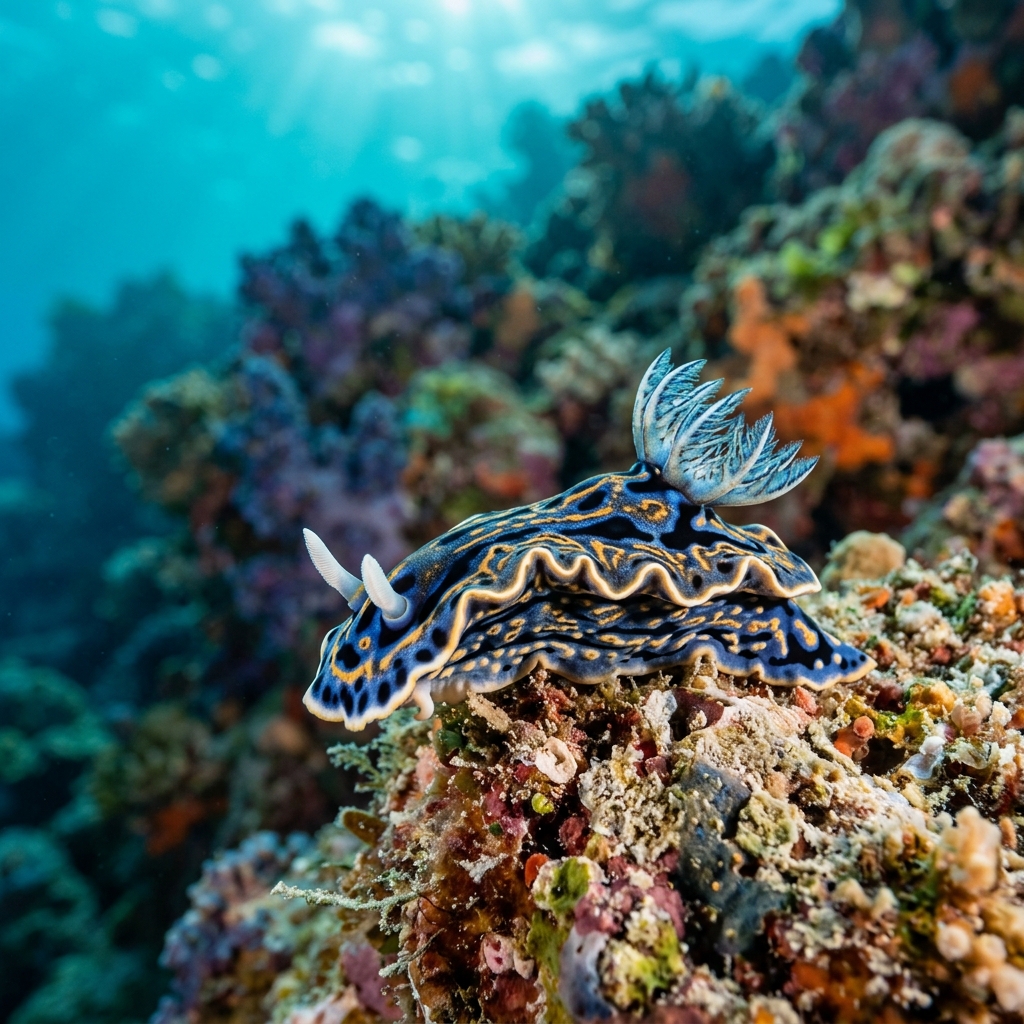
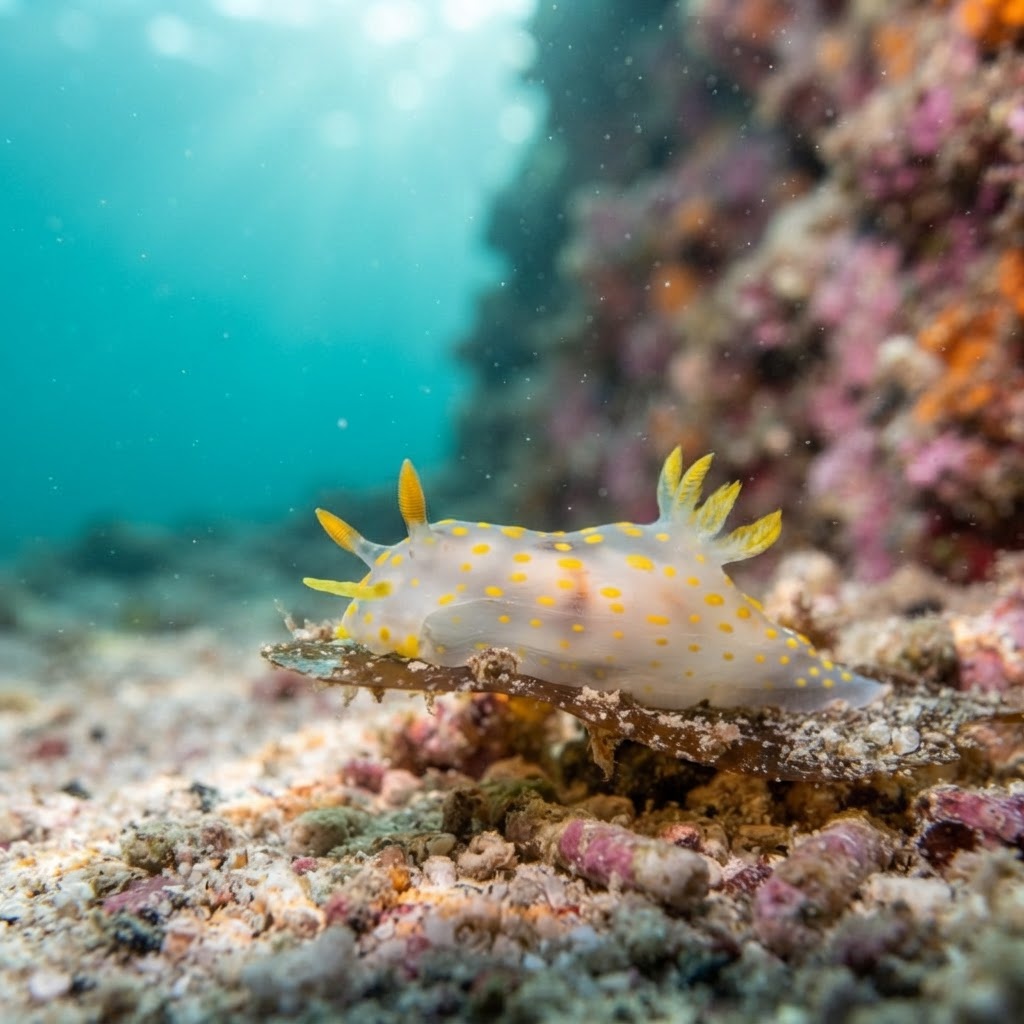
A small nudibranch topping out around 4 cm, with a soft-bodied, elongated oval shape typical of the Chromodoris group. Look for its patterned mantle edge and the pair of rhinophores (sensory tentacles) at the front and the feathery gill cluster near the tail, the two features divers use to confirm a chromodorid rather than another slug family. Its small size and slow, deliberate crawl over hard substrate are the giveaways once you spot the colour against the reef.
Divers find it parked on the reef or rubble, moving at the slow, grazing pace typical of nudibranchs as it works over sponges and other food sources. It shows no reaction to divers beyond continuing its crawl, making it an easy subject to photograph once your dive guide has spotted it. Most sightings come from dedicated macro and muck-diving sites rather than open reef.
Like other Chromodoris species, it likely feeds on specific sponges and stores their chemical defences in its own tissue, which is part of why its colours stay so vivid despite having no shell to hide in.
No clear seasonal pattern shows up in the sightings, and its comfort range of 25.2 to 31.2C matches tropical Philippine waters year-round, so any month diving Luzon gives you a shot at finding one.
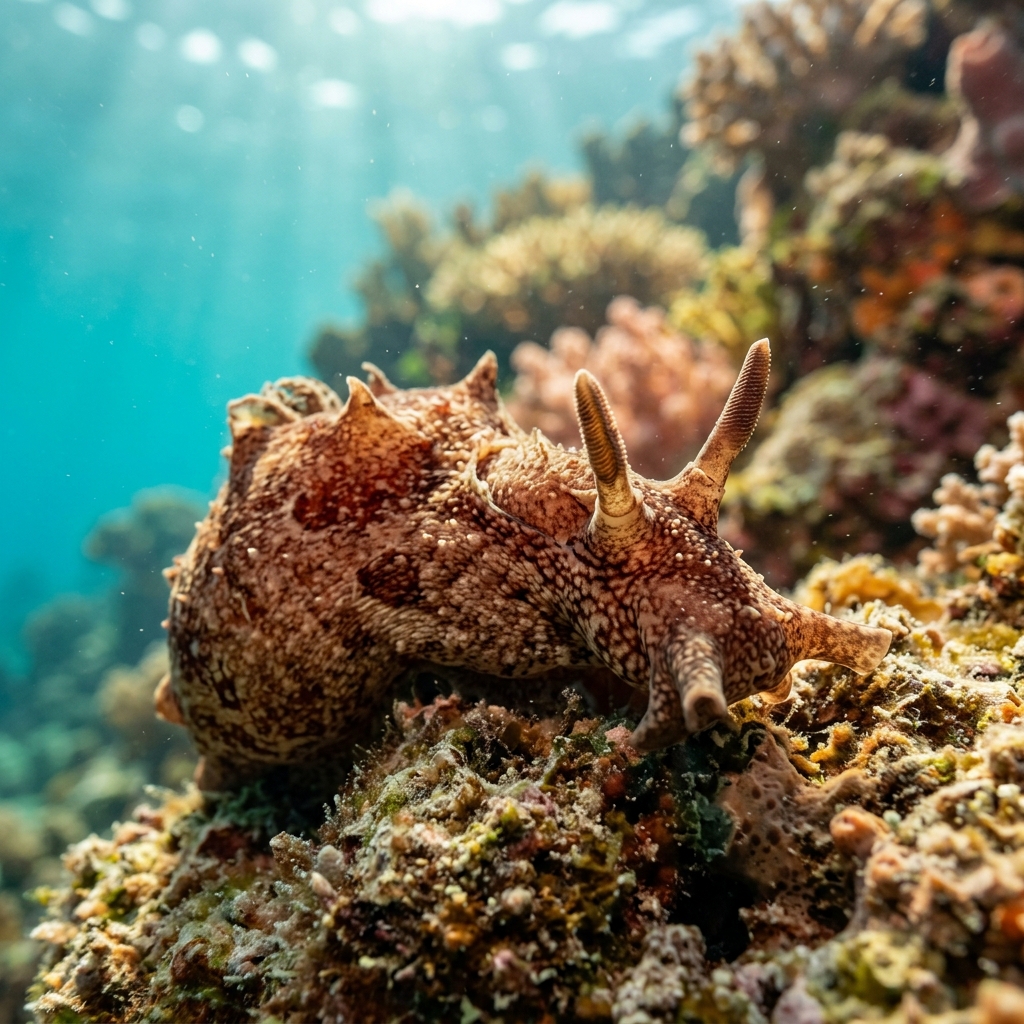
Reef neighbours a diver could mistake it for. Use the identification notes above to tell them apart.
This one is essentially a Philippines specialty in the logged data, with sightings concentrated across Luzon. If you are diving Luzon's muck and reef sites, it is a realistic macro find rather than a rare exception.
Mapping where Josh's Chromodoris is logged…
Sightings are concentrated in the Philippines, particularly around Luzon. It turns up on macro-focused reef and muck dives rather than open water.
There is no strong season in the sighting data. Water stays warm between roughly 25 and 31C year-round on Luzon's reefs, so it is a fair find on any month's dive.
Check for a small, oval, soft-bodied slug around 4 cm long with a patterned mantle edge, a pair of rhinophores up front, and a gill tuft near the tail. Its slow crawl over hard substrate separates it from fish and shrimp of similar size.
They stay small, typically around 4 cm long, so a slow, close look is often needed to spot one against the reef.
No. They pose no threat to divers and can be observed and photographed up close without any risk.
Site and sighting data is aggregated from diver logs, iNaturalist and GBIF. For taxonomy and conservation status:
Light-spotted Aegires
3,168 sites