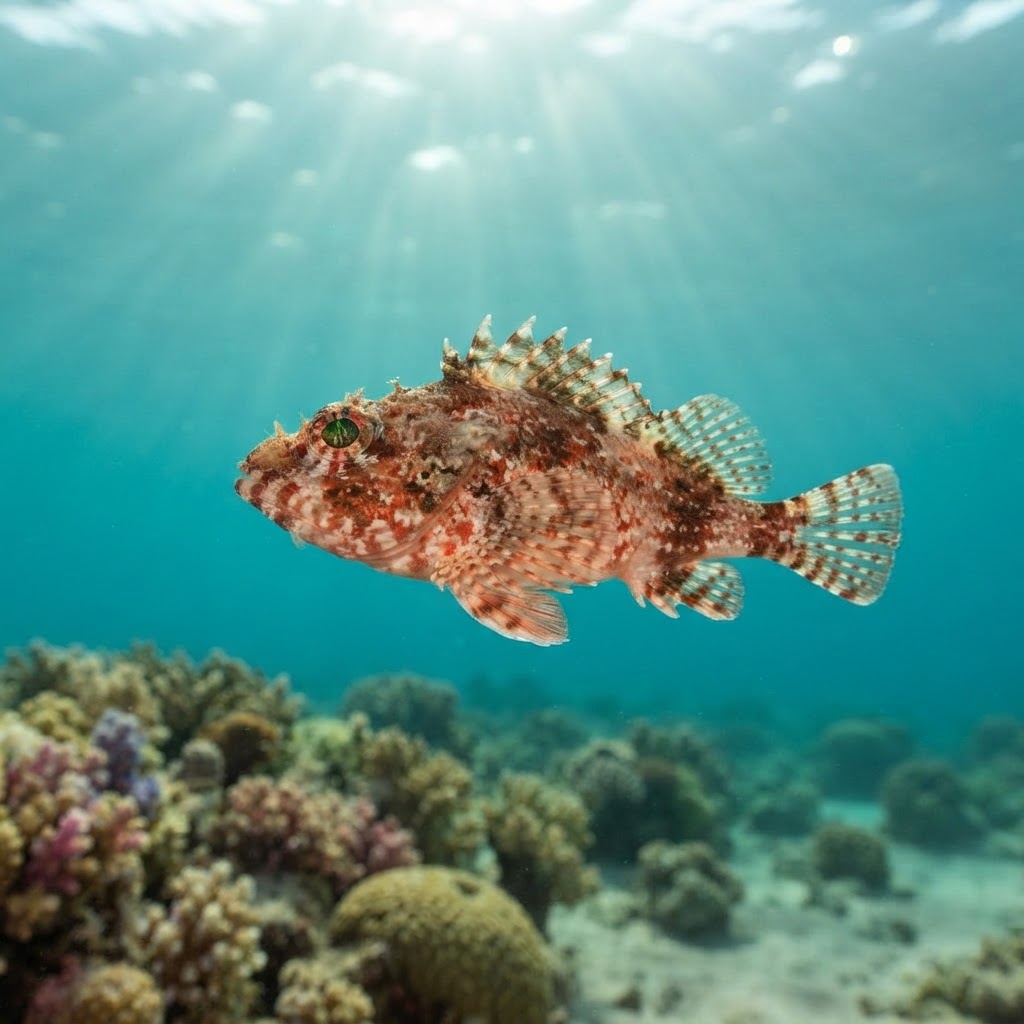
Scorpaena inermis
A tiny, rare find on Grand Cayman's reefs, this palm-sized scorpionfish hides in plain sight at 25 to 28C year-round.
Safety warning
Like other scorpionfish, it carries venomous spines along its dorsal fin that deliver a painful sting if touched or knelt on. Keep hands and knees off sand and rubble patches where you can't see the bottom clearly, and never handle it, even when it looks like debris.
If you're stung
Venomous spinesGeneral first-aid guidance, not a substitute for professional medical care. In an emergency, call your local emergency number.
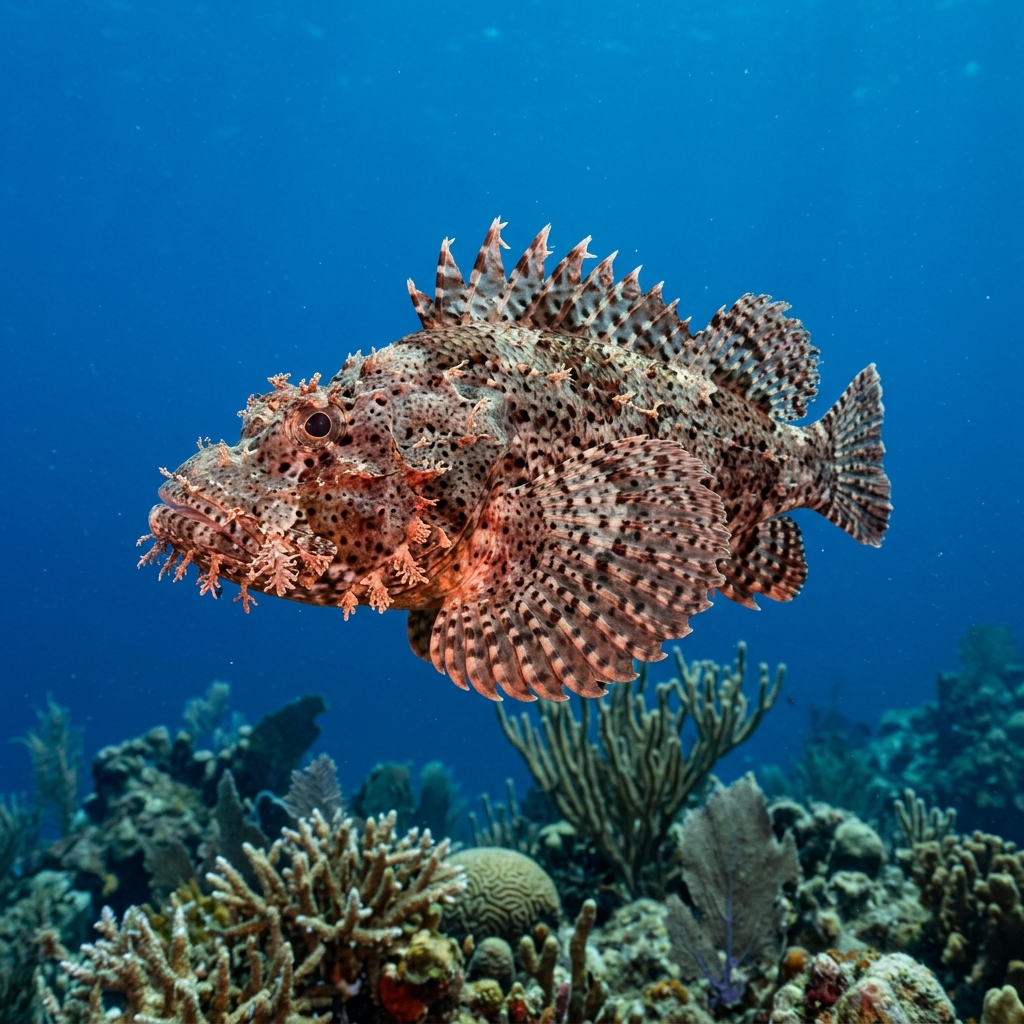
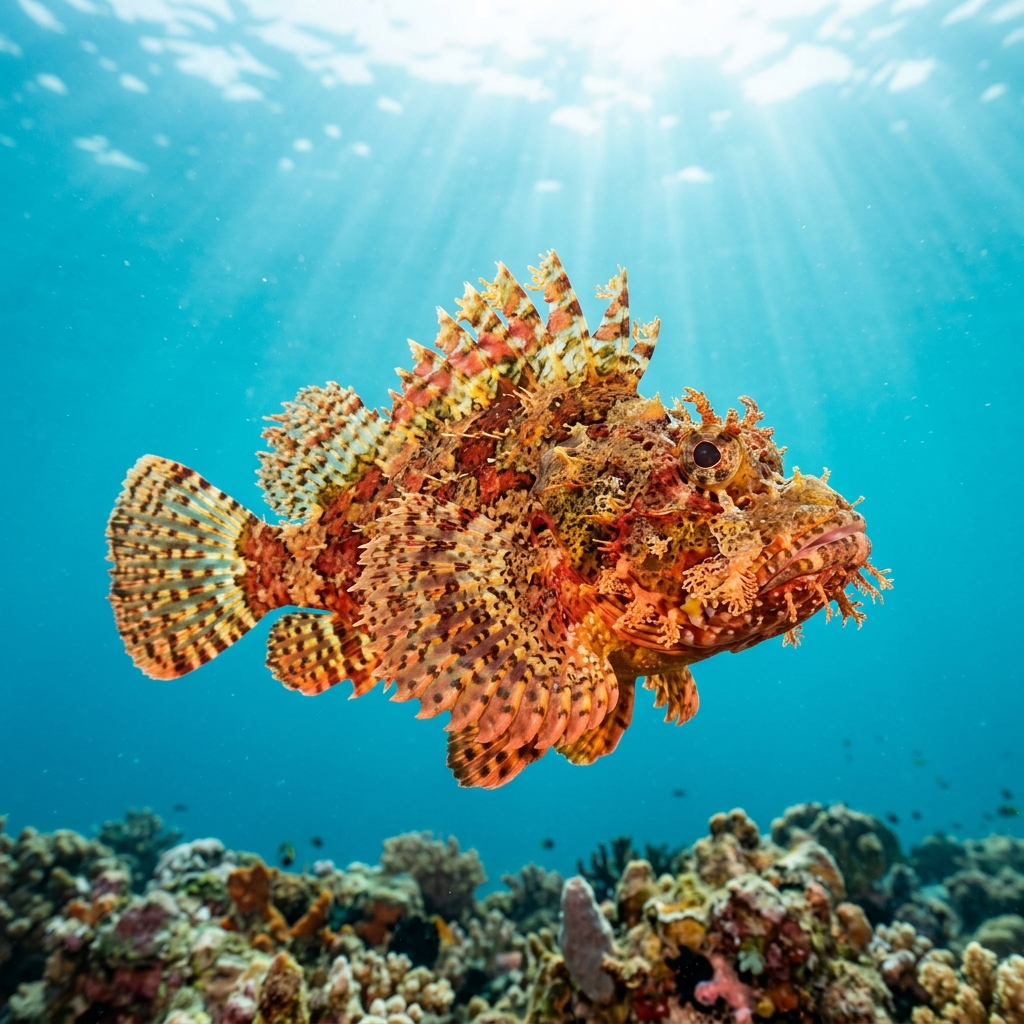
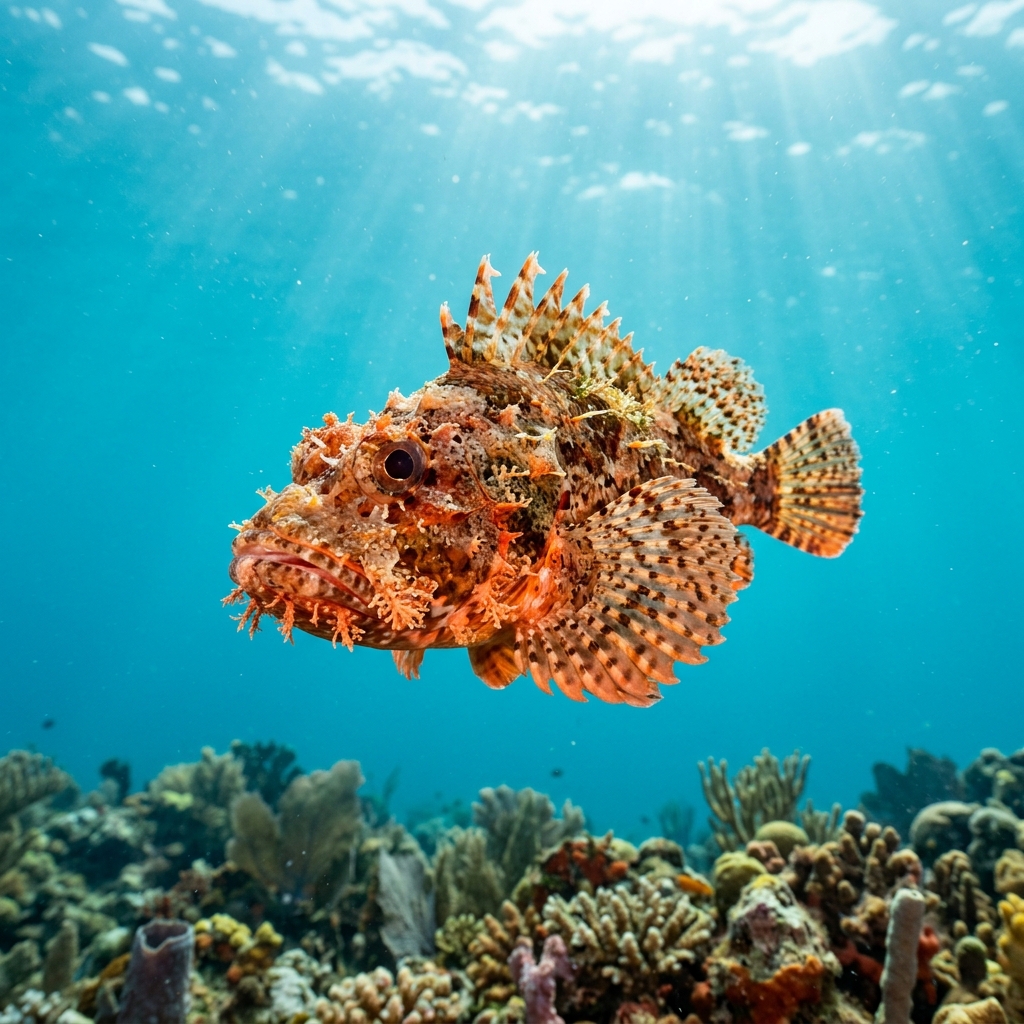
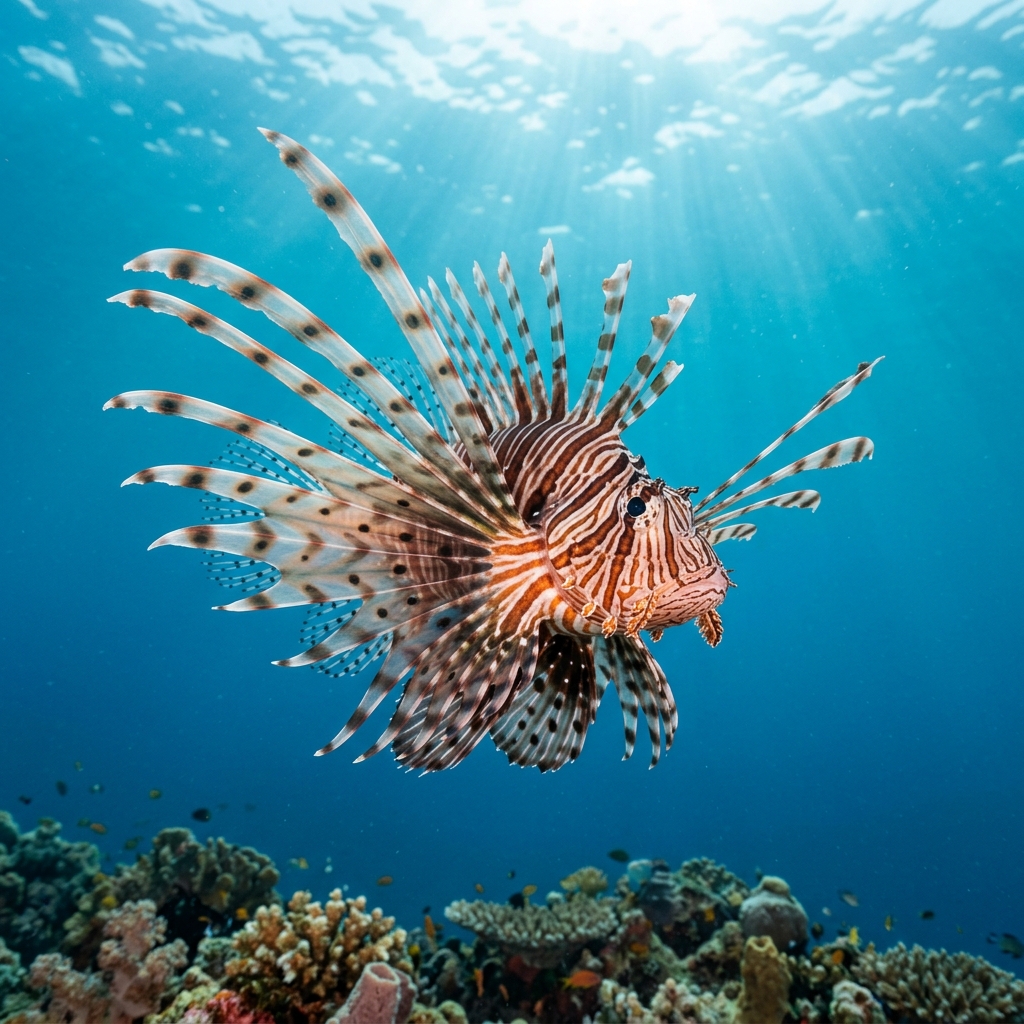
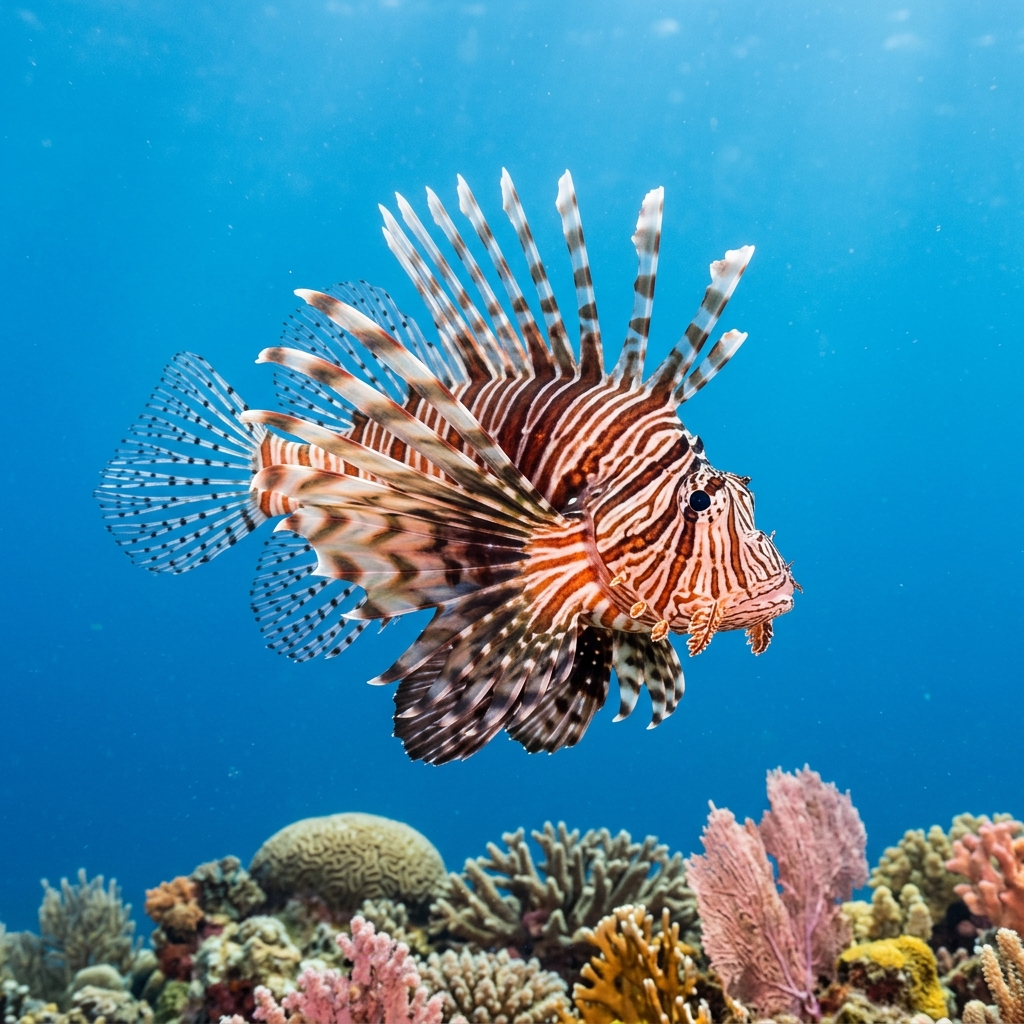
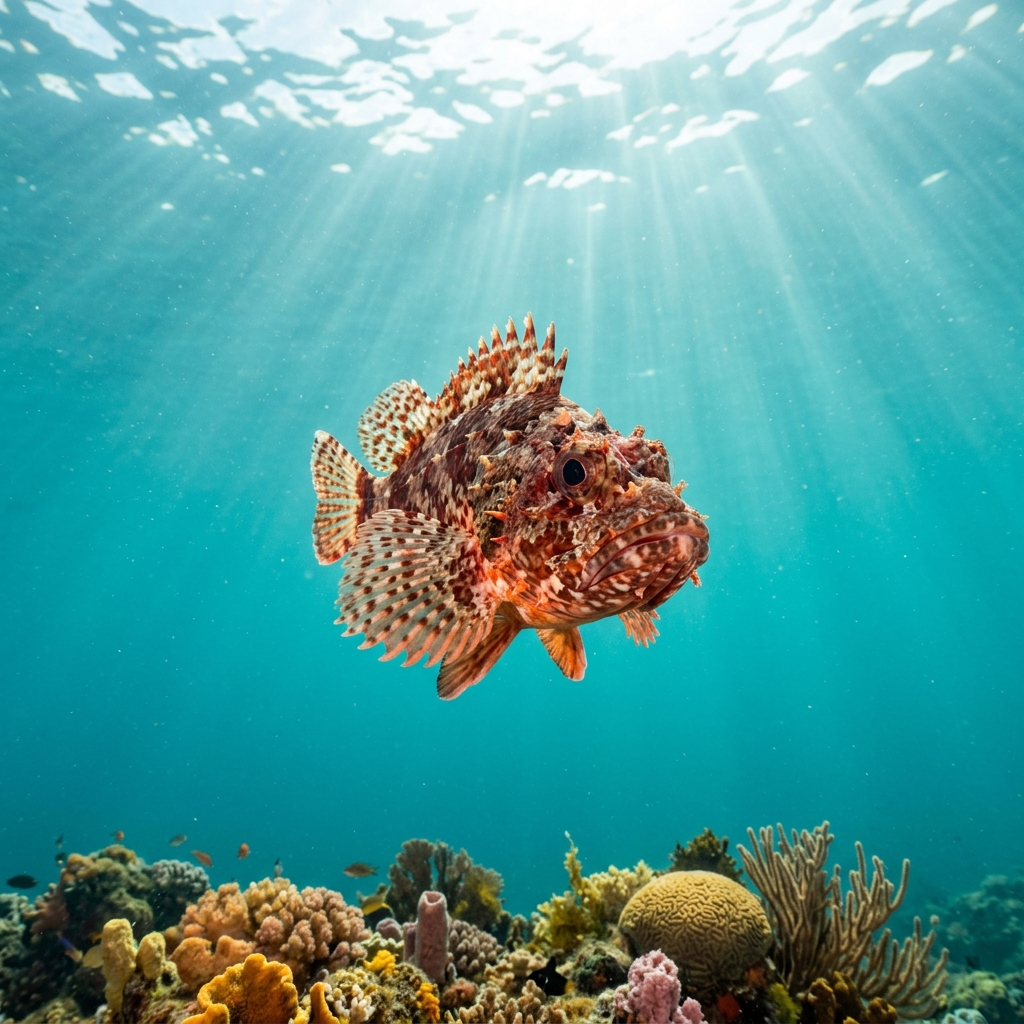
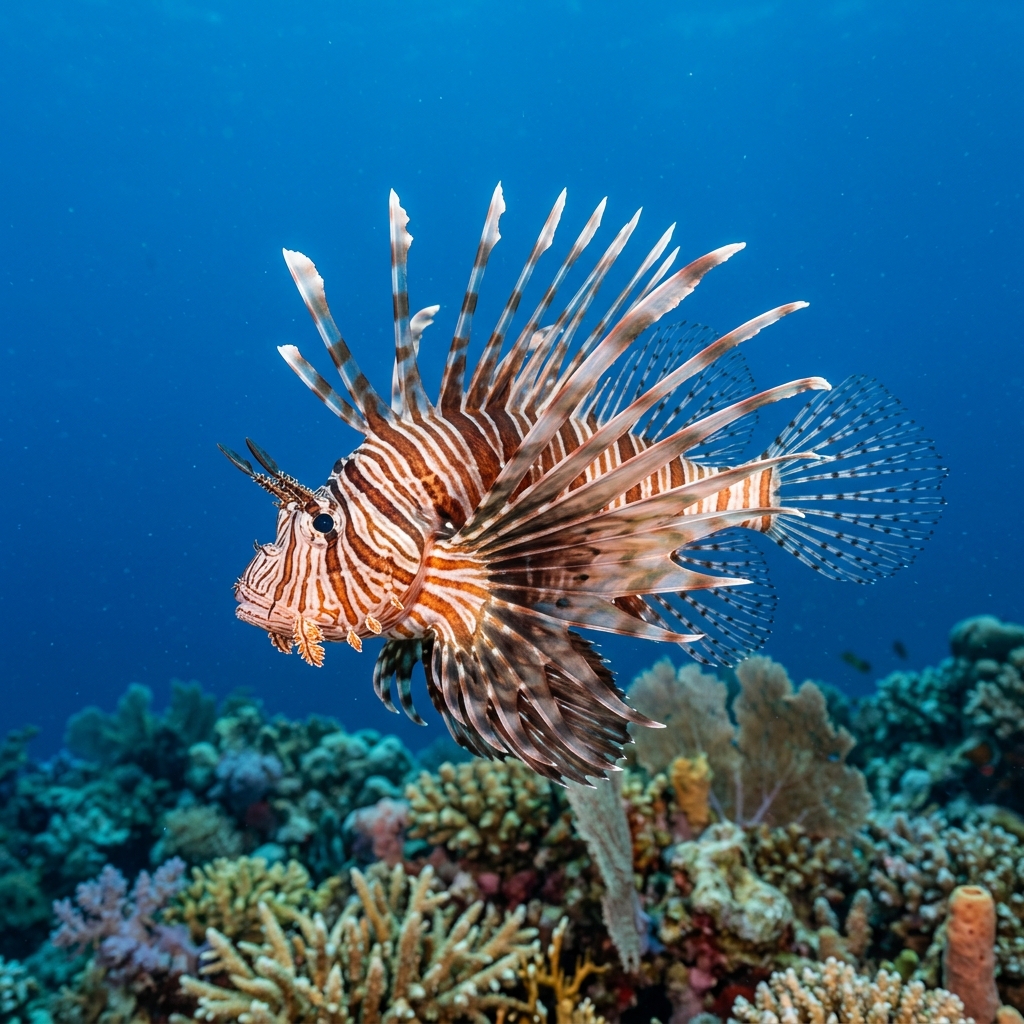
Barely bigger than a golf ball at 8cm, this scorpionfish has a squat, mottled body in shades of brown, rust and cream that breaks up its outline against rubble and sand. Its head is broad and bumpy with small skin flaps above the eyes, and it lacks the tall, feathery fin spines of its lionfish relatives, sitting low and stone-like on the substrate. Look closely for the eyes set high on the head, giving it a slightly toad-like profile.
Expect to find one parked motionless on sand, rubble or low reef structure, relying on camouflage rather than movement to avoid attention. Divers report it as a rare find even at its best sites, so it takes a slow, close look at the substrate rather than mid-water scanning. It shows little reaction to divers unless directly disturbed, staying put and trusting its disguise.
Its entire strategy is sitting still and looking like a lump of coral rubble, so almost every sighting comes from a diver scanning the bottom carefully rather than spotting movement.
Seen year-round with no clear seasonal pattern in the logs, which fits its comfort range of 25.2 to 28C, a band that Caribbean reefs sit in for most of the year.
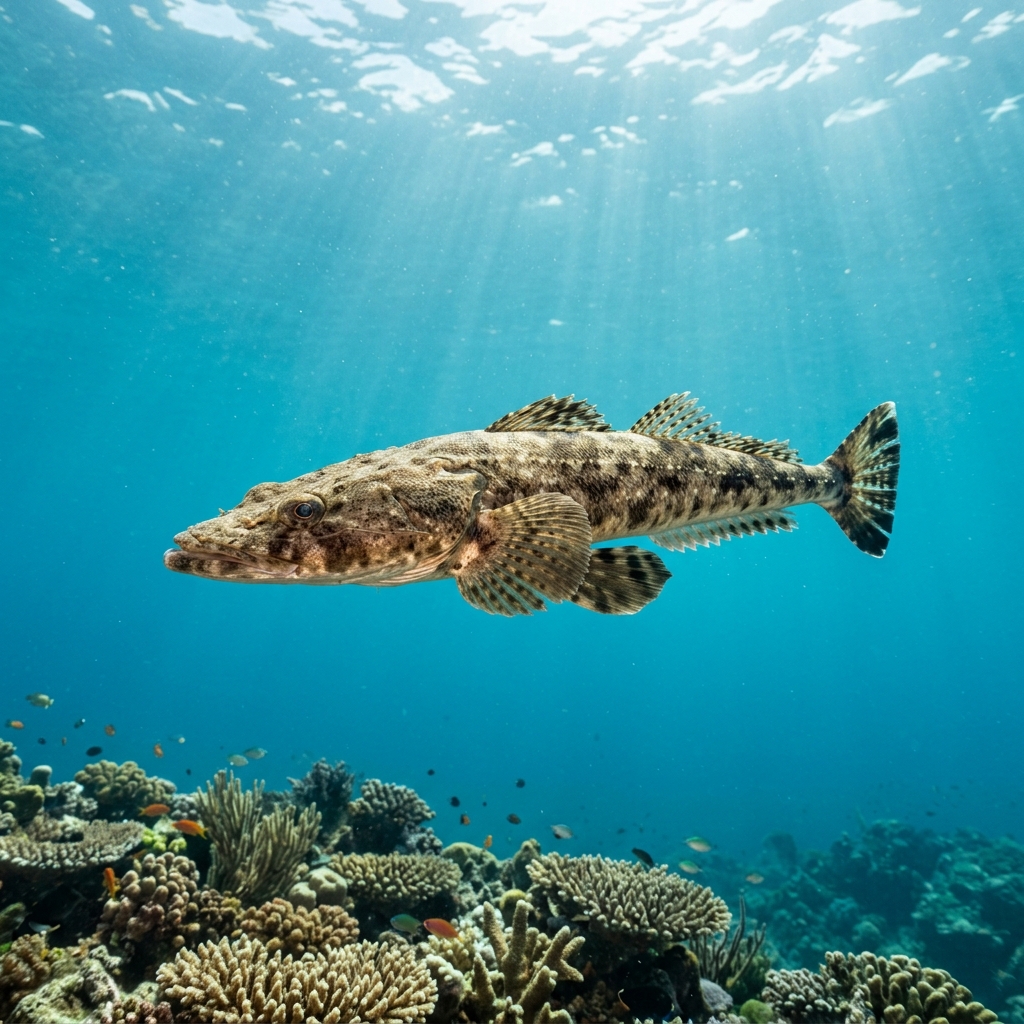
Reef neighbours a diver could mistake it for. Use the identification notes above to tell them apart.
Grand Cayman in the Cayman Islands is by far the most reliable place to look, with sightings logged across more than a dozen sites there. The Bay Islands of Honduras also turn up occasional finds, so Caribbean wall and rubble dives generally give you your best shot.
Mapping where Mushroom Scorpionfish is logged…
Grand Cayman in the Cayman Islands is the strongest spot, with sightings across many of its dive sites. Honduras's Bay Islands also produce occasional finds for divers who search rubble and sand patches closely.
There's no strong season in the sighting data, and it lives in water between 25.2 and 28C year-round, so any time you're diving Caribbean reefs is fair game, though it stays rare wherever it's found.
Yes, it has venomous dorsal spines that cause a sharp, painful sting if touched. It won't chase or attack, but its camouflage means divers can accidentally kneel or place a hand on one, so watch where you settle on sand and rubble.
Look for a small, mottled brown and rust fish about 8cm long, squat-bodied and resting motionless on rubble or sand. It lacks the tall fin spines of lionfish and has a bumpy, high-eyed head that helps it blend into the substrate.
They stay small, typically around 8cm, which is part of why they're so easy to miss on a reef even when they're right in front of you.
It relies almost entirely on staying still and looking like a piece of rubble rather than fleeing, which makes it one of the harder scorpionfish to actually spot despite being logged at a good number of Caribbean sites.
Site and sighting data is aggregated from diver logs, iNaturalist and GBIF. For taxonomy and conservation status:
Madeira Rockfish
2,773 sites