Gymnothorax enigmaticus
A small, uncommon reef moray logged widely across Sulawesi, Luzon and Queensland on warm 27-29.5C reefs.
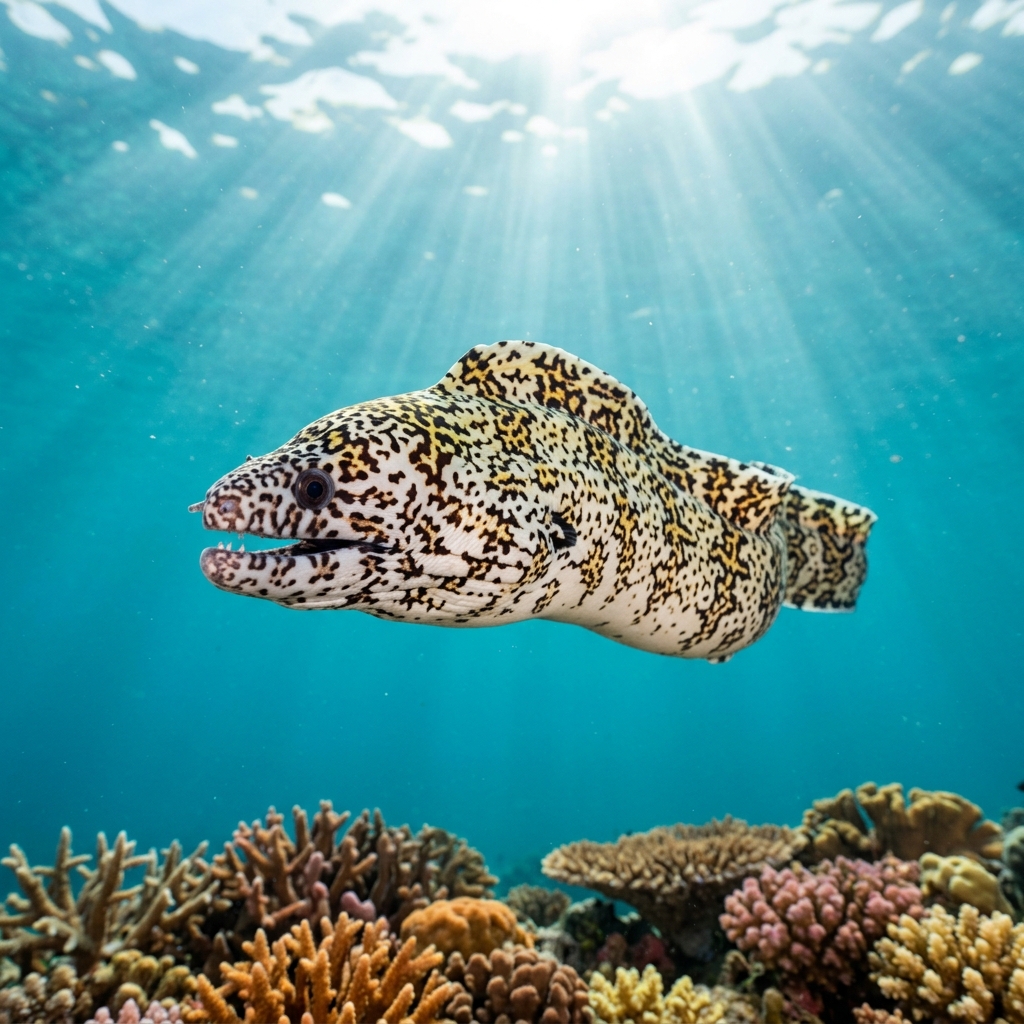
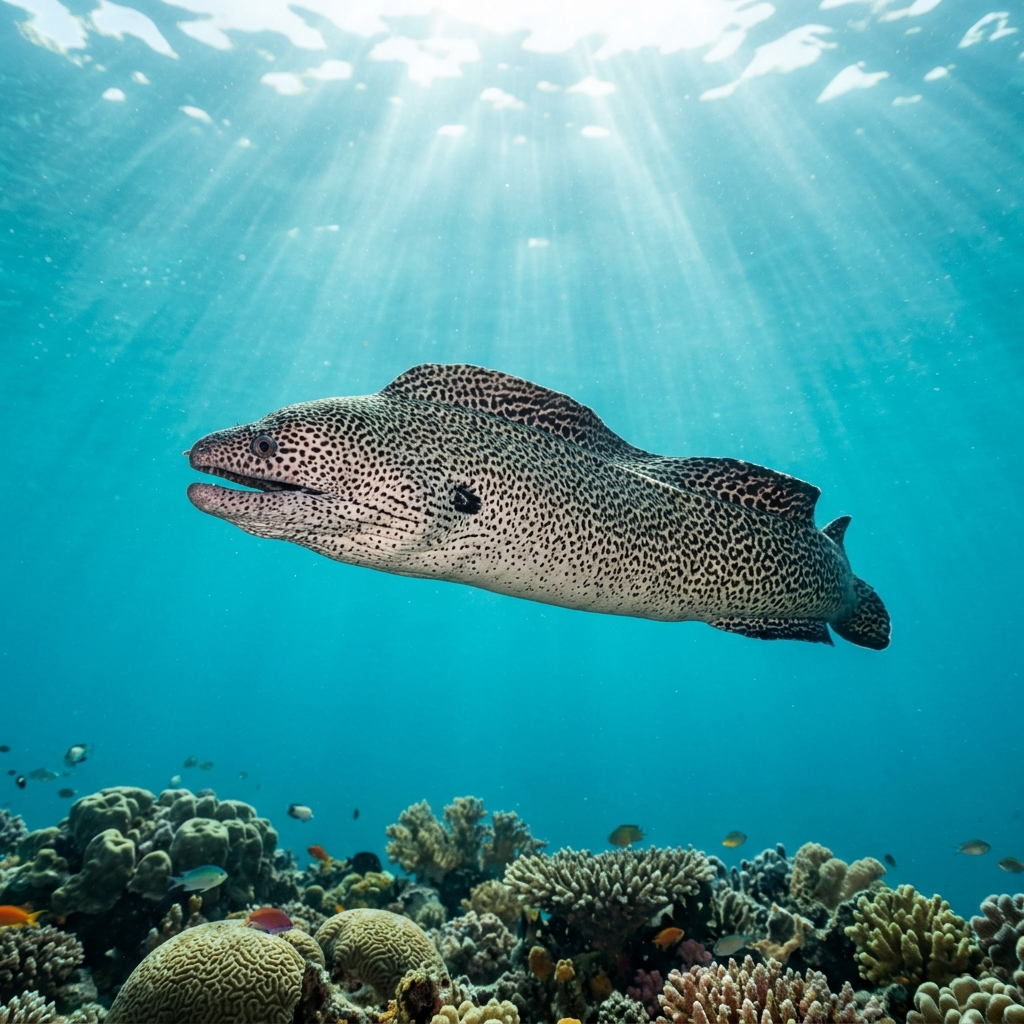
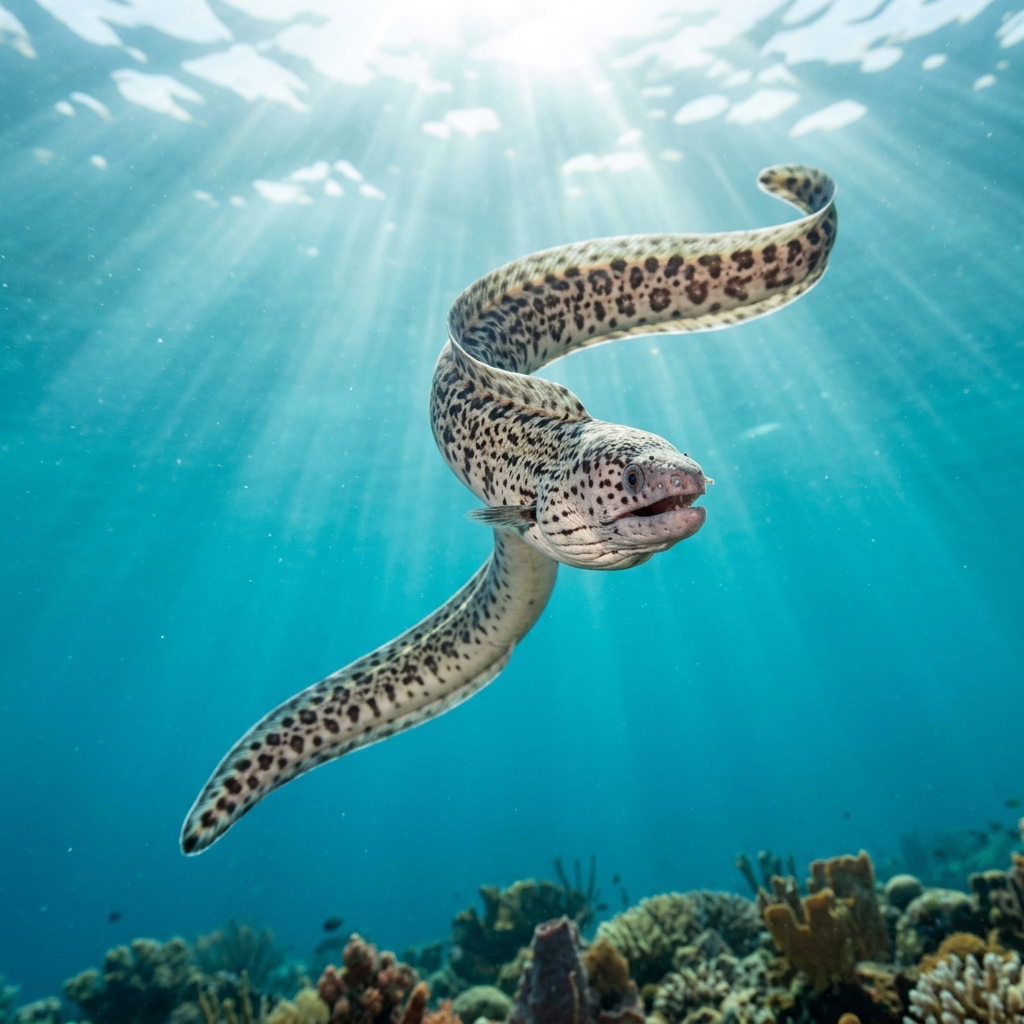
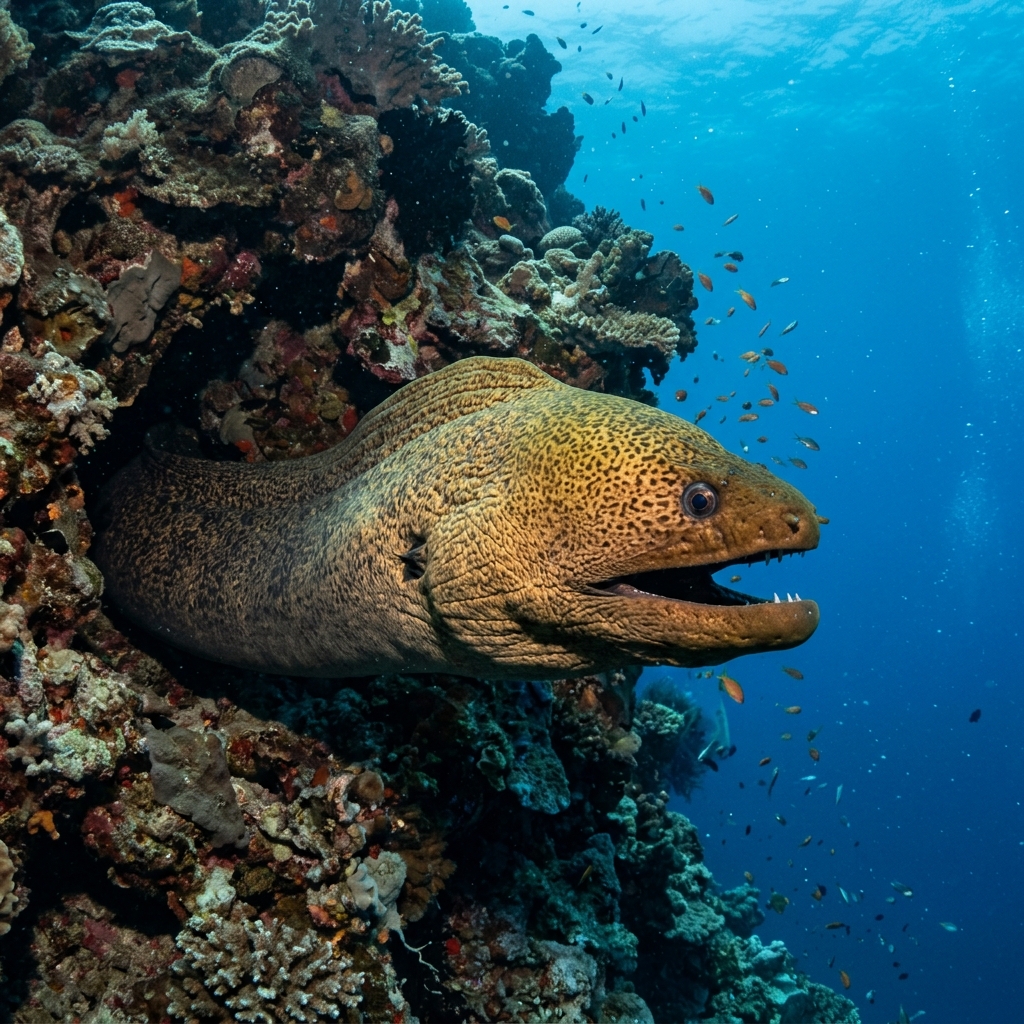
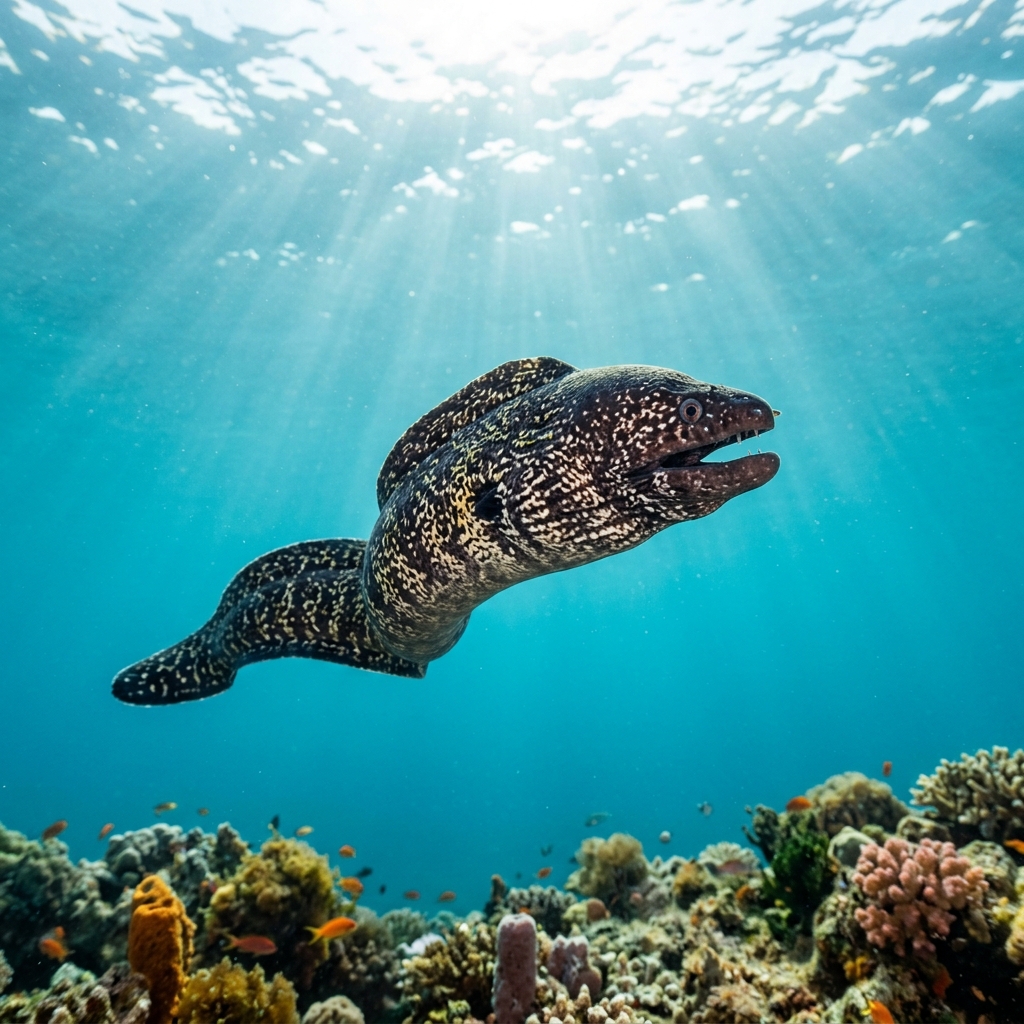
A small moray by eel standards, topping out around 40 cm, with a slender body that sits low in reef crevices rather than draping over open coral. Look for a mottled, speckled body tone rather than bold bands or spots, which keeps it blending into rubble and coral rock at a glance. Only the head and a short stretch of body usually show, with the rest tucked into a hole.
Divers log it tucked into reef crevices and holes by day, showing just its head, in the same low-key ambush posture typical of small reef morays. It's rated uncommon at logged sites, so spotting one usually comes down to a careful look into cracks and rubble rather than an open-water encounter. Expect it to hold still and watch rather than react to a diver hovering nearby.
Like other morays it relies on a strong sense of smell rather than sharp eyesight to find prey, which is why it can look almost oblivious to a diver right in front of its hole.
Sighting data doesn't show a concentrated season, and with a warm 26.6 to 29.5C niche it's a year-round find on the tropical reefs where it lives rather than a species tied to a particular month.
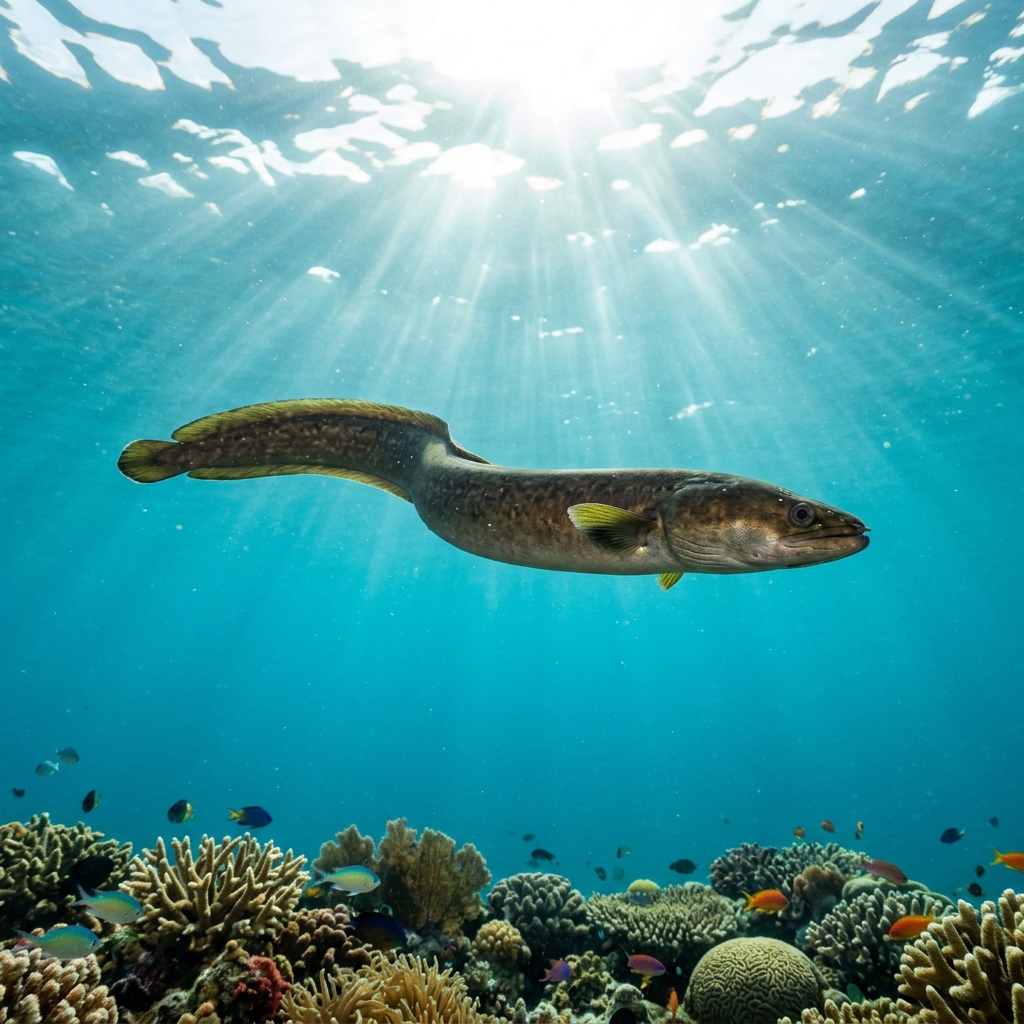
Reef neighbours a diver could mistake it for. Use the identification notes above to tell them apart.
Most reliably logged across the Philippines, especially Luzon, Palawan, Mindanao and the Visayas, and across Indonesia, with Sulawesi and Nusa Tenggara standing out. Australia's Queensland reefs and sites in Malaysia (Sabah), Micronesia, Fiji, Papua New Guinea and Brunei also carry records, making this a broadly Indo-Pacific reef species rather than a single-destination specialty.
Mapping where Enigmatic Moray is logged…
Best bets are the Philippines (Luzon, Palawan, Mindanao, Visayas) and Indonesia (Sulawesi, Nusa Tenggara), with further records from Queensland in Australia, Sabah in Malaysia, Micronesia, Fiji, Papua New Guinea and Brunei.
No strong season shows up in the data, and its warm 26.6 to 29.5C temperature niche means it's present on Indo-Pacific reefs all year round.
Look for a small moray, around 40 cm, with a mottled speckled body rather than clean bands or spots, usually with just the head showing from a reef crevice.
They stay small for a moray, typically around 40 cm long, so they're easy to overlook next to bigger reef eels.
No, it's not considered dangerous to divers. Like any moray it can bite if provoked or hand-fed, so the standard advice is to look and not touch.
Site and sighting data is aggregated from diver logs, iNaturalist and GBIF. For taxonomy and conservation status:
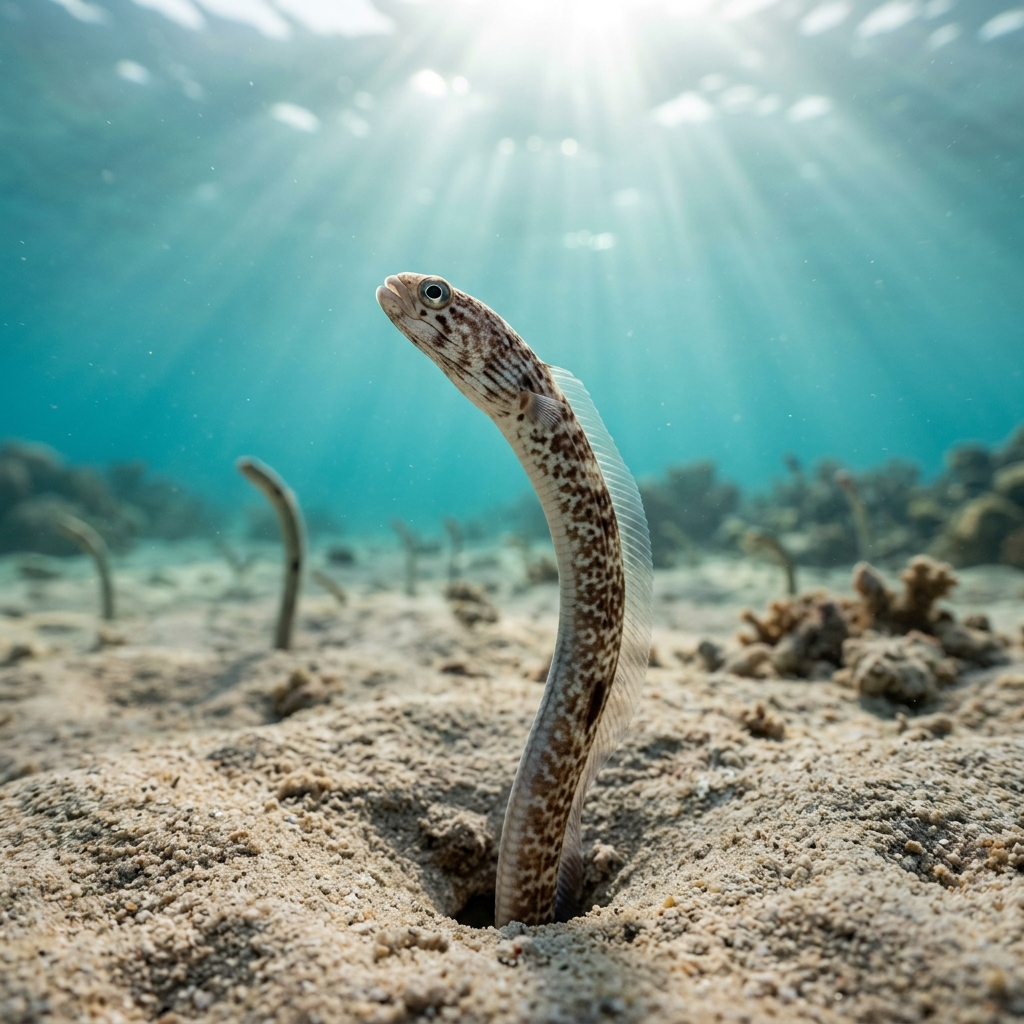
Garden Eel
2,448 sites