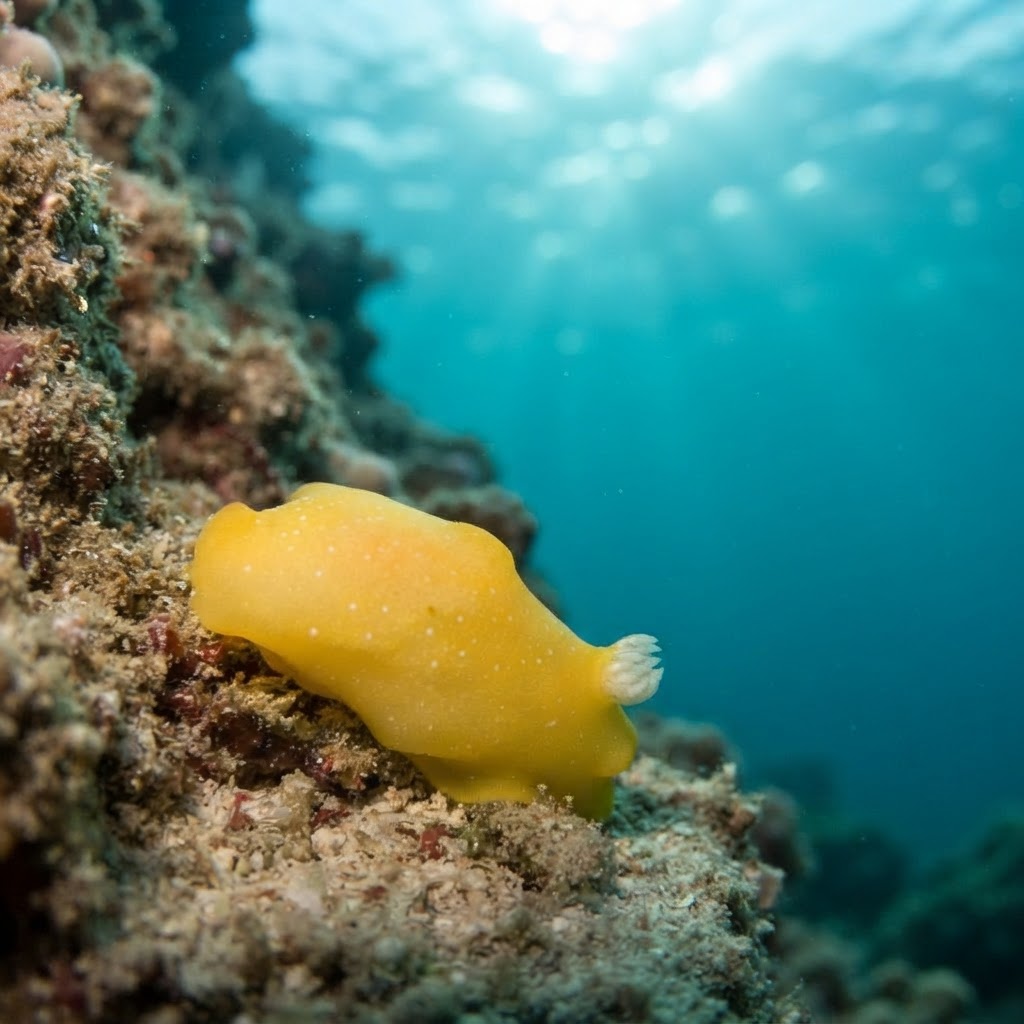
Baptodoris mimetica
A tiny, seldom-seen nudibranch logged only in California waters between 12 and 19 C, mostly on cold-water reef dives.
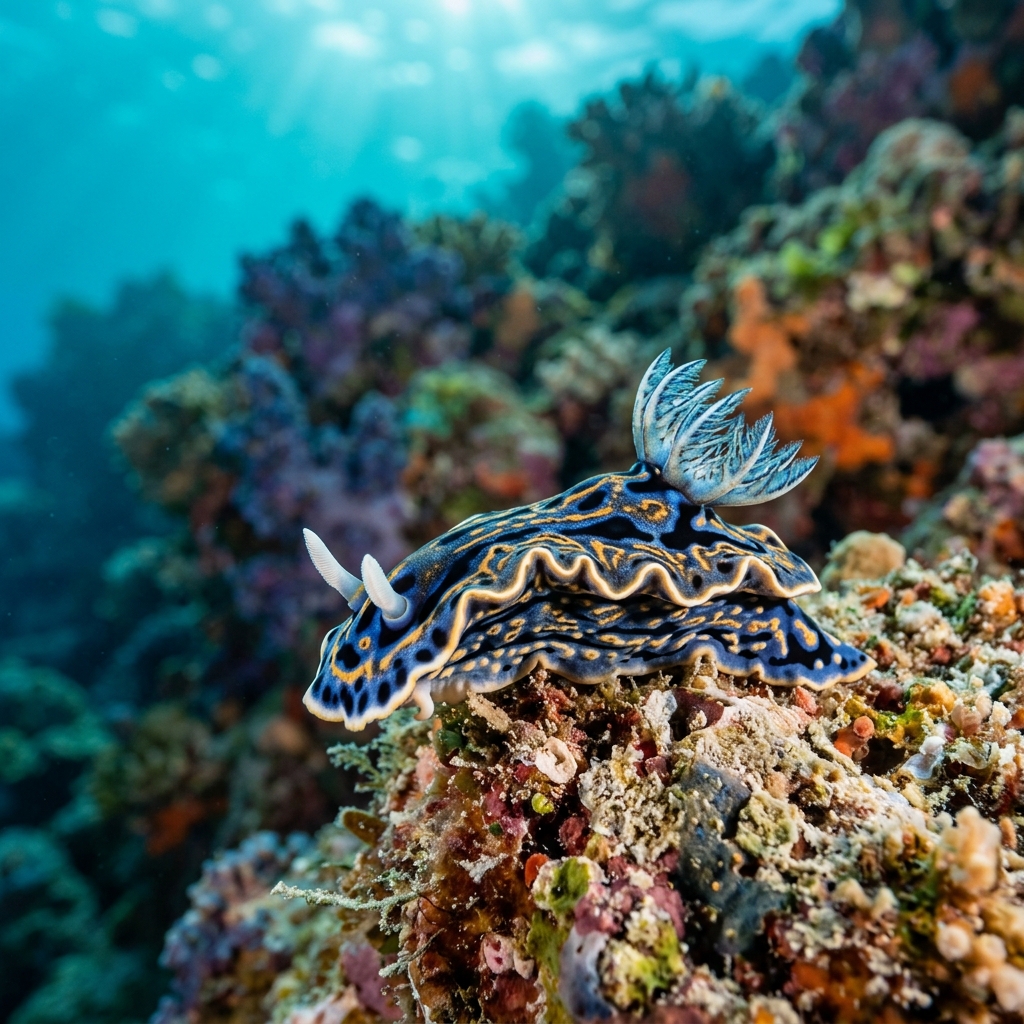
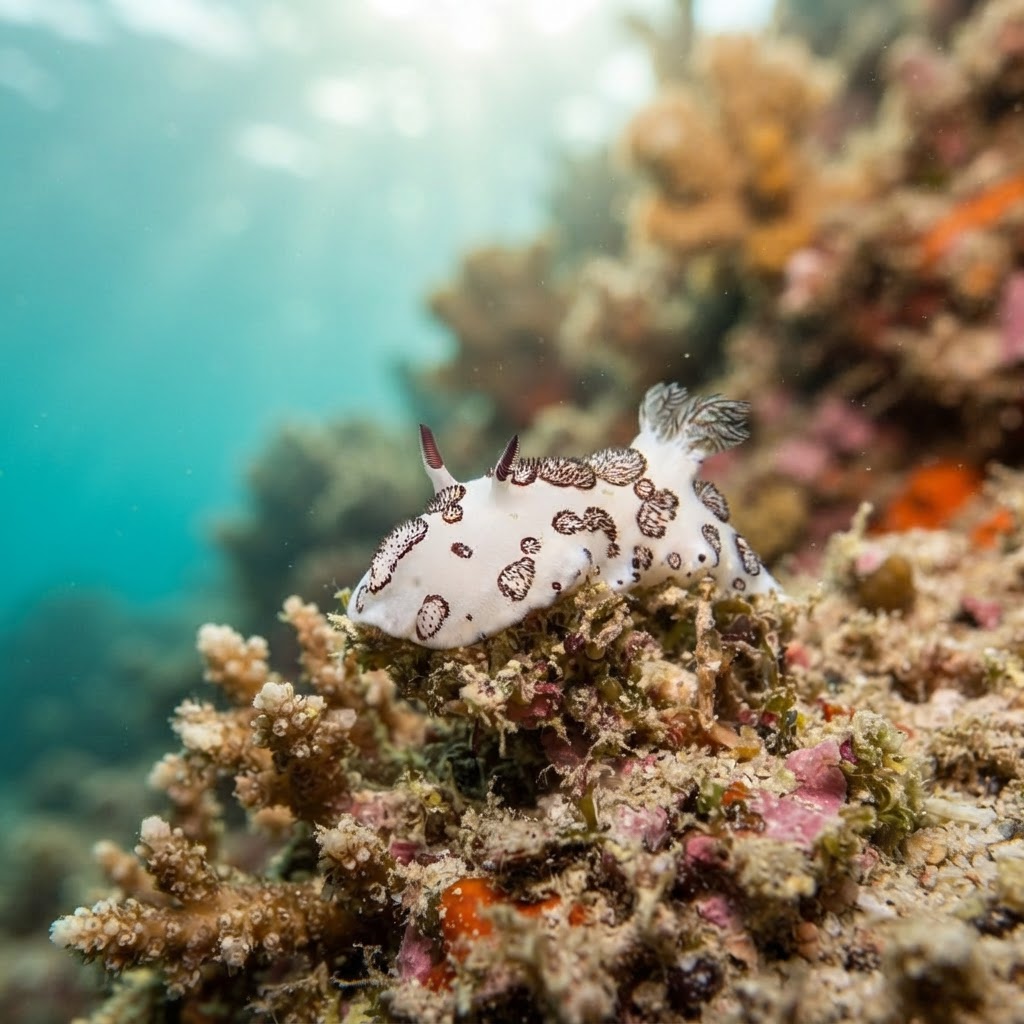
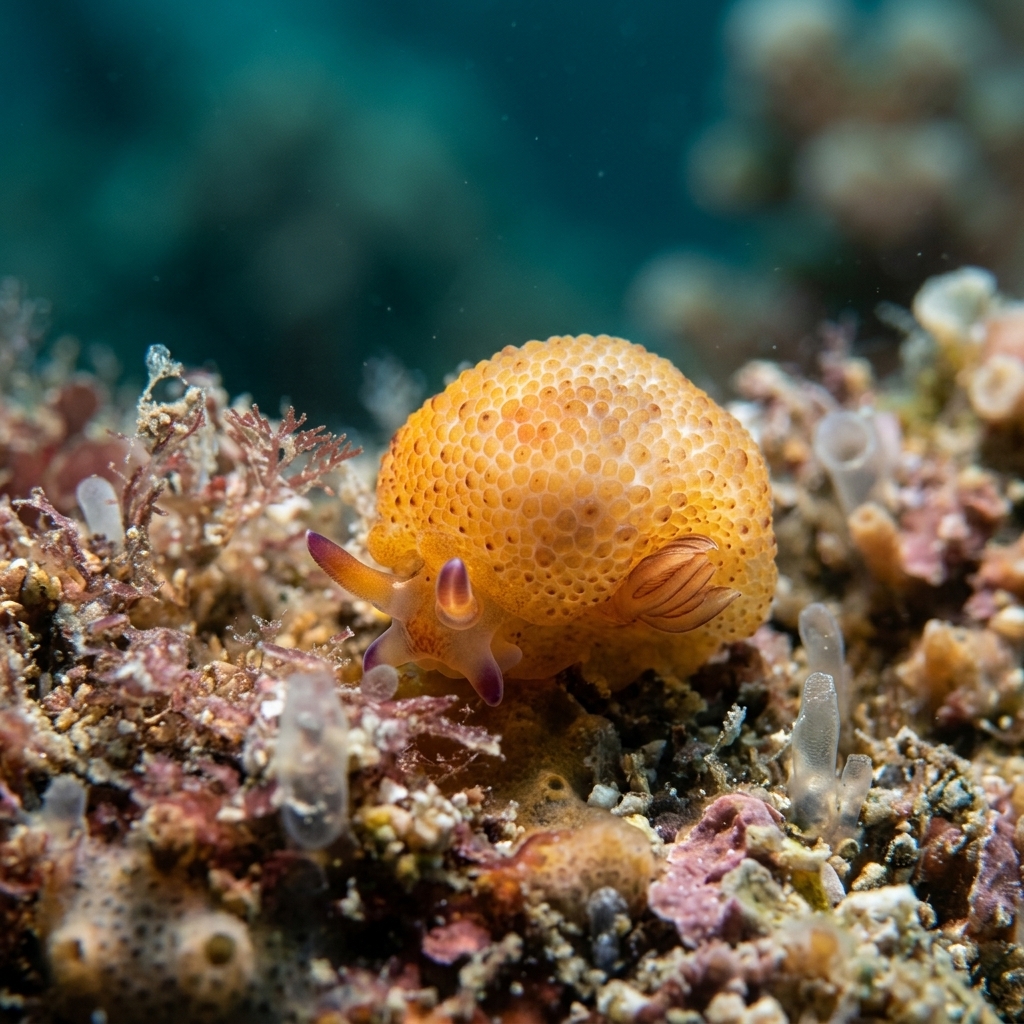
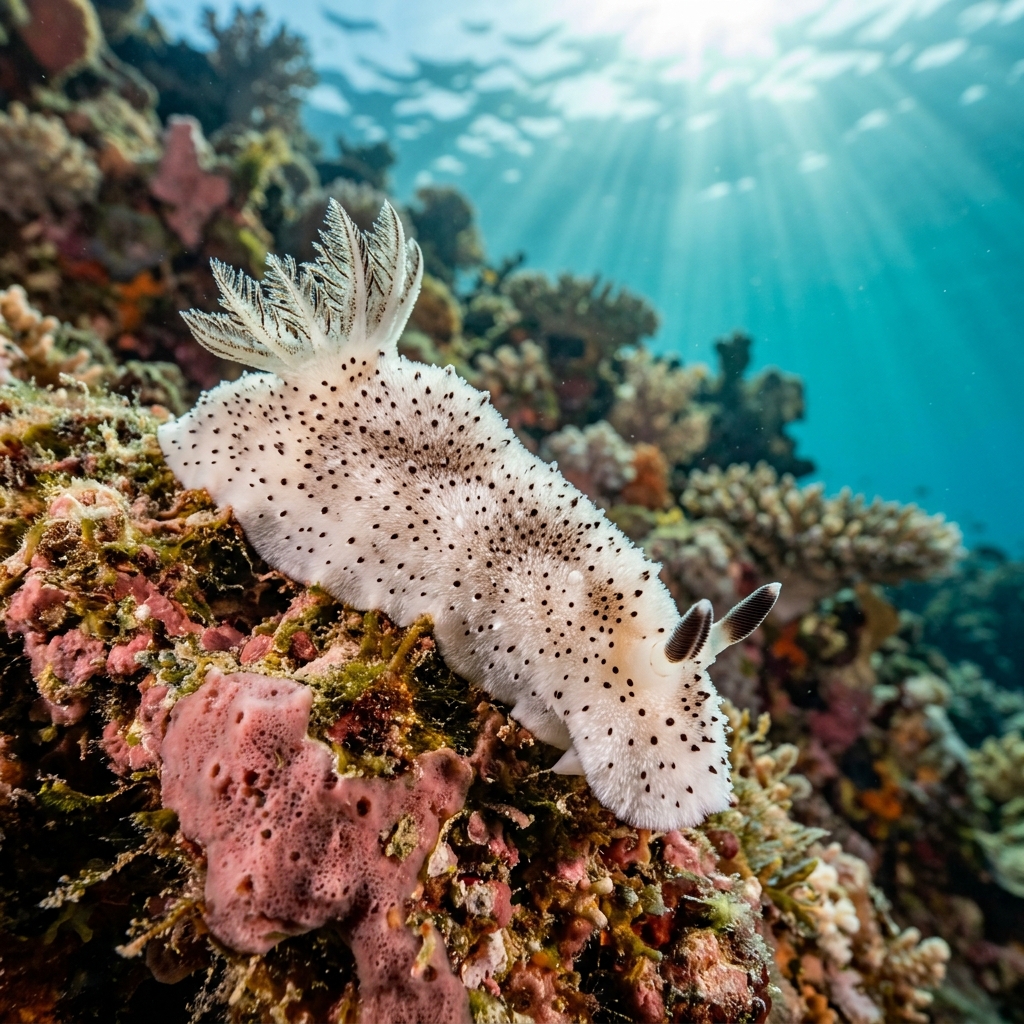
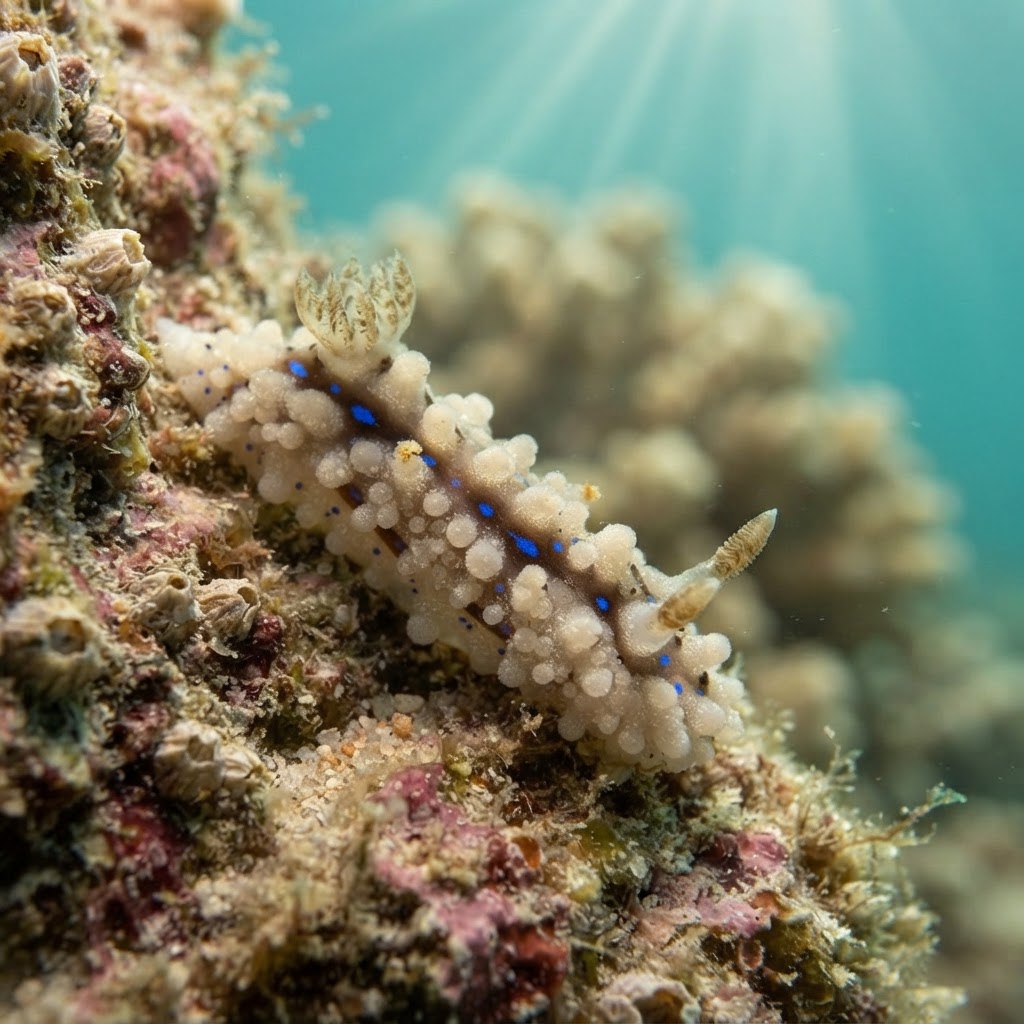
A small nudibranch topping out around 3 cm, with a soft-bodied, oval profile typical of dorid sea slugs. Look for a low, rounded mantle with a texture that breaks up its outline against rock and algae, since at this size and in cold, often low-visibility water it is easy to swim straight past. Colouration and pattern details are not well documented, so treat any small dorid on a California reef as worth a close look and a photo.
Divers find it moving slowly over rock and reef surfaces, doing what most dorid nudibranchs do: grazing quietly and paying no attention to divers nearby. It shows no defensive reaction or retreat behaviour when approached, so a slow, careful look with a light or macro lens is usually all it takes to get a good view. Because it is small and logged as rare to uncommon even at its known sites, most sightings come from divers deliberately scanning rock and rubble rather than spotting it in open water.
Like other dorid nudibranchs, it almost certainly relies on camouflage and chemical defences from its diet rather than speed or shell to avoid predators, which is part of why it is so easy to overlook on a dive.
Sightings don't show a clear seasonal pattern, and the species has been recorded across a fairly wide cold-water range of 12.3 to 18.9 C, so it's best treated as a year-round possibility on California dives rather than tied to a particular month.
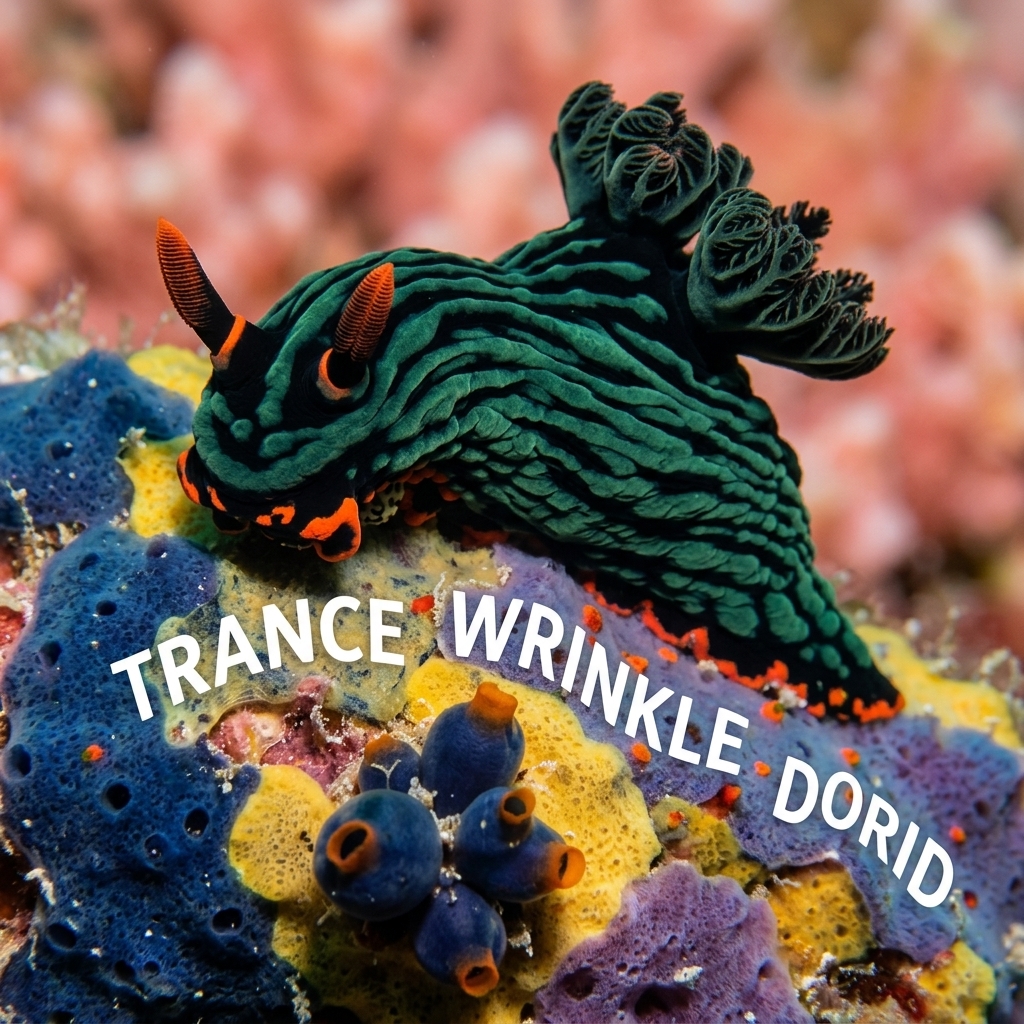
Reef neighbours a diver could mistake it for. Use the identification notes above to tell them apart.
Every logged sighting of this species comes from California, making it effectively a California specialty among divers who log nudibranchs. Sites are spread across the state's coast rather than clustered in one spot, so it turns up as an occasional find on typical Southern and Central California reef and kelp dives rather than at one famous location.
Mapping where Mimic Dorid is logged…
All confirmed sightings come from California, spread across several sites rather than one hotspot. It's best approached as a species you might find while doing general reef or kelp diving anywhere along the California coast.
There's no detected seasonal pattern, so it can turn up year-round. It has been recorded in water from about 12.3 to 18.9 C, which covers most of California's diving season.
It's a small nudibranch, only around 3 cm long, with the rounded, soft-bodied shape typical of dorid sea slugs. Detailed colour markings aren't well documented, so spotting one usually comes down to noticing a small, unfamiliar dorid on rock or reef and getting a close photo for confirmation.
They're small, reaching roughly 3 cm in length, which puts them firmly in macro-photography territory rather than something you'll spot from a distance.
No. It poses no threat to divers and, like most nudibranchs, has no interest in interacting with you beyond being photographed.
Yes, sighting logs mark it as rare at most of its known sites and only uncommon at a couple of others. Finding one takes a deliberate, slow search of rock and reef surfaces rather than a casual glance.
Site and sighting data is aggregated from diver logs, iNaturalist and GBIF. For taxonomy and conservation status:
Blue Dragon
3,163 sites