Microcanthus spp.
Recognise stripey sea chubs on rocky reefs from New South Wales to Central Japan, active year-round in 18-26C water.
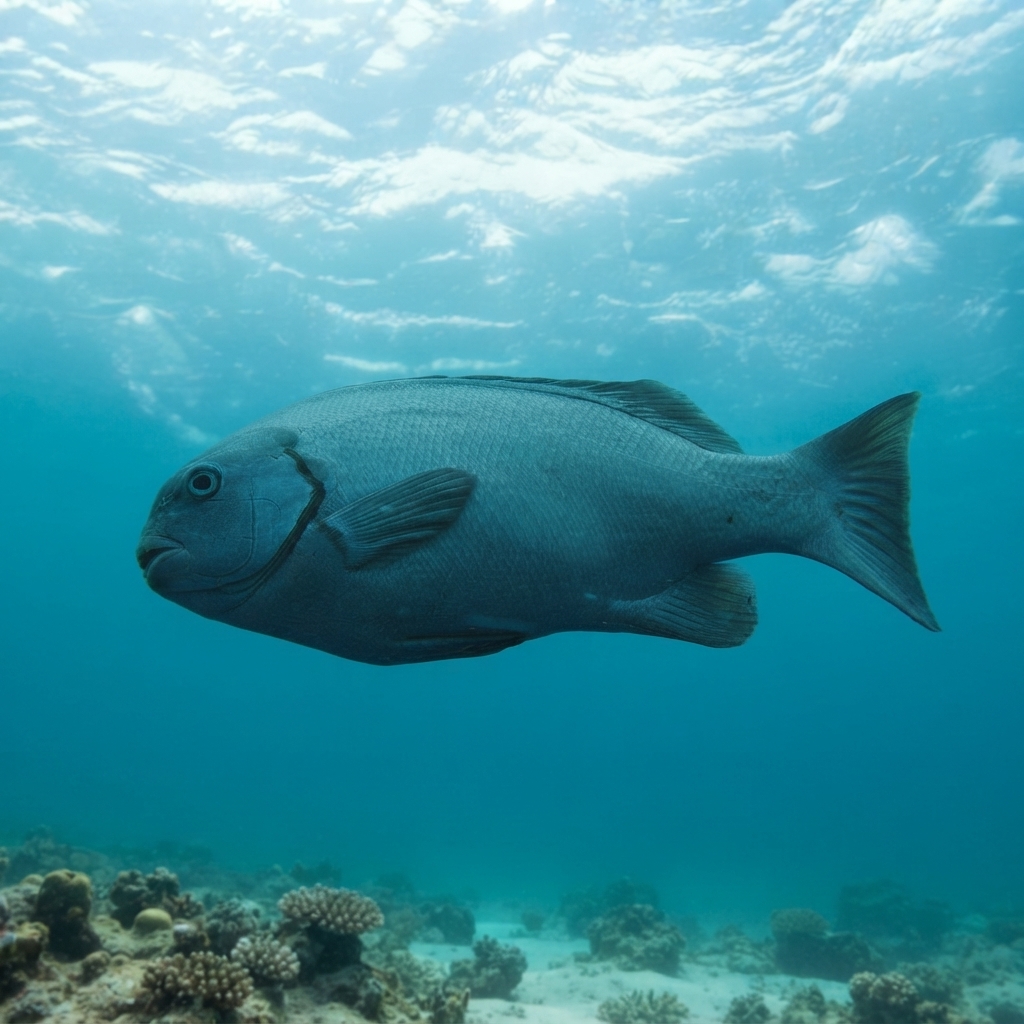
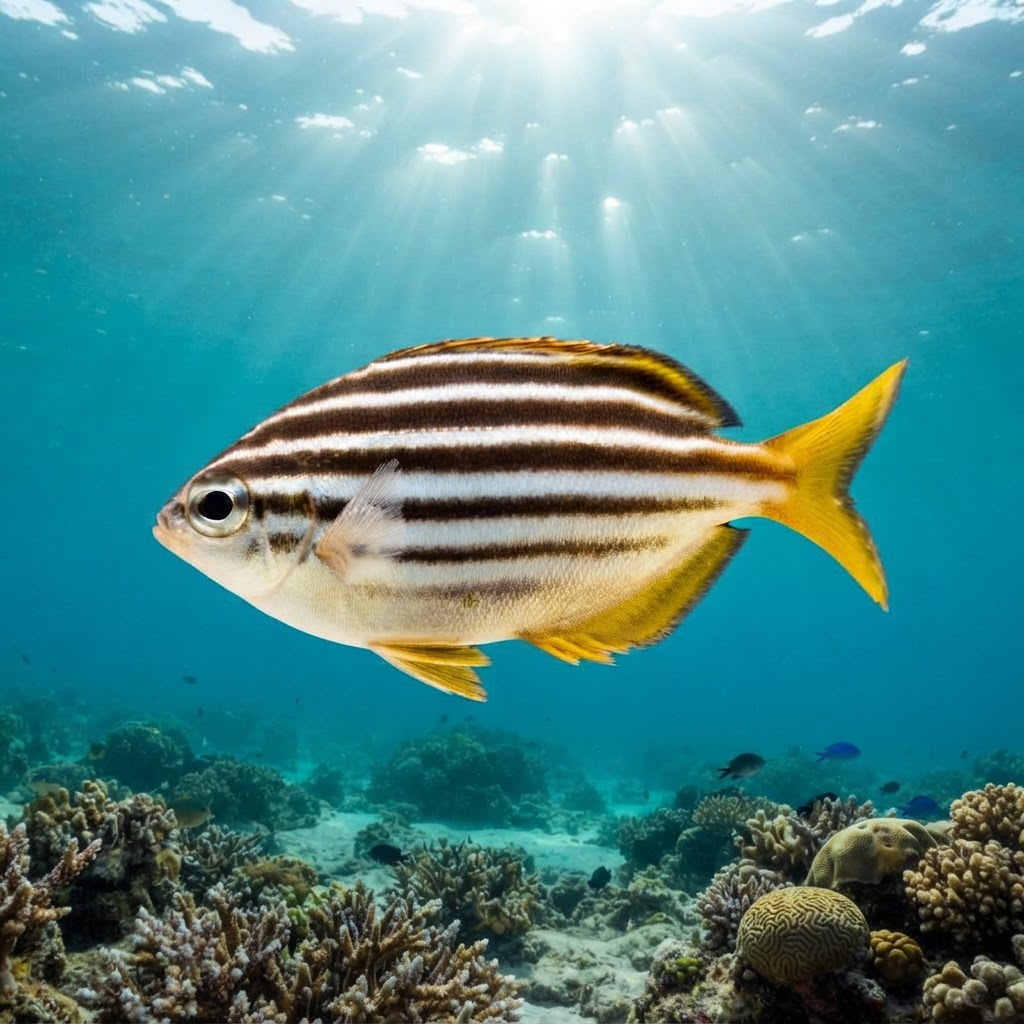
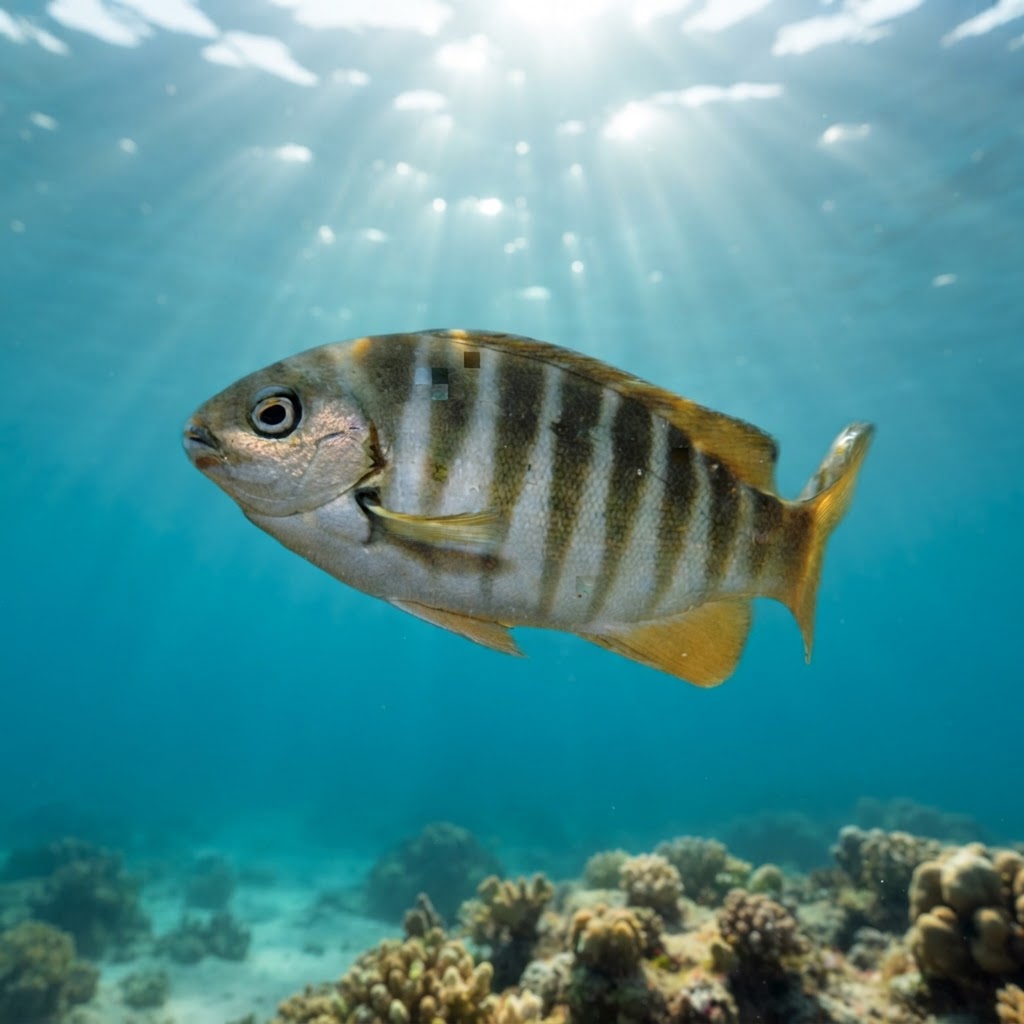
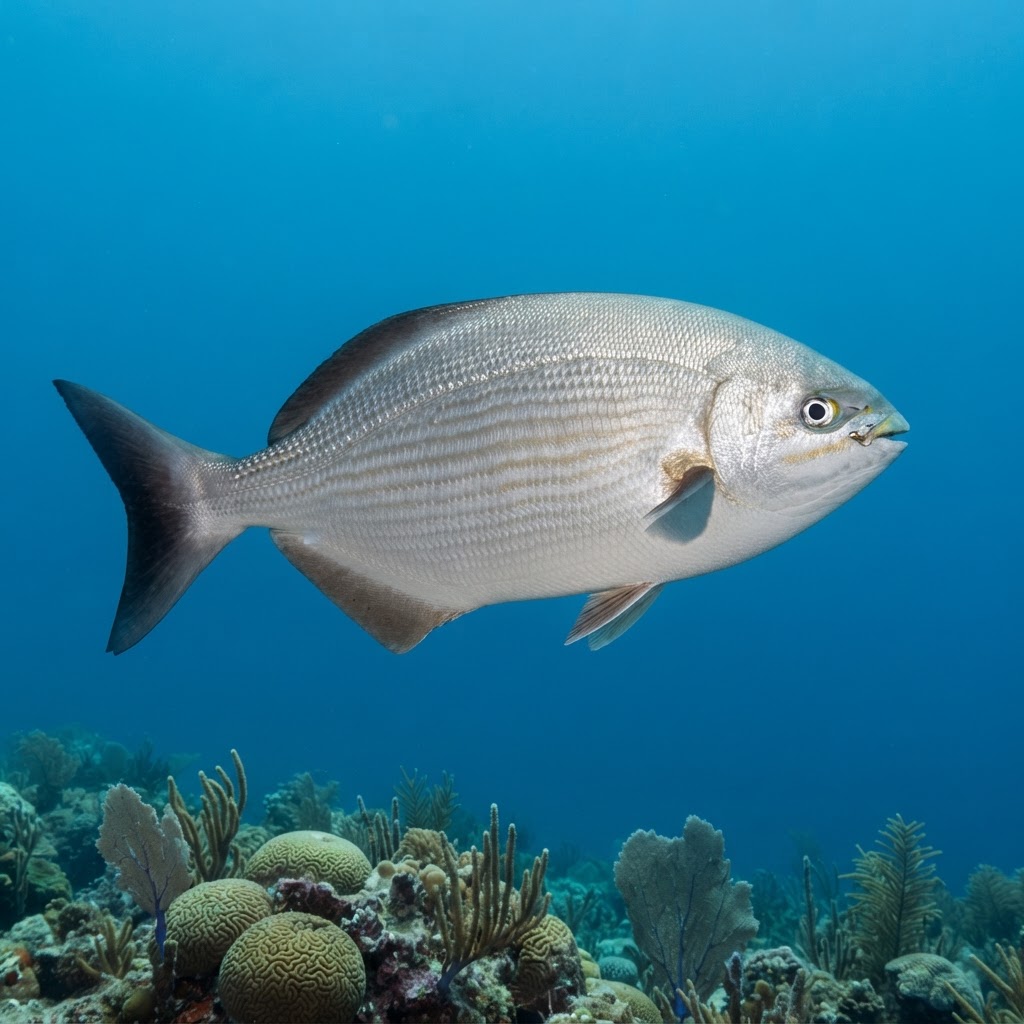
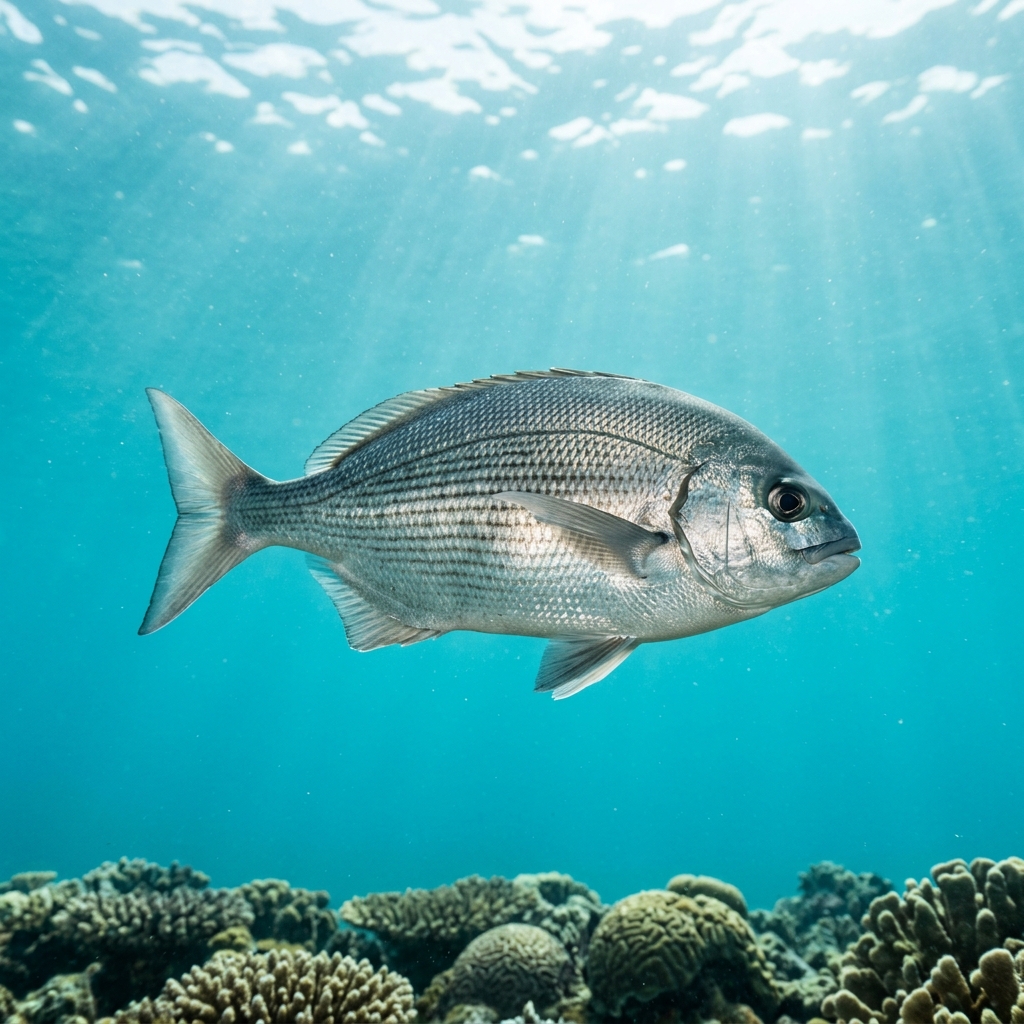
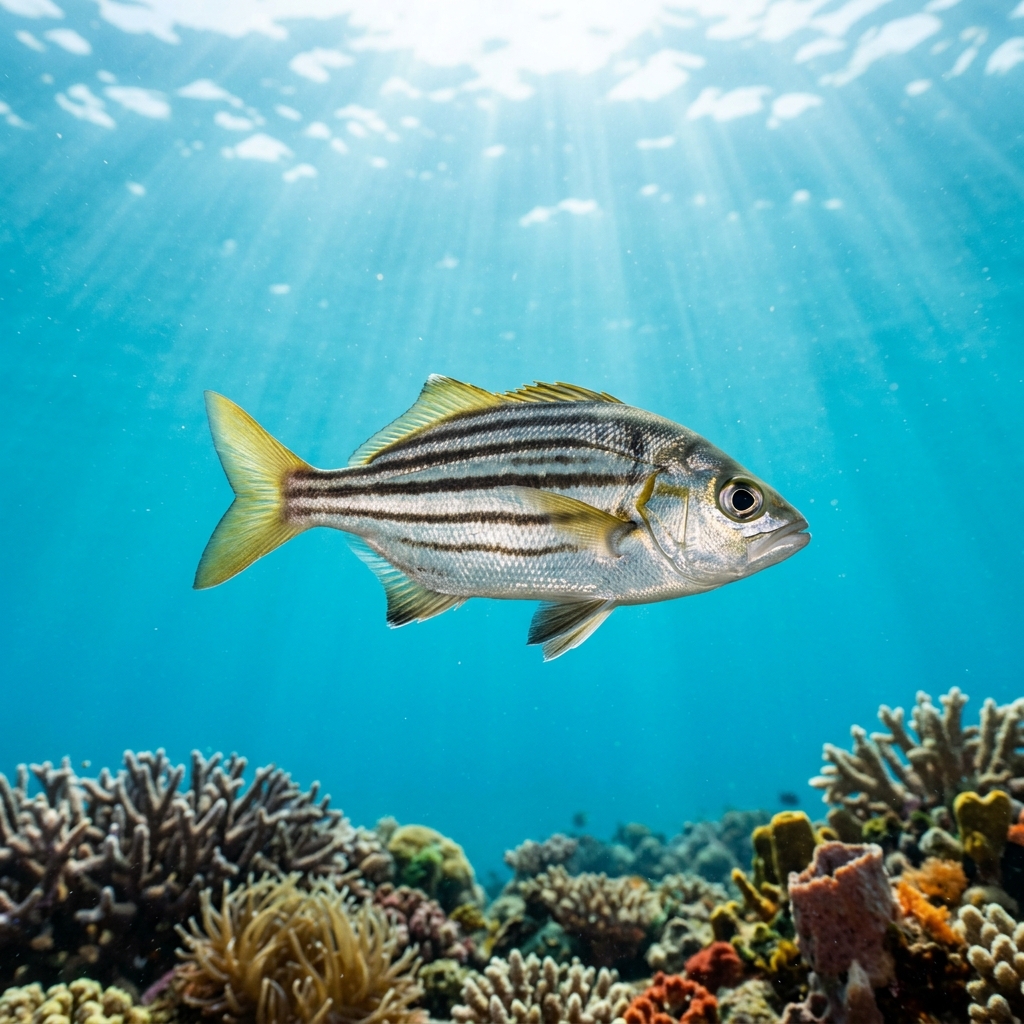
Small, deep-bodied fish with a compressed, almost oval shape and bold dark horizontal stripes running along a yellow or pale flank. The stripe pattern is the main giveaway, along with a habit of holding a slightly angled posture as it patrols just above the reef surface. Usually seen in small loose groups or pairs rather than alone, hovering in mid-water rather than resting on the bottom.
Divers usually catch stripeys on the move, cruising rocky reef edges and drop-offs in small loose groups or paired up rather than schooling tightly or hiding in cover. They sit in the mid-water column just above the reef, staying mildly wary of divers without darting off immediately, and show up most consistently in well-lit shallow sections, pointing to daytime activity as the norm.
Sightings skew strongly toward temperate rocky reefs rather than tropical coral, which makes this genus one of the more reliable fish to spot on Australia's cooler southern coastlines where colourful reef fish are otherwise scarce.
No clear seasonal pattern shows up in the data, and with a comfortable range of roughly 18 to 26C it turns up on temperate and subtropical rocky reefs across the year rather than in one narrow window.
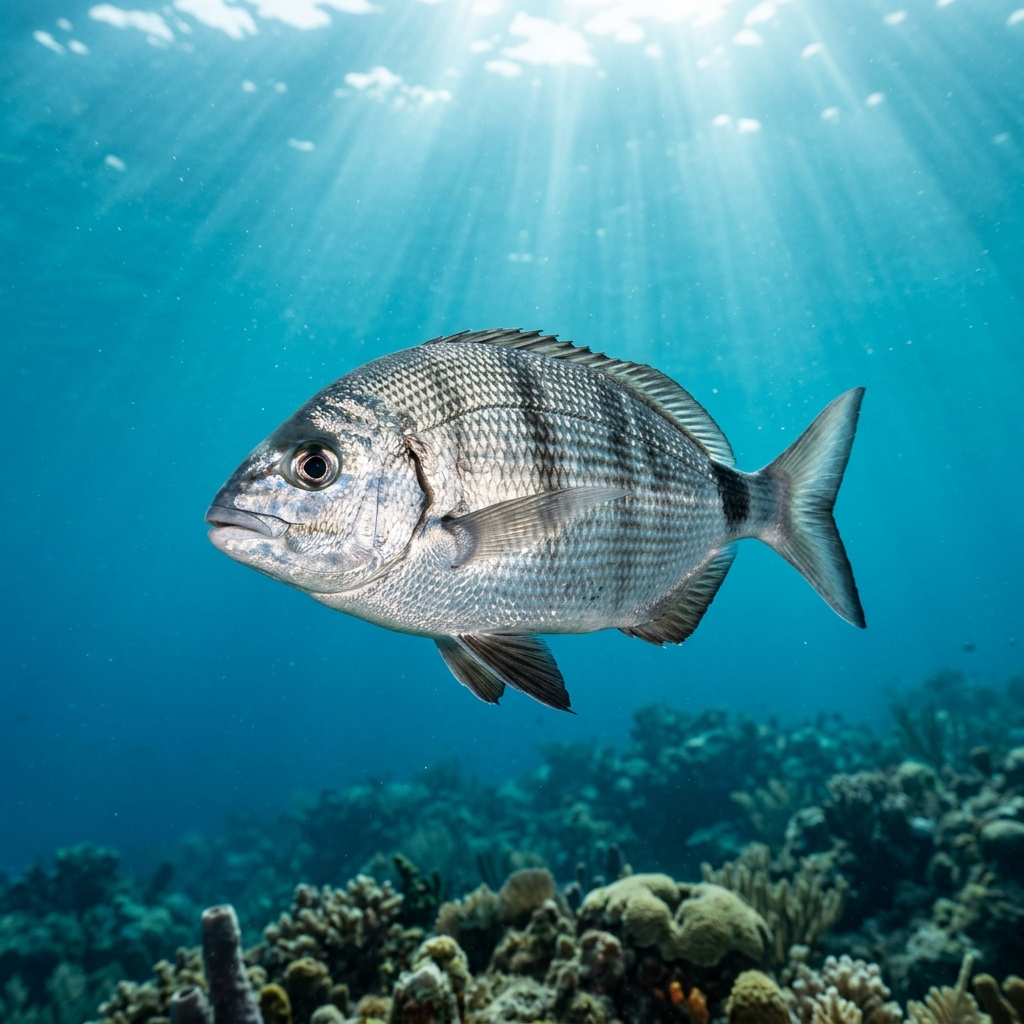
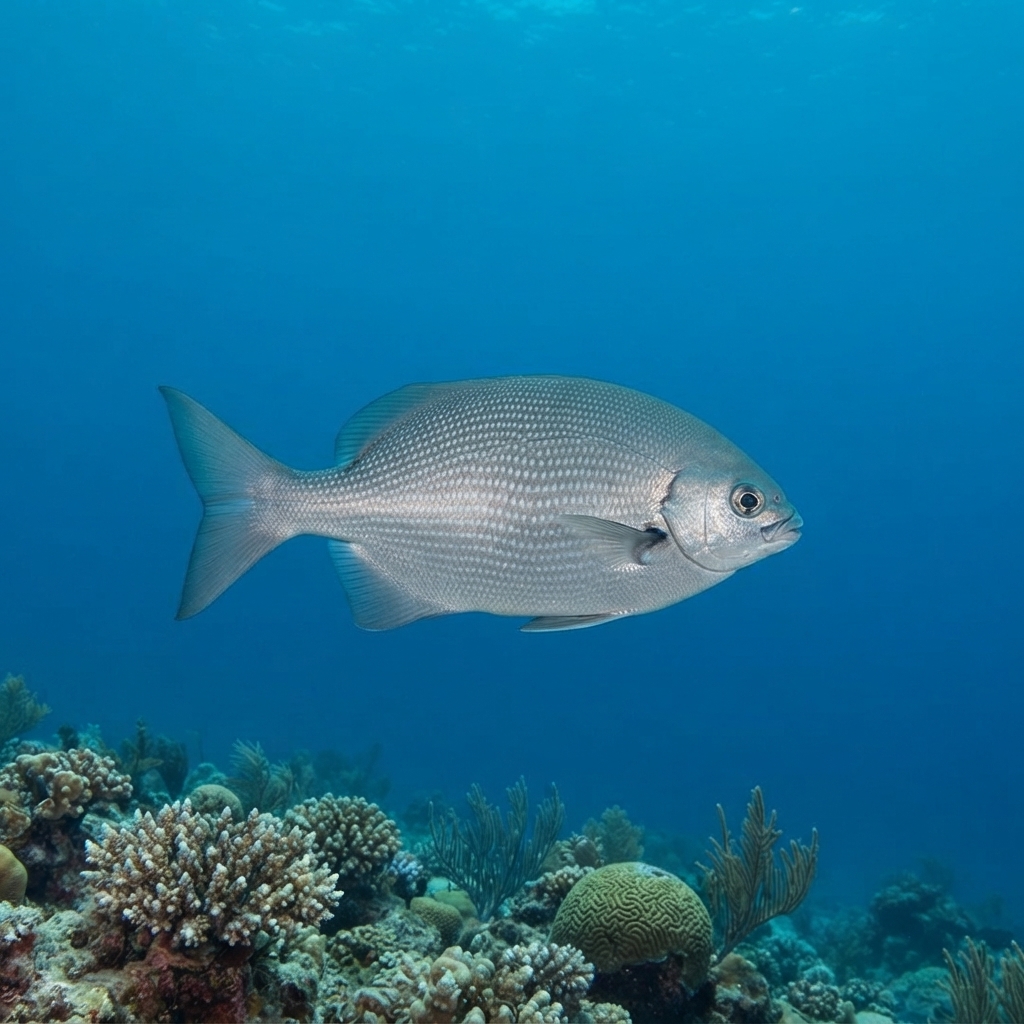
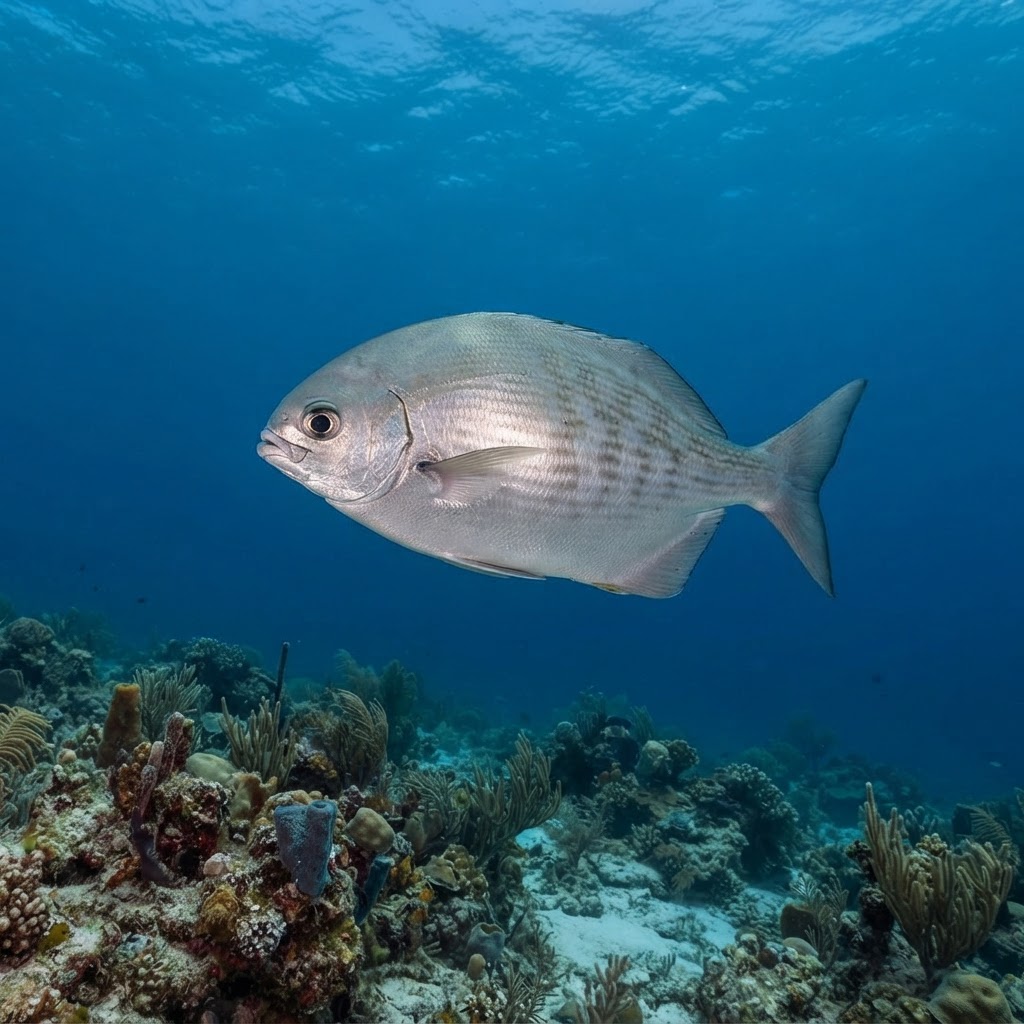
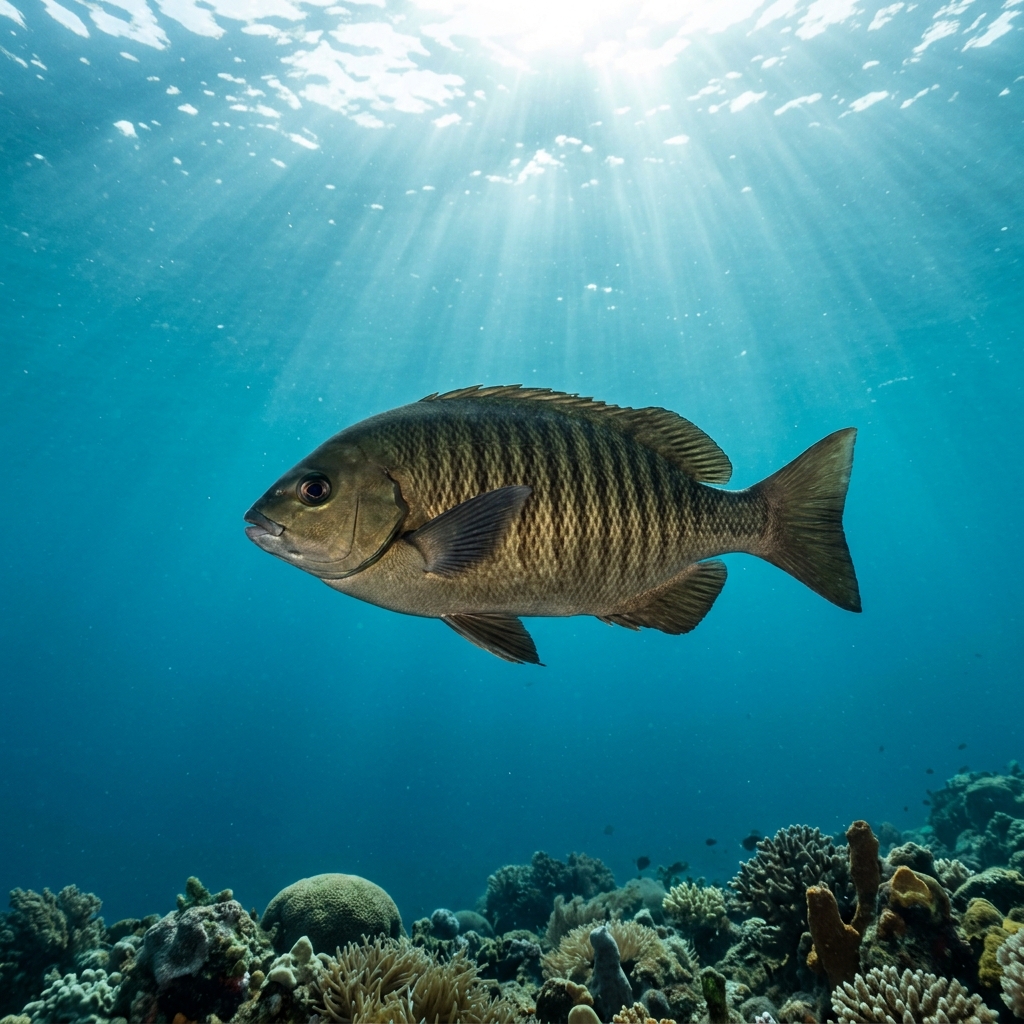
Reef neighbours a diver could mistake it for. Use the identification notes above to tell them apart.
Most reliably found on rocky reefs in Australia, especially New South Wales, Western Australia and Queensland, where sightings are strongest across the genus's range. Central Japan and the Okinawa & Ryukyu Islands are the next best bet, with smaller but consistent populations logged in New Caledonia, Hawaii and Taiwan.
Mapping where Stripeys is logged…
Australia is the strongest bet by far, particularly New South Wales, Western Australia and Queensland. Central Japan and Okinawa also hold consistent populations, with smaller numbers reported from New Caledonia, Hawaii and Taiwan.
There is no strong seasonal signal in the sighting data, and the water-temperature range they tolerate, roughly 18 to 26C, spans most of the year on the reefs where they live, so they are effectively a year-round sighting.
Look for a small, deep-bodied fish with bold dark horizontal stripes over a yellow or pale body, hovering in loose pairs or small groups just above the reef rather than sitting still. The stripe pattern combined with that mid-water, semi-active posture is the quickest tell.
No, they pose no threat to divers. They are small, mildly wary reef fish that keep their distance rather than approach or act defensively.
No, the genus is not currently assessed as threatened, and there is nothing in the sighting data to suggest a population concern.
Site and sighting data is aggregated from diver logs, iNaturalist and GBIF. For taxonomy and conservation status:
Bermuda Chub
450 sites