Kyphosus sectatrix
Silvery reef grazers seen year-round in Florida, the Yucatán and Honduras' Bay Islands, comfortable in 20-28C water.
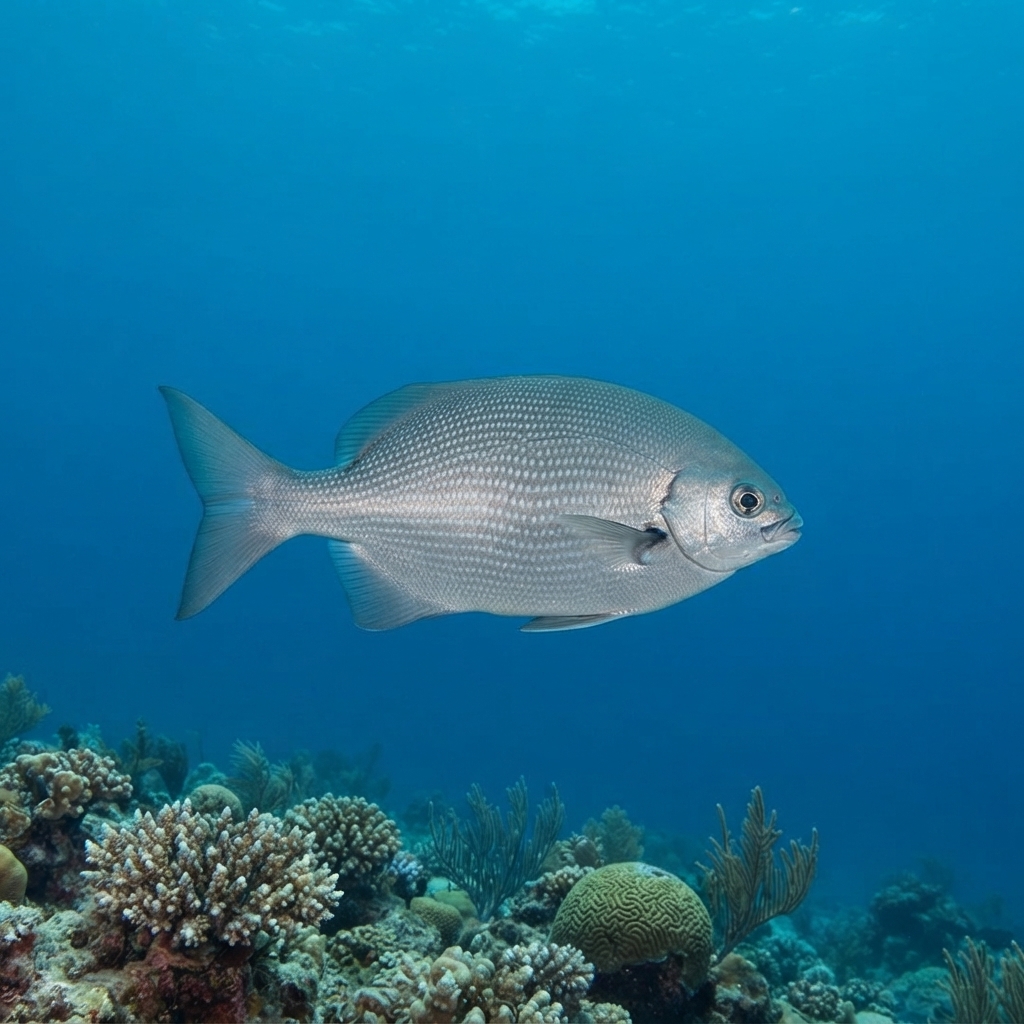
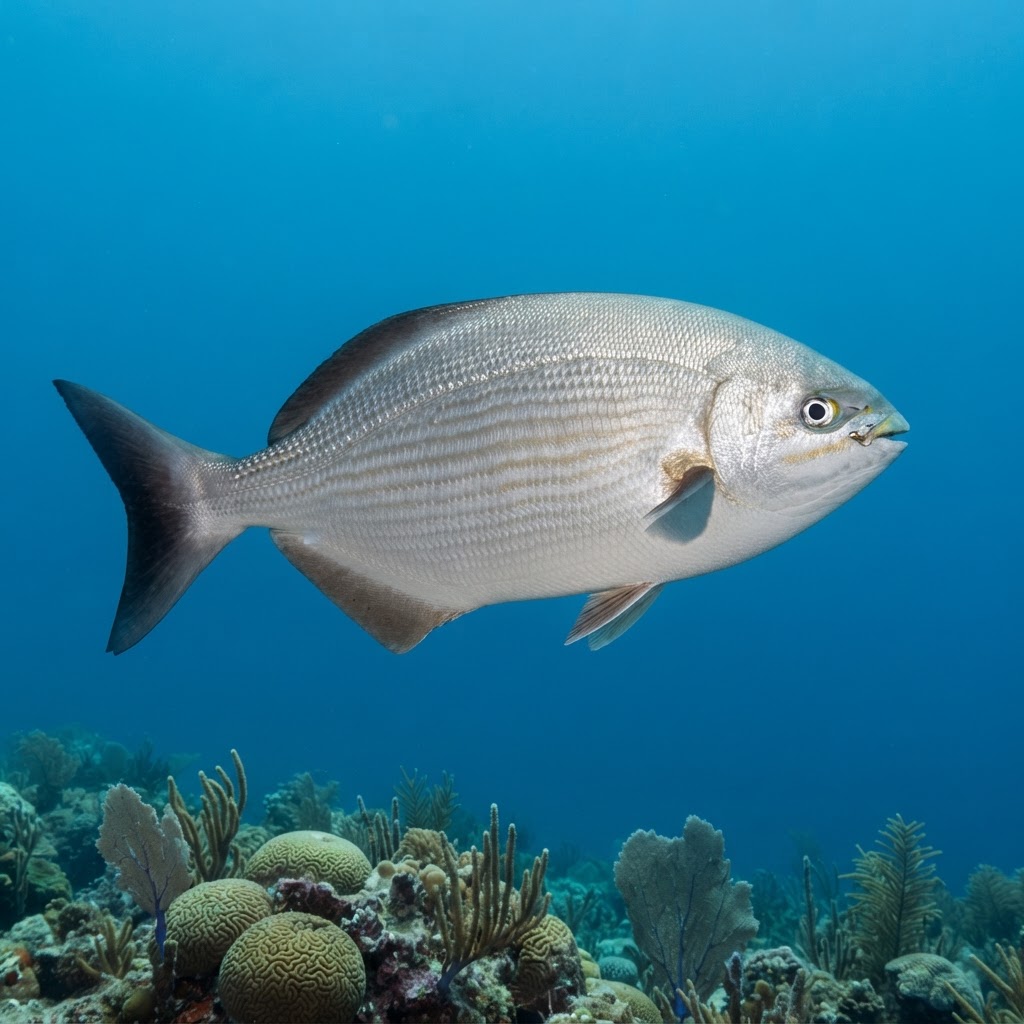
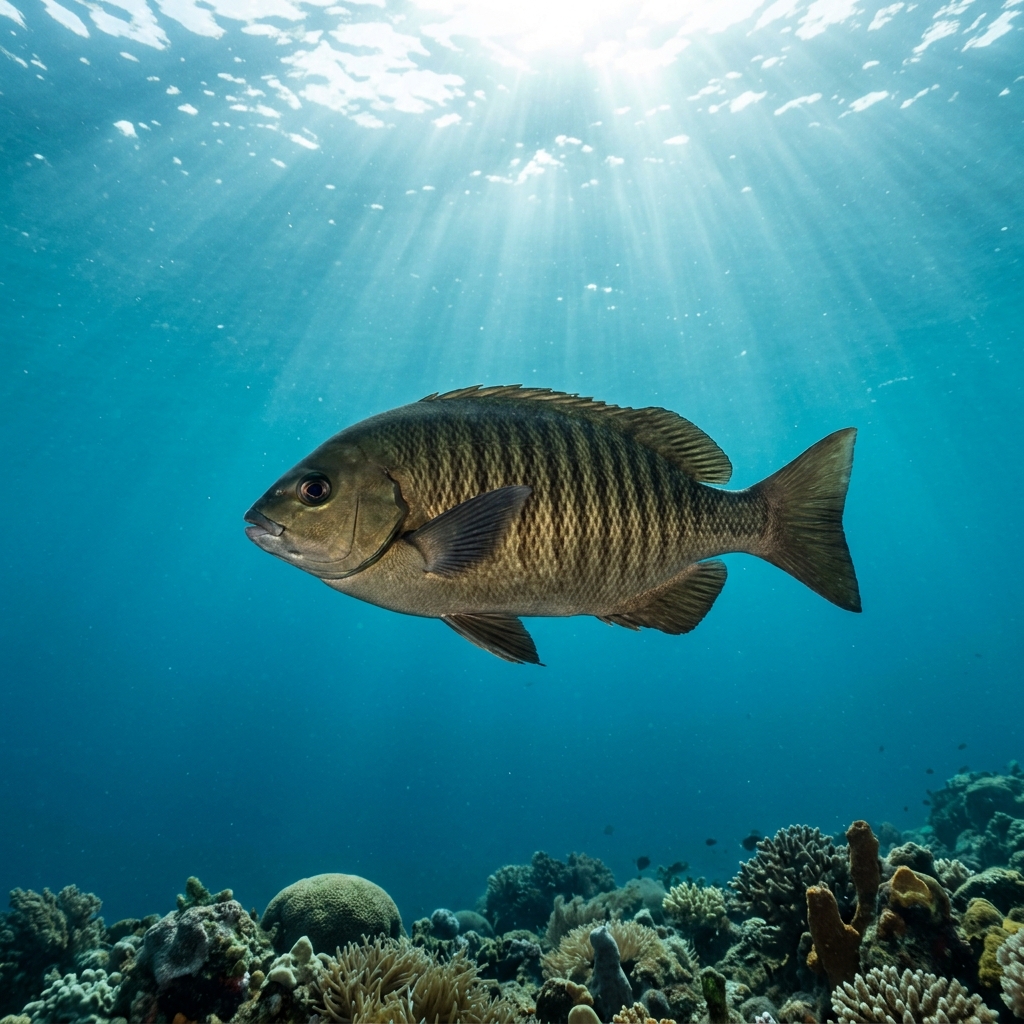
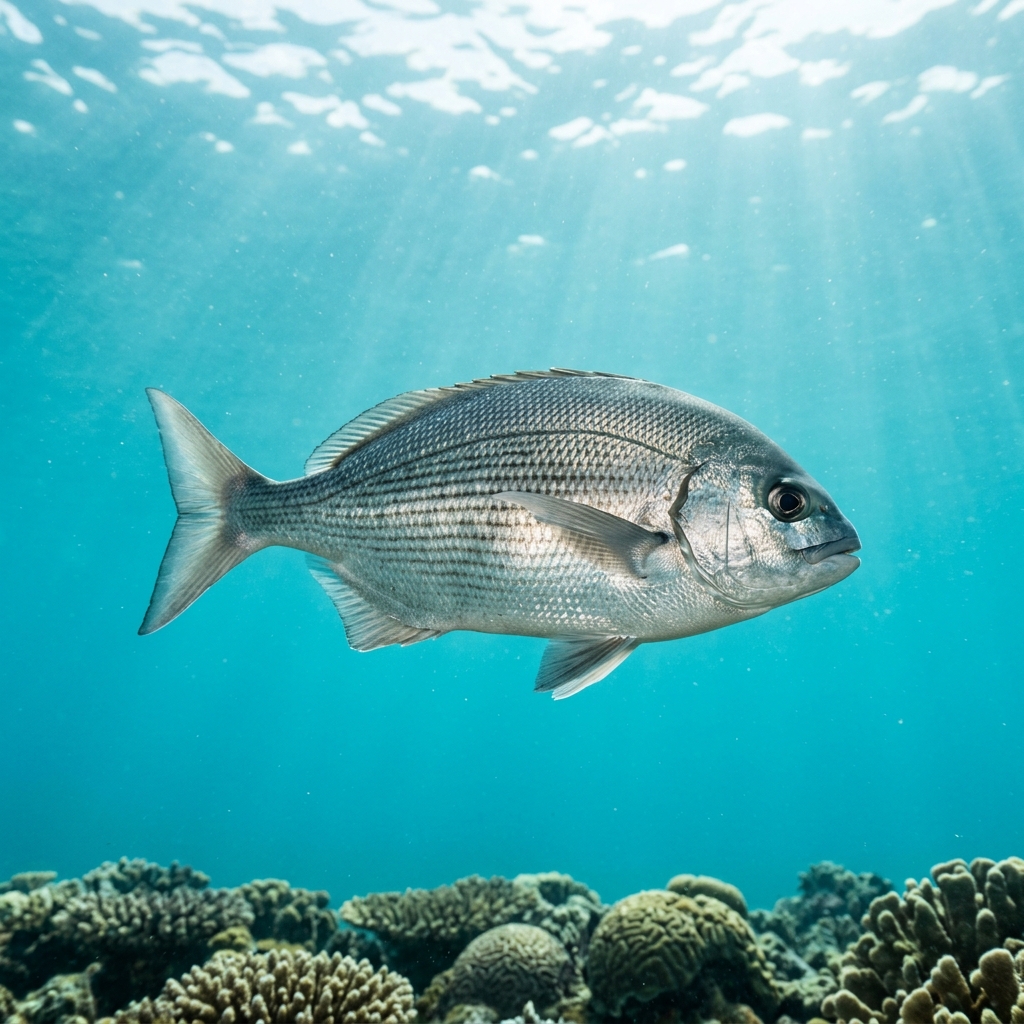
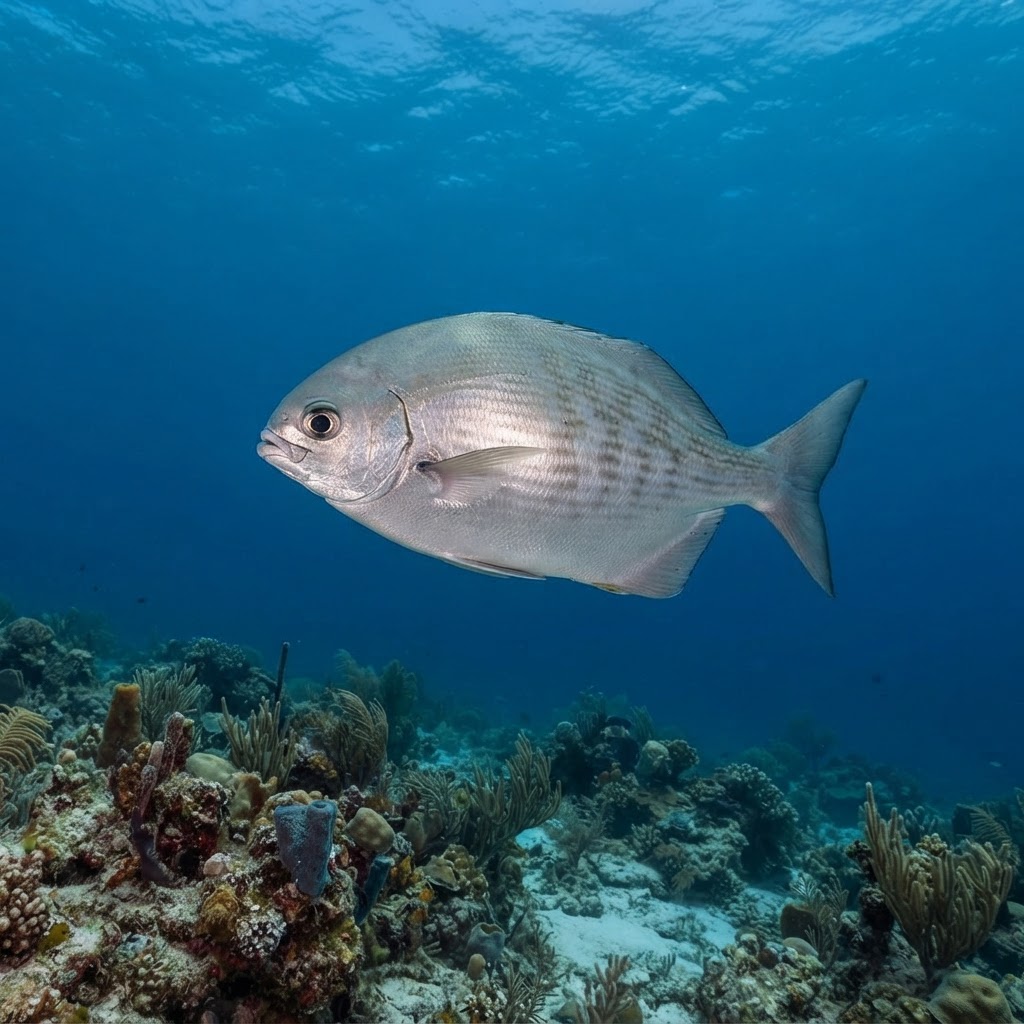
Deep, oval-bodied fish with a silvery-grey to bronze body and faint horizontal streaking that can look yellowish in good light. Grows to around 53 cm, with a small mouth set low on a blunt, rounded head built for grazing algae off rock and reef. Usually seen in loose groups hovering just off the reef rather than tight to structure, which helps separate it from smaller, more solitary reef fish.
Look for them cruising in loose, unhurried groups over reef flats and rubble zones, often picking at algae growing on rock and dead coral. They tend to hold a comfortable distance from divers rather than fleeing outright, drifting off if you approach too directly but generally unbothered by a slow, quiet diver nearby. Most sightings are in shallow to mid-depth water, consistent with a fish that spends its day grazing rather than hiding.
As a herbivore, this species helps keep algae in check on the reef, a grazing role similar to surgeonfish and parrotfish even though it belongs to a different family entirely.
No clear seasonal pattern shows up in the sightings, and with a comfortable range of 20.1 to 28.0C it turns up on warm reefs across the year. Treat it as a year-round encounter rather than something to time a trip around.
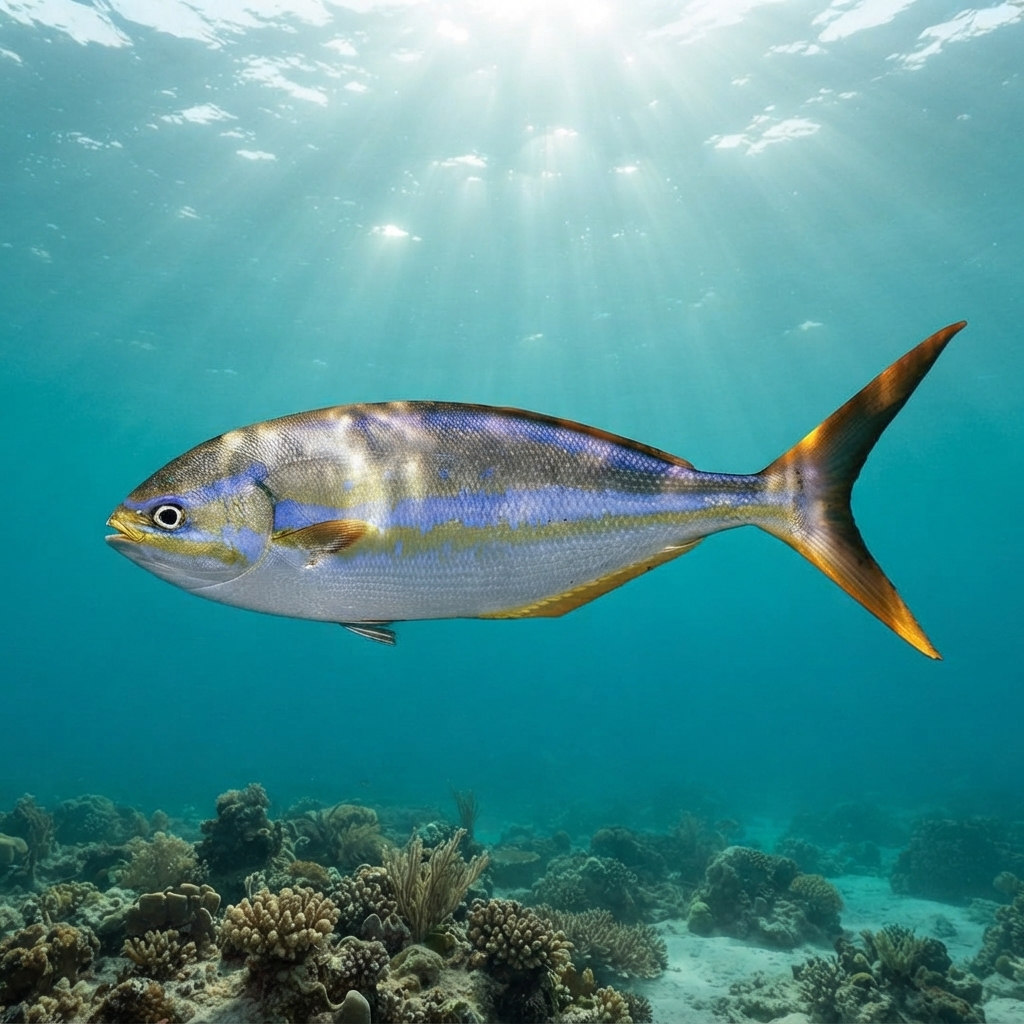
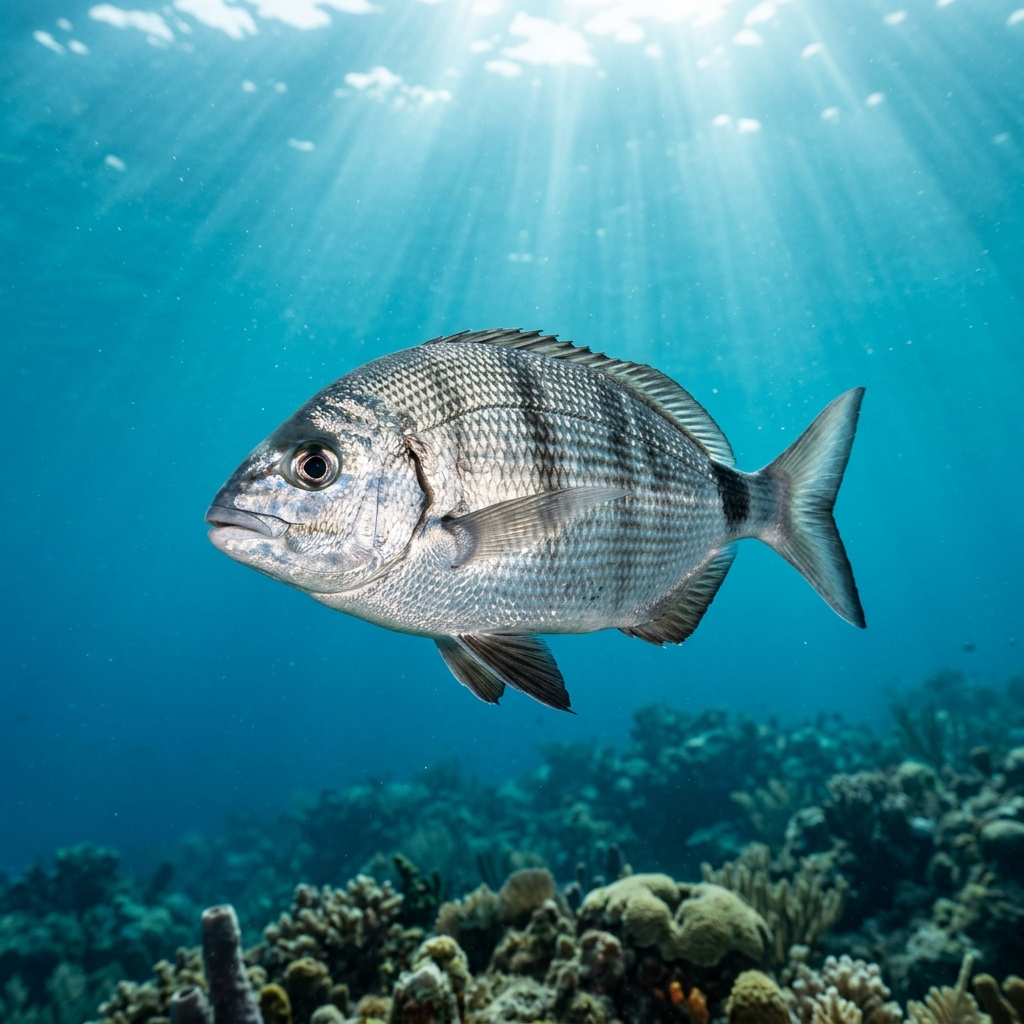
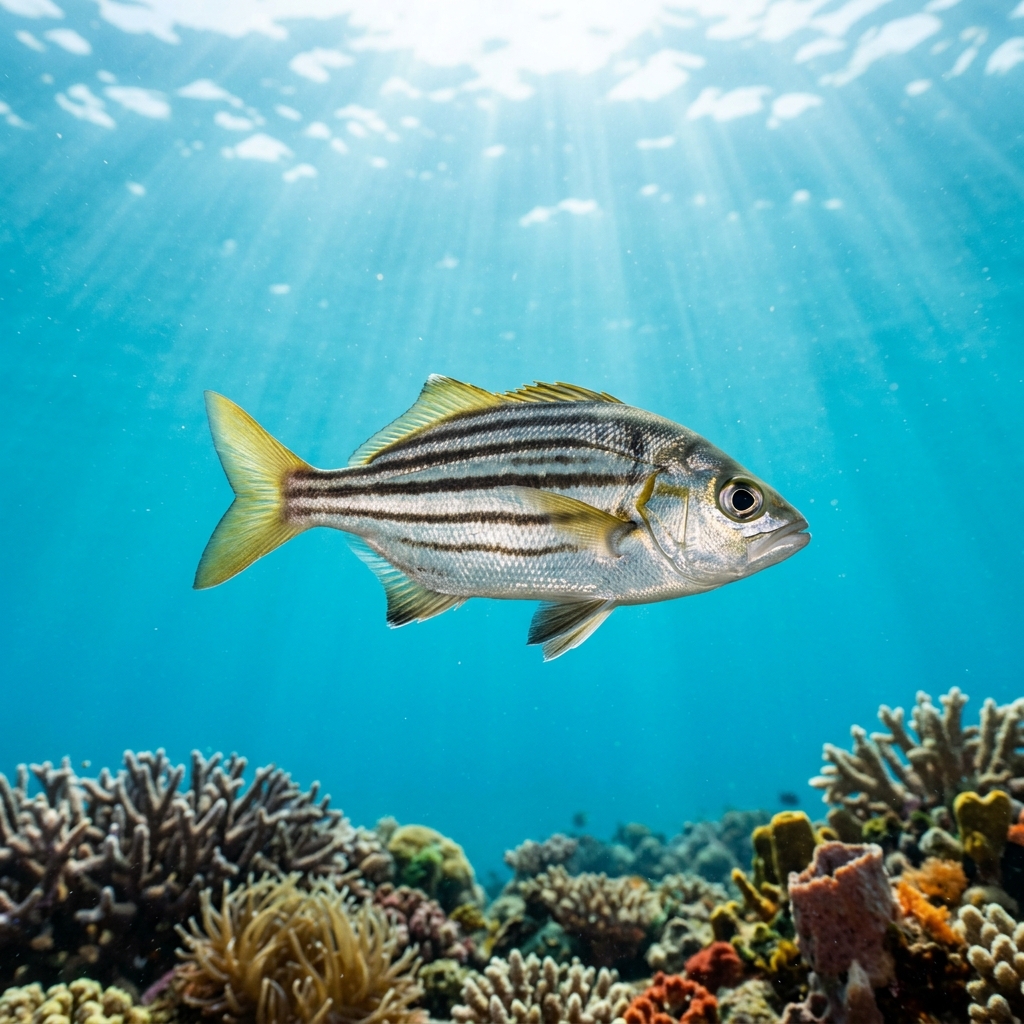
Reef neighbours a diver could mistake it for. Use the identification notes above to tell them apart.
Most reliably logged in Florida, the Yucatán Peninsula in Mexico, and the Bay Islands of Honduras, with strong numbers also reported around Sao Miguel and Santa Maria in the Azores. Other solid spots include New Providence in the Bahamas, El Hierro in the Canary Islands, and Carlisle Bay in Barbados.
Mapping where Bermuda Chub is logged…
Florida, the Yucatán Peninsula in Mexico, and Honduras' Bay Islands are the most consistent spots, with good numbers also reported in the Azores, the Bahamas, and the Canary Islands.
There's no strong season in the sightings data, and its comfortable temperature range of 20 to 28C means it's present on reefs year-round. Any time you're diving warm reef habitat, it's worth watching for.
Look for a deep, oval, silvery-grey body with faint yellowish streaking and a small, low-set mouth suited to grazing algae. It's usually seen in loose groups hovering over reef and rubble rather than tucked into crevices.
They typically reach around 53 cm in length, making them a mid-sized presence on the reef, bigger than most damselfish but smaller than large groupers or jacks sharing the same water.
No, they're harmless herbivores that graze algae and pose no threat to divers. They'll typically keep a comfortable distance rather than approach closely.
Site and sighting data is aggregated from diver logs, iNaturalist and GBIF. For taxonomy and conservation status:
Blue Sea Chub
554 sites