Kyphosus sydneyanus
Silver drummer are most reliably spotted in Western Australia and New Zealand from November to April. Here's where to find them and how to identify them.
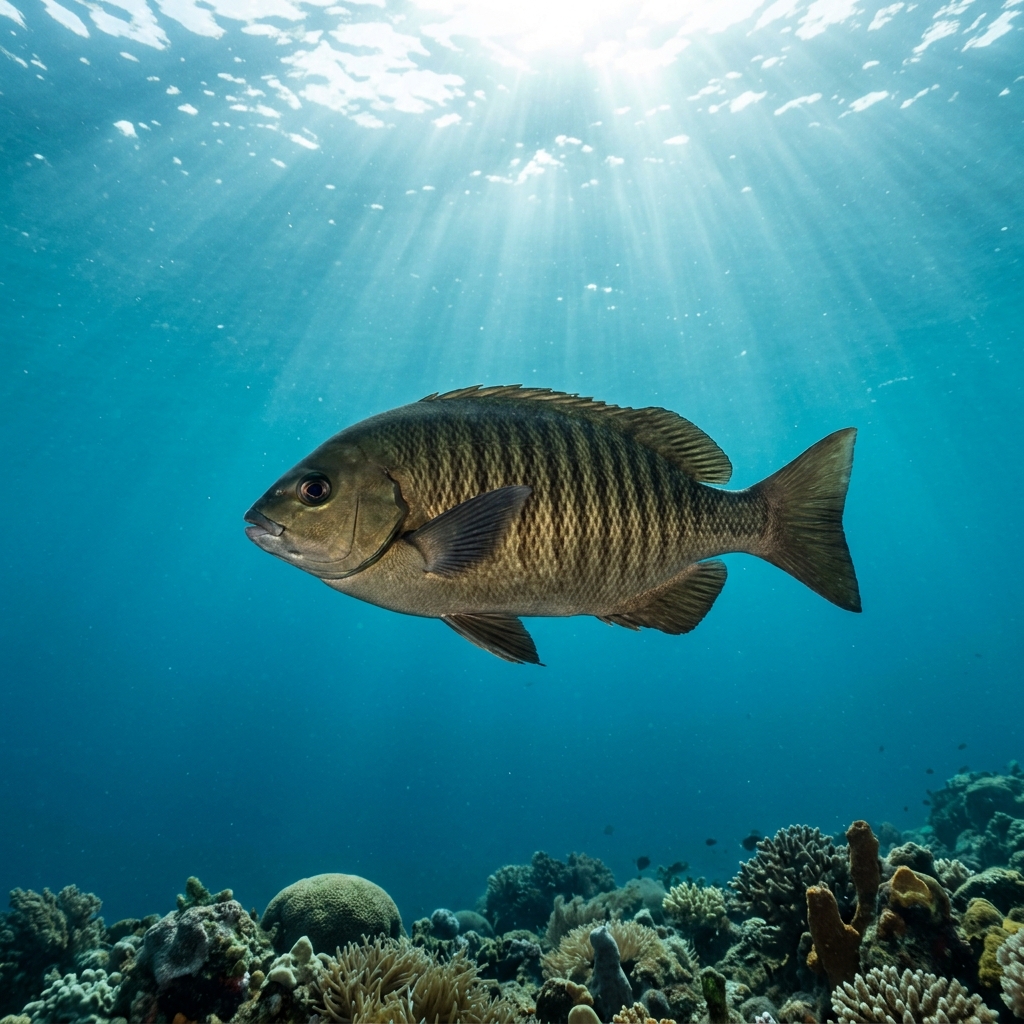
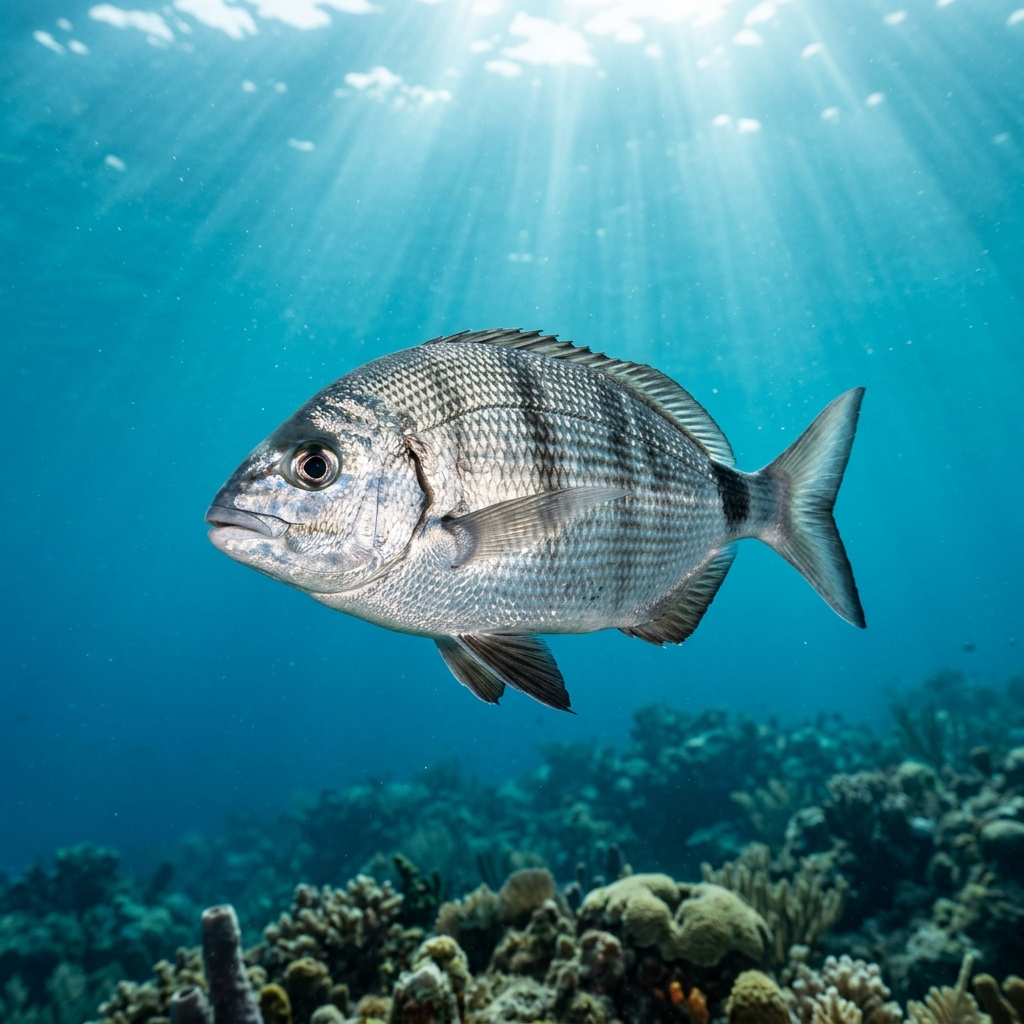
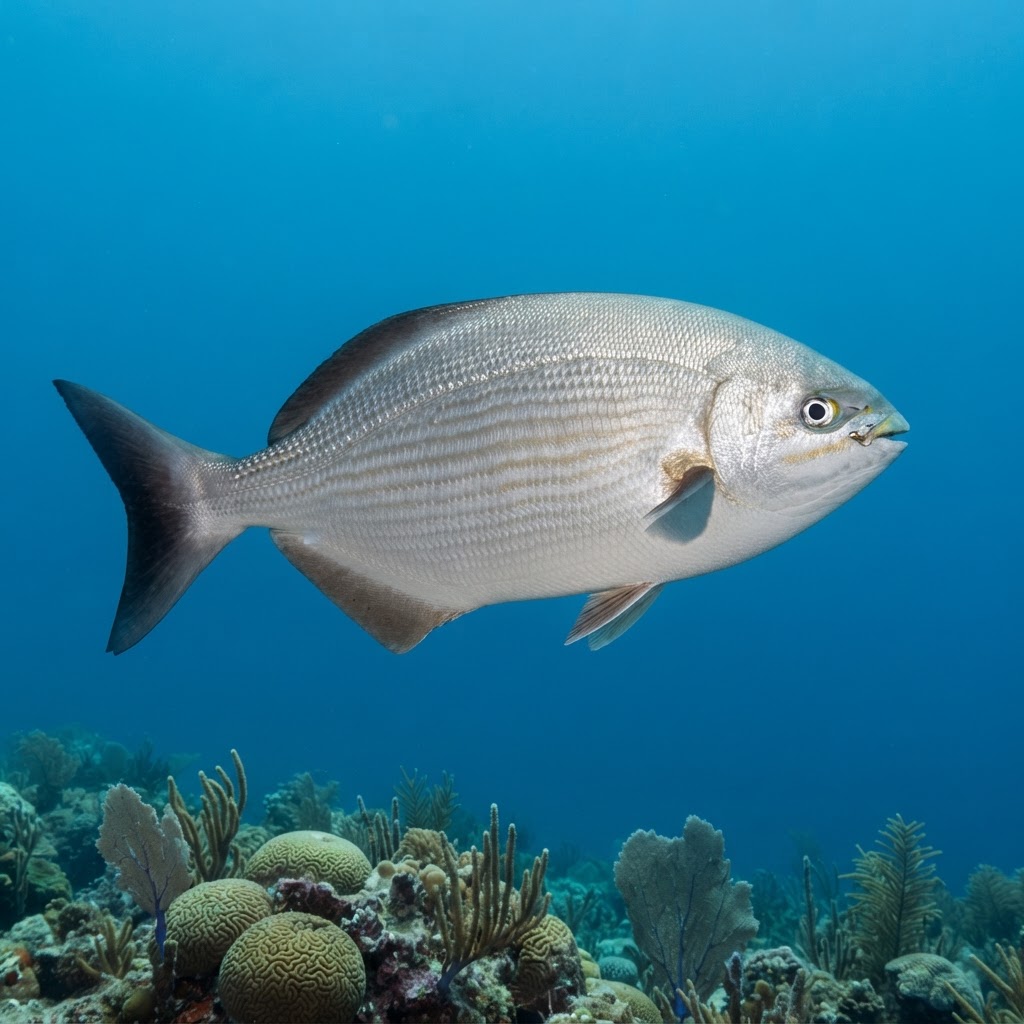
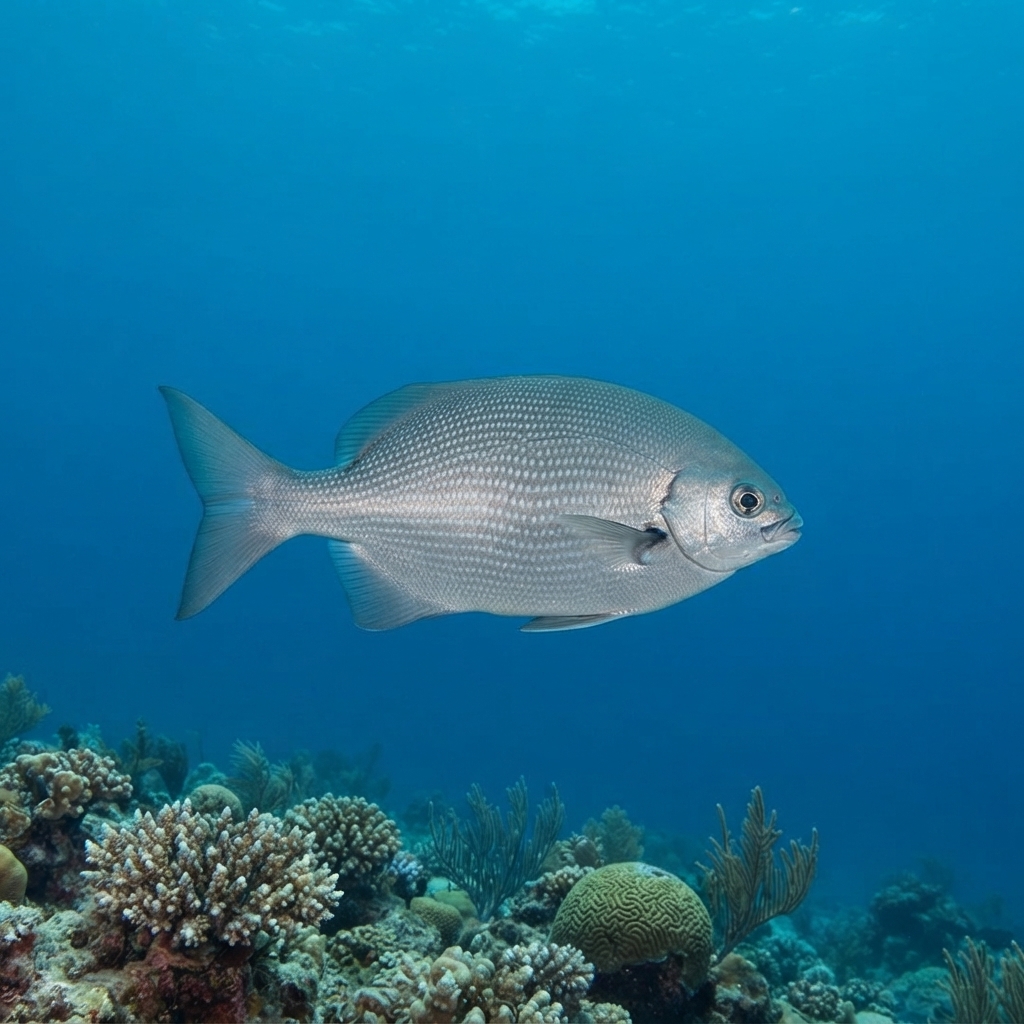
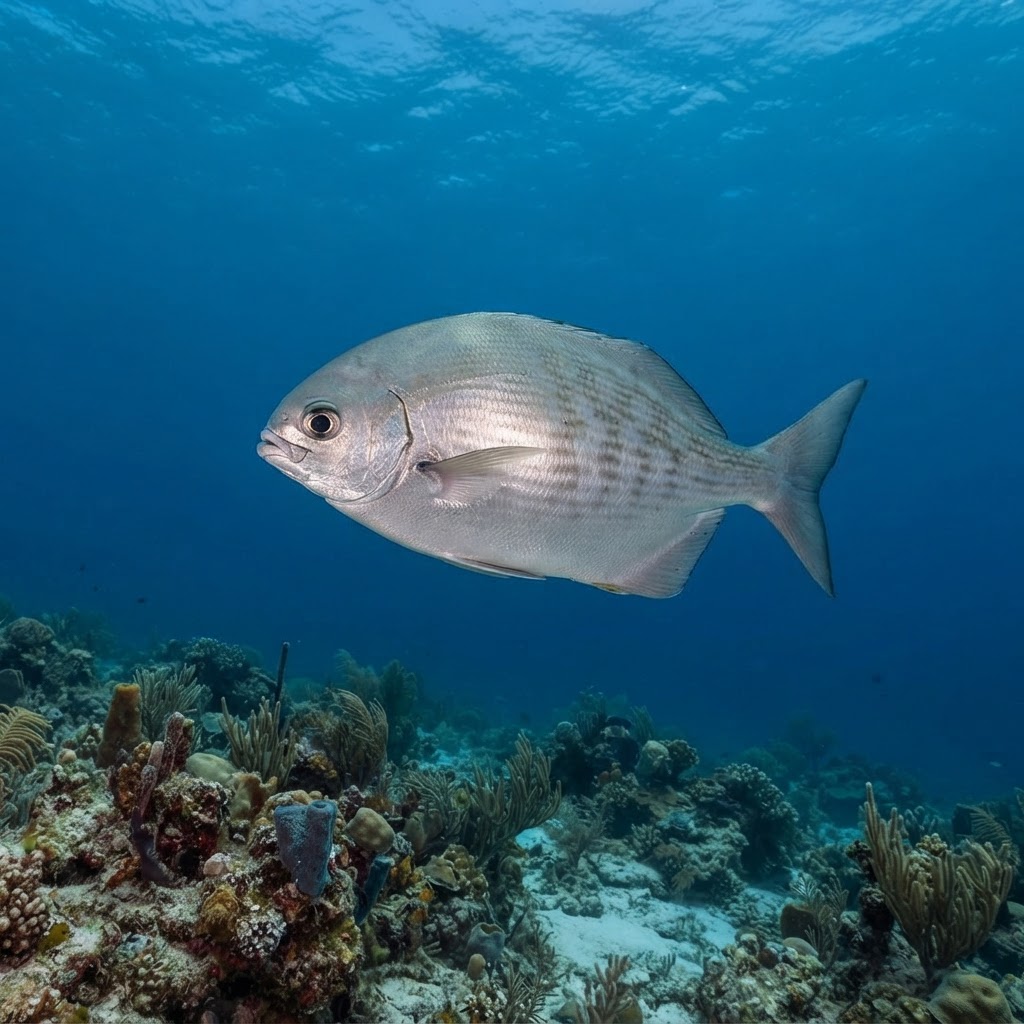
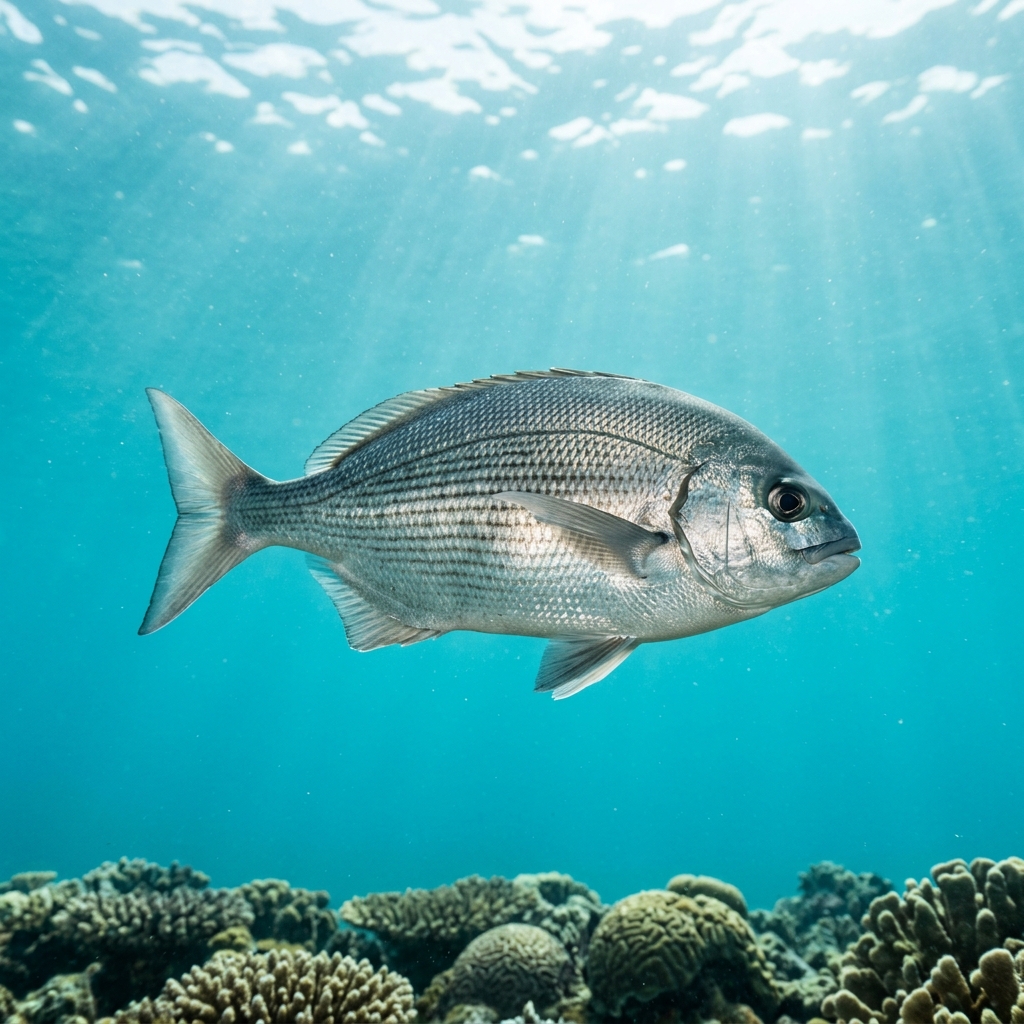
A chunky, deep-bodied fish that looks like a big silver dinner plate in the water, typically reaching around 56 cm. The overall colour is silvery-grey with faint, sometimes indistinct horizontal streaking along the flanks. It favours shallow, surge-washed rocky reefs, often in loose schools close to the bottom. The relatively small mouth, adapted for grazing algae, is a useful pointer when you can get close enough to see it.
Silver drummer are typically encountered in loose schools patrolling surge-swept, rocky reef edges and boulder fields in very shallow water, often within a few metres of the surface. They are herbivores, and you will often see them browsing algae-covered rock faces with their heads tilted down toward the substrate. They tend to be cautious rather than curious around divers, so a slow, non-disruptive approach gives you the best chance of a close look before the school drifts away.
Despite being herbivores that graze algae, silver drummer are often found in the most physically demanding part of the reef: the surge zone where waves break. Their stocky, deep-bodied shape helps them hold station in powerful surge that would push lighter fish off the rocks.
Sightings in the Southern Hemisphere concentrate between November and April, covering the austral spring through early autumn. This aligns with warmer water at the cooler end of the species' observed temperature range, roughly 13.8 to 23.3 °C.
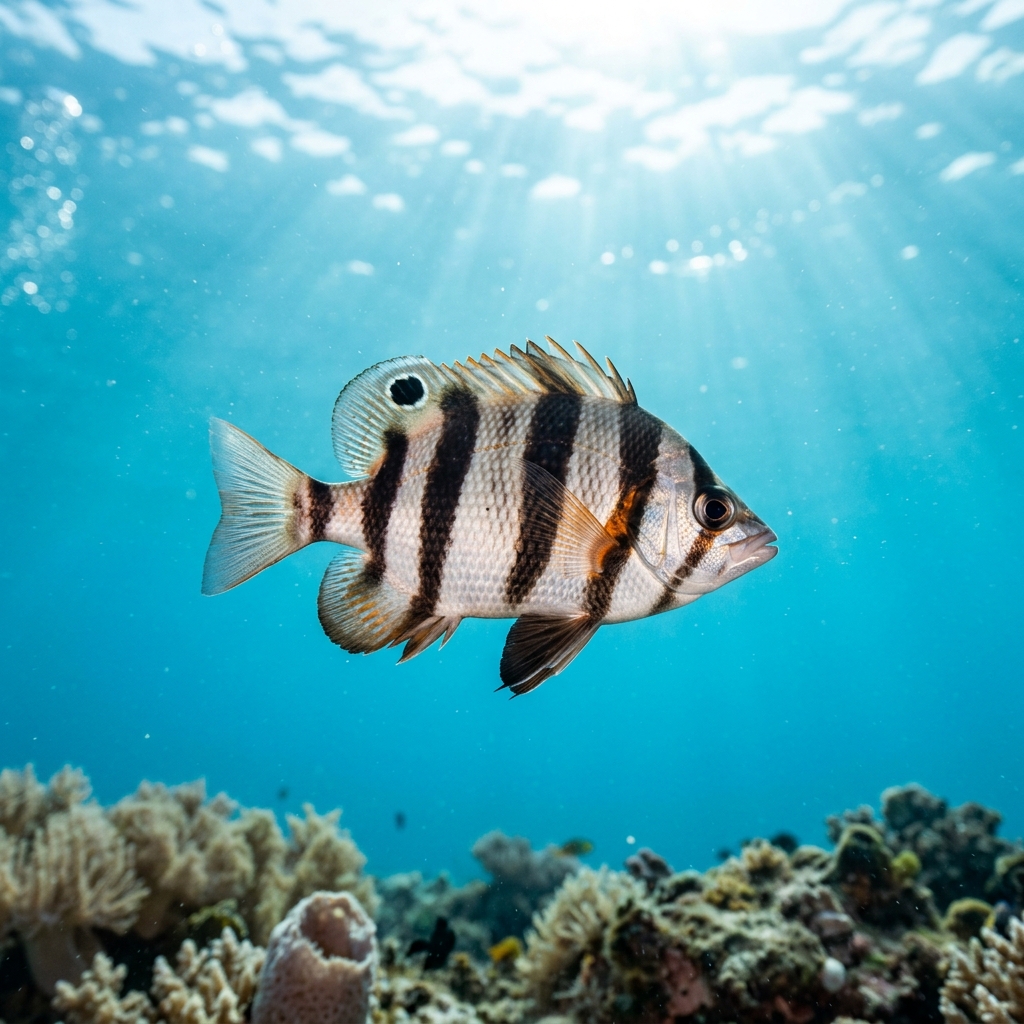
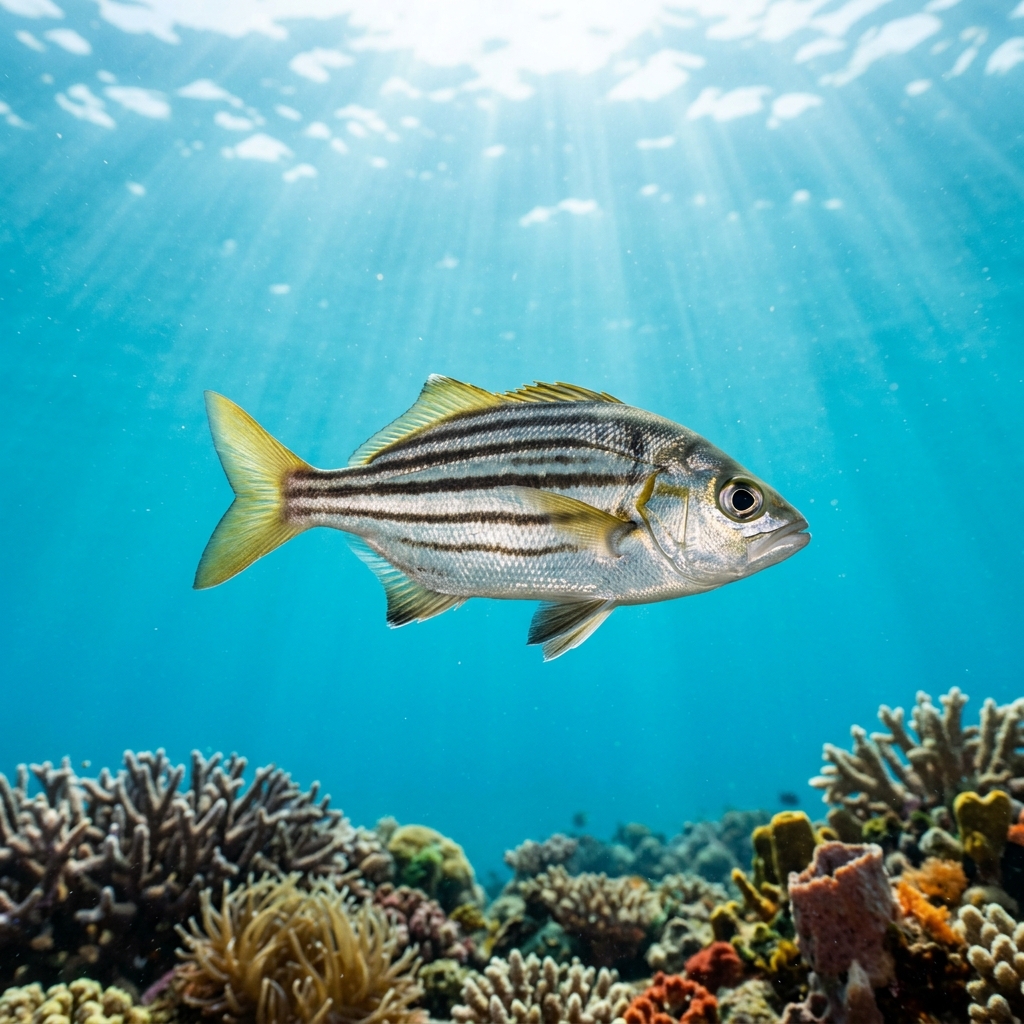
Reef neighbours a diver could mistake it for. Use the identification notes above to tell them apart.
Silver drummer are most commonly logged in Australia, with Western Australia hosting by far the greatest number of sites, followed by South Australia, New South Wales, and Tasmania. New Zealand is a solid second country, with sightings concentrated in Northland and Auckland, Central New Zealand, and the Coromandel and Bay of Plenty regions.
Mapping where Silver Drummer is logged…
Silver drummer are an Australia and New Zealand species. Western Australia has the strongest representation of dive sites, with South Australia, New South Wales, and Tasmania also producing sightings. In New Zealand, Northland, Auckland, and the Coromandel Peninsula are the most productive areas.
In Australian and New Zealand waters, sightings cluster in the November to April window, the austral spring and summer. Outside this period encounters become noticeably less frequent, so plan your dive trip accordingly if silver drummer are on your radar.
Look for a large, deep-bodied, disc-shaped fish with an overall silvery-grey colour and subtle horizontal streaking on the flanks. They tend to school on shallow rocky reefs in surge. The small, downward-angled mouth used for algae grazing is a useful close-up clue that distinguishes them from more predatory fish of similar size.
Silver drummer typically reach around 56 cm in length. In the water that equates roughly to the length of your forearm from fingertip to elbow, a solidly built, noticeable fish when you encounter a school of them on a reef.
Silver drummer are dedicated herbivores, grazing almost entirely on algae growing on rocky reef surfaces. This drives their preference for surge-exposed, well-lit shallow reefs where algal growth is richest. Watching them methodically work a boulder face is often one of the highlights of an encounter.
Site and sighting data is aggregated from diver logs, iNaturalist and GBIF. For taxonomy and conservation status:
Blue Sea Chub
554 sites