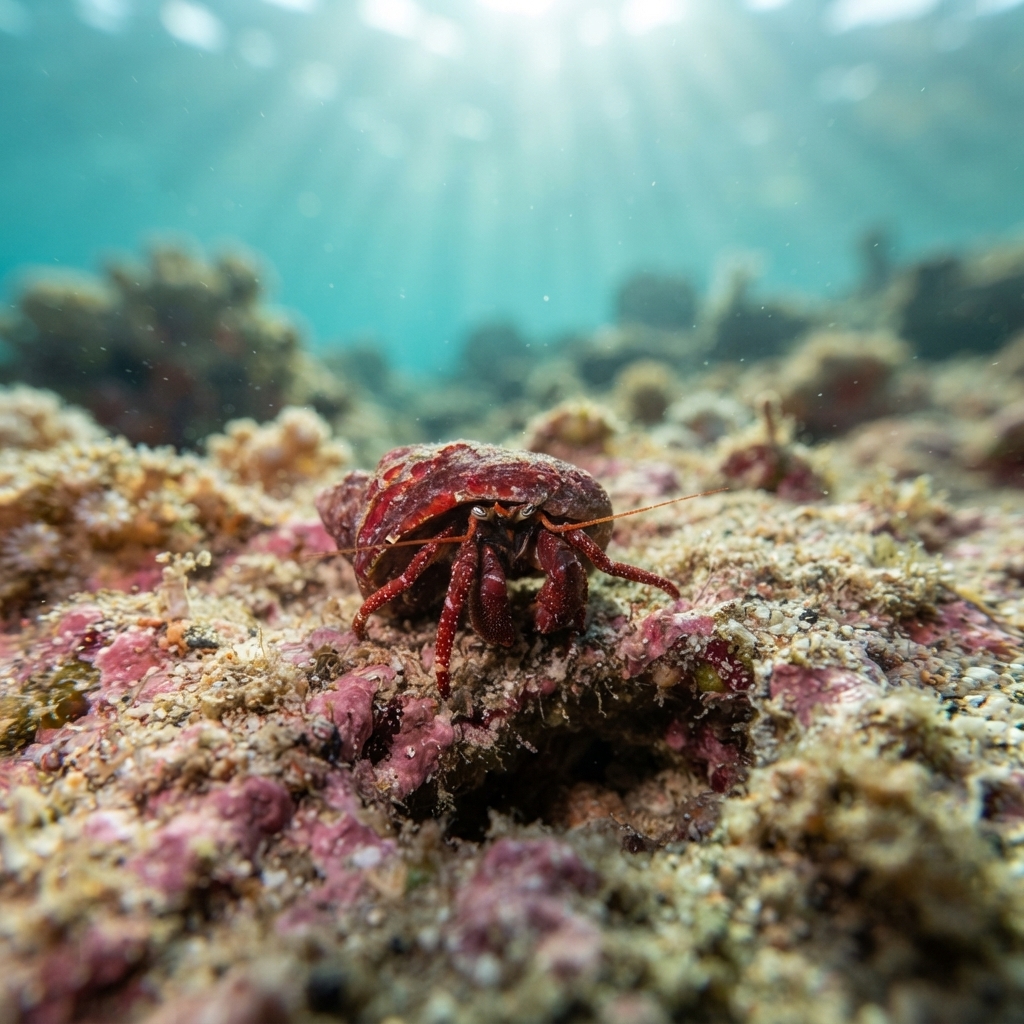
Pagurus hemphilli
A 1cm hermit crab logged on cold-water dives in California and British Columbia, in water as cold as 9.5C. Uncommon but worth the search.
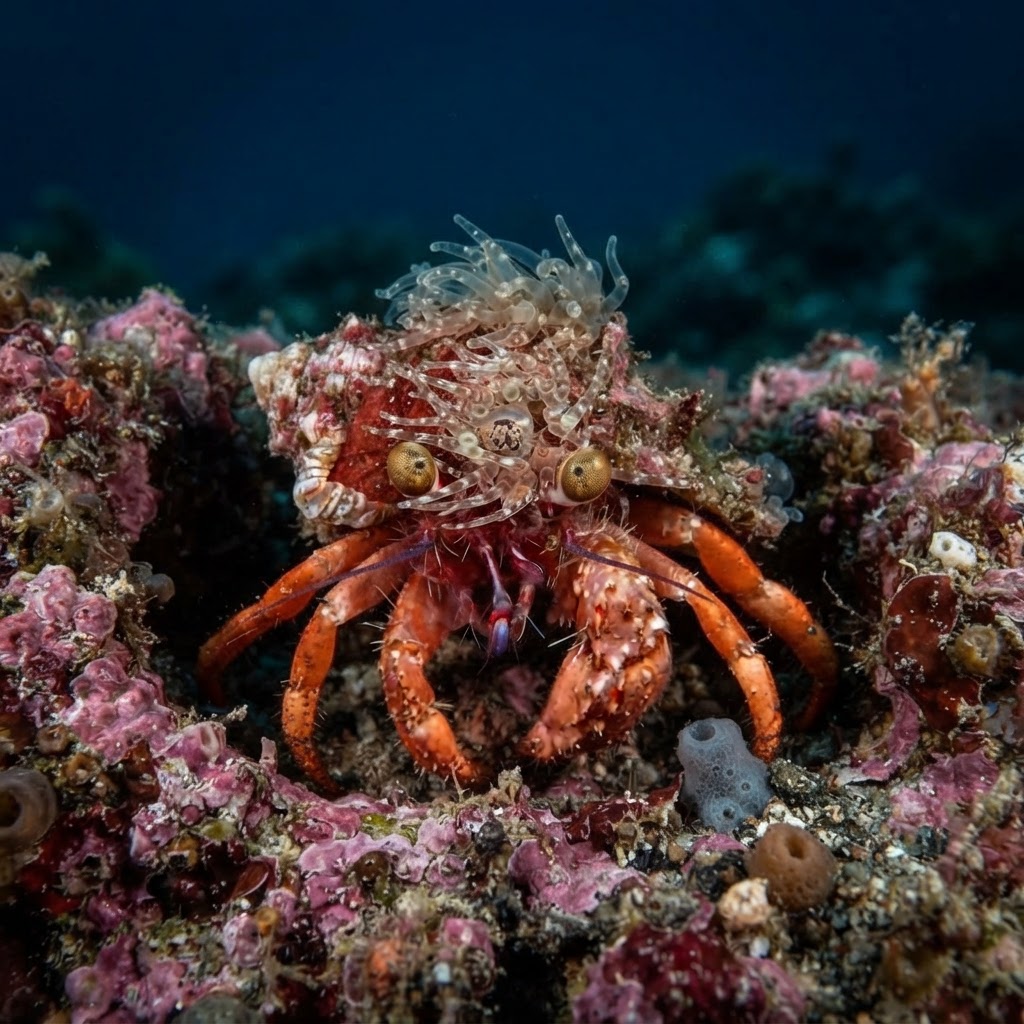
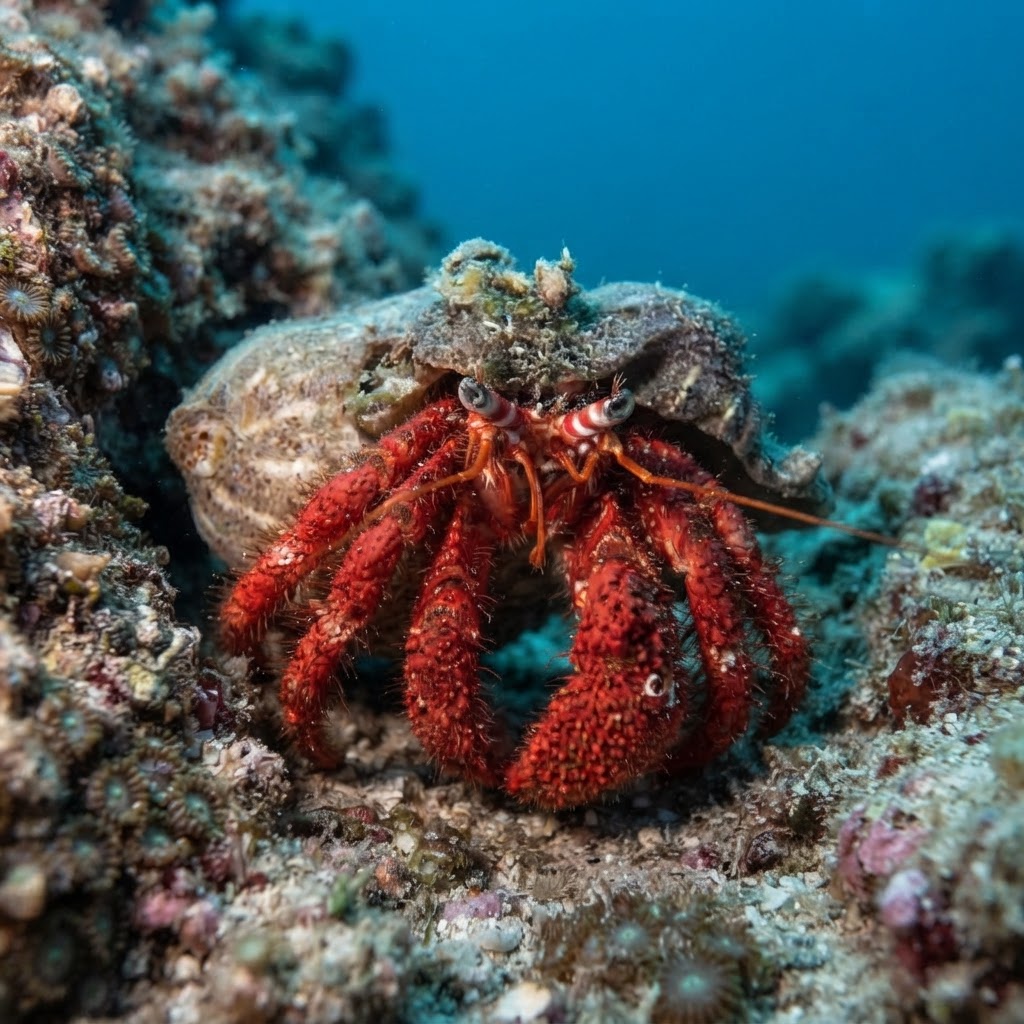
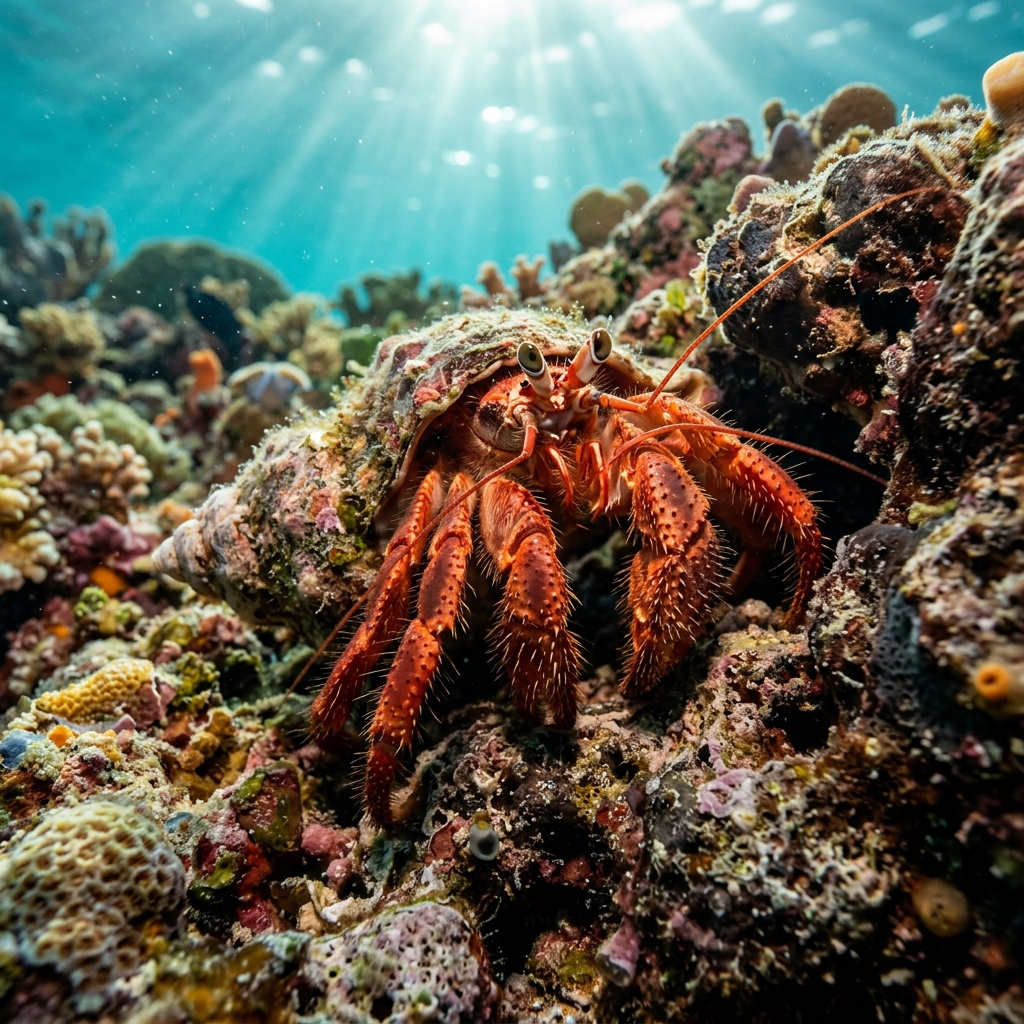
Tiny at around 1cm, this hermit crab is easy to overlook unless you're scanning cobble and rocky rubble closely. Look for a deep maroon to reddish-brown body and legs poking from a small scavenged snail shell, with the shell itself often the first thing that catches your eye rather than the crab. It moves in short, deliberate steps rather than darting, which helps separate it from small true crabs sharing the same rock.
Divers find this hermit crab tucked into rocky crevices and cobble patches, usually motionless or shuffling slowly across the substrate while foraging. It shows no reaction to divers beyond retreating slightly into its shell if disturbed, and it's easy to miss unless you're doing a slow macro-focused search rather than a cruising swim.
Like all hermit crabs, it doesn't grow its own shell and instead recycles empty snail shells, trading up for a bigger one as it grows, so the same individual might look different in size and shell shape between dives.
Sighting data doesn't show a clear seasonal spike, and given its narrow cold-water niche of 9.5 to 15.5C, it's reasonable to treat this as a year-round find on the sites where it occurs. Bring a torch and go slow rather than timing a trip around a season.
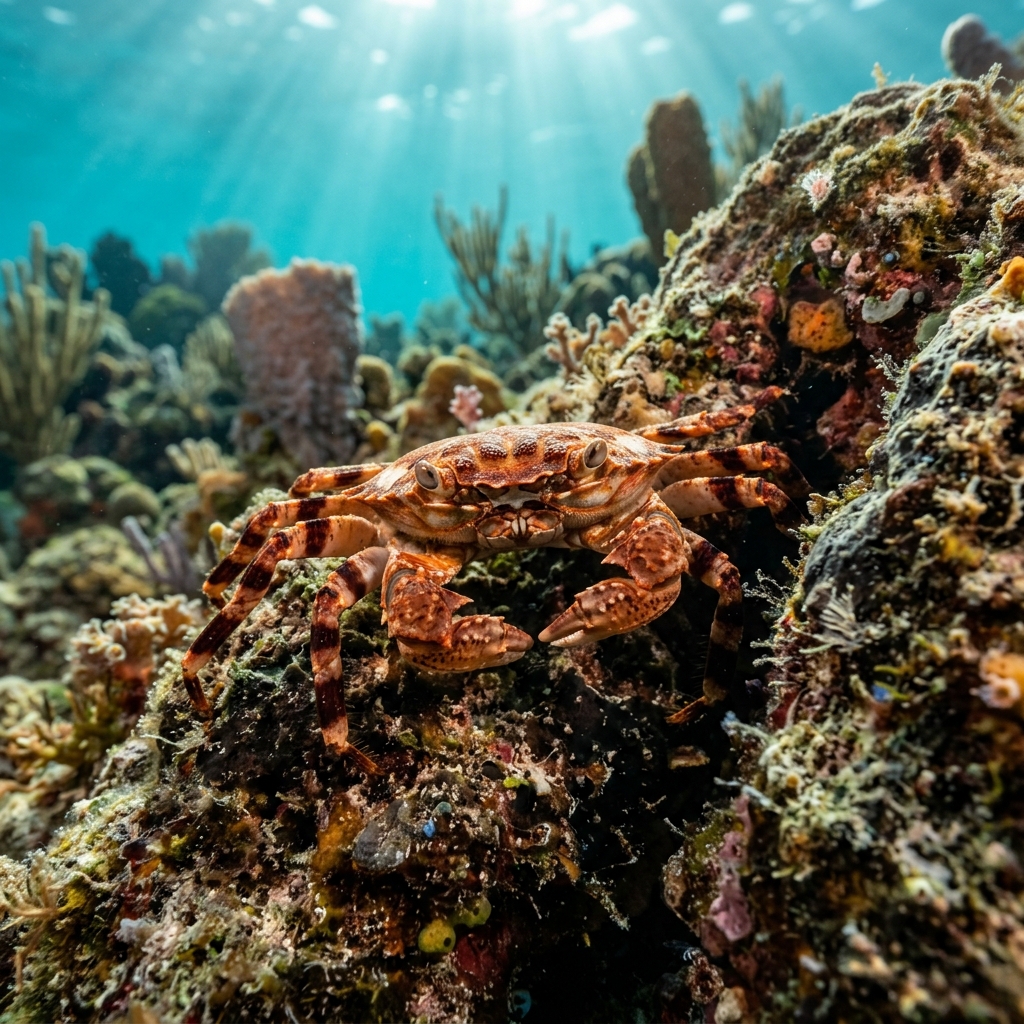
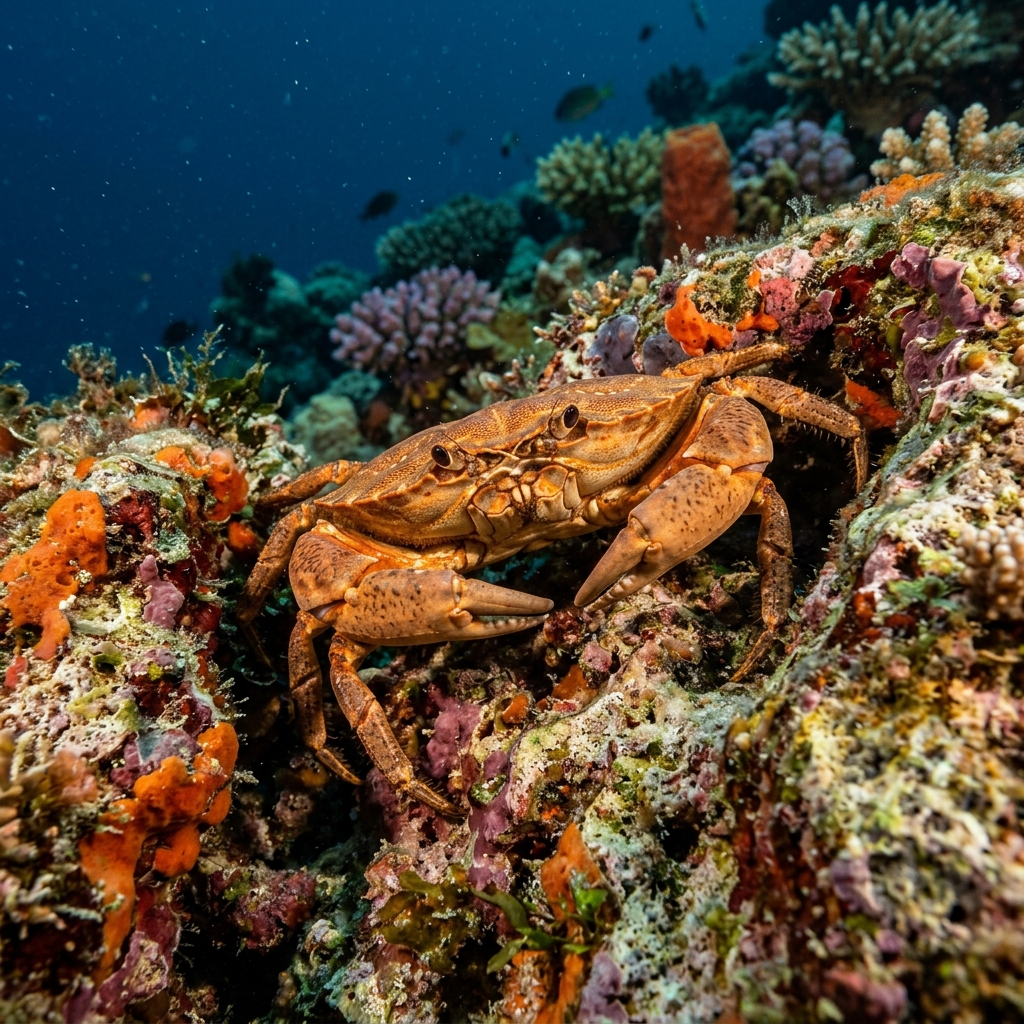
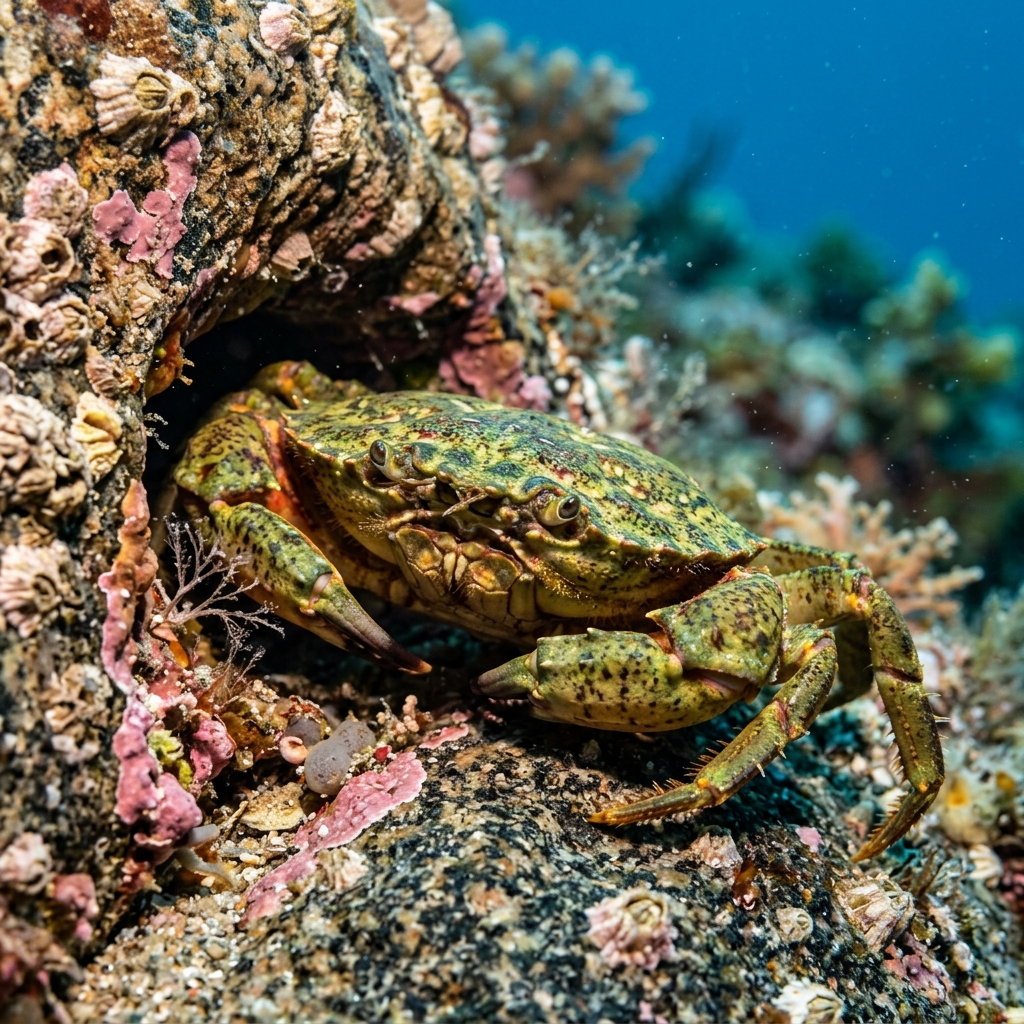
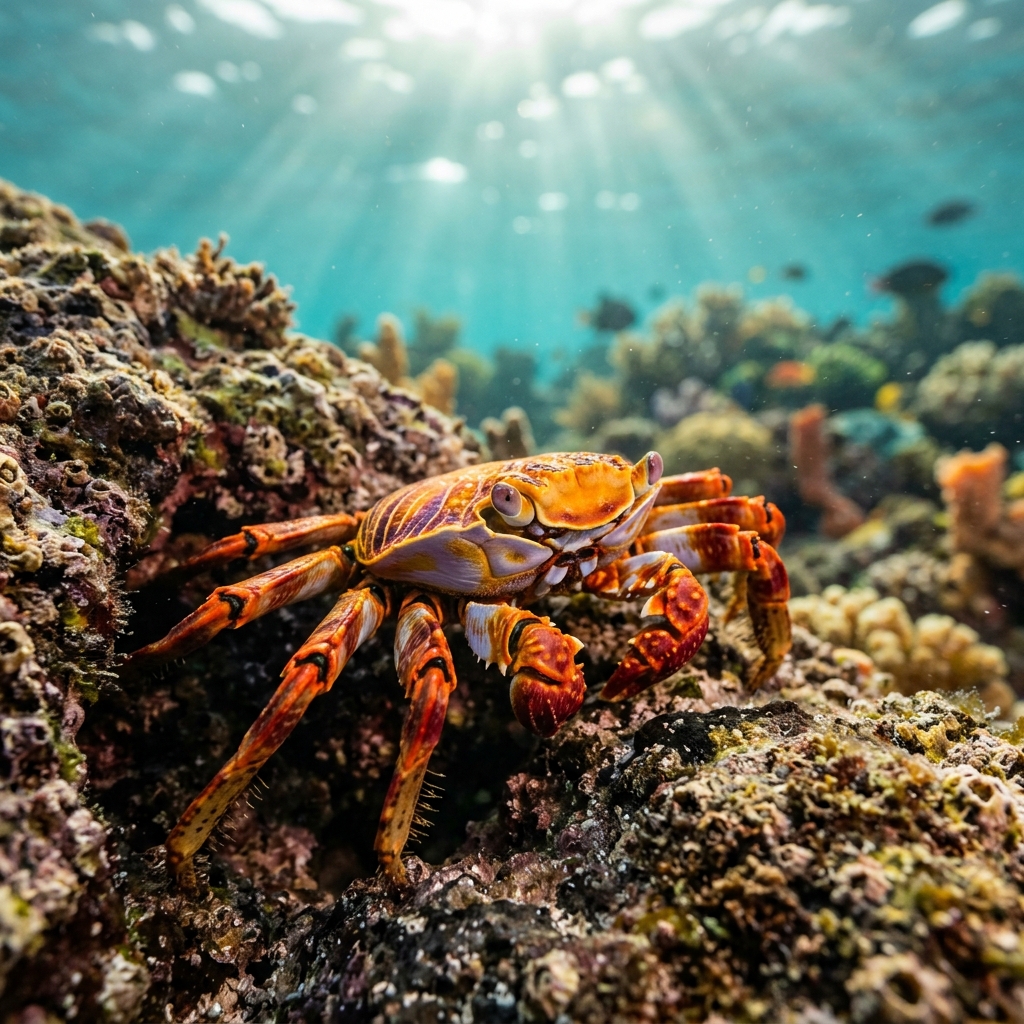
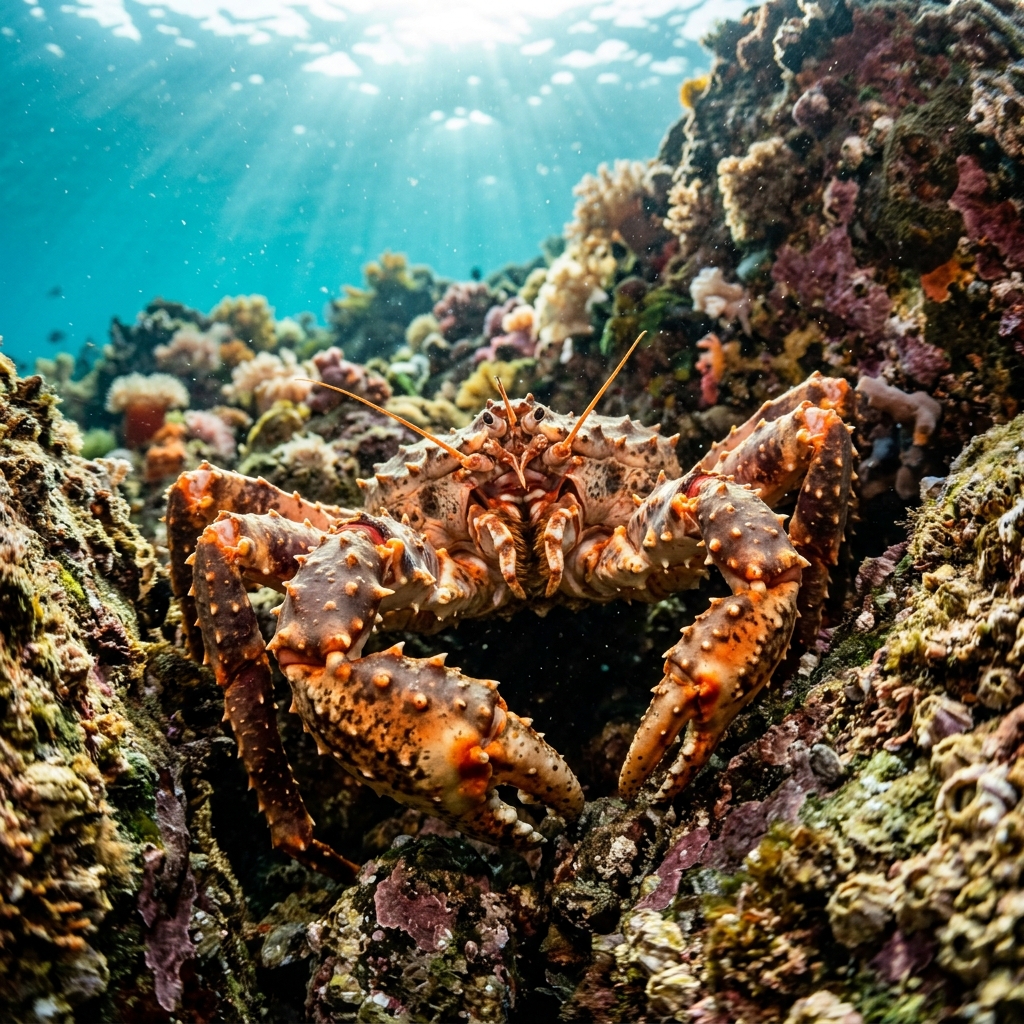
Reef neighbours a diver could mistake it for. Use the identification notes above to tell them apart.
Most logged sightings come from California, particularly along the coast, with a smaller but consistent presence in British Columbia and one site in the Pacific Northwest region of the United States. This is a cold-temperate species, so don't expect it on tropical reef dives; it belongs to rocky reef and cobble habitat in the US and Canadian Pacific.
Mapping where Maroon Hermit Crab is logged…
California has the strongest record of sightings, with additional logs from British Columbia, Canada, and the Pacific Northwest of the United States. It's a cold-water rocky reef species rather than a tropical one.
There's no detected seasonal pattern, so sightings are treated as year-round on the sites where it's found. Its comfort range of 9.5 to 15.5C matches the cold Pacific coast water it lives in most of the year.
Look for a tiny, roughly 1cm hermit crab with a maroon to reddish-brown body tucked into a small scavenged shell on rocky or cobble substrate. It moves slowly and is easy to mistake for debris until it shifts.
They're small, reaching around 1cm, so they're a macro-life find rather than something spotted from a distance.
No, they pose no danger to divers. They're small, slow-moving, and simply retreat into their shell if approached too closely.
Site and sighting data is aggregated from diver logs, iNaturalist and GBIF. For taxonomy and conservation status:
European Green Crab
2,469 sites