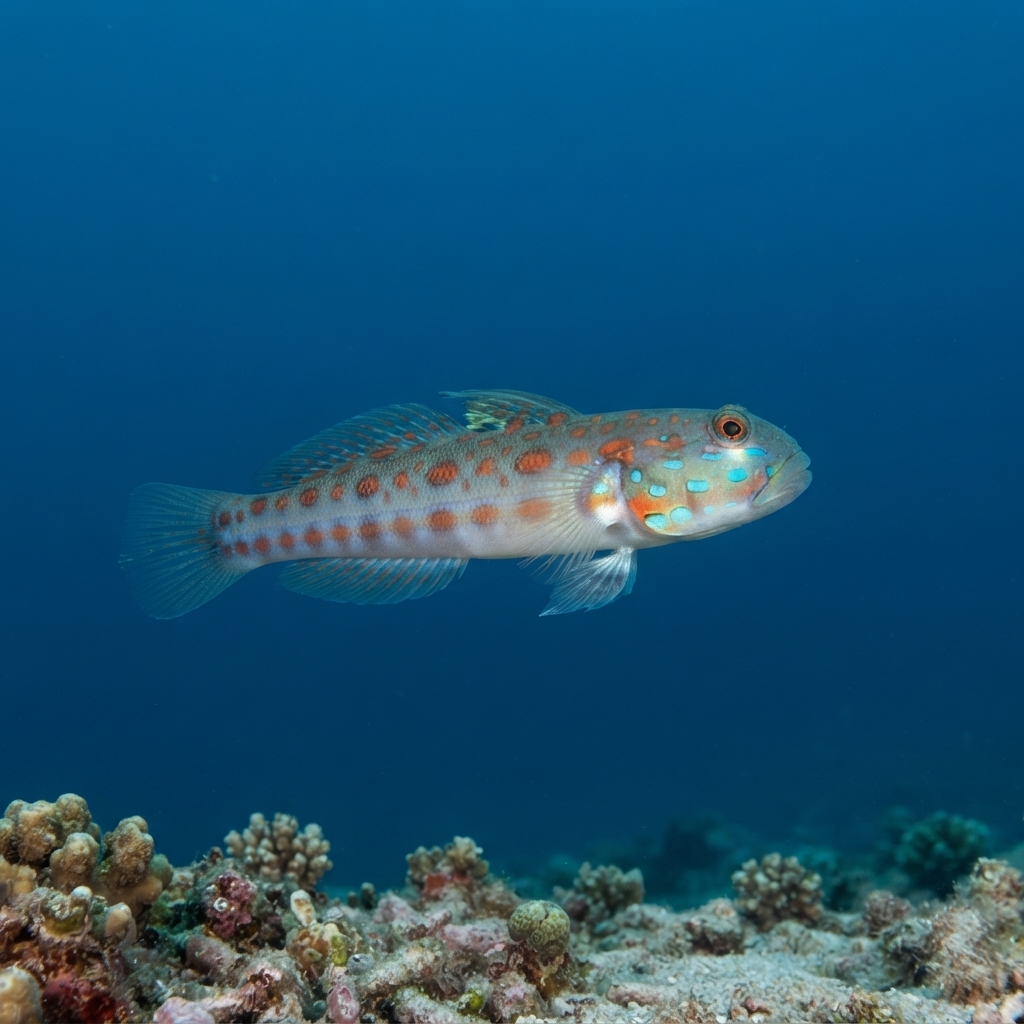
Valenciennea puellaris
Pale-bodied goby with orange dots, hovering over sandy patches in the Visayas and Sulawesi. Look for it year-round in 25.5-29C water.
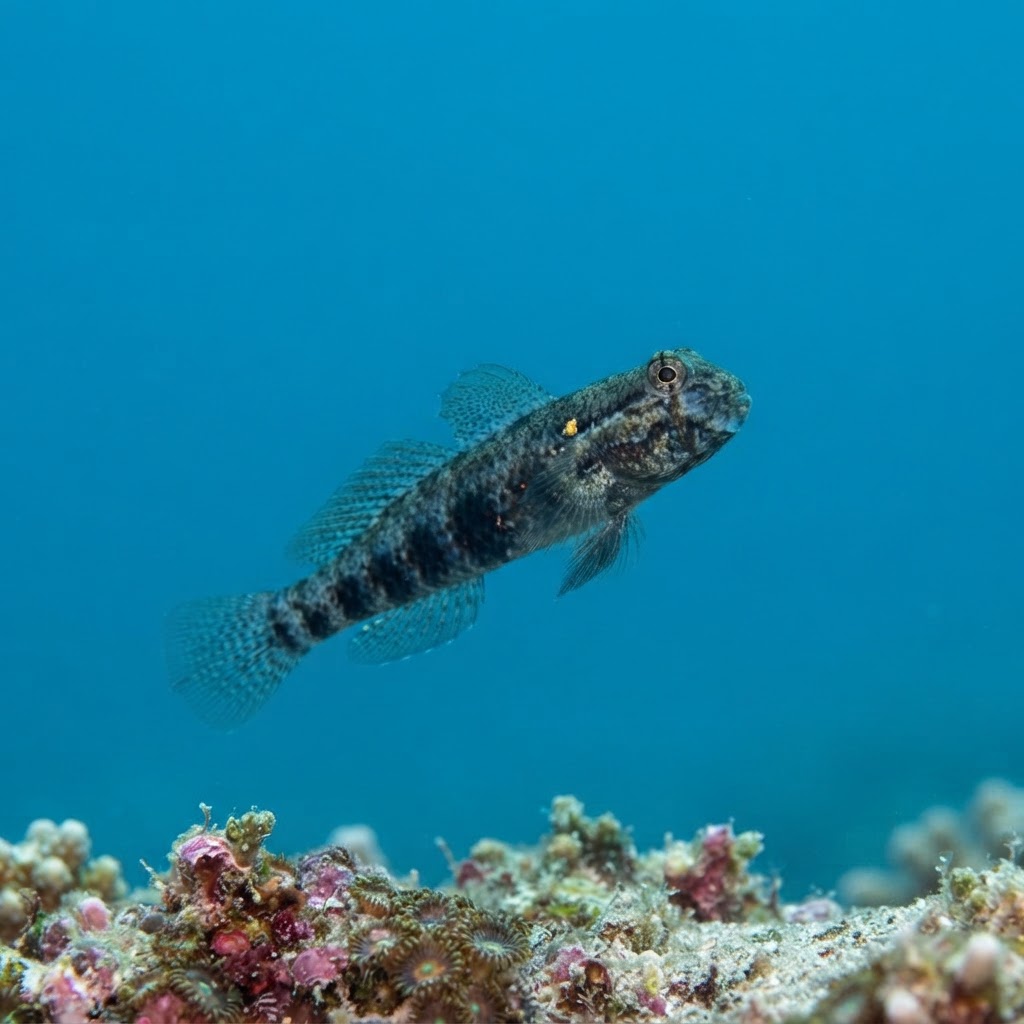
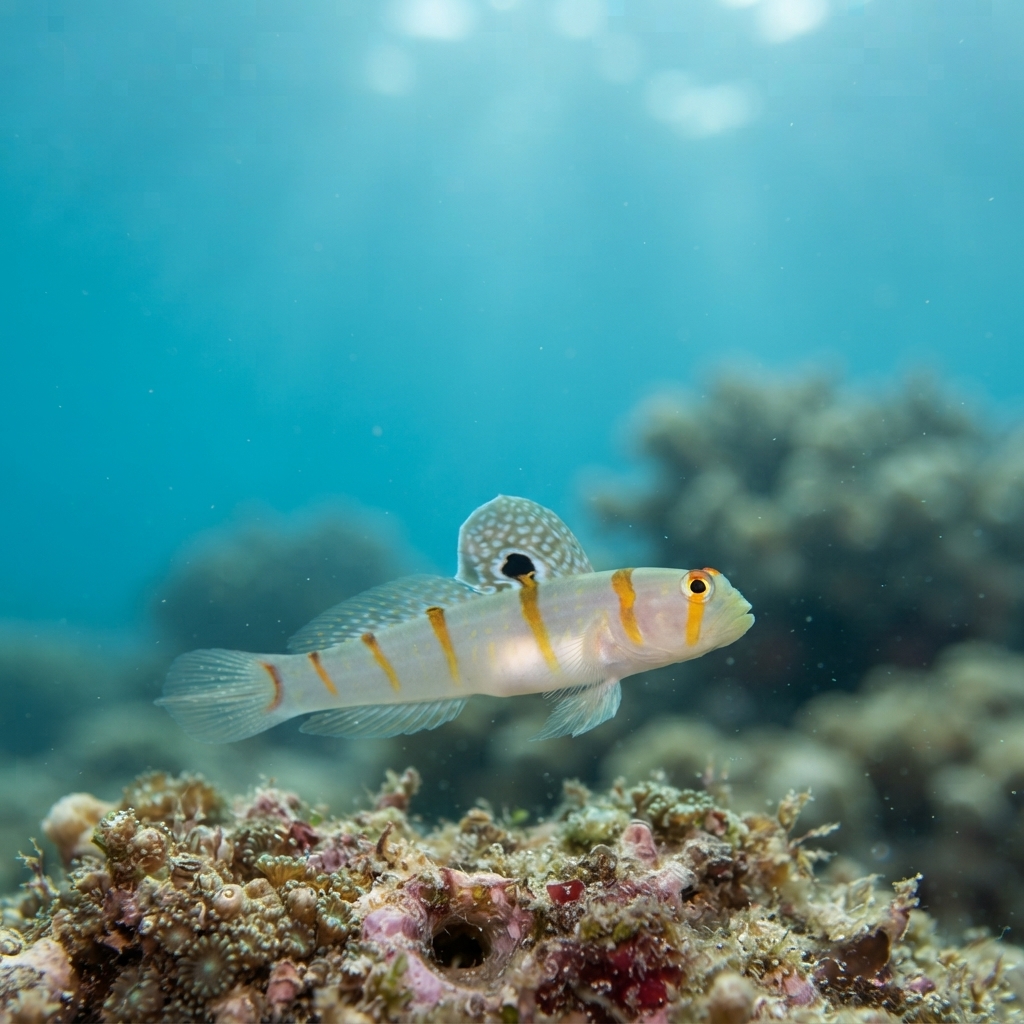
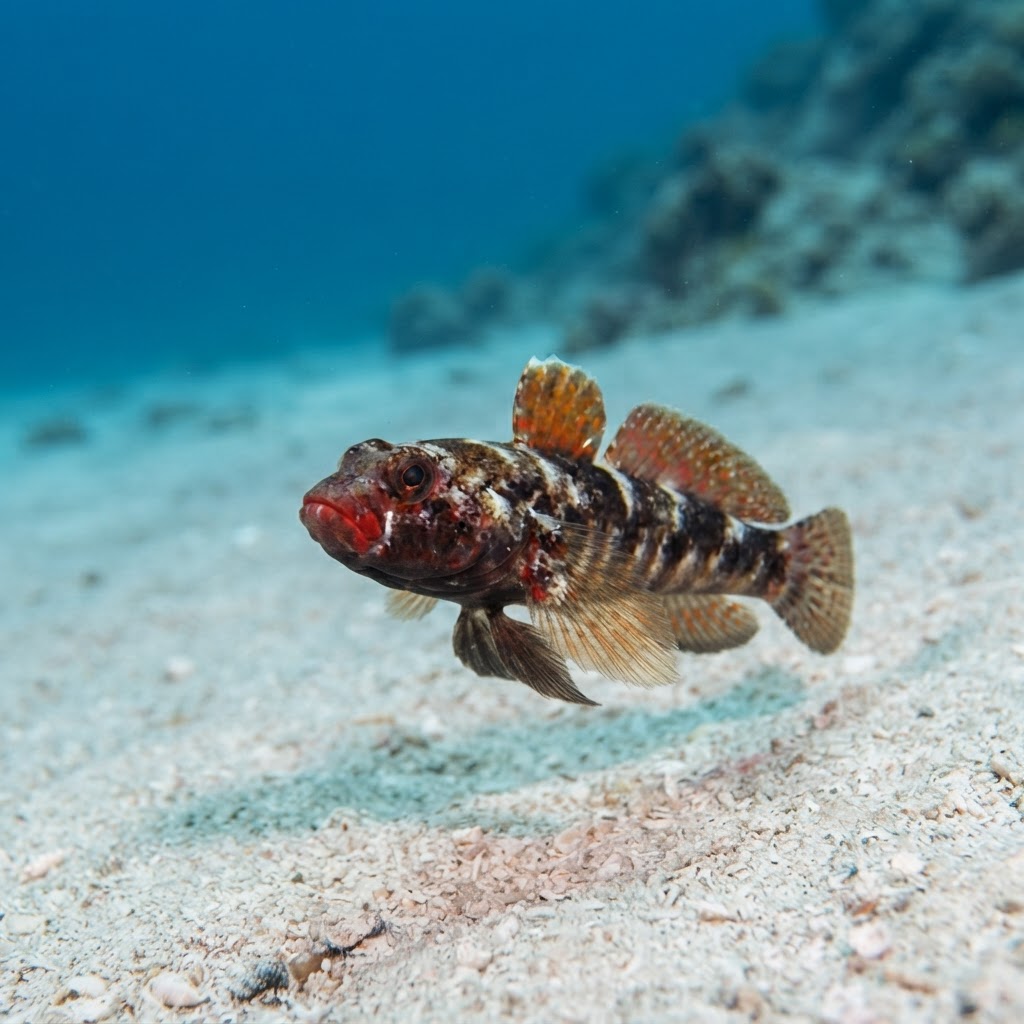
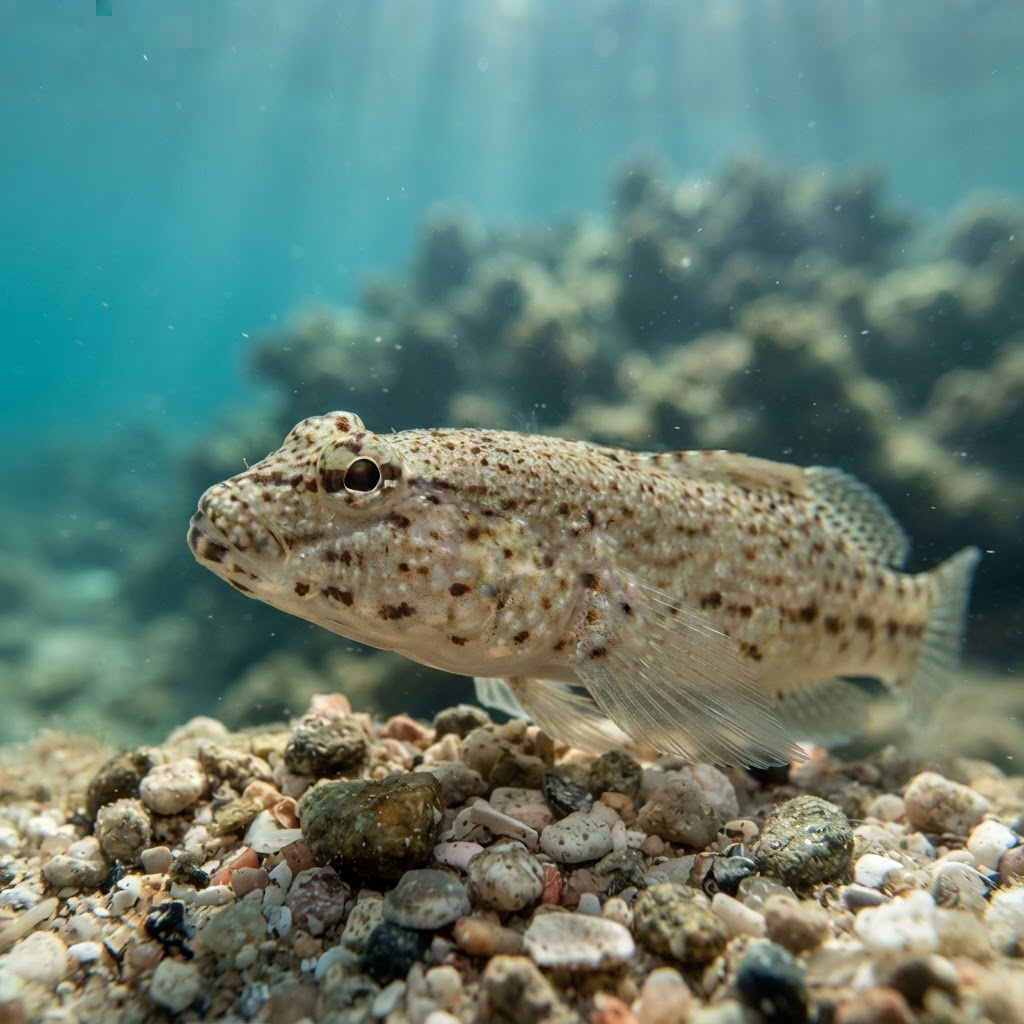
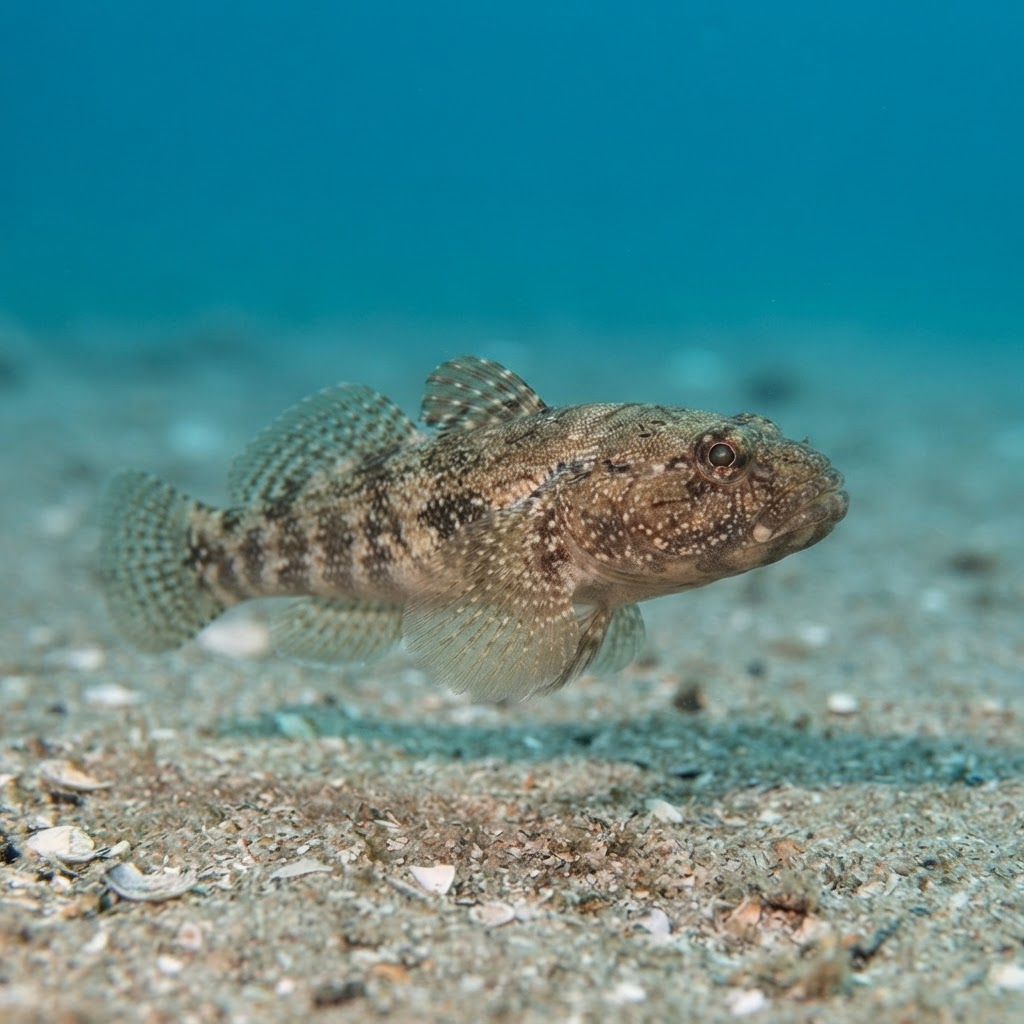
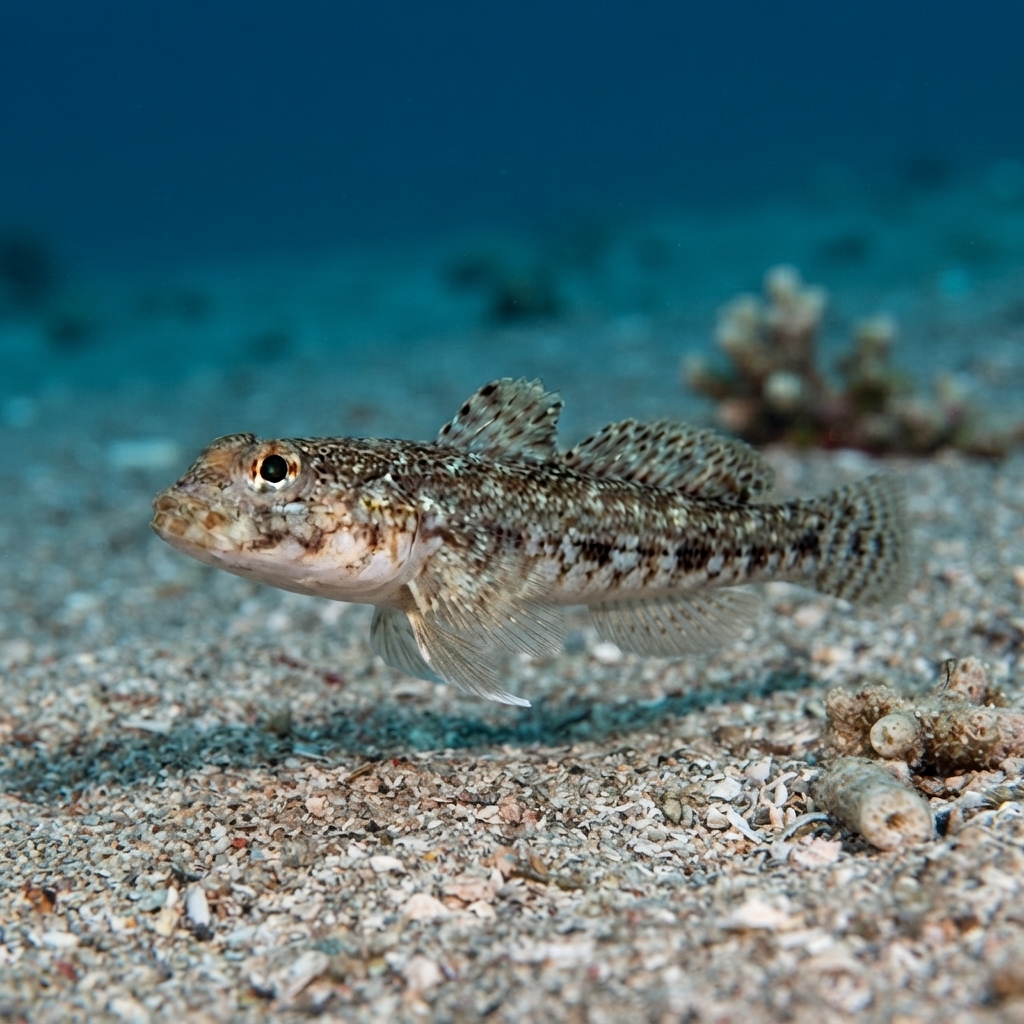
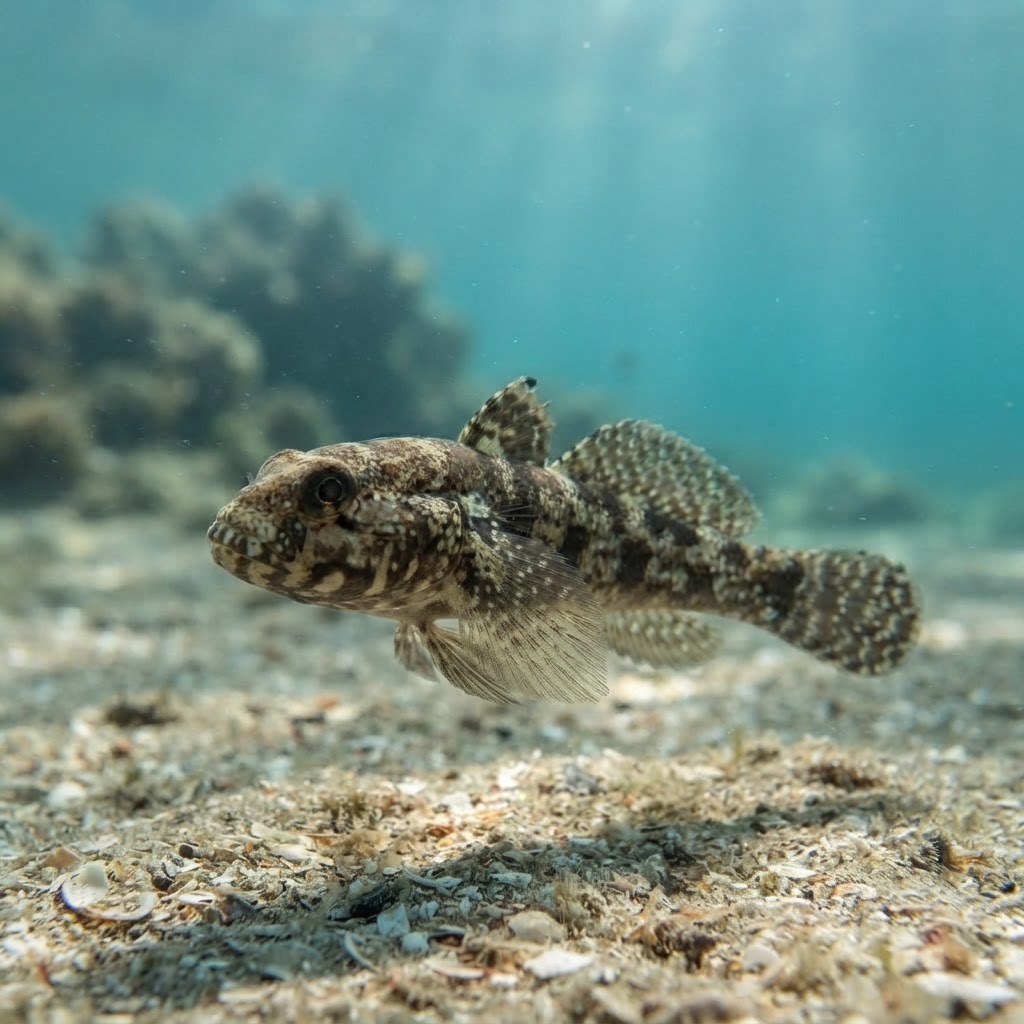
Slender, around 14 cm, with a pale grey-white body covered in rows of small orange-brown spots that form loose lines along the flanks. It hovers just above the sand rather than resting on the bottom, with a slightly upturned snout and large eyes that give it an alert look. Pairs are often seen holding station a few centimetres apart over the same burrow.
Look for it hovering a body-length or so above sand and rubble patches next to reef edges, usually in a pair that shares a burrow dug into the substrate. Both fish take turns sifting sand through their gills while the other keeps watch, and they duck into the burrow instantly if you approach too fast. Give them a slow, low approach and they will often resume feeding within a minute or two.
Pairs work in a division-of-labour rota at the burrow entrance, mouthing sand for edible particles while a partner watches for predators, then swapping jobs, a level of cooperation unusual among small reef gobies.
No clear seasonal pattern shows up in the sightings, and its comfort range of 25.5 to 29C matches tropical reef water year-round, so any month works at these sites.
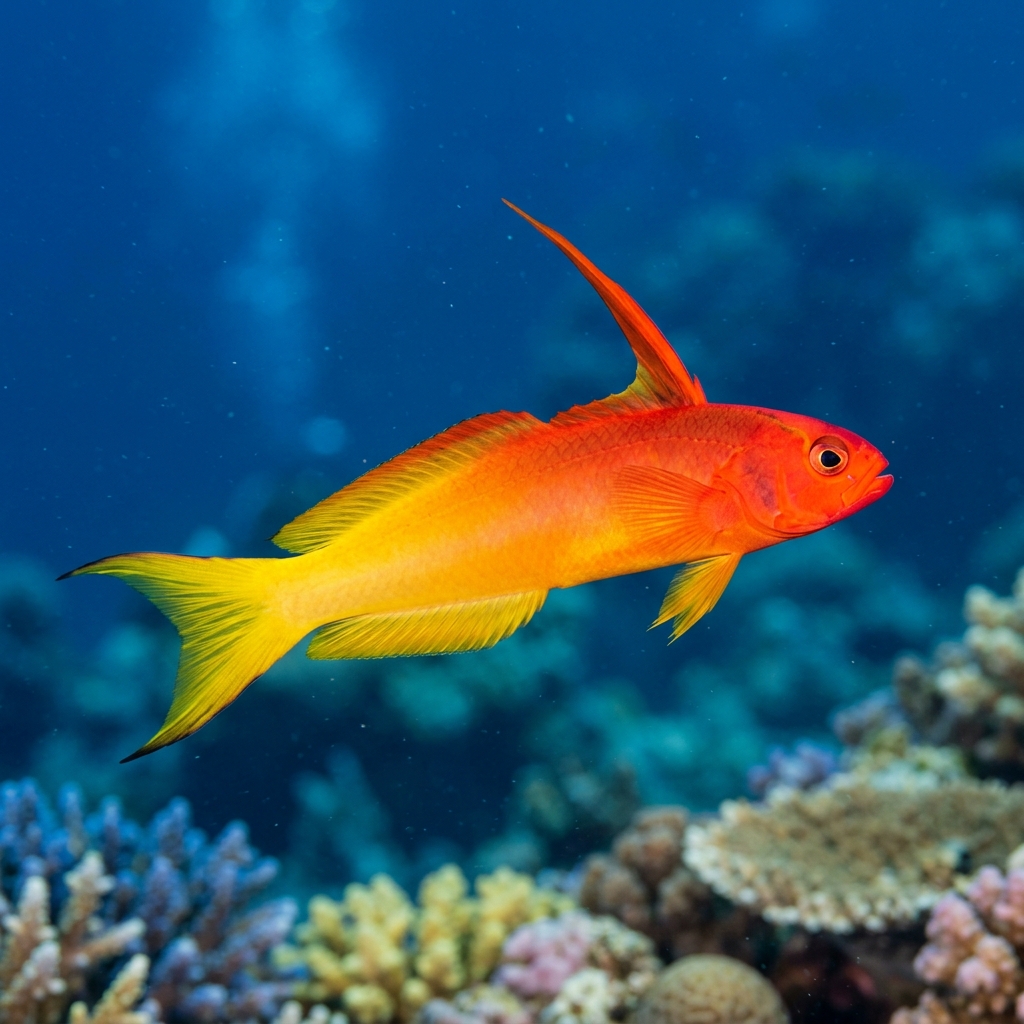
Reef neighbours a diver could mistake it for. Use the identification notes above to tell them apart.
Most reliably logged in the Philippines, especially across the Visayas, and in Indonesia, with strong numbers in Sulawesi, Bali and Maluku. It also turns up steadily in Thailand's Koh Chang, Timor-Leste around Dili, Sabah in Malaysia, and Longdong in Taiwan.
Mapping where Maiden Goby is logged…
The Philippines and Indonesia are the strongest areas, particularly the Visayas and Sulawesi, with more sightings logged in Koh Chang in Thailand, Dili in Timor-Leste, Sabah in Malaysia, and Longdong in Taiwan.
There is no strong season in the sighting data, and it lives in water between 25.5 and 29C year-round, so it can be found on tropical reefs in any month.
Look for a pale grey-white body with rows of small orange-brown spots, hovering just above sand near reef edges rather than sitting on the bottom. Pairs are common, holding position a short distance apart above a shared burrow.
They reach around 14 cm, a typical size for a reef-associated goby.
Paired individuals take turns sifting sand for food at their burrow entrance while the other watches for danger, then swap roles, a cooperative feeding pattern that stands out among small gobies.
No, they pose no threat to divers and will simply retreat into their burrow if approached too quickly.
Site and sighting data is aggregated from diver logs, iNaturalist and GBIF. For taxonomy and conservation status:
Slender Goby
806 sites