Ecsenius lubbocki
Tiny reef blenny logged almost exclusively around Koh Phi Phi, Thailand, in warm 28-29C water. Here's how to spot one on the rubble.
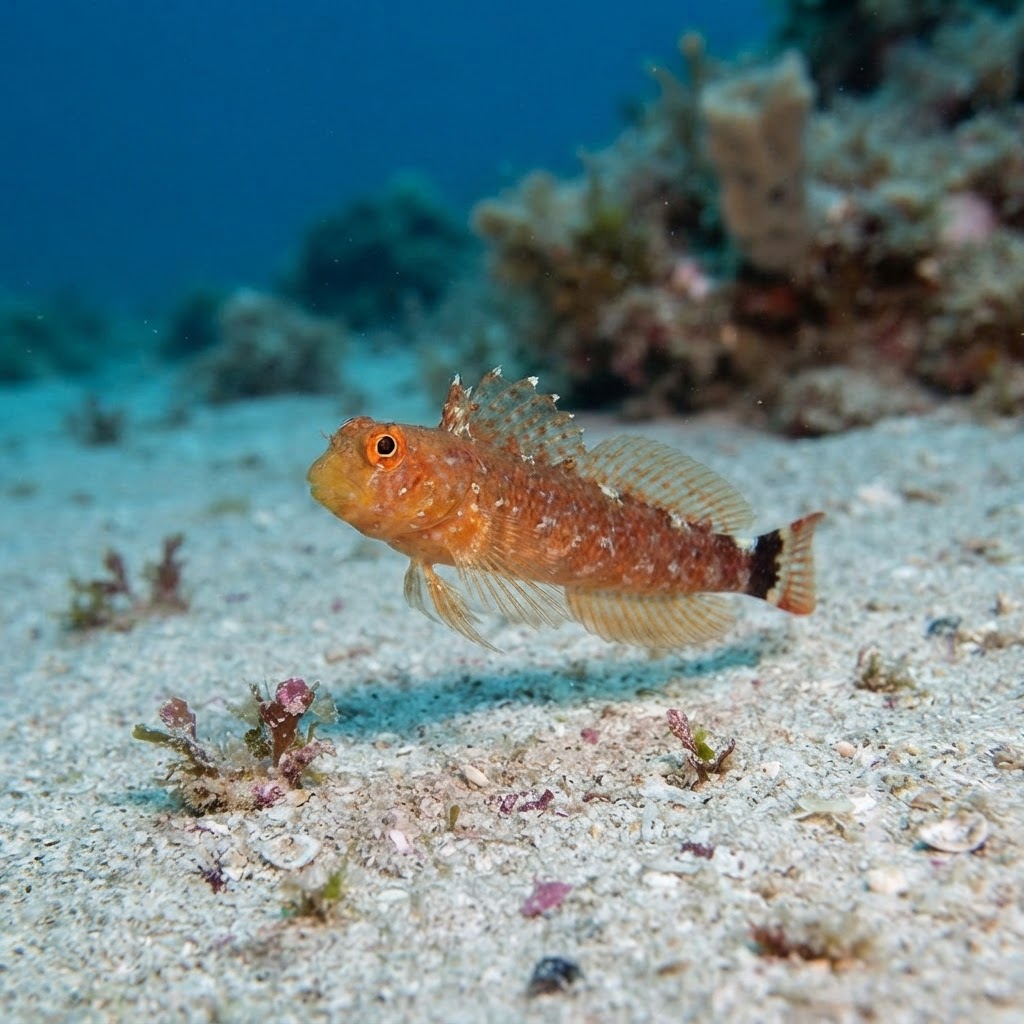
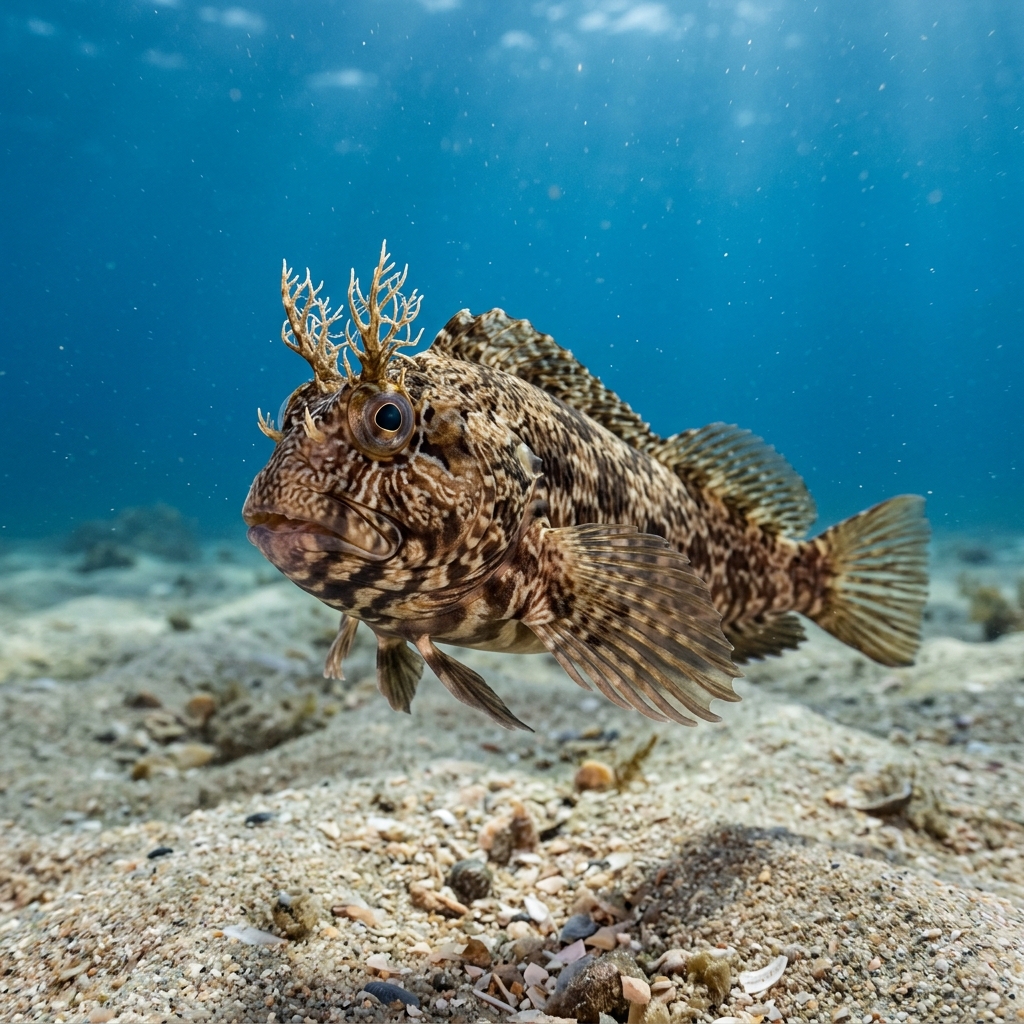
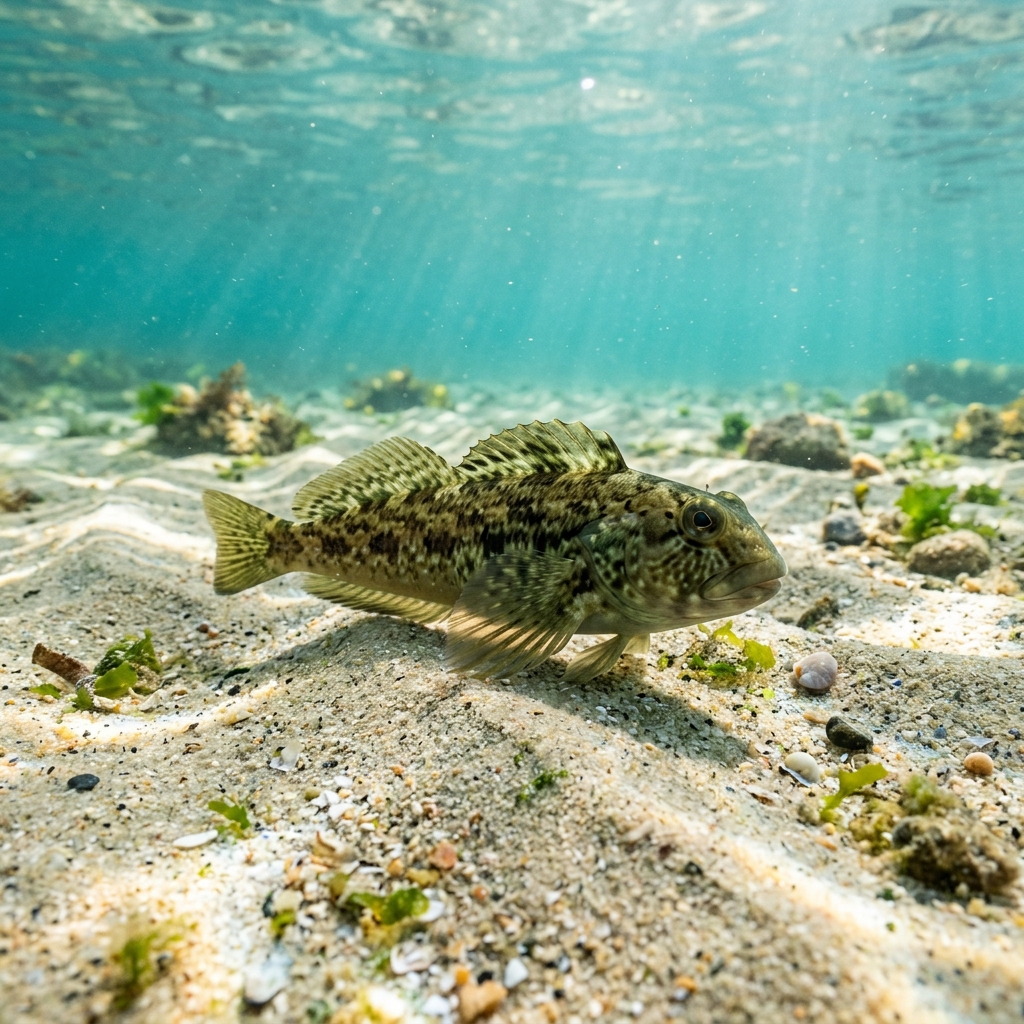
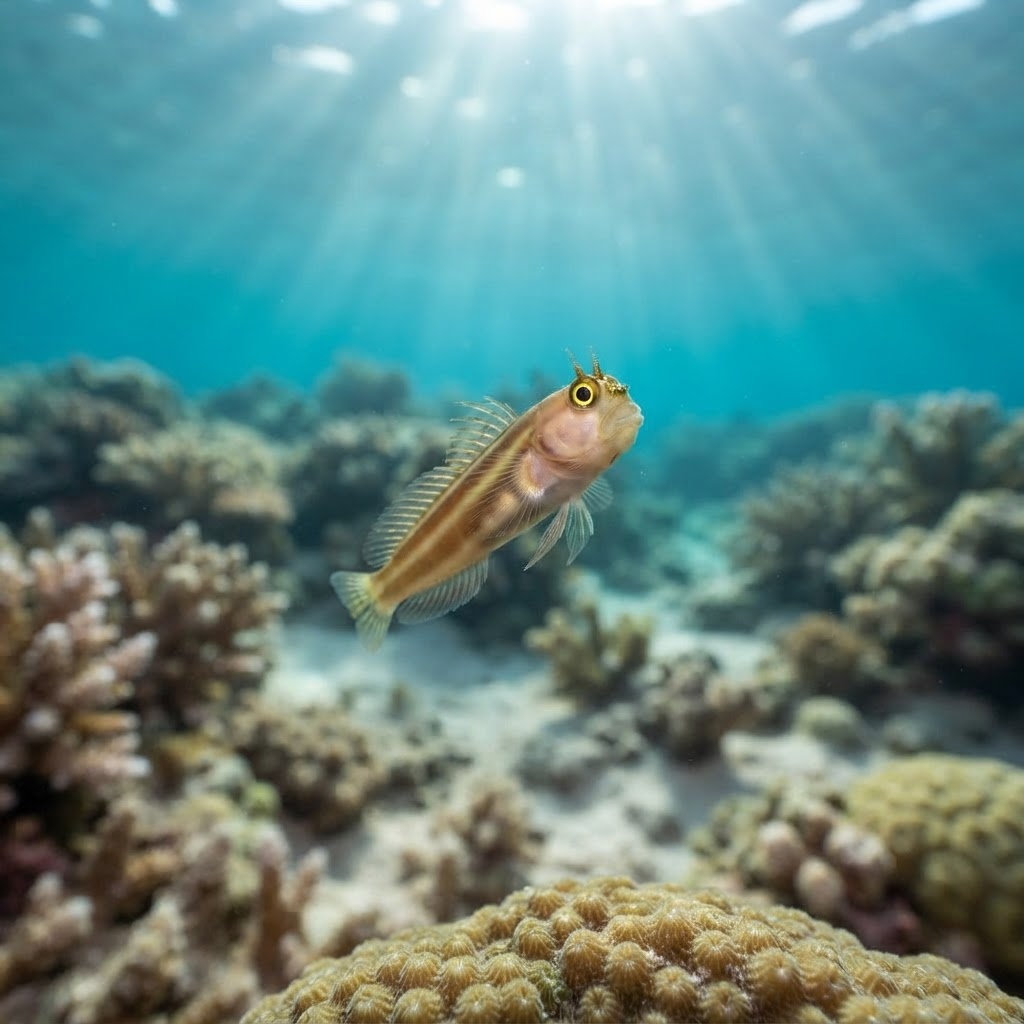
A tiny fish, rarely more than 3cm, that perches motionless on rubble or dead coral rather than swimming in open water. Look for a mottled brown-and-cream body with a blunt head and the comb-like teeth arrangement typical of the group, though at this size the pattern reads more as a general speckled camouflage than distinct bars. It sits propped on its front fins like most combtooth-blennies, darting for cover in a crevice the moment it feels threatened.
Expect to see it wedged on a patch of rubble or a dead coral head, staying still for long stretches before making a short dart to a new perch. It's an uncommon find even at the sites where it's known, so divers tend to spot it by slowing down and scanning low structure rather than swimming past at normal pace. It shows little interest in divers and will simply retreat into a crevice if you get too close.
Like other combtooth-blennies, it likely relies on its comb-shaped teeth to graze algae and detritus off rubble surfaces, which is part of why it sticks so close to broken coral rather than open sand or reef face.
There's no detected seasonal pattern in the sightings, and the warm 28.1 to 29.4C water it's recorded in holds steady year-round across Thailand's dive sites, so any month is fair game.
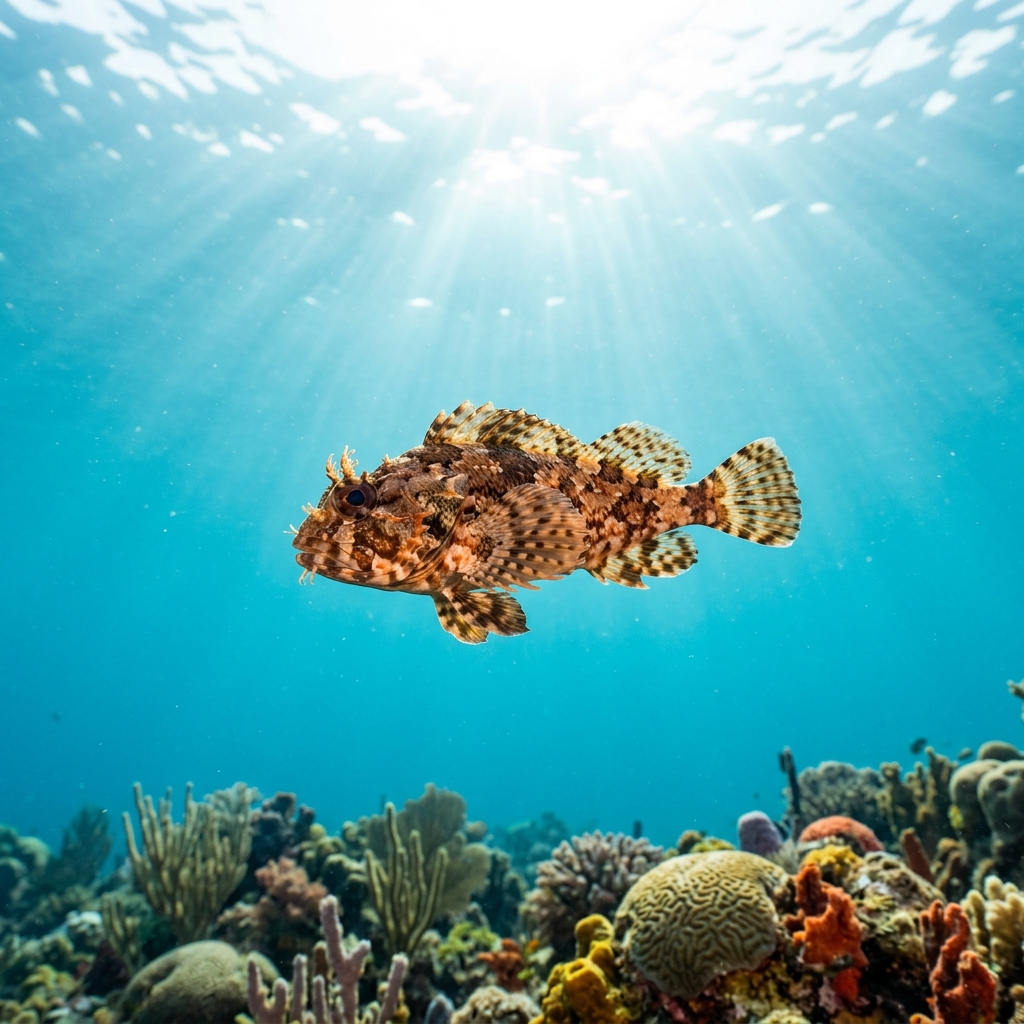
Reef neighbours a diver could mistake it for. Use the identification notes above to tell them apart.
This one is very much a Thailand fish in the logged data, with Koh Phi Phi standing out as the strongest and most reliable area, and a smaller number of sightings around Phuket. Divers looking specifically for this species should focus their search on rubble and coral debris patches around Phi Phi's dive sites rather than open reef.
Mapping where Lubbock's Combtooth-blenny is logged…
Almost all logged sightings come from Thailand, with Koh Phi Phi by far the strongest area and a smaller number of records around Phuket. It's not been reported outside Thailand in current diver data.
There's no clear season in the sightings, and water stays in the warm 28 to 29C range year-round at its known sites, so it can turn up on any dive trip to Koh Phi Phi.
Look for a mottled brown, speckled fish under 3cm perched still on rubble or dead coral, propped on its front fins rather than swimming. Its small size and camouflage pattern mean slow, close scanning of the substrate is the only reliable way to spot it.
It's a tiny species, typically around 3cm long, which is one reason it goes unnoticed even where it's present.
No. It poses no risk to divers and will simply retreat into a crevice if approached.
Site and sighting data is aggregated from diver logs, iNaturalist and GBIF. For taxonomy and conservation status:
Rusty Blenny
2,605 sites