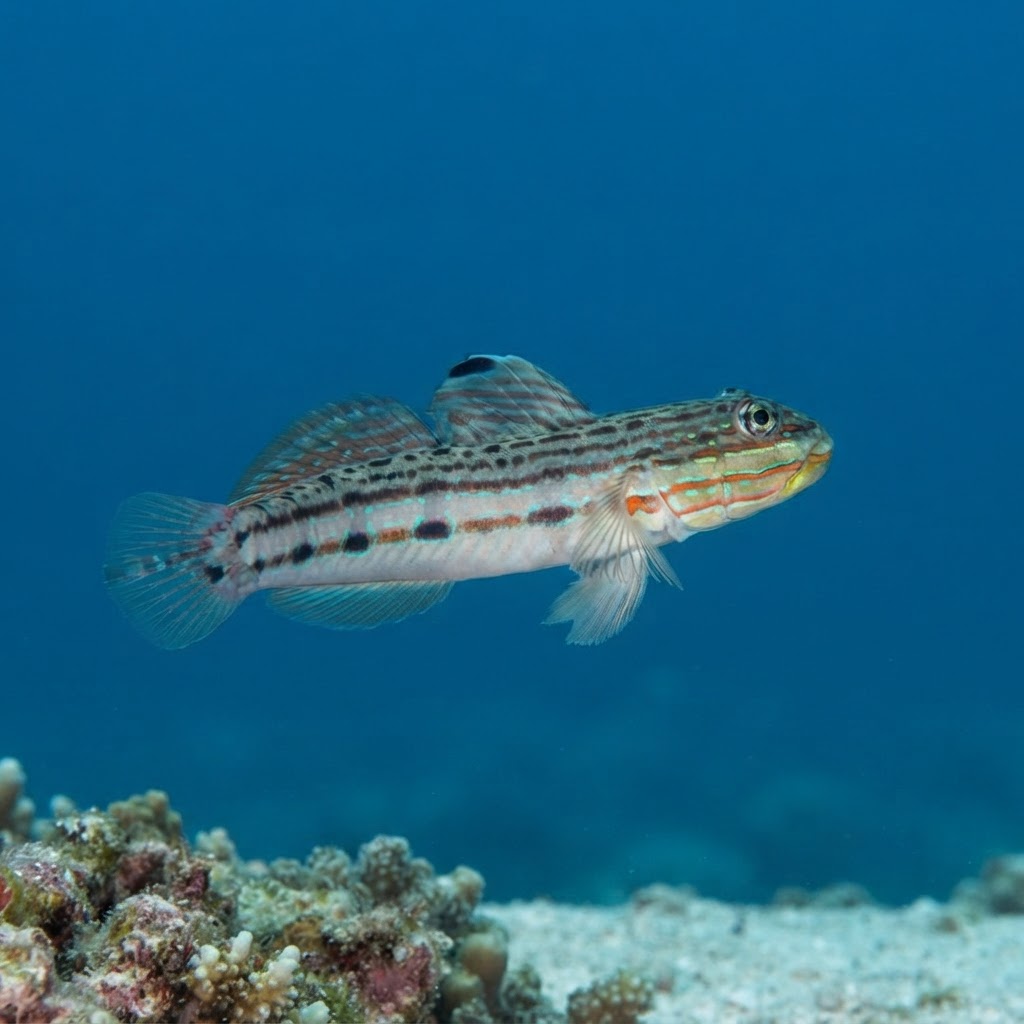
Valenciennea longipinnis
Sandy-slope regular in Java and Queensland, hovering in pairs over rubble at 24-29C reefs year-round.
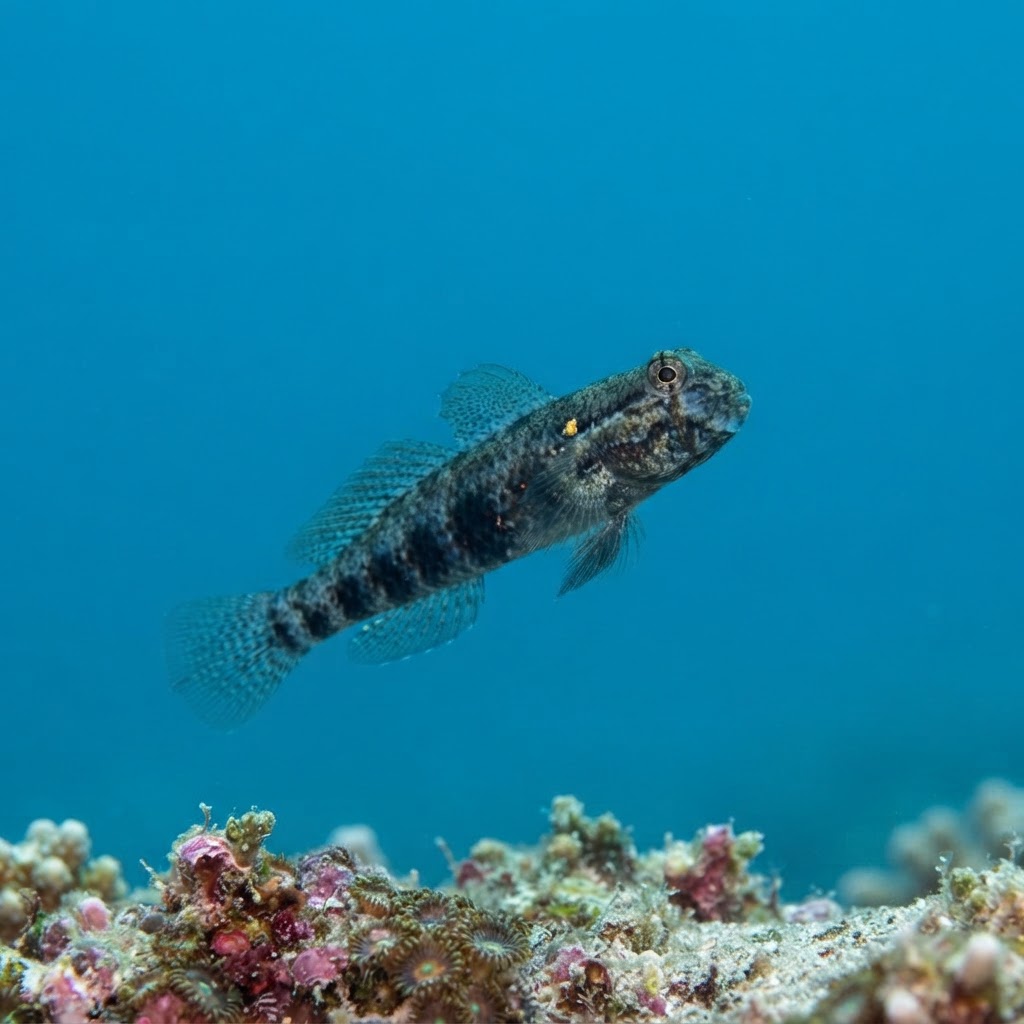
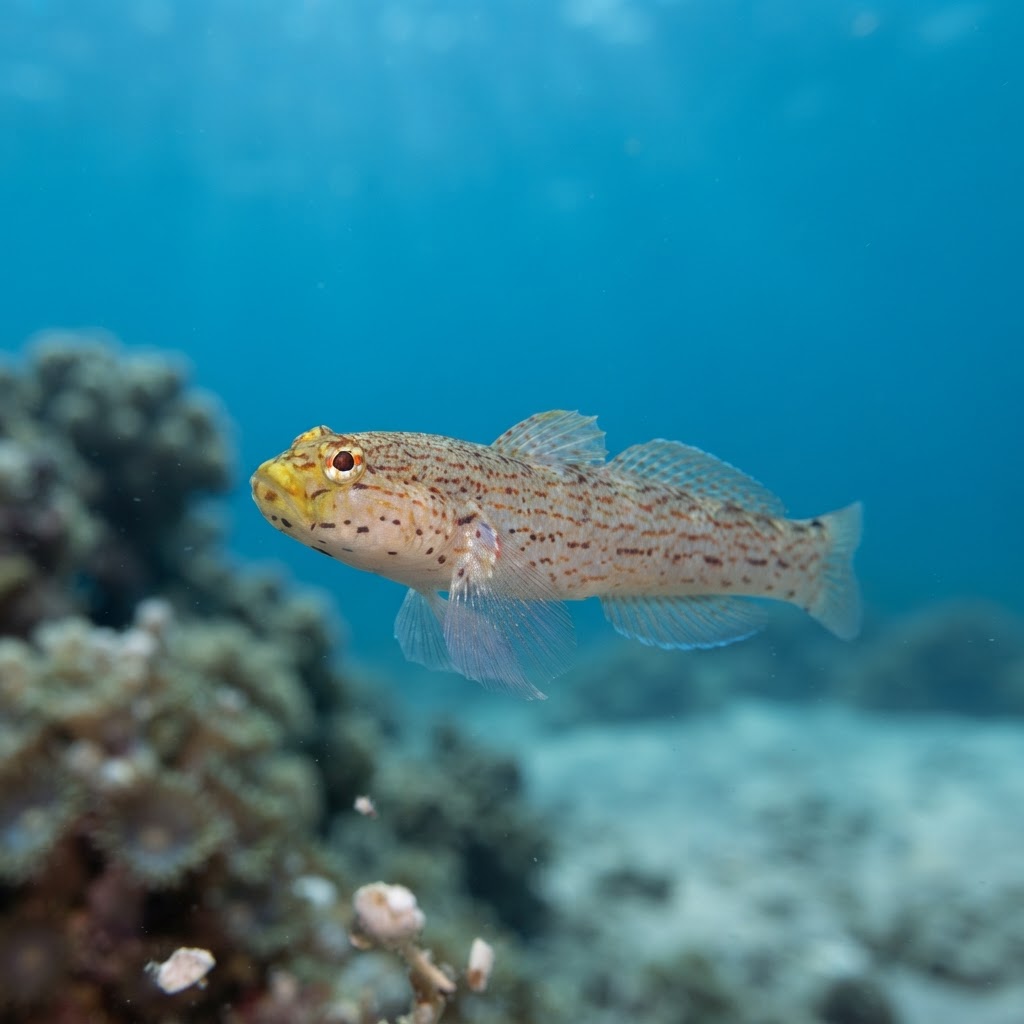
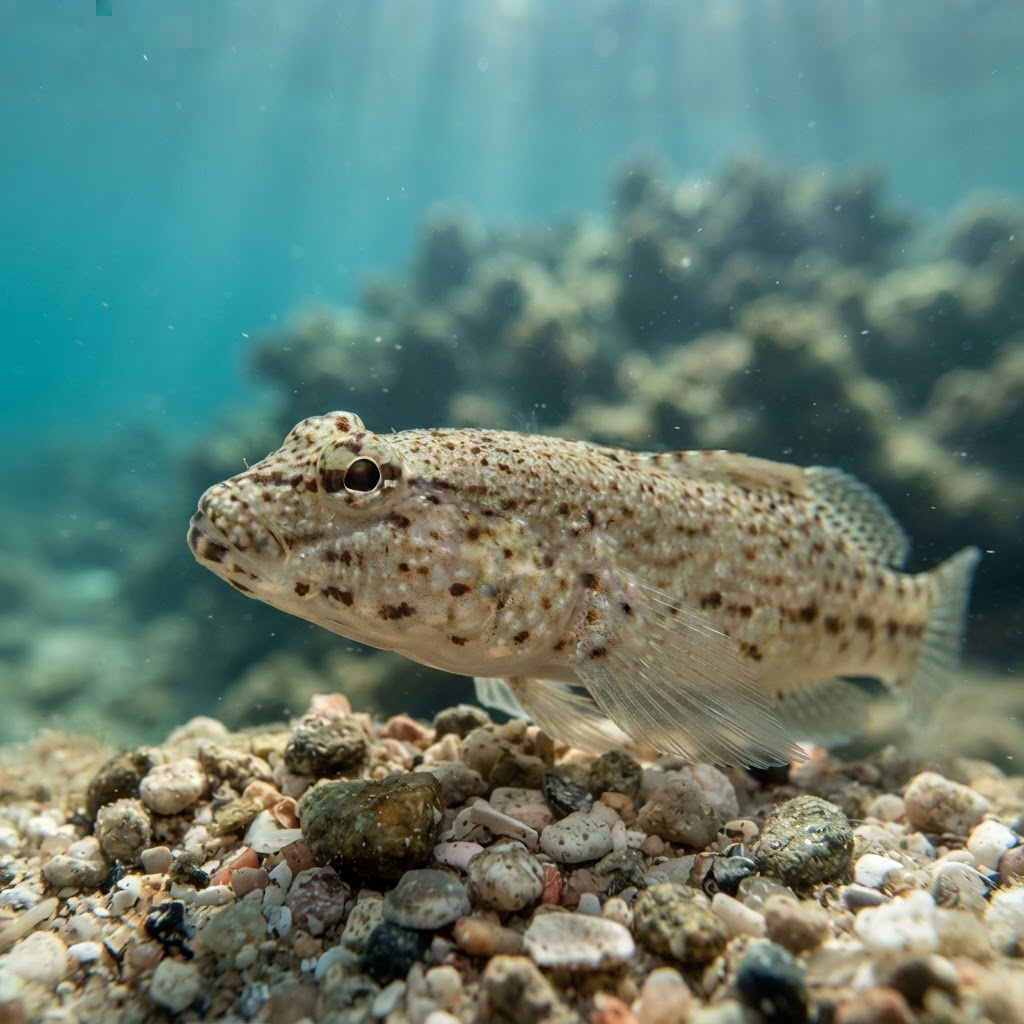
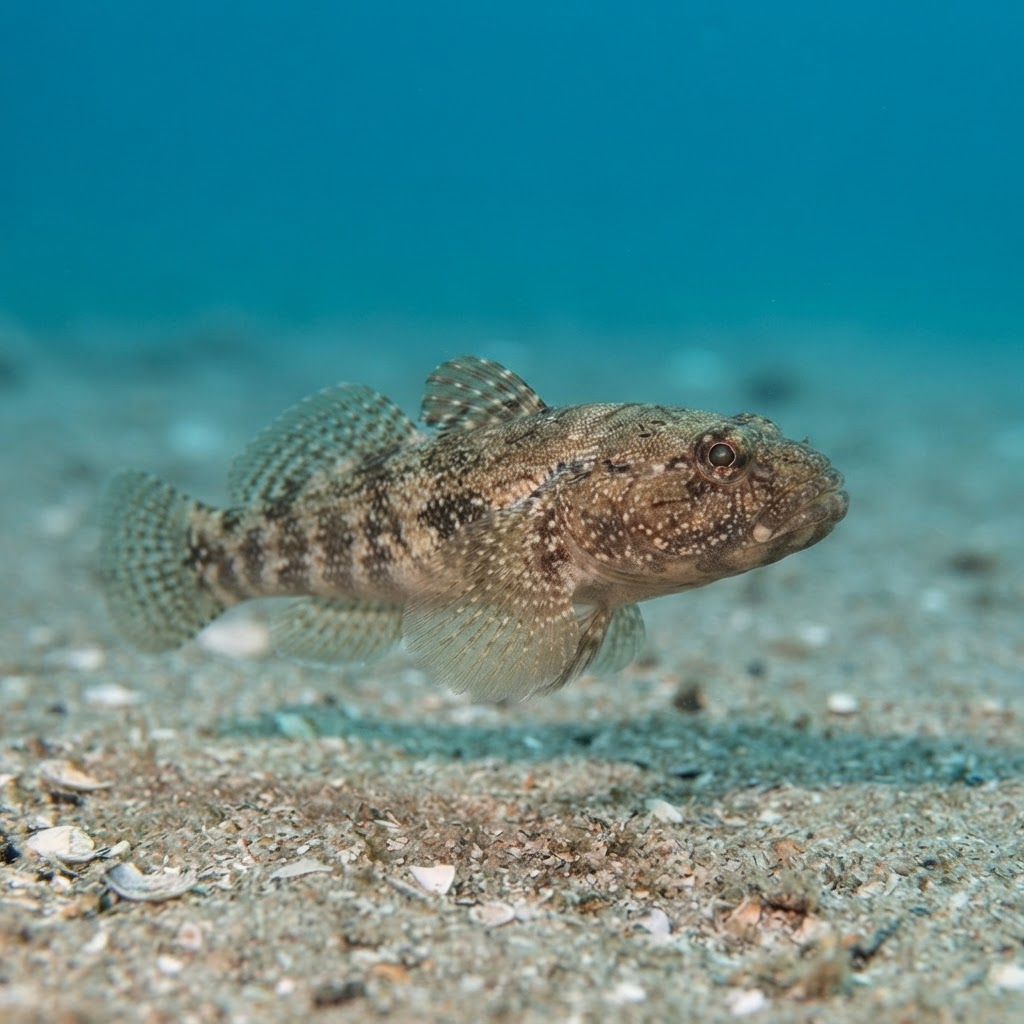
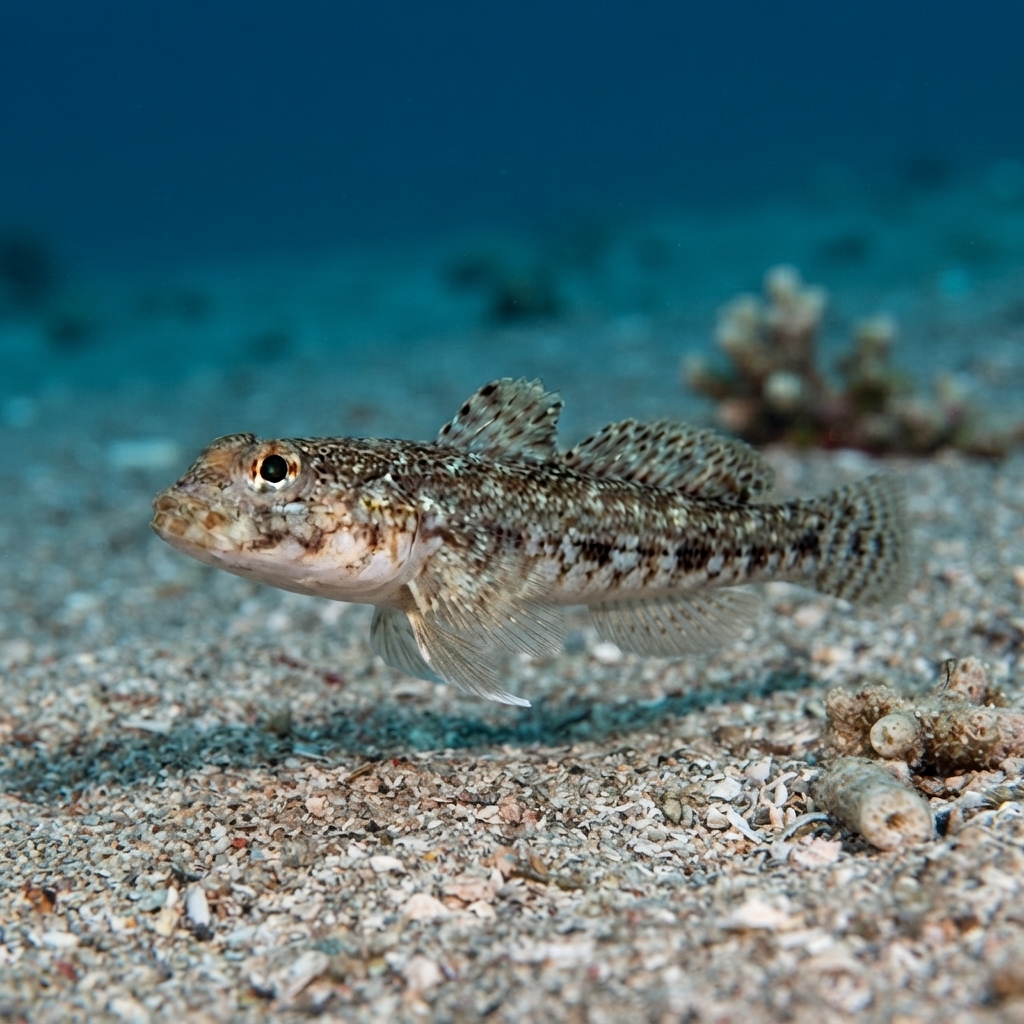
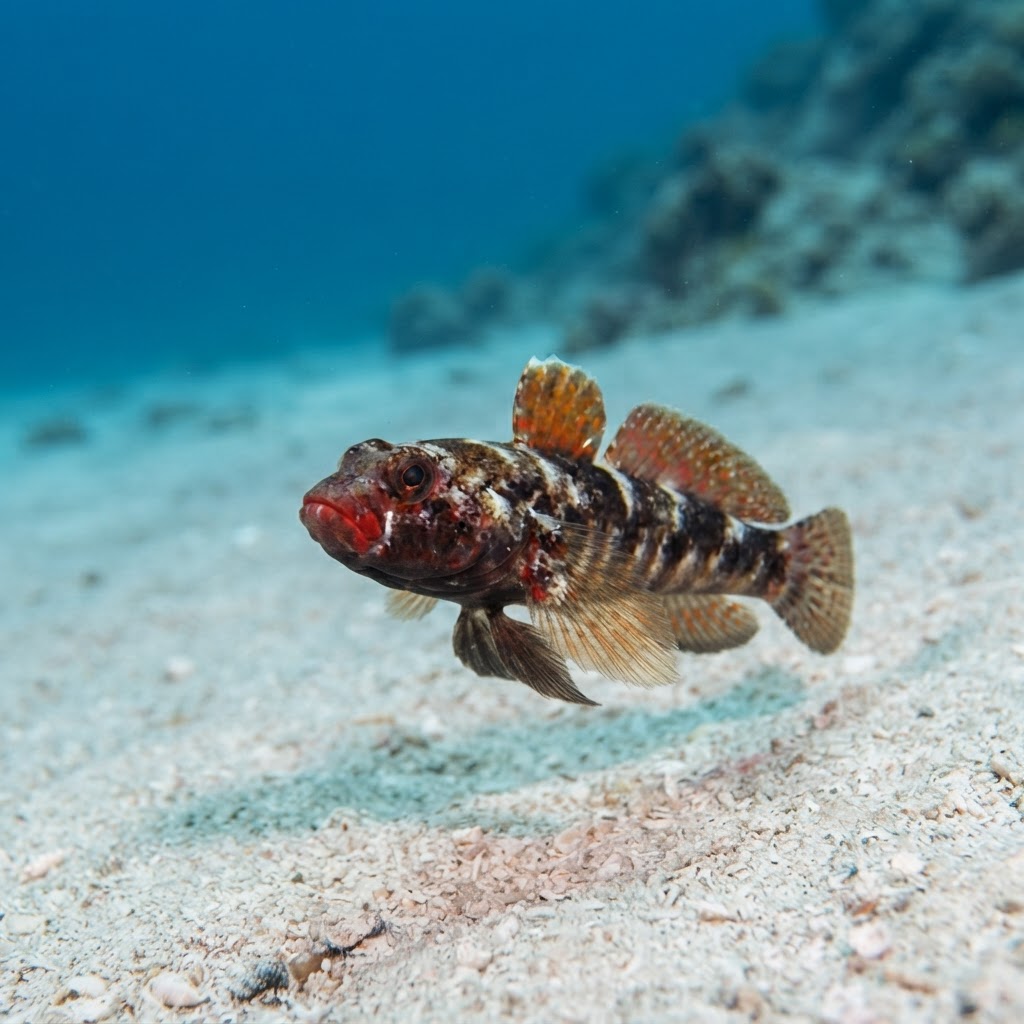
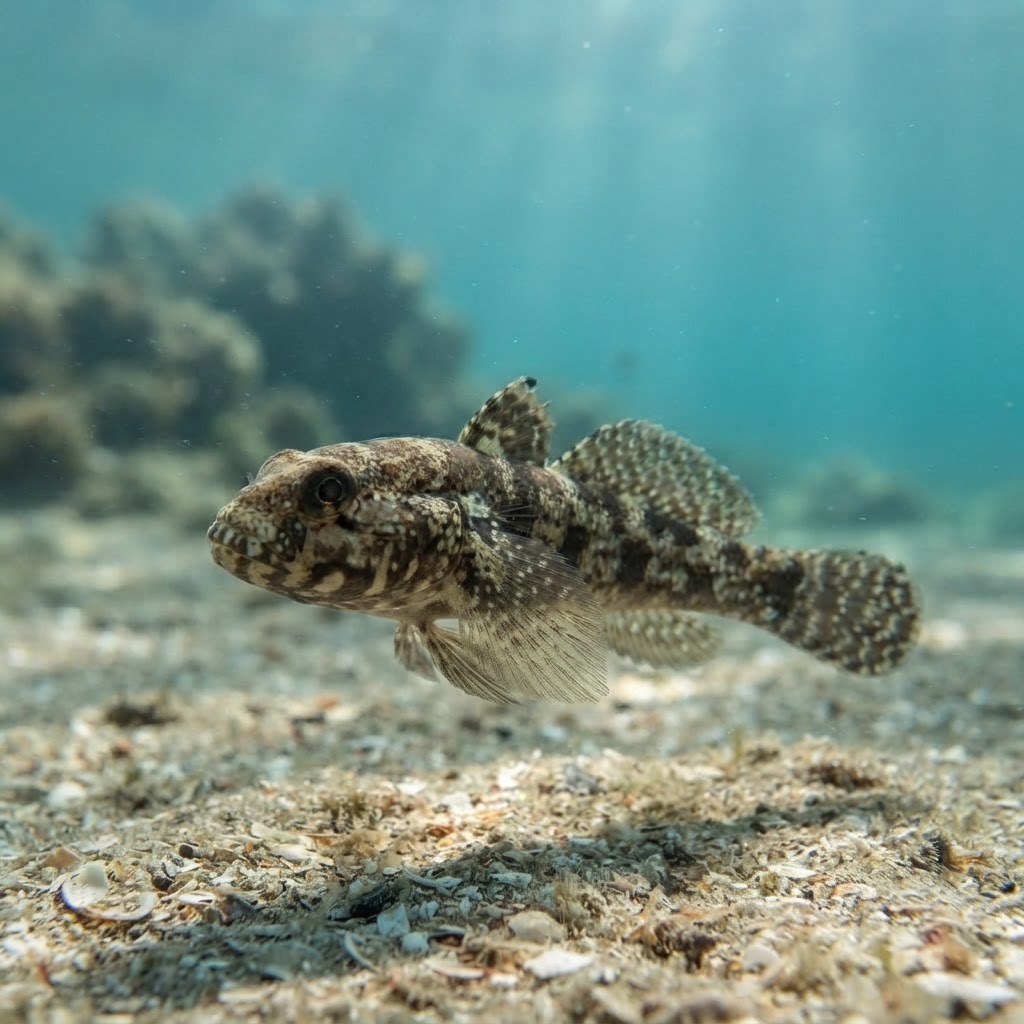
A slender, torpedo-shaped goby around 12 cm long, pale grey to white with faint dusky bands and a pointed snout that gives it a slightly elongated look compared to other sand gobies. It hovers just above the substrate rather than resting flat on it, often in a mated pair a body-length or two apart, both fish flicking sand from their gills as they clear their burrow. Look for the elongated, slightly trailing dorsal and pelvic fins that give the species its common name.
Divers most often find it working sand and rubble patches at the base of a reef slope, hovering low with quick, jerky sifting motions as it picks small invertebrates out of the substrate. It tends to stick close to a shared burrow with its partner and will duck in at the first sign of a diver getting too close, so a slow approach and a bit of patience gets the best look. Most sightings come from mid-depth sand flats rather than the reef top itself, and it is logged as uncommon at most sites rather than something you stumble on every dive.
Like other sand gobies, it pairs up and shares a burrow with its mate, taking turns on lookout duty while the other feeds, a partnership that makes spotting one a good cue to look for the second fish nearby.
No clear seasonal pattern shows up in the sightings, and with a comfortable range of 24 to 29 C it holds station on these sandy reef edges all year round. Plan around good visibility for spotting it rather than a particular month.
Reef neighbours a diver could mistake it for. Use the identification notes above to tell them apart.
Most reliably logged on sandy and rubble slopes in Java, Indonesia, and across Queensland and Western Australia, with a solid presence around Nouméa in New Caledonia. Sightings from the Visayas in the Philippines show it further into that region too, though less consistently.
Mapping where Longfinned Goby is logged…
Java in Indonesia and Queensland and Western Australia are the strongest areas for sightings, with a good chance also around Nouméa in New Caledonia. It turns up on sandy or rubble-strewn reef slopes rather than on the reef crest itself.
There is no strong seasonal pattern in the sightings, and it lives comfortably in water from 24 to 29 C, so it is present on tropical reefs throughout the year.
Look for a slim, pale grey to white goby around 12 cm long hovering just above sand or rubble, usually paired with a second fish near a shared burrow. Its elongated dorsal and pelvic fins are the clearest tell against similar sand-dwelling gobies.
They max out around 12 cm, a small, slender fish that is easy to miss unless you are scanning sandy patches close to the reef base.
No, they pose no threat to divers and simply retreat into their burrow if approached too quickly.
It shares a burrow with a mate and the pair take turns feeding and keeping watch, so spotting one goby on a sand flat usually means a second is close by.
Site and sighting data is aggregated from diver logs, iNaturalist and GBIF. For taxonomy and conservation status:
Slender Goby
806 sites