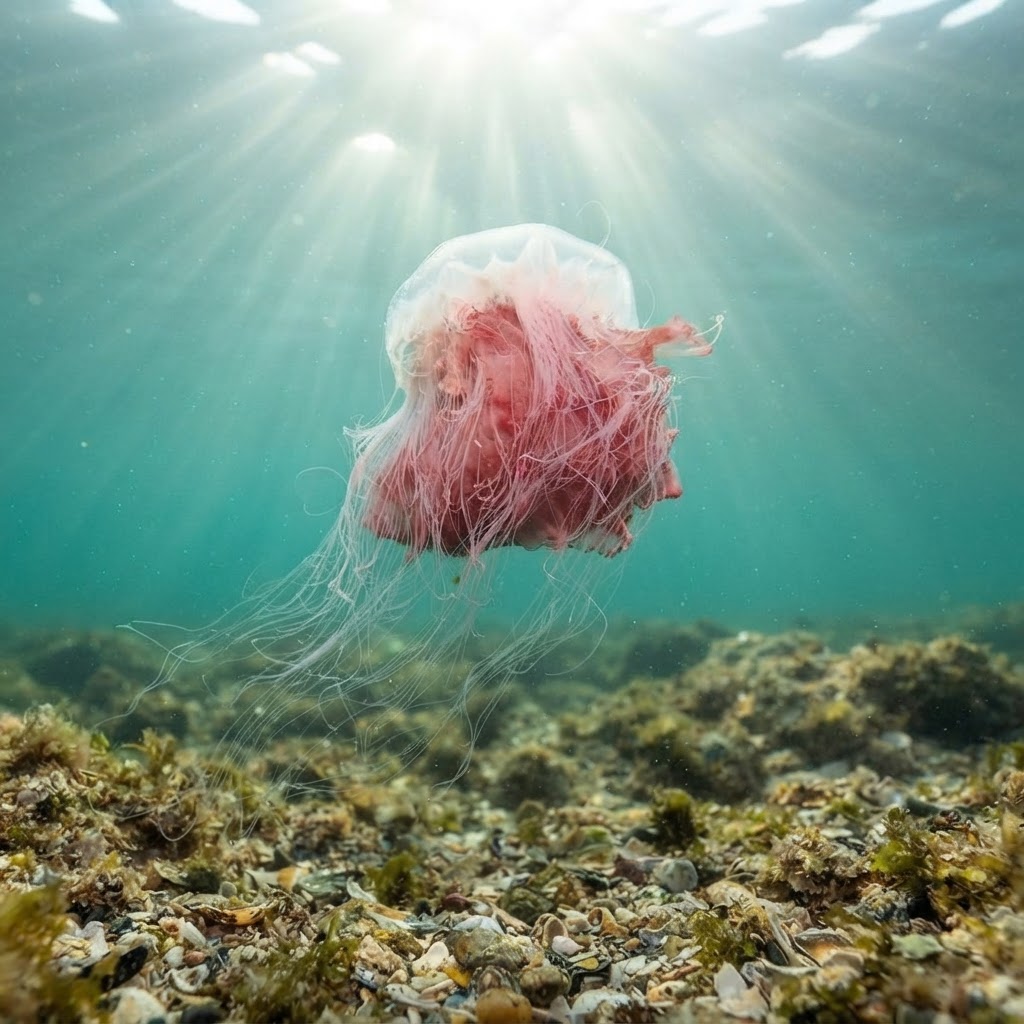
Cyanea annaskala
A trailing, stinging bell logged around Victoria, Australia, in cool 12.8 to 18.8C water, mostly as an uncommon sighting.
Safety warning
Its tentacles carry stinging cells capable of a painful sting, and because the tentacle mass can trail well beyond the visible bell, divers often brush it before spotting the jellyfish itself. Keep a visual scan going in open water, avoid touching any drifting reddish-brown mass, and if stung get out of the water and treat the area rather than trying to push through a dive.
If you're stung
Stinging tentaclesGeneral first-aid guidance, not a substitute for professional medical care. In an emergency, call your local emergency number.
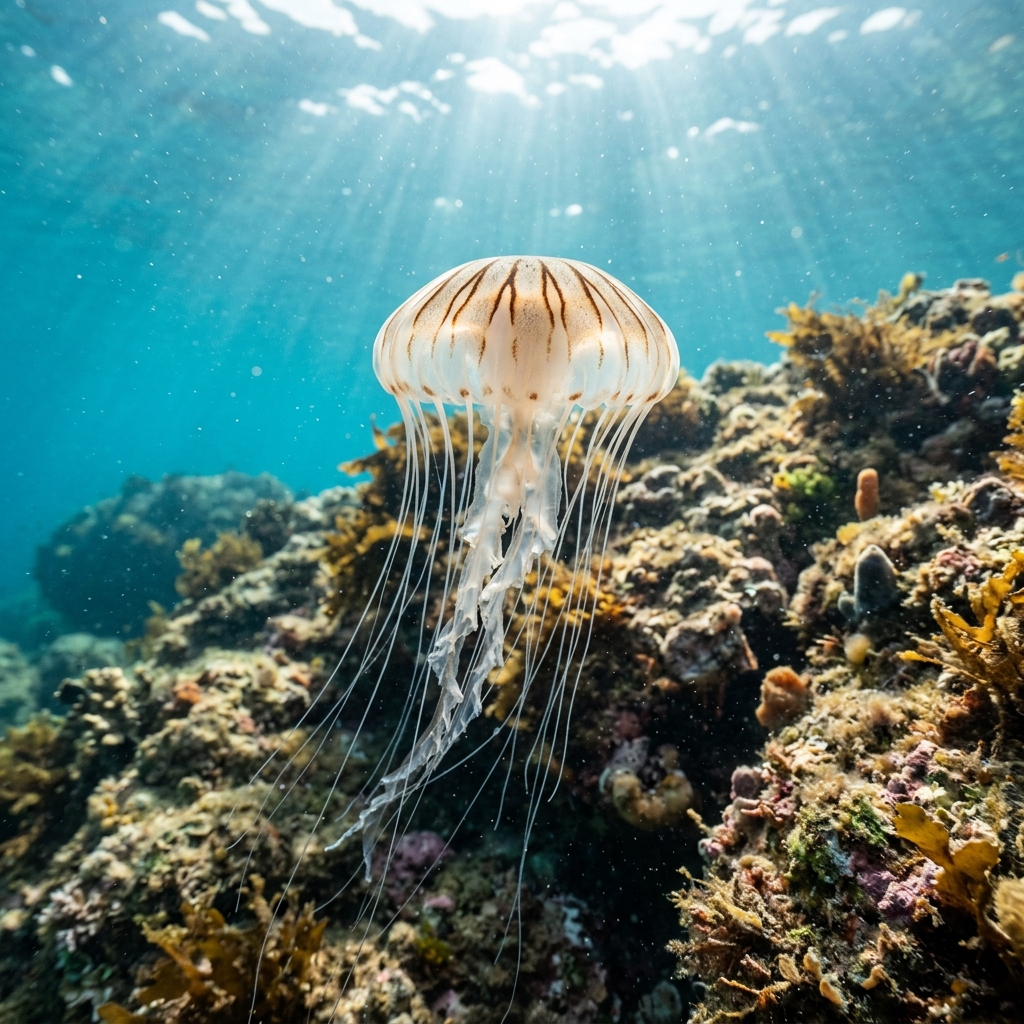
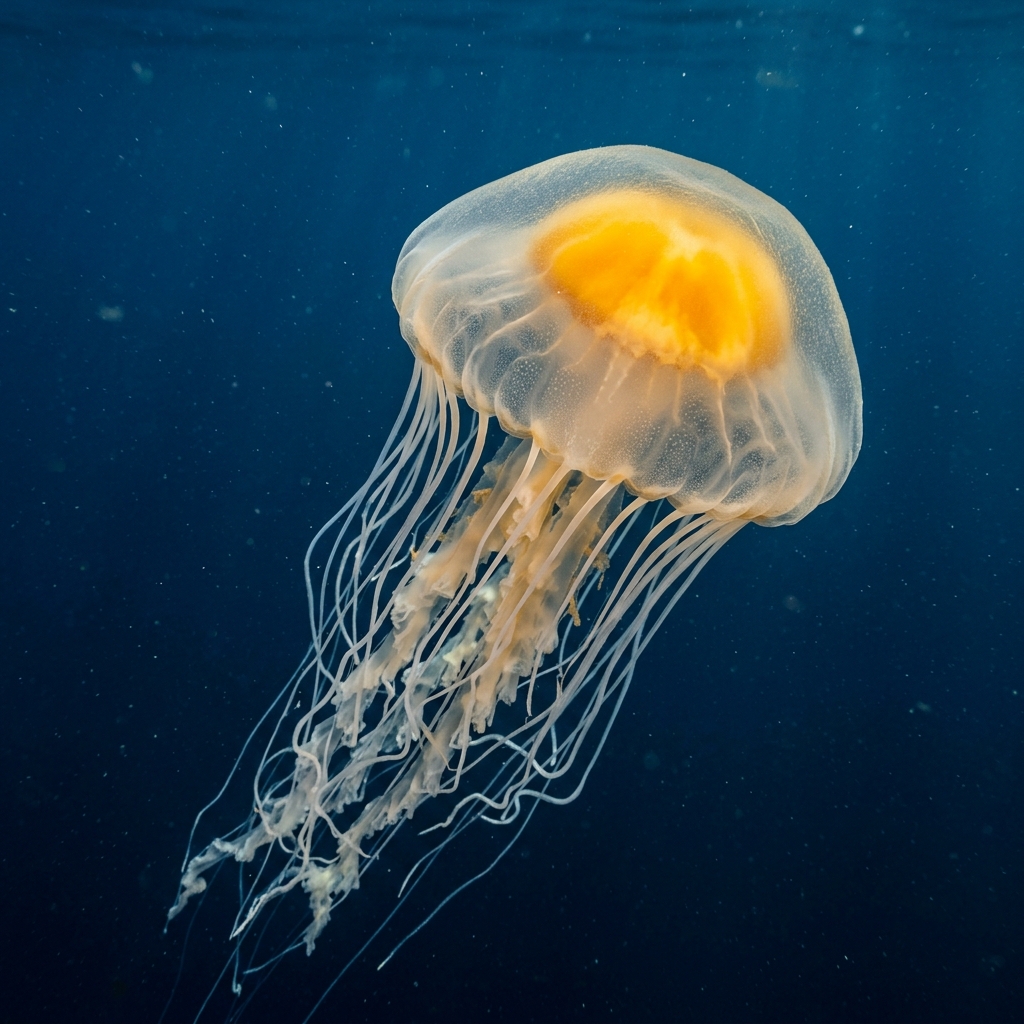
Look for a domed, reddish-brown to amber bell around 24 cm across trailing a dense mass of fine, hair-like tentacles that can stream out well behind the body. The bell surface often shows visible radial folds and a frilled, curtain-like edge of oral arms hanging beneath it. In low visibility it can look like a loose orange-brown smudge before the tentacle mass becomes obvious, so give any drifting blob a wide berth until you can confirm what it is.
Divers mostly encounter it drifting in open water or mid-water rather than attached to structure, moving slowly with current and tide rather than under its own power. It shows little reaction to divers beyond passive drifting, so most close encounters happen when a diver swims into its tentacle field rather than the animal approaching. Expect single individuals rather than blooms based on the mostly uncommon-to-rare logging pattern.
Cyanea jellyfish grow their tentacles in a dense, trailing curtain that can extend for a considerable distance behind the bell, letting them sweep a much larger volume of water for prey than their body size suggests.
Sightings don't show a strong seasonal pattern, so treat it as a year-round possibility in Victoria's cooler waters. It's recorded in a temperature band of roughly 12.8 to 18.8C, which fits the cooler, temperate conditions typical of southern Australian dive sites through much of the year.
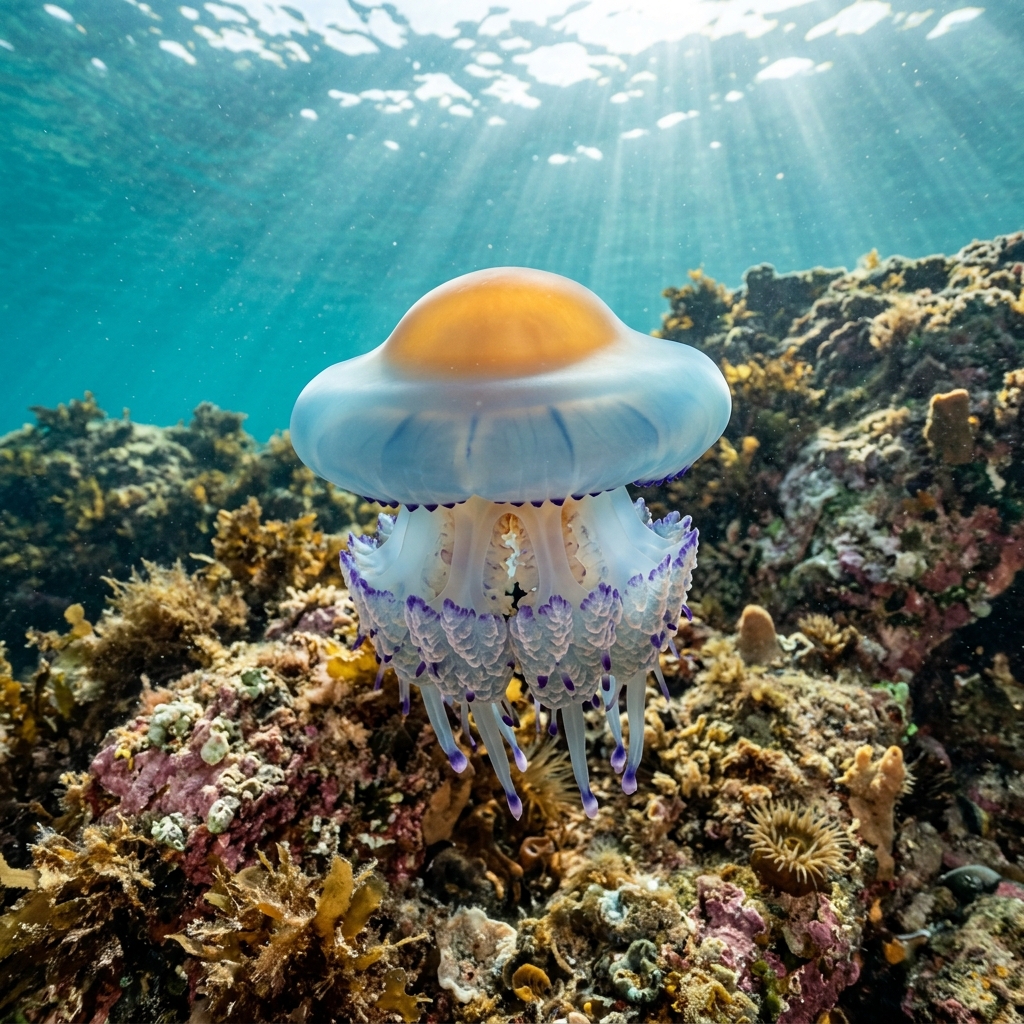
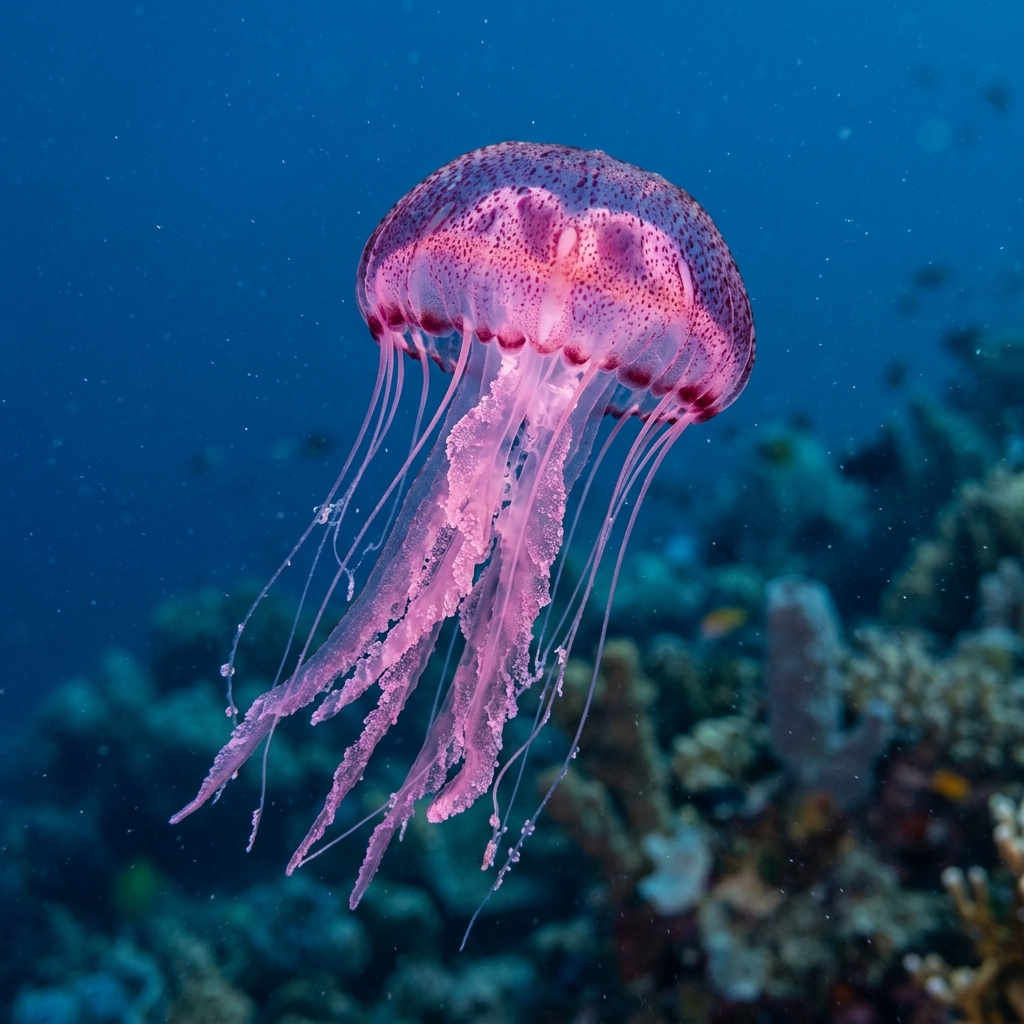
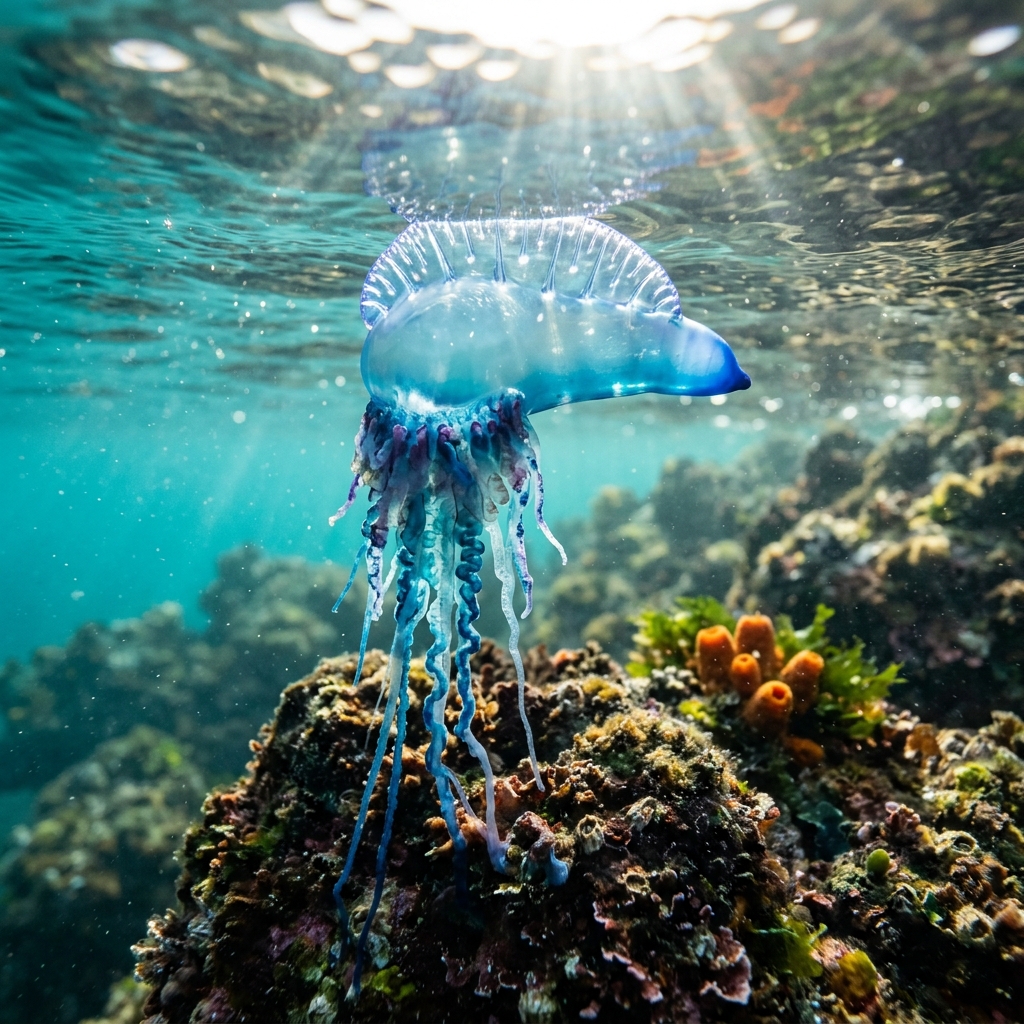
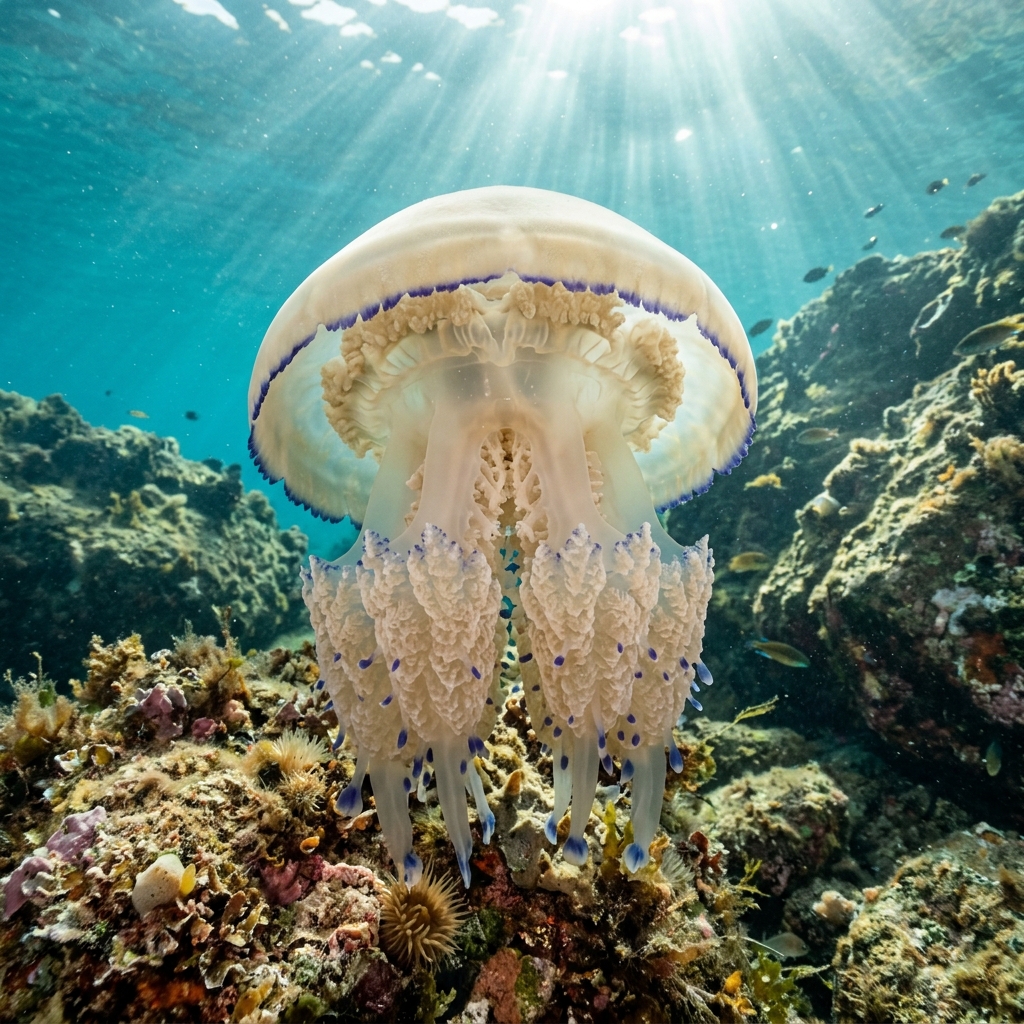
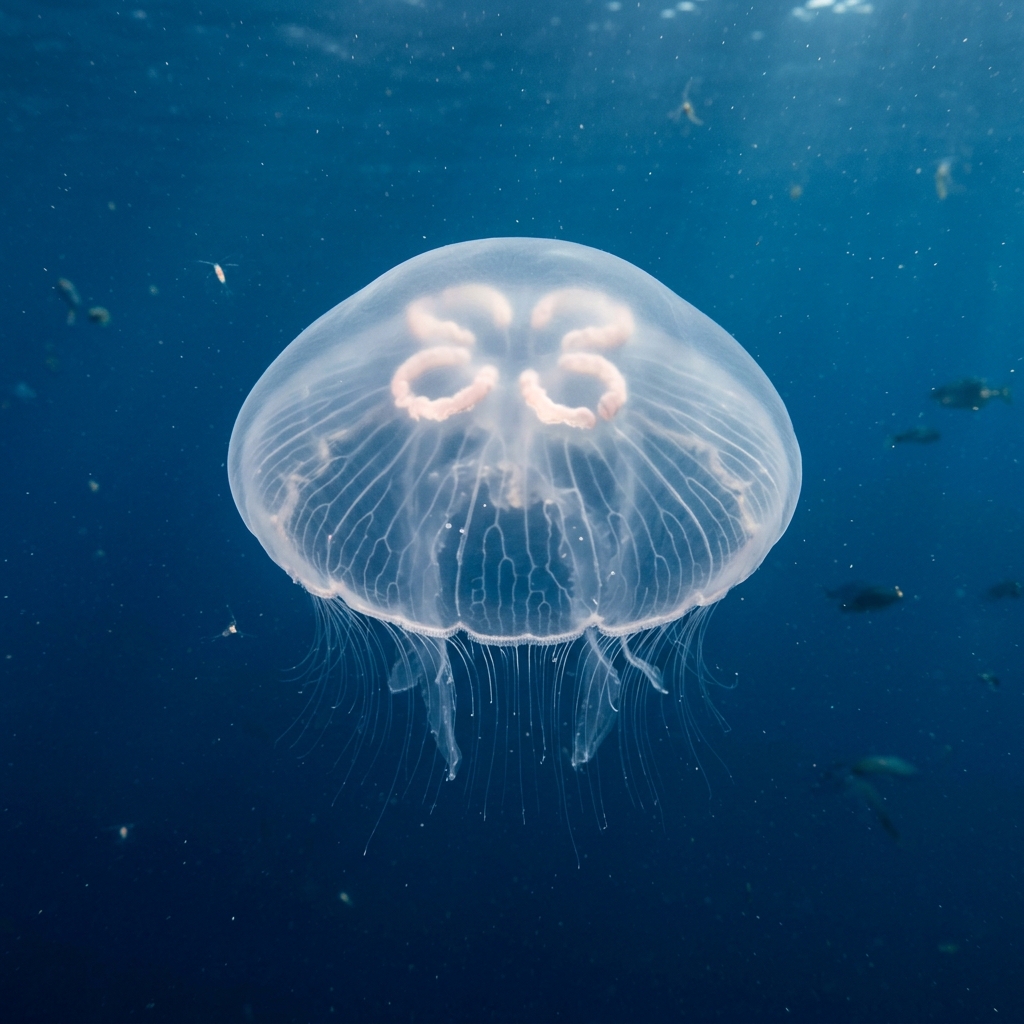
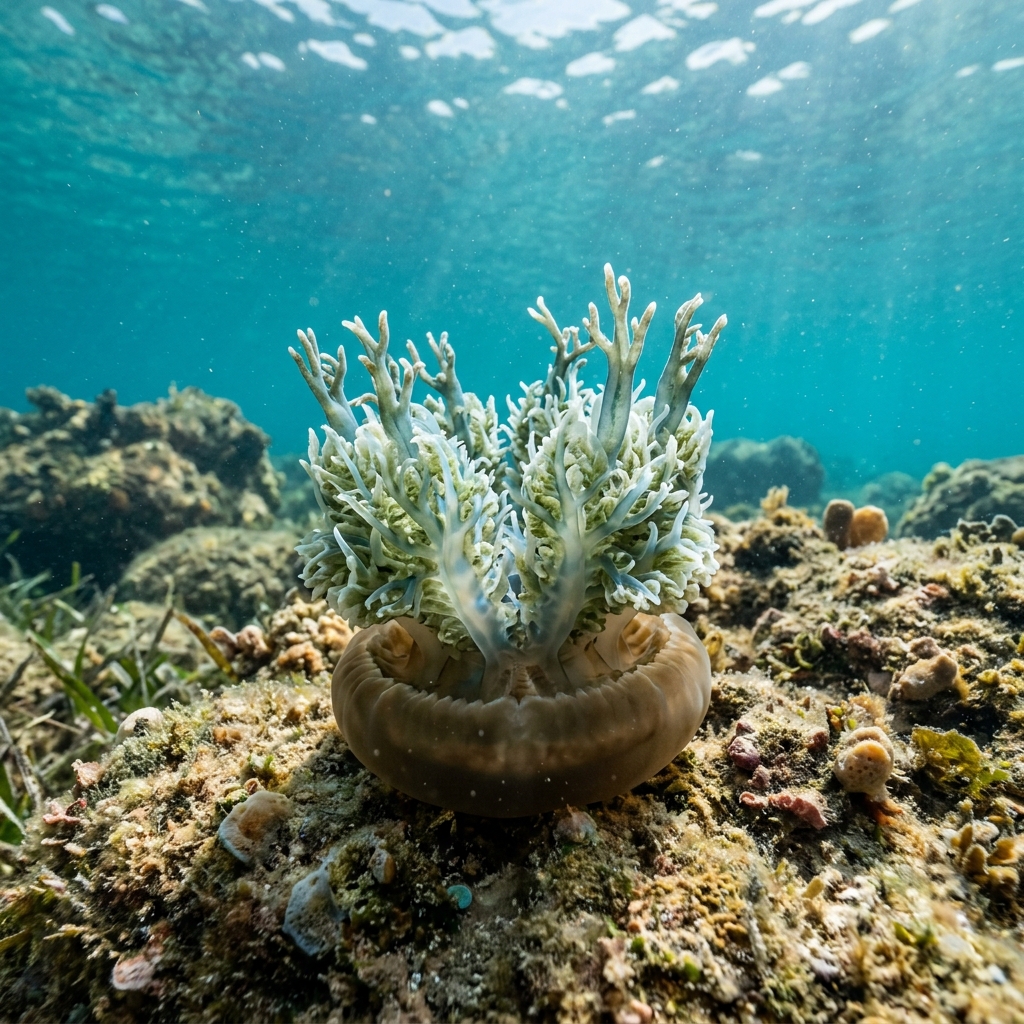
Reef neighbours a diver could mistake it for. Use the identification notes above to tell them apart.
Every logged sighting in the data comes from Australia, with Victoria standing out as the clear hotspot for divers who encounter this jellyfish. Most reports describe it as an uncommon find rather than something you'll see on every dive, so treat any sighting in Victorian waters as a bonus rather than a guarantee.
Mapping where Australian Lion's Mane is logged…
Victoria, Australia is the standout region in diver logs for this species, with sightings concentrated at sites there rather than spread across other countries.
There's no clear seasonal peak in the data, so it's best treated as a year-round possibility in Victoria's temperate waters, generally in the 12.8 to 18.8C range.
Yes, its trailing tentacles deliver a painful sting and can extend well beyond the visible bell. Avoid touching any drifting reddish-brown jellyfish and keep a lookout in open water.
Look for a reddish-brown to amber bell around 24 cm wide with visible radial folds, a frilled fringe of oral arms, and a long trailing curtain of fine tentacles streaming behind it.
Divers typically log this species at around 24 cm across the bell, though the trailing tentacles can extend well beyond that measurement.
Its dense curtain of trailing tentacles can sweep a large volume of water for small prey, letting a relatively modest-sized bell punch above its weight as a drifting hunter.
Site and sighting data is aggregated from diver logs, iNaturalist and GBIF. For taxonomy and conservation status:
Moon Jellyfish
1,766 sites