Fundulidae spp.
Small, quick-darting fish logged at snorkel and dive sites across Florida, the Northeast US, and New Brunswick, most often in shallow, calm water year-round.
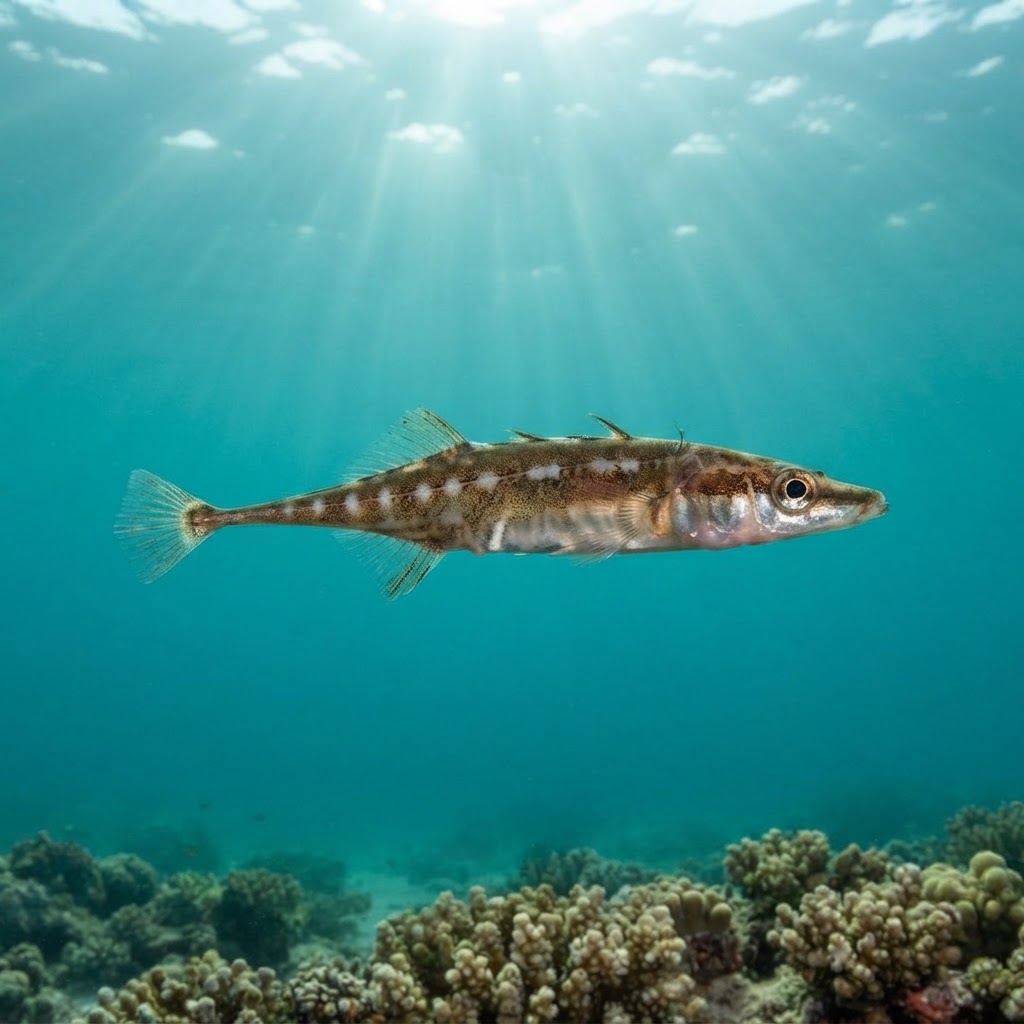
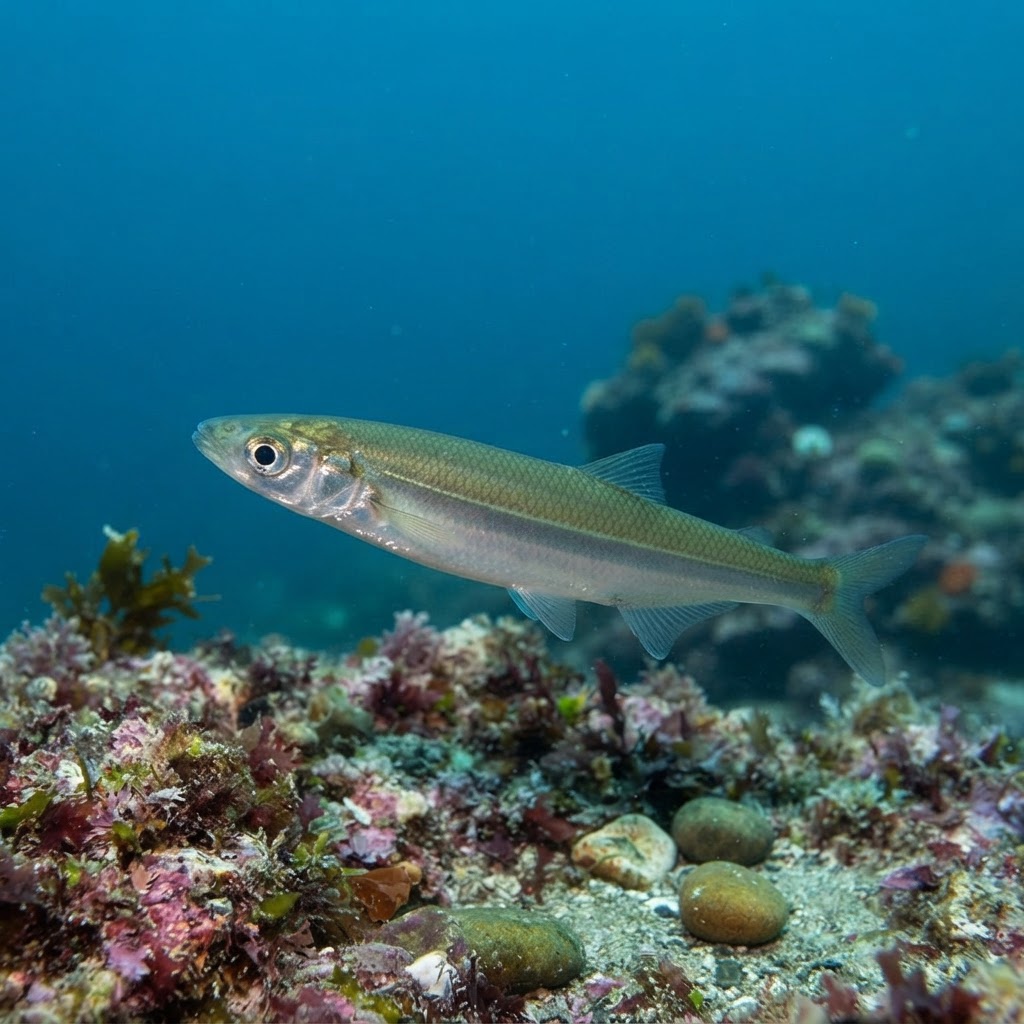
Small, slender-bodied fish, usually just a few centimetres long, with an upturned mouth built for feeding at the surface. Colouring varies by species within the family but often shows faint vertical bars or speckling along the flanks and a flattened head profile when viewed head-on. Look for them hovering in loose, twitchy groups just under the surface in shallow, still water rather than out over open depths.
Divers and snorkellers usually find them hovering in loose shoals just under the surface, darting off in short bursts when a shadow passes overhead before regrouping seconds later. They stick to shallow, calm margins, grass beds, and muddy shoreline shallows rather than venturing into deeper water, and they show little real fear of a slow-moving diver who keeps their distance.
Several killifish species lay their eggs in vegetation right at the waterline, timing egg-laying to high tide so the eggs sit out of the water until the next flood submerges and hatches them.
Sightings show no strong seasonal pattern, so treat this as a year-round find in the shallow, sheltered waters they favour. They tolerate a wide temperature range, which is part of why they turn up on logs across so many months and latitudes.
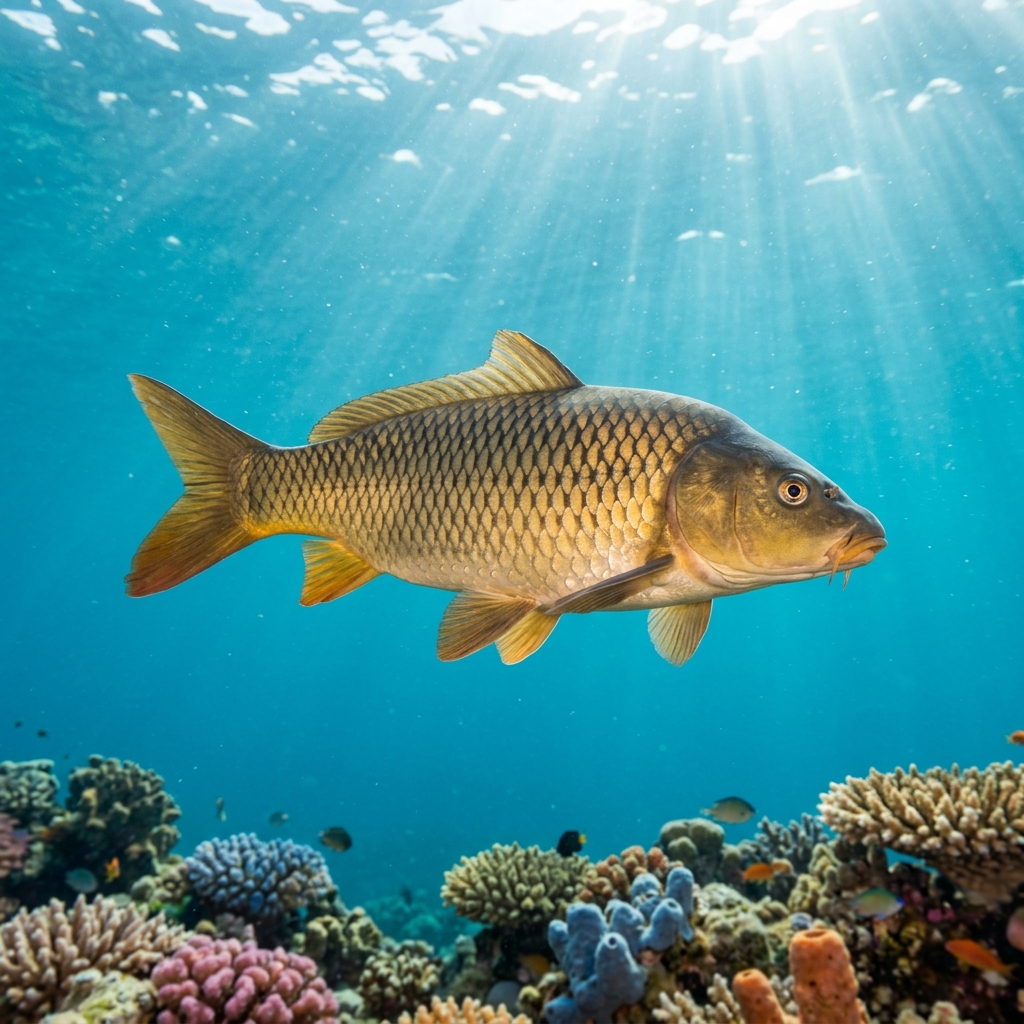
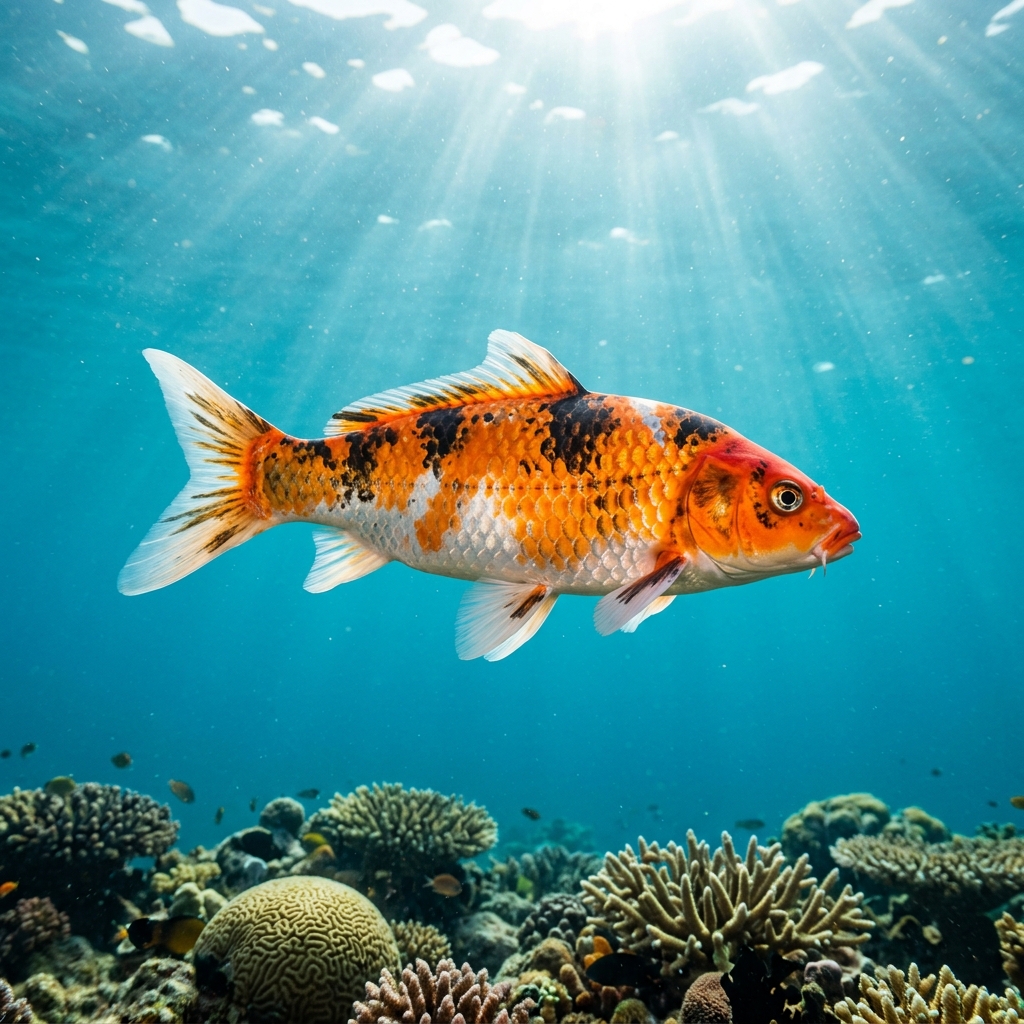
Reef neighbours a diver could mistake it for. Use the identification notes above to tell them apart.
Most commonly logged in the United States, especially Florida and the wider Northeast, with a further reliable cluster in New Brunswick, Canada. Smaller numbers turn up in Texas, California, and Bermuda, usually in shallow coastal or estuarine spots rather than open reef.
Mapping where Killifish is logged…
They are most often logged in Florida and the Northeast United States, with another solid cluster in New Brunswick, Canada, plus scattered sightings in Texas, California, and Bermuda. Look in shallow, sheltered water rather than out on open reef or wall dives.
There is no strong season in the sighting data, so they are considered a year-round find wherever the water stays shallow and calm. Their wide temperature tolerance is part of why they show up across so many months.
Look for a small, slim-bodied fish with an upturned mouth, hovering in loose shoals just under the surface in shallow, still water. Faint barring or speckling along the sides is common, though exact colour varies between species in the family.
Most stay small, typically just a few centimetres long as adults, which is part of why they are easy to overlook against grass beds and muddy shallows.
No. They are harmless, small-bodied fish that simply dart away from divers rather than posing any risk.
Some species lay their eggs directly in shoreline vegetation at high tide, leaving the eggs exposed to air until the next tide floods the site and triggers hatching, an unusual reproductive trick tied closely to tidal timing.
Site and sighting data is aggregated from diver logs, iNaturalist and GBIF. For taxonomy and conservation status:
Sun Perch
2,182 sites