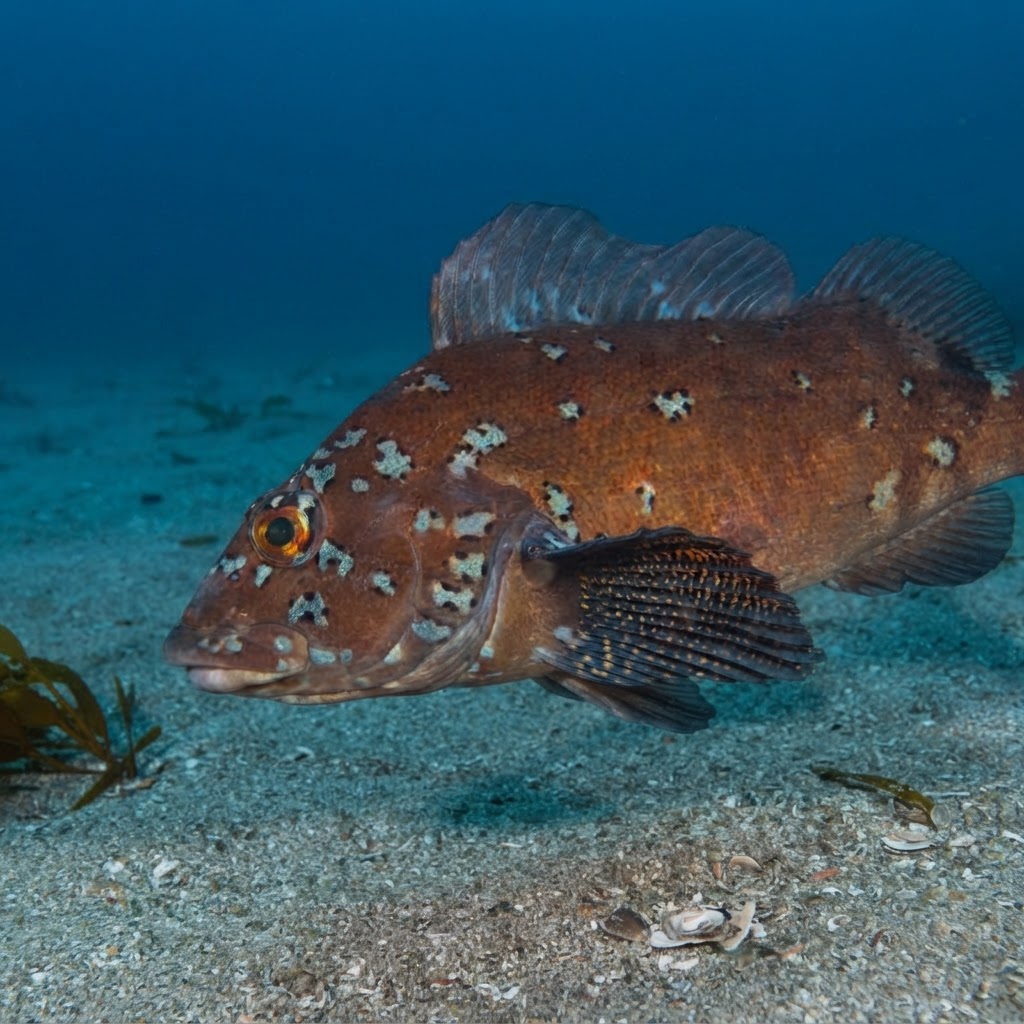
Hexagrammos decagrammus
Blue-spotted and mottled brown, kelp greenling turn up on rocky reefs across British Columbia in cold water down to 4C - here's where to find one.
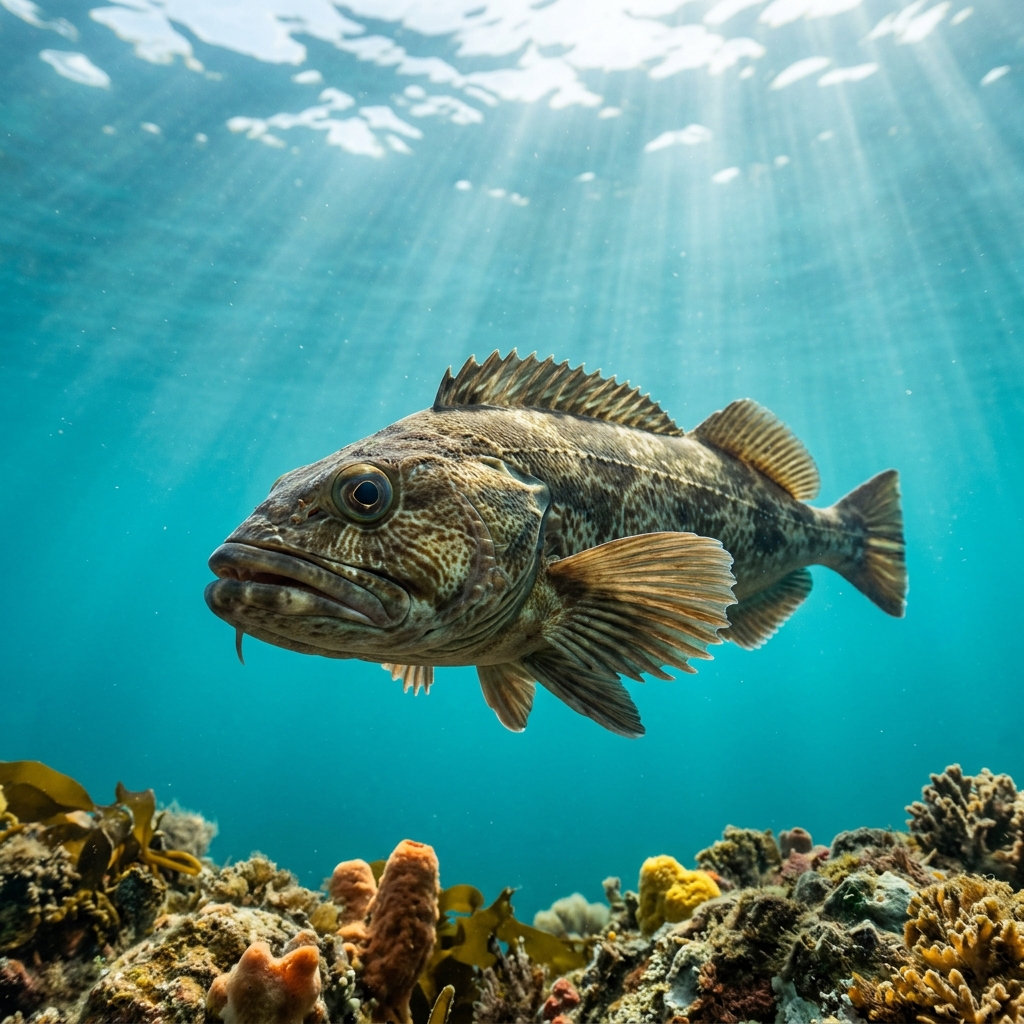
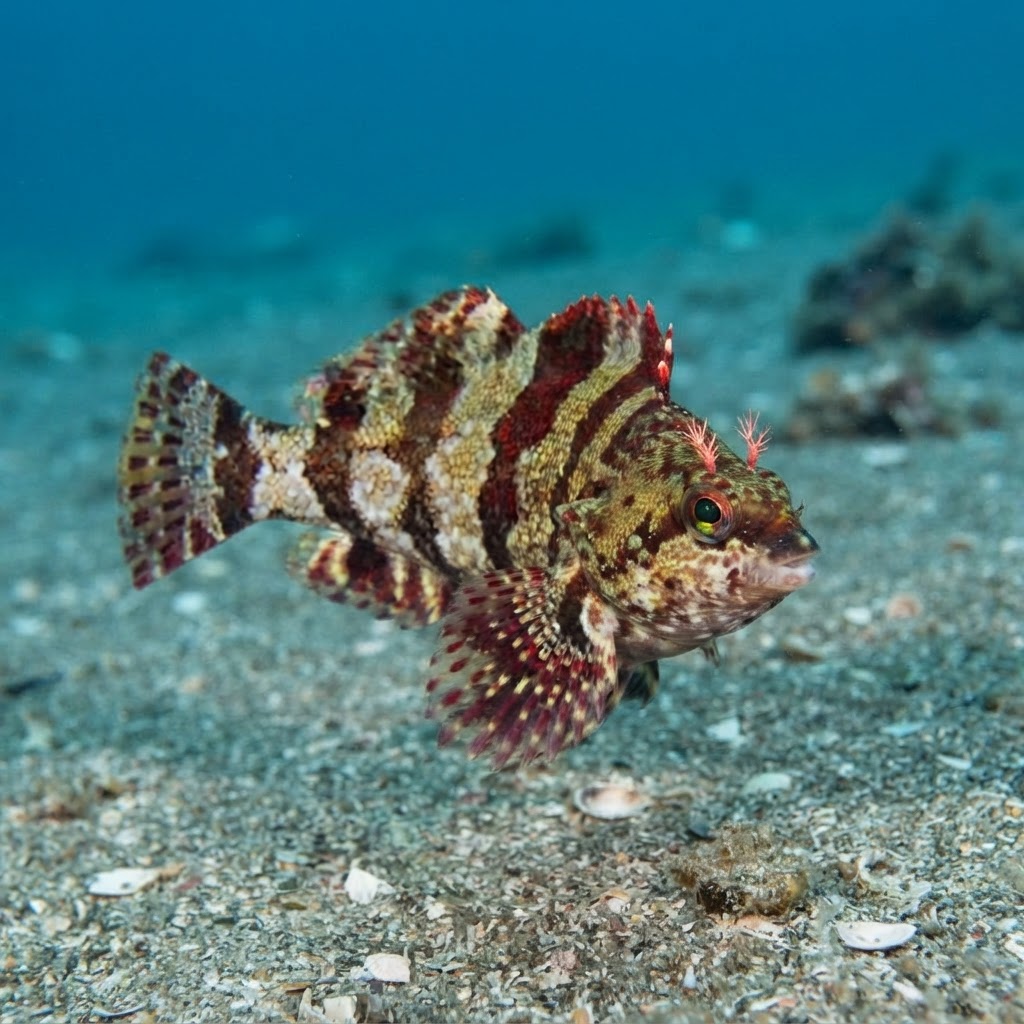
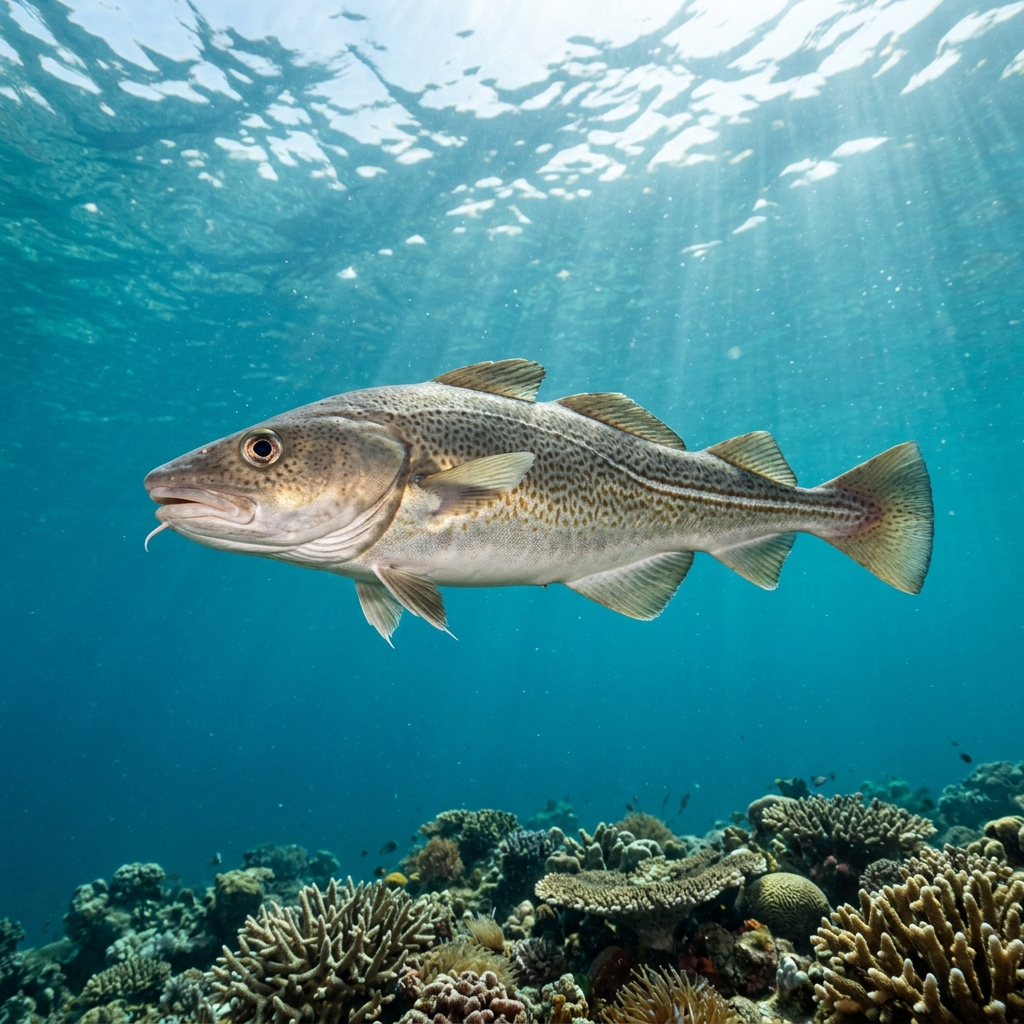
Grows to around 42cm and sits close to the bottom on rock and kelp-covered reef rather than swimming in open water. Males show pale blue spots scattered across a brownish body, often ringed with rust-orange flecks, while females tend toward a plainer golden-brown with smaller reddish spots. Look for the small fleshy cirrus (a hair-like flap) above each eye and a slim, elongated body shape typical of the greenling family.
Expect to find it perched motionless on rock ledges or tucked among kelp holdfasts rather than cruising the reef, relying on camouflage more than speed to avoid attention. It's generally unbothered by divers at close range, often letting you get a good look before finally easing off to a nearby rock. Most logs describe single fish rather than groups, holding station on structure at typical rocky-reef and kelp-forest depths.
Males guard the egg masses females lay in rocky crevices, fanning and defending the clutch until the young hatch, so a greenling that won't budge from one spot may be on nest duty.
No clear seasonal pattern shows up in the sightings, so treat it as a year-round fish. It sits comfortably in cold water from about 4 to 13C, which covers the typical range divers encounter through most of the year in the Pacific Northwest.
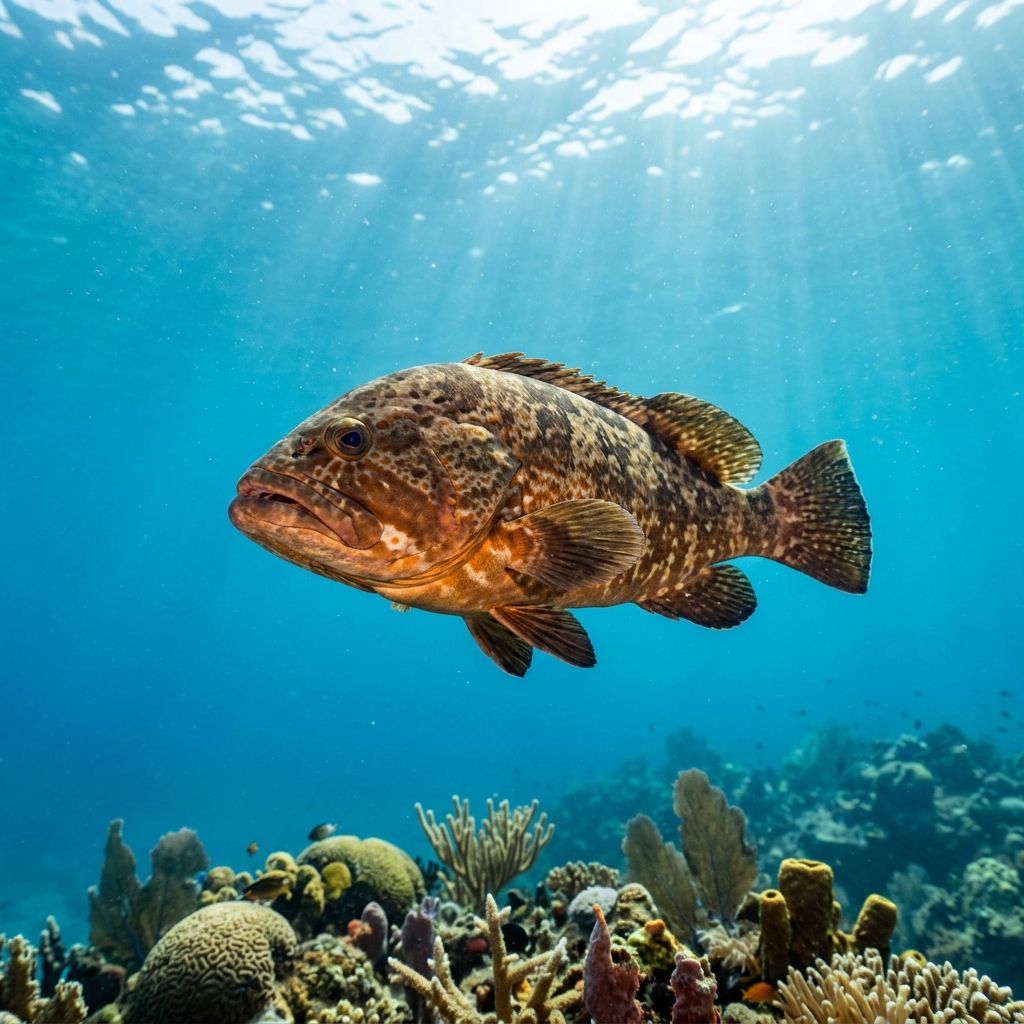
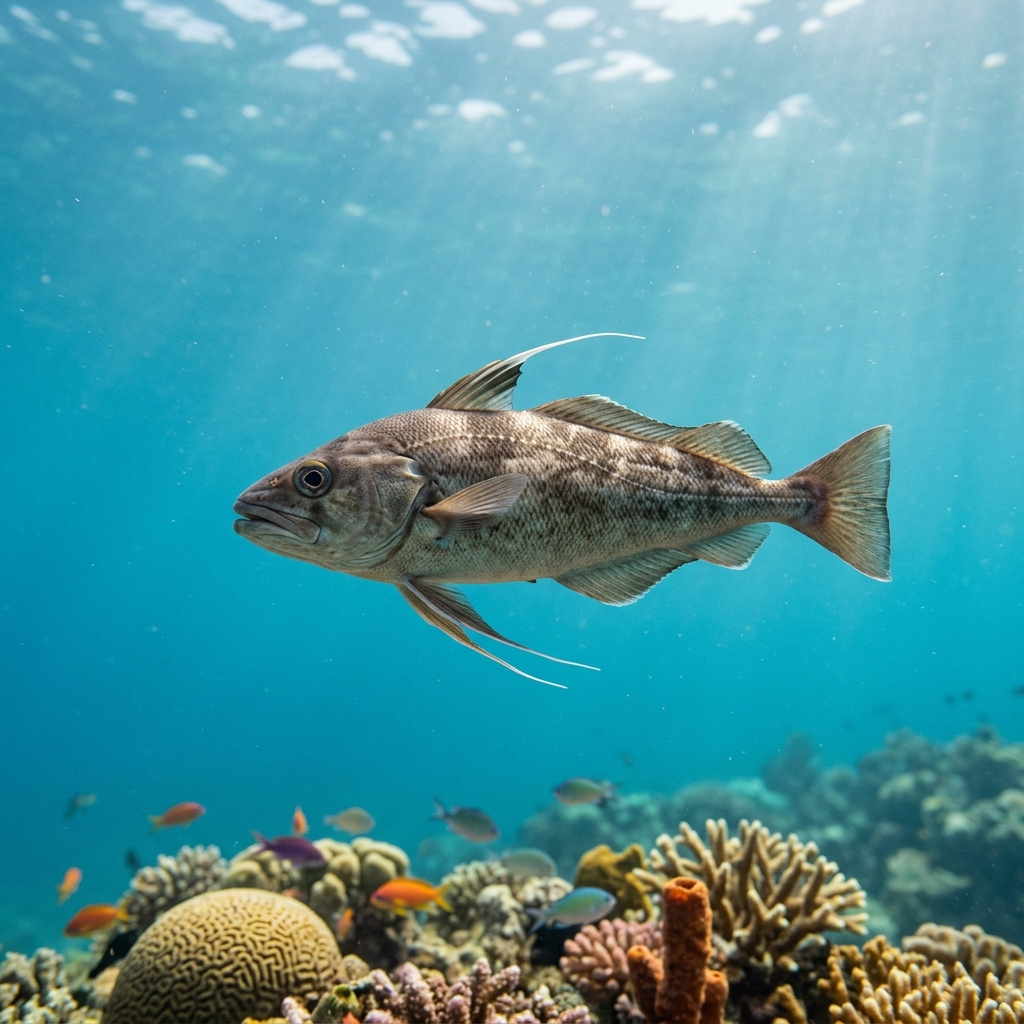
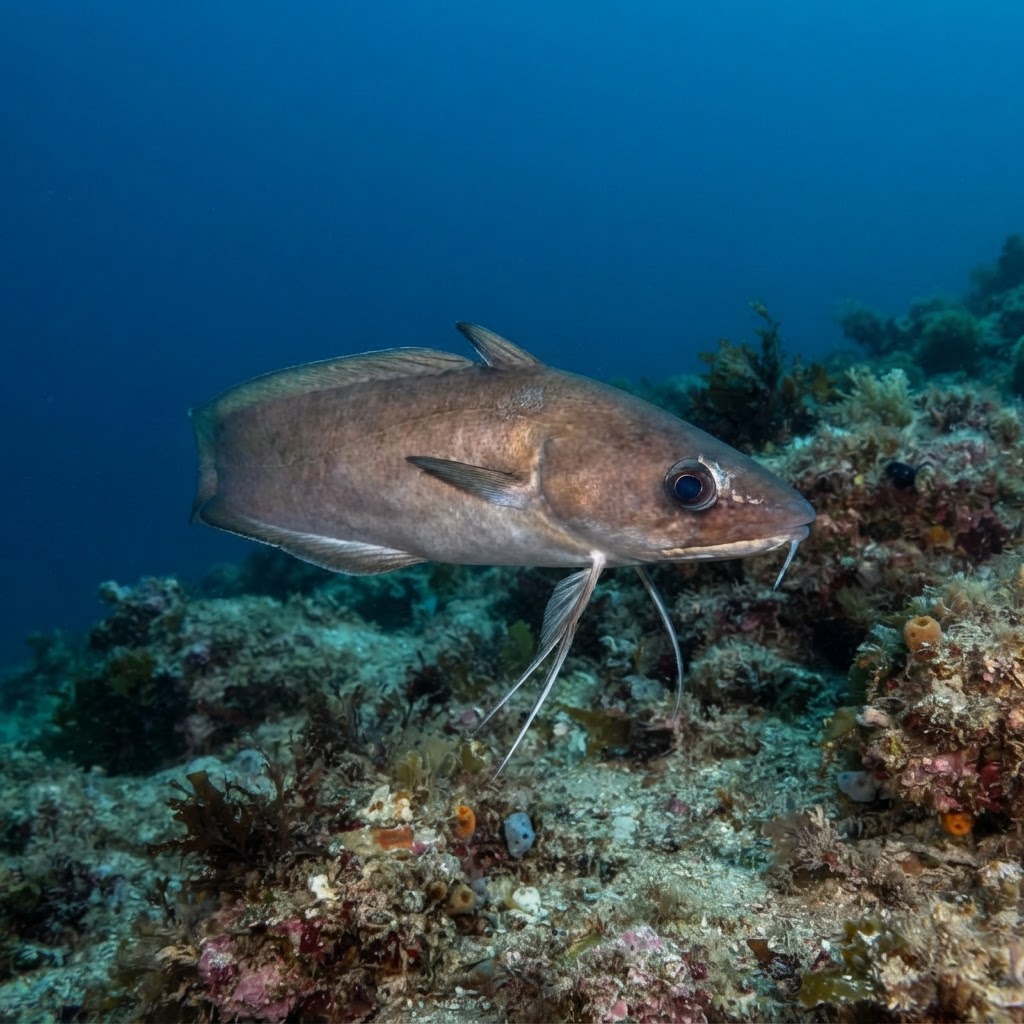
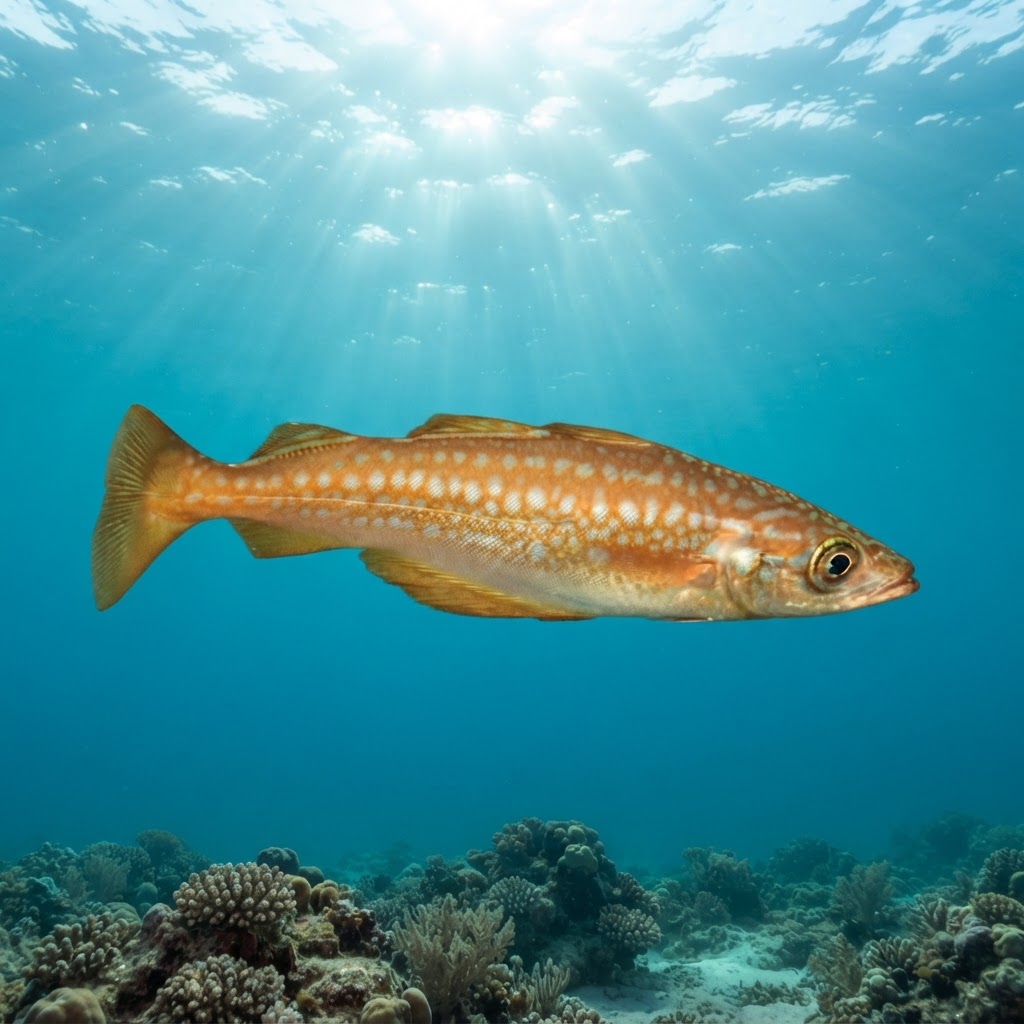
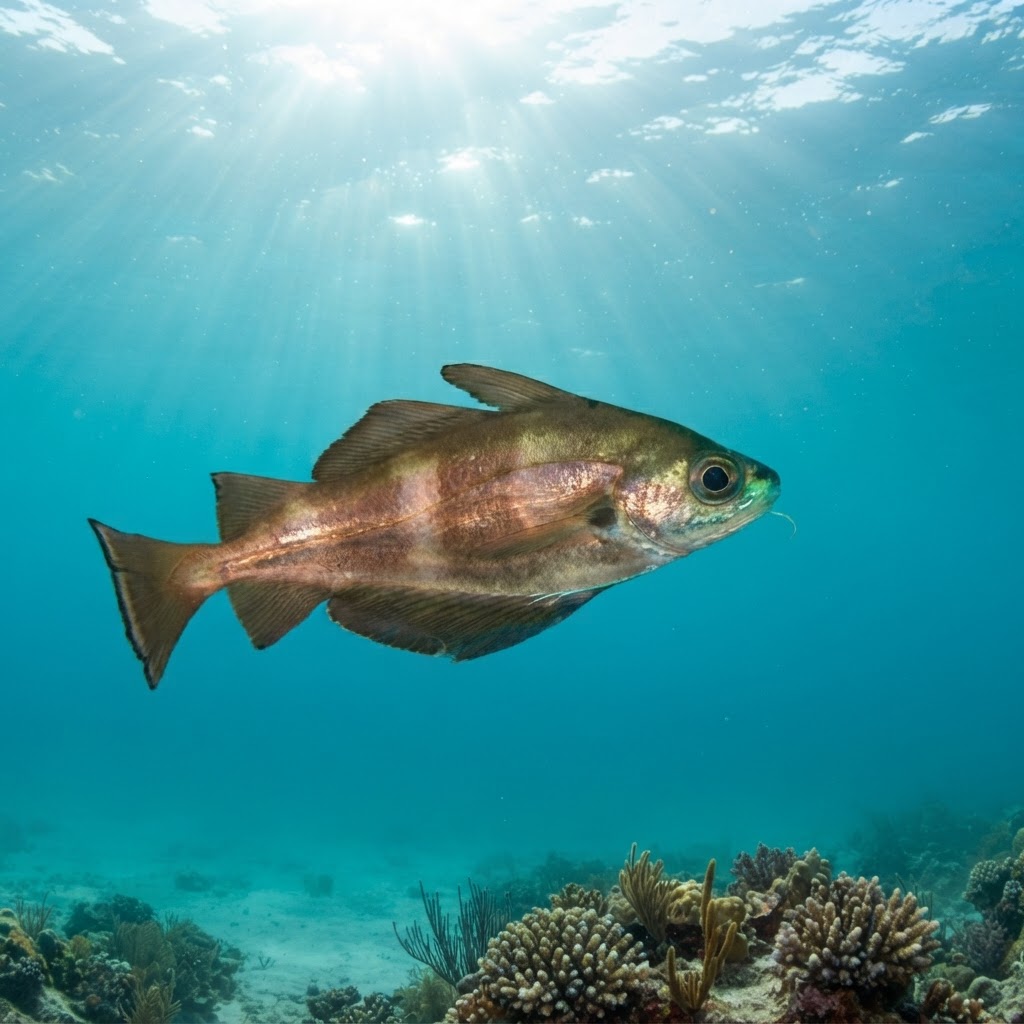
Reef neighbours a diver could mistake it for. Use the identification notes above to tell them apart.
Most reliably logged in British Columbia, Canada, which accounts for the vast majority of recorded sightings, particularly in cold, rocky reef systems. Beyond BC, it's a regular find across the Pacific Northwest of the United States, with further reports from California and Alaska.
Mapping where Kelp Greenling is logged…
British Columbia, Canada is by far the strongest area for sightings, with the Pacific Northwest and California in the United States also producing regular logs, plus occasional reports from Alaska.
Sightings don't show a strong seasonal pattern, so it's considered a year-round species on Pacific Northwest reefs, comfortable across a cold water range of roughly 4 to 13C.
Look for a slim, elongated fish around 40cm resting on rock or kelp, with males showing scattered pale blue spots on a brown body and females a plainer golden-brown with small reddish flecks. A small fleshy cirrus above each eye is another good tell.
They typically reach around 42cm in length, making them a mid-sized reef fish rather than a giant, usually seen singly on rocky bottom.
No, they pose no threat to divers and will typically just hold still or move off calmly if approached.
Site and sighting data is aggregated from diver logs, iNaturalist and GBIF. For taxonomy and conservation status:
Pollack
282 sites